Heysel 85 (Teodora Ana Mihai)
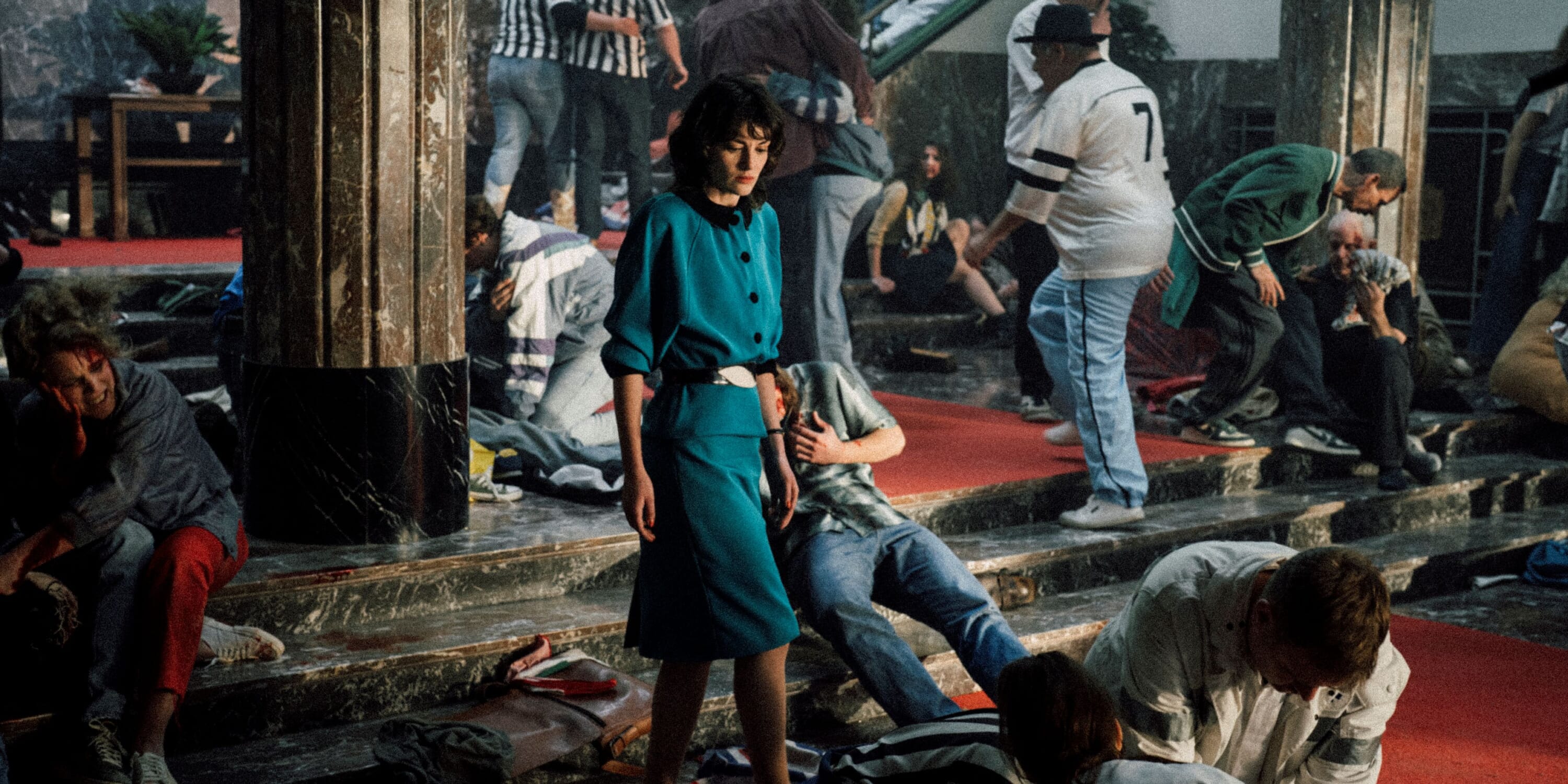
A powerful and, at times, claustrophobic film, shot on 16mm and unfolding through long, sinuous takes, Heysel 85 is a fictional recreation of the tragic events surrounding the 1985 European Cup Final between Liverpool and Juventus in Brussels, which claimed 39 lives. Winner of the festival’s Audience Award, it is the third fiction feature from Belgian-Romanian director Teodora Ana Mihai and arguably her most controversial and politically charged work to date.
The film follows two central characters: Italian journalist Luca Rossi (Matteo Simoni), who continues reporting while desperately searching for his family amid the deadly crush, and Marie Dumont (Violet Braeckman), daughter and press attaché to Brussels Mayor Hervé Brouhon. As the tragedy unfolds, Marie becomes caught in the authorities’ debate over whether the match should continue. Most controversially, the film portrays Brouhon as indecisive and politically calculating, raising questions about the local authorities’ responsibility for the disaster.
Sister Brother Manhole Cover (Milcho Manchevski)
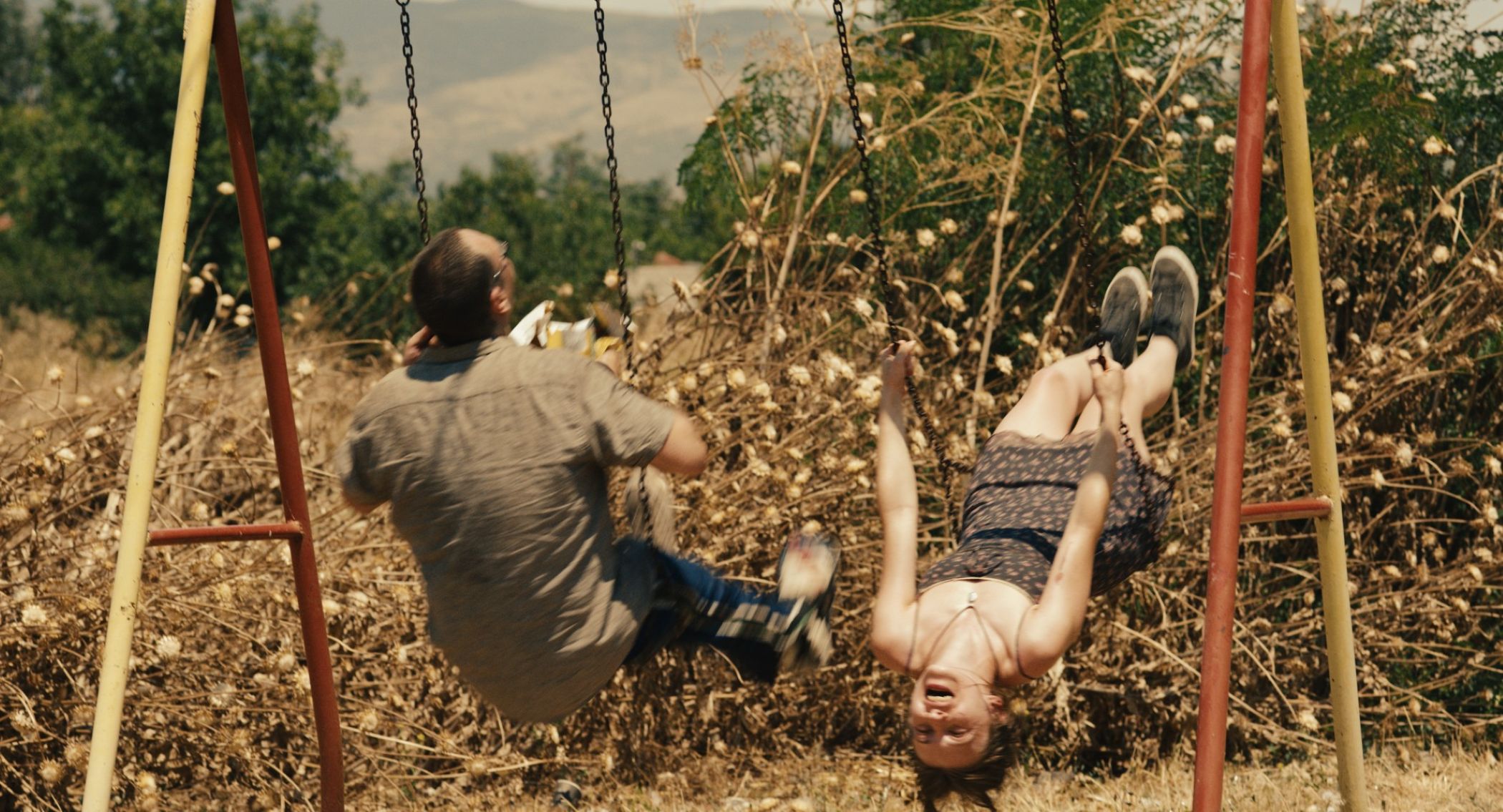
Winner of the Tokyo Grand Prix, Sister Brother Manhole Cover is a dark comedy that brings together elements of a crime thriller, road movie, and sibling survival drama. Set in post-Communist Skopje, North Macedonia, the film offers a sharp critique of economic inequality and social marginalization. Through his characteristically satirical lens, director Milcho Manchevski explores how historical monuments lose their symbolic significance and become little more than commodities when people are driven to the fringes of society.
The story follows marginalized and impoverished siblings Viktor (Filip Trajkovikj) and Malina (Sara Klimoska) as they struggle to get by while managing health issues. Their routine of stealing monuments falls apart after a bronze bust of the writer Kočo Racin falls on Viktor’s foot. The film’s distinctive blend of humor and poignancy was recognized by the jury, with President Rolf de Heer describing Sister Brother Manhole Cover as “a complex, coherent film that manages to be both touching and playful.”
Colony (Yeon Sang-ho)
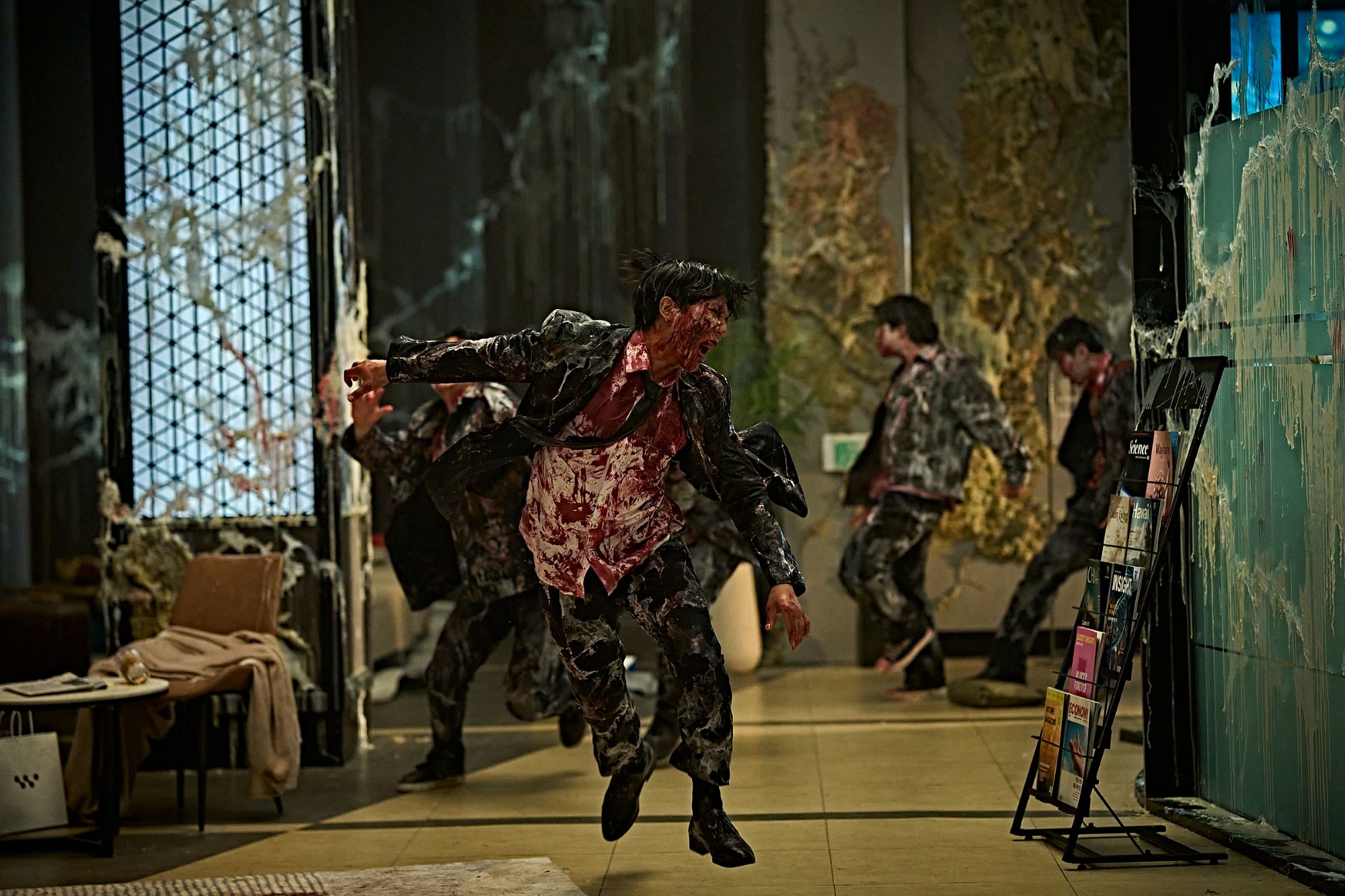
A high-intensity South Korean zombie-survival thriller from Train to Busan director Yeon Sang-ho, Colony is a goopy popcorn flick packed with visceral thrills, grotesque imagery and breakneck chase sequences. While it lacks the emotional core of Train to Busan, it makes up for it with an unabashedly entertaining, high-concept ride fueled by pure kinetic chaos. Yeon once again turns familiar genre conventions on their head, balancing outrageous spectacle with moments of tension, dark humor and social commentary.
During a biotechnology presentation at a complex housing a luxury department store, disgruntled former scientist Seo Young-chul (Ju Cheol Min) unleashes a bioengineered fungal pathogen in revenge for having his research stolen. The outbreak quickly spirals out of control, transforming its victims into grotesque creatures with a collective intelligence. Connected through a hive mind resembling an ant colony, the infected evolve as their numbers grow. Using scent-masking and coordinated movements to track survivors, they become an increasingly formidable threat.
Sukiyaki (Takahisa Zeze)
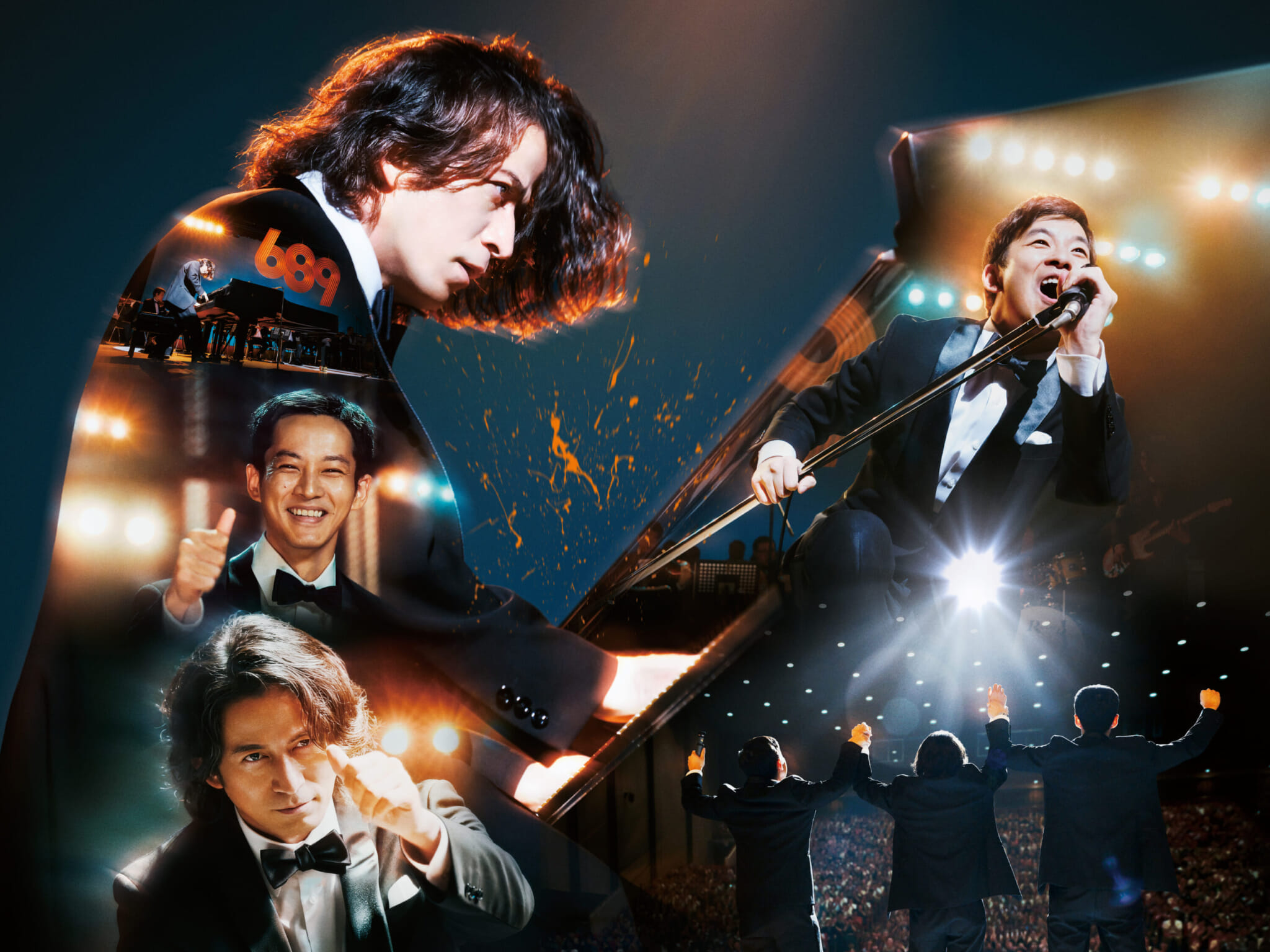
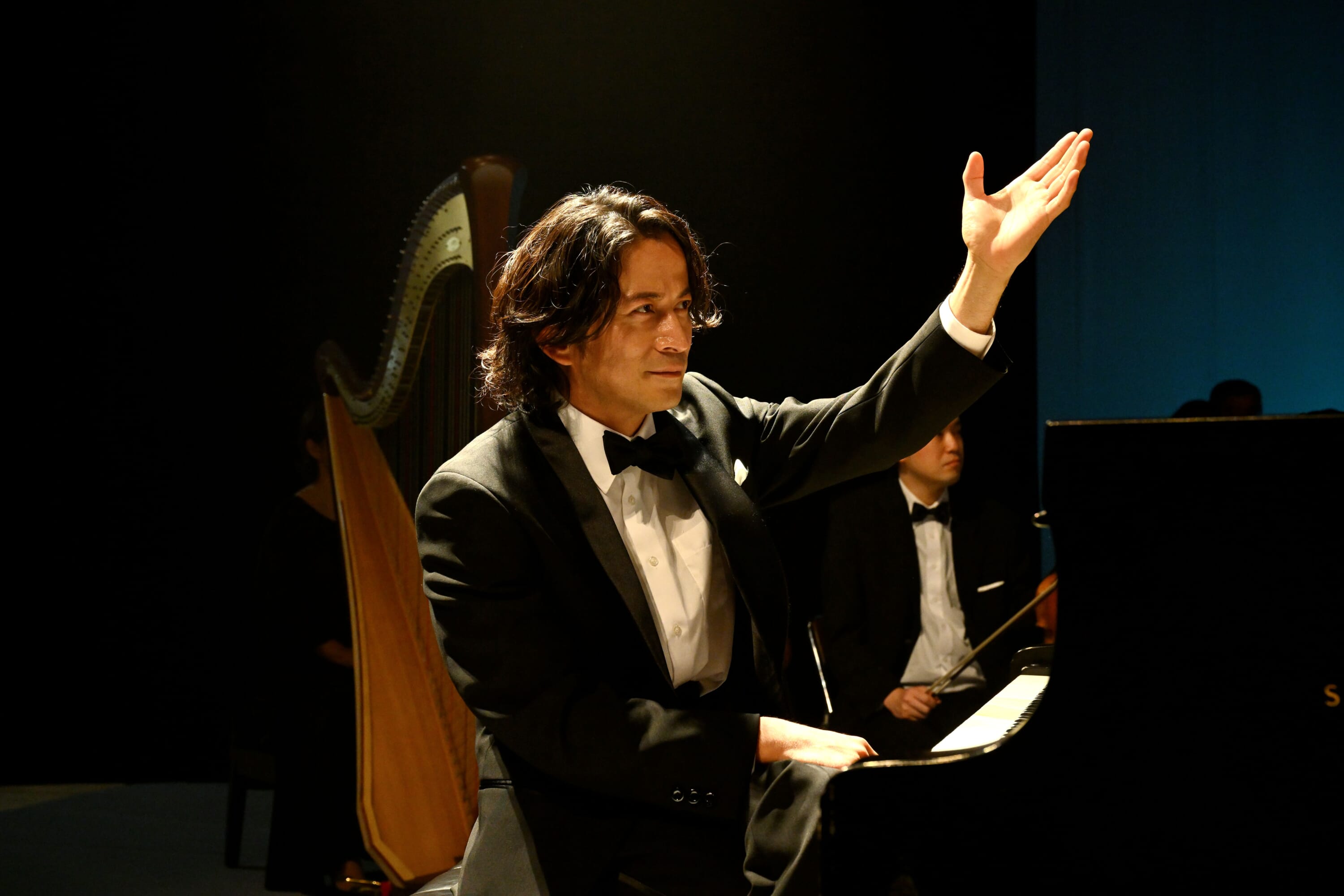
The 2026 Tokyo International Film Festival opened with Sukiyaki, an uplifting biographical film directed by Takahisa Zeze that chronicles the creation and global rise of the iconic 1961 Japanese pop song “Ue o Muite Arukou” (known in English as “Sukiyaki”). A member of the legendary “Four Heavenly Kings” of 1990s Japanese pink film (indie erotic cinema), Zeze successfully bridges his subversive, character-driven roots with the demands of a major historical biopic.
The film follows composer and jazz pianist Hachidai Nakamura (Jun’ichi Okada), who turns to music after witnessing the devastation of World War II. He teams up with lyricist Rokusuke Ei (Tori Matsuzaka), and the pair quickly score a massive success with “Kuroi Hanabira.” They later join up-and-coming singer Kyu Sakamoto (Taiga Nakano) to form the “689 Trio.” Their partnership would go on to produce “Ue o Muite Arukou,” the internationally acclaimed hit that brought Japanese pop music to the world stage.
Godzilla Minus Zero (Takashi Yamazaki)
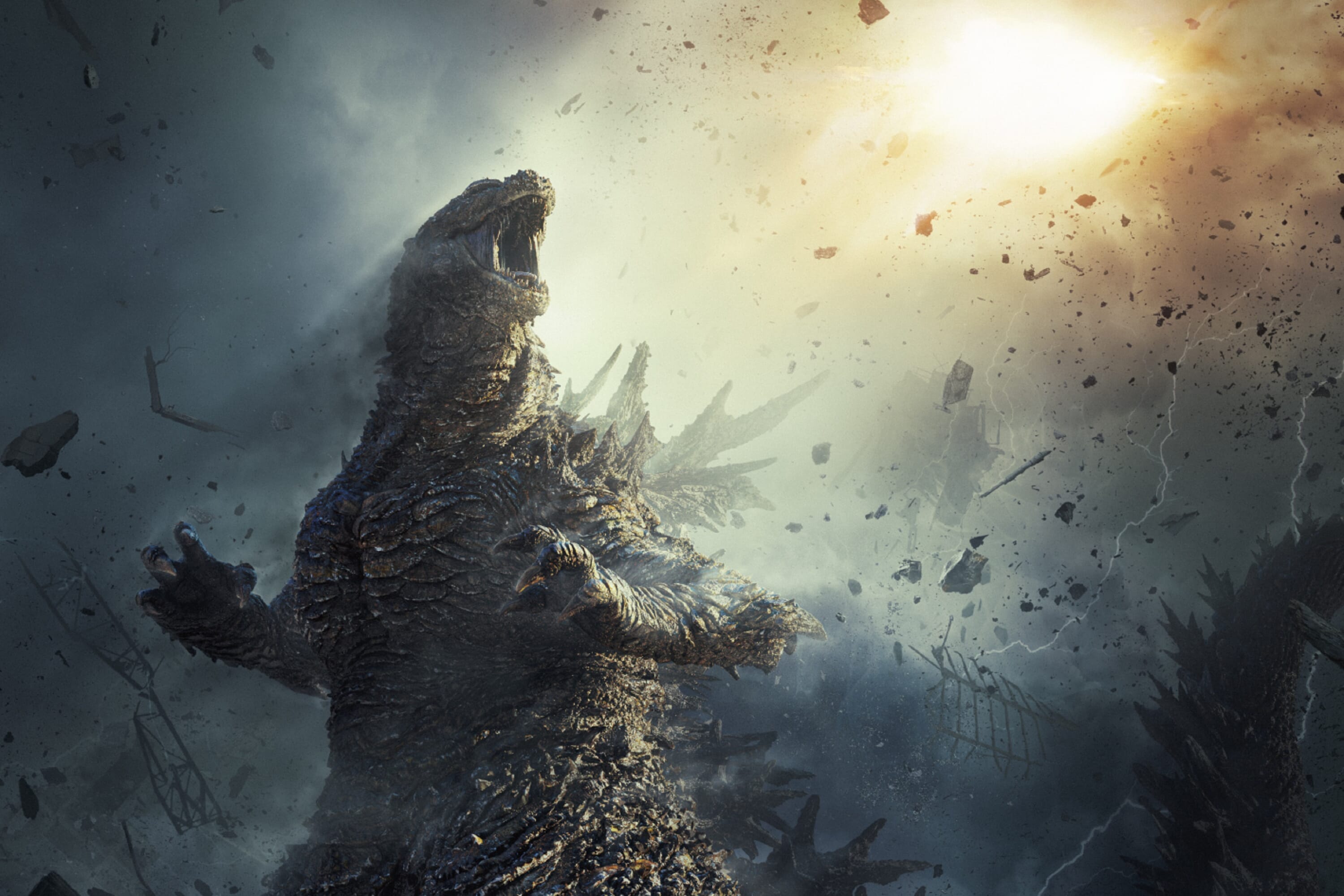
At the 96th Academy Awards in 2024, Takashi Yamazaki made history when Godzilla Minus One won the Oscar for Best Visual Effects, making him the first director to receive the award since Stanley Kubrick for 2001: A Space Odyssey in 1969. In Godzilla Minus Zero, Yamazaki returns to postwar Japan, where a new monster threat once again brings destruction. Combining spectacular action, large-scale devastation and impressive visual effects, the film could put Yamazaki in contention at the 2027 ceremony.
The 39th installment in a franchise spanning more than 70 years, Godzilla Minus Zero earned $63 million worldwide on its opening weekend, including $31.6 million in the US and Canada. This set a record for the biggest opening ever for a live-action foreign-language film in North America. The story follows a struggling family facing King Ghidorah, whose arrival draws Godzilla into a brutal showdown. However, the iconic monster has surprisingly limited screen time.