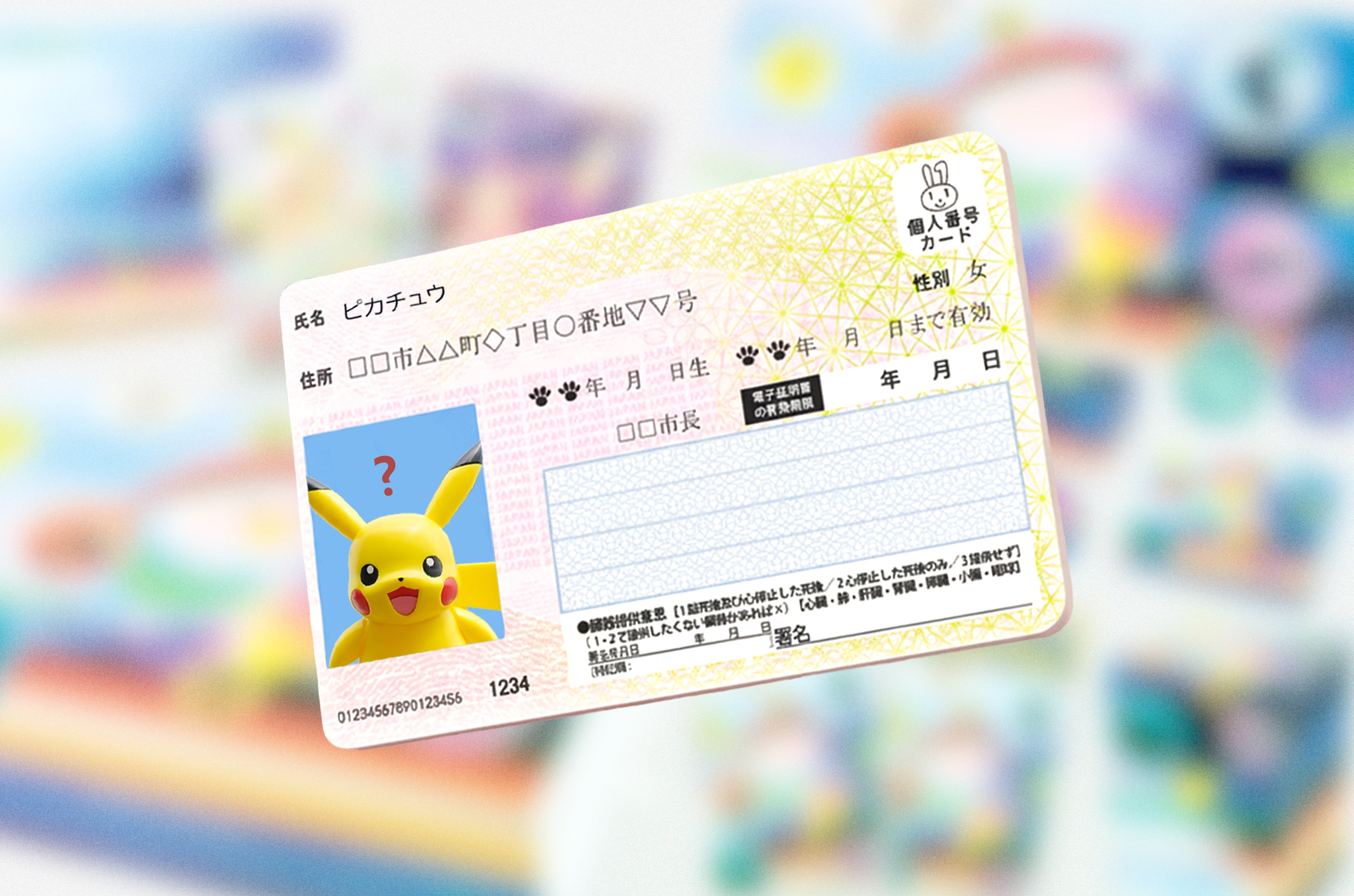
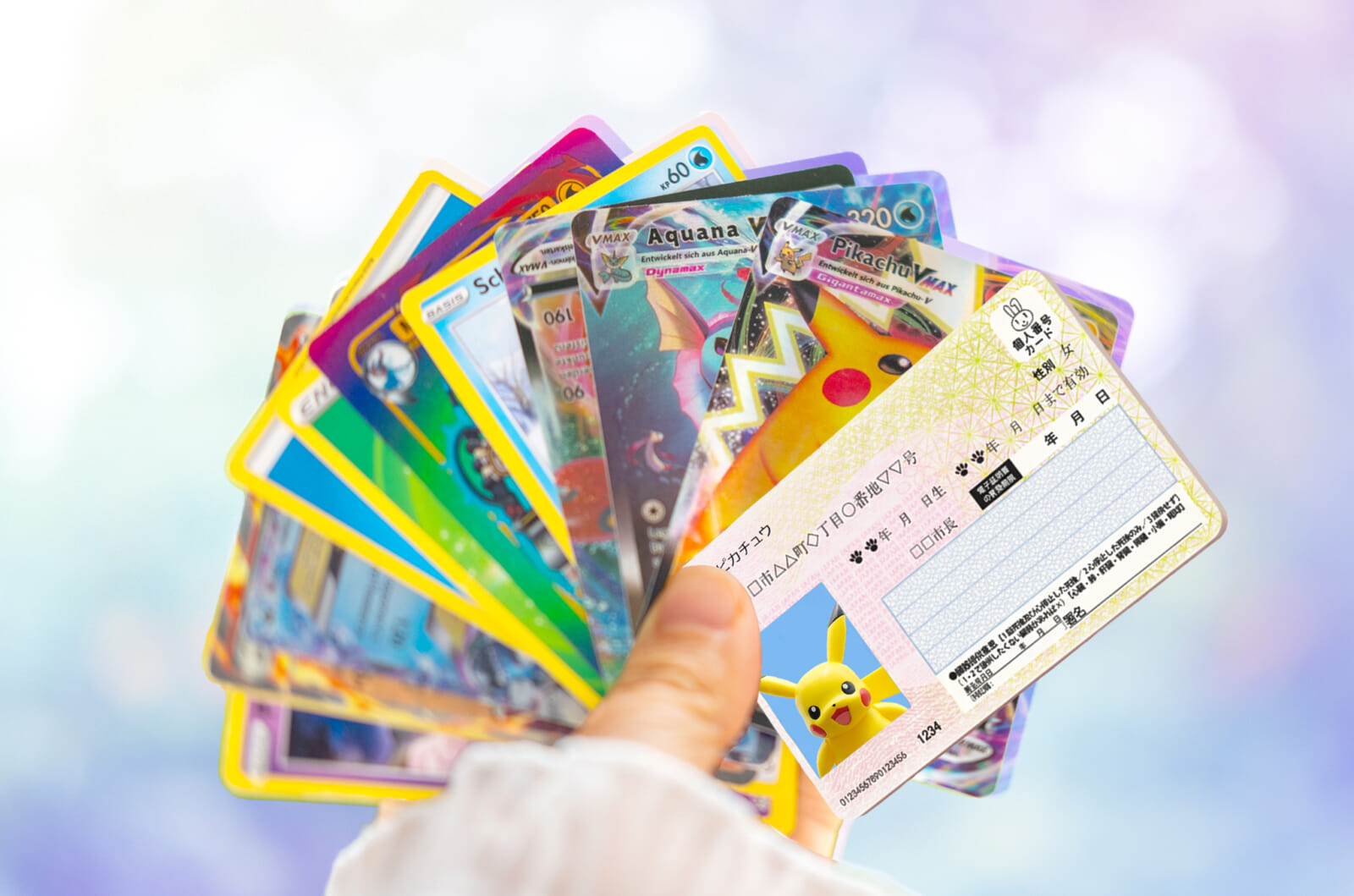
On June 8, the official Pokémon TCG website announced that it is considering an identity-verification system using Japan’s My Number Card for products tied to Pokémon’s 30th anniversary. The move aims to tackle the persistent problem of resellers who buy up sought-after products and flip them at inflated prices.
The Pokémon Trading Card Game first launched in 1996, and three decades later its cards have become a hotbed of speculation. Prices on certain sets have surged well beyond retail and a wave of scalping has left the company scrambling for countermeasures.
The new verification system represents one of its most concrete responses yet, tying purchase eligibility to Japan’s government-issued ID in an effort to keep ordinary fans from being squeezed out.
What Is a My Number Card?
The My Number Card is Japan’s government-issued ID, a physical card carrying the unique 12-digit “My Number” assigned to every resident, and it’s used to verify identity for everything from tax filing and social security to accessing public services.
Issued to both Japanese citizens and foreign residents, it functions as the country’s de facto equivalent of a U.S. Social Security card and serves as accepted proof of identity nationwide.
Notably, children under 15 cannot apply on their own and need a legal representative to do it for them — a relevant detail for a hobby with so many young fans.
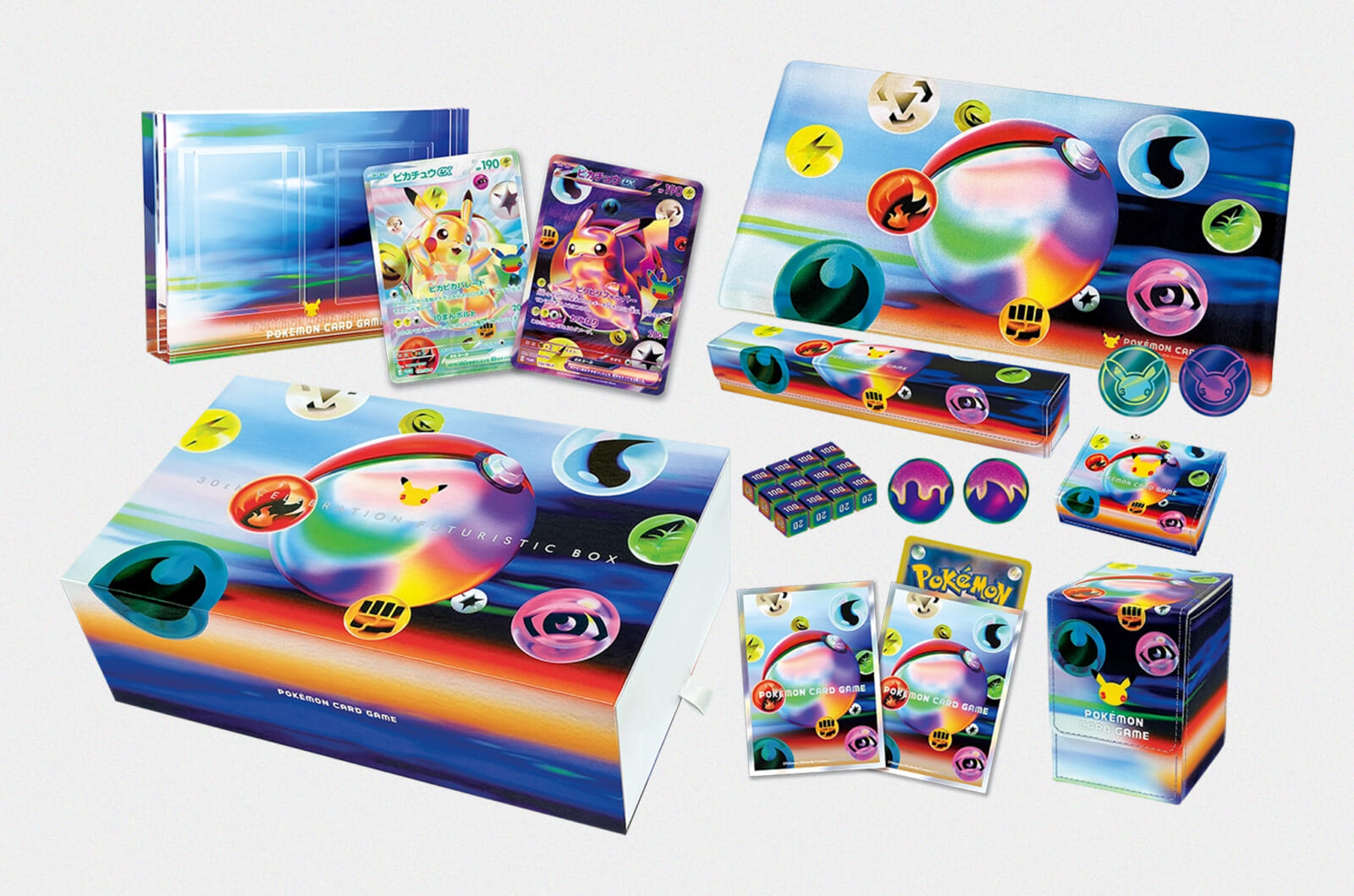
The “30th Celebration Futuristic Box” featuring designs from artist Yoshirotten | Pokemon
Which Products Are Affected
The company said it is examining the adoption of the My Number Card process “as part of an effort to offer all customers a fair opportunity.” If introduced, the system is planned to debut through lottery-based sales on Pokémon Center Online, the official e-commerce site for Pokémon merchandise.
A range of high-demand anniversary items would fall under the scheme. These include the Pokémon TCG’s Mega expansion pack “30th Celebration” box, priced at ¥7,200 including tax, and the pricier Mega “30th Celebration Futuristic Box” at ¥27,500. Others include the Mega “30th Celebration Premium Deck Set Espeon & Umbreon” at ¥6,200 and the Mega “30th Celebration Card Set” nine-type bundle at ¥10,800.
How the Lottery Would Work
The Pokémon organization offered a closer look at how the lottery would operate: for the nine-type card set, each priced at ¥1,200 including tax, the majority of available winning slots would be reserved for customers who have completed identity verification. Shoppers who have not gone through the process could still enter, but completing verification would improve their chances. Even verified applicants are not guaranteed a win, the company added, asking customers to keep that in mind before entering.
By weighting the odds toward verified buyers rather than locking unverified users out entirely, Pokémon appears to be balancing accessibility against deterrence. The approach would make it harder for any one person to dominate the lottery with multiple anonymous entries, a favored tactic among resellers. Whether linking purchases to a national ID will cool the secondary market remains to be seen — but the announcement signals the company intends to take its scalping problem seriously.