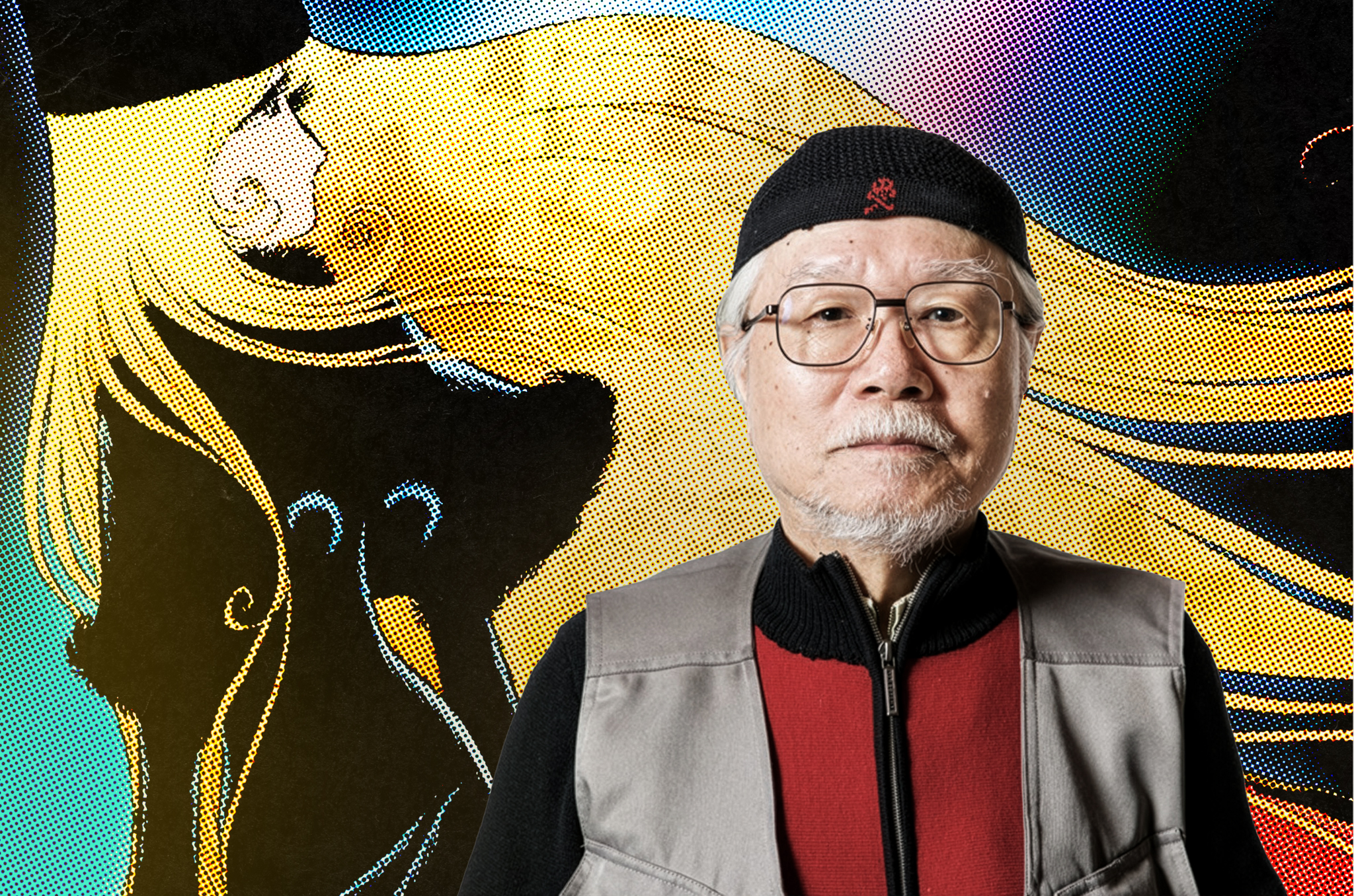
For the latest article in our Spotlight series, we are focusing on one of Japan’s most beloved manga artists, who passed away on this day three years ago. Leiji Matsumoto (real name Akira Matsumoto) was most well known for his space operas, including Space Battleship Yamato, Galaxy Express 999 and Space Pirate Captain Harlock.
His storylines were often emotional, with more than 150 of them depicting the tragedies of war. Aged 7 when World War II ended, he called for such devastation to never be repeated, having been heavily influenced by the stories of his father, a former pilot for the now-defunct Imperial Japanese Army.
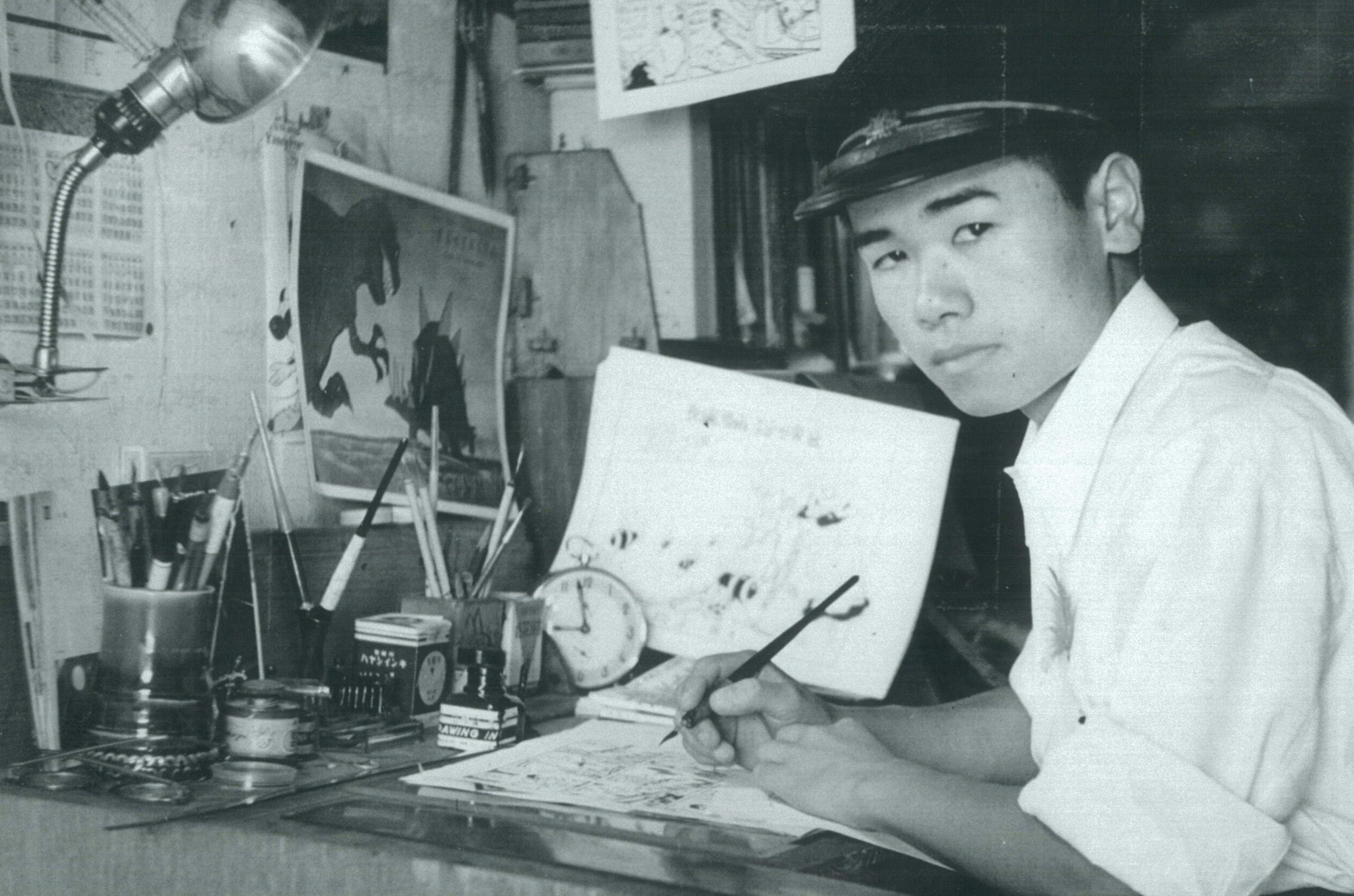
Matsumoto as a high school student | © Matsumoto Leiji/Reijisha
Leiji Matsumoto: The Early Years
Born in Kurume, Fukuoka, in 1938, Matsumoto was one of the middle children in a family of seven boys. During the war, he was given a film projector by his father that he used to watch American cartoons featuring characters such as Mickey Mouse, Popeye and Betty Boop, even though they were banned from being shown in Japan.
His fascination with American stories continued after the war, when Japan was occupied by the Allied powers. During that time, Matsumoto said he took refuge in 10-cent American comics such as Superman, which influenced him when he started to take drawing more seriously. He was also inspired by Japanese artists such as Osamu Tezuka, Shigeru Komatsuzaki and Tetsuji Fukushima.
Matsumoto was in his midteens when his first story, “Mitsubachi no Boke” (“Honey Bee’s Adventures”) was published in the magazine Manga Shonen. His big break, though, came when he was in his 30s with Otoko Oidon, a slice-of-life series about Nobotta Oyama, an unrefined yet good-hearted young man trying to pass his college entrance exams.
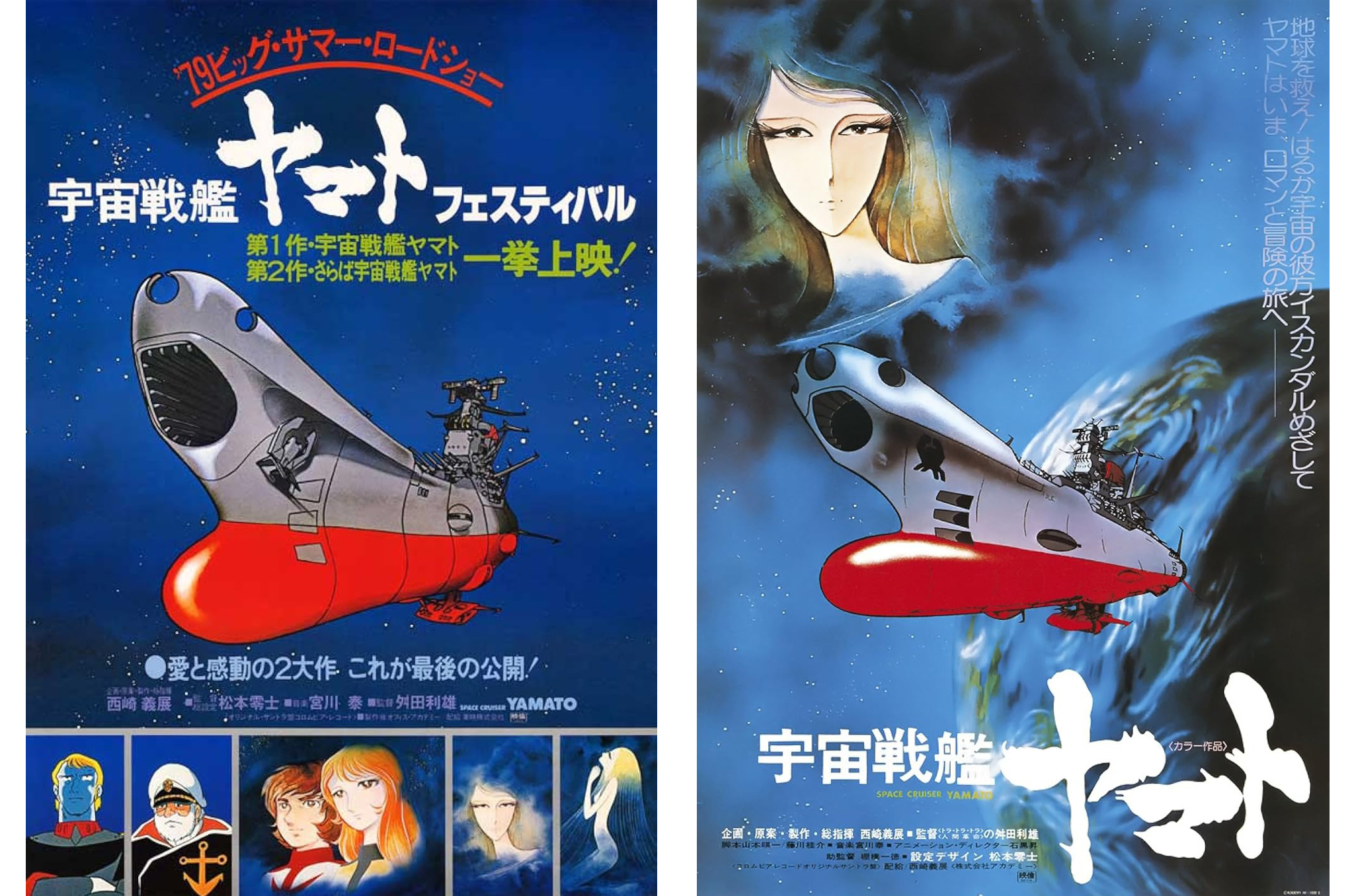
Space Battleship Yamato promos | IMDB
Space Battleship Yamato
In 1974, Uchu Senkan Yamato (Space Battleship Yamato, also known as Star Blazers) was released. Considered one of the most influential Japanese anime ever, it tells the story of a devastating alien attack from the Gamilas Empire as they poison the Earth with radioactivity, forcing humans underground. Civilization’s only hope is the space battleship Yamato, equipped with advanced technology.
While Yoshinobu Nishizaki came up with the premise, Matsumoto was responsible for the artistic design of the show, and based the character of Captain Juzo Okita directly on his father. “As my father used to say, ‘We are born to live, not to die.’ This became the main theme of Yamato,” recalled Matsumoto in an essay.
Ratings were initially disappointing. However, following the release of Space Battleship Yamato: The Movie in 1977, the franchise exploded in popularity. Matsumoto and Nishizaki didn’t enjoy the success together, though, as they were embroiled in a legal dispute over ownership of the copyright, which dragged on for several decades. They finally reached an out-of-court settlement in 2003.
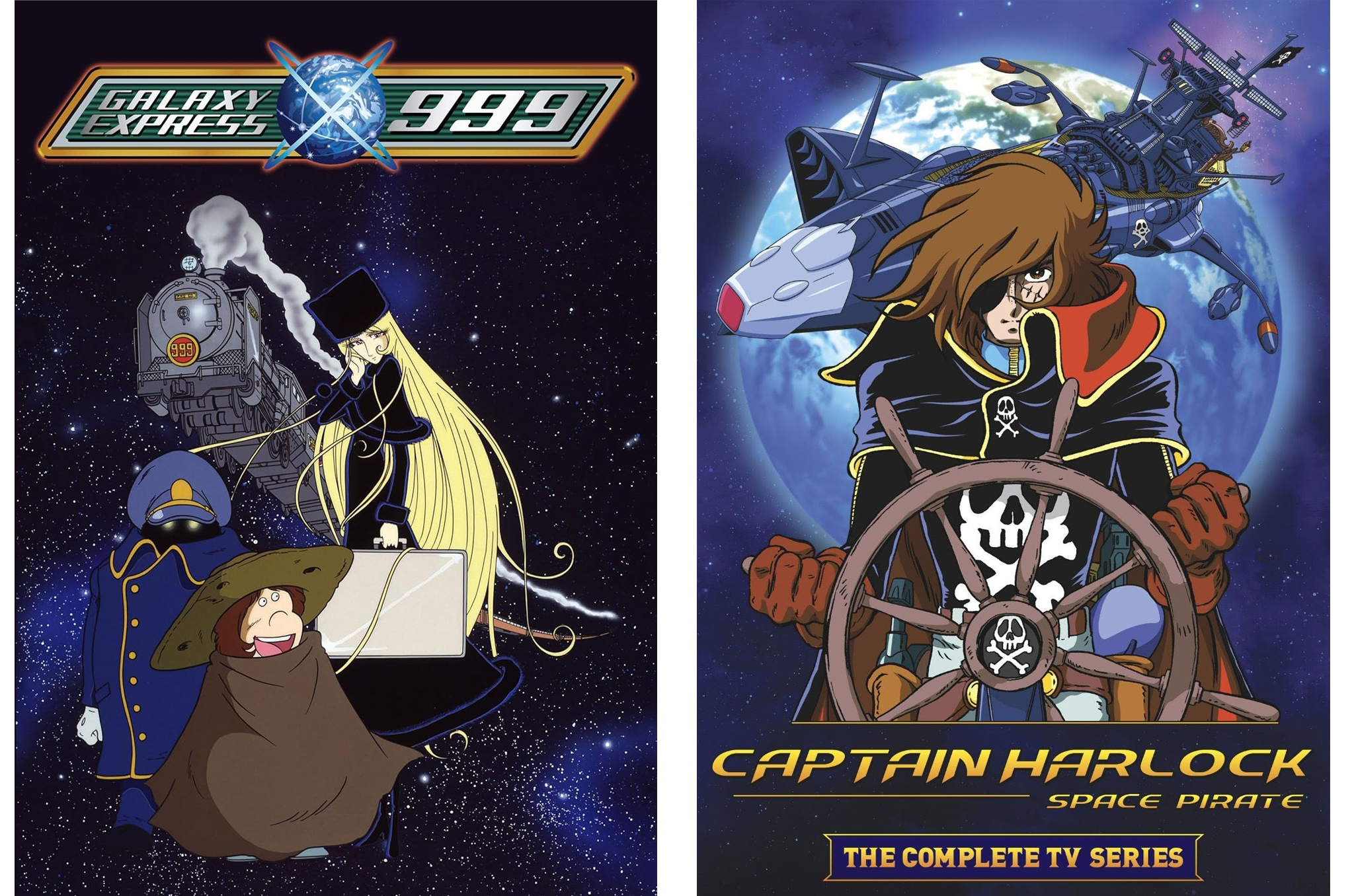
Galaxy Express 999 and Captain Harlock
The same year Space Battleship Yamato: The Movie was released, Matsumoto published two of his most successful manga series: Ginga Tetsudo 999 (Galaxy Express 999) and Uchu Kaizoku Kyaputen Harokku (Space Pirate Captain Harlock). The two stories take place in a loosely connected, time-bending universe. They also feature several character overlaps and shared thematic elements.
The former follows the endeavors of Tetsuro, an orphaned boy who travels on a magical space train with the enigmatic figure Maetel. The train is said to stop at a planet where immortality can be achieved by replacing one’s flesh and blood with a mechanical body. It’s a story that highlights the pitfalls of prioritizing material consumption over humanity.
Captain Harlock makes a cameo appearance in Galaxy Express 999, supporting Tetsuro and Maetel in their fight against Queen Promethium. In his standalone series, he leads an outlaw crew aboard his starship Arcadia to combat the corrupt and authoritarian Gaia Coalition. A stoic antihero, he has influenced several manga characters, including Tuxedo Mask from Sailor Moon.
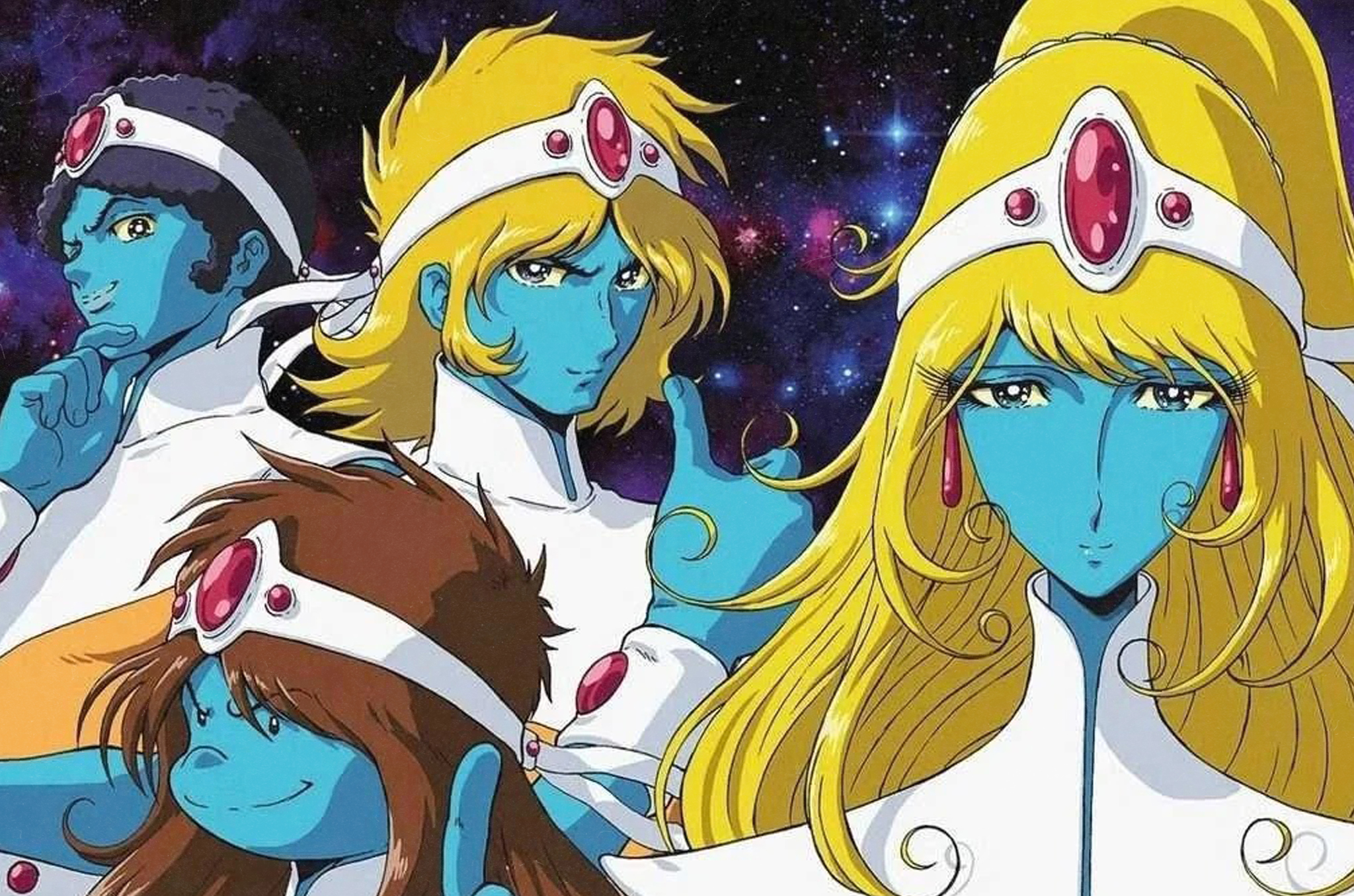
Artwork for Interstella 5555 | © Toei & Daft Life Ltd.
Working With Daft Punk
The Captain Harlock anime series, released in 1978, achieved lasting popularity in Japan and overseas, particularly in Europe. Thomas Bangalter and Guy-Manuel de Homem-Christo, the French musicians and producers behind the iconic electronic music duo Daft Punk, said they watched it from a young age and cited it as a major early influence on their music and visual style.
In 2000, the duo met Matsumoto while wearing their full robotic personas. Describing the encounter, the Japanese manga artist said, “It was as if spacemen or androids had arrived from outer space … I felt it was like a kind of destiny. It was like my fantasy and real worlds had come together as one. I was extremely happy about that.”
Matsumoto agreed to be the visual supervisor of Daft Punk’s anime musical science fiction film, Interstella 5555: The 5tory of the 5ecret 5tar 5ystem, about the abduction of an extraterrestrial pop band. It served as a visual companion to the duo’s second album, Discovery. Matsumoto also worked on the videos for tracks that featured in the film, like “One More Time” and “Harder, Better, Faster, Stronger.”
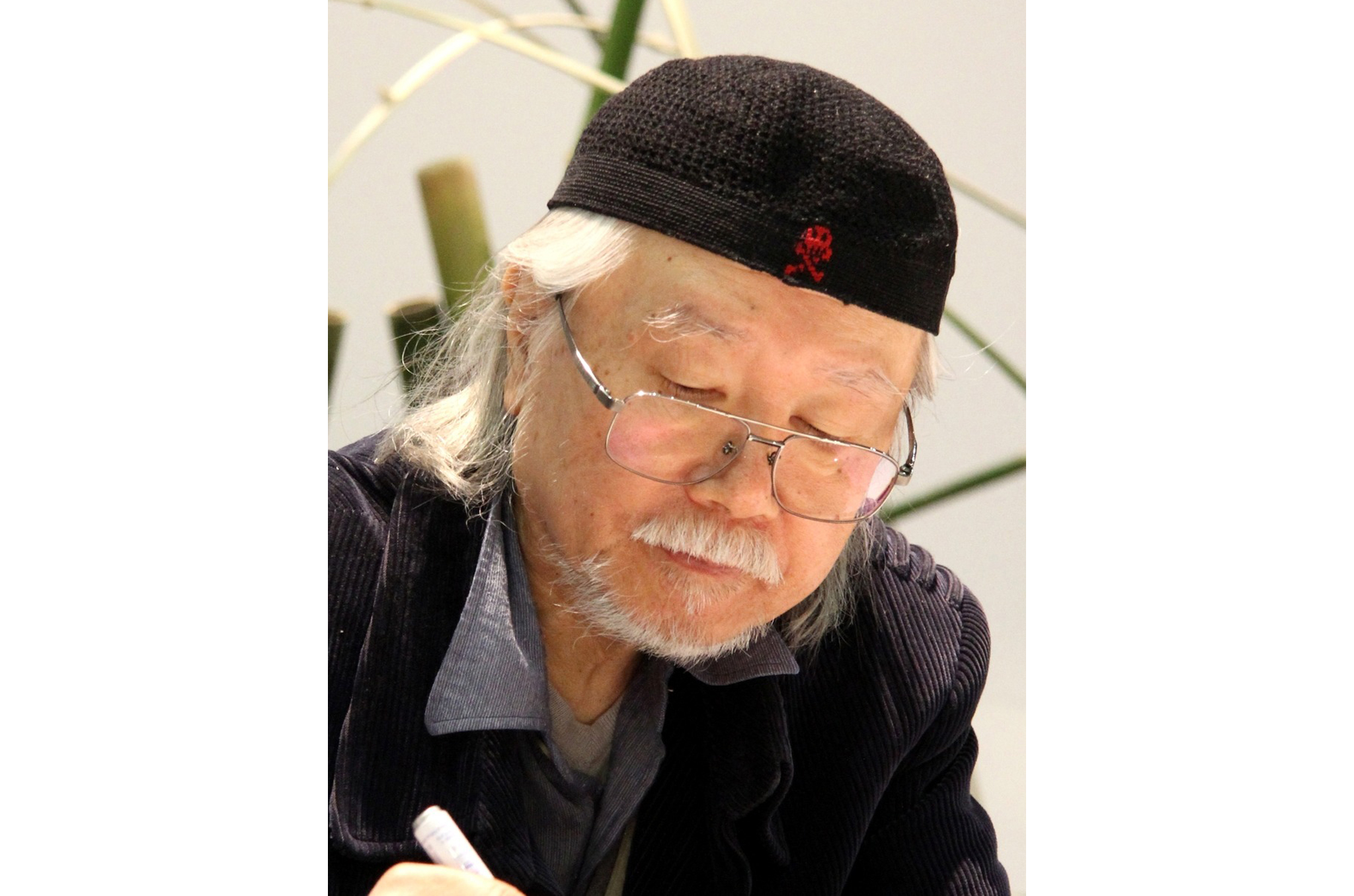
Matsumoto in his later years | Wikimedia
Anti-War Messages
A hugely respected figure, Matsumoto entertained people all over the world for decades with his creative tales. In addition to hits like Captain Harlock and Galaxy Express 999, related stories such as Queen Emeraldas and Shin Taketori Monogatari: Sennen Joou (Queen Millennia), released in 1978 and 1980, respectively, also proved successful — as did his series of WWII stories, The Cockpit.
Matsumoto continued to spread his anti-war message in his later years. Speaking to NHK in 2018, he recalled seeing his father apologize to the mothers of his subordinates for not being able to bring them back alive. “War destroys your future,” he said. “I think we should not be wasting time fighting on the Earth.”
On February 13, 2023, Matsumoto died due to acute heart failure at the age of 85. He was survived by his wife, Miyako Maki, a renowned manga artist in her own right, and his daughter, Makiko Matsumoto. He was a man who lived life to the fullest and will be remembered as one of Japan’s greatest ever mangaka.