Shiga

Home to Japan's largest lake, ancient temples and a thriving lacquerware tradition at the crossroads of the Kansai region

Overview of Shiga

Landlocked in the heart of the Kansai region, Shiga Prefecture is defined above all by Lake Biwa, Japan’s largest lake by both surface area and volume, covering approximately 670 square kilometers and accounting for around one sixth of the prefecture’s total area. Stretching across the center of the prefecture, Lake Biwa has shaped Shiga’s culture, economy and identity for millennia, supplying fresh water to over 14 million people across the Kansai region and serving as a vital ecological corridor for hundreds of endemic species found nowhere else on earth.

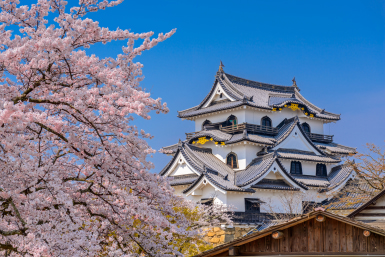
The prefecture is home to Hieizan Enryakuji, a vast Buddhist temple complex on Mount Hiei straddling the border with Kyoto, founded in 788 CE by the monk Saicho and designated a UNESCO World Heritage Site in 1994 as part of the Historic Monuments of Ancient Kyoto. Ishiyamadera Temple in Otsu, where the author Murasaki Shikibu is said to have conceived The Tale of Genji, and the striking Hikone Castle — one of only five castles in Japan designated a National Treasure — further underscore Shiga’s deep historical and cultural significance.

Getting to Shiga

From Tokyo, the most convenient route is the Tokaido Shinkansen to Kyoto Station, followed by the JR Biwako Line toward Otsu, Hikone or beyond depending on your destination. Journey times from Kyoto range from approximately 10 minutes to Otsu Station to around 45 minutes to Hikone Station. The total journey from Tokyo to Otsu takes approximately 2 hours 10 minutes.

From Osaka, the JR Biwako Line from Osaka Station reaches Otsu in approximately 25 minutes and Hikone in approximately 75 minutes. From Nagoya, the JR Biwako Line via Maibara connects to Hikone in approximately 30 minutes and Otsu in approximately 70 minutes.

Things to do in Shiga