Gifu

A landlocked heartland of samurai history, UNESCO villages and alpine hot springs

Overview of Gifu

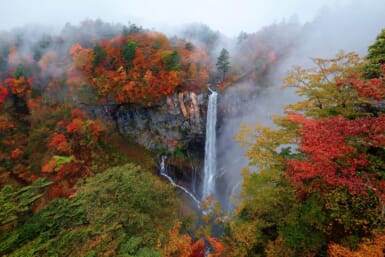
Gifu Prefecture spans two distinct historical provinces: the mountainous Hida region in the north, dominated by the Japanese Alps, and the flatter, more populous Mino region in the south, centered on the fertile Nobi Plain. This geographic divide gives the prefecture a split personality that makes it one of Japan’s most rewarding destinations: snow-heavy alpine villages in the north, Edo-period post towns and castle cities in the south.

The prefecture’s most celebrated attraction is Shirakawa-go, a UNESCO World Heritage Site designated in 1995, where steep-roofed gassho-zukuri farmhouses cluster in a mountain valley that becomes a snow-dusted postcard in winter. To the north, the old merchant city of Hida Takayama — often called “Little Kyoto” — preserves some of Japan’s finest Edo-period streetscapes, anchored by Takayama Jinya, the only surviving shogunate administrative office of its kind. Along the Hida River, Gero Onsen ranks among Japan’s three most celebrated hot spring destinations, alongside Arima and Kusatsu. And in the south, Nakasendo post towns like Magome-juku and Ochiai-juku offer a rare chance to walk the same cobblestone mountain road that samurai and merchants traveled between Tokyo and Kyoto.

Gifu is also a living center of traditional craft. Seki city has produced fine blades for over 780 years and remains Japan’s foremost cutlery-making hub. Mino ware pottery, produced in the cities of Tajimi and Toki, accounts for a significant share of Japan’s ceramic output. Mino washi paper, used in Gifu’s famous hand-painted lanterns and oiled umbrellas, has been recognized by UNESCO as intangible cultural heritage.

Getting to Gifu

From Tokyo, take the Tokaido Shinkansen to Nagoya (approximately 100 minutes on the Hikari), then transfer to the JR Tokaido Line to Gifu Station. The total journey time to Gifu city is approximately two and a half hours.

From Nagoya, the JR Tokaido Line runs directly to Gifu Station in approximately 24 minutes, with departures every 10–20 minutes. The Meitetsu Nagoya Main Line offers a parallel service to Meitetsu Gifu Station.

The JR Takayama Main Line connects Gifu city to Gero and Hida Takayama. Shirakawa-go is not served by rail; buses run from Takayama (approximately 50 minutes), Kanazawa (approximately 85 minutes), and Nagoya (approximately 2.5 hours). For southern Gifu destinations including Magome-juku, access is via the JR Chuo Main Line from Nagoya to Nakatsugawa Station. Given the prefecture’s size, a rental car is strongly recommended for exploring multiple regions in a single trip.

Things to do in Gifu