Anime did not start with Astro Boy in 1963. While the 1960s certainly laid the foundations for anime as we know it today, Japanese animation is much older than that. In fact, 2026 marks the 100th anniversary of the beginning of the Showa era, a period that saw the production of many of Japan’s earliest surviving animated films.
The Japanese Animated Film Classics collection released to commemorate the occasion features 64 short films that bring anime’s early history to life. Let’s take a closer look at it.
Japan Quickly Made Animation Its Own Thing
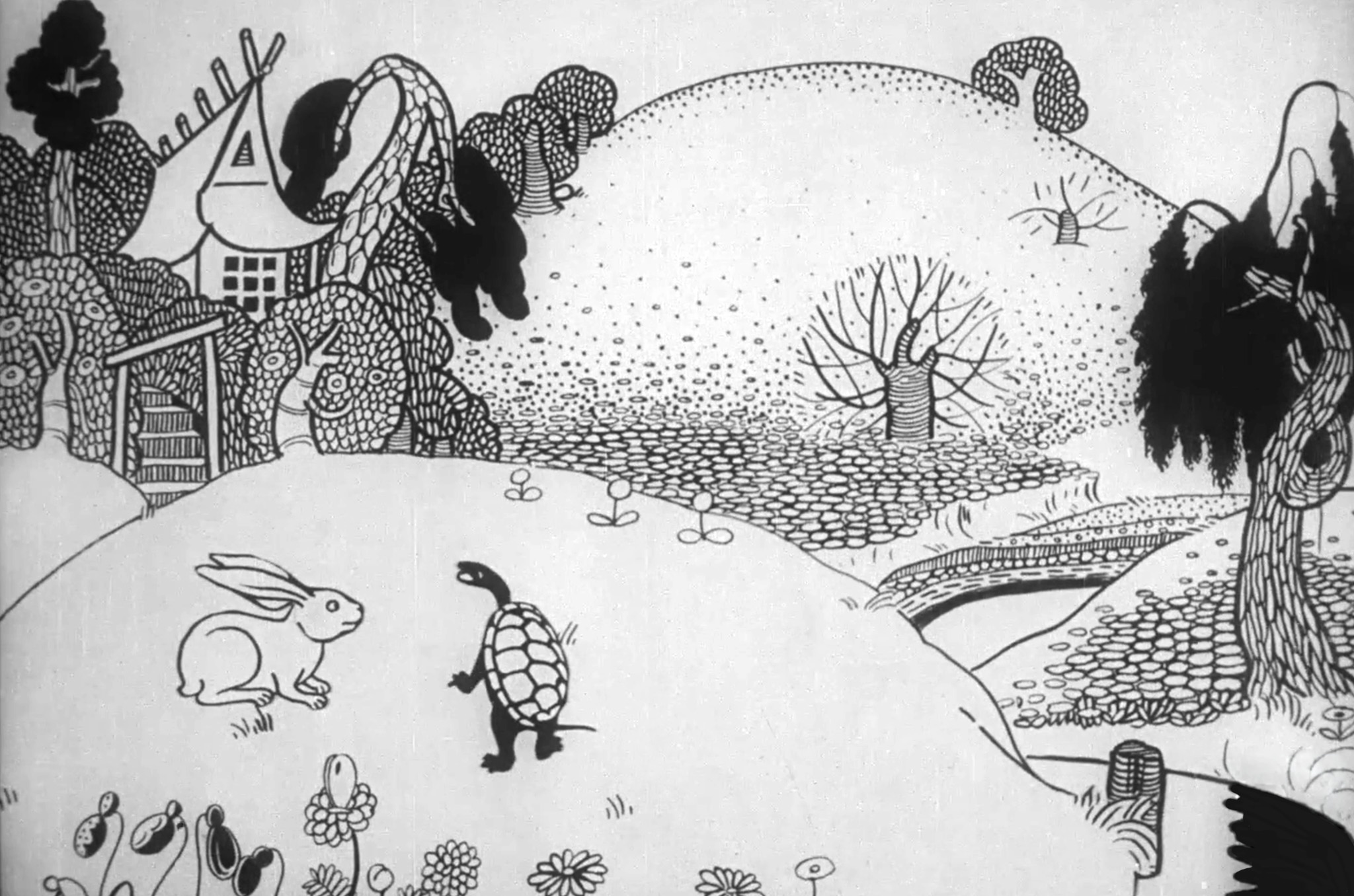
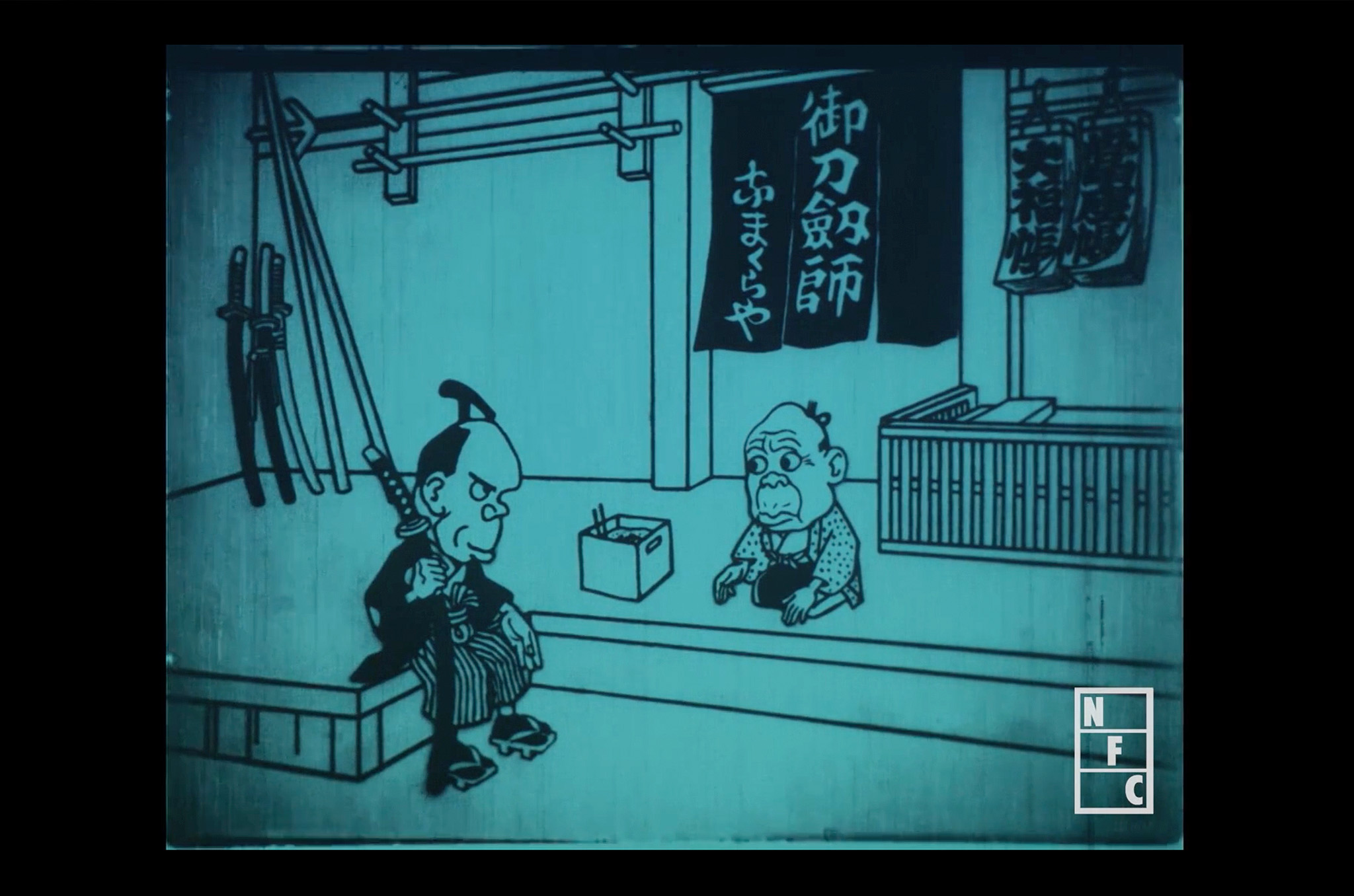
The first animated films made for cinema screenings weren’t hand-drawn animation as we know it today, but rather stop-motion films made using paper cutouts. And they were brilliant. Movies like The Dull Sword (1917) by Jun’ichi Kouchi — widely recognized as the oldest surviving Japanese animated film — and The Hare and the Tortoise (1924), the directorial debut of pioneering animator Sanae Yamamoto, are incredibly expressive.
Their movements may sometimes feel a little clunky, but from the moment the dimwitted samurai in the Dull Sword or Yamamoto’s smug hare make their appearance you immediately understand everything about the characters through their facial expressions. Japan knocked it out of the park on their first tries.
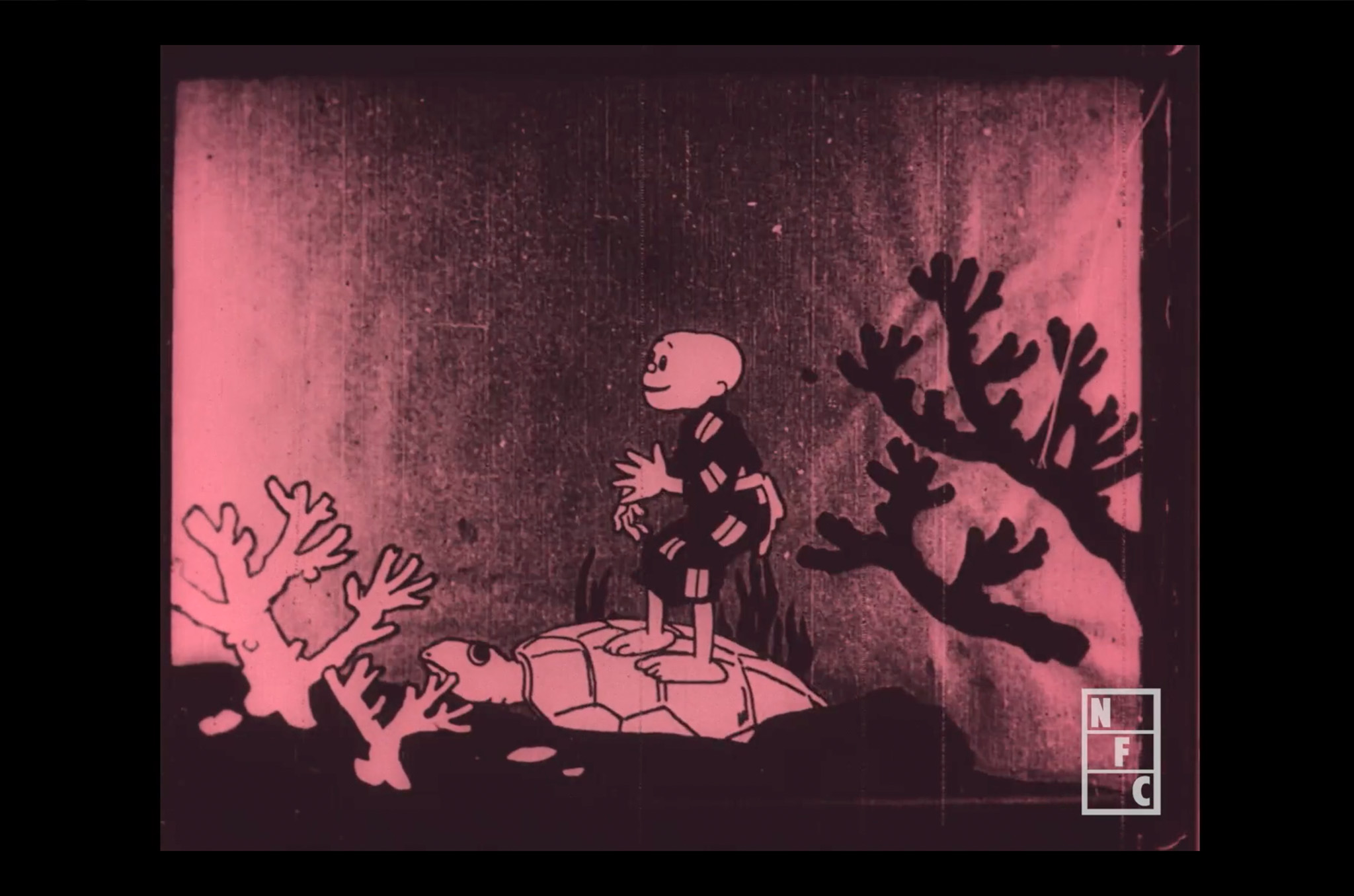
Animators, however, wanted to go further, to put their own mark on the new medium and infuse it with Japanese culture beyond the subject matter. This could be seen in films like Urashima Taro (made before 1924) or Yamamoto’s Ubasuteyama (1925), which were based on Japanese legends and folklore. Then came The Thief of Baguda Castle (1926) by Noburo Ofuji, one of the most important figures in the history of anime.
Ofuji worked with cutout stop-motion but, in this film, he specifically used chiyogami. It’s a traditional, colorful paper with distinctive hand-printed patterns that gave the 1926 animated movie a unique look. The surviving 14-minute film is black-and-white, so chiyogami’s vibrant colors couldn’t be preserved, but its distinctive patterns give The Thief of Baguda Castle an unmistakably Japanese feel.
Ofuji would produce more chiyogami films, but he also experimented with cel animation in The Three Fearless Frogs (1933), inspired by the success of Disney films. Ultimately, the history of anime is that of creators taking technologies and breakthroughs that have been invented outside Japan (cutout stop-motion, cel animation and later CGI) and then using them to make animated films that are undeniably Japanese in some form or another. And this particular chapter of anime history began exactly a century ago.
Yokohama: The Original Anime Hollywood
Toei is one of the biggest names in anime today, and it was early to the party, with its predecessor Nihon Doga producing animated films as far back as 1948 in Shinjuku. Ofuji also operated out of the capital. But Tokyo wasn’t the only center of early Japanese animation. In the years following the Great Kanto Earthquake, Yokohama became an important hub for animators and animated film production.
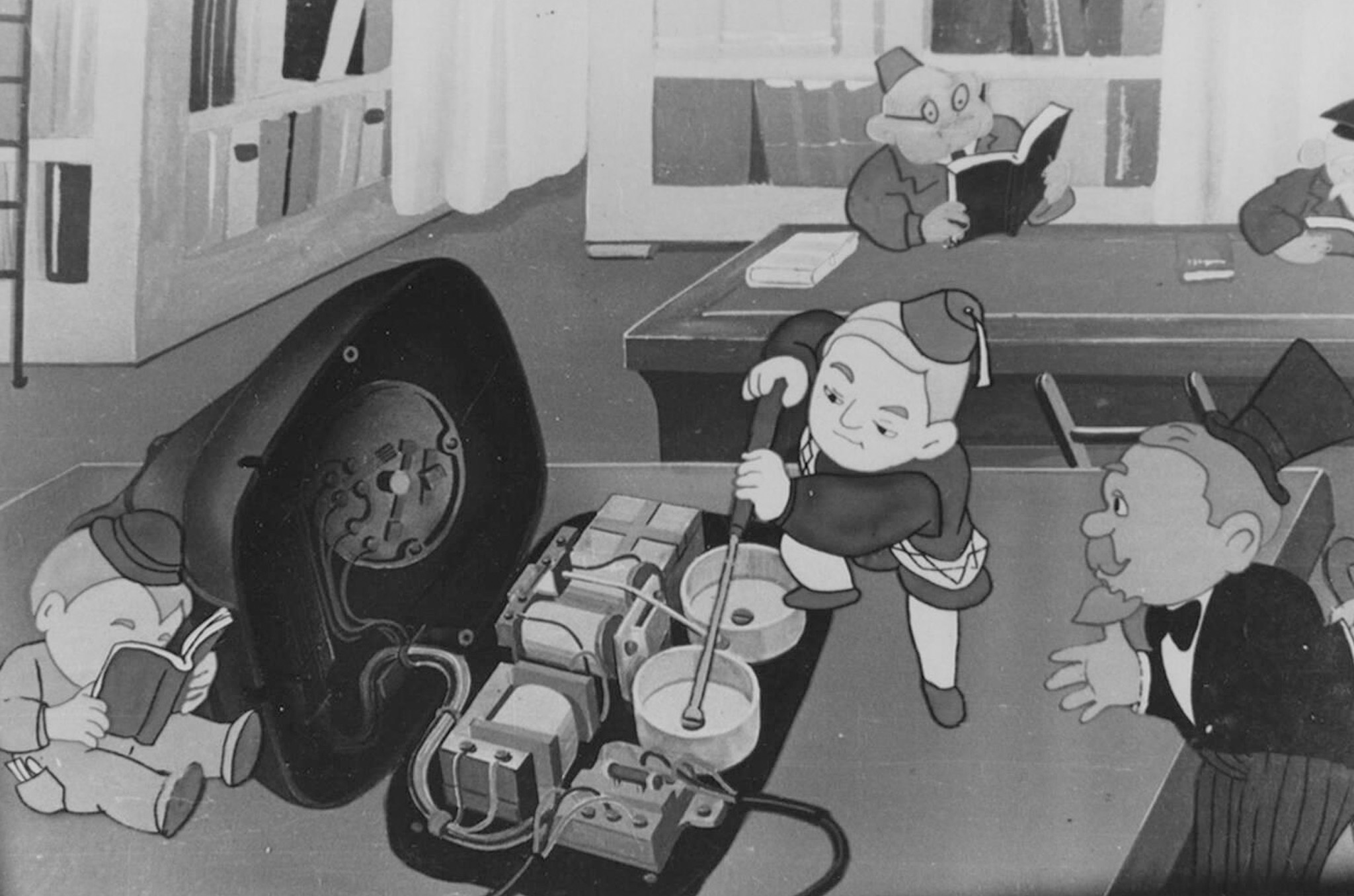
Yokohama Cinema Shokai was founded in 1923 and quickly became associated with Yasuji Murata, another icon of early anime. His first work for the company was Yasuji Murata’s Monkey and the Crabs (1927), part of the Athena Film Library collection that helped Yokohama become an anime powerhouse during Japanese animation’s early years.
The Athena series focused on educational films, and Murata’s works covered everything from science to public manners. Taro’s Train (1929), for instance, depicted railway passengers behaving badly, while Electrical Telegraphy, Electric Bells and Telephones (1931) explained the principles behind telephones and electric bells. The films were distributed through companies serving different regions of Japan, helping them reach audiences beyond Yokohama.
Japanese authorities quickly took an interest in the emerging art of animation, seeing it as a means of educating the public. They supported filmmakers through funding, distribution and institutional connections, while also producing their own animated films.
Old Man Goichi (1931) by Yamamoto was a Ministry of Education animated production with an Aesop-like lesson against greed. Then there were the more straightforward educational films, such as the Sanitation Department’s Preventing Tuberculosis (1933).
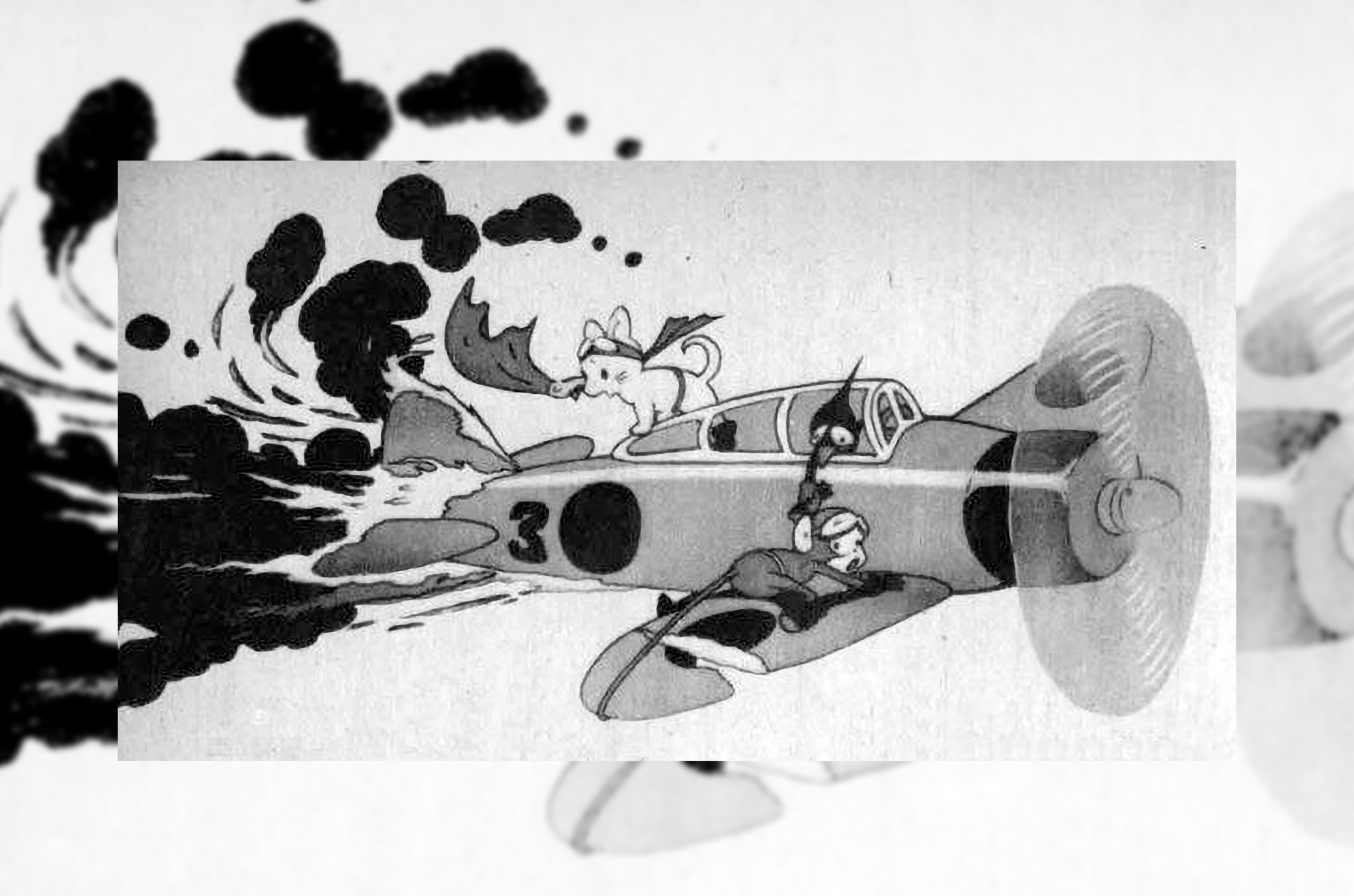
Early Japanese animation wasn’t all educational, though. Some films also carried nationalist and militaristic messages. Murata’s 1931 anime Momotaro in the Sky reimagines the famous folk hero as a fighter pilot who defeats a rogue eagle terrorizing others, a character Murata himself said was intended to evoke America.
The 1930s were a mixed bag for Japanese animation. The decade accounts for the largest number of films in the Japanese Animated Film Classics collection (35), but many also celebrated machinery, organized society and military power. The prewar years, though, were strange for animation everywhere. Consider Disney’s Der Fuehrer’s Face (1943), in which Donald Duck throws multiple Heil Hitler salutes in a dream.
Shigeji Ogino’s “Rhythm” (1934)
The First Steps Towards Anison
Music is an integral part of anime. There are probably people out there who don’t like Japanese animation but can still sing the opening of Evangelion’s “A Cruel Angel’s Thesis.” Anime songs (or anison for short) are today an entire musical genre, but it was a long road getting there. Early anime was often silent. Forget songs, these films couldn’t even have melodies or audible dialogue. But that doesn’t mean they didn’t explore sound through other means.
There were many ways for Japanese animators to liven up their films such as accompanying audio played on phonograph discs carefully synchronized with the projector. Ofuji’s At the Border Checkpoint (1930) is probably the wildest example, using a 16-inch record featuring music by the 40-member Shochiku Gakugeki Division Orchestra.
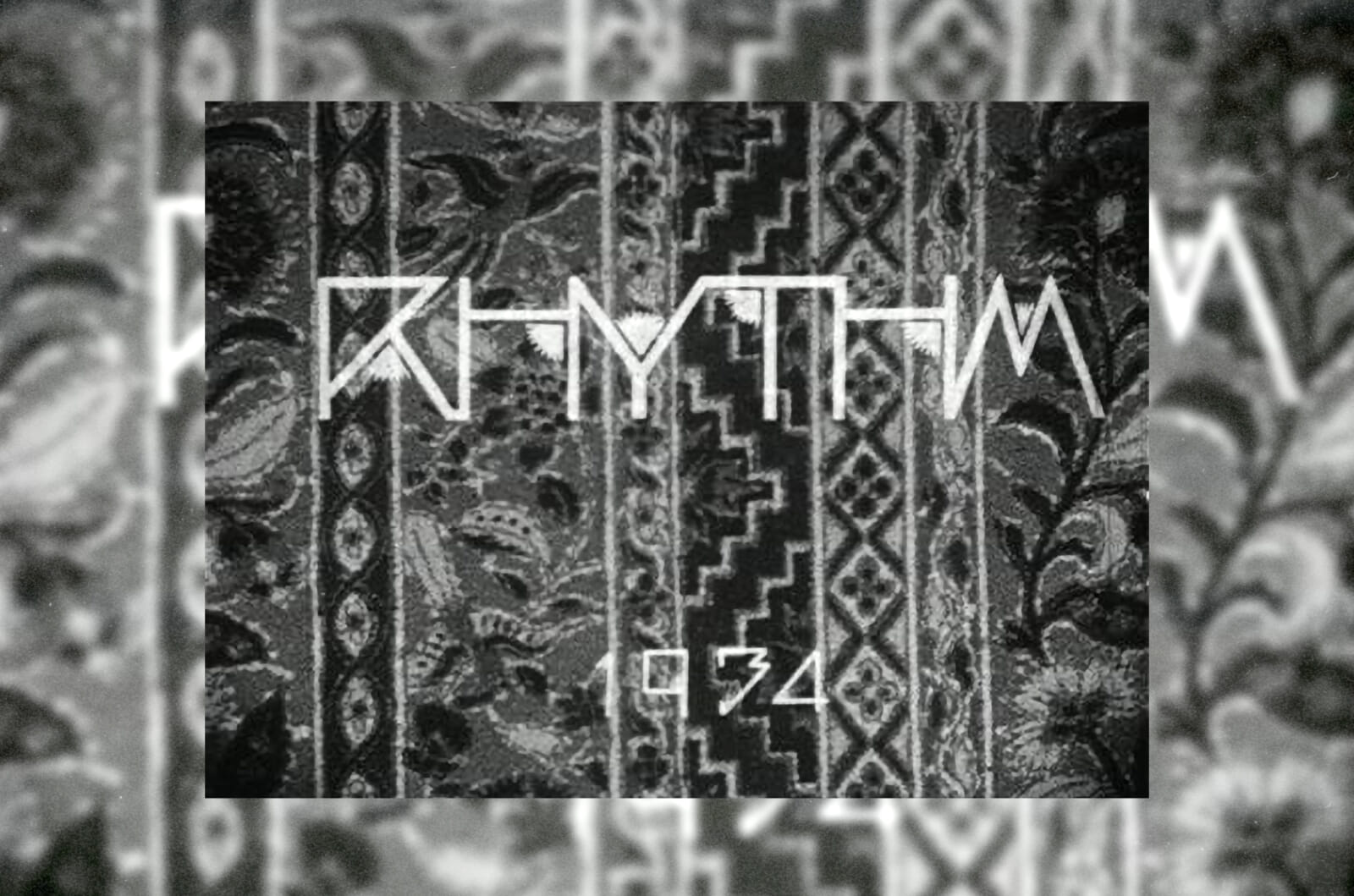
Even in purely silent pictures, early anime was never purely visual. Shigeji Ogino’s experimental art film Rhythm (1934), which is sometimes classified as live-action, uses abstract geometrical shapes to give shape to sound.
Also, in the aforementioned The Hare and the Tortoise, some of the dialogue among the animals appears visually as musical notes. It’s a small detail, but it reminds us that even when audiences couldn’t hear a film with their ears, there were ways to help them “hear” with their eyes.