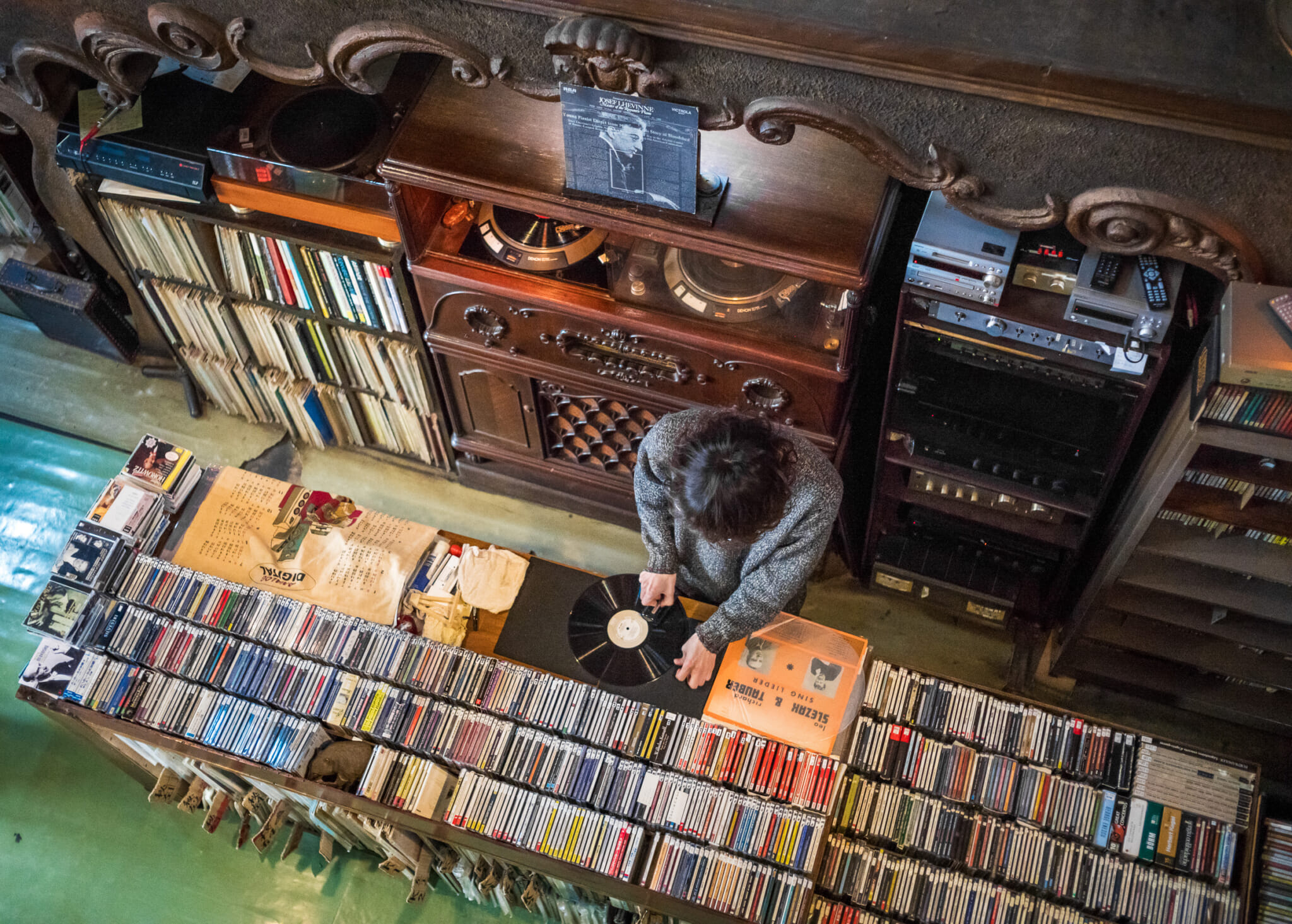
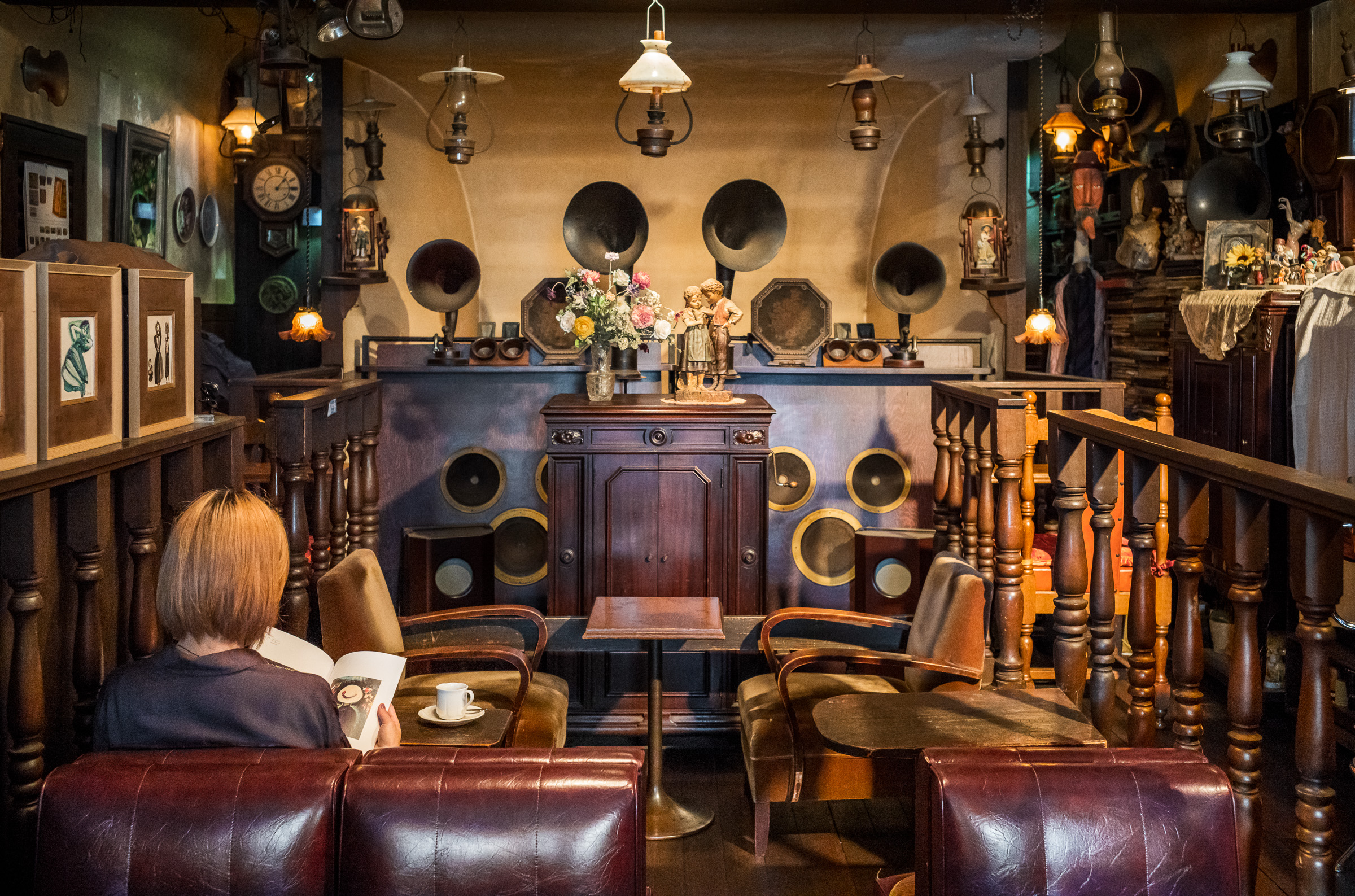
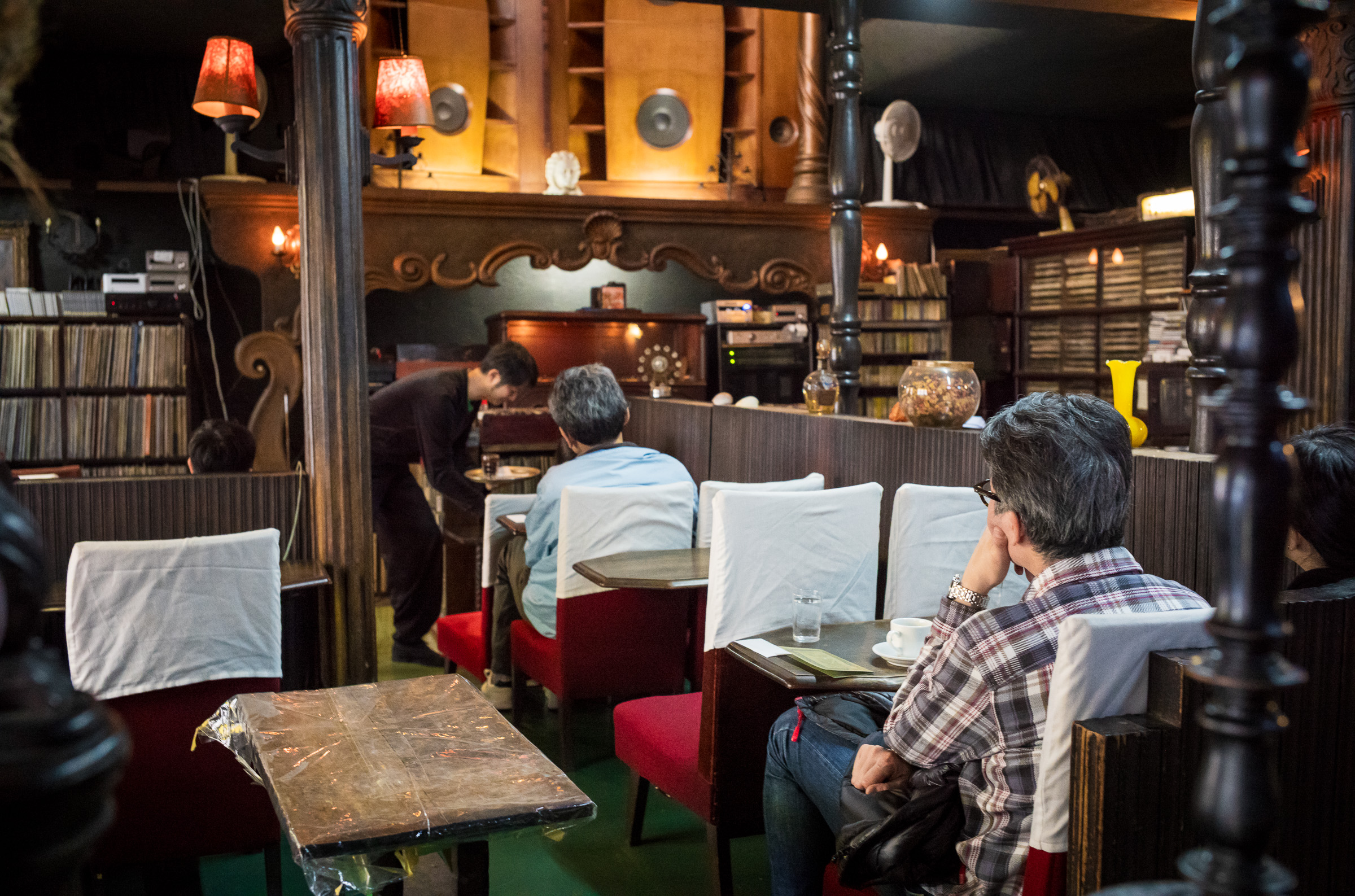
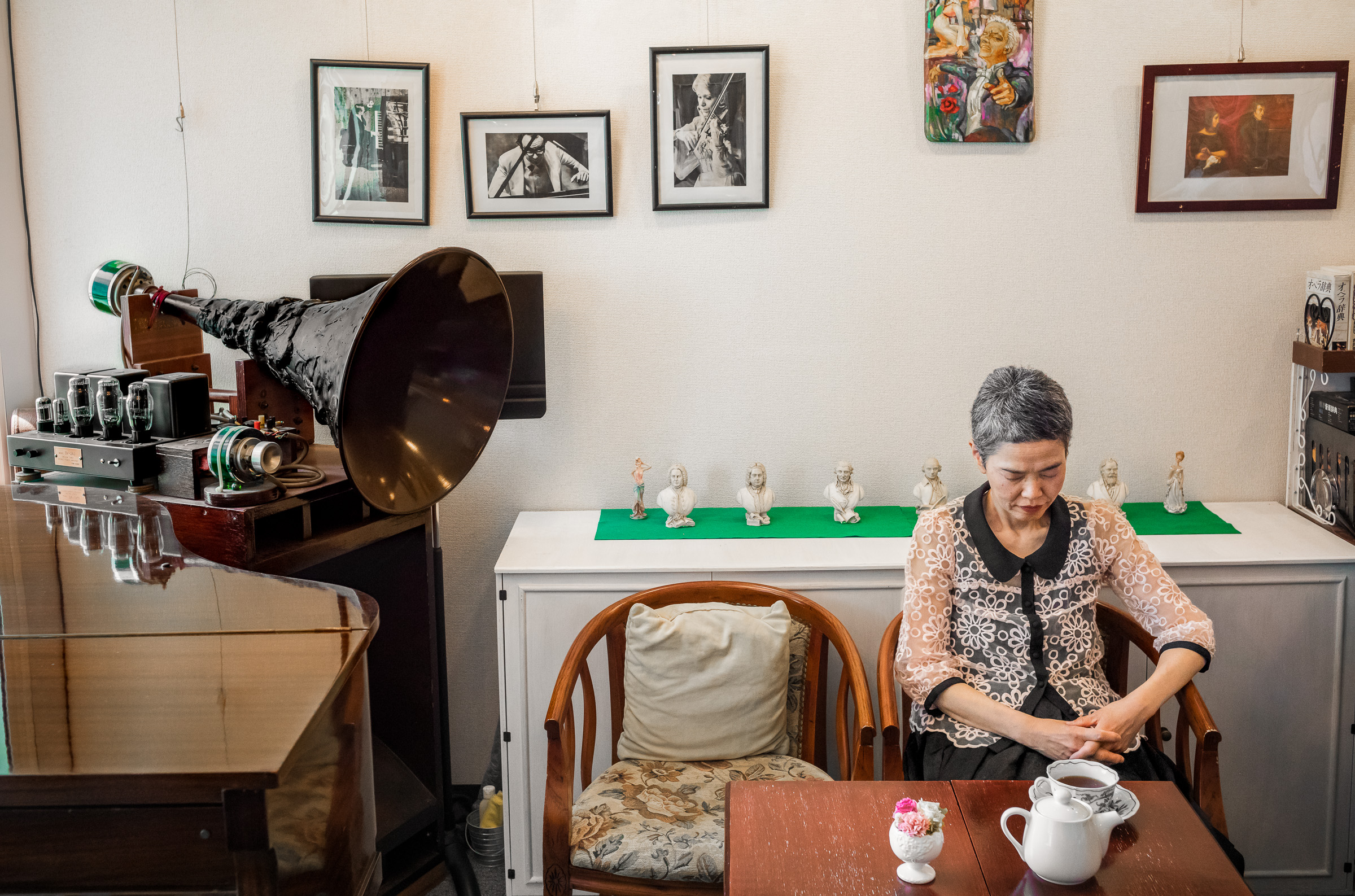
When New Zealand-born filmmaker Nick Dwyer moved to Tokyo in 2014, he quickly found himself drawn to Japan’s ongaku kissa — listening cafes devoted to the appreciation of recorded music. Originating in the 1920s, these nostalgic spaces often feature custom-built sound systems, memorabilia from bygone eras and a community of loyal regulars. Upon visiting hundreds of ongaku kissa across Japan, Dwyer and co-director Tu Neill have chronicled this musical phenomenon in a documentary series titled “A Century in Sound.”
Divided into six episodes, “A Century in Sound” traces chapters of modern Japanese history through the eyes of several ongaku kissa proprietors and regulars who keep these spaces alive. Since its premiere at CPH:DOX in 2024, the first three episodes have screened at the Melbourn International Film Festival, Sheffield DocFest and London’s Barbican Centre. Now, Dwyer and his team are in the final days of a Kickstarter campaign — closing November 22 — to fund the music and publishing licenses needed to release the complete series worldwide.
Sharing Japan’s Listening Culture with the World
The campaign aims to raise an initial ¥16 million (about $100,000) for music clearance, with stretch goals reaching ¥40 million ($250,000) to cover all 131 tracks featured across the six episodes, third-party archival film footage and global theatrical exhibition rights.
Unlike conventional documentaries that rely on background scores, almost every piece of music in “A Century in Sound” was recorded live inside the cafes through their actual sound systems. “The music is baked into each episode,” Dwyer tells TW. “The story unfolds to that particular piece of music, in that particular space. You can’t simply replace it with something else.”
Without the budget to hire external clearance agencies, Dwyer spent seven years emailing Japanese record labels and music publishers himself — sometimes exchanging more than 100 emails for a single track, spanning classical recordings, jazz standards and 1970s and ’80s Japanese releases.
“Some independent filmmakers might have five or six pieces of music in their films. Trying to clear 131 individual licenses is bordering on insanity,” Dwyer says. “Thankfully, over the years, I’ve been able to get many of them to believe in the series and understand that I’m not some Hollywood big shot looking to make squillions off their intellectual property. I’m simply a random filmmaker from New Zealand who has fallen deeply in love with this uniquely Japanese culture.”
“Many of these owners have spent decades creating their little worlds, and they’ve trusted us to share those worlds with audiences around the world,” he continues. “I want to make sure that what we ultimately deliver is without compromise.”
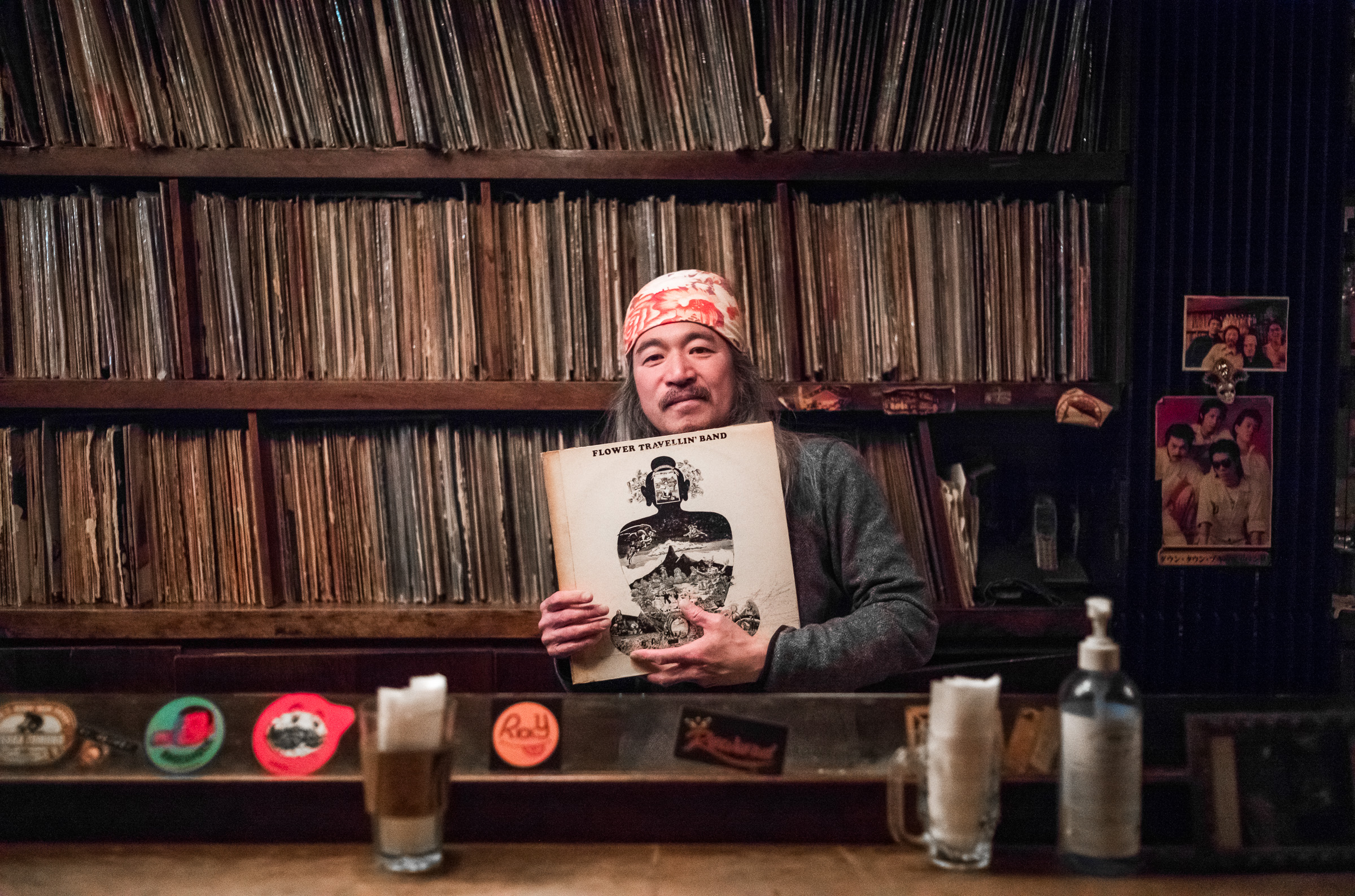
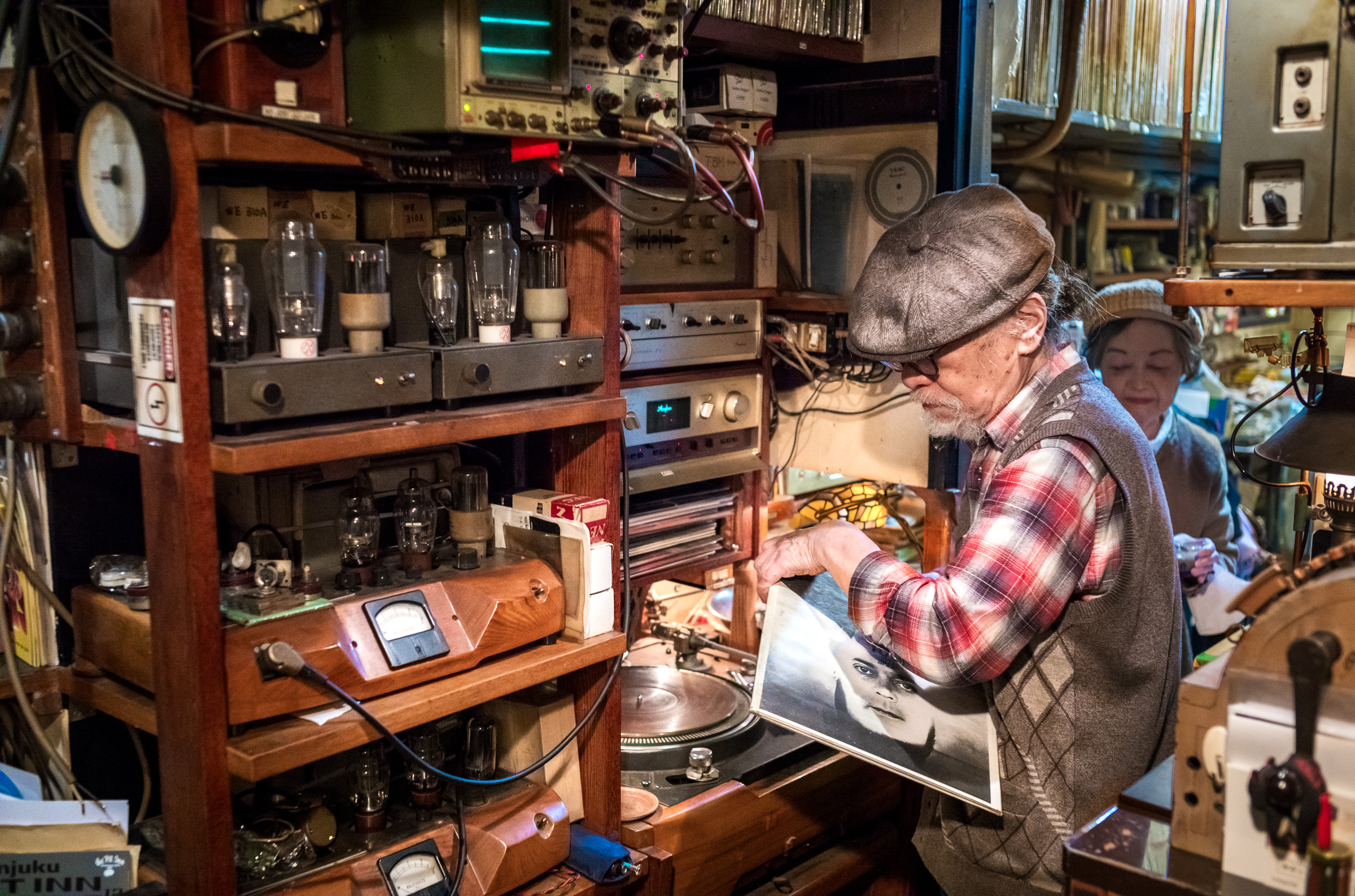
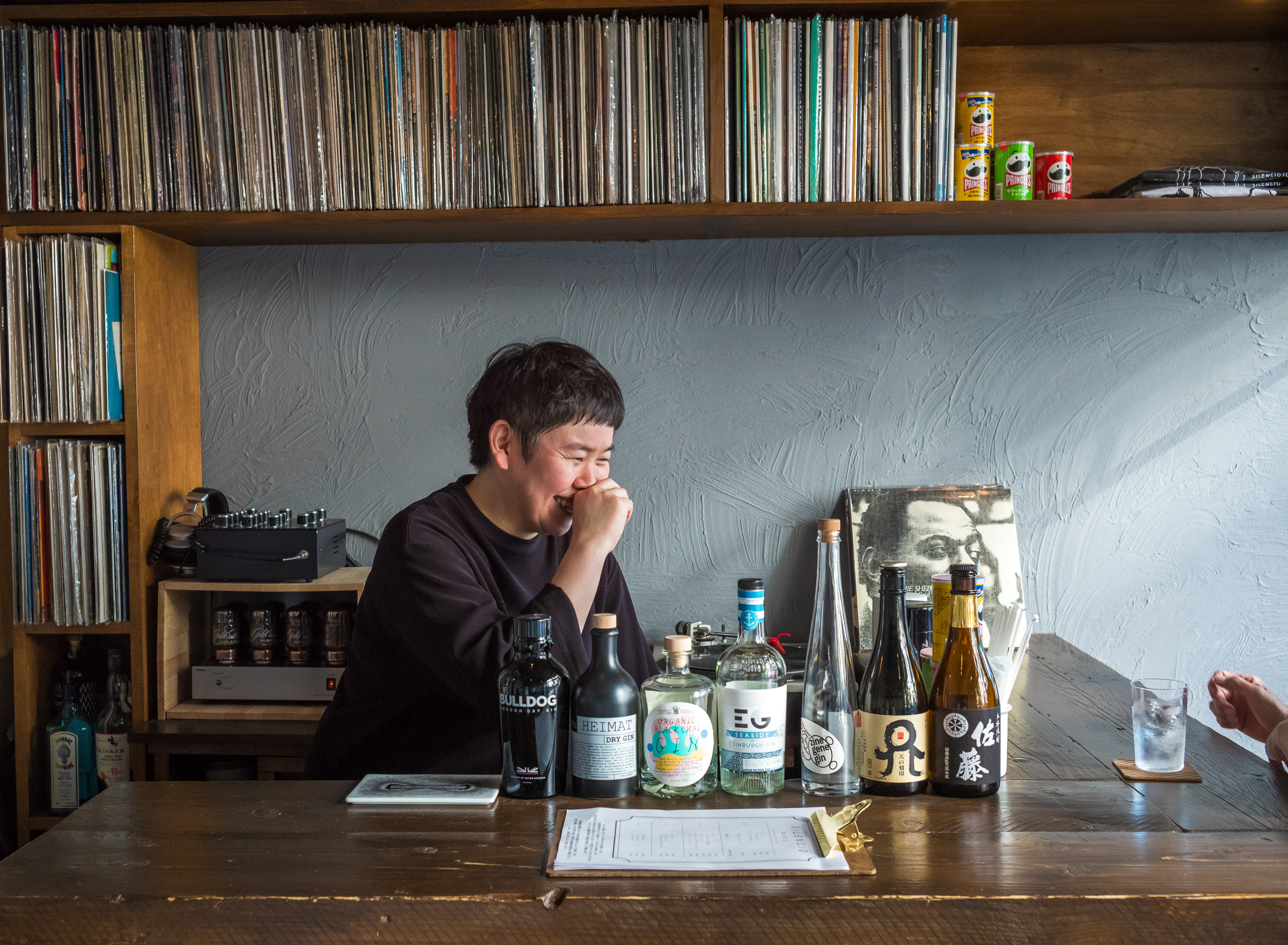
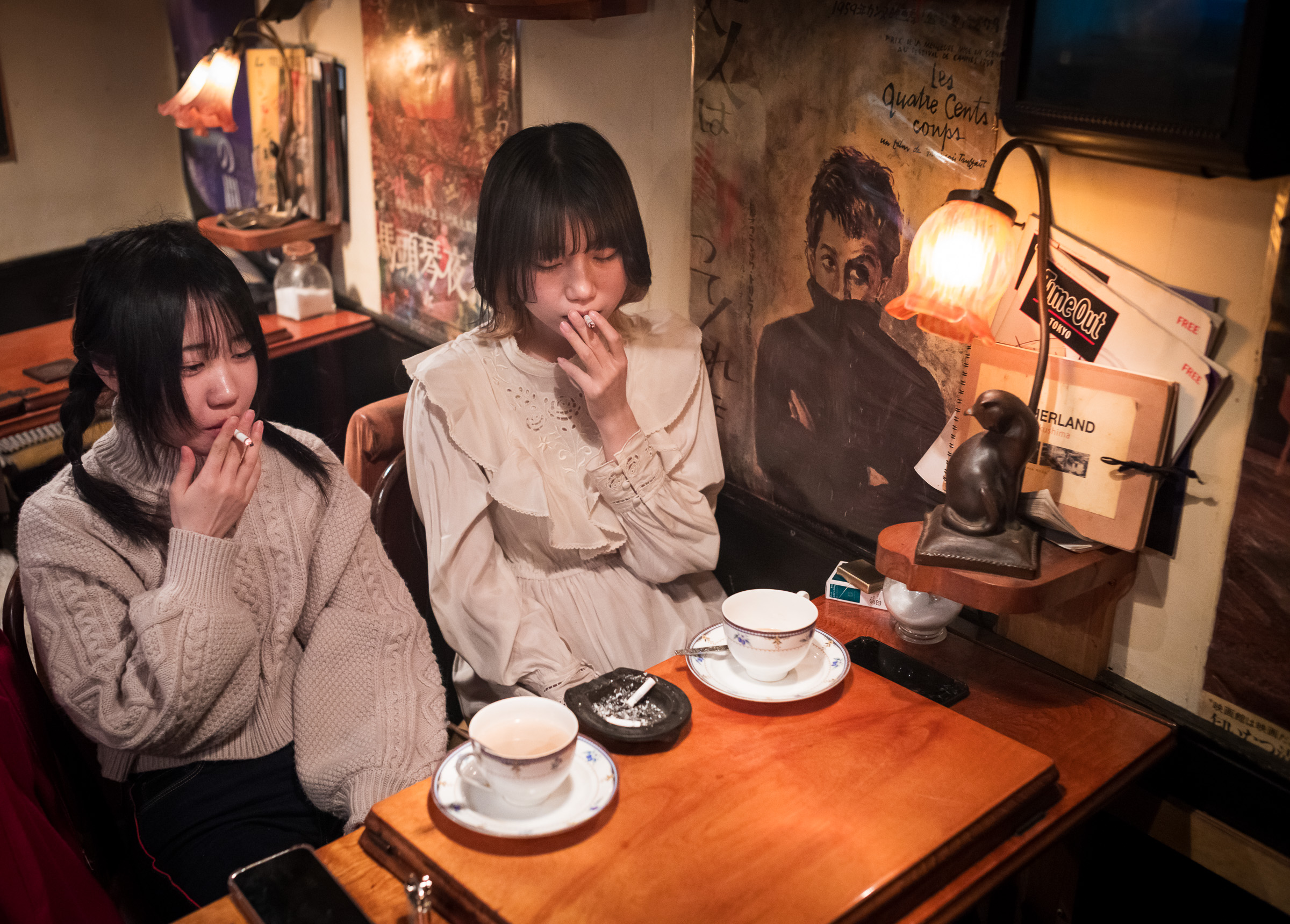
Celebrating the People Behind the Music
Seeing how international audiences connected with the series’ first half, including four sold-out screenings at London’s Barbican Centre in April 2026, gave Dwyer the encouragement he needed to launch the Kickstarter campaign.
“More than 2,000 people came along because they were curious about this culture of Japanese listening cafes,” Dwyer says of the London screenings. “I always knew that this story, these places and the people who run them would resonate with audiences, but seeing that kind of turnout gave me the fuel I needed to keep pushing.”
Those who pledge before November 22 will be the first to stream the complete six-part series in early 2027, ahead of its wider release. Other rewards include a limited-edition “Crane” poster by Tokyo design team LIGH and personal ongaku kissa visits in Tokyo and across Japan hosted by Dwyer, valid for two years after the campaign ends.
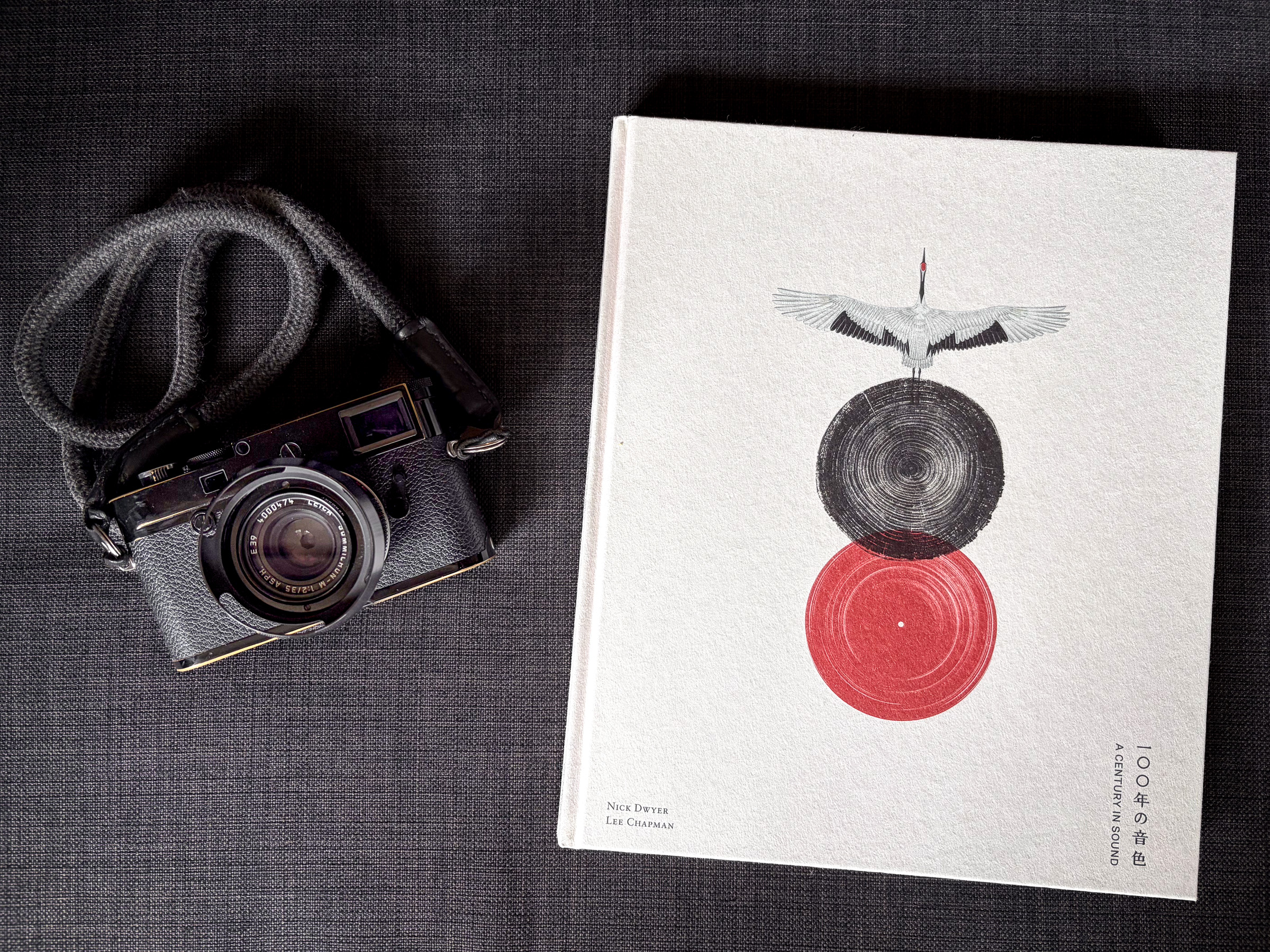
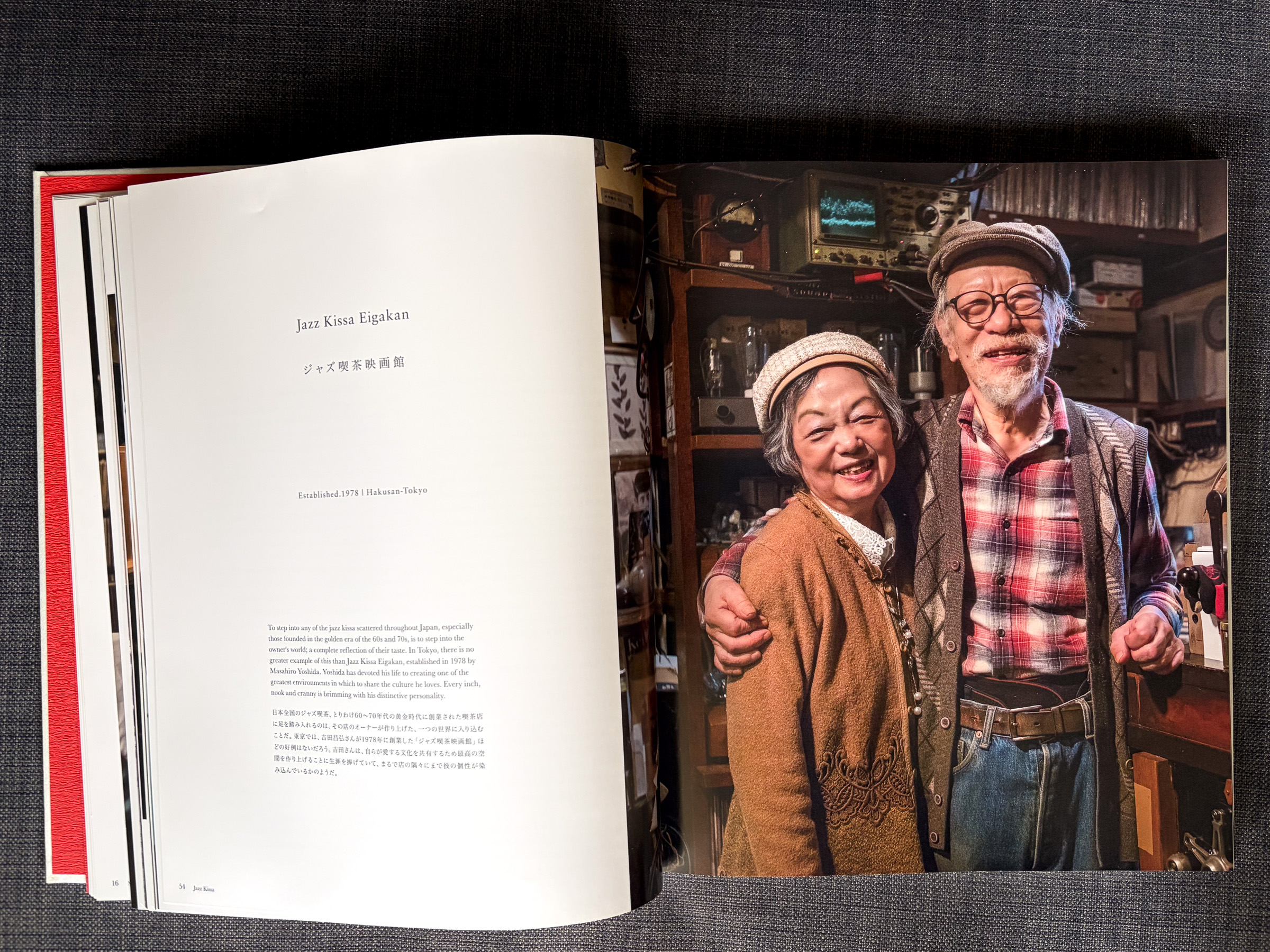
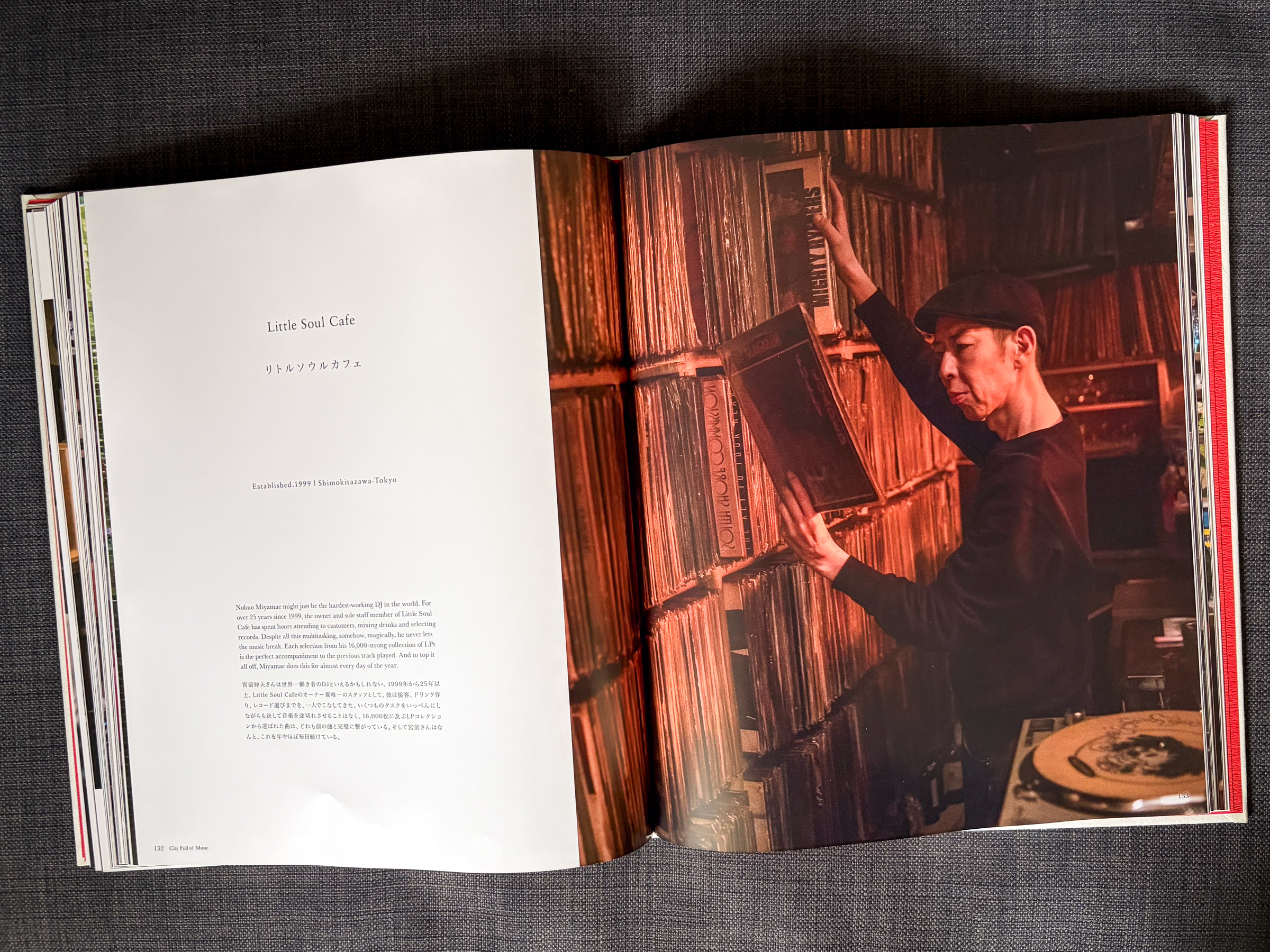
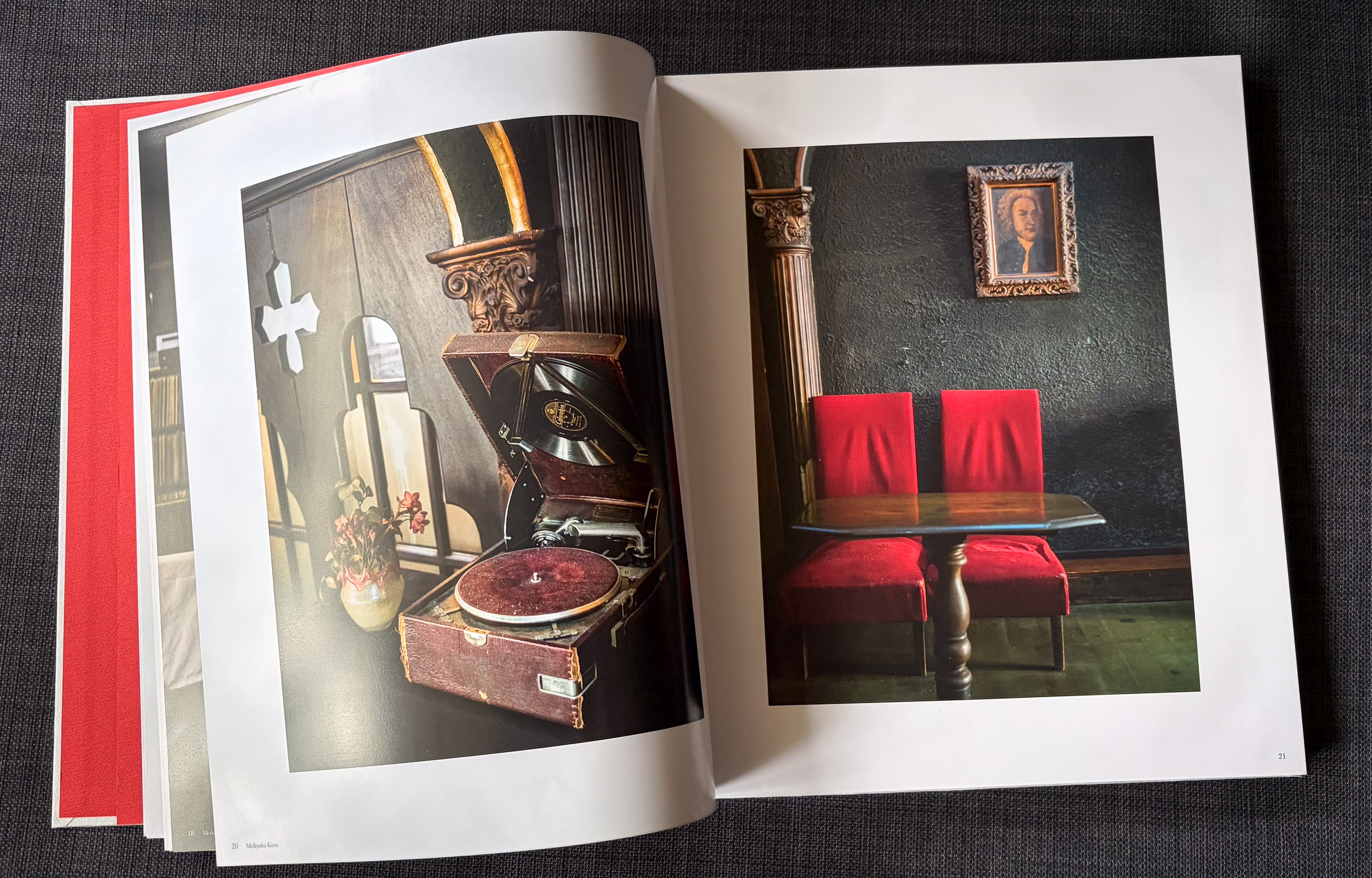
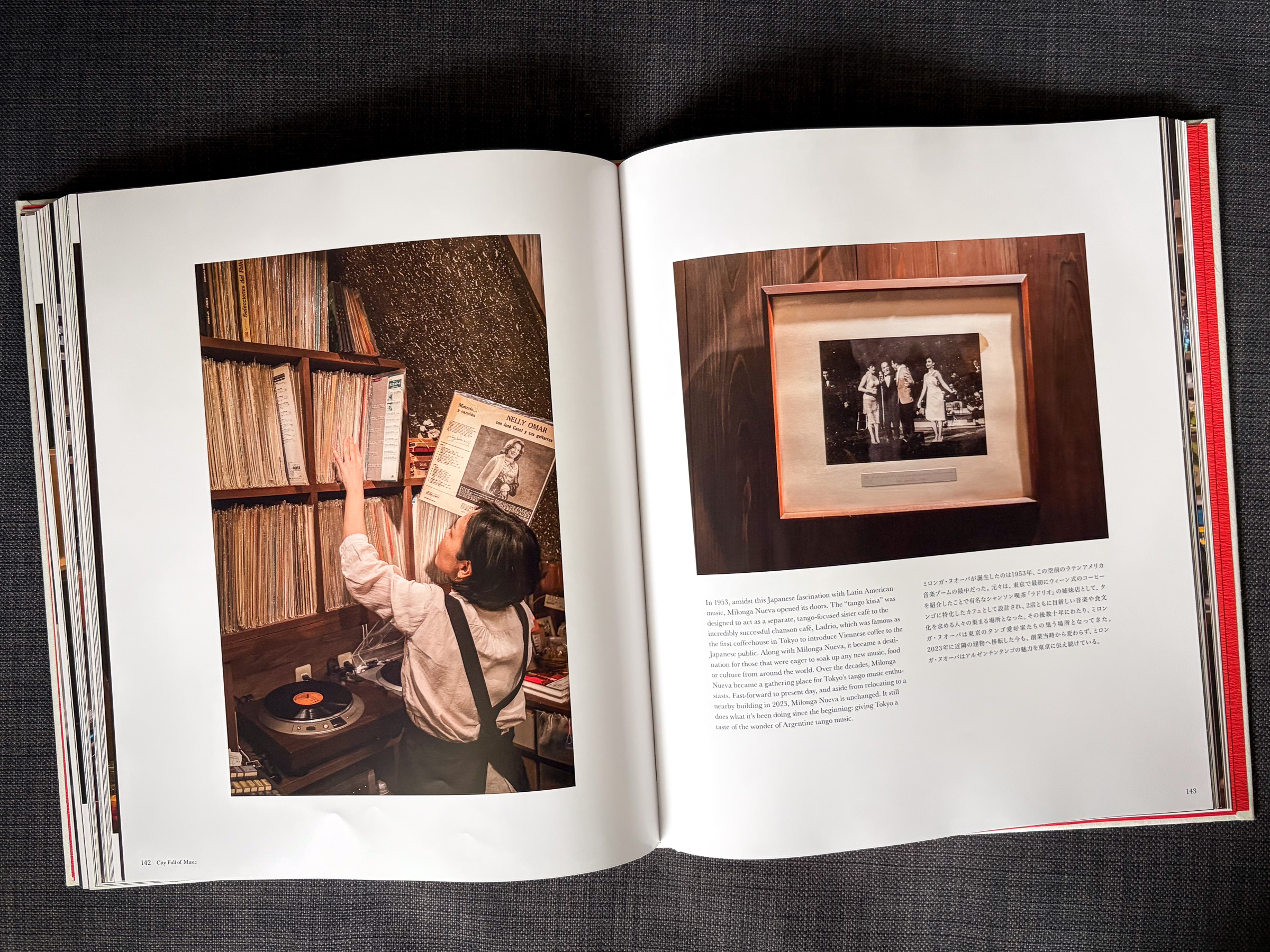
Another highlight among the rewards is the first edition of the “A Century in Sound” photobook, which Dwyer spent nearly three years putting together with British street photographer Lee Chapman. A Tokyo resident of over two decades, Chapman is widely known for his candid portraits of Showa-era neighborhoods, local izakaya and the older generations inhabiting a rapidly changing city. His work has appeared in The Guardian, The Economist, Le Monde and beyond.
Since the pandemic, photos of vintage speakers and floor-to-ceiling record walls on social media have helped popularize Japanese listening bars around the world. But Dwyer says those images miss the bigger picture — noting that “the real magic of this culture” comes down to the personalities of the owners who run the spaces.
“With the book, we wanted to capture that very human aspect of the culture — to show that these places are alive, that over the past 100 years they’ve celebrated every genre of music imaginable — and that Tokyo is perhaps the most wonderful city on earth to be a lover and explorer of music!” he says.
“I’ve been a huge fan of Lee’s photography for a long time. His work is so often about the humans who are the heart and soul of Tokyo, even as the city around them continues to change and regenerate,” Dwyer continues. “There’s a real tenderness and humanity in the way he documents the city, and that’s exactly what I wanted this book to have.”
How To Back A Century in Sound on Kickstarter
There are just six days left to back the project. You can find out more about the photobook, the documentary series and support the Kickstarter by November 22 here.
Related Posts