A thousand-year-old shrine becoming insolvent is a striking sign of the times. Last month, Tada Shrine in Kawanishi, Hyogo Prefecture, filed for civil rehabilitation with the Kobe District Court — Japan’s rough equivalent of Chapter 11 bankruptcy protection — becoming just the third shrine in the country ever to go under, and the first in the Kinki region. Its financial troubles are part of a wider challenge facing temples and shrines across the country, as shrinking populations, fewer worshipers and rising costs threaten the traditional sources of support that have sustained them for generations.
There are approximately 180,000 religious corporations in Japan, but the number of people supporting them has reportedly fallen by more than 30 million over the past 17 years. Some estimates suggest that by 2040, more than one-third of religious corporations nationwide could be at risk of disappearing. So how are temples and shrines responding to a crisis that threatens their very survival?
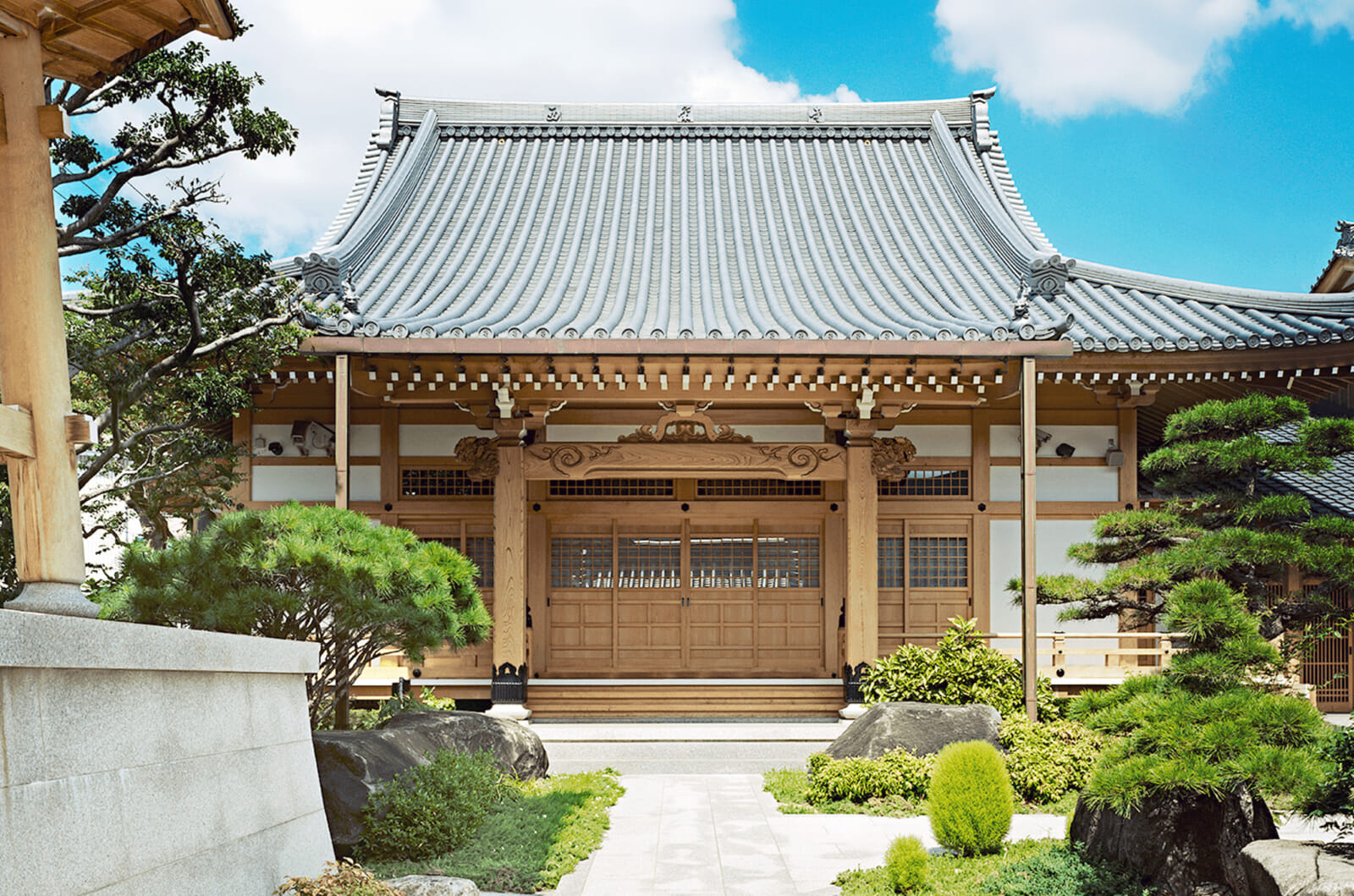
Daitaiji Temple
Turning a Temple Into a Destination
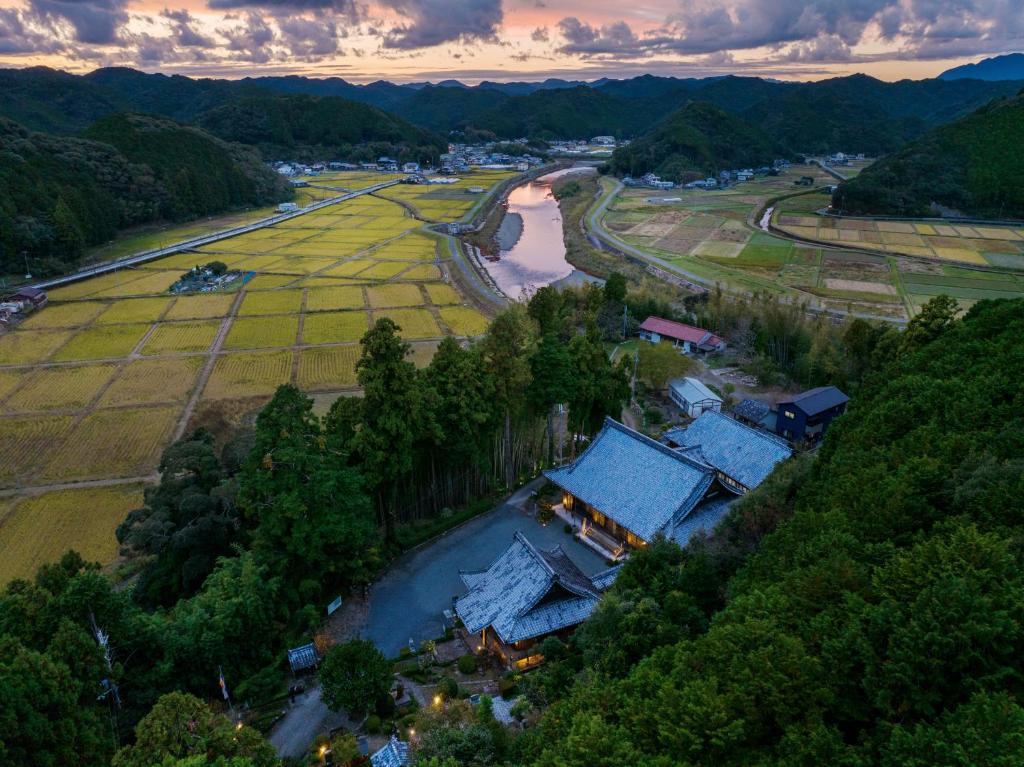
Across Japan, priests and monks are finding new ways to keep their temples and shrines operating. One of them is Tomi Nishiyama, who serves as the head priest of four temples. At Daitaiji Temple in Wakayama Prefecture, he began operating a shukubo, or temple lodging business, around seven years ago. Nishiyama converted six rooms that were formerly part of the head priest’s residence into guest rooms, offering accommodation for ¥15,000 per night.
Nishiyama, who previously worked as an English teacher, said foreign tourists account for approximately 90% of the temple’s guests. He offers visitors more than just a place to stay, with experiences such as sutra copying and Zen meditation helping them engage with Buddhist traditions. Revenue from the lodging business has now become an indispensable source of income. “Population decline and depopulation are having a major impact,” he said. “Many temples are struggling financially because offerings and donations have decreased.”
Saieiji Temple, Osaka
From Monks to Caregivers
At Saieiji Temple in Osaka’s Nishiyodogawa ward, meanwhile, a neighboring building houses a day-care facility for elderly people that was established nine years ago. More than half of the temple’s approximately 20 monks have obtained caregiving qualifications or related certifications and currently work at the facility as “monk helpers.” The temple also holds a “Death Café,” where Buddhist monks serve as facilitators and people casually discuss death over snacks and refreshments.
The temple says that approximately one-third of those who have used the facility have subsequently asked Saieiji Temple to handle their funerals and related services. Keiichi Yoshida, one of the monks working at the facility who also serves as its care-welfare business division manager, said, “It seems that people find reassurance in the role of the monk. I think that if temples don’t change with the times, people will continue to distance themselves from religion and from temples.”
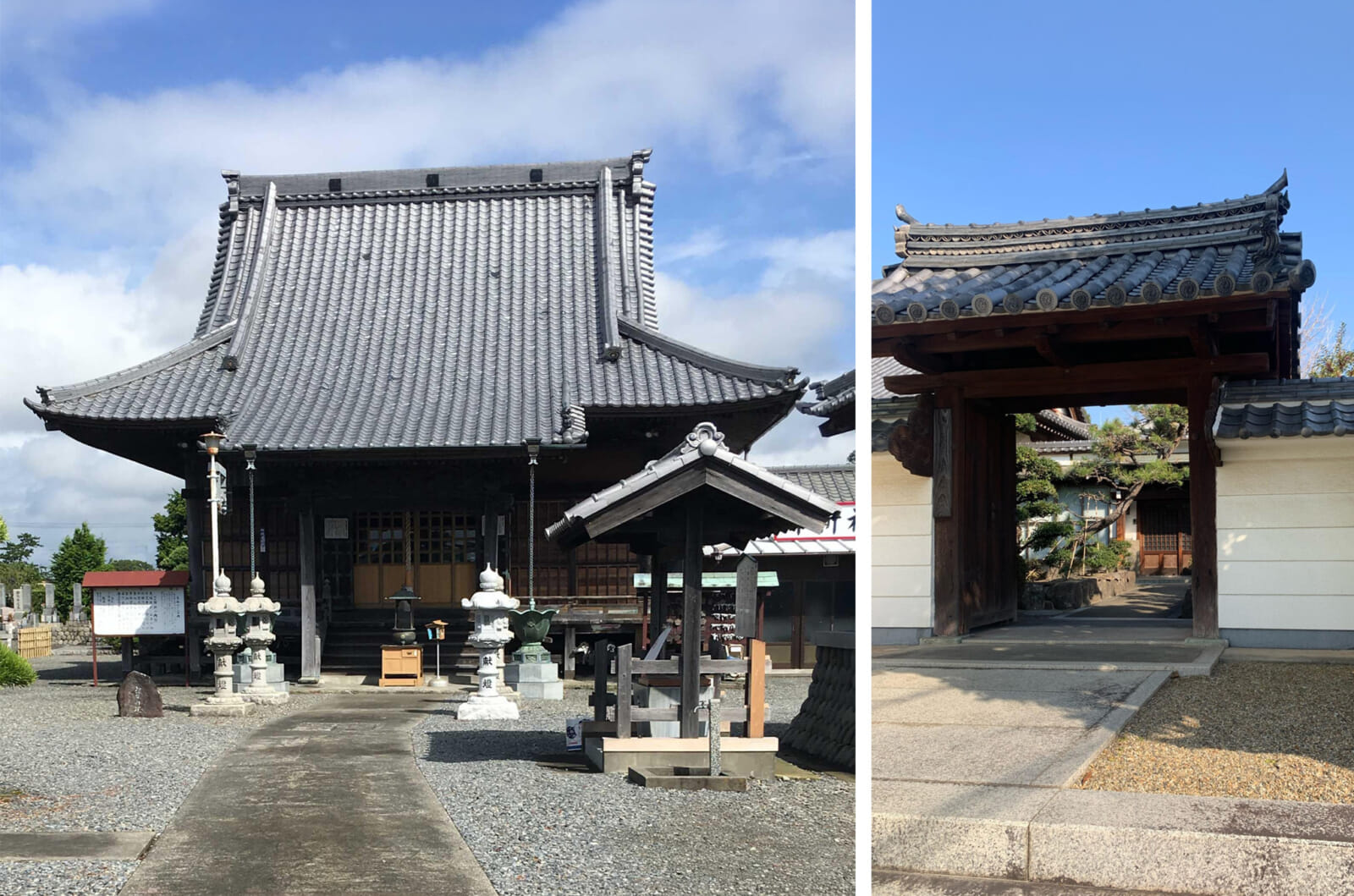
Shotokuji Temple, Kakogawa
A Cafe, Acupuncture and Buddhism
Masayuki Kimura has found another way to support his temple. The head priest of Shotokuji Temple in Kakogawa, Hyogo Prefecture, he runs a “Monk Café” near the temple, where he personally serves its signature plum shaved ice. He also works as a licensed acupuncturist. Beyond providing additional sources of income, these roles allow Kimura to build new connections with people in the community and create more opportunities for them to encounter Buddhism.
“The temple’s income is steadily declining,” Kimura said. “Prices are going up, but donations have remained the same. I think many temples are in a similar situation. Buddhism has traditionally been connected to questions of life and death. But creating more opportunities for people to encounter Buddhism and building stronger connections with them are also closely tied to the three roles I have taken on, and I believe that is important for the future of the temple.”
Related Posts
- Reimagining the Sacred: Modern Shrines and Temples in Japan
- Less-Crowded Shrines To See Red Torii Gates (That Aren’t Fushimi Inari)
- 7 Spiritually Significant Shrines for Hatsumode Across Japan
Updated On September 18, 2026