Overlooking the shores of Lake Biwa in Shiga Prefecture, Hikone Castle has long stood as one of Japan’s most remarkably preserved feudal castles. Despite its history and national treasure status, the site spent over three decades awaiting global recognition as a UNESCO World Heritage Site.
As of September 3, 2026, Hikone Castle has finally been selected as one of the country’s nominees for the 2028 UNESCO World Heritage List by Japan’s Council for Cultural Affairs. This is a major milestone for the historic complex and for the country, as Hikone Castle is the final candidate to receive a nomination from the tentative list of 12 sites created in 1992, when Japan joined the World Heritage Convention.
With the government preparing to submit its official dossier to UNESCO by February 2027, the nomination shifts international attention toward this lesser-visited architectural treasure.
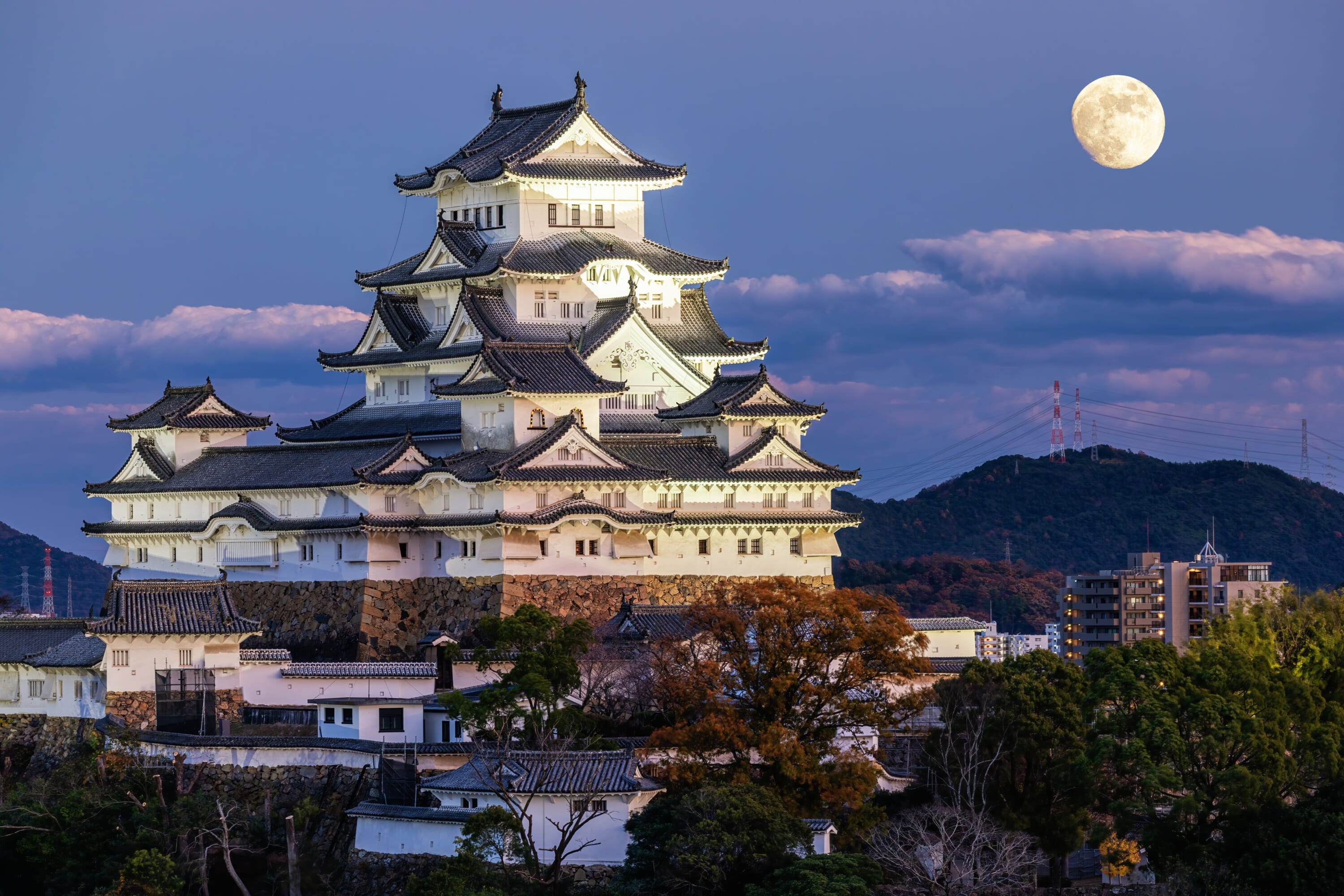
himeji castle
Overcoming the Shadow of Himeji Castle
The main obstacle facing Hikone Castle’s nomination was demonstrating its unique value alongside existing World Heritage properties. Notably, Himeji Castle was inscribed in 1993 as a meticulously preserved model of feudal castle architecture.
Because UNESCO requires every new nomination to undergo a comparative analysis proving it fills a distinct historical role, local proponents struggled for decades to explain why Hikone Castle warrants its own listing.
In May 2026, Shiga Prefecture and Hikone City submitted a revised proposal to Japan’s Agency for Cultural Affairs. It presented Hikone in a new light, framing it as tangible proof of Japan’s daimyo governance system — the Edo Period political order where feudal lords ruled their domains by consulting with senior advisors.
Emphasizing how the complex holds value not just as an example of feudal castle architecture, but as an embodiment of feudal governance, convinced the Council for Cultural Affairs to endorse the site for the 2028 cycle.
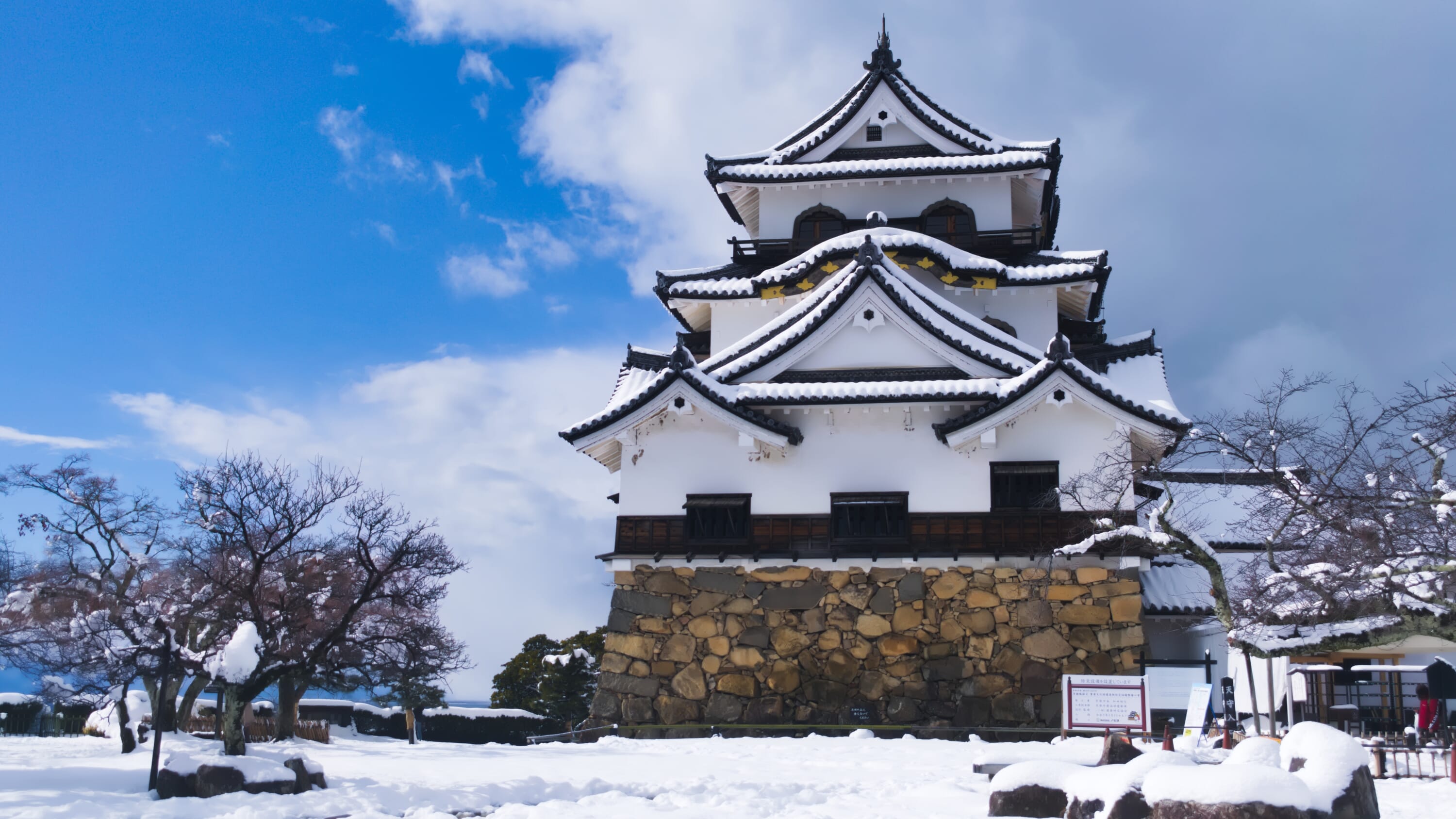
About Hikone Castle
Ordered for construction in 1604 by Shogun Tokugawa Ieyasu and completed around 1622 for the powerful Ii family, Hikone is one of only 12 castles in Japan with an original wooden keep. The fortress survived post-feudal demolition after Emperor Meiji visited in 1878 and personally requested its preservation.
Beyond its national treasure keep, visitors can explore intact stone walls, guard turrets, the foundations of the lord’s political palace and former residential quarters used by senior retainers. The grounds also feature Genkyuen, a landscape garden with beautiful views of the castle reflected across its central pond. During spring, hundreds of cherry blossom trees bloom along the inner and outer moats, framing the scene in a halo of pink.
Head to our Hikone Castle guide to learn more.