

While the delicate pinks of cherry blossoms may be at the forefront of Japan’s global botanical reputation, the changing colors of autumn foliage — known as koyo in Japanese — promise a breathtaking presentation of fiery scarlet and regal gold in a level of natural ethereal spectacle that is difficult to properly describe.
Japan’s autumn landscape is considered one of the most beautiful in the world, and with over 70% of its land blanketed in deciduous trees, you can find stunning views everywhere from secluded mountaintops to neighborhood parks nestled between Tokyo’s busy city streets. Here is the seasonal forecast and recommended spots to catch Japan’s gorgeous leaves.
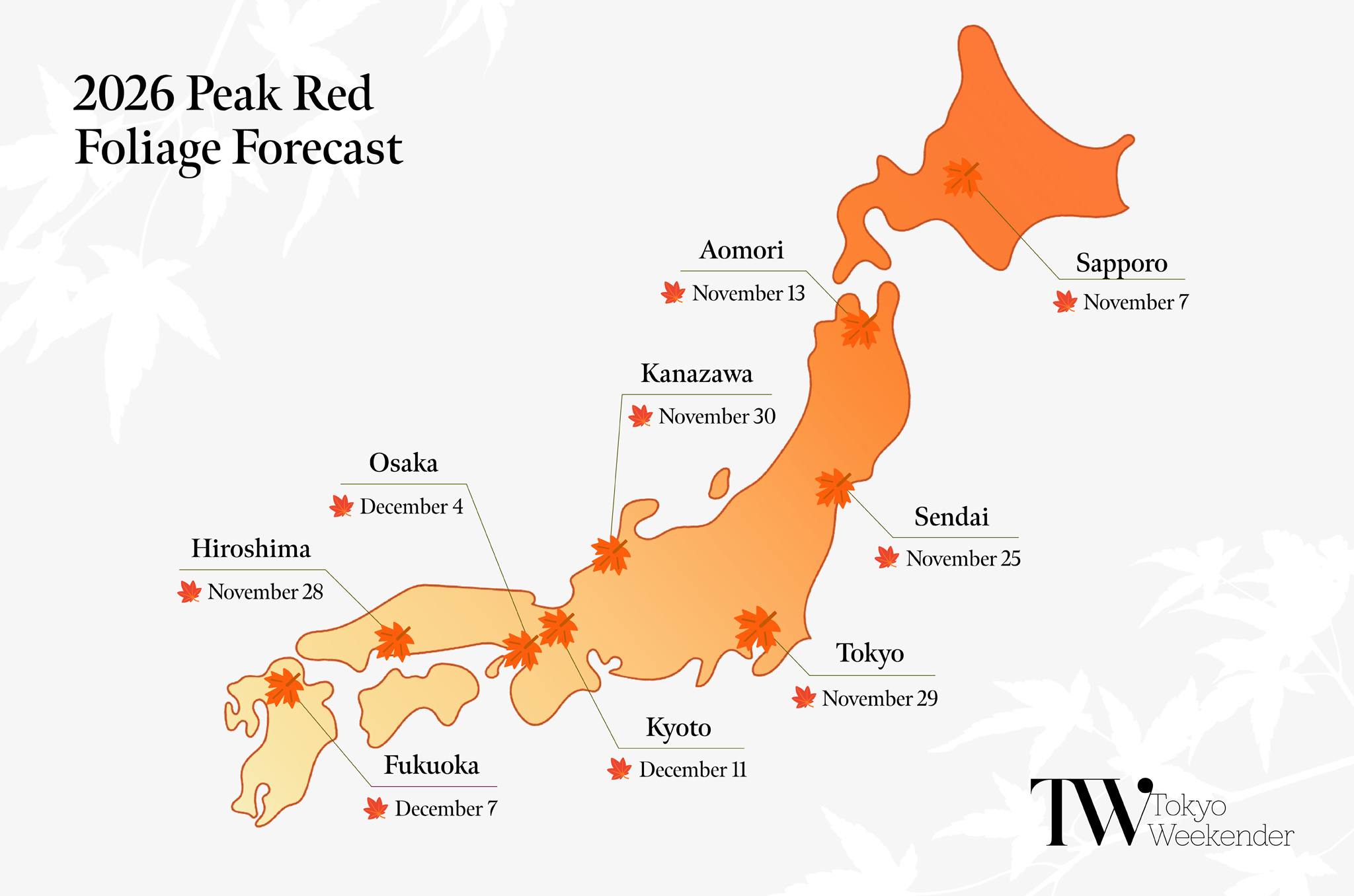
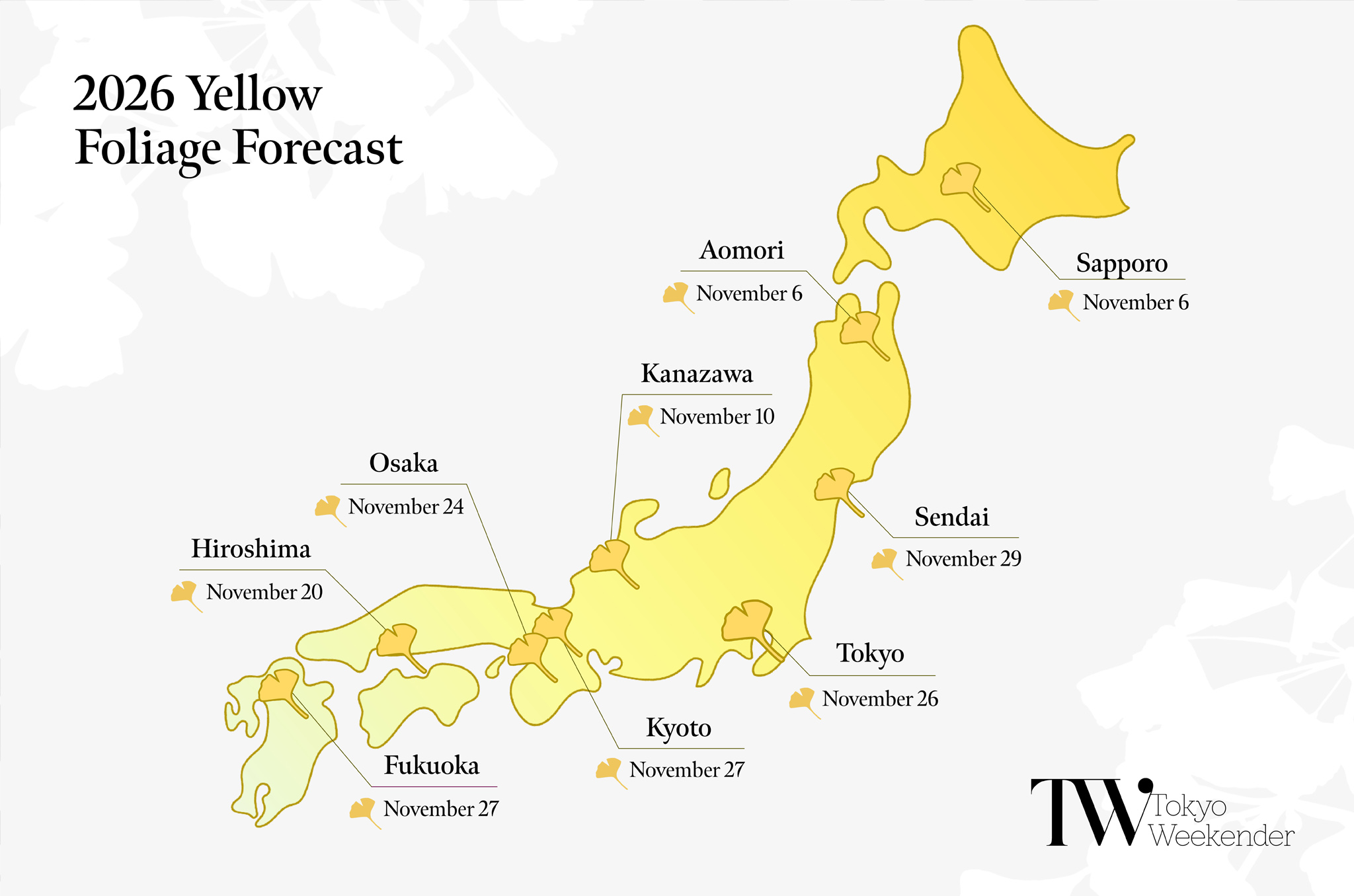
Autumn Leaves Forecast Across Japan 2026
The Japan Meteorological Corporation, considered the most reliable source for fall foliage news, released its first autumn foliage forecast for the season. Here are some tentative dates to get a head start on your autumn itinerary.
Tokyo typically sees peak vibrancy for red and yellow leaves around late November. Up north in Hokkaido, some regional foliage turns its colors as early as September and October.
Where To See Autumn Leaves in Japan
| Region | Peak Maple (Red Foliage) Forecast | Peak Ginkgo (Yellow Foliage) Forecast |
| Tokyo | November 29 | November 26 |
| Kyoto | December 11 | November 27 |
| Osaka | December 4 | November 24 |
| Fukuoka | December 7 | November 27 |
| Sapporo | November 7 | November 6 |
| Nagoya | December 2 | November 17 |
| Sendai | November 25 | November 29 |
Best Fall Foliage Viewing Locations by Area
Here are some of our top recommendations of regional sightseeing to note down for the most stunning nature landscapes. We will continue to provide updates as they are released.
Please note that the actual autumn leaves may vary from the forecasts depending on the weather and conditions at each location.
The JMC also recommends checking either the Koyo Navi website for further updates on the color change rate of specific areas. The autumn leaves forecast is broken down into five color stages: aoba (green summertime leaves), hajime (beginning to change), migoro (peak color), iroase (fading) and ochiba (browning and falling).
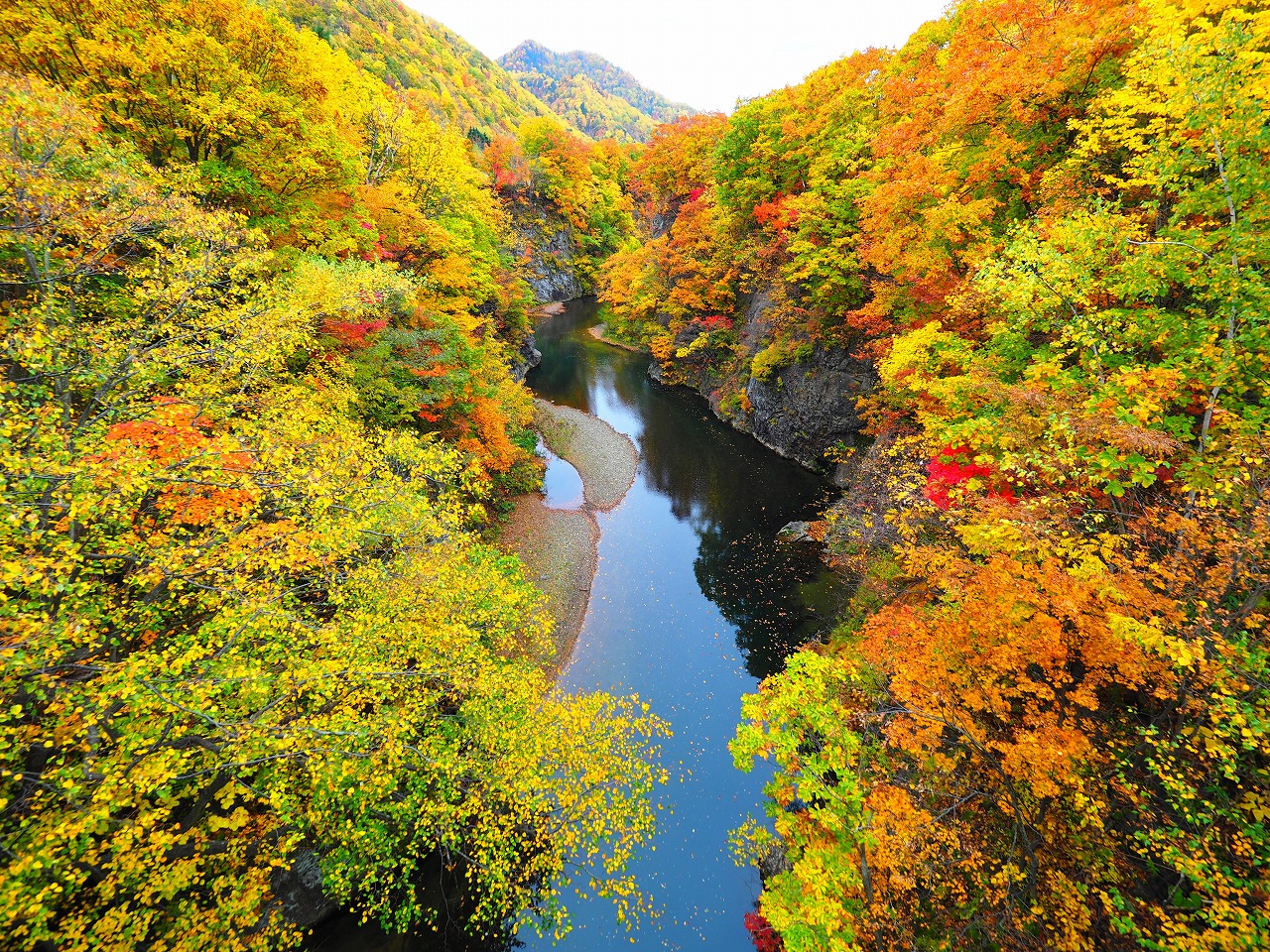
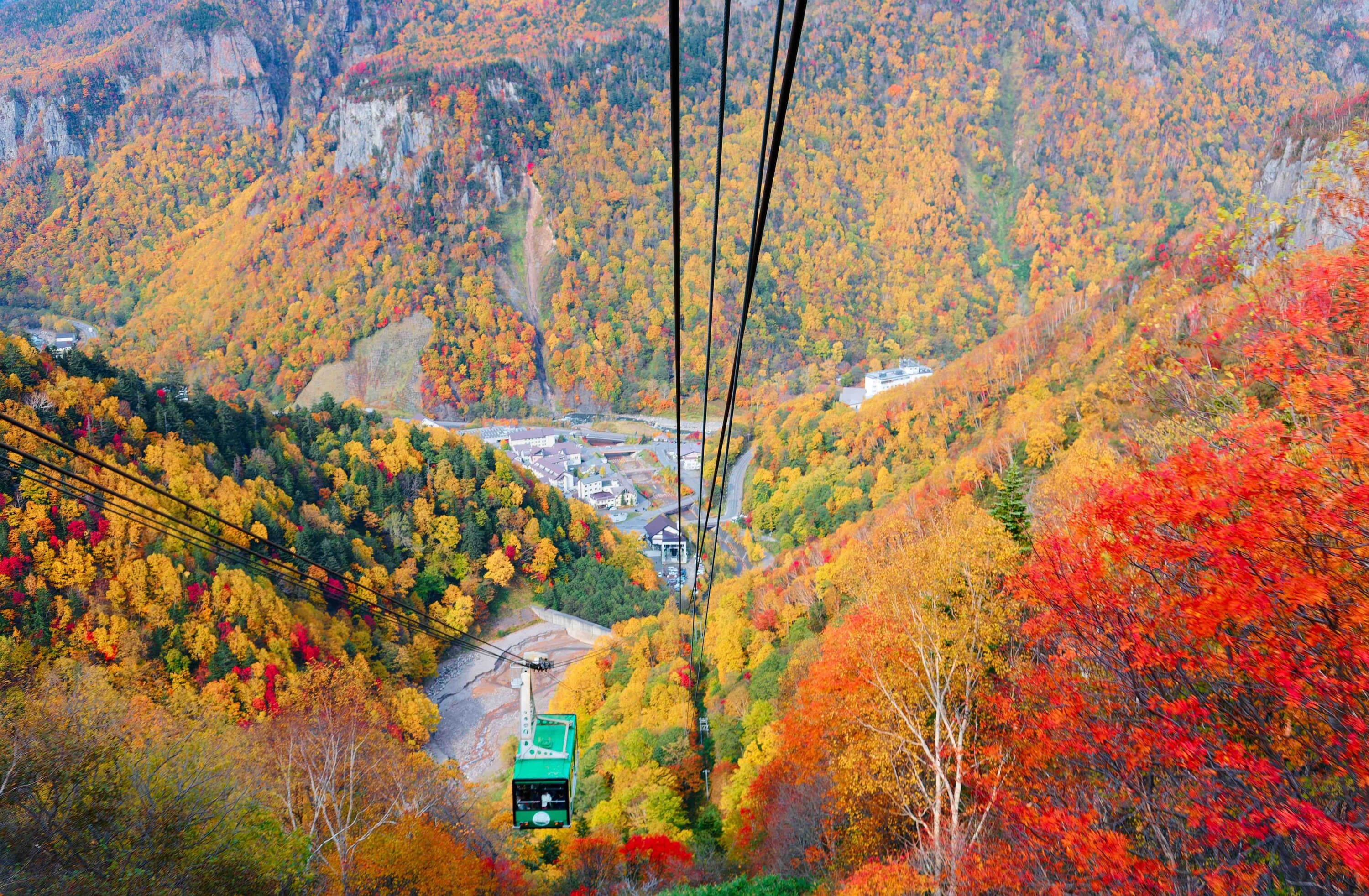
Hokkaido
| Region | Recommended Spots | Peak Time |
| Hokkaido | Jozankei Gensei Park | Early October – Mid October |
| Hokkaido | Mount Kurodake | Late September – Mid October |
| Hokkaido | Sounkyo onsen “Momijidani Valley” | Early October – Mid October |
| Hokkaido | Fukidashi Park | Mid October – Late October |
Tohoku
| Region | Recommended Spots | Peak Time |
| Iwate Prefecture | Morioka Castle Site Park | Late October – Mid November |
| Yamagata Prefecture | Akashiba Dam | Late October – Early November |
| Iwate/Akita/Aomori | Mt. Hachimantai | Late September – Mid October |
| Iwate Prefecture | Mount Kurikoma | Early October – Mid October |
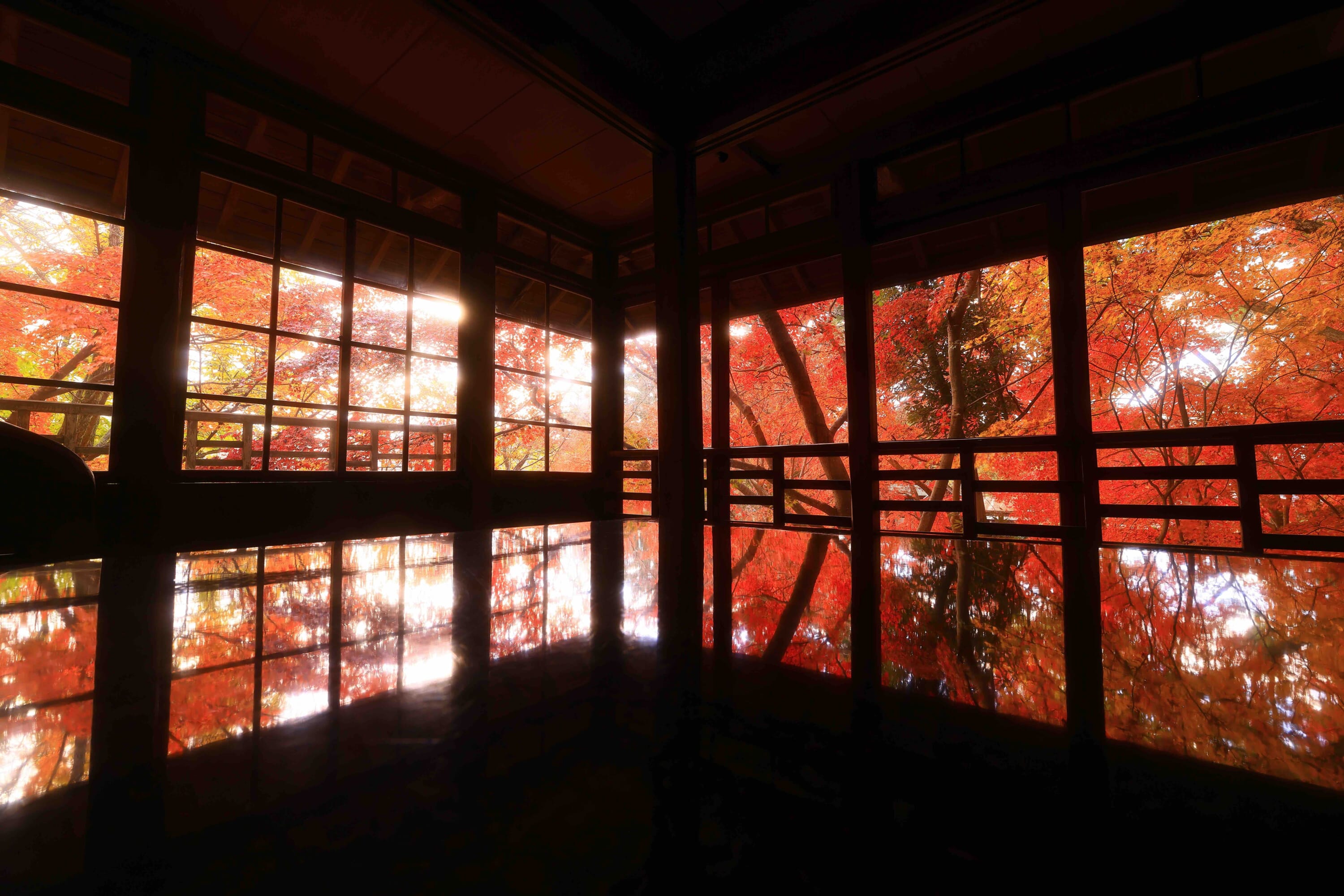
| Iwate Prefecture | Chusonji Temple | Early November – Mid November |
| Aomori Prefecture | Oirase Gorge | Late October – Early November |
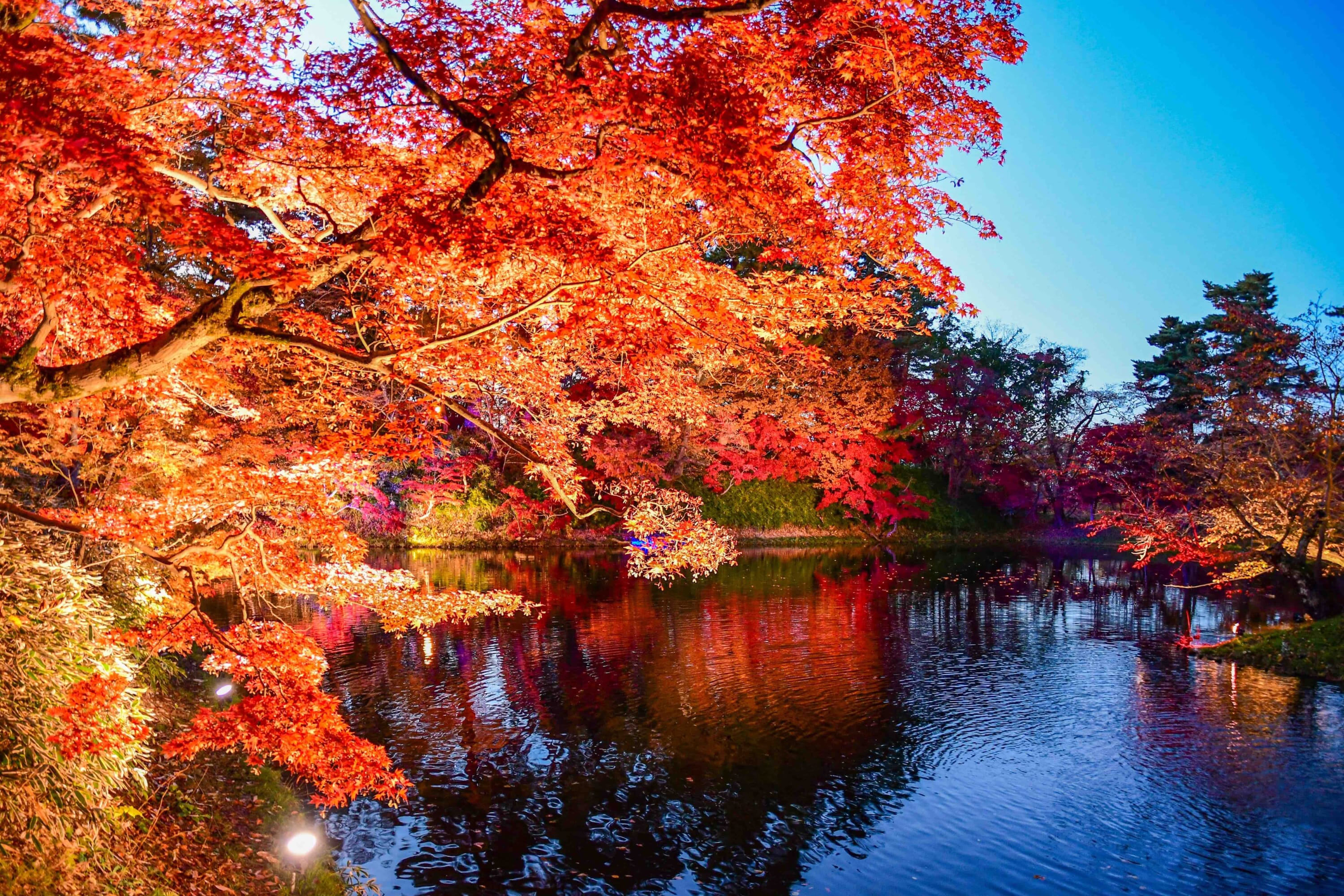
| Aomori Prefecture | Hirosaki Park | Early November – Mid November |
| Miyagi Prefecture | Naruko Gorge | Late October – Mid November |
Kanto
| Region | Recommended Spots | Peak Time |
| Chiba Prefecture | Shimizu Park | Late November – Early December |
| Chiba Prefecture | Yoro Valley | Late November – Early December |
| Ibaraki Prefecture | Fukuroda Falls | Early November – Mid November |
| Saitama Prefecture | Nagatoro Iwadatami | Early November – Late November |
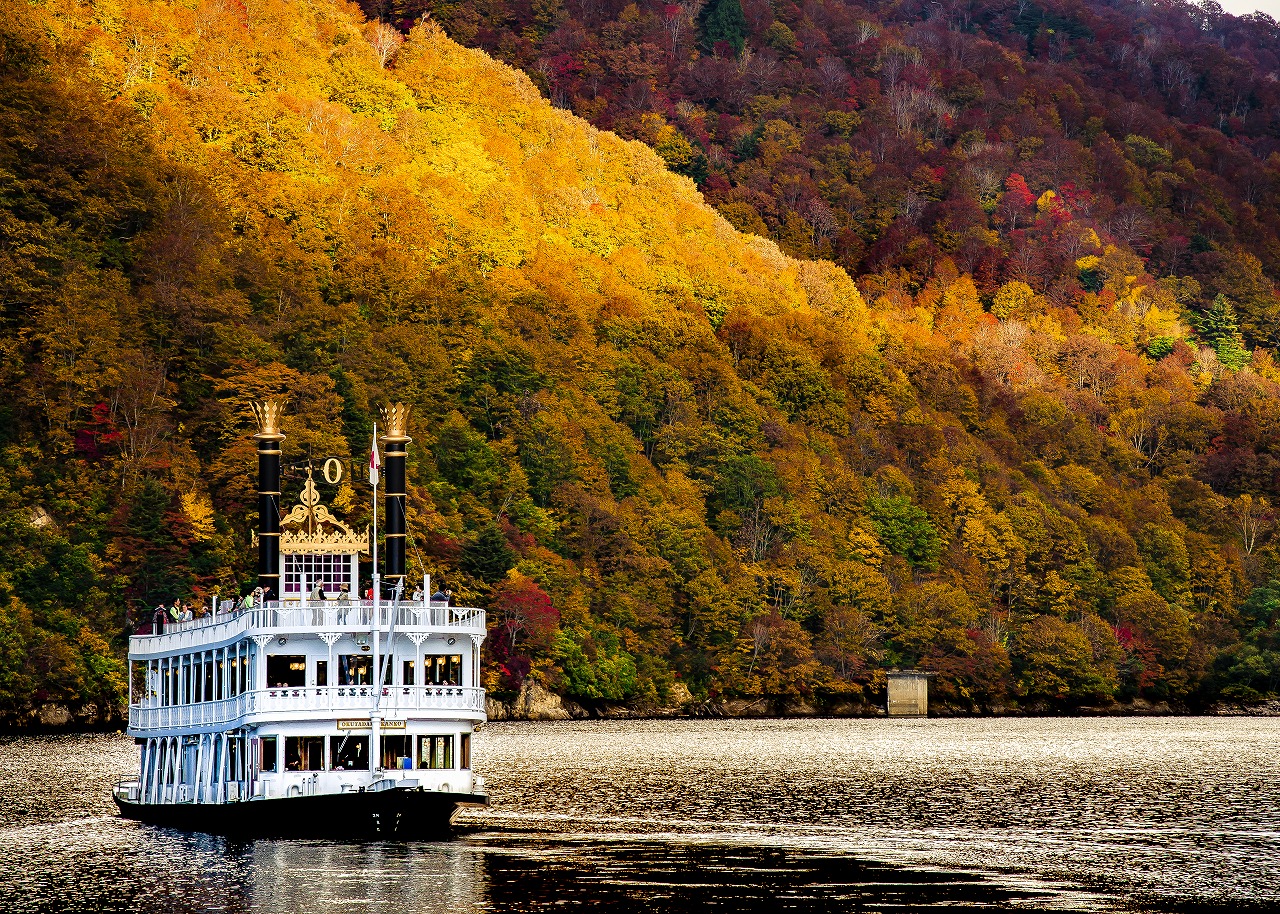
| Tochigi Prefecture | Lake Chuzenji | Mid October – Late October |
| Kanagawa Prefecture | Hakone Gora Park | Early November – Late November |
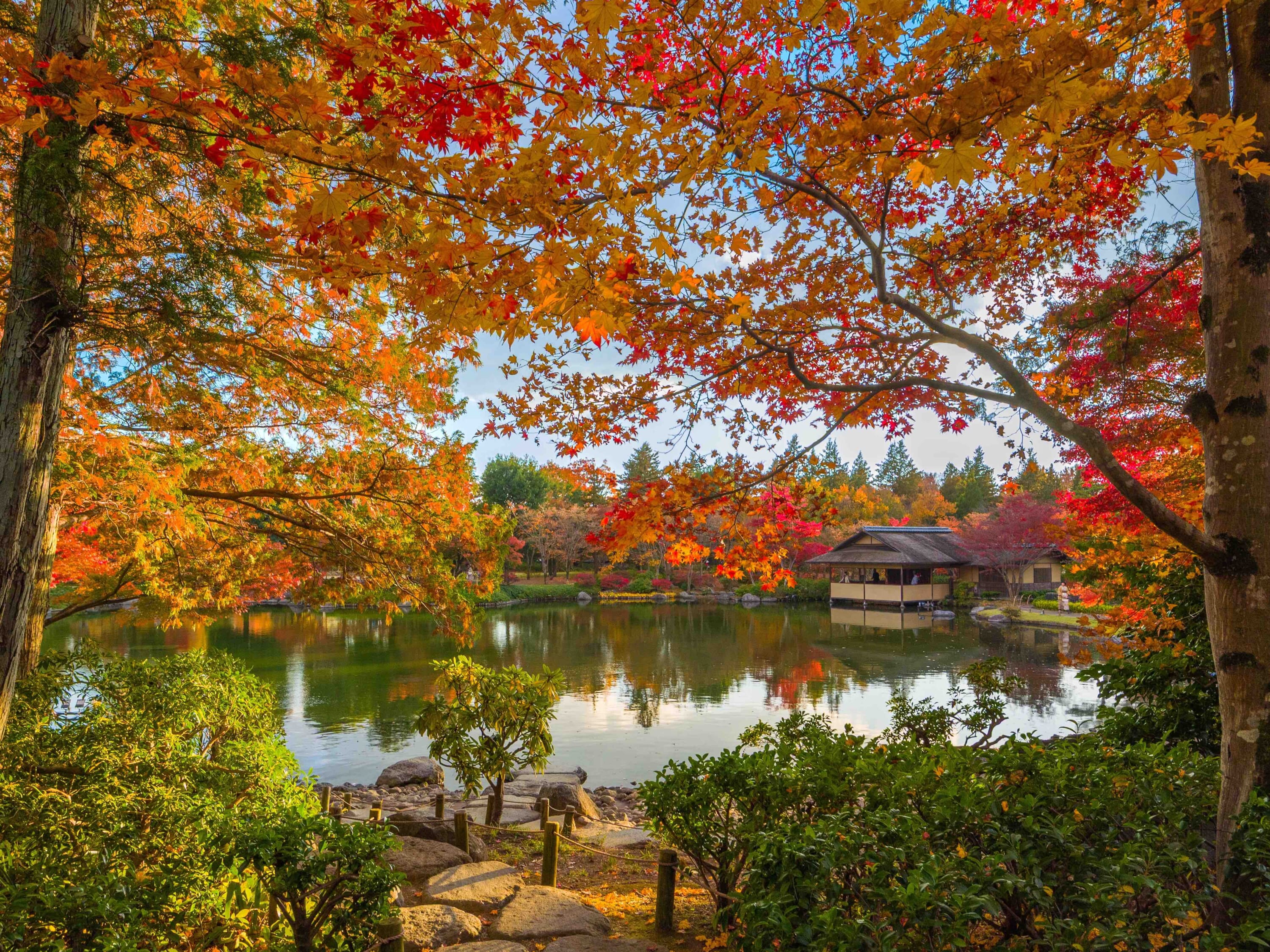
| Tokyo | Hamarikyu Gardens | Late November – Early December |
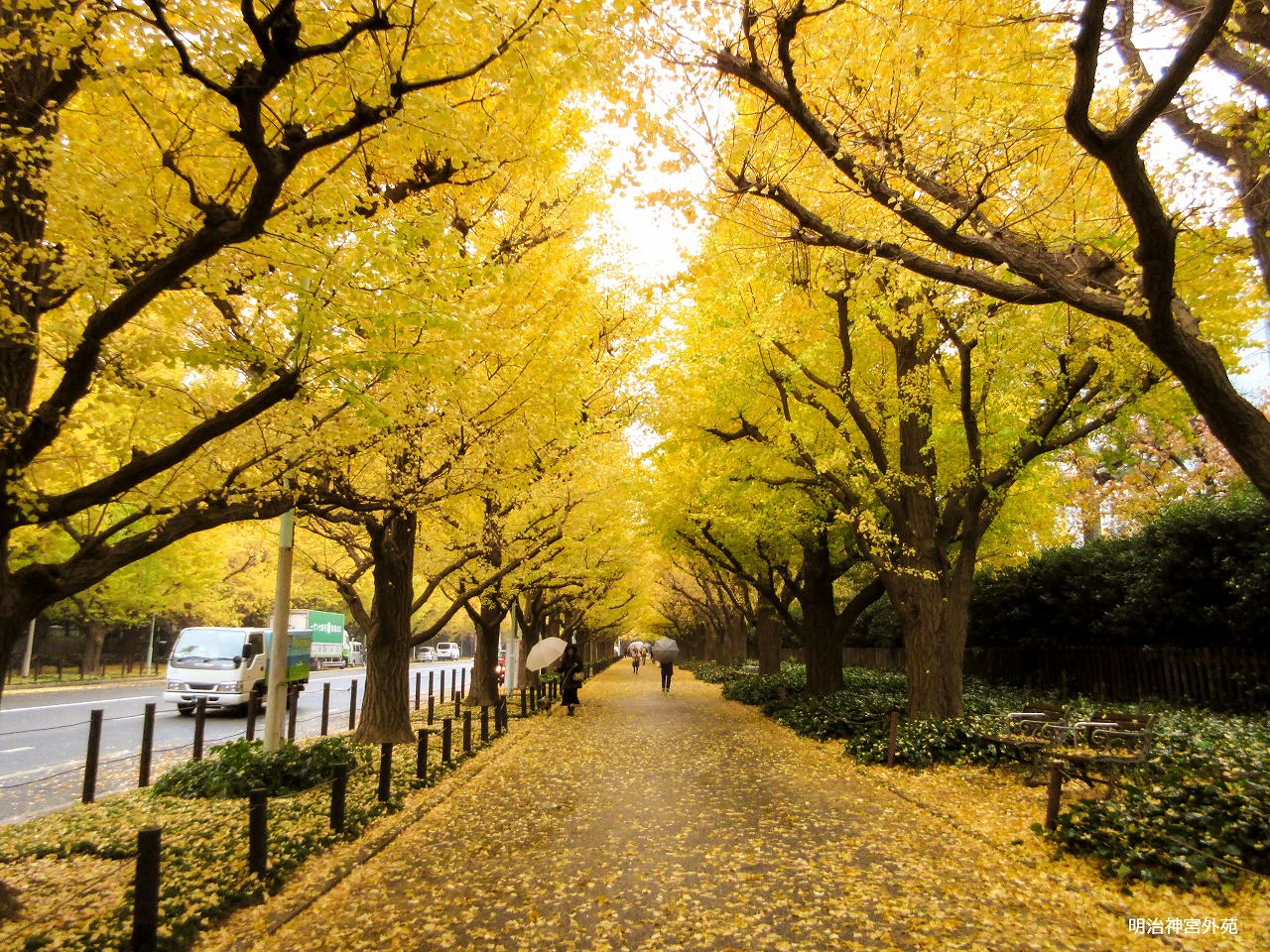
| Tokyo | Meiji Jingu Gaien | Mid November – Early December |
| Tokyo | Mt. Takao | Mid November – Late November |
| Tokyo | Showa Kinen Park | Mid November – Early December |
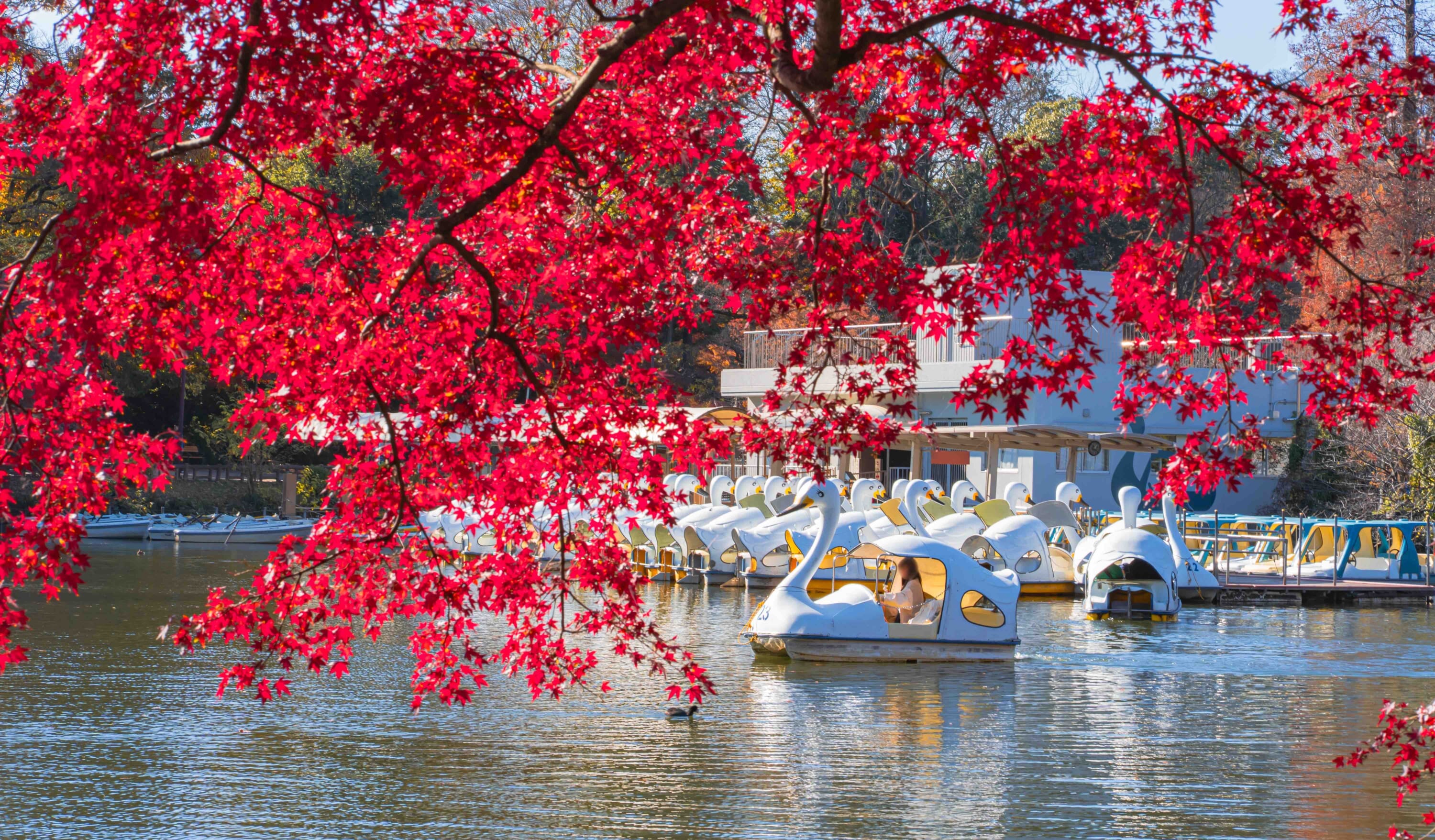
| Tokyo | Inokashira Park | Early December |
Chubu
| Region | Recommended Spots | Peak Time |
| Aichi Prefecture | Okazaki City Higashi Park | Mid November – Early December |
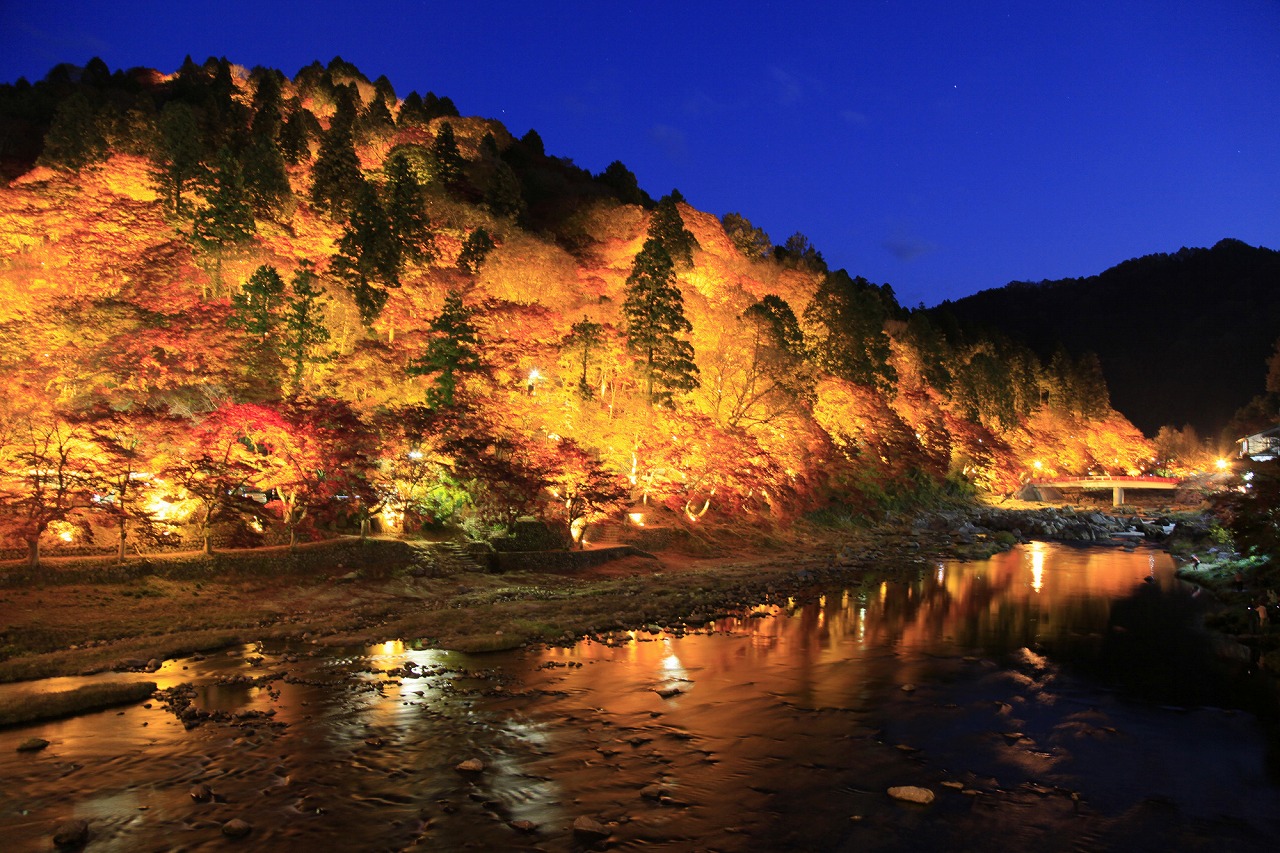
| Aichi Prefecture | Korankei Gorge | Mid November – Late November |
| Gifu Prefecture | Oyada Shrine | Mid November – Late November |
| Gifu Prefecture | Hakusan Shirakawago White Road | Early October – Late October |
| Shizuoka Prefecture | Mt. Amagi | Late October – Early December |
| Shizuoka Prefecture | Naruko Gorge | Mid November – Late November |
| Shizuoka Prefecture | Lake Iwaka | Mid November – Late November |
| Mie Prefecture | Akame 48 Waterfalls | Mid November – Late November |
Koushinetsu/Hokuriku
| Region | Recommended Spots | Peak Time |
| Nagano Prefecture | Senjojiki Cirque | Late September – Early October |
| Toyama Prefecture | Toyama Municipal Folkcraft Village | Late October – Mid November |
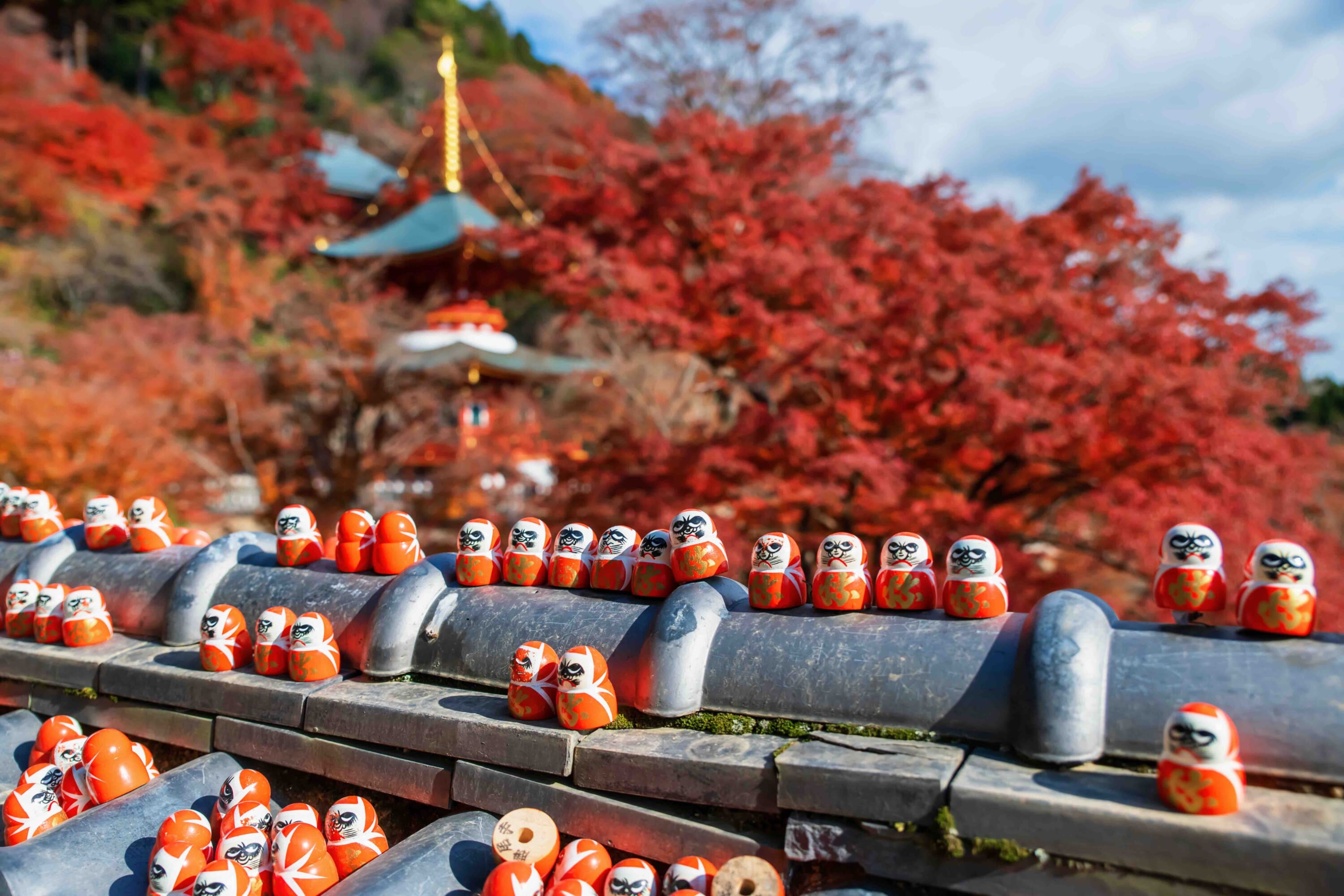
| Ishikawa Prefecture | Natadera Temple | Early November – Late November |
| Niigata Prefecture | Lake Oku-Tadami | Mid October – Early November |
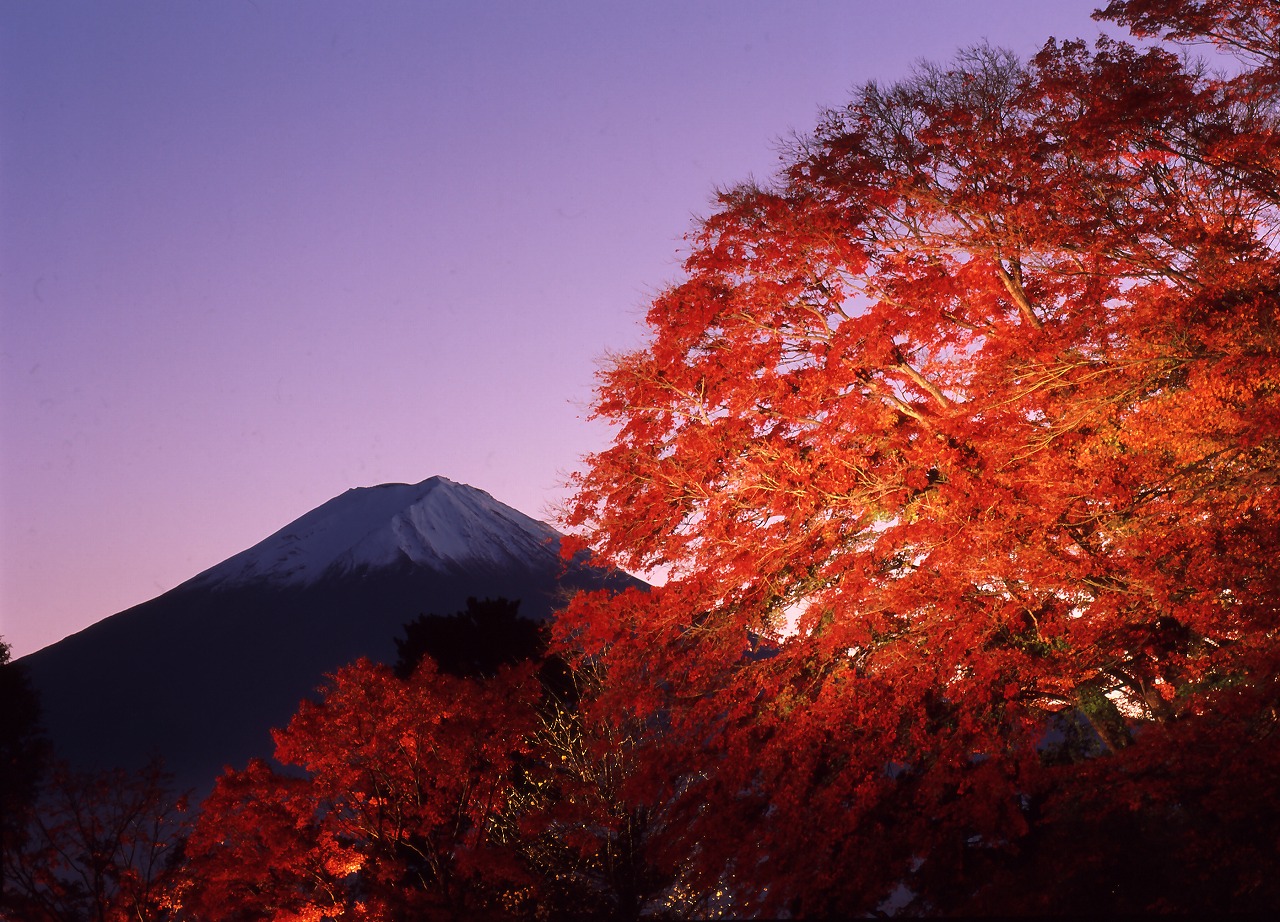
| Yamanashi Prefecture | Lake Kawaguchi Maple Corridor | Early November – Late November |
| Nagano Prefecture | Upper Togakushi Shrine | Early October – Late October |
Kansai
| Region | Recommended Spots | Peak Time |
| Kyoto | Kiyomizu-dera Temple | Late November – Early December |
| Kyoto | Yoshimine-dera Temple | Mid November – Early December |
| Kyoto | Eikando Temple | Late November – Early December |
| Kyoto | Kitano Tenmangu Momiji Garden | Late November – Early December |
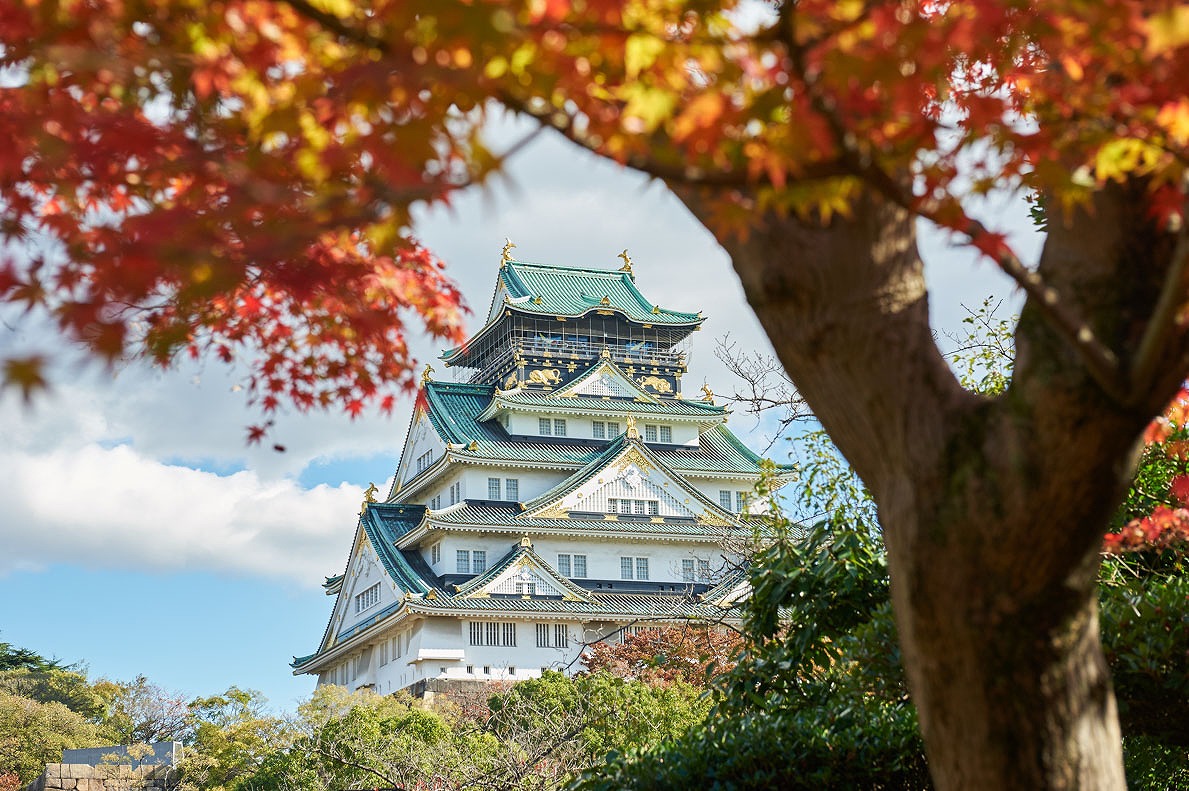
| Osaka | Osaka Castle Park | Early November – Mid December |
| Osaka | Katsuoji Temple | Mid November – Late November |
| Osaka | Meiji no Mori Minoh Park | Late November – Early December |
| Nara Prefecture | Torimiyama Park | Mid November – Late November |
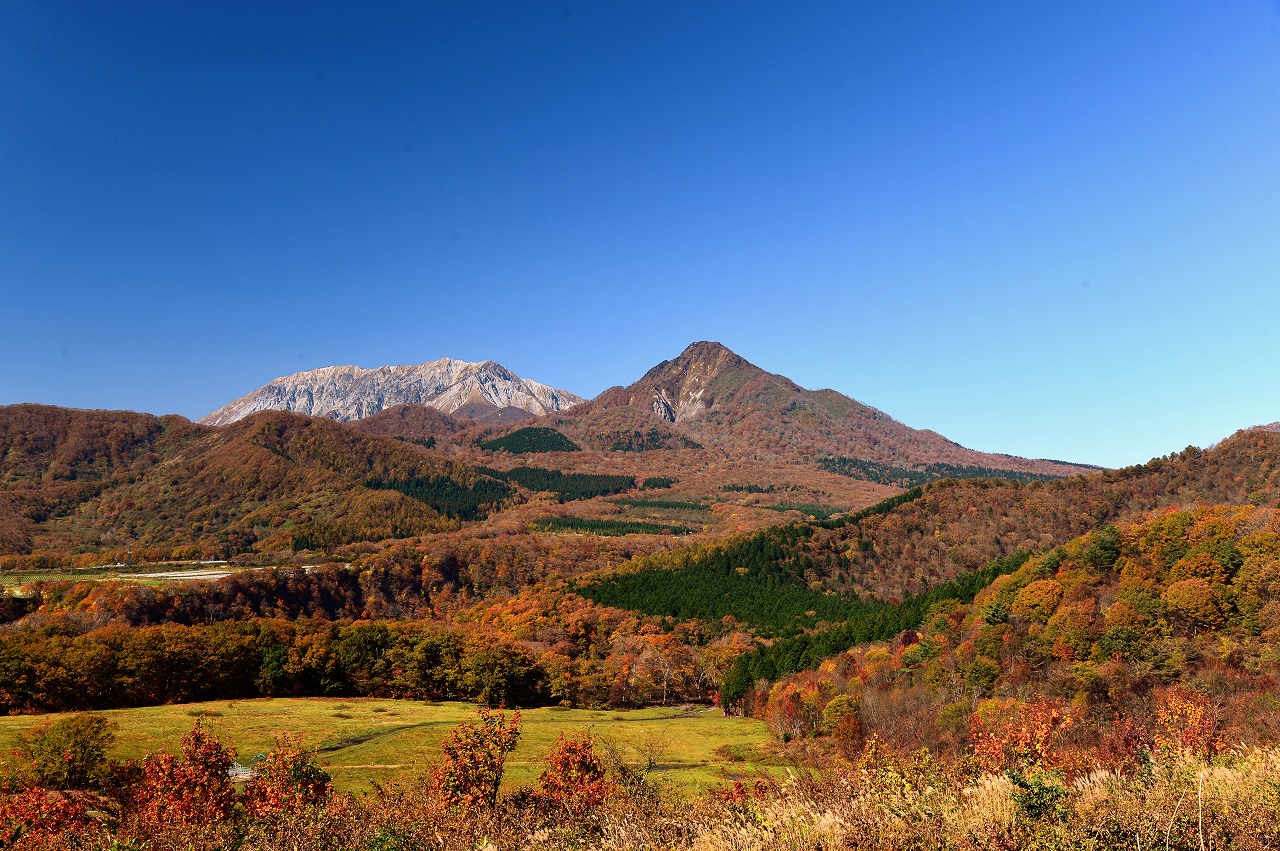
Chugoku
| Region | Recommended Spots | Peak Time |
| Yamaguchi Prefecture | Tainei-ji Temple | Mid November – Early December |
| Yamaguchi Prefecture | Mori Garden | Mid November – Early December |
| Hiroshima Prefecture | Momijidani Park | Mid November – Late November |
| Hiroshima Prefecture | Saburonosuberi Falls | Mid November |
| Okayama Prefecture | Okayama Korakuen | Mid November – Early December |
| Okayama Prefecture | Okutsu Valley | Early November – Mid November |
| Shimane Prefecture | Okuizumo Orochi Loop | Early November – Mid November |
| Shimane Prefecture | Oni-no-Shitaburui Gorge | Mid November |
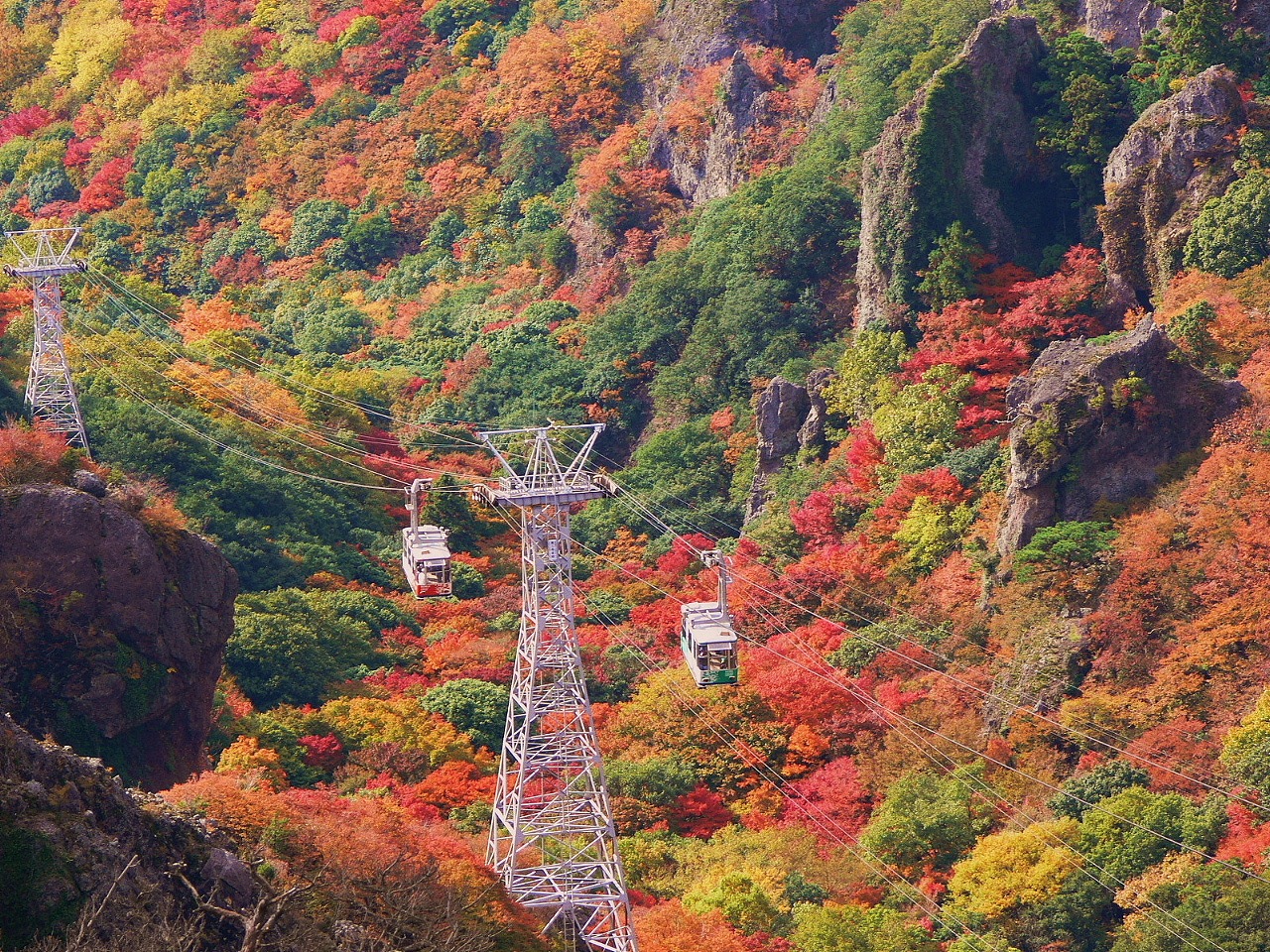
Kankakei Gorge
Shikoku
| Region | Recommended Spots | Peak Time |
| Kagawa Prefecture | Ritsurin Garden | Mid November – Early December |
| Kagawa Prefecture | Kankakei National Park | Early November – Late November |
| Tokushima Prefecture | Iya Valley | Late October – Mid November |
| Tokushima Prefecture | Konose Gorge | Late October – Late November |
| Kochi Prefecture | Befu Gorge | Mid November – Late November |
| Kochi Prefecture | Tengu Highlands | Late October – Early November |
| Ehime Prefecture | Shirataki Park | Early November – Late November |
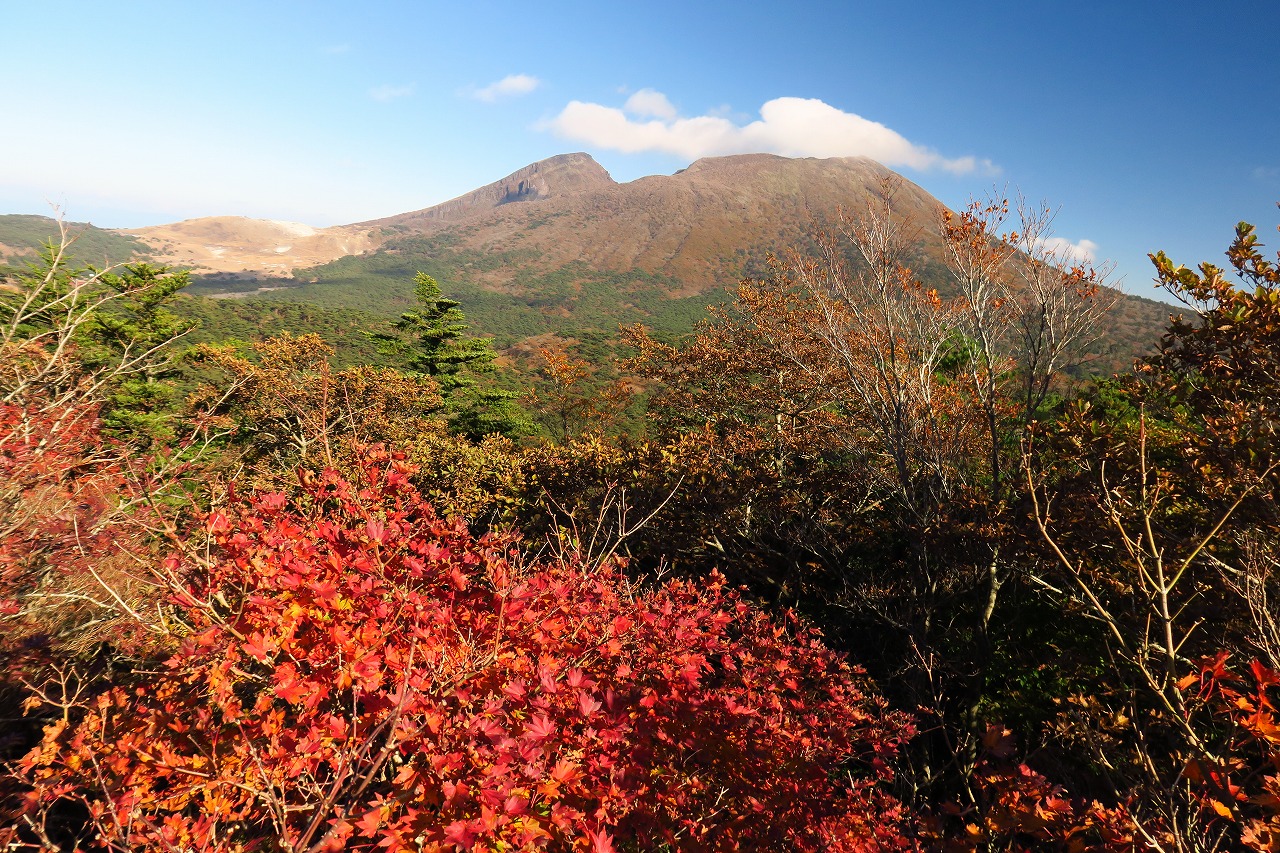
Mount Kirishima
Kyushu
| Region | Recommended Spots | Peak Time |
| Kagoshima Prefecture | Soginotaki Park | Mid November – Late November |
| Saga Prefecture | Tozan Shrine | Mid November – Early December |
| Saga Prefecture | Mifuneyama Rakuen | Mid November – Early December |
| Oita Prefecture | Mt. Hiko | Late October – Mid November |
| Oita Prefecture | Yabakei | Mid November – Late November |
| Miyazaki Prefecture | Mt. Kirishima | Late October – Late November |
| Kumamoto Prefecture | Itsuki-Gokanosho Prefectural Natural Park | Early November – Mid November |
| Kumamoto Prefecture | Kumamoto Castle Park | Late November – Early December |
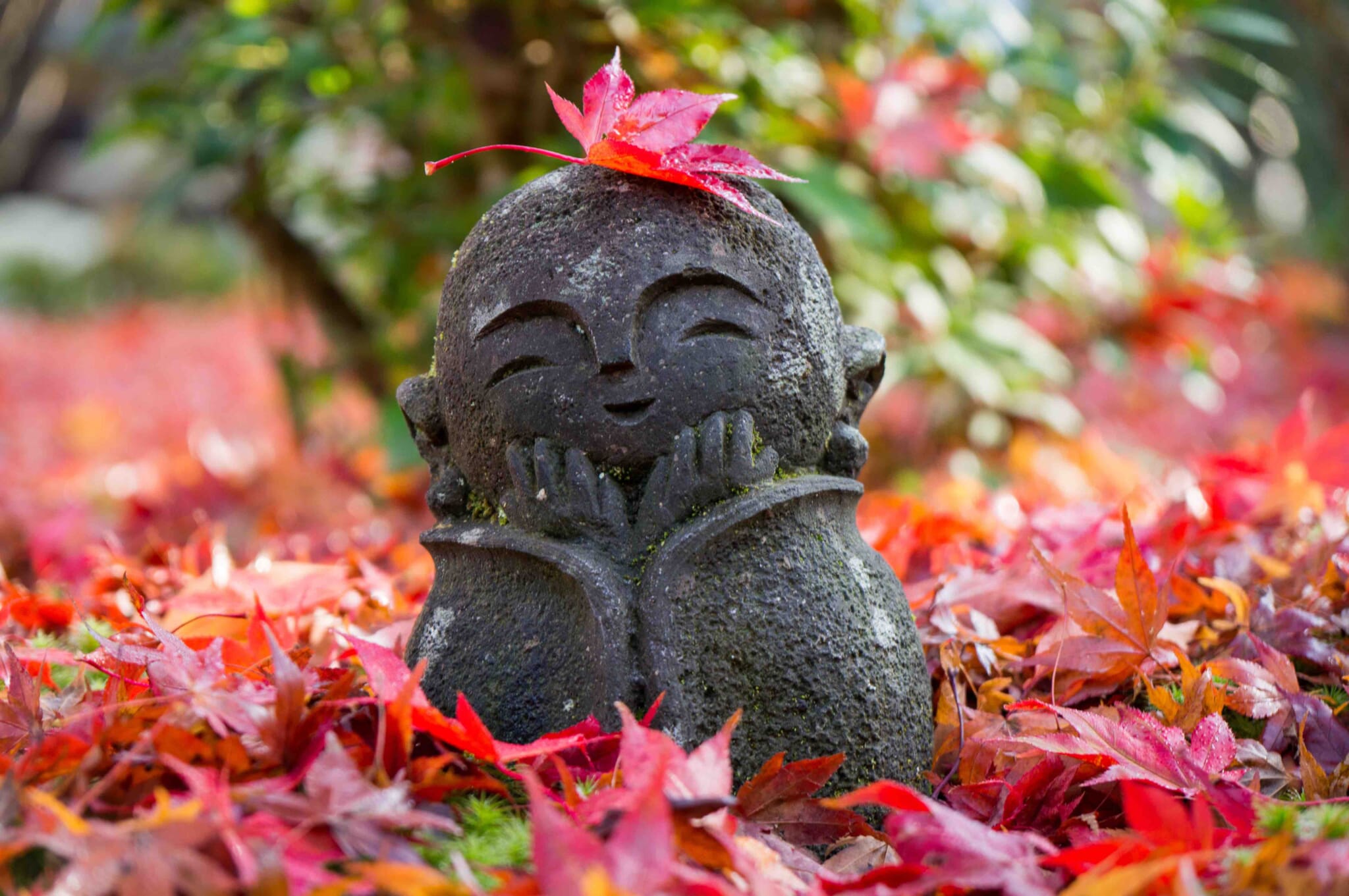
Japan’s Momiji Culture
Much like sakura season brings hanami flower viewing picnics and an annual reminder of life’s impermanent beauty, autumn’s koyo also has its own distinct cultural identity and seasonal traditions. The earliest references to momijigari, or “leaf-hunting,” can be traced back to the Heian period when nobles organized specialized excursions to enjoy the vibrant autumn foliage with the accompaniment of poetry and gourmet banquets.
Momijigari embodies the concept of mono no aware, the wistful but empathetic awareness that all things in life will eventually come to an end. It’s not a grim outlook; the beauty of the changing leaves only comes in full appreciation through the acceptance that it won’t last forever. Leaves dry and petals fall, but we cherish the moments we receive.
Types of Autumn Foliage
Maple
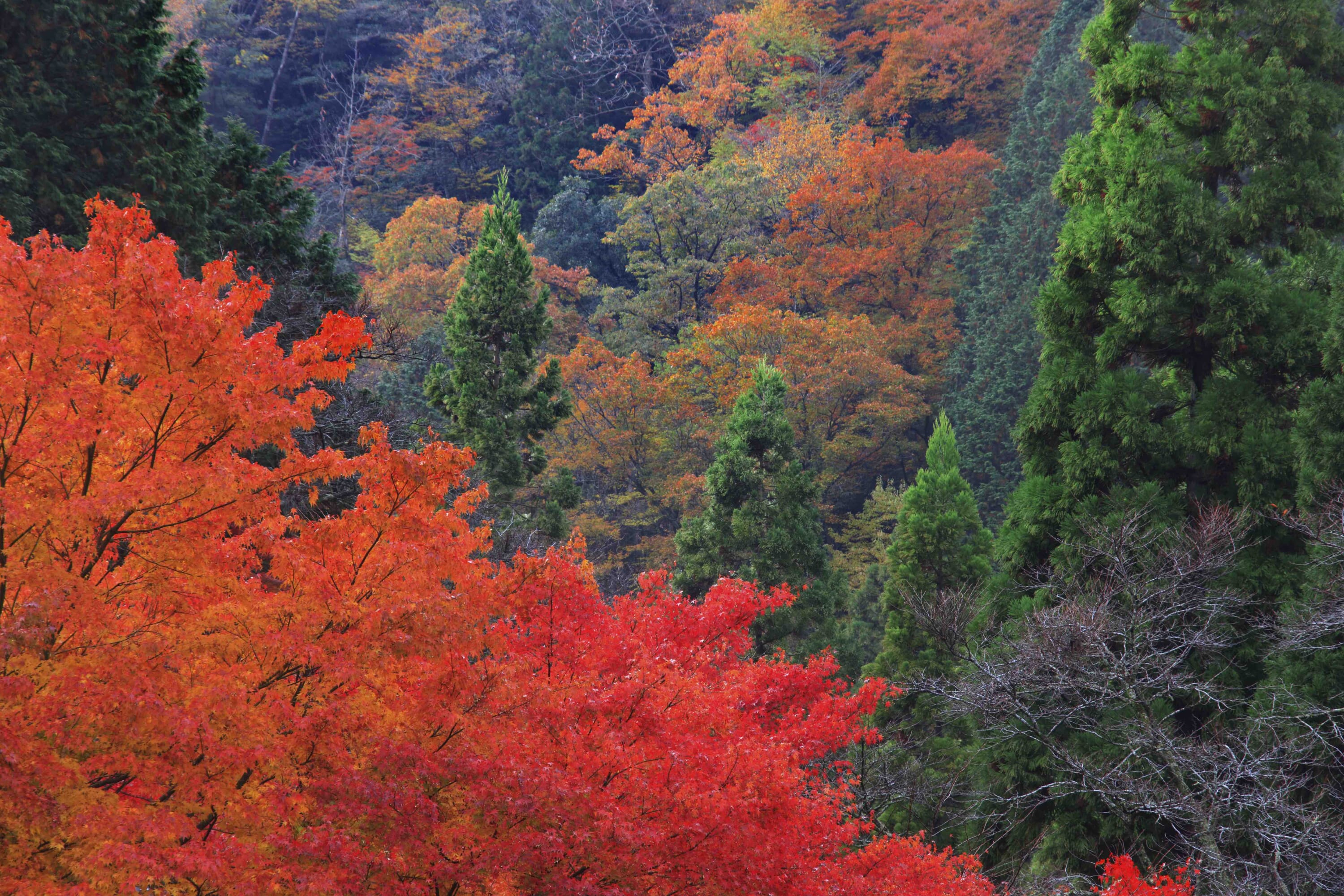
Japanese maple trees are the uncontested main attraction of the season. The kanji used to write “koyo” actually uses the same characters as “momiji” (maple tree). Momiji’s red hues range from an intensely rich maroon to a brilliant fire truck red. Iroha-momiji is the most common Japanese maple, characterized by five to seven deep lobes that turn a shiny bright crimson. Layered against a cloudless blue sky or reflecting on a deep navy lake, the contrast of colors becomes a living painting worth waiting the entire year just to bear witness.
Ginkgo
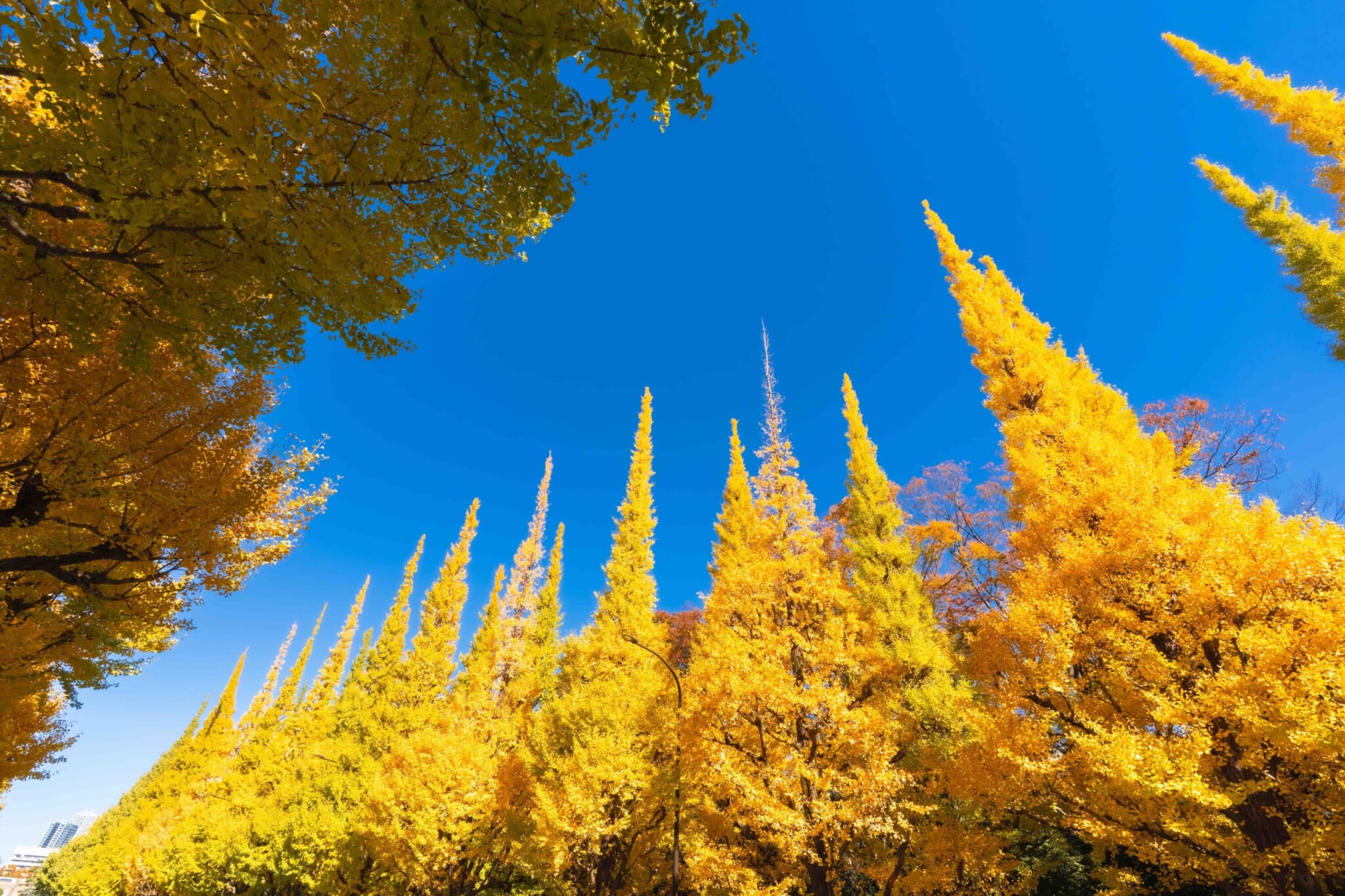
The yellow ginkgo trees are another seasonal favorite. Known as “icho” in Japanese, the ginkgo’s uniquely fan-shaped leaves have served as the official emblem of Tokyo since 1989. Their lemony-yellow color also creates an irresistible ray of bold color when paired with a sunny sky. The Ginkgo Avenue at Meiji Jingu Gaien, where 146 ginkgo trees line the street like golden torches and the gentle leaves rain down like confetti, is an experience that can’t be missed.
Rowan Shrub
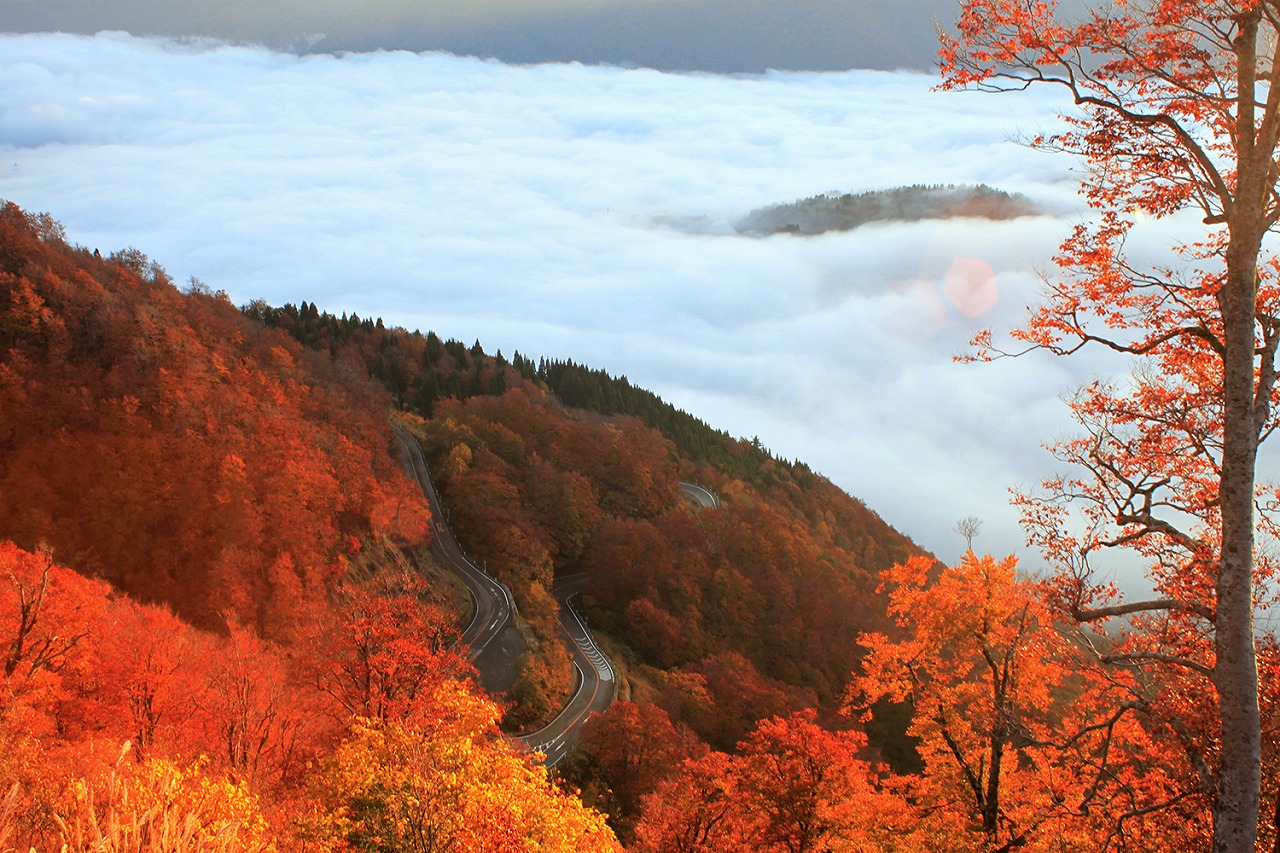
Found in more elevated areas, the nanakamado (Japanese rowan shrub) transforms mountain landscapes with colonies of colorful bursts. The shrubs change into a variety of red, orange and yellow shades, while some remain in their original green state. The result is a truly breathtaking autumn bouquet, that when viewed from afar, resembles a quilt blanketing the mountain peaks.
Related Posts
- Unforgettable Autumn Festivals in Japan Worth Visiting This Fall
- Visit Hokuriku for Stunning, Under-the-Radar Autumn Leaf Spots
Updated On September 2, 2026