Imagine stepping off the bullet train into a city where 16th-century samurai fortresses, world-famous anime landscapes and 1,000-year-old hot springs are neatly gathered in one place.
In central Nagano Prefecture, Ueda is one of central Japan’s most layered destinations. Long celebrated locally as the home domain of the legendary Sanada samurai clan and the eastern entrance to Bessho Onsen, Ueda has also gained a worldwide pop culture following as the real-world setting for Mamoru Hosoda’s anime masterpiece Summer Wars (2009).
Whether you are looking to walk through centuries of military history, embark on an anime pilgrimage or soak in volcanic thermal waters, this definitive guide covers everything you need to plan your trip to Ueda.
The Sanada Clan and Ueda Castle
Ueda’s identity is bound to the Sanada Clan, one of Japan’s most celebrated samurai dynasties. Led by Sanada Masayuki and his legendary son Sanada Yukimura, the clan achieved legendary status during the Sengoku (Warring States) period for repelling the vastly superior forces of the Tokugawa clan twice at Ueda Castle.
Key Historic Sites
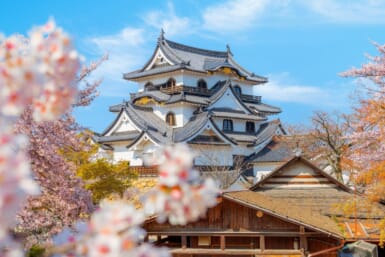
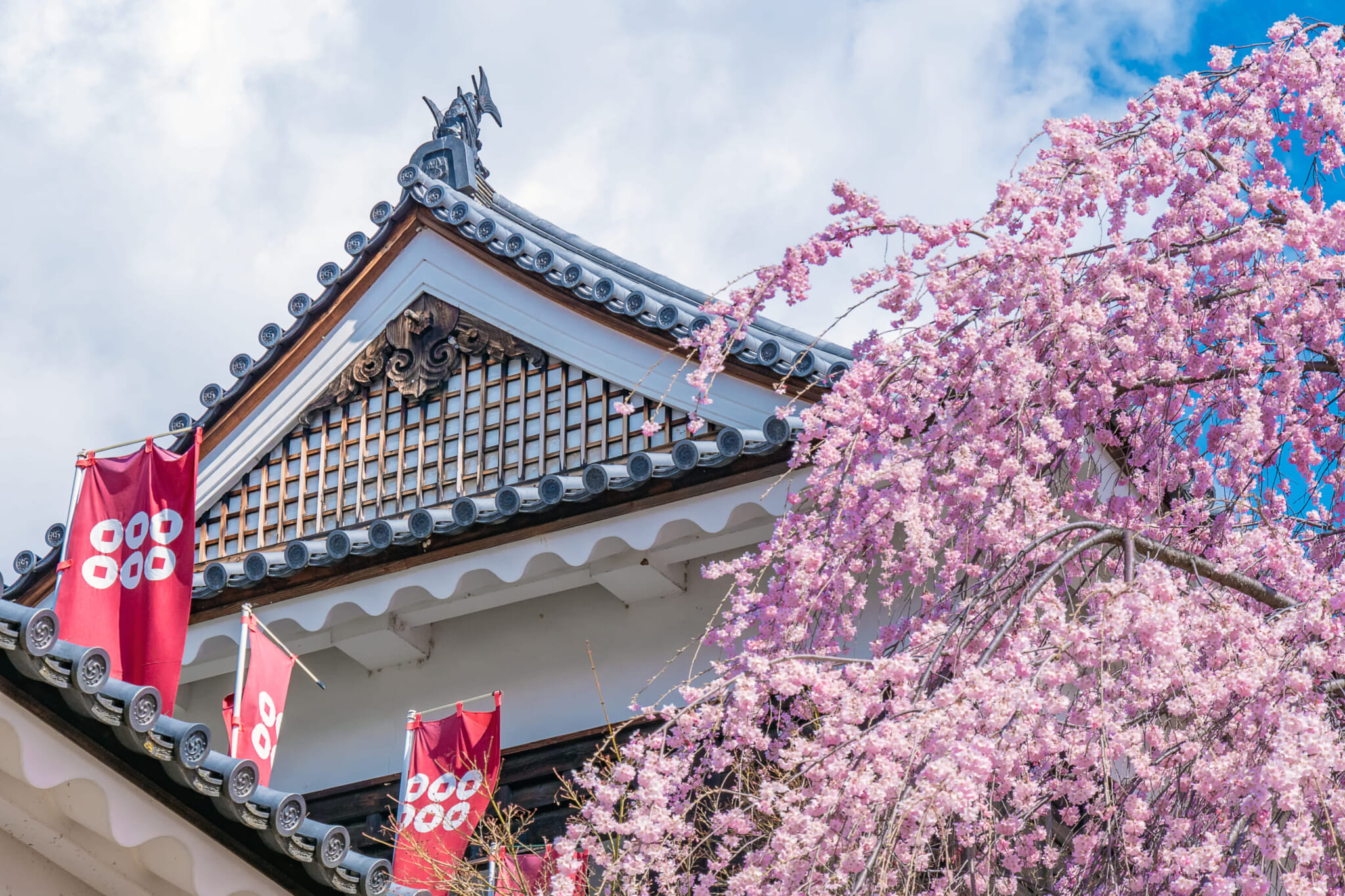
- Ueda Castle Park: Built in 1583 by Sanada Masayuki, the castle grounds feature reconstructed yagura (turrets), towering stone walls and the Sanada Museum. In spring, over 1,000 cherry trees bloom during the Sen-Bon Sakura Matsuri, while autumn brings rich crimson foliage across the stone moats.
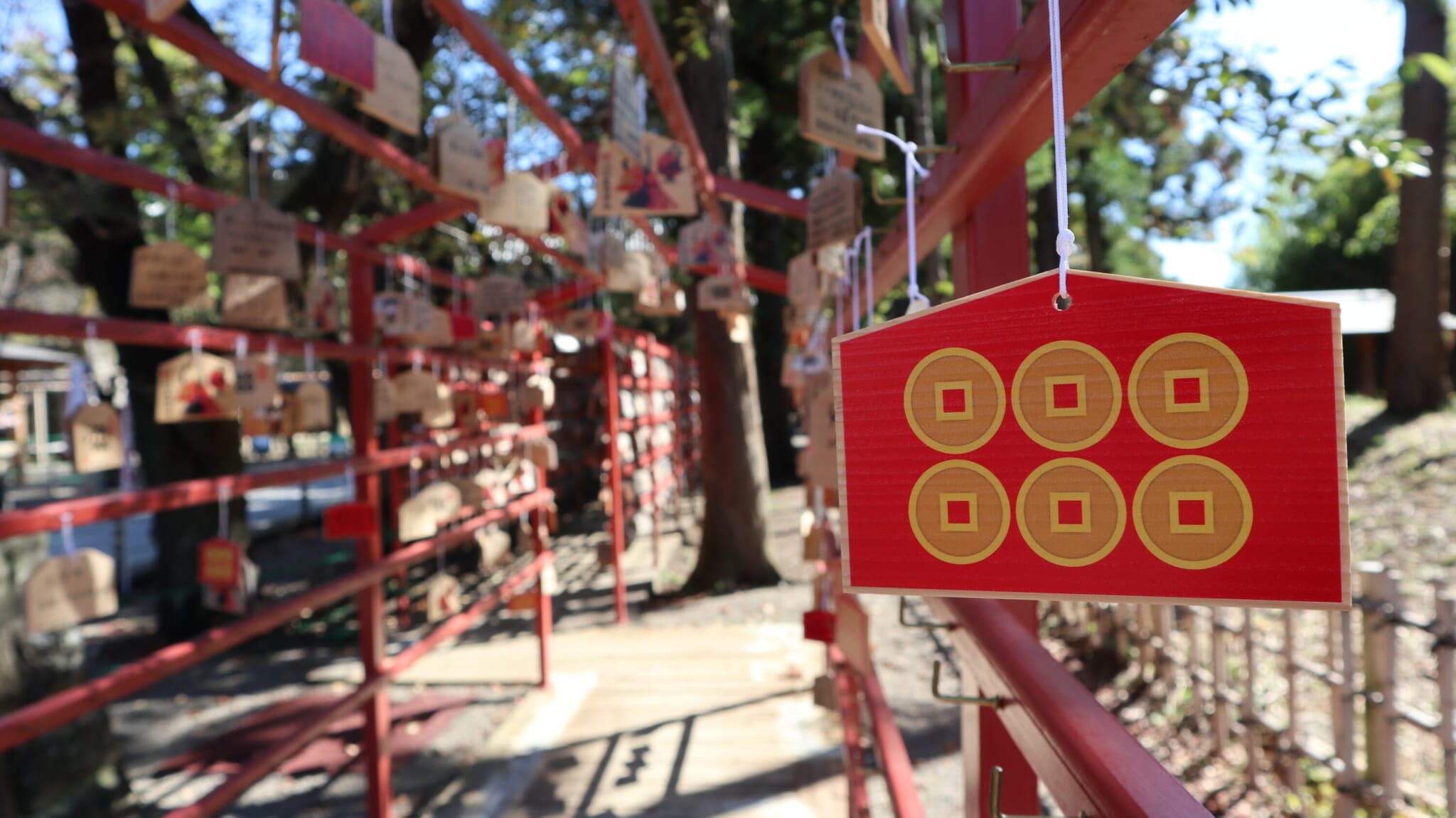
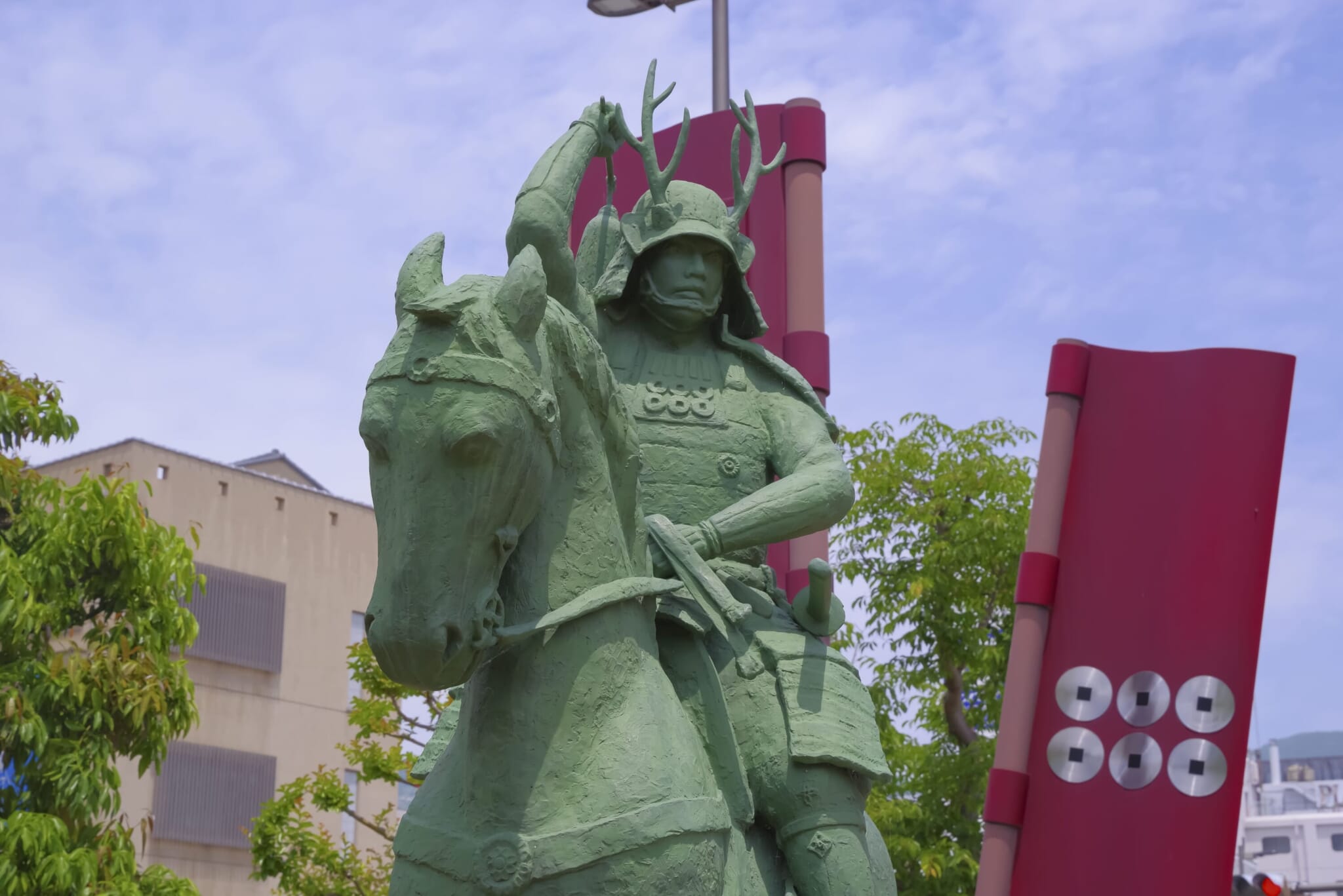
- Sanada Shrine: Nestled directly within the former inner bailey of Ueda Castle, this shrine honors the leaders of the Sanada clan. Famous for its giant red kabuto display and Rokumon six-coin crest motifs, the shrine is widely visited by students because of a clever pun; since the castle never fell to two Tokugawa assaults, it’s known as the castle that doesn’t fall, or ochinai, so students go to not fail an exam.
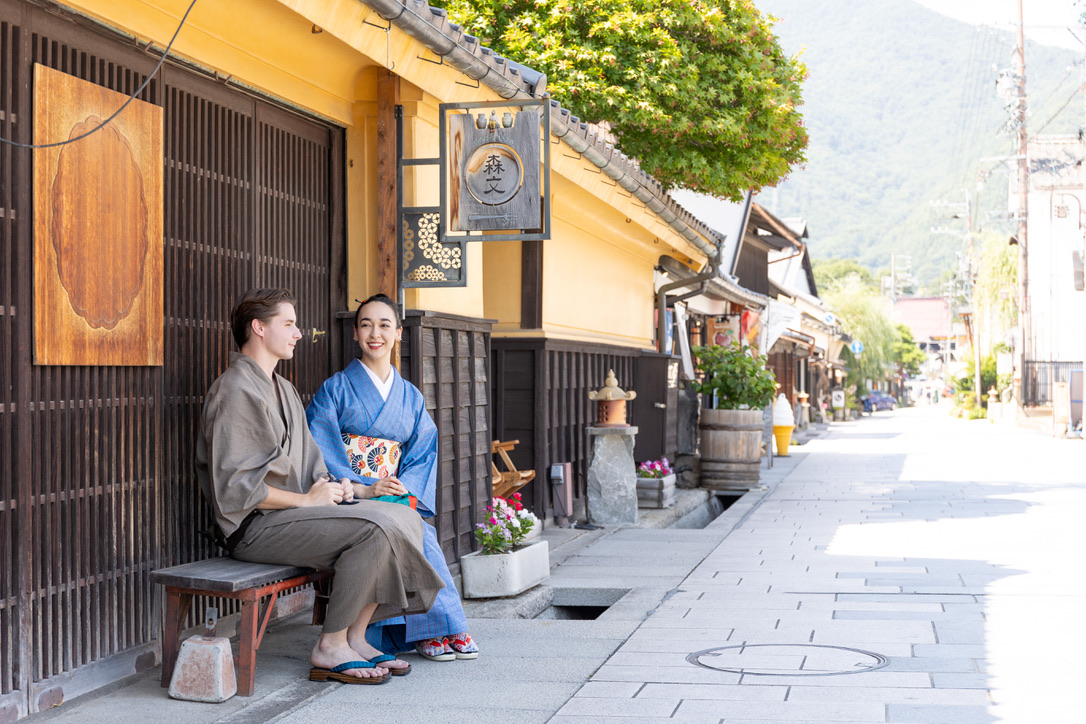
- Yanagimachi Street: A preserved merchant district along the historic Hokkoku Kaido highway. Walk along traditional kura storehouses, craft sake breweries and chic bakeries.
- The Sanada Ten Braves: According to legend, ten elite ninja served Sanada Yukimura. Most famous being Sarutobi Sasuke — the archetype for modern ninja across Japanese media — their legacy lives on through statutes scattered across central Ueda.
Ueda in Summer Wars: An Anime Pilgrimage
Ueda’s rich history has made it a favorite backdrop for modern Japanese pop culture.
Summer Wars (2009)
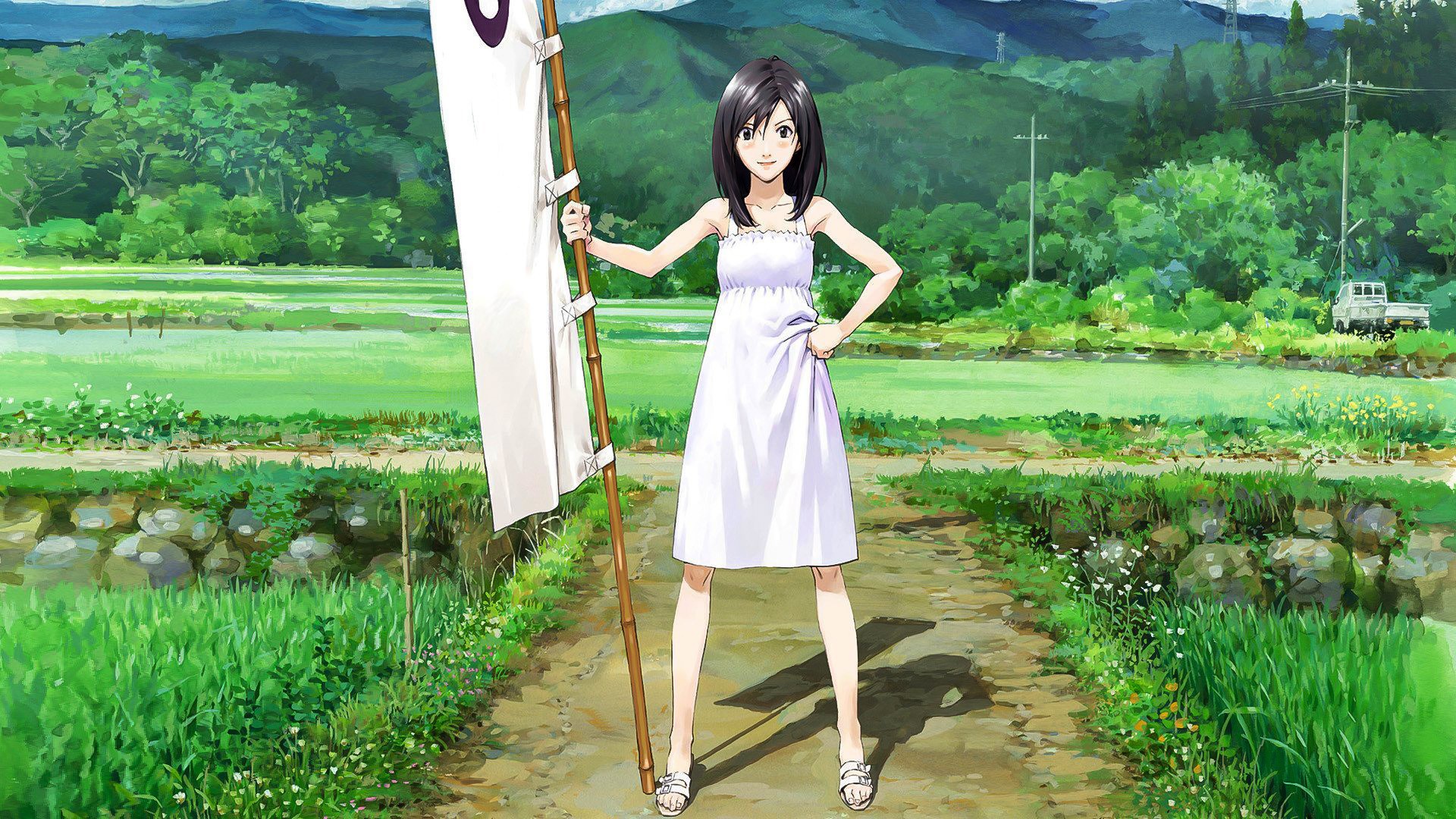
Director Mamoru Hosoda chose Ueda as the real-world setting for his award-winning film Summer Wars. The grand traditional estate of the matriarch Sakae Jinnouchi was directly modeled on the landscapes and traditional architecture of Ueda. Visitors can spot real-life inspirations throughout the city, from the traditional wooden gates reminiscent of the Jinnouchi residence to Ueda Station’s exterior features shown in the film.
The Sanada Clan in Games & Anime
Sanada Yukimura and his Ten Braves have inspired iconic titles across video games, manga and television:
- Video Games: Featured prominently in Koei Tecmo’s Samurai Warriors (Sengoku Musou) and Capcom’s Sengoku Basara.
- Anime: Adapted in series such as Brave 10 and Hyakka Ryoran.
- TV Drama: NHK’s 2016 Taiga drama Sanada Maru, starring Masato Sakai, brought national attention back to Ueda’s historical landmarks.
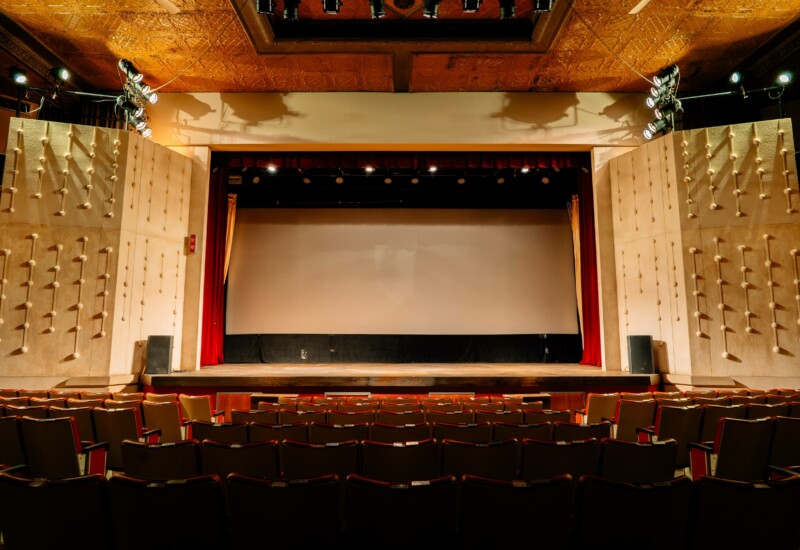
Image via uedaeigeki.com
Ueda Eigeki
Located in the retro Fukuromachi entertainment zone, Ueda Eigeki is a classic cinema built in 1917. With its wooden interior and Showa-era charm, it frequently features indie films, hosts local media events and has served as a filming location for Japanese movies and television productions.
Bessho Onsen: The “Kamakura of Shinshu”
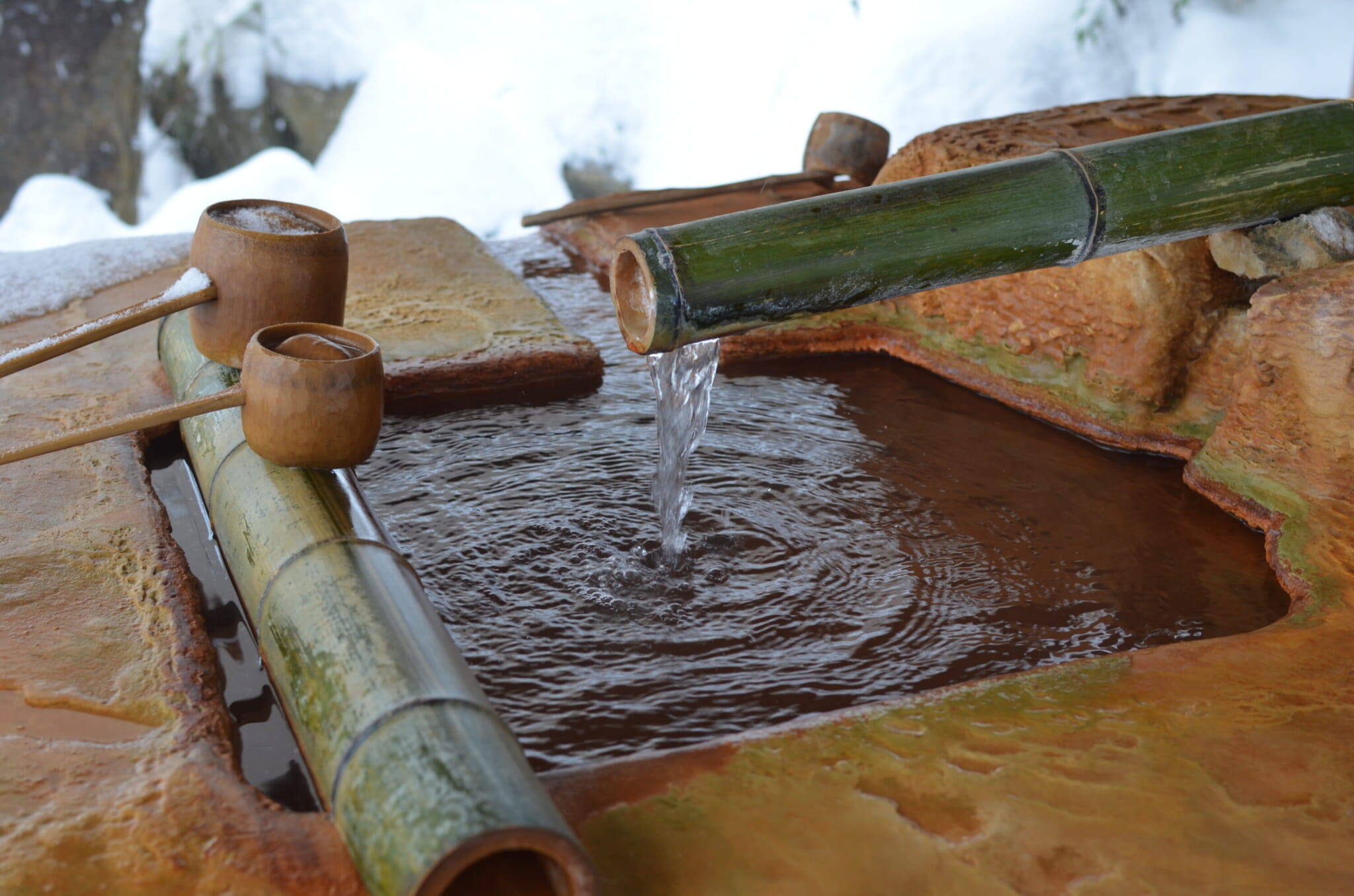
Located just 30 minutes southwest of Ueda Station via the local Uedadentetsu Bessho Line, Bessho Onsen is one of Nagano’s oldest hot spring villages, famous for its mineral-rich waters and historical temples.
Highlights & Attractions
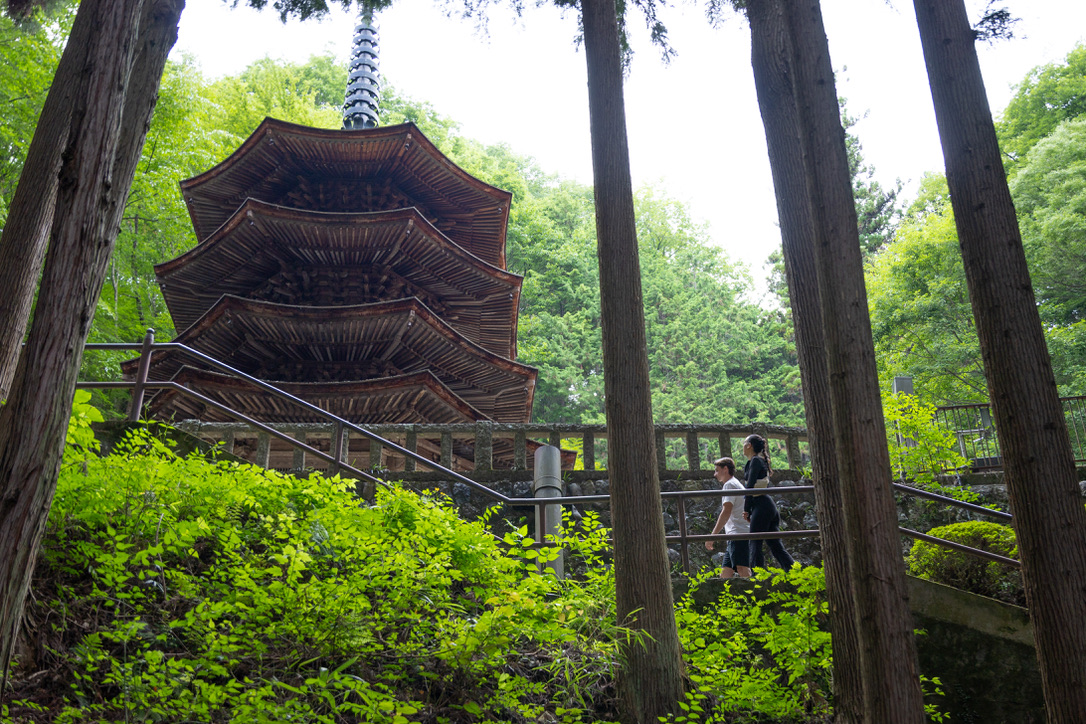
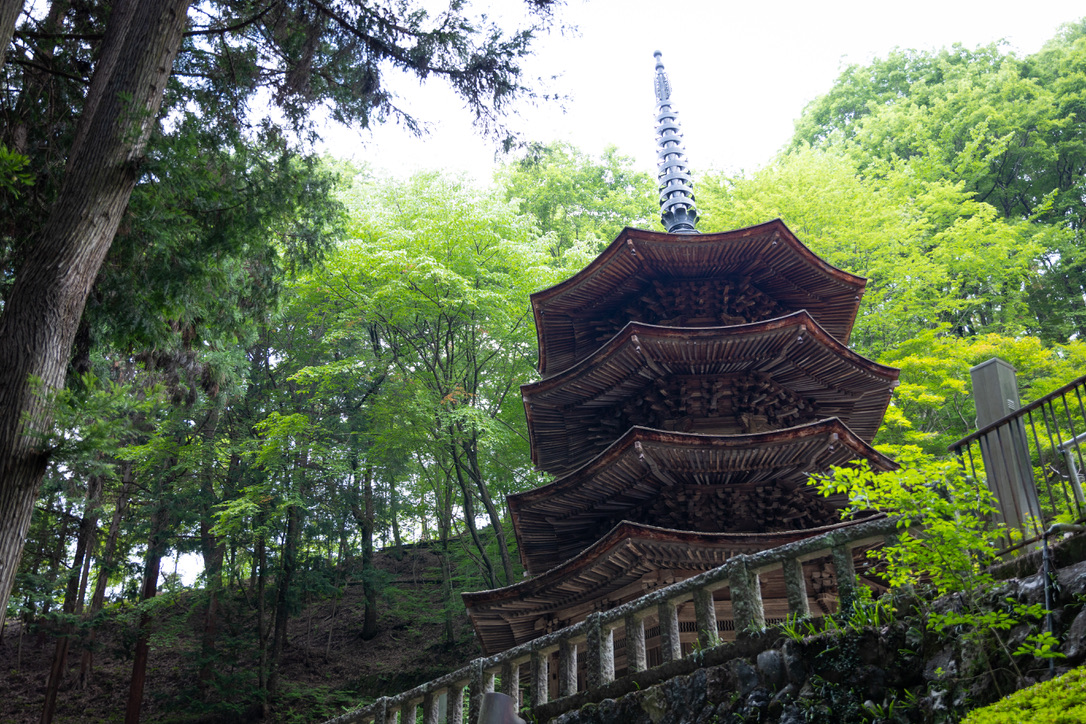
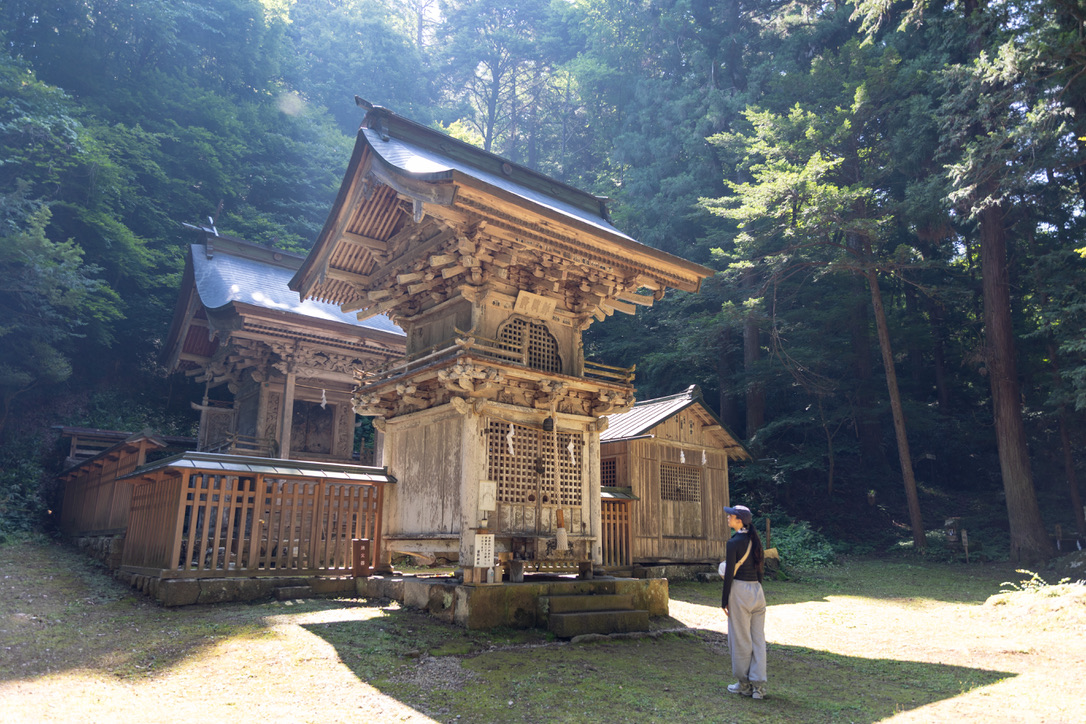
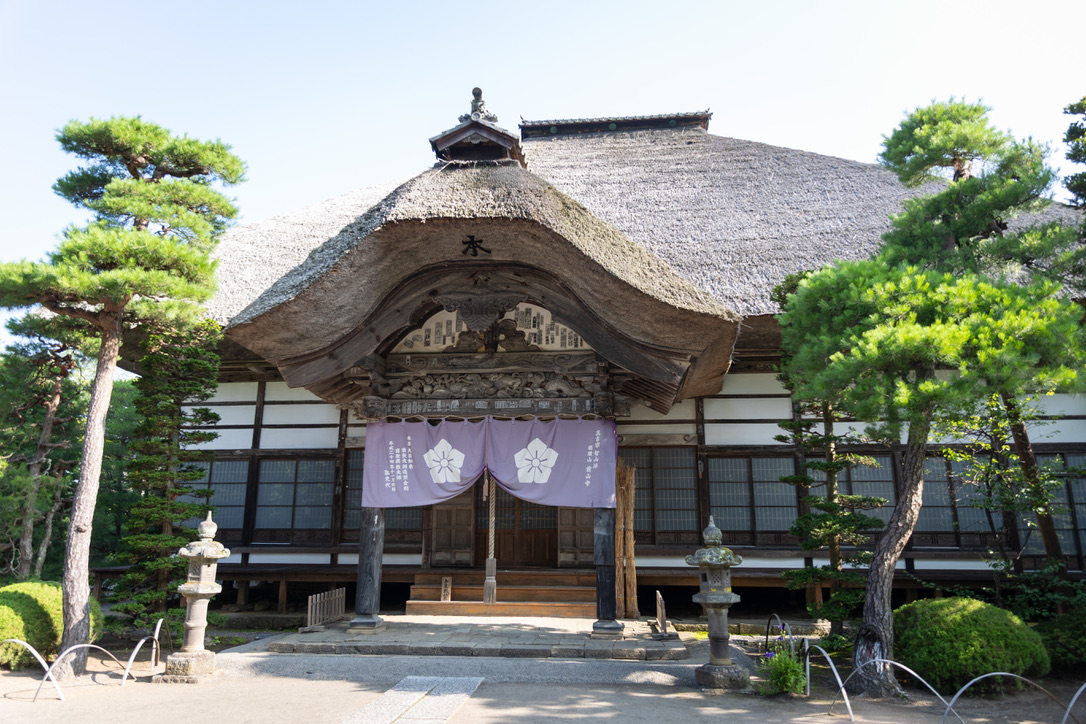
- Anraku-ji Temple: Home to Japan’s only remaining octagonal three-story wooden pagoda, designated as a National Treasure. Built during the late Kamakura Period, it stands surrounded by serene cedar forests.
- Kitamuki Kannon: A rare north-facing temple. Local tradition holds that visiting both Kitamuki Kannon (which prays for present happiness) and Zenko-ji in Nagano City (which prays for the future life) brings spiritual blessing.
- Affordable Public Baths (Sotoyu): Bessho features three historic public bathhouses — Oyu, Ishiyu and Daishiyu — open to visitors for just ¥300 per entry. Samurai warriors including Sanada Yukimura were said to soak here to heal battle wounds. They’re distinctly retro, retaining their Showa feel, and a popular site for relaxing and socializing among locals.
- Ryokan Stays: Ranging from luxury traditional inns to family-run guesthouses, staying overnight in Bessho Onsen offers traditional multi-course kaiseki dinners featuring regional seasonal delicacies.
Beyond the Highlights: Hidden Gems
- Fukuromachi District: A neighborhood filled with narrow alleys, Showa-era bar facades and retro neon signage.
- Mugonkan (The Silent Museum): A poignant art museum set in a tranquil park, dedicated to displaying paintings, sketches and sculptures created by Japanese art students who died during World War II.
- Kakeyu Onsen: Situated ~70 minutes from Ueda Station by local bus, Kakeyu is a tranquil, mountain-ringed hot spring town traditionally visited for its therapeutic waters.
- Sugadaira Highlands: Known as the “Davos of Japan,” this high-altitude plateau (~40 minutes from central Ueda) is popular for trail running and rugby in summer, converting into a ski resort during winter.
Ueda Through the Seasons
- Spring (April): Cherry blossom season peaks at Ueda Castle Park during the Sen-Bon Sakura Matsuri.
- Summer (July–August): Festival season with the Ueda Wasshoi Festival and the Shinshu Ueda Fireworks Festival along the Chikuma River.
- Autumn (October–November): Vibrant maple leaves transform Ueda Castle Park and the surrounding mountains roughly four weeks earlier than in Tokyo.
- Winter (December–March): Cozy hot spring stays in Bessho Onsen combined with skiing at Sugadaira Highlands.
What To Eat and Drink in Ueda
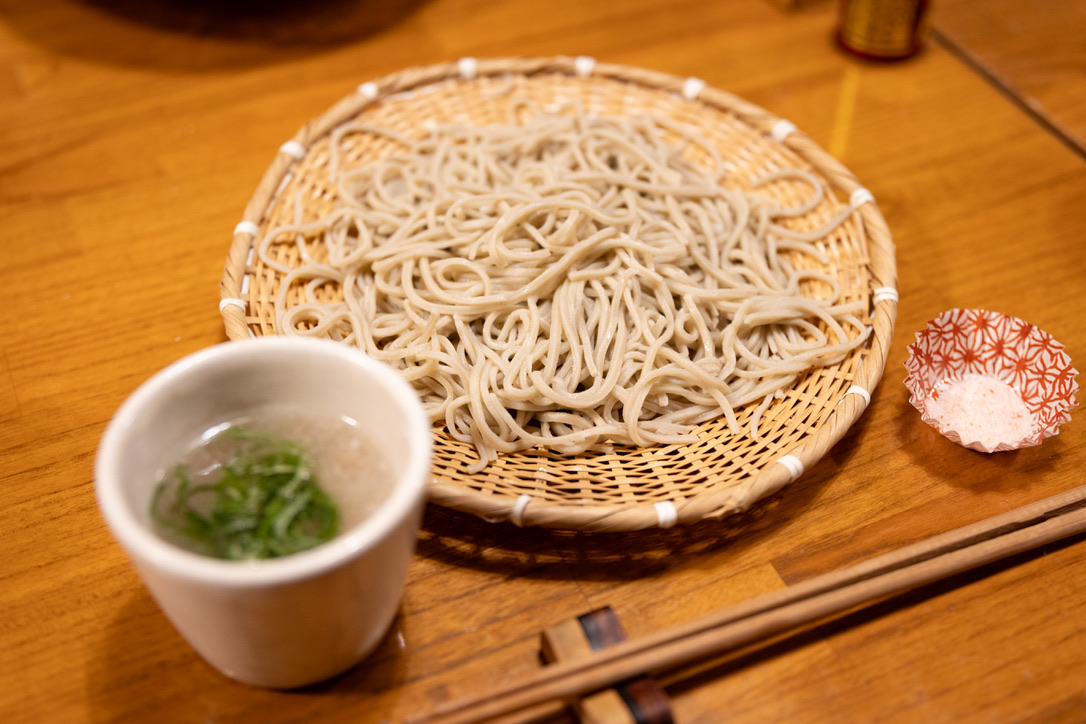
- Shinshu Soba: Made from fresh buckwheat grown in the cool climate of Nagano’s mountains.
- Matsutake Mushrooms: Bessho Onsen and the surrounding hills are famous for autumn wild matsutake delicacies.
- Chikuma River Valley Wines & Sake: The local microclimate produces excellent grapes and rice, making Ueda a hub for craft wine and regional sake.
Getting to Ueda: Routes & Access
Ueda is easily accessible via direct high-speed rail, making it a seamless addition to any Central Japan itinerary.
| Origin | Transport Mode | Travel Time | Notes |
| Tokyo Station | Hokuriku Shinkansen (Asama or Hakutaka) | ~90 minutes | Covered by Japan Rail Pass & JR East Pass |
| Nagano Station | Hokuriku Shinkansen | ~10–12 minutes | Ideal for day trips from Nagano |
| Karuizawa Station | Hokuriku Shinkansen / Shinano Railway | ~15 min (Shinkansen) / ~45 min (Local) | Easy pairing for mountain getaways |
| Kanazawa Station | Hokuriku Shinkansen | ~90 minutes | Perfect mid-point stop on the golden route |
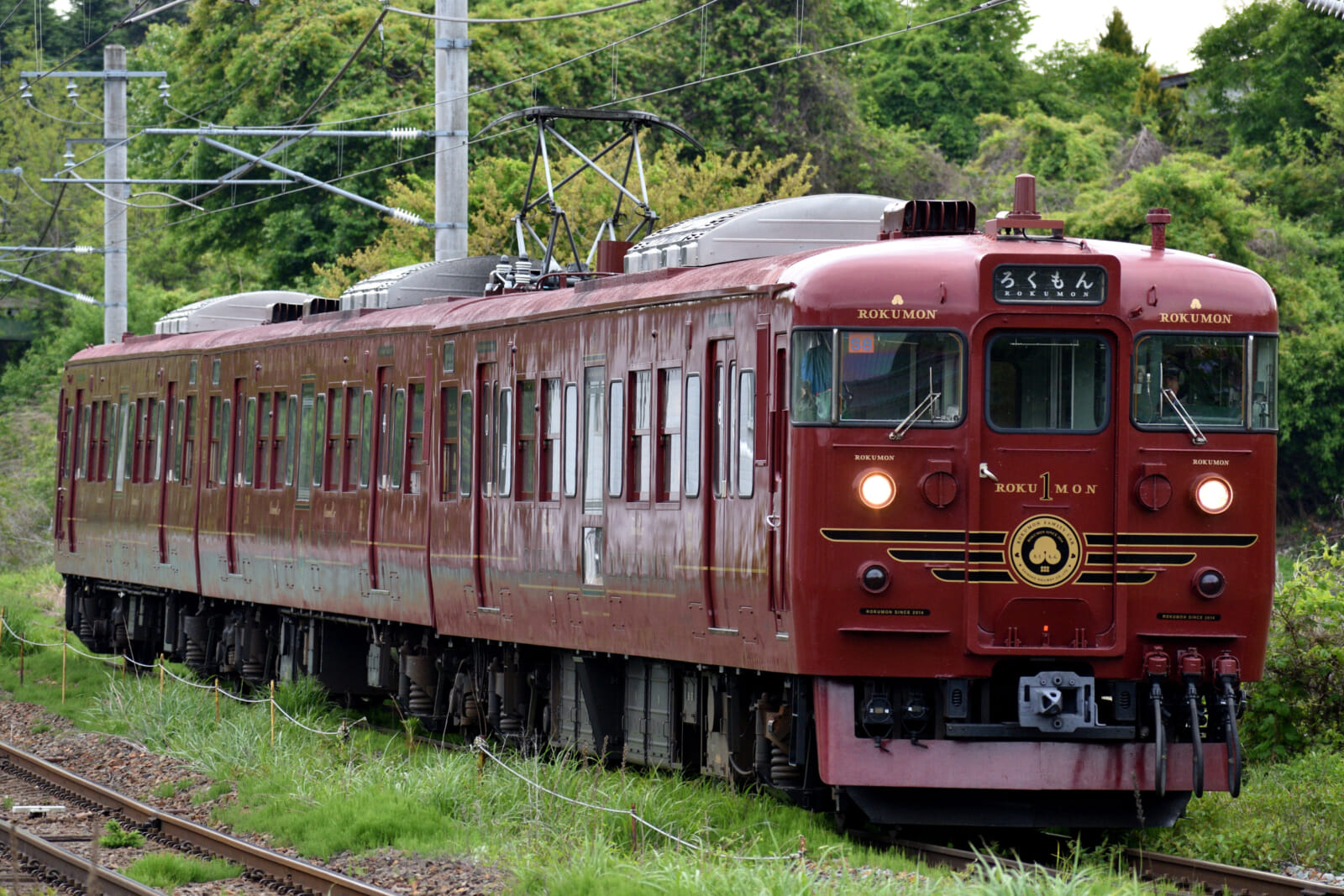
Special Travel Option: The Rokumon Sightseeing Train
For a scenic journey, take the Rokumon operated by Shinano Railway between Karuizawa and Nagano via Ueda. Designed by Eiji Mitooka — the legendary master behind Japan’s most famous luxury trains — the three-car tourist train is a rolling piece of art featuring warm interior woodwork crafted from local Nagano timber, large panoramic windows and seasonal dining services featuring regional dishes paired with fine Nagano wines.
Every detail pays homage to Ueda’s local heritage: the train’s name comes from the Sanada family crest (rokumonsen, or six coins), while its striking deep-red exterior references the famous akazonae red armor worn by Sanada Nobushige’s elite troops at the Siege of Osaka.
- Operating Days: Operates year-round, primarily on Fridays, Saturdays, Mondays and national holidays.
- Booking Details: Reservations open on the 1st of the month, two months prior to travel, and close 7 days before departure. You can book via the official Rokumon Reservation Centre or at ticket windows in Karuizawa, Komoro, Ueda, Togura and Yashiro stations.
- Transit Tip: As of March 2026, Shinano Railway accepts IC cards (including Suica and PASMO) across its entire network, making local connections smoother than ever.
- Visit Sooner Rather Than Later: Shinano Railway announced that the current Rokumon will cease operations in March 2029 due to aging equipment (with a successor currently under consideration). If you want to experience this iconic original design by Eiji Mitooka, be sure to book your trip before it retires.
Recommended Itineraries
The Express Day Trip (From Tokyo)
- Morning: Take the 90-minute Hokuriku Shinkansen from Tokyo to Ueda Station. Explore Ueda Castle Park and walk through Yanagimachi Street.
- Afternoon: Take the Bessho Line train to Bessho Onsen. Visit Anraku-ji Temple to see the octagonal pagoda and soak in one of the public baths.
- Evening: Return to Ueda Station for a bowl of local Shinshu soba before taking the Shinkansen back to Tokyo or onwards to Nagano City.
The Overnight Experience
- Day 1: Arrive in Ueda, explore the Sanada historical sites, visit the Ueda Eigeki cinema and enjoy local sake in Yanagimachi. Head to Bessho Onsen in the late afternoon for a ryokan check-in, multi-course kaiseki dinner and night hot spring soak.
- Day 2: Morning stroll through Kitamuki Kannon, followed by an afternoon trip to Mugonkan Museum or a wine-tasting excursion in the nearby Chikuma River valley before departing via the Rokumon Sightseeing Train.
Practical Travel Tips
- Getting Around: Central Ueda and Ueda Castle are easily walkable from the station. To reach Bessho Onsen, take the local Ueda Railway Bessho Line.
- Ueda Sightseeing Volunteer Guides: International travelers can arrange guided walking tours through local volunteer guide programs for deeper historical context on the Sanada clan.
- Cash Preparedness: While major hotels and Shinkansen ticket counters accept credit cards, local public bathhouses, small eateries and rustic temples require cash.
- Booking Ryokan: Popular hot spring inns in Bessho Onsen sell out early during peak autumn foliage (late October to November) and cherry blossom season (April) — book 2 to 4 months in advance.
Related Posts
- Hidden Winter Gems In and Around Nagano
- Experience the Future of Wellness Tourism in Nagano
- Tokugawa Ieyasu, the Star of Shogun: Rumors and Legends About the Powerful Ruler
Updated On August 14, 2026