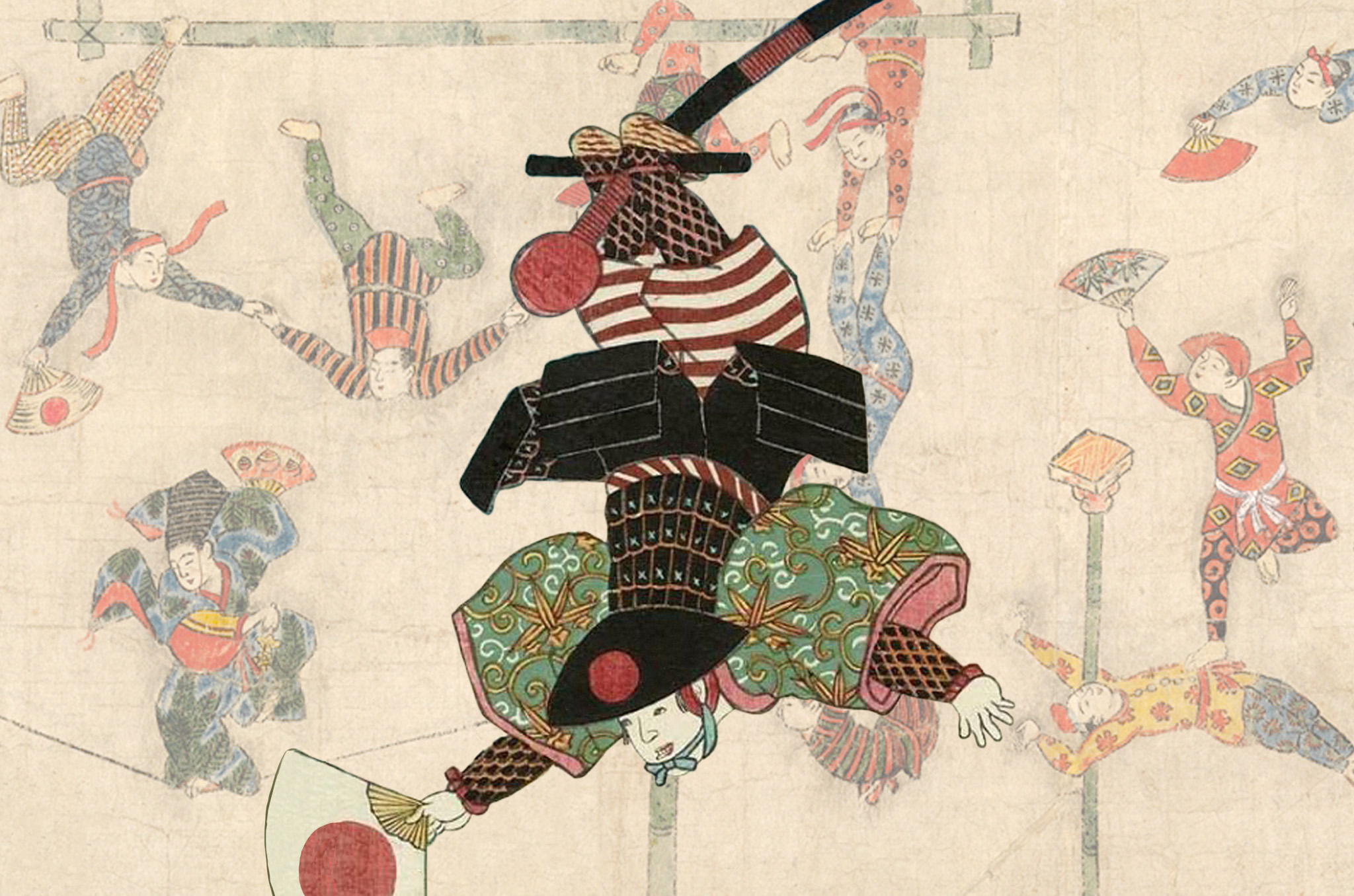
Misemono was one of the most popular forms of mass entertainment in Japan during the Edo period (1603–1867) because it didn’t paint itself into a linguistic corner. If you were doing, say, kabuki or noh, you had to do kabuki or noh, adhering to the norms and traditions of the theater. Same for prostitute literature or badass paintings. Every entertainment had its own rules.
Not misemono, though, because “misemono” (見世物) simply meant “show” or “spectacle.” If you had something that you could show to people for money — like a skill or a cool animal — then you had a misemono, making these circuses both the highs and lows of feudal Japanese culture. Here’s how they worked:
The Bad Boy of Japan’s Performing Arts
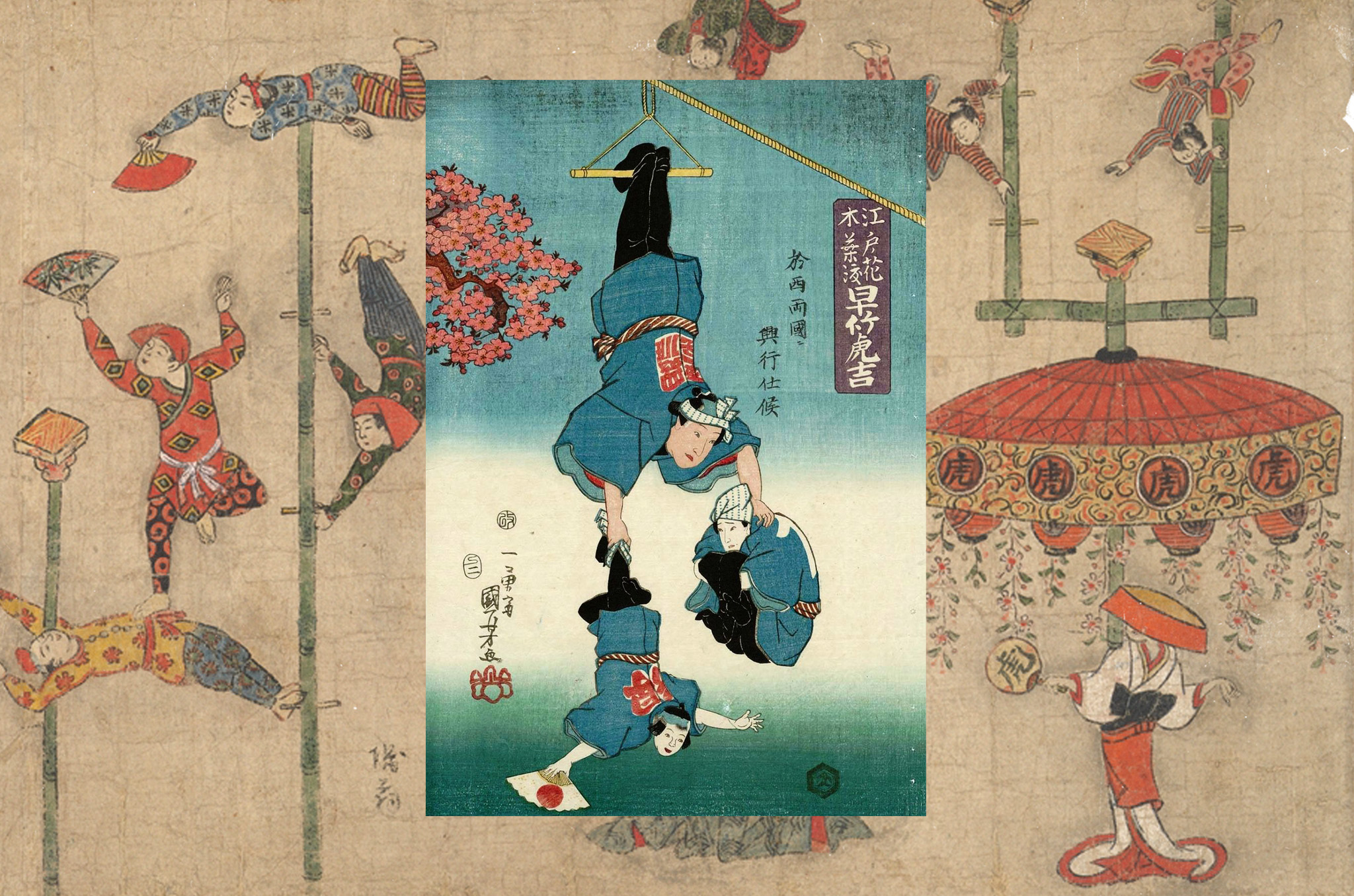
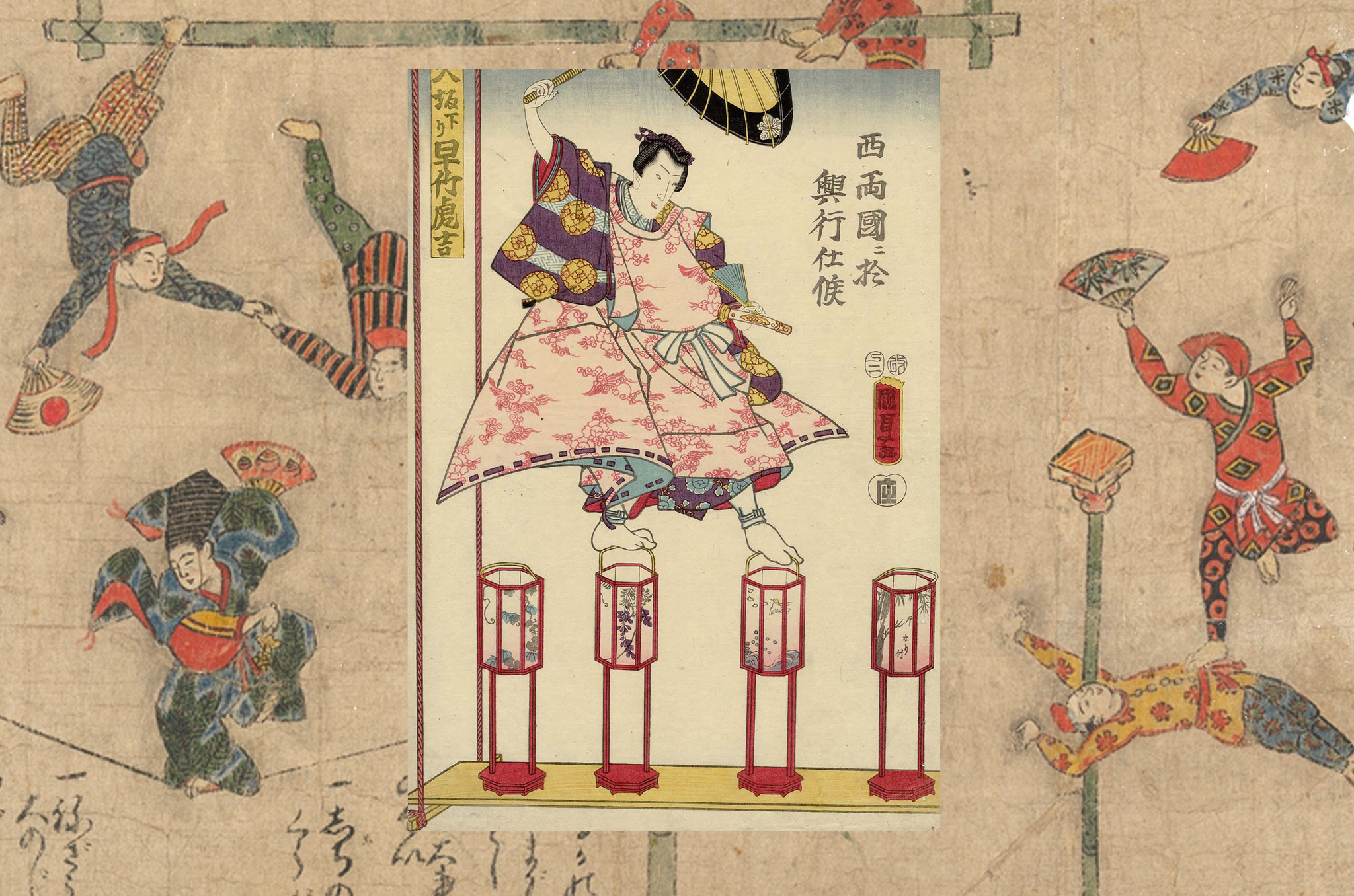
A huge chunk of Japanese culture goes back to sangaku, a form of circus-theater that arrived in Japan from China around the Nara period in the 8th century and featured everything from magic shows to juggling, sword tricks, drama and more. However, as nobles became patrons of the art, individual sangaku acts started to break away and become their own, highly codified things — like noh, kyogen comedy, puppetry and, perhaps (through Japan’s feudal “Romani” people), kabuki.
Misemono is thought to have originated from the same tradition, as its most popular acts featured very sangaku-esque performances, including tightrope walking, horse acrobatics and sleight of hand. But whereas everyone else eventually became organized and regulated, misemono adopted a more “screw the rules — let’s rock ’n’ roll!” attitude.
Misemono troupes existed and had their preferred spots around Japan: Ryogoku, Asakusa and Ueno in Edo (modern-day Tokyo), Dotonbori and Namba in Osaka, and Osu in Nagoya, among others. But these circus shows were often held in temporary structures, slapped together from random bits of wood, cloth and reed mats, in a free-for-all where individual booths and performers competed against one another. And in order to stand out in such a crowded, chaotic field, the best strategy was to get really, REALLY weird.
Puns, Porn and Acts Gone With the Wind
A particularly popular form of misemono was a guy farting. Flatulists are legitimate entertainers who have developed independently all over the world. In Japan, they were known as heppiri-otoko (farting men) and the best of them were like human soundboards that had to be kept away from open flames. In his 1774 work Hohiron (On Farting), satirist Hiraga Gennai described a real heppiri-otoko (known as “The Flower-Blooming Man”) in Ryogoku who could do everything from replicating animal noises to the sounds of musical instruments with his rump trumpet. Reportedly, everyone who attended the performance had a gas.
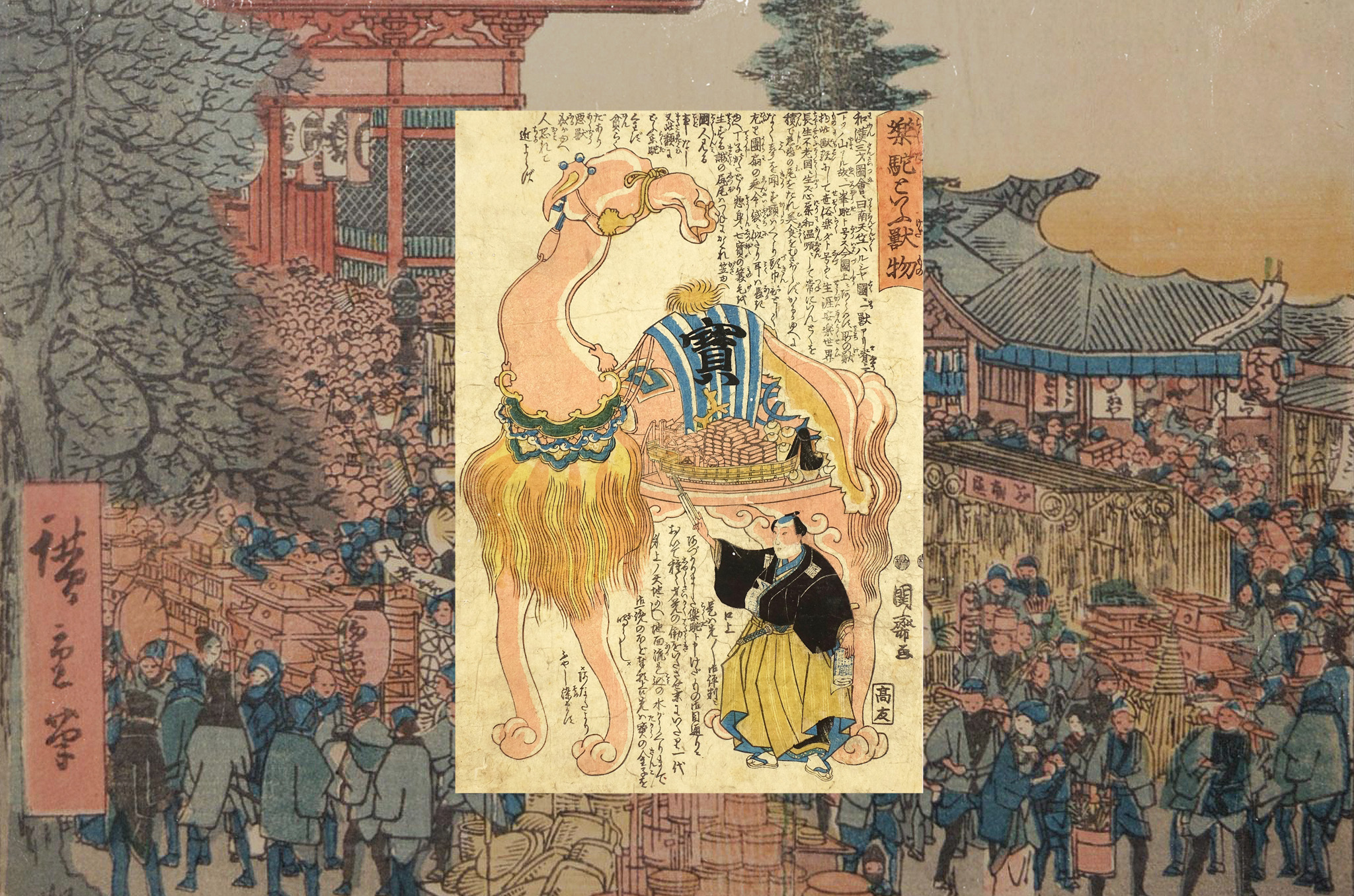
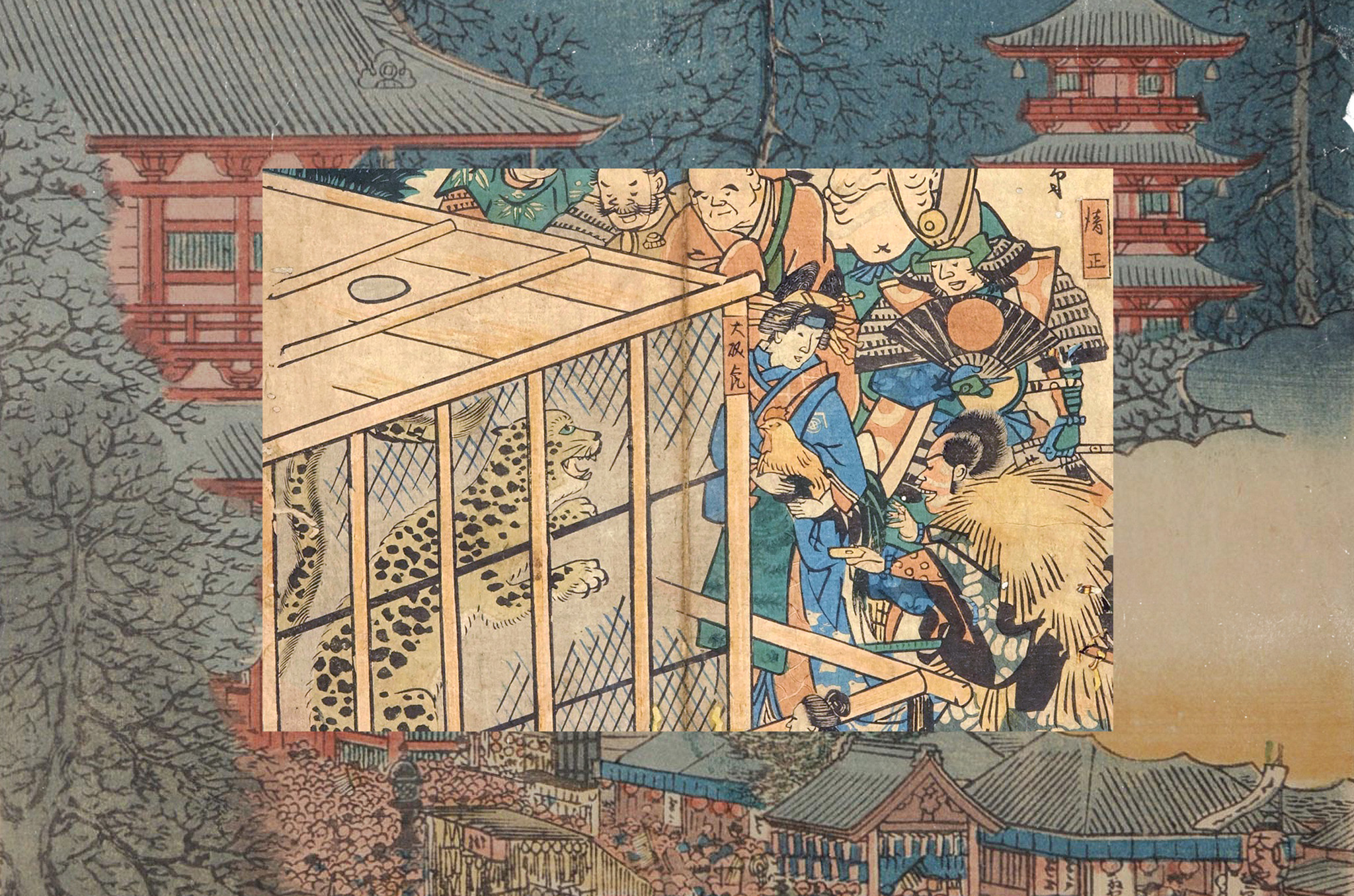
Animals were another big draw. Both alive and stuffed, the more exotic ones were most likely imported through the Dutch trading post of Dejima in Nagasaki or from China through Okinawa and Satsuma. Tigers, camels, ostriches, elephants, seals and sharks are just some of the misemono acts attested to in historical records. At one time, camels apparently became such a sensation in Edo that the Japanese word for “camel” (rakuda) was turned into a slang term for an awkward or lumbering person.
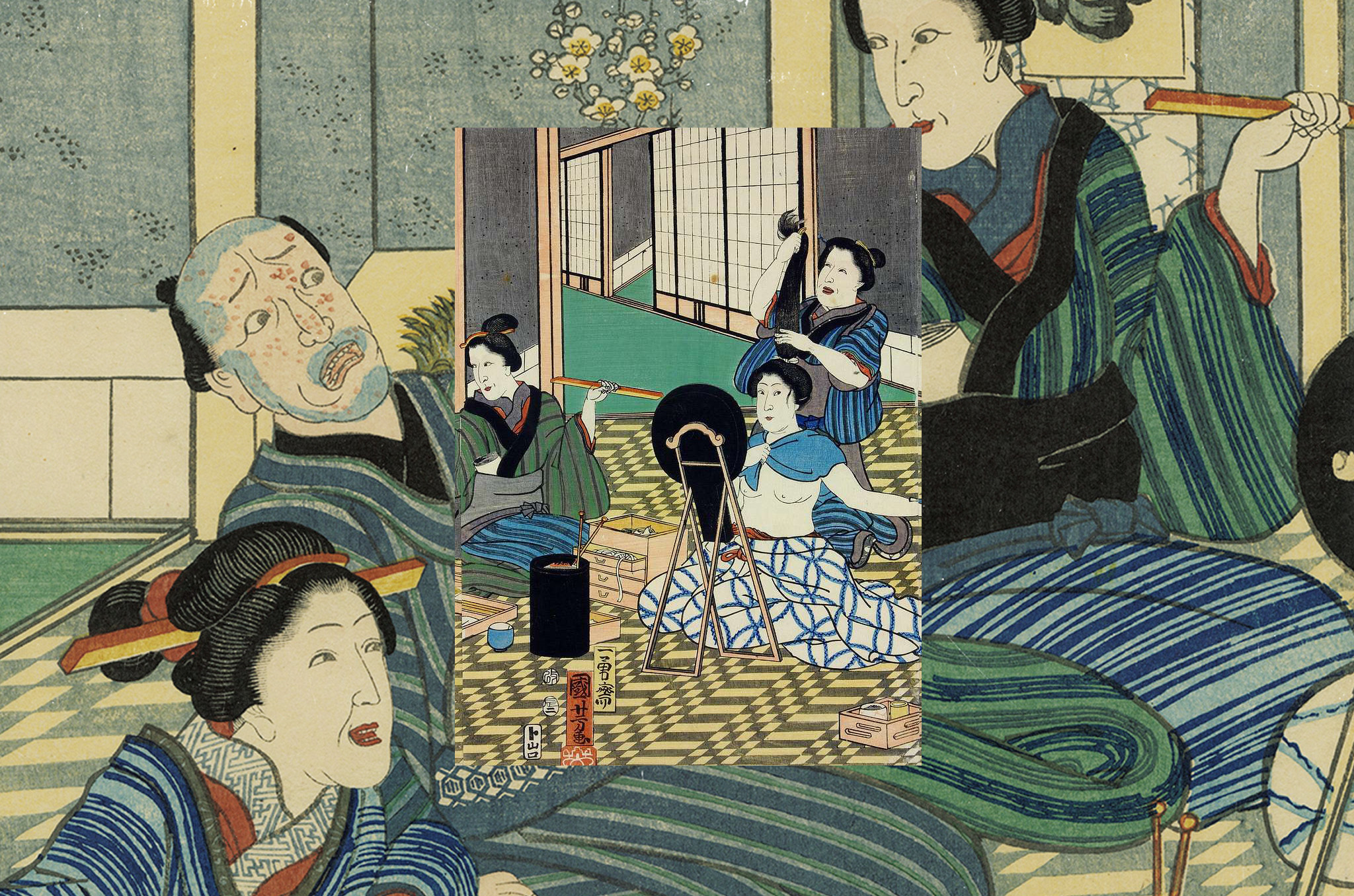
The fad might have also inspired the motif of background camels in erotic shunga prints and paintings — which LOVED depicting misemono — since “rakuda” sounds like “raku da” (“It’s comfortable”) and Japan never passes on a good/bad pun. Another misemono that frequently appeared in shunga was the inga-musume (ill-fated girl) snake charmer, who probably didn’t perform half-nude as depicted in feudal porn, but you never know. For some reason, though, even after a wolf escaped from a Ryogoku misemono and briefly terrorized Edo, wolves never became a frequent subject of Japanese erotica, while stingrays did. Weird choice, but OK.
The Dark Circus
Many misemono could be inspiring and beautiful. Giant basket-work sculptures, intricate glasswork and life-size dolls could become so popular that the installations traveled the country, mainly between Kyoto-Osaka and Edo, enchanting people with their craftsmanship. And because misemono dealt with all kinds of entertainment, they frequently featured and even improved upon karakuri robots and mechanisms, which contributed to the development of stage machinery in kabuki theater. But there was also a dark side to misemono.
In older texts, “misemono” was often translated as “freak show” because, sadly, that too is part of its heritage. Sometimes it could be innocuous, like showing off fake mummies of Japanese horror mermaids, but mostly it was about parading around disabled people. One can make the argument that giving people with disabilities a chance to earn money isn’t necessarily a bad thing, but there are some stories of mistreatment of misemono “performers” in places like Ise with its wild pilgrims. Interestingly, a depiction of a misemono hunchback is the earliest visual evidence of the existence of kyphosis spinal curvature in Japan.
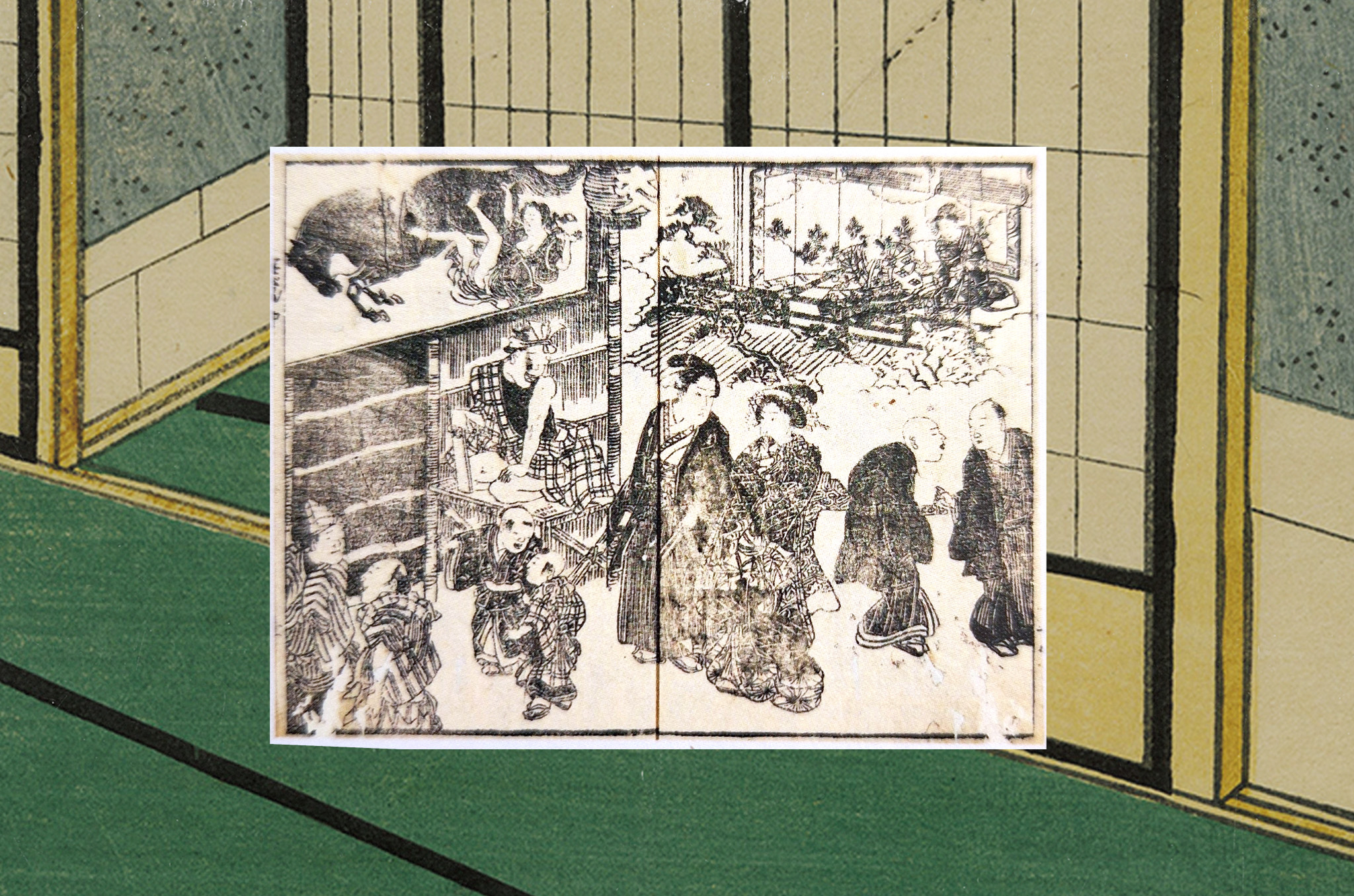
The darkest misemono, however, had to be the miiregoma, where prostitutes had sex with horses. The act is depicted in an 1857 portrait by Utagawa Kuniteru and in the Misemono-zakki (1831). According to the journal, a woman in Osu, Nagoya (then Owari), once performed a sword routine before an … aroused horse was brought to the stage so the two could copulate. Some interpretations suggest that it wasn’t a real woman but rather a life-size doll, but others claim that the horse’s partner was flesh and blood.
Horses are actually one of the most common animal sexual partners in shunga erotica, which inspired misemono as much as the other way around. So, the idea that this was a real misemono act isn’t implausible, but it is, in proper academic terms, total nightmare fuel.
Related Posts
- Before the Bidet: The Gritty, Wild History of Ancient Japanese Toilets
- The Samurai SWAT Team: A History of Feudal Japan’s Elite Police Force
- Yokohama Blood Town: The Wild West Origins of Japan’s Second-Largest City
Updated On August 3, 2026