
As Tokyo braces for one of the hottest months of the year, the city’s museums and galleries offer a much-needed reprieve from the heat with a spectacular lineup of exhibitions. “I’m So Happy You Are Here,” a traveling exhibition celebrating the contributions of Japan’s pioneering women photographers — based on a monograph of the same name — makes its largest stop yet.
Elsewhere, a sweeping retrospective delves into photographer Hiroshi Sugimoto’s deeply conceptual gelatin silver prints and global art icon Yoshitomo Nara guest-curates a group show exploring the raw, sculptural possibilities of contemporary ceramics.
You can also look forward to two standout shows devoted to the frequently overlooked beauty of printmaking: the first large-scale survey of Rembrandt’s revolutionary etchings ever staged in Japan, and a tribute to Japanese printmaker Kiyoshi Hasegawa, the émigré who spent six decades in Paris reviving the meticulous art of mezzotint.


I’m So Happy You Are Here: Japanese Women Photographers From the 1950s to Now
Internationally, Japanese photography has been represented largely by men — Moriyama, Araki, Sugimoto. This exhibition sets out to rethink and expand that canon. Built around a 2024 book of the same name, edited by Pauline Vermare and Lesley A. Martin, it gathers Japanese women photographers who have shaped the medium since the 1950s. The show has had a high-profile tour since debuting at France’s Rencontres d’Arles, passing through The Hague and Frankfurt to The Photographer’s Gallery in London, where it runs until late September — with New York’s International Center of Photography to follow in October.
》-scaled.jpg)
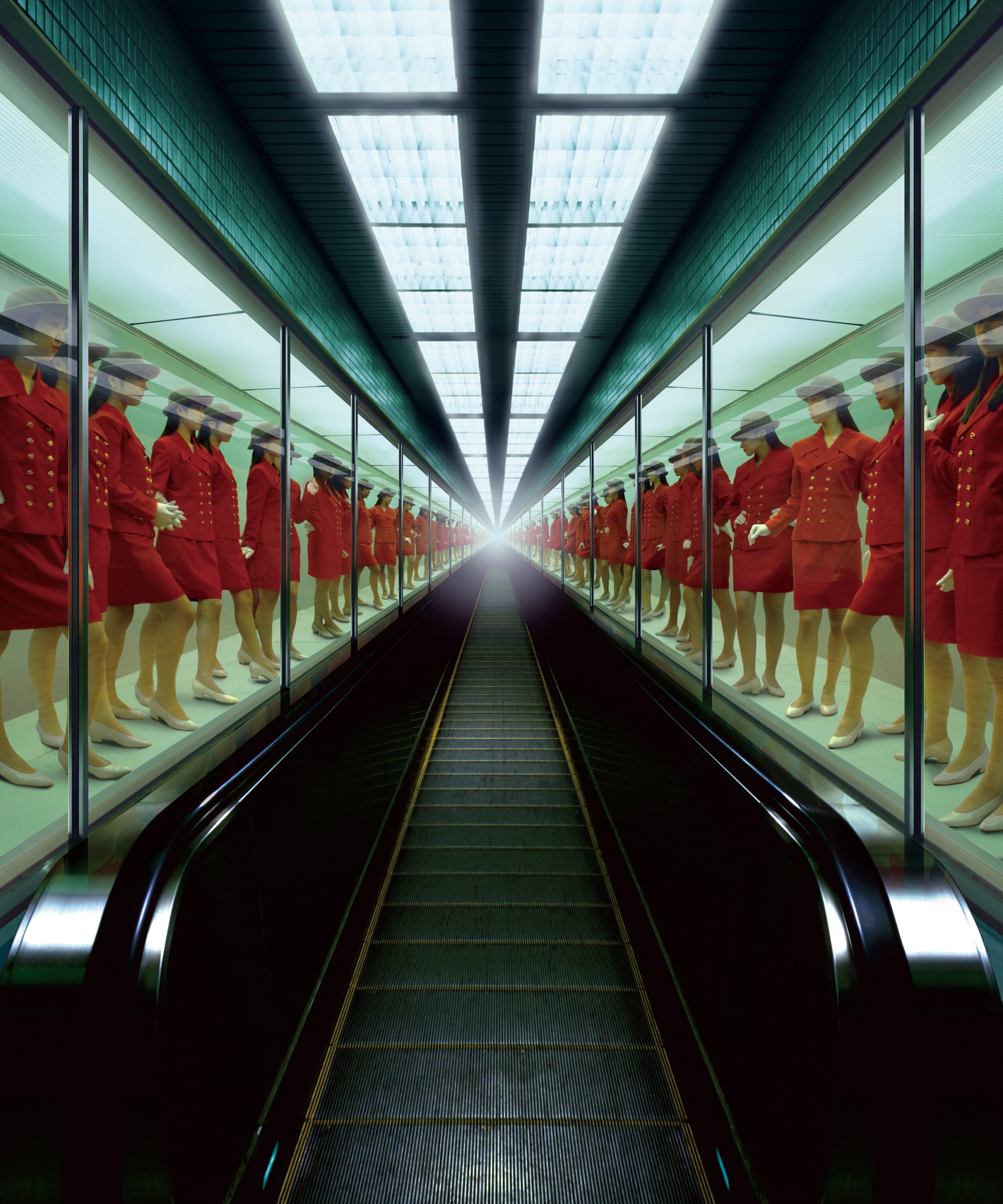
Its Japan homecoming, organized by Bunkamura, is the largest version yet: 30 photographers — four of them added for Tokyo — and roughly 200 works. Among them are Toshiko Okanoue, who spliced surreal photo collages out of imported fashion magazines back in the 1950s, and Miwa Yanagi, whose iconic Elevator Girls series depicts uniformed attendants in haunting, labyrinthine retail spaces. Rinko Kawauchi finds small, luminous moments in the texture of ordinary life, while Aya Fujioka — one of the Tokyo additions — turns her lens on present-day Hiroshima, letting the city’s atomic past flow quietly beneath the everyday in her series Here Goes River.
Where: Hikarie Hall, Shibuya Hikarie (Location)
When: July 4–August 26
Price: ¥2,200
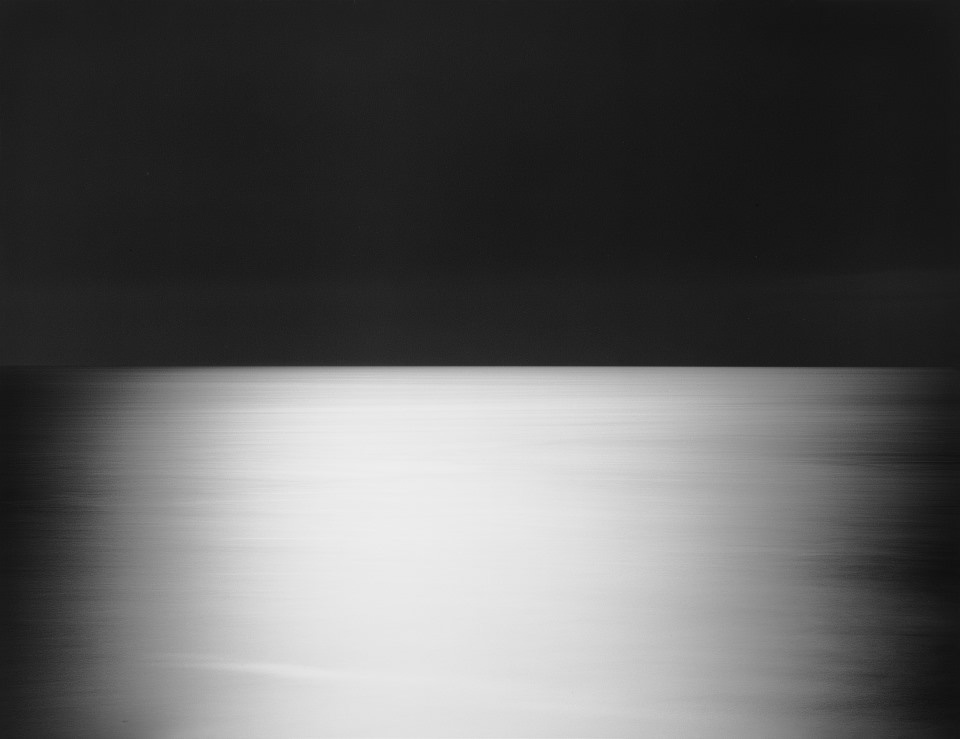
Hiroshi Sugimoto: Extinction
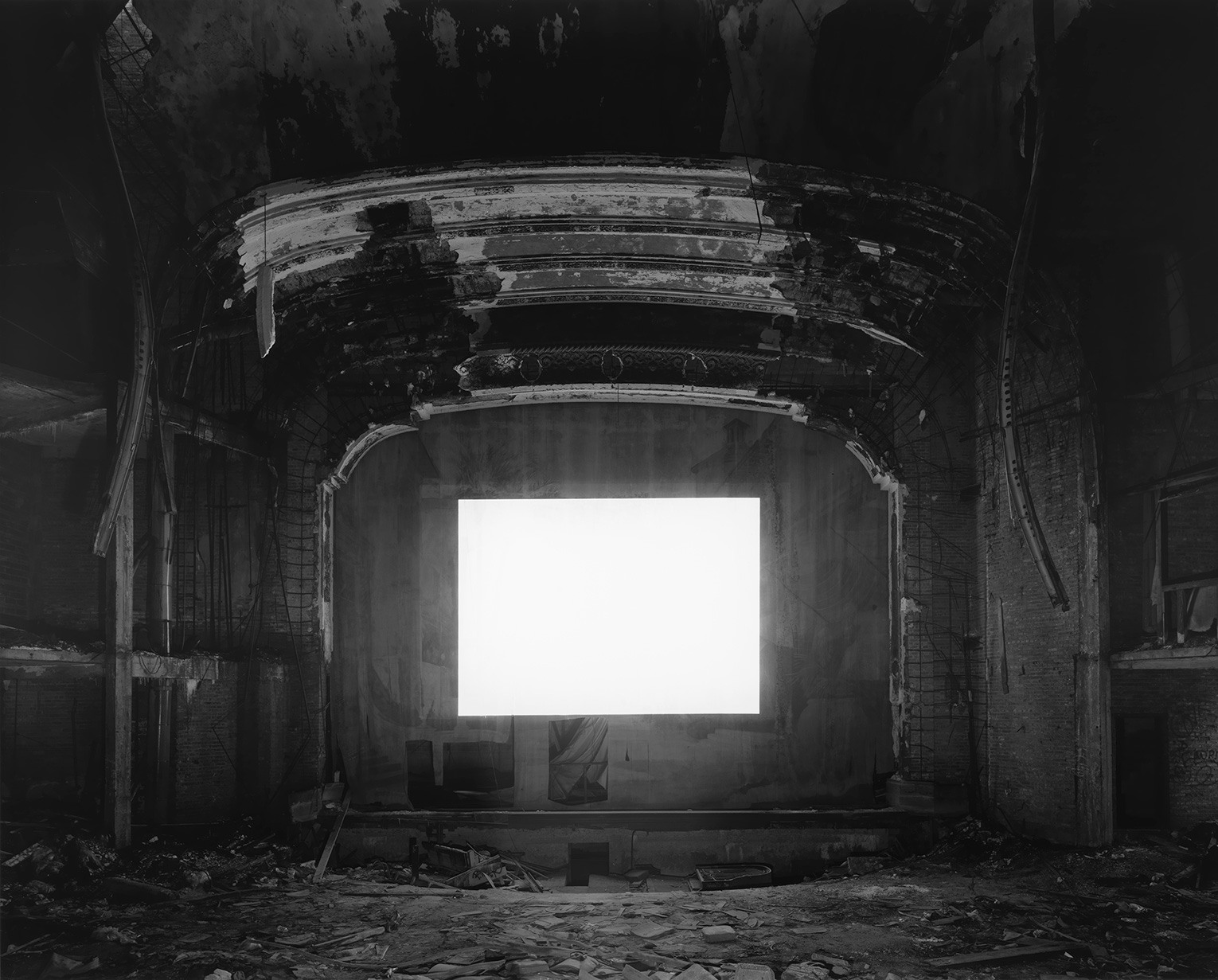
Hiroshi Sugimoto’s work has long stood at the absolute zenith of gelatin silver photography, fusing rigorous conceptual philosophy with traditional darkroom technique. But as film inevitably surrenders to digital, the very medium that defined his career may face extinction. This massive retrospective — Sugimoto’s first major solo photography exhibition in Japan since his landmark 2005 show at the Mori Art Museum — confronts that disappearance. Spanning from the late 1970s to the present day, the exhibition gathers roughly 60 gelatin silver prints arranged chronologically across three chapters to chart the evolution of his visual universe.
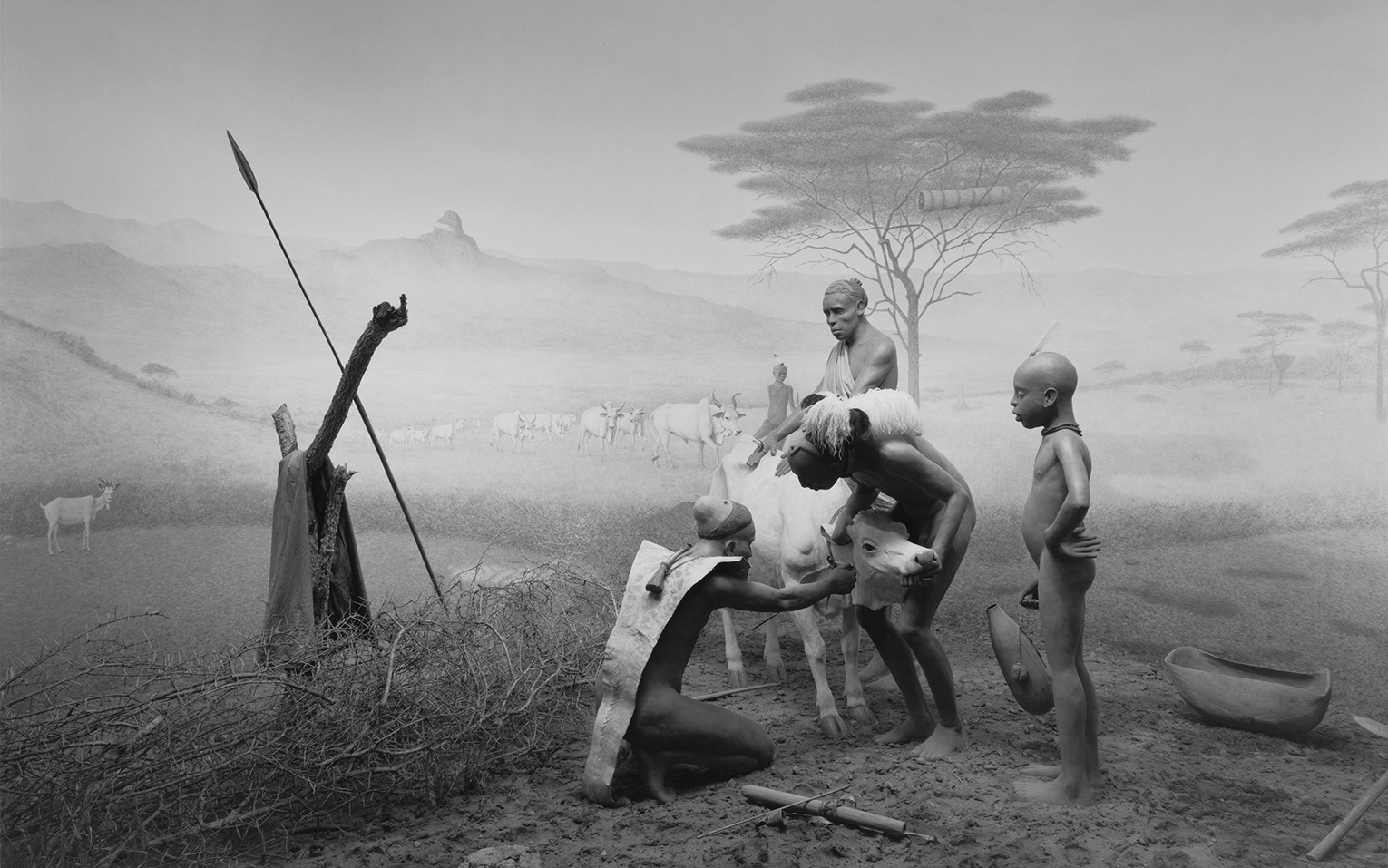
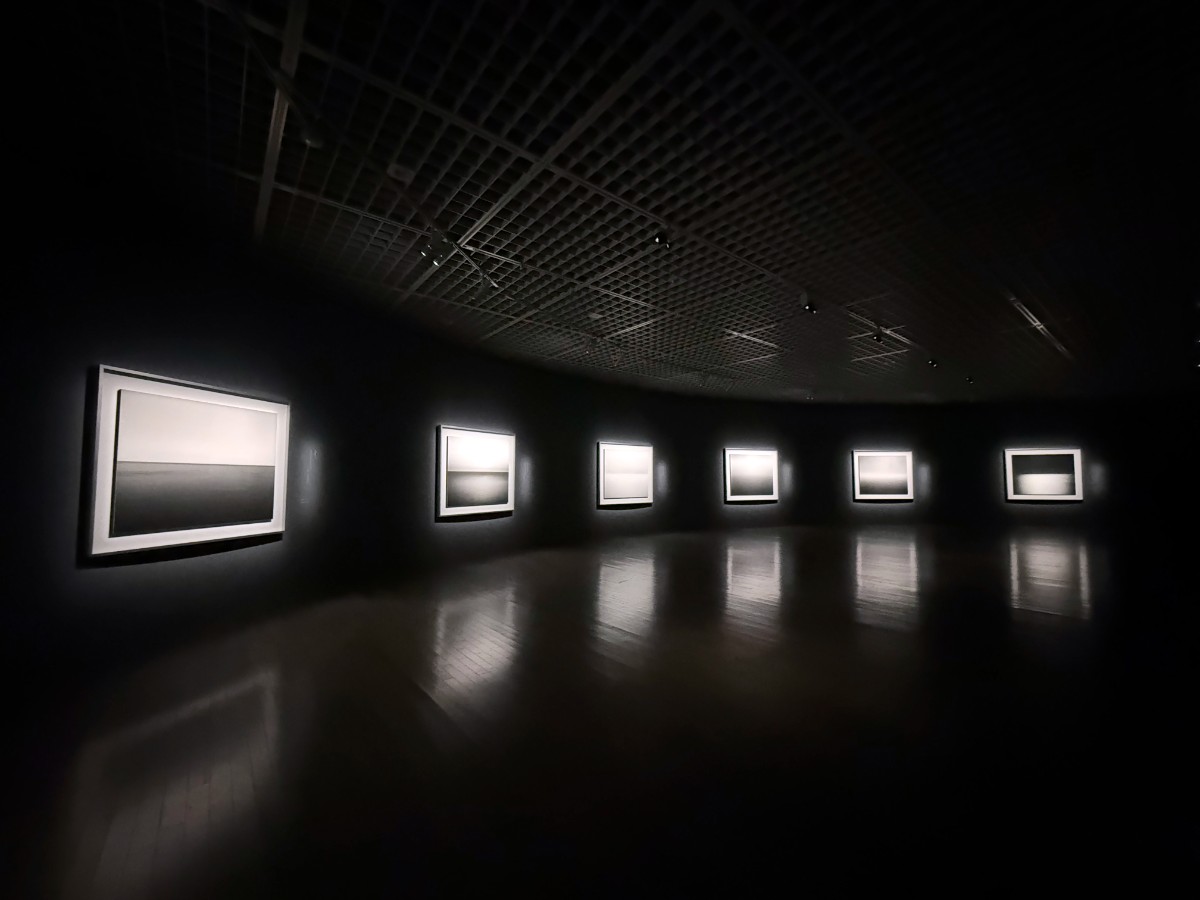
Visitors will find the iconic, career-defining early series that established his international reputation, including the eerie stillness of Dioramas, the luminous voids of Theaters and the infinite horizons of Seascapes. The exhibition also debuts brand-new works, including “Pokot,” a recent addition to his Dioramas lineage that fulfills a grand, half-century-long conceptual vision of human history.
For a deeper look into his process, a parallel satellite exhibition on the museum’s third floor pairs works from the museum’s permanent Sugimoto collection with his personal technical notebooks, offering a rare glimpse into the chemistry and secrets behind his haunting, time-bending images.
Where: The National Museum of Modern Art, Tokyo (Location)
When: June 16–September 13 (Closed Mondays except July 20; closed July 21.)
Price: ¥2,300
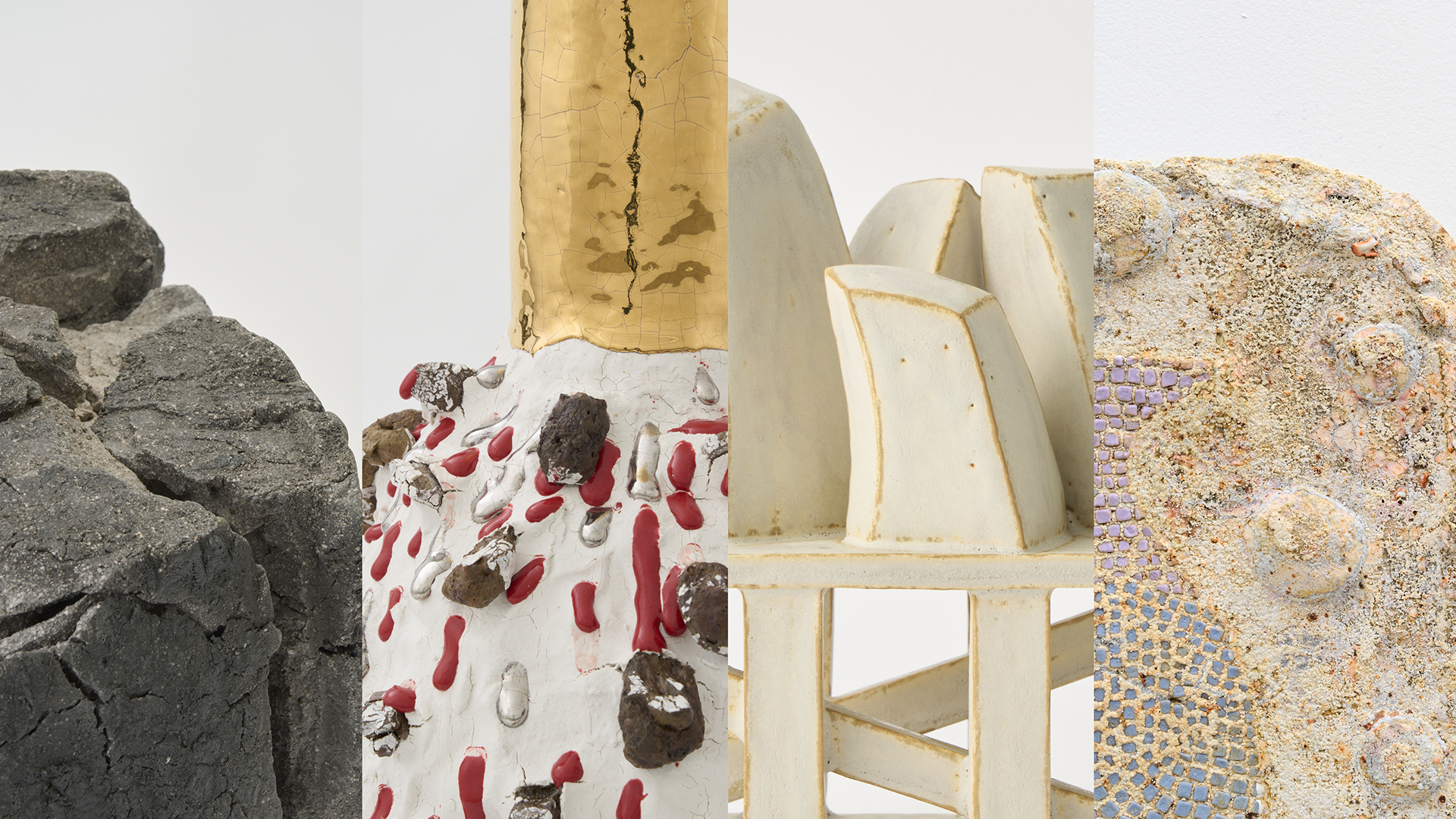
courtesy of Kosaku Kanechika
‘Strata in Gestation,’ Curated by Yoshitomo Nara
While Yoshitomo Nara is most well known around the world for his whimsical, emotionally charged paintings, his artistic practice also frequently extends into the sensory realm of clay. Fittingly, he steps into the role of guest curator at Kosaku Kanechika for “Strata in Gestation,” an exhibition that bypasses traditional craft boundaries to explore the primitive, sculptural possibilities of ceramics. Here, Nara brings together roughly 30 works by four stylistically distinct Japanese artists — Eiji Uematsu, Takuro Kuwata, Chinoko Sakamoto and Masaomi Yasunaga — whose physical, tactile creations deliberately reject technical perfection.
“I sought out artists whose work conveys a geological density, as opposed to surface-level appeal, or those whose compositions deviate subtly from conventional design norms,” Nara states. Uematsu, Kuwata, Sakamoto and Yasunaga lean into the medium’s inherent unpredictability, fragility and incompleteness, resulting in truly unique ceramic works. It’s a rare, captivating look at some of Japan’s leading figures in contemporary ceramics.
Where: Kosaku Kanechika, Terrada Art Complex I 5F (Location)
When: June 27–August 8 (Closed Sundays, Mondays and national holidays.)
Price: Free
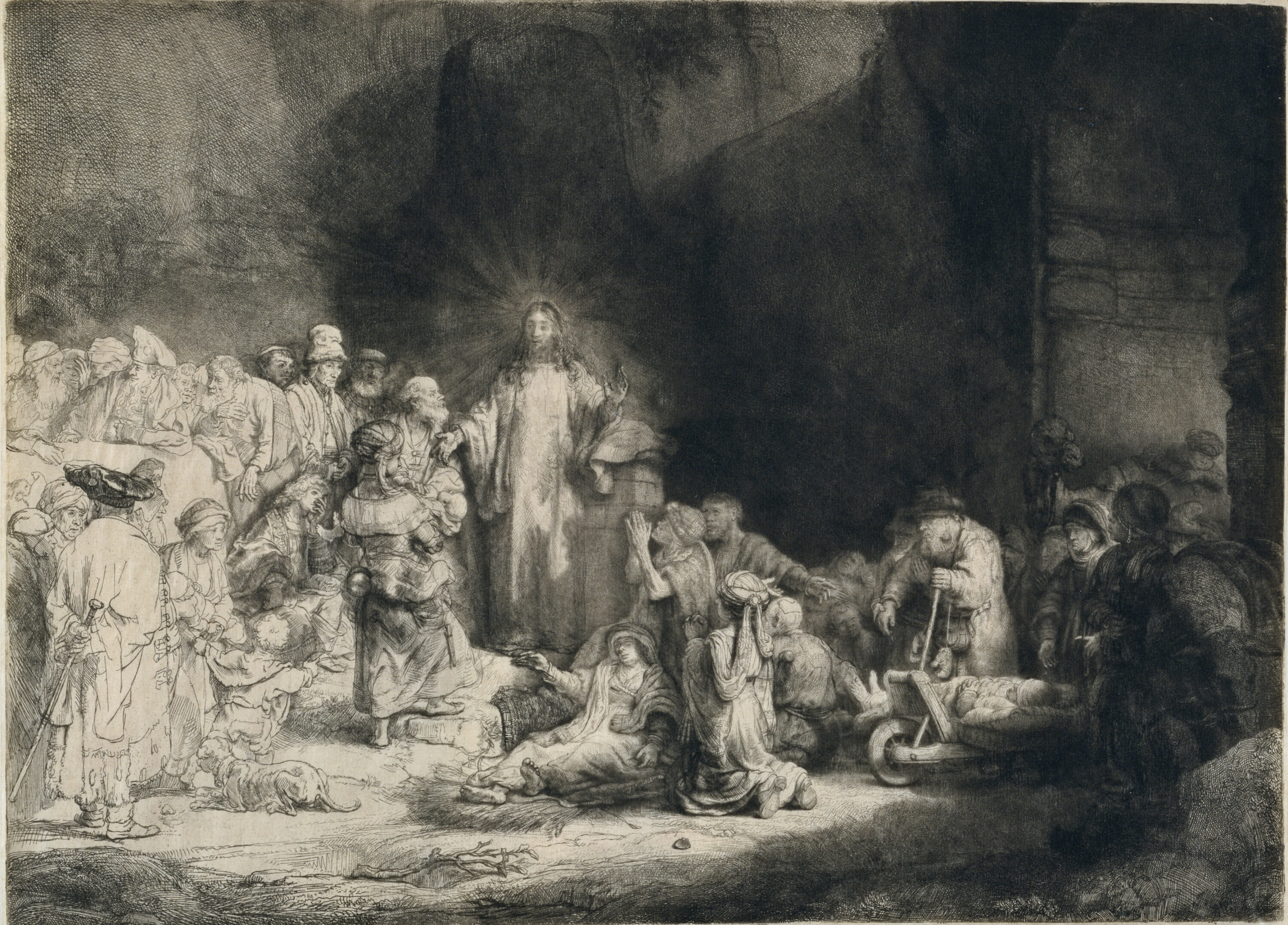
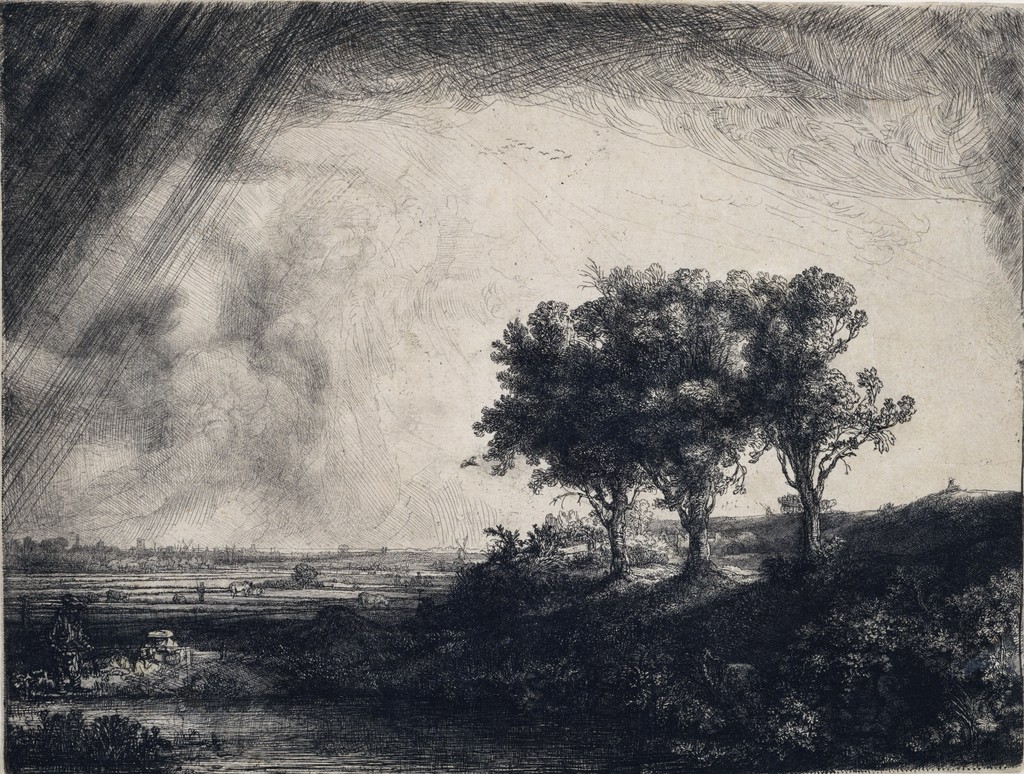
Rembrandt the Etcher: His Challenges and His Impact
Rembrandt van Rijn is enshrined in art history as a painter, but he was every bit as revolutionary with an etching needle and a copper plate. The poet and critic Théophile Gautier once judged his prints “more colorful than oil paintings” — striking praise for images rendered entirely in black ink. At a time when etching was treated as a workmanlike substitute for engraving, valued mainly for reproducing crisp, regular lines, Rembrandt seized on it as a medium for invention, drawing out the same dramatic play of light and shadow that defines his canvases.
The first large-scale survey of Rembrandt’s prints to ever arrive in Japan, the exhibition follows both that breakthrough and the centuries of influence it set in motion. It’s co-organized with Amsterdam’s Rembrandt House Museum, the only institution in the world devoted solely to the artist. Some 130 works will be on display, among them the National Museum of Western Art’s own famed “The Hundred Guilder Print” and “The Three Trees.” Across the exhibition’s three chapters, you’ll see Rembrandt’s etched portraits, biblical scenes, landscapes and beyond, his impact on later masters like James McNeill Whistler and Pablo Picasso, and the fervent 19th-century etching revival that crowned him its patron saint.
Where: The National Museum of Western Art, Tokyo (Location)
When: July 7–September 23 (Closed Mondays except July 20, August 10 and September 21; closed July 21.)
Price: ¥2,200
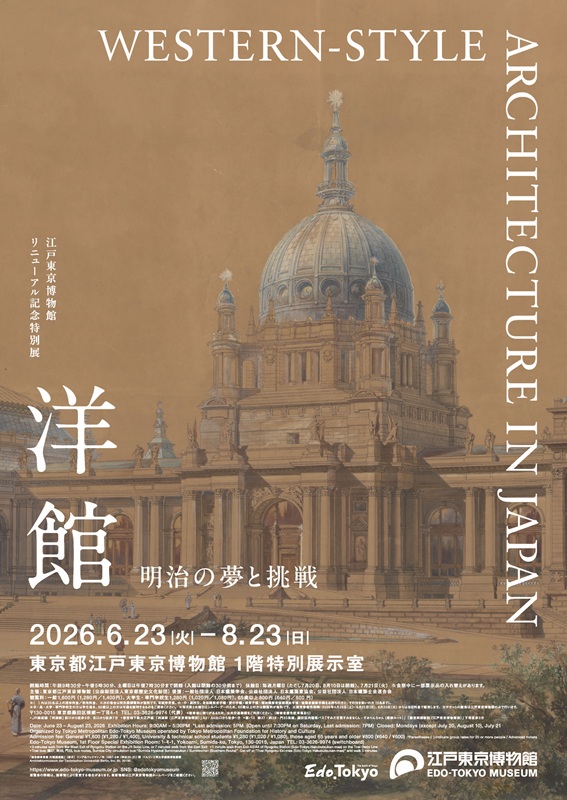
Western-Style Architecture in Japan
The opening of Japan’s long-closed borders in the final years of the Edo period sparked a torrential influx of Western culture that fundamentally altered the nation’s identity. The exhibition’s narrative begins with the early giyofu (pseudo-Western) architecture of the Meiji era, where Edo-period master carpenters built delightfully idiosyncratic, hybridized structures — like the iconic Tsukiji Hotel — by mimicking foreign styles based largely on observation. This experimental phase soon shifted as the government demanded academically precise engineering, inviting foreign experts like English architect Josiah Conder and German duo Hermann Ende and Wilhelm Böckmann to introduce the monumental brick-and-stone landmarks that would reshape Tokyo’s urban landscape.
The exhibition then explores how the mantle was passed to the first generation of homegrown Japanese architects, including Kingo Tatsuno and Tokuma Katayama. As pioneering graduates of the Imperial College of Engineering, they spearheaded massive national projects, leaving behind structures like Tokyo Station and the Bank of Japan. Finally, the exhibition looks at the sprawling, opulent private mansions crafted for the Meiji elite. Featuring over 200 items, including blueprints, rare woodblock prints, historic photographs and period furniture, it’s a comprehensive survey that illustrates how Japan folded foreign influences into a grand architectural identity of its own.
Where: Tokyo Metropolitan Edo-Tokyo Museum (Location)
When: June 23–August 23 (Closed Mondays except July 20 and August 10; closed July 21.)
Price: ¥1,600
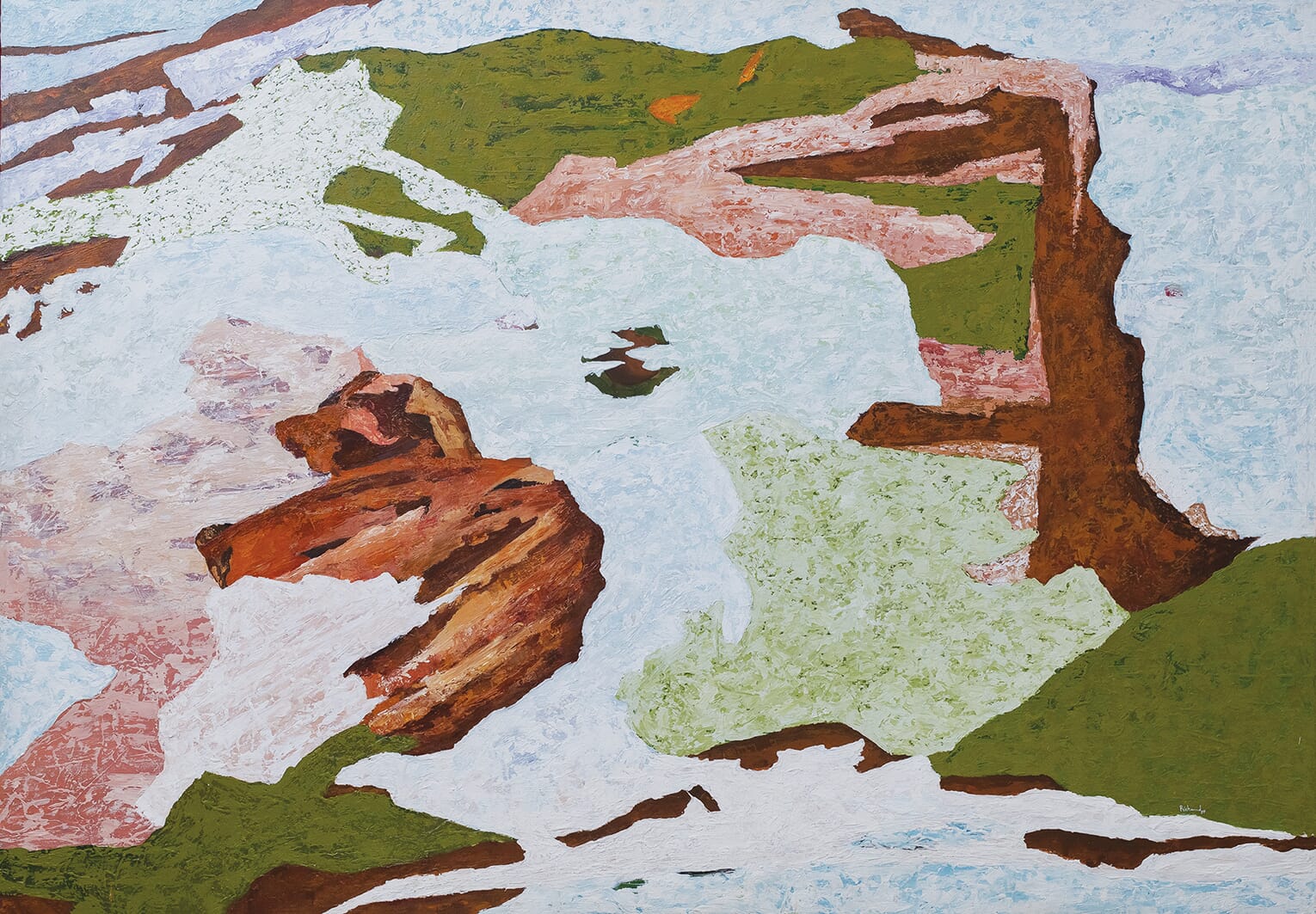
Richard Mwizerwa, “Midday” (2024). Courtesy of Space Un
Richard Mwizerwa: ‘We Don’t Recall a Horizon’
Richard Mwizerwa, a visual artist based in Kigali, Rwanda, builds his paintings around the tiny, easily missed details of the earth — patterns in tree bark, the changing light or the way soil looks under morning fog. His debut solo exhibition in Tokyo gathers a collection of abstract, heavily textured pieces inspired by these subtle transformations in nature. Rather than painting straightforward landscapes, Mwizerwa uses a palette knife to scrape and stack thick layers of acrylic paint on the canvas. This heavy texture mimics the physical buildup of soil and organic matter over time, turning the paint itself into a tangible record of the natural world.
The exhibition title hints at a world without a clear skyline, as the compositions completely leave out traditional background horizons. This forces your eyes away from a grand scenic view and drops you directly into the close-up details of the ground. “When someone views my paintings,” Mwizerwa explains, “I want them to step closer and notice all the layers, just like how you see more when you get closer to nature.”
Where: Space Un (Location)
When: June 27–August 9 (Closed Mondays and Tuesdays.)
Price: Free
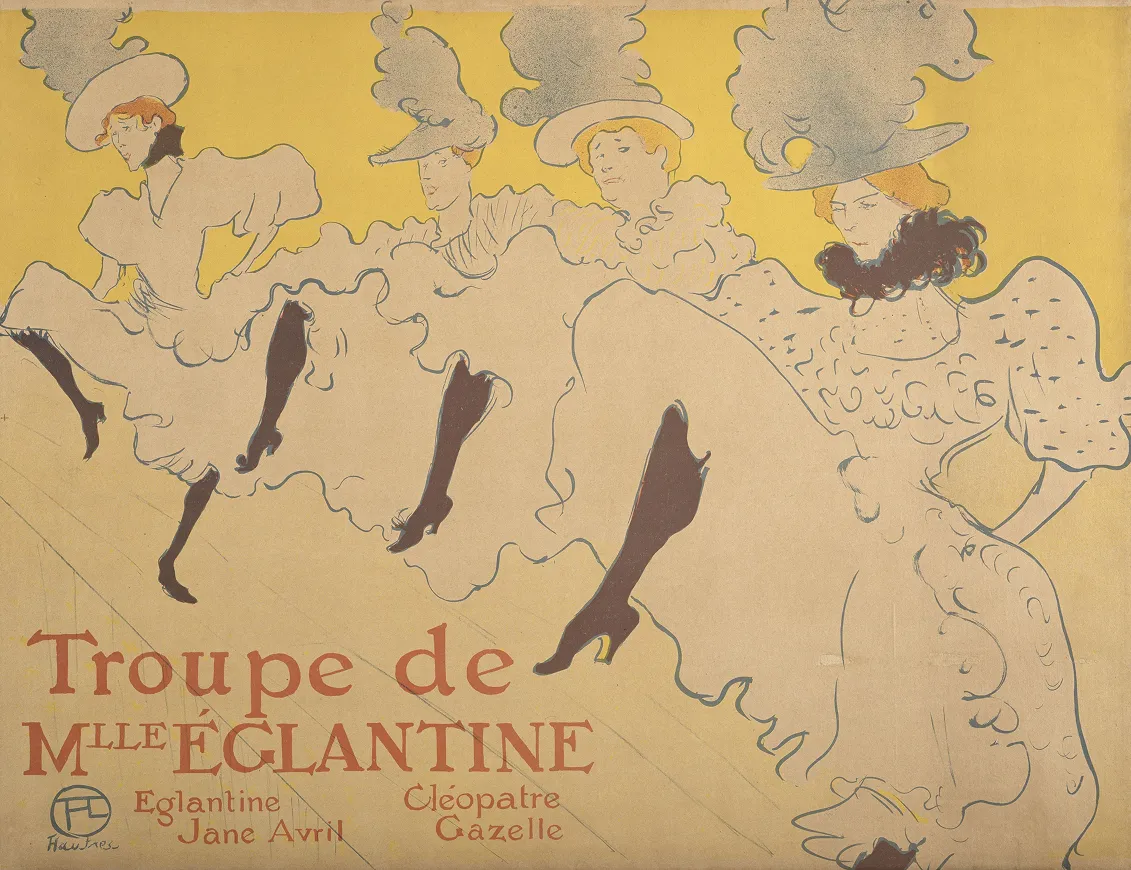
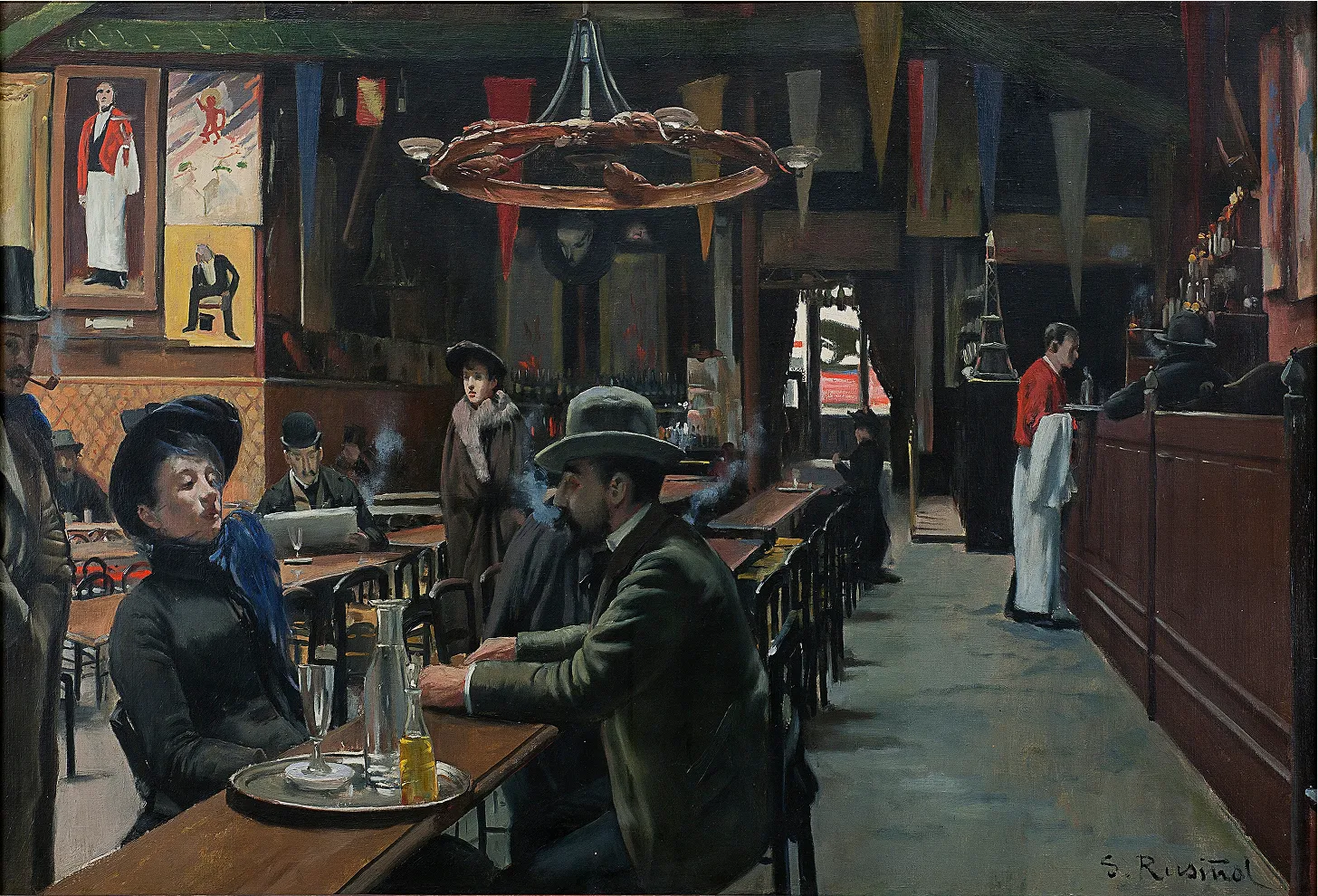
Artists at the Café: From the Impressionists, Van Gogh and Toulouse-Lautrec to Picasso
Long before they were textbook fixtures, iconic painters like Édouard Manet, Vincent van Gogh and Henri de Toulouse-Lautrec gathered in the smoky haze of Montmartre’s cafes, cabarets and dance halls. These venues were far more than casual watering holes; they served as radical testing grounds where creative voices collided, sparking the birth of impressionism and the Nabi movement. The exhibition celebrates this vibrant, frequently overlooked subculture through roughly 130 masterpieces.
It’s also the first exhibition in Japan to trace how this Parisian cafe phenomenon rippled south to Spain. Visitors can follow the trail blazed by Catalan artists like Ramon Casas, who replicated the Parisian bohemian spirit at his own legendary Barcelona tavern, Els Quatre Gats — a haunt that profoundly shaped a teenage Pablo Picasso and ultimately catalyzed his melancholic Blue Period. The crown jewel of the showcase is Casas’ prized masterpiece “Madeleine,” making its first appearance in Japan in 35 years. Select exhibition rooms will even feature immersive scent installations. Also, please note that you can get a ¥100 discount at the counter if you wear red!
Where: Mitsubishi Ichigokan Museum, Tokyo (Location)
When: June 13–September 23 (Closed Mondays except national holidays and “talk free” days on June 29, July 27 and August 31.)
Price: ¥2,300
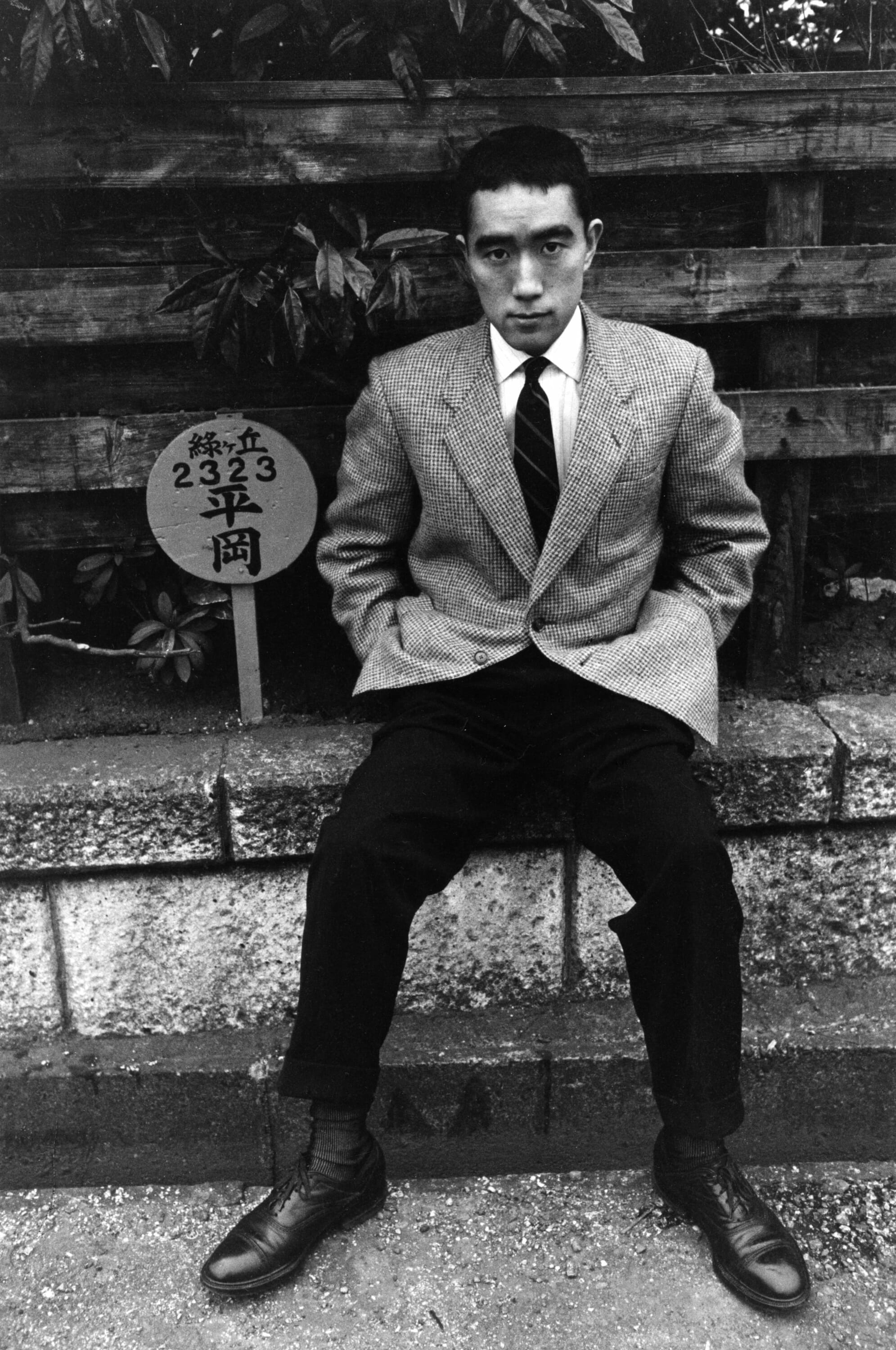
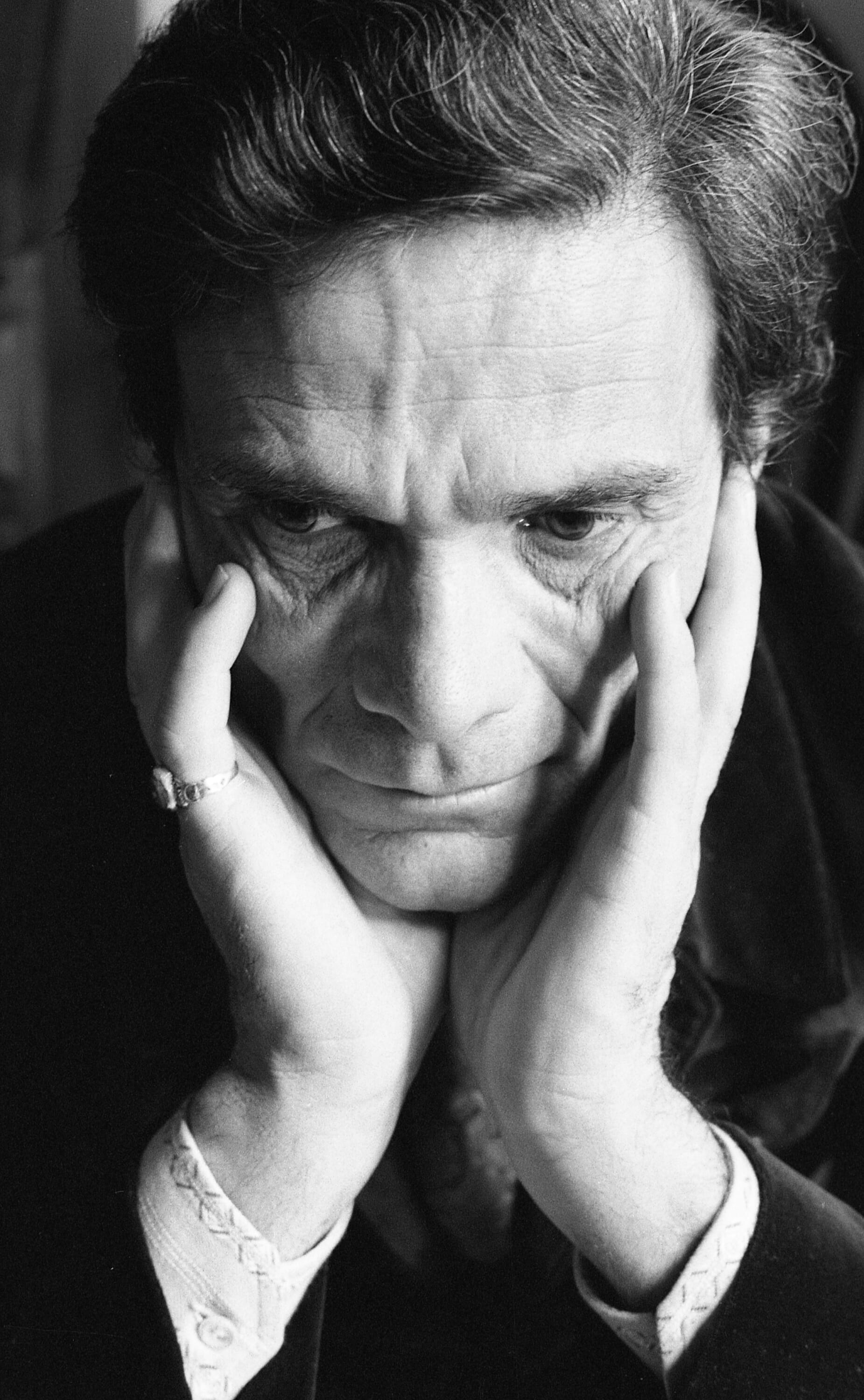
Yukio Mishima and Pier Paolo Pasolini: Clues for a Confrontation — Without Silence, Without Looking Away
Although they never met, Yukio Mishima and Pier Paolo Pasolini make for uncanny mirror images. Both began in literature before venturing into film, theater, criticism and the visual arts; both turned an unflinching eye on the contradictions of rapidly modernizing postwar societies; and both wrestled, in their respective Japanese and Italian contexts, with the erosion of tradition, memory and the body. This exhibition — the first to stage the two as a dialogue — traces their parallel trajectories to reflect on the resonances and frictions between them.
The show is structured around seven keywords: the body, responsibility, literature, cinema, theater, artistic connection and society. Where Pasolini mourned the disappearance of folk and rural culture under the rise of consumerism, Mishima interrogated the values destabilized by Japan’s headlong Westernization. Archival materials, photographs, books, early works, interviews and drawings fill out the exhibition, with particular attention paid to portrait photography — including that of Ken Domon, Kishin Shinoyama, Federico Garolla and Sandro Becchetti — showing how each man’s physical presence and public image were constructed and received.
Where: Italian Cultural Institute, Exhibition Hall (Location)
When: June 26–July 29 (Closed Sundays.)
Price: Free
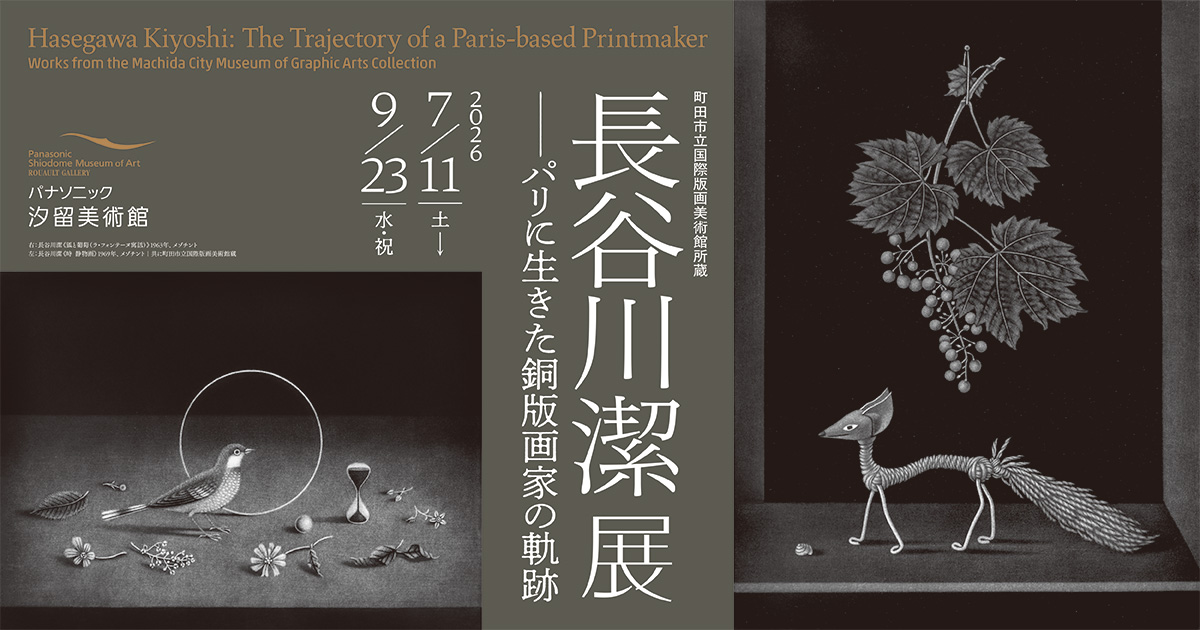
Hasegawa Kiyoshi: The Trajectory of a Paris-Based Printmaker
Kiyoshi Hasegawa left Japan for Paris just after World War I and never came back, spending six decades there until his death in 1980. He is most well known for reviving an intaglio technique most printmakers had abandoned: mezzotint, also known as manière noire (“the black manner”). The method creates luminous, richly shadowed images through a meticulous process of roughening and smoothing areas of a copper plate to control the amount of ink retained.
Spotting Hasegawa’s gift, fauvist painter Raoul Dufy drew him into the Société des Peintres-Graveurs Indépendants, the Paris circle of Matisse, Picasso and Chagall. As you’ll see in the exhibition, Hasegawa was also an ambassador for Japanese art, engraving the illustrations for a French edition of the 10th-century folktale “The Tale of the Bamboo Cutter.”
From the late 1950s, he returned to mezzotint, making still life works suspended in fathomless black — a vase, dried grass, a single bird. Up close, the works’ monotone backgrounds are never flat; they’re soft, grainy fields shifting from smokey grays and charcoals to the deepest velvety black. Most of these images were drawn from the Machida City Museum of Graphic Arts for the first time, and provide an overview of the artist’s long career.
Where: Panasonic Shiodome Museum of Art (Location)
When: July 11–September 23 (Closed Wednesdays except September 23; closed from August 10–14.)
Price: ¥1,200
Related Posts
- The Enduring Power of Miwa Yanagi’s Elevator Girls
- Mika Ninagawa on Life, Death and Desire Through a Saturated Lens
- Japanese Kogei Takes Center Stage in Venice
Updated On July 2, 2026