-2048x1365.jpeg)
In July 2026, the UNESCO World Heritage Committee officially inscribed the Ancient Capitals of Asuka and Fujiwara on the World Heritage List. Marking Japan’s 22nd World Cultural Heritage site (and 27th World Heritage site overall), this historic region in Nara Prefecture has finally secured the worldwide recognition long championed by archaeologists and history enthusiasts alike.
Whether you’re an avid historian or a traveler looking to escape Tokyo, here is everything you need to know about Asuka-Fujiwara and why it belongs at the top of your Japan itinerary.
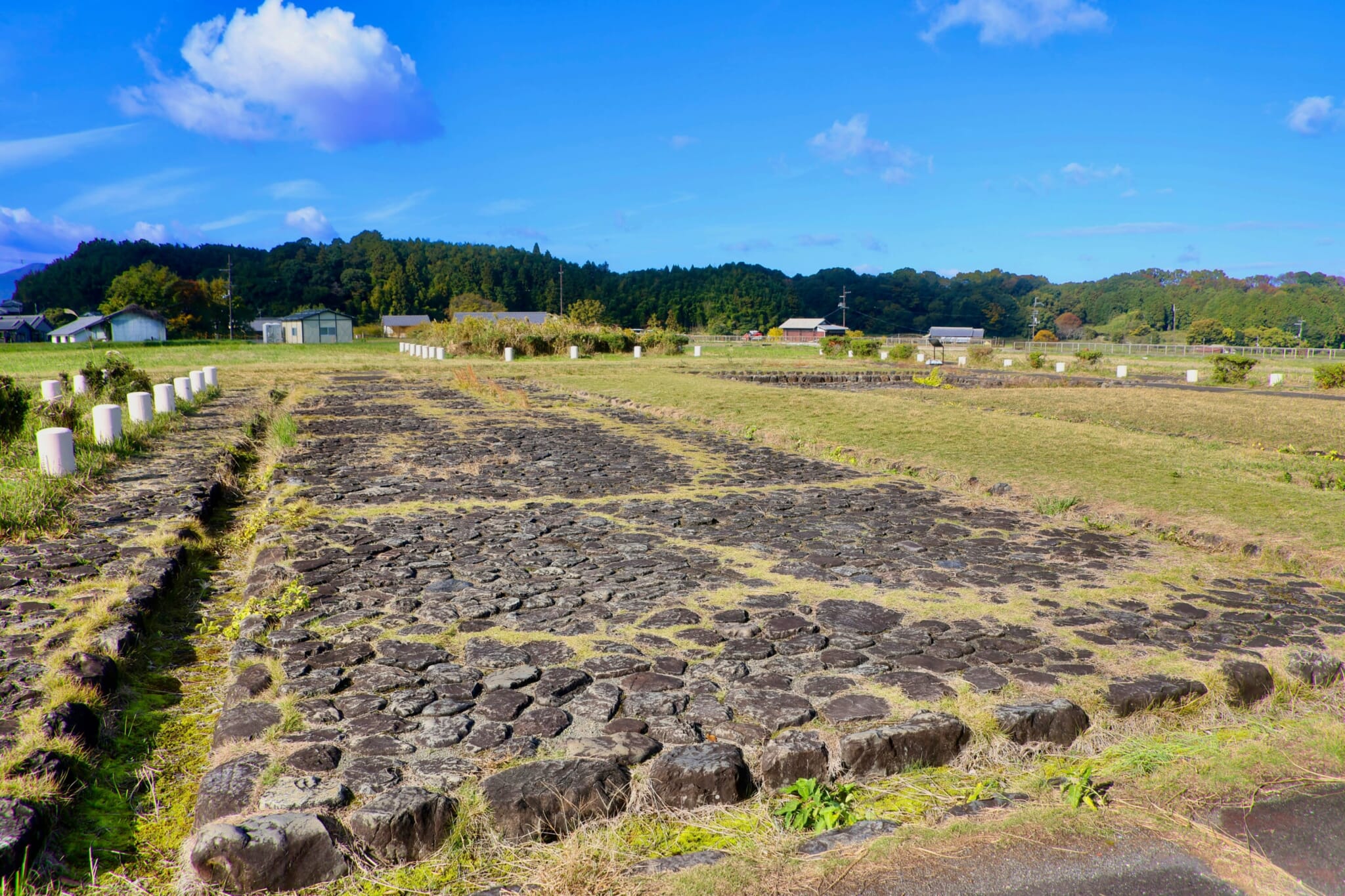
Official World Heritage Inscription in Busan
The formal designation was confirmed during the 48th session of the UNESCO World Heritage Committee in Busan, South Korea. Following the strong recommendation earlier in the year by the International Council on Monuments and Sites (ICOMOS), committee delegates unanimously voted to register the 19 component archaeological properties that make up the Asuka-Fujiwara cluster.
UNESCO recognized the site primarily under two key criteria:
- Criterion (ii): Demonstrating an important interchange of human values and cultural exchanges between the Japanese archipelago, the Chinese mainland and the Korean Peninsula — particularly in architecture, town planning and the early adoption of Buddhism.
- Criterion (iii): Bearing exceptional testimony to the unique historical process of East Asian state-building and the establishment of Japan’s first centralized government system under imperial law.
With Nara Prefecture now housing four distinct World Cultural Heritage sites — more than any other prefecture in Japan — local leaders are hailing the designation as a monumental landmark for cultural conservation.
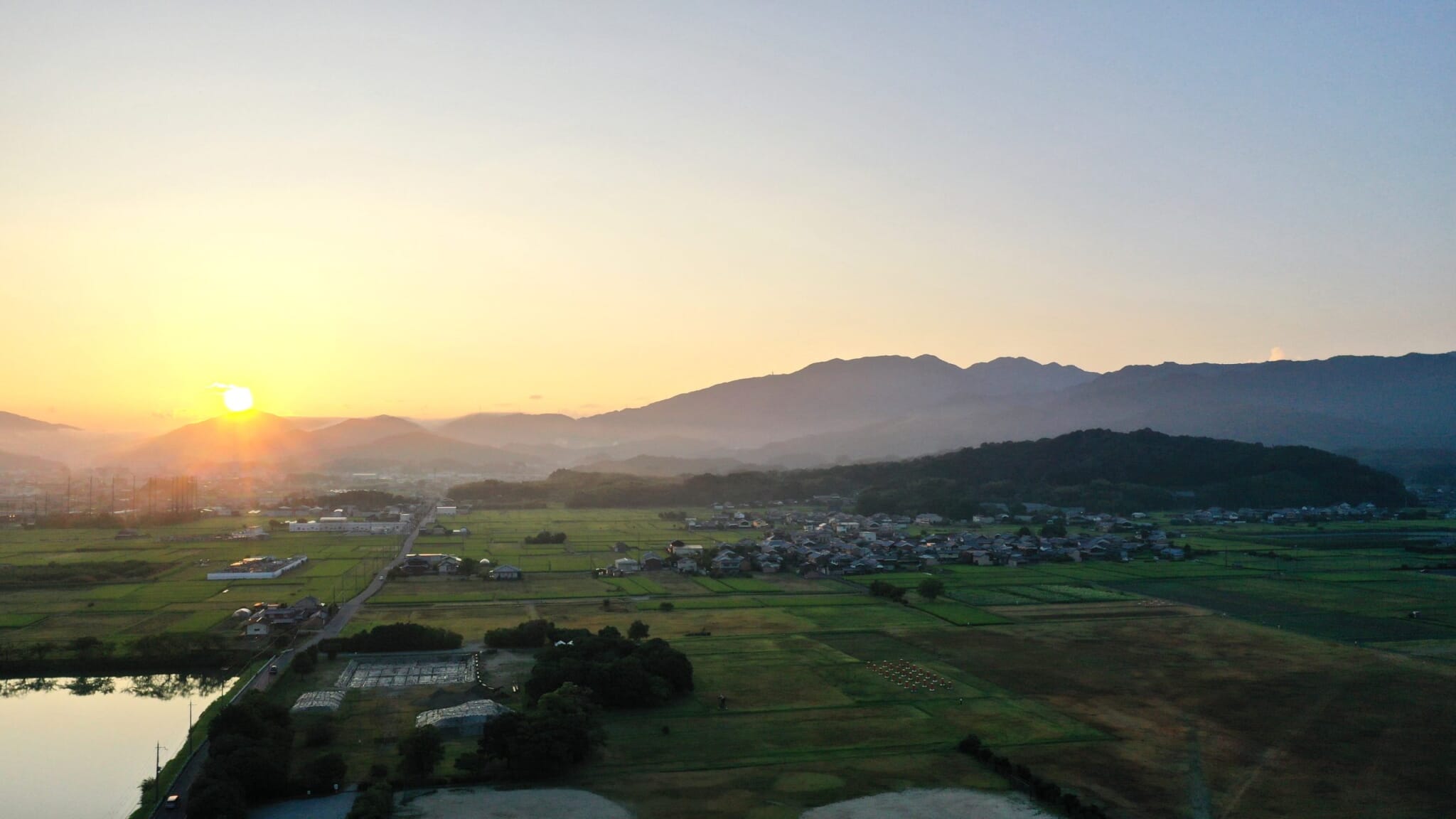
Curbing Overtourism Before It Begins
Even before the UNESCO announcement, local communities were proactively preparing for the expected surge in international travelers. Drawing lessons from heavy overcrowding in Kyoto and historic tourism spikes in Nara, the village of Asuka established comprehensive visitor guidelines teamed with reciprocal commitments from local residents.
Rather than relying solely on prohibitory signs (such as warnings against trespassing on farm property or littering), the guidelines form a community pact: residents promise to preserve the surrounding rural countryside and serve authentic regional cuisine, while visitors are asked to travel respectfully and engage with local heritage.
To keep the valley quiet and maintain a low-carbon environment, the village introduced open-air, low-speed electric carts across public roads, giving tourists a scenic, seamless way to travel between ancient ruins without relying on heavy motor traffic or charter buses.

About Asuka-Fujiwara: The Birthplace of Japan
To understand Asuka-Fujiwara is to understand the very origin of the Japanese state. From the late sixth century to the early eighth century, this region served as the imperial capital, before the court moved to Heijokyo (modern-day Nara city) and, later, Kyoto.
During this era, the geopolitics of East Asia were extremely volatile. The rapid expansion of China’s Sui and Tang dynasties threatened neighboring kingdoms on the Korean Peninsula and the Japanese archipelago. To ensure its survival, Japan transformed itself from a loose collection of clans into a unified, centralized state governed by imperial law.
This radical change left a permanent mark on the landscape, elements of which are set to become the new World Heritage Site. The Asuka-Fujiwara submission comprises 19 distinct archaeological sites spread across Asuka village and the neighboring cities of Kashihara and Sakurai. What makes it unique is that these 1,300-year-old memories are incredibly well preserved right beneath the earth, surrounded by a pristine cultural landscape.
Unlike many historical sites reconstructed with concrete, Asuka-Fujiwara’s authenticity is protected by strict national and regional laws. The ruins remain underground or exposed in their original settings, offering a raw, unadulterated window into the seventh century.

What To See at Asuka-Fujiwara
- The Takamatsuzuka and Kitora Tumuli: Ancient burial mounds renowned for their vividly colored wall paintings. The famous “Asuka Beauties” murals display an unmistakable artistic influence from mainland China and the Korean Peninsula.
- Fujiwara-kyo: The remains of Japan’s very first genuine capital city, laid out in a grand grid system modeled after Chinese city design.
- Yamato Sanzan: Three iconic forested mountains (Miminashi, Unebi and Amanokagu) that frame the landscape. They are deeply tied to Japan’s oldest poetry anthology, the Manyoshu, and tie in the surrounding nature to the history of the region.
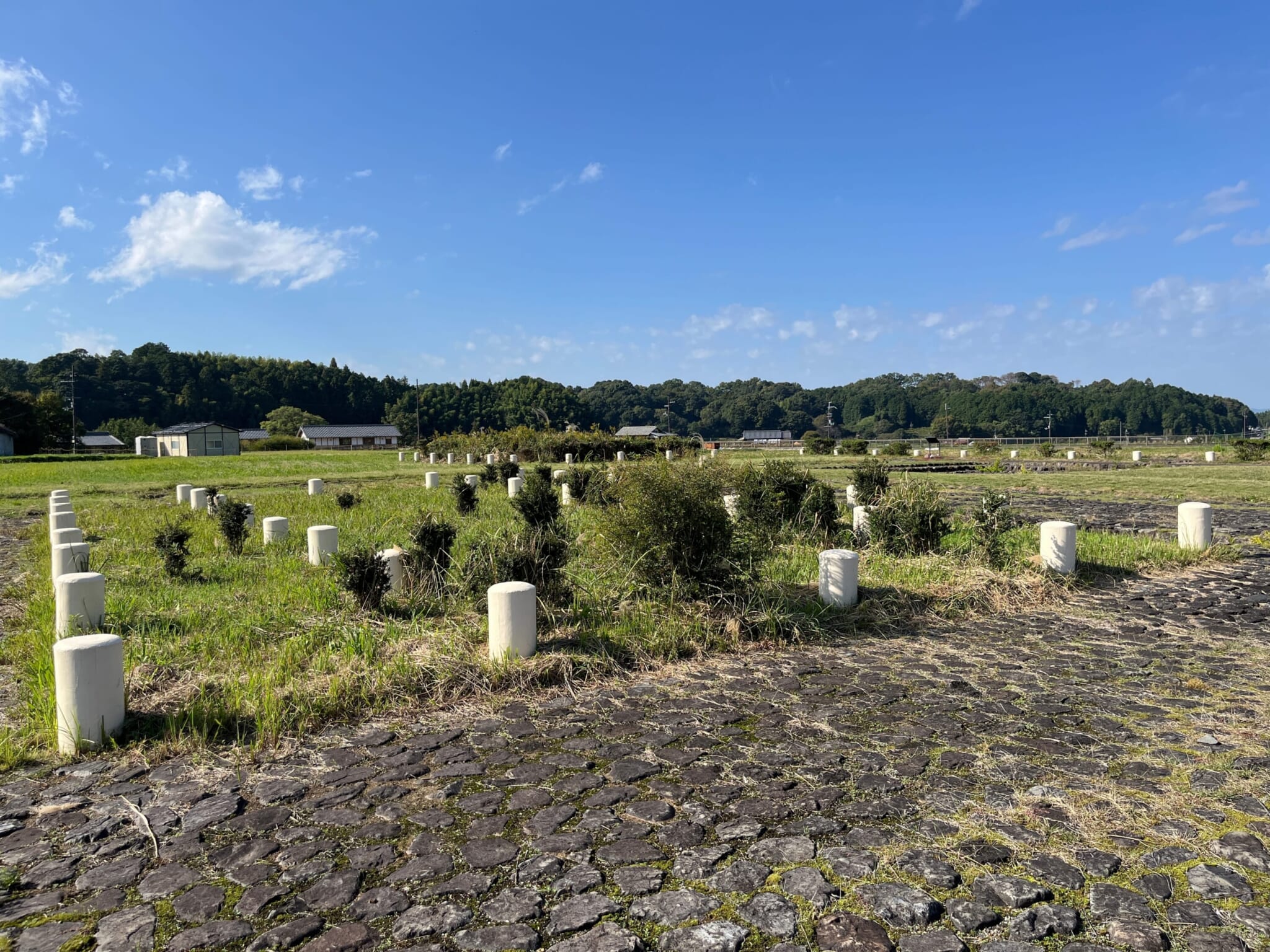
Getting to and Around Asuka-Fujiwara
Despite its deep-countryside feel, Asuka-Fujiwara is remarkably accessible from Japan’s major urban transit hubs, making it an easy day trip or an overnight getaway from Osaka or Kyoto.
| Hub | Transit Method | Approx. Travel Time |
| Nara (Kintetsu-Nara Station) | Kintetsu Nara Line to Yamato-Saidaiji Station; from there, Kashihara Line to Kashiharajingu-mae Station; finally, Yoshino Line to Asuka Station | 50 minutes |
| Osaka (Osaka-Abenobashi Station) | Kintetsu Limited Express (bound for Yoshino) to Asuka Station | 40 minutes |
| Kyoto Station | Kintetsu Kyoto/Kashihara Line to Kashiharajingu-mae; then Yoshino Line to Asuka Station | 75 minutes |
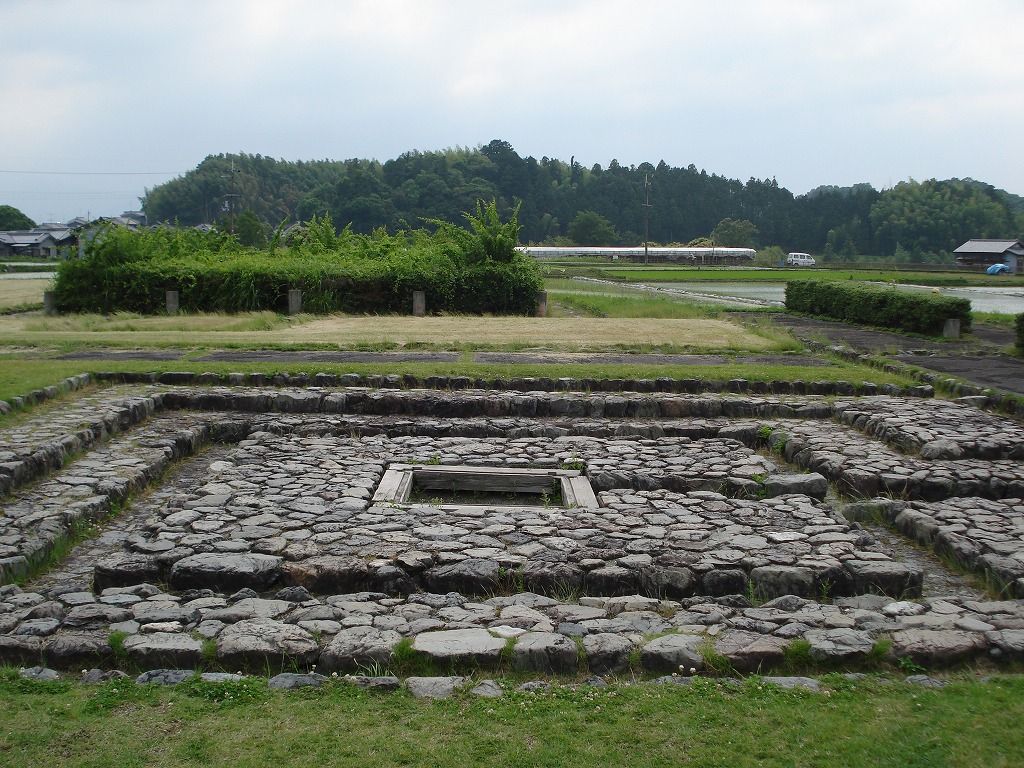
Navigating the Sites
Once you arrive at Asuka Station, the best way to explore is at a slower pace. You can rent a bicycle right outside the station, hop on local community buses or take advantage of the village’s newly introduced open-air electric carts.
Related Posts
- Japanese cuisine recognized as UNESCO Intangible Cultural Heritage
- People and Churches of Goto Islands: A Travelogue From a World Heritage Site
- Japanese Sake Brewing Joins UNESCO’s Cultural Heritage List | News Roundup
Updated On July 31, 2026