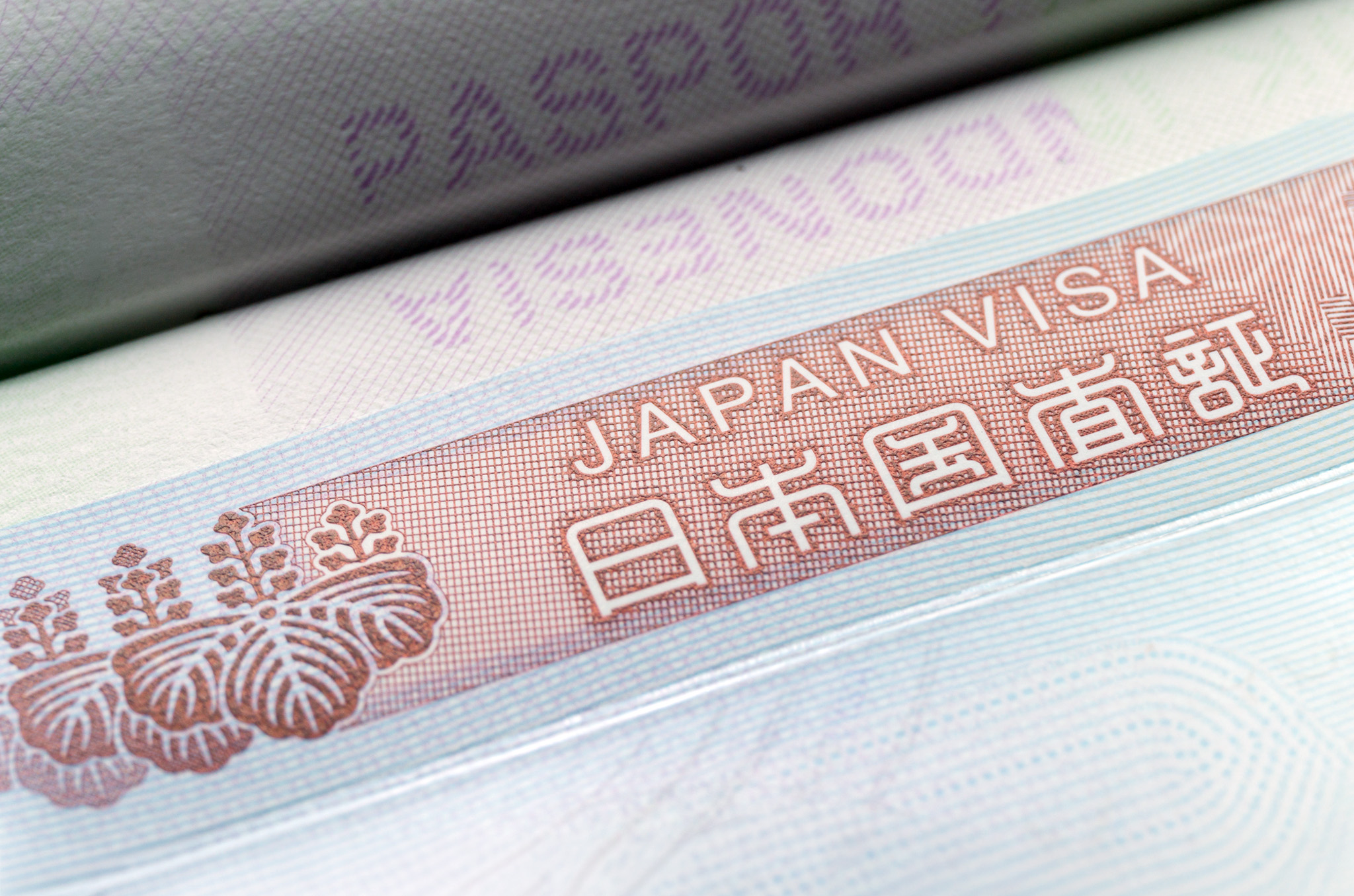
Japan will raise visa fees fivefold from July 1, but the increase will affect only travelers who are required to obtain a visa before entering the country. Single-entry visa fees will rise from ¥3,000 to ¥15,000, while multiple-entry visas will increase from ¥6,000 to ¥30,000. Citizens of more than 70 countries and regions, including Australia, the US and the UK, are exempt from Japan’s short-stay visa requirements and will not be directly affected by the change.
Government Says Japan Visa Fees Reflect Inflation Since 1978
The revision was approved during a Cabinet meeting on Friday after months of deliberations within the government. “The current visa fee was set in 1978, and we have revised it to reflect inflation and exchange-rate fluctuations since then,” Foreign Minister Toshimitsu Motegi said at a press conference after the meeting. “We made this decision after carefully considering various factors, and we do not anticipate that it will have an immediate impact on inbound tourism.”
The latest increase is part of a broader review of immigration-related fees in Japan. Last month, the government approved higher fees for foreign residents seeking to renew their status or obtain permanent residency. The fee for renewing residence status, currently set at ¥6,000, is slated to increase to around ¥30,000 for a one-year period and about ¥60,000 for a three-year period. The fee for permanent residency permission is also set to increase, from the current ¥10,000 to around ¥200,000.

Japan Plans New Entry Screening System for Visa-Exempt Travelers
The changes are expected to be implemented before the end of the next fiscal year on March 31, 2027. Japan also plans to introduce an electronic travel authorization system called JESTA — its version of the US ESTA system — by March 2029. Under the system, visitors from countries and territories exempt from Japan’s short-term visa requirements will be screened in advance and could be denied entry if authorities determine they pose a risk.
Related Posts
- US Visa Applicants From Japan Now Require Disclosing 5 Years of Social Media History
- Japanese PhD Student Has Visa Revoked in the US Due to Alleged Criminal History
- Renewing a Japanese Visa, More Fun Every Year
Updated On June 22, 2026