Nearly 85,000 students required Japanese language instruction in public schools during the 2025 academic year, according to a survey released by the education ministry on Monday. It marks the highest number since records began. The survey covered all 1,788 boards of education nationwide and counted students who required instruction because they were unable to communicate sufficiently in Japanese. It examined conditions at schools as of May 1 last year.
The total stood at 84,759, up 15,636 from the previous survey conducted in 2023. Over the past decade, the figure has doubled. According to the ministry, 12,668 public schools — around 40% of the total — had at least one student requiring such support, an increase of 1,545 from the previous survey. Of those schools, 28 had 100 or more students requiring Japanese language instruction.
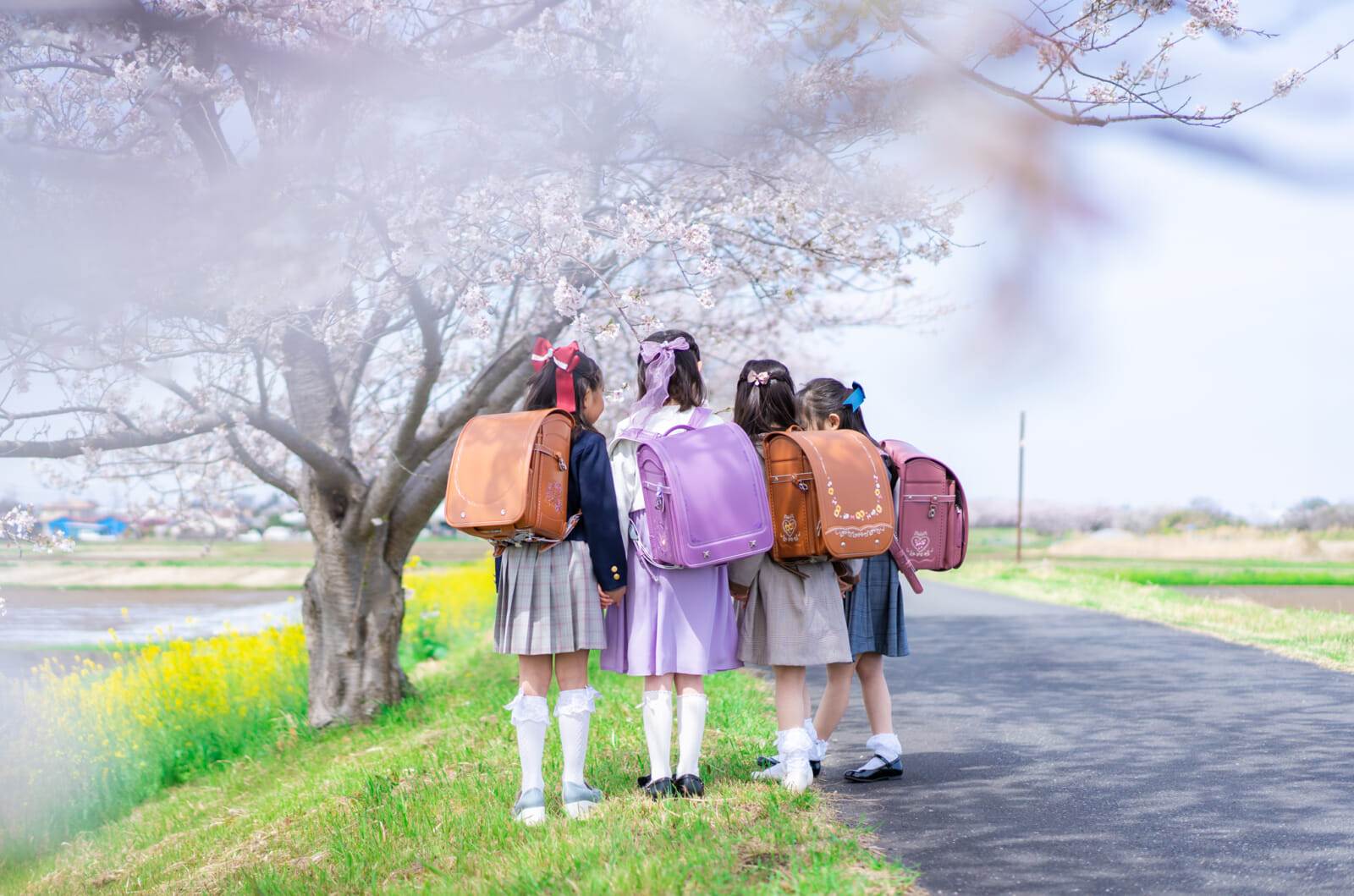
Draft Calls for Local Governments To Establish ‘Pre-Classes’ for Japanese Language
A draft report presented on Monday called for local governments to establish “pre-classes” for newly arrived children on a national scale. Separate from ordinary school classes, the programs allow children to learn basic Japanese. They also teach customs that may appear unfamiliar, such as student-led cleaning and school events. While some local governments already offer such classes, there is currently no national standard for them to follow.
Miho Yoshida, a professor at Hirosaki University, believes the pre-classes are important not only for the students’ futures, but also for Japan as a whole. “It’s crucial that children who move here with their families gain enough understanding of the Japanese language and society, and learn how the system works,” she told NHK. “That will help them live well in Japan. I think this will also have a big impact on Japan’s future.”
Related Posts
- NHK Leader Takashi Tachibana Calls Black and Muslim People ‘Scary’
- Sanseito Leader Says ‘Japanese First’ Approach Is Not Based on Xenophobia
- Why Japanese Leftists Are Using Melonpan To Mock Sanseito
Updated On May 28, 2026