Few entertainers in Japan have navigated reinvention quite as deftly as Megumi Yamano, known mononymously as Megumi. An aspiring singer as a teen, she first gained recognition as a defining face of the “Heisei gravure” boom, becoming a ubiquitous presence on television. She later returned to music, then launched her own businesses and established herself as a versatile actress, before gradually shifting her focus behind the camera. In recent years, the Kurashiki city native has emerged as one of the industry’s most compelling creative producers.
Megumi was the driving force behind Badly in Love, a reality series focusing on yankii (delinquent) culture that ranked number one in Netflix’s Weekly Top 10 series for four consecutive weeks. That same instinct for raw, human storytelling now finds a more intimate expression in Fujiko, an upcoming feature film directed by Taichi Kimura, which she produced and appears in. The film follows a resilient single mother who fights to reclaim and then raise her daughter after her husband’s family kidnaps the child.
Megumi first decided to shift gears into producing during the Covid pandemic. “I had this gut feeling that the world was about to change, and that I needed to rethink the way I worked,” she explains. “As a celebrity and an actress, all I could do was wait for offers, which were scarce at the time. Around then, I came across a report stating that Japanese women had the lowest levels of self-esteem in the world, and I thought to myself, ‘Why not take control of my own destiny and use video to empower women?’”
A Project With Personal Resonance
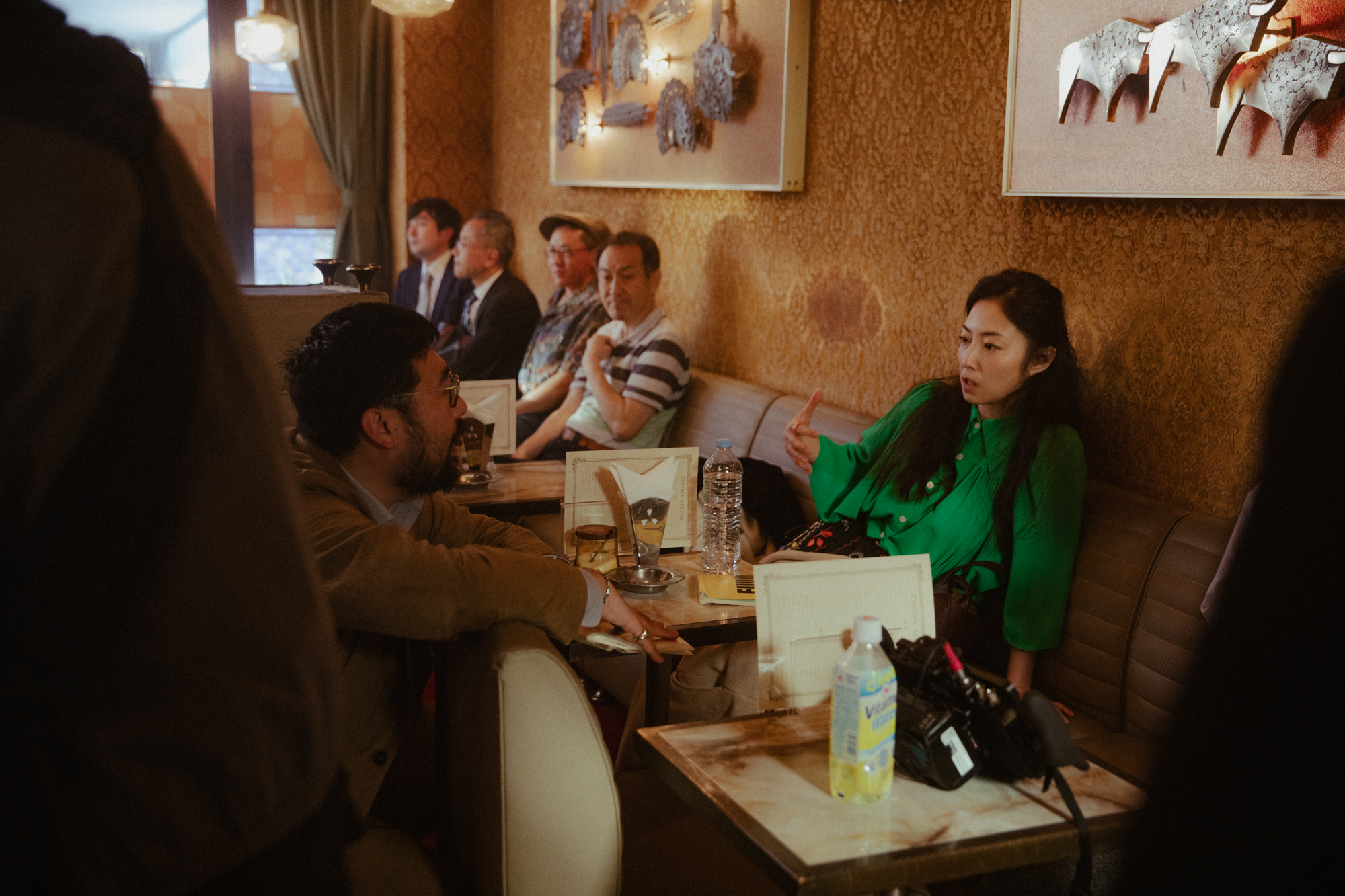
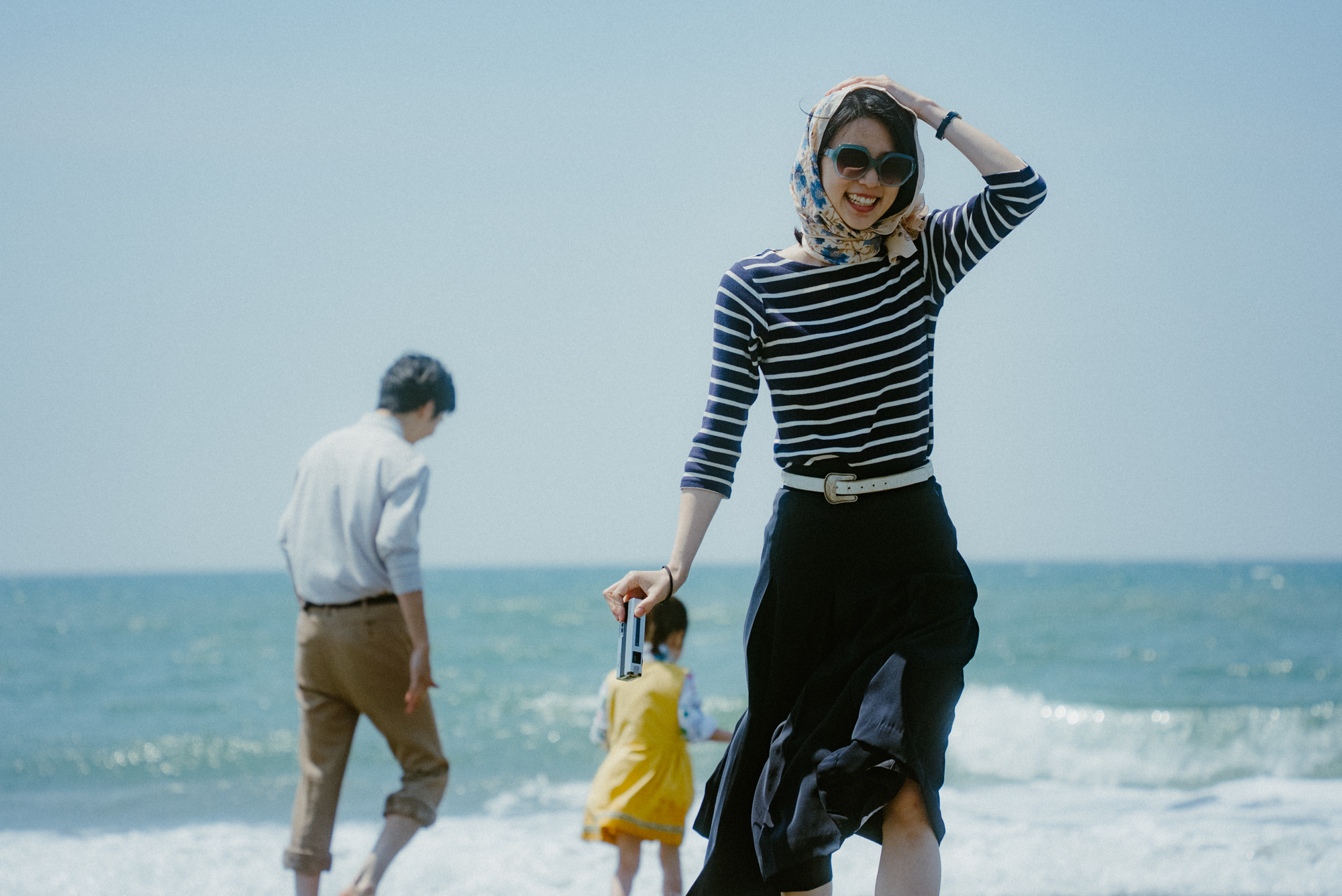
Fujiko is, in many ways, a realization of this dream. When it premiered at the Far East Film Festival (FEFF) in Udine, Italy, in April, the movie received a five-minute standing ovation from the audience. “I’m usually not one to cry in public, but witnessing that, I just broke down, bawling my eyes out,” says Megumi. “It’s been four years since I started working on Fujiko with Taichi, and during that period, we changed the script at least 20 times. We are both so passionate about this film, but you do go through stages when you wonder if people will like it. So to get that reaction was amazing.”
For Megumi, the project held a deeply personal resonance from the outset. After learning the story was inspired by Kimura’s own mother, she felt a strong connection to its emotional core and a desire to help bring it to life. That desire grew stronger after she met the real Fujiko. “She’s an incredible woman who is now in her 70s but still lives a rock-and-roll lifestyle, visiting various countries by herself and dictating her own destiny,” says Megumi.
That spirit is reflected in the film’s portrayal of Fujiko, who refuses to be constrained by societal expectations as she raises her child alone while taking on a range of jobs to survive. Despite being mocked by male colleagues for her ambitious, go-getting attitude and pressured by her older brother to settle down with an interested co-worker, Fujiko refuses to conform.
“Ultimately, it’s a story about the empowerment of women,” says Megumi. “Set in Shizuoka in the late 1970s and early 1980s, the film reflects the gender dynamics of the time. Fujiko quietly pushes against those constraints with a steady sense of resolve. She doesn’t have grand ambitions, nor is she the type to say, ‘I’m going to do something big.’ She simply keeps going without overthinking things. That’s something I can relate to. I believe I’m here today because, like Fujiko, I took action.”
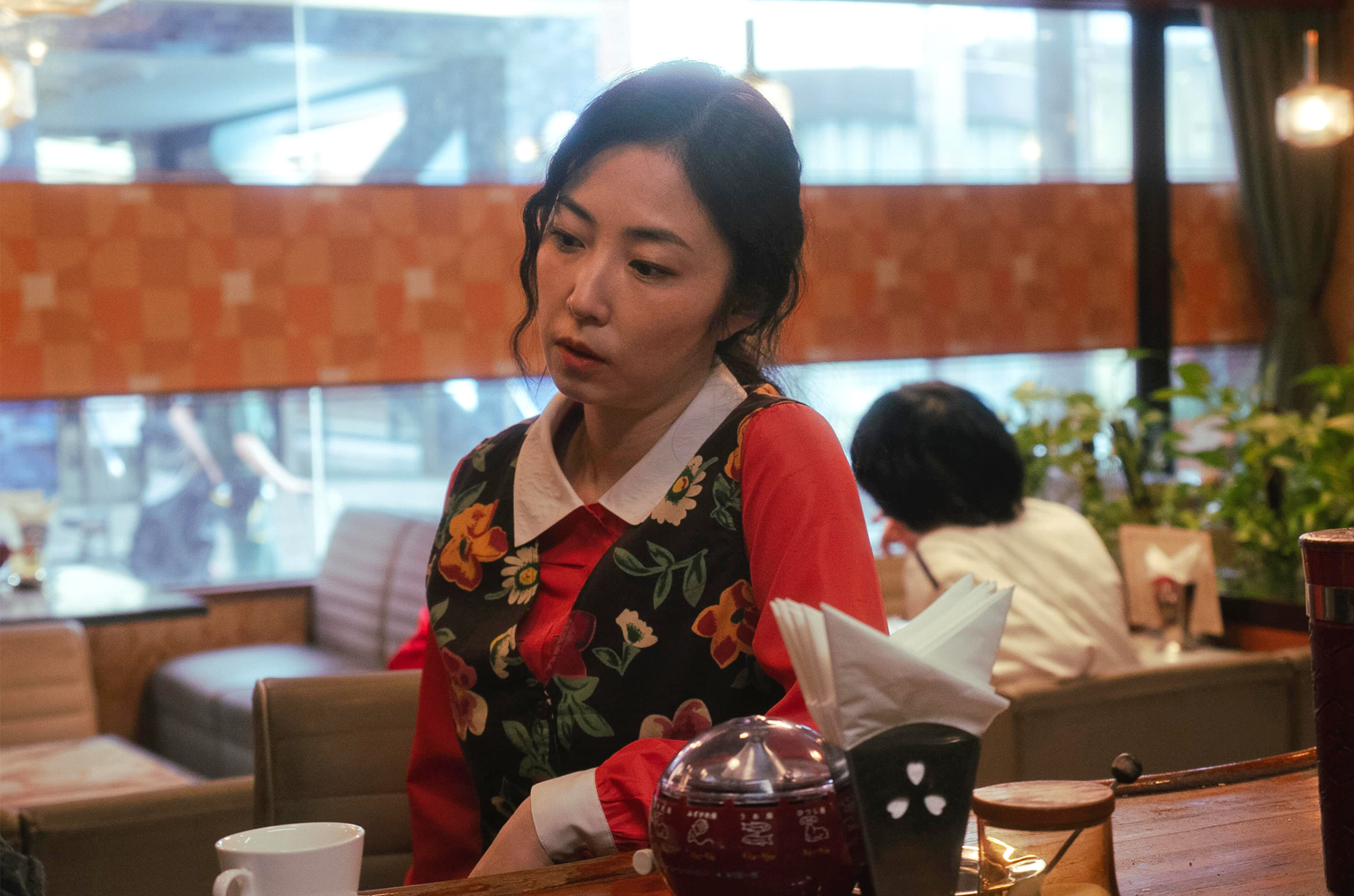
Megumi also has a supporting role in the film as Nagura, a strong, independent coffee shop owner who becomes a steady presence in Fujiko’s life. Other figures also help to shape Fujiko’s journey: Her mother, portrayed by Kayoko Kishimoto, assists her in reclaiming her child, while a cantankerous soba chef, played by Issey Ogata, provides food for Fujiko and her daughter when they are struggling financially. Within this network of care, the protagonist’s resilience gradually comes into sharper focus.
On screen, that resilience is anchored by Yuki Katayama’s measured and deeply affecting performance as Fujiko. Selected as one of FEFF’s “two female rising stars,” she is widely regarded for her ability to portray complex, often uncompromising characters. “She’s amazing,” says Megumi. “I was asked about her a lot in Udine because people were so impressed by her work.”
Behind the Scenes of Badly in Love
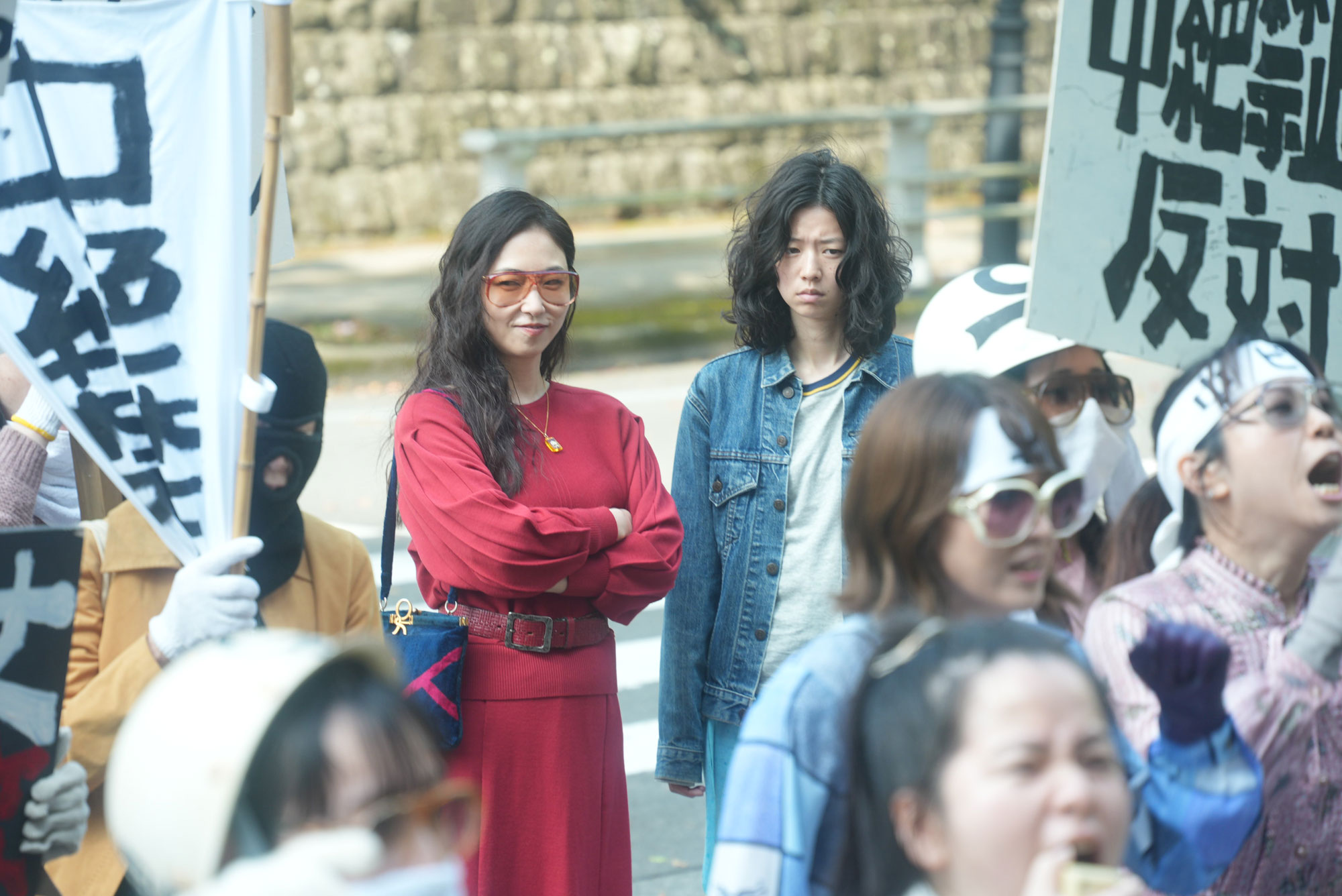
While wrapping up Fujiko, Megumi was working on another project that would go on to receive international acclaim: Badly in Love, succinctly described by one Reddit user as “Terrace House with hoodlums.” The unscripted program follows young delinquents living together in an abandoned middle school as they navigate relationships and search for romance. While the two projects may seem wildly different — heartfelt film festival darling and brash Netflix dating show — what unites them is a sense of unflinching honesty and a willingness to deal with complex subjects.
Badly in Love was praised for its refreshing directness, and for the way it didn’t shy away from showcasing confrontation and raw emotion. In many ways, the show was shaped by its unpredictability. “I was on edge the whole time,” says Megumi. “The housemates brought up topics that are taboo in Japan, like drug-taking, so I considered consulting a lawyer because I thought I would have to pay a hefty fine, and I was worried about the show being canceled. Fortunately, Netflix is an international company that doesn’t easily shy away from controversy. Executives, therefore, decided to air it, and I’m so glad that they did. In this increasingly filtered world, it’s becoming rarer to see a program like this where people speak and act without premeditation.
“When I started the project, my aim was to show a different side of Japan that hadn’t really been seen overseas,” she continues. “There are many films about yakuza and geisha, but very little about yankii culture. I grew up as a delinquent myself and was surrounded by people who may have looked intimidating but actually had charm and honor.” It was that aspect that most resonated with audiences, both within Japan and abroad — many critics noted that the show was surprisingly earnest and sweet, despite its flashy concept and tough-looking cast.
“I wanted to share that story with the world because I believed there would be interest,” Megumi says, modestly. “I didn’t expect it to become as successful as it did.” Badly in Love proved such a hit that it was renewed for a second season in December 2025, the same month the first series premiered. Just two months later, Netflix announced a multiyear exclusive deal with Megumi to develop multiple unscripted series.
A New Vision
Even as her reputation for her work behind the camera grows, Megumi continues to earn acclaim for her acting. Though she was once known primarily as a variety TV personality, her role in Kazuya Shiraishi’s 2018 yakuza flick The Blood of Wolves helped reshape public perception, establishing her as a versatile actress capable of intense, dramatic performances. Two years later, she received a best supporting actress accolade at the 62nd Blue Ribbon Awards. One of her most recent acting roles came in This Is I, a Netflix biopic about Japanese transgender icon Ai Haruna.
Beyond her work on screen, Megumi has also been actively creating opportunities to connect Japanese talent with the global film industry. This includes launching Japan Night, now known as Japanese Night, at the Cannes Film Festival — an initiative that promotes Japanese cinema while fostering cross-border collaboration. Her ultimate aim is to help shape a more outward-looking future for Japanese cinema through a slate of international co-productions currently in development. “It’s about bringing cultures together through film,” she says. “I believe that is the true mission of cinema.”
More Info
Follow Megumi on Instagram at @megumi1818.