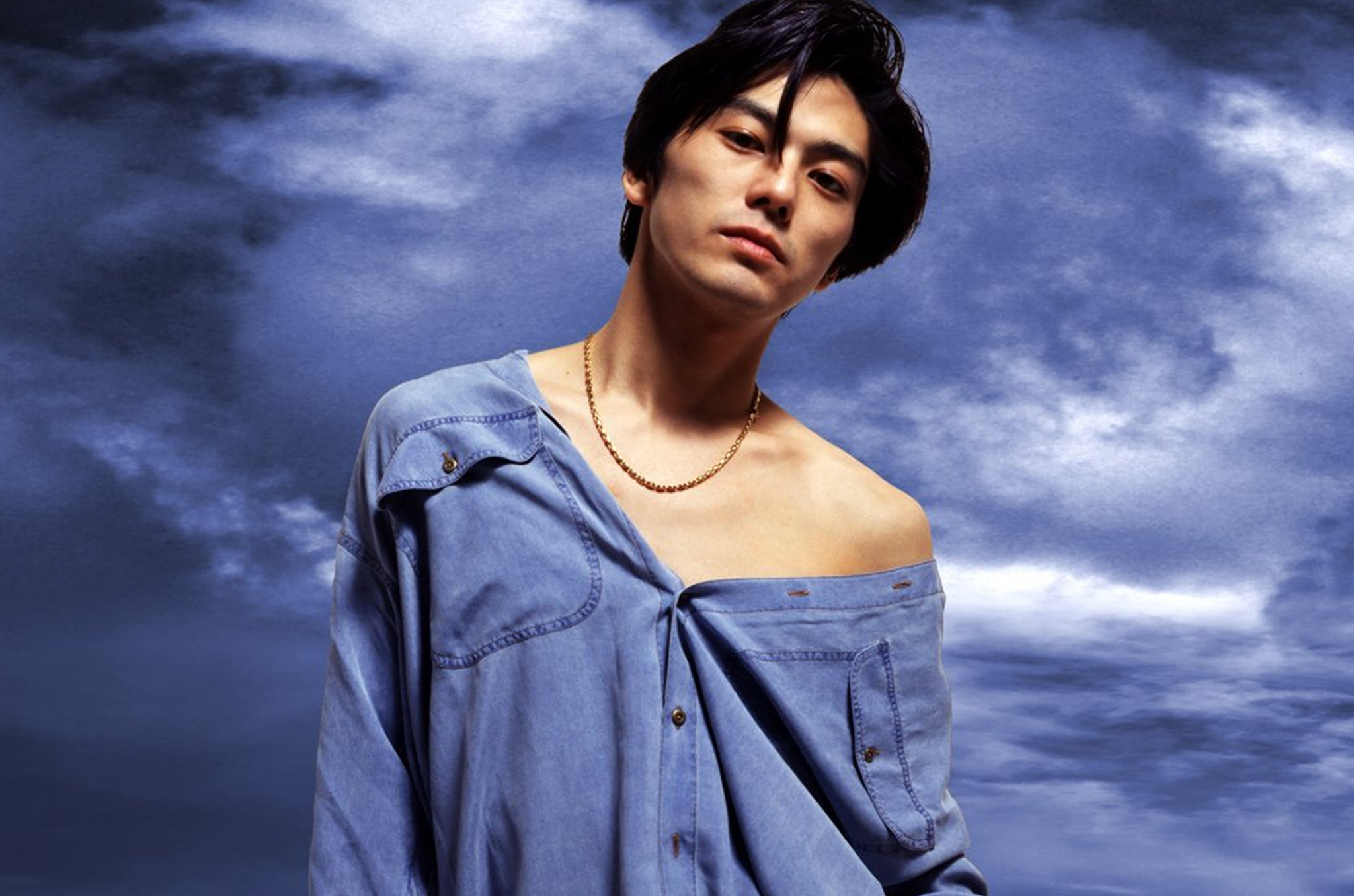
On this day in 1992, Japan lost one of its most iconic rock voices. Known as the “Japanese James Dean,” Yutaka Ozaki gave a generation of disillusioned youth something raw and real to hold on to. The popular singer-songwriter was just 26 when he passed away. His life may have been cut short, but the emotions he poured into his music refuse to fade.
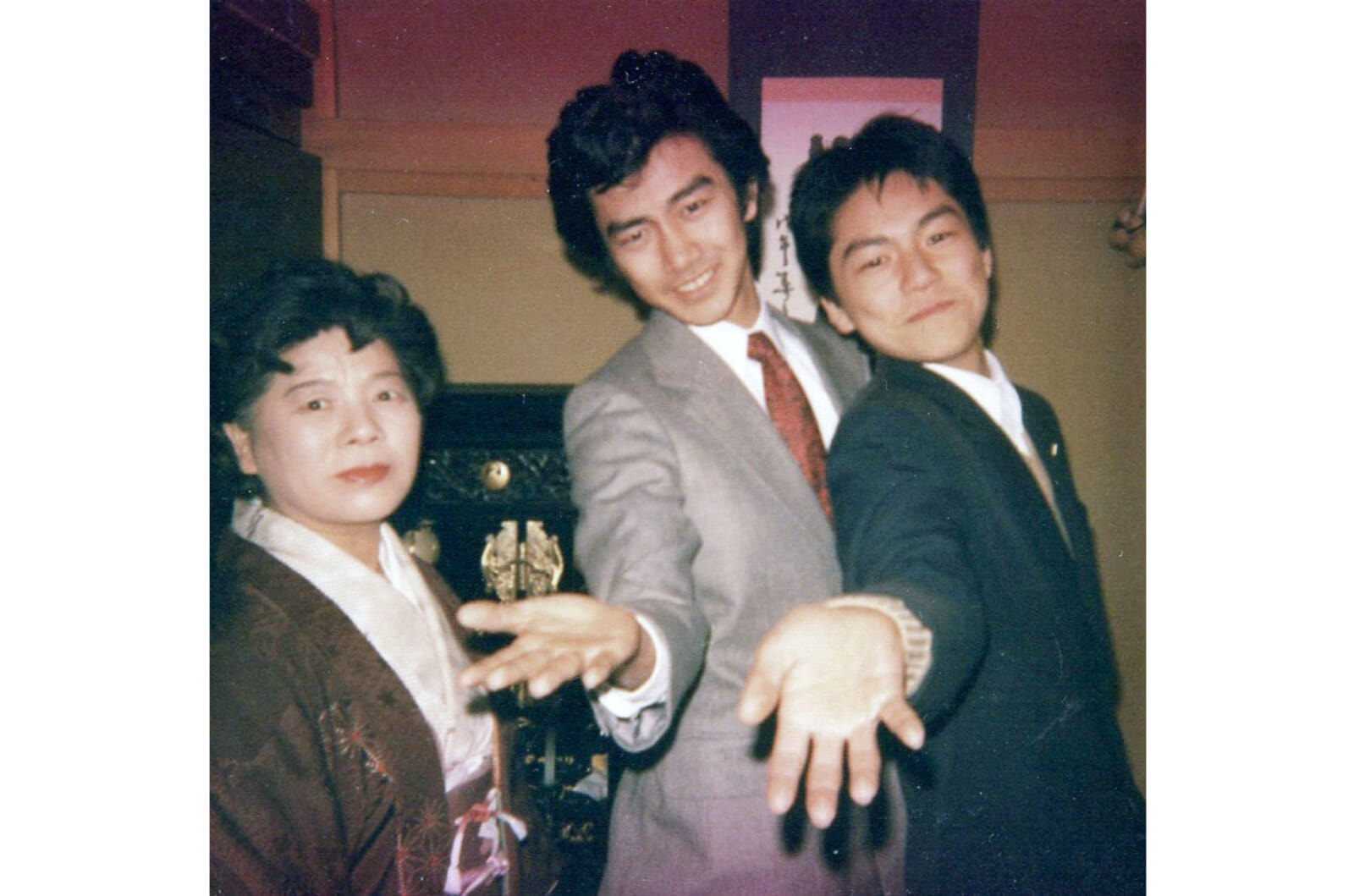
A young Yutaka Ozaki (right) with his mother and brother | Image: Yasushi Ozaki)
Yutaka Ozaki: The Early Years
Long before he became the voice of a restless youth, Ozaki was just a fragile child trying to find his place in the world. Born in Tokyo on November 29, 1965, he faced several health challenges in his younger days, including severe bronchitis and intestinal torsion, which weakened his internal organs. He also went through a six-month period of refusing to go to elementary school after other students bullied him.
During that time, Ozaki started playing his brother’s guitar. He had previously learned to play the piano and the shakuhachi, a traditional Japanese end-blown flute crafted from bamboo. A rebellious teen, he composed his first song, “Machi no Fukei” (“Town Scenery”), at the age of 15, before forming his first band, Noa. The track later featured on his debut album.

Seventeen’s Map
In 1982, a 17-year-old Ozaki sent a demo tape of his music to CBS Sony. Impressed by the singer’s powerful expression and poetic voice, Akira Sudo decided to sign him, producing his debut album, Junanasai no Chizu (Seventeen’s Map), which was released in 1983. While it didn’t explode commercially right away, it stood out from the more polished pop music of the time due to its raw, rough-edged style.
The album’s first single was “Jugo no Yoru” (“A Night at 15”), a song about the emotional struggles of adolescence. Though it was said to have been written based on Ozaki’s difficulties, his father, Kenichi Ozaki, later revealed that “it was actually based on a friend’s experience of running away from home.” The singer himself said in an interview that he “put into the song the loneliness of not being understood by adults and the desire for freedom.”
Another standout track on Seventeen’s Map is “I Love You,” a heartfelt ballad that contrasts with the high-energy rock sound dealing with teenage angst and delinquency that dominates the album. It’s a song about longing for intimacy in a harsh world, using metaphors such as abandoned cats. The track has been covered by several high-profile artists, including Hikaru Utada, Akina Nakamori and, in an English version, Debbie Gibson.

© Teruhisa Tajima, Isotope
Topping the Charts
In March 1985, Ozaki released his second studio album, Kaikisen (Tropic of Graduation), which became his first record to top the Oricon charts. The lead single, “Sotsugyo” (“Graduation”), considered a youth anthem, resonated with young fans due to its themes of breaking free from school life and entering adulthood. An antiestablishment song seen as controversial at the time, it is now considered a nostalgic classic, frequently associated with Japan’s graduation season.
In the same year as Tropic of Graduation, Ozaki released his third album, titled Kowareta Tobira Kara (Through the Broken Door). The standout track is widely considered to be “Forget-Me-Not,” a haunting song with poignant lyrics that explores the fragility of love. Boasting a simple, melodic structure, it quickly became a fan favorite and is often sung in karaoke booths today.
Yet, despite Ozaki’s continued rise in Japan, the singer expressed growing discomfort with the music industry’s demands. “The hardest part of getting a contract was that I didn’t want to cooperate,” he told an interviewer in 1985, adding, “I didn’t want to commercialize my way of thinking.” That sense of disillusionment shaped his next step, as he left Japan for the United States, taking a break from the pressures of fame.

A Complex Period
By the time he returned home in 1987, Ozaki had developed a drug habit, and in December of that year, he was arrested for violating the Stimulant Control Law. Released from detention in February 1988, Ozaki made a public apology and returned to the music scene. His fourth album, Gairoju (Street Trees), was released later that year. An introspective record, it documented a complex period in his life, including the titular track about navigating personal loneliness.
Despite the turbulence surrounding his career, Ozaki was entering a new chapter in his personal life. He married Shigemi in 1988, and the following year, the couple welcomed a son, Hiroya. He was the inspiration for Ozaki’s fifth studio album, Tanjo (Birth), released in November 1990. Featuring 20 tracks, it’s a narrative-driven and reflective record that contrasts sharply with the explosiveness of much of his earlier work. Standout tracks include “Tanjo,” “Love Way” and “Kiss.”

The Death of Yutaka Ozaki
Birth was the last album Ozaki released during his lifetime. In the morning of April 25, 1992, the musician was found naked, drunk and dazed on the premises of a Tokyo residence, with bruises and scratches over his body. An ambulance took him to the hospital, but he soon discharged himself despite the doctor wanting to move him to a larger facility. Shortly after being taken home, he stopped breathing. He was pronounced dead just after midday.
The official cause of death was pulmonary edema (fluid in the lungs), likely resulting from a drug overdose. Many have questioned this, though. Due to the suspicious circumstances of his discovery and his extensive injuries, some fans believed he was murdered, suggesting yakuza involvement because he got involved with the wrong people. However, the police attributed his injuries to erratic behavior from being intoxicated.
On April 30, 1992, Ozaki’s funeral and farewell ceremony took place at Gokokuji Temple in Tokyo. Tens of thousands turned out in the rain to mourn the much-loved musician. Less than two weeks after the funeral, Ozaki’s final studio album was posthumously released. Though seen as a return to his rockier roots, Hounetsu e no Akashi (Confession for Exist) also features poetic, heartfelt ballads with the emotional outro track, “Mama, Say Good-bye,” serving as a poignant closing statement.