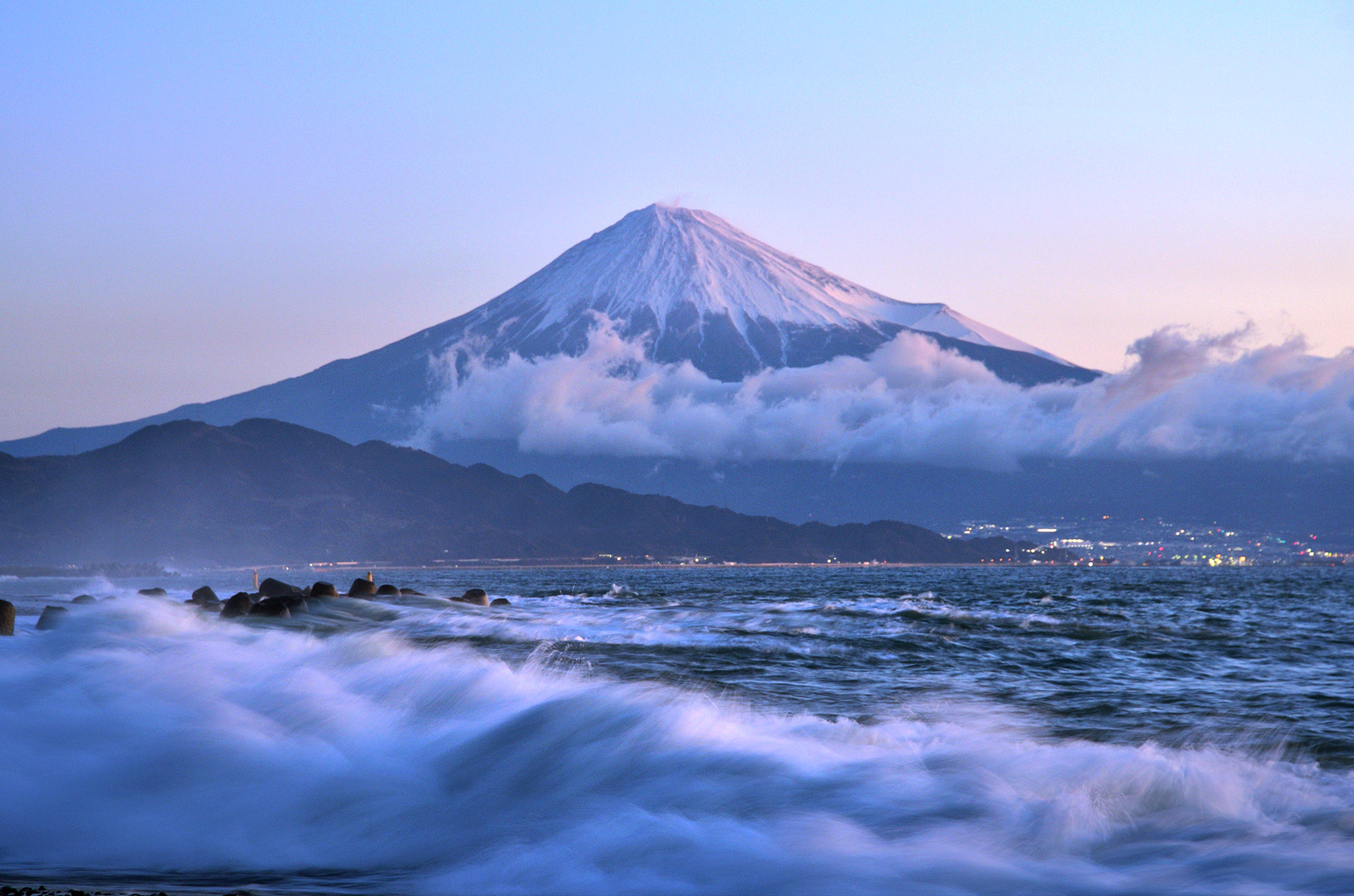
With Mount Fuji rising to the north and Suruga Bay stretching to the south, Shizuoka sits at the meeting point of mountain and sea. It’s a city known for its dramatic coastline, sacred pine groves and rich culinary traditions, yet it is often overlooked by travelers in favor of more famous destinations.
Just an hour from Tokyo by Shinkansen, Shizuoka is remarkably easy to reach, making it an ideal destination for a weekend getaway or a short escape from the city. It is home to celebrated sites such as Miho no Matsubara and Shizuoka Sengen Shrine, while the surrounding mountains and beaches are also within easy reach.
Day One: Morning
Miho no Matsubara: Pines and Fuji Views
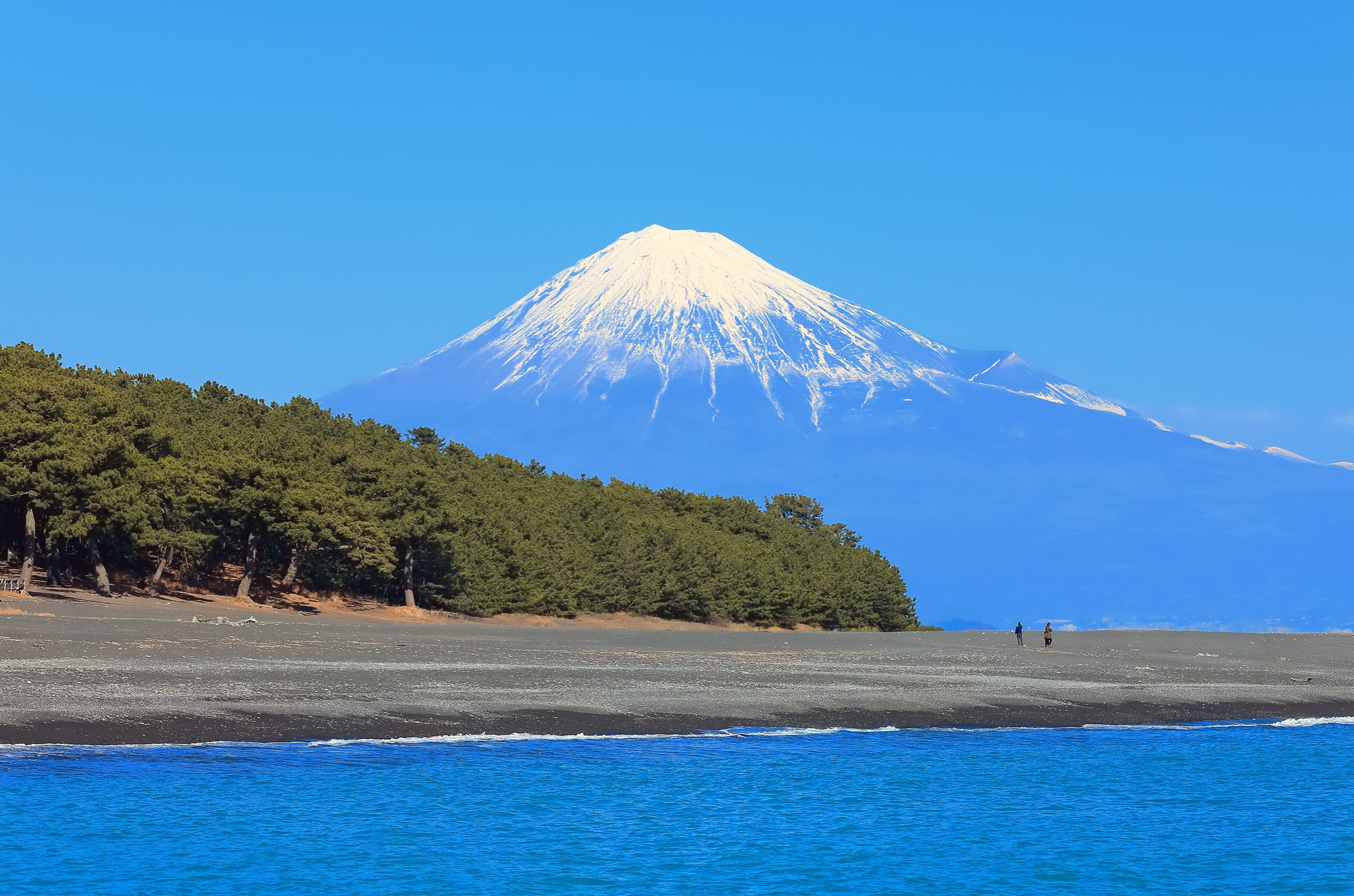
During a recent visit, I had the chance to experience firsthand what makes this underrated city special, beginning at Miho no Matsubara. A coastal stretch famous for its approximately 30,000 pine trees and views of Mount Fuji, the contrast between the dense grove, the open waters and the distant outline of Japan’s most iconic mountain defines the landscape.
Visibility, however, is never guaranteed. Mount Fuji is often veiled by clouds or haze, particularly outside the winter months. Fortunately, on this particular day, the sky was clear, and Fuji stood tall in all its glory, its snow-capped peak sharply defined against the blue sky. The sight felt both awe-inspiring and humbling.
Miho no Matsubara is also home to the Hagoromo no Matsu, a centuries-old pine tree associated with a well-known local legend. According to the story, a celestial maiden descended here to bathe, hanging her magical feathered robe on the tree. A fisherman discovered it, returned it at her request, and she performed a heavenly dance in gratitude.
After soaking in the tranquil beauty of Miho no Matsubara, the journey continued on foot along the ancient Kami no Michi, or Path of the Gods, a sacred route leading to Miho Shrine. The picturesque 500-meter path, lined with centuries-old trees, offers a deeper connection to the spiritual and natural history of the region.
The same could also be said of the shrine, which is dedicated to Onamuchi-no-Mikoto and Mihotsuhime-no-Mikoto Konohanasakuya-hime, deities in Japanese mythology. Dating back to the 9th century, Miho Shrine remains an important spiritual landmark in Shizuoka and a quiet counterpoint to the dramatic scenery that surrounds it.
Day One: Afternoon
Fresh Tuna and Wasabi Farming
With the morning’s exploration complete, it was time to enjoy another of Shizuoka’s delights: the sea itself, now on the plate. Maguro Totosuke was the venue for our sumptuous lunch. Located on the second floor of Magurokan in Shimizu Uoichiba Kashinoichi fish market, it is a casual seafood restaurant known for its tuna dishes.
The seafood at Maguro Totosuke comes fresh from the nearby Port of Shimizu, which also served as our calming view as we ate. The Tuna Toro Feast Set Meal we ordered featured a variety of succulent tuna sashimi and a side dish of totosuke-age, fried tuna kama (collar), a local delicacy served in sweet soy sauce.
Tuna may have been the star of the meal at Maguro Totosuke, but no sashimi experience in Japan is complete without wasabi. Difficult to grow because it requires a very specific, finicky environment, Shizuoka happens to be the top producer of commercial wasabi due to its temperate climate, abundant rainfall and clean flowing water.
We sampled fresh wasabi at the 250-year-old residence Nishimura Yado before heading out to harvest our own. Wearing waterproof boots, we learned how to identify a mature rhizome — the thick stem that takes up to two years to grow — before carefully pulling the plants from the ground. We were then able to take our freshly harvested wasabi home.
Day One: Evening
Teuchi Soba at Tagata and Cocktails at Fugetsuro
After the hands-on wasabi experience, it was time to return to the city and check in at Hotel Ole Inn for a short reset before heading back out for dinner, this time in search of another Japanese classic: soba. Teuchi Soba Tagata was the setting for a delightful course menu showcasing rare buckwheat ingredients.
Before the first dish arrived, chef Osamu Tagata offered a demonstration with a soba kiri, the specialist knife used to cut freshly made noodles. Winner of the Fuji no Kuni Maestro Chef award in 2017, he’s a master craftsman devoted to preserving the tradition of handmade soba. The dishes that followed were a testament to his craft.
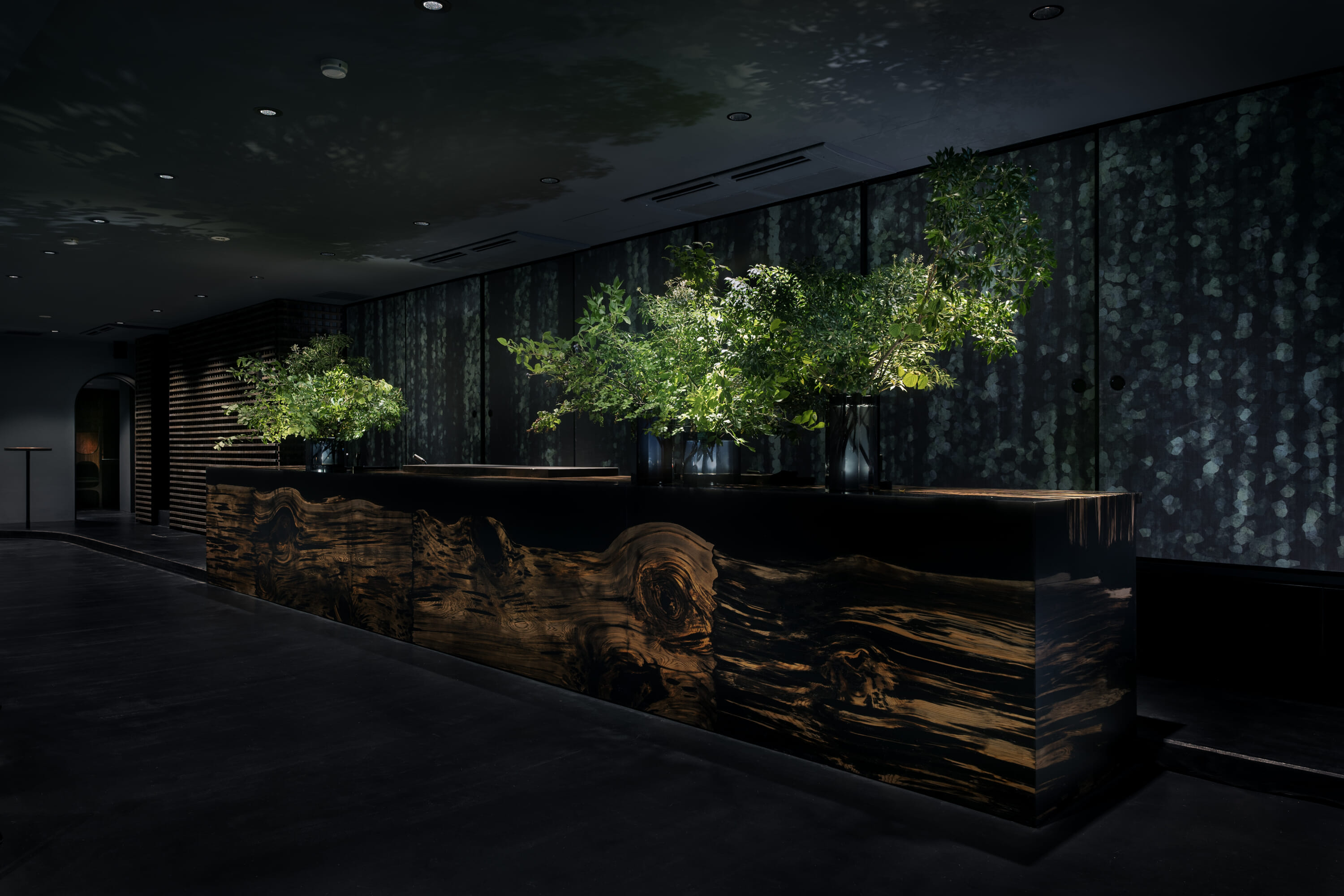
With dinner finished, we made our way to Fugetsuro for cocktails. A historic site established in 1891, it is located on the former residence of Tokugawa Yoshinobu, the 15th and last shogun of Japan. It is a stylish place to dine and drink, though we were only there for the latter at the complex’s exquisitely designed Bar Karyo.
Fugetsuro is best known for its tranquil pond-centered stroll garden. Meticulously kept with lush foliage and mature trees, it is an intimate setting that is only open to guests, creating a serene and private atmosphere. The peaceful grounds provided a perfect close to the night before heading back to the hotel.
Day Two: Morning
Shizuoka Sengen Shrine: Edo-Era Elegance
The second morning began perfectly with a soothing hot spring bath on the 14th floor of the Hotel Ole Inn. The alkaline sodium chloride water felt silky against the skin, easing every trace of tension, while the sauna added a gentle layer of warmth and calm — an ideal way to ease into the day.
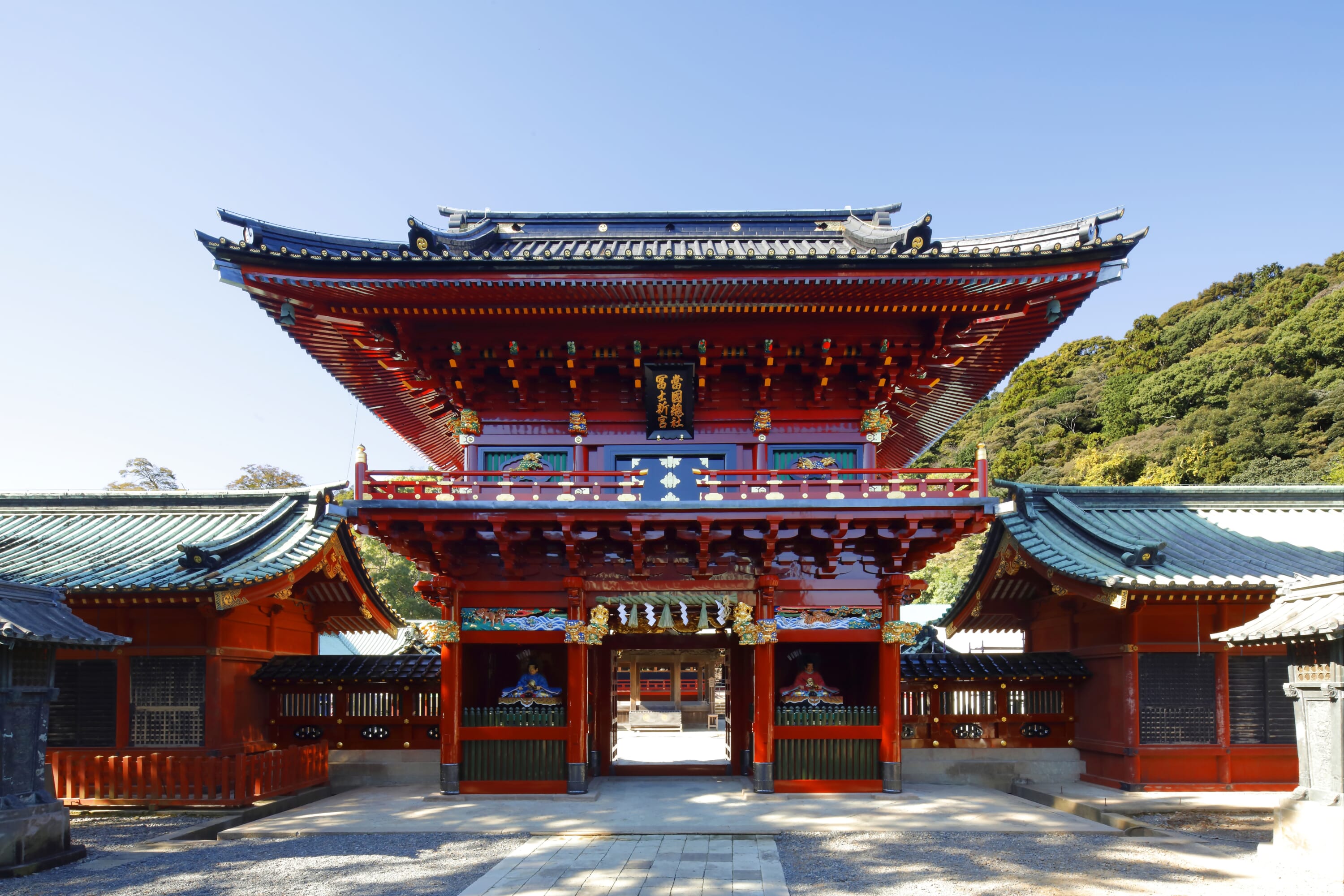
Following a breakfast buffet at the hotel, we headed to Shizuoka Sengen Shrine, a sprawling complex of three independent shrines: Kambe, Asama and Otoshimioya. Set among quiet, tree-lined grounds, the impressive-looking structures are elaborately designed, featuring bright vermilion lacquer, intricate wood carvings and gold leaf detailing that reflect the craftsmanship of the Edo period.
A Shinto priest gave us a history of the place as we strolled around in the rain. We learned about the shrine’s deep ties to Tokugawa Ieyasu, the founder of the Tokugawa shogunate, who spent much of his later life in Shizuoka. He played a key role in developing and patronizing the complex, helping shape the ornate shrine grounds that still stand today.
Leaving the rain-soaked grounds behind, we headed next for a tour of Sunpu no Kobo Takumi-shuku, a craft center where visitors can explore and experience firsthand traditional local handicrafts, such as Japanese dyeing, pottery and Suruga take sensuji. Though we didn’t try any of these activities on this occasion, it was fascinating to see artisans at work.
© West Coast Brewing
Day Two: Afternoon
Tororo and Local Brews
As well as various artisanal shops, the center of Sunpu no Kobo Takumi-shuku also houses a small brewery named Shizuoka Brewing specializing in lager-style beers, utilizing a 250-liter capacity setup. We tried Cold IPA Honeybock Shizuoka Classic, a refreshing and well-balanced drink with a crisp, clean finish, and Honey Pils Cold IPA, which offers a smooth flavor with a subtle honey note.
Our next stop was Isshouen, a charming local restaurant famed for its Shizuoka specialty, tororo — thick, sticky grated yam with a slightly sweet, earthy taste. We enjoyed a hearty meal of tororo with barley rice, miso soup and pickles, served in a traditional, rustic setting along the ancient Tokaido Road.
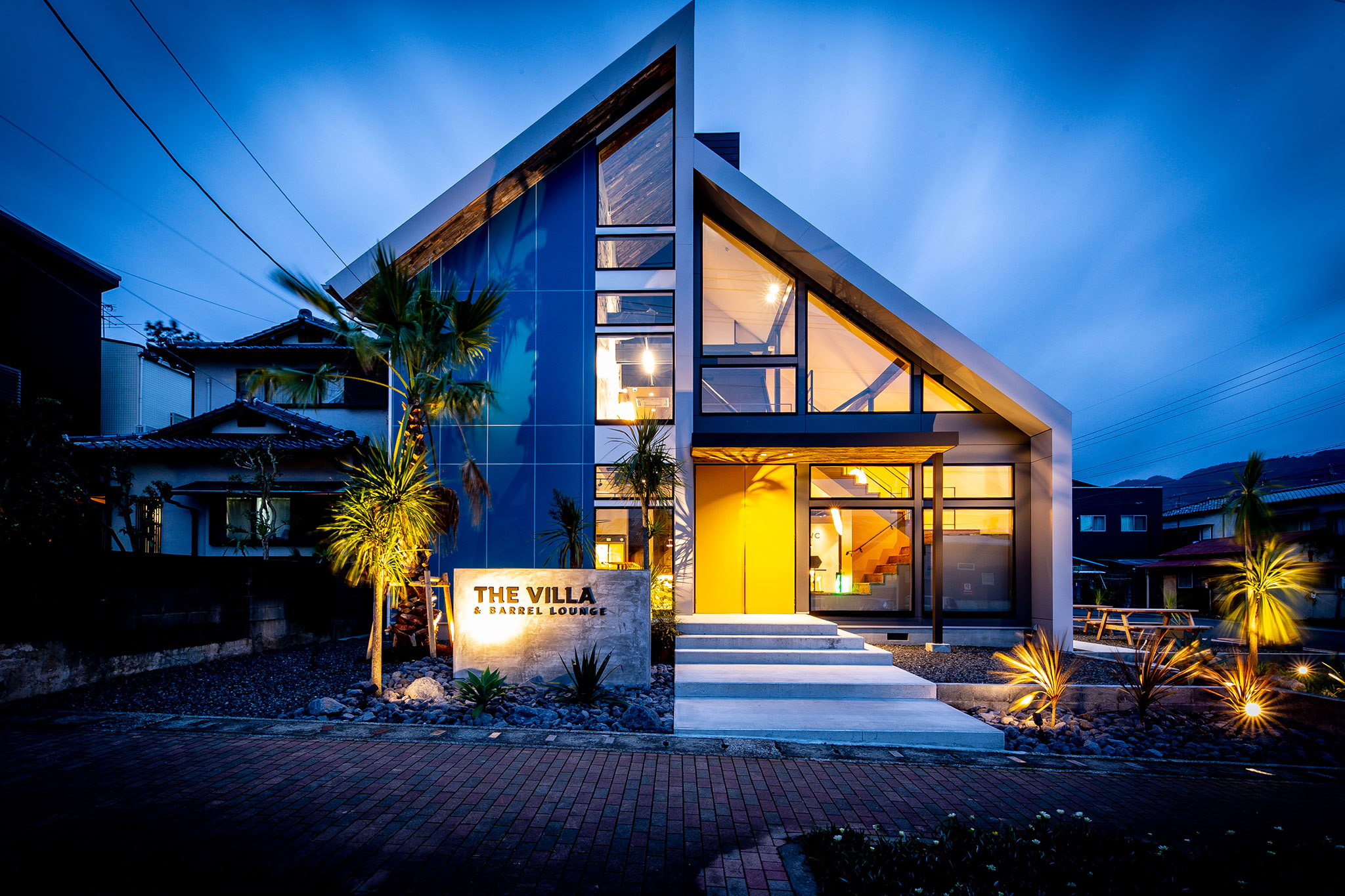
The culinary tour then took us to West Coast Brewing (WCB) in Mochimune fishing port, a local brewery celebrated for its hop-forward IPAs and hazy beers. Following a short behind-the-scenes look at the brewing process, we sampled a range of the company’s craft offerings at the Taproom on the first floor of the flagship hotel, The Villa & Barrel Lounge.
With 16 beers to choose from, we all went for a flight of four to mix things up a bit. I started light and worked my way up to the heavier, richer brews, which made the experience much more enjoyable than just sticking to the same drink the whole time.
Day Two: Evening
Oden at Umibozu: A Savory Finale
The rooms at The Villa & Barrel Lounge come with their own beer taps, letting guests pour up to 10 liters of complimentary WCB beer. Unfortunately, we weren’t staying overnight, as our Shinkansen was already booked. Before heading back to Tokyo, however, there was still time to sample some oden, another Shizuoka specialty.
Our final meal was at Umibozu, a lively izakaya near the city center that has twice taken top honors at the Shizuoka Oden Fair. Known for standout dishes like its five-hour soft-boiled egg and black hanpen, it was the perfect place to indulge. The all-you-can-eat-and-drink plan made it a fun and fitting way to end our 48 hours in Shizuoka.

-385x257.jpeg)