In this week’s news roundup, Japan prepares to face Venezuela in the WBC quarterfinal, with Yoshinobu Yamamoto and Ranger Suárez set to start on the mound. The nation pauses to remember the 2011 Great East Japan earthquake and tsunami, a somber moment marked nationwide. Tokyo stocks tumble amid broader market volatility. Prime Minister Sanae Takaichi announces plans to release stockpiled oil next Monday. Nintendo files a lawsuit against the US government. And Tokyo celebrates International Women’s Day with events highlighting gender equality.
Yamamoto and Suárez To Start WBC Quarterfinal Between Japan and Venezuela
On Thursday, Japan coach Hirokazu Ibata confirmed that Yoshinobu Yamamoto will be the starting pitcher for the team’s World Baseball Classic (WBC) quarterfinal clash with Venezuela in Miami this weekend. Win or lose, it’s expected to be his final game of the tournament. So far, the Dodgers ace has only pitched 2⅔ innings at the WBC. For the opposition, Ranger Suárez will start on the mound. He recently joined the Boston Red Sox after eight seasons with the Philadelphia Phillies.
It’s set to be a tough game for a Japan team that didn’t look entirely convincing in the group stage despite winning every game. Last Friday, Timothée Chalamet and Bad Bunny were in attendance at the Tokyo Dome to watch the defending champions open their campaign with a 13-0 mercy-rule win over Chinese Taipei. The highlight was a 368-foot grand slam by Shohei Ohtani. Japan followed that with narrow wins over South Korea and Australia. They then defeated the Czech Republic 9-0, but were held scoreless for seven innings.
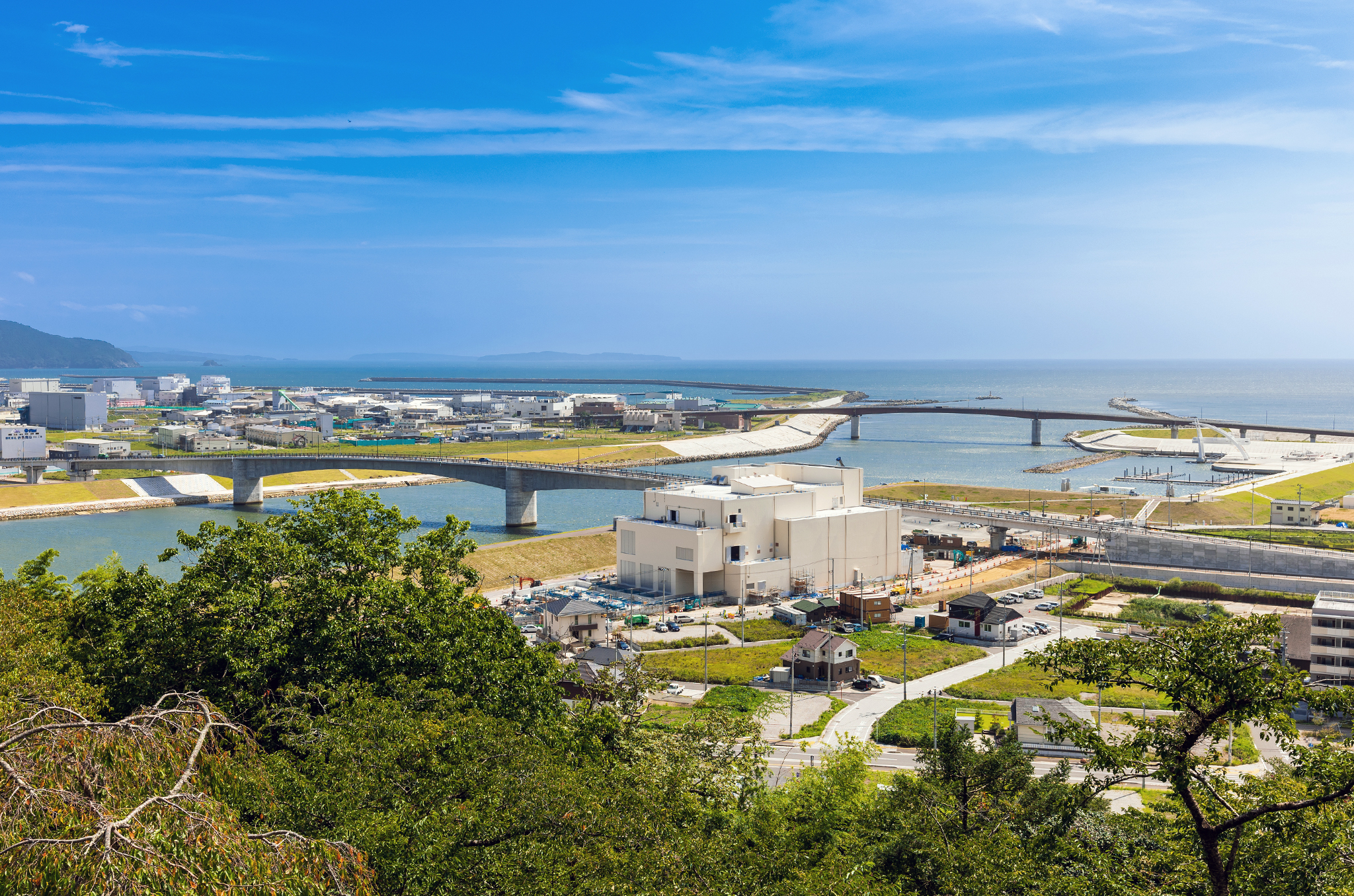
Ishinomaki city in Miyagi Prefecture, where police have carried out searches for missing persons from the 2011 Tohoku earthquake
Still Searching: Fifteen Years After the Tohoku Disaster
Wednesday marked the 15th anniversary of the 2011 Great East Japan earthquake and tsunami, a catastrophe that devastated the Tohoku Coast and reshaped countless lives. While much of the region has been rebuilt, for many families, the passage of time has brought no closure. Police and volunteers continue to sift through beaches, wooded hillsides and newly cleared land, searching for the remains of the more than 2,500 people who remain unaccounted for — including 1,213 in Miyagi Prefecture, 1,106 in Iwate Prefecture and 196 in Fukushima Prefecture.
In the days leading up to the anniversary, police in Miyagi conducted searches along the coastal waters of Ishinomaki city. They combed the sea and shoreline for clues about those who have yet to be found. In 2023, the remains of 6-year-old Natsuse Yamane were found, more than a decade after she went missing. Last October, authorities were able to formally identify her, bringing some measure of closure to her family. Her case highlights the ongoing efforts to account for the missing and the long-lasting impact of the disaster.

Tokyo Stocks Tumble as Strait of Hormuz Crisis Sends Oil Skyrocketing
Tokyo stocks plunged Monday as a surge in oil prices fueled by the escalating war in the Middle East triggered panic among global investors. The Nikkei 225 at one point dropped more than 4,200 points, or 7.5%, the second-largest intraday point fall on record, before closing at 52,728, down 2,892 points, or 5.2%. Market analysts warned that this may be only the beginning, with continued geopolitical tensions likely to prolong volatility and test investor confidence across Asian and global markets.
Japan’s vulnerability is heightened by its dependence on imports for energy and raw materials. With nearly all of its oil and natural gas sourced from abroad, the country is exposed to fluctuations in global commodity prices. The shutdown of tanker traffic through the Strait of Hormuz underscores how deeply intertwined global energy markets and geopolitical tensions have become. With major suppliers cut off and virtually no spare oil to stabilize the system, economies worldwide are feeling the reverberations from soaring fuel costs to disruptions in trade and industrial production.
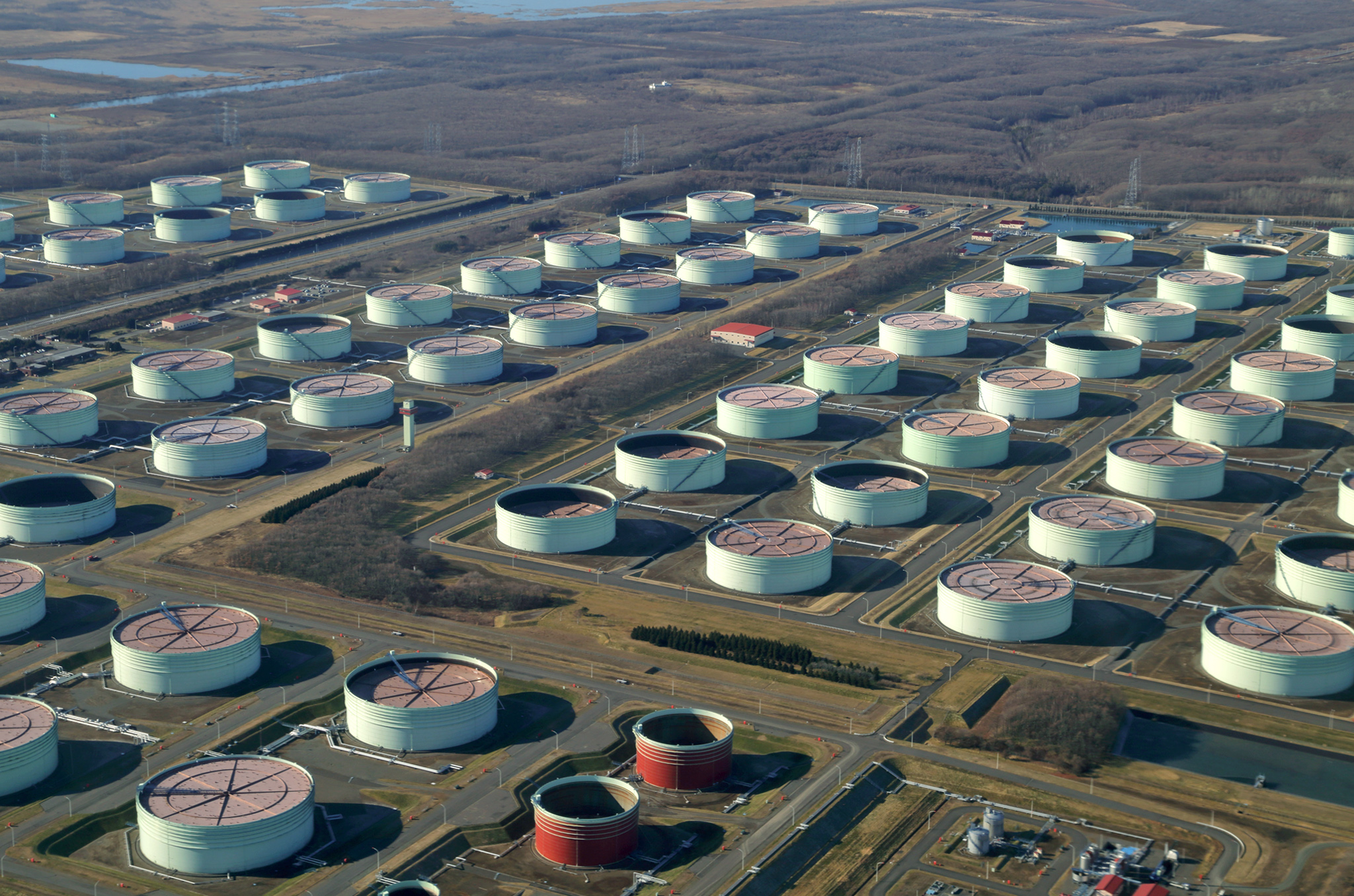
Sanae Takaichi has announced that Japan will release stockpiled oil as early as next Monday. Image: Oil reserve base in Tamakomai city, Hokkaido
Japan Taps Oil Reserves in First Solo Release Since 1978
Speaking from the prime minister’s residence on Wednesday evening, Sanae Takaichi announced that Japan will release stockpiled oil as early as next Monday. The plan is to release 15 days’ worth of privately held oil reserves, followed by 30 days of government stockpiles, totaling approximately 80 million barrels. The last time the government released oil reserves independently was in 1978, in response to global oil shocks that threatened the economy. Since then, most releases have been coordinated through the International Energy Agency (IEA), which Japan joined in 1968.
Takaichi also said that she instructed Minister of Economy, Trade and Industry Ryosei Akazawa to immediately carry out emergency measures to curb dramatic price fluctuations. She added, “In the future, should crude oil prices rise, the price of gasoline is expected to increase, but even in such a case, we will keep the retail price in check at a nationwide average of about ¥170. We have also made the decision to take similar steps with regard to diesel oil, heavy oil, kerosene, and so on.”
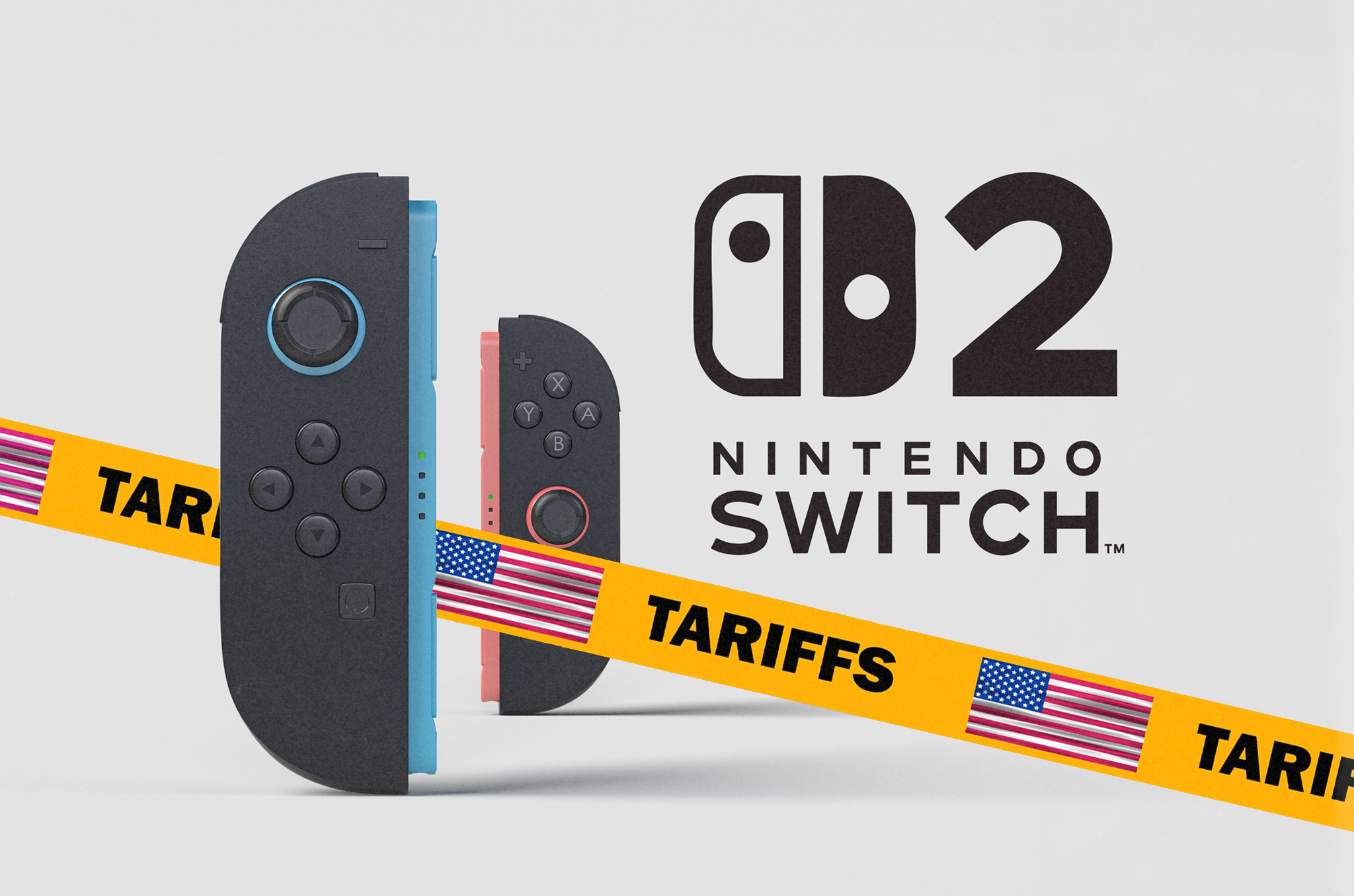
Nintendo Sues US Government for Tariff Refunds
On Friday, Nintendo of America filed a federal lawsuit against the US government. The company is seeking refunds, with interest, for tariffs it has paid since February 1, 2025. The tariffs covered imported goods including consoles and accessories. The move comes just over two weeks after the US Supreme Court struck down sweeping tariffs imposed by President Donald Trump on imports from overseas nations. In a 6–3 decision, the court ruled that he exceeded his authority under the International Emergency Economic Powers Act (IEEPA).
In its complaint, Nintendo argued that the tariffs were unlawfully collected and that companies importing goods into the United States are entitled to refunds following the Supreme Court’s ruling. The company said it had paid duties on consoles and related accessories, which could represent a substantial sum if refunds are granted. The complaint also claims the tariff regime materially harmed Nintendo’s business operations, forcing a delay to the start of preorders for the Nintendo Switch 2 in the United States.
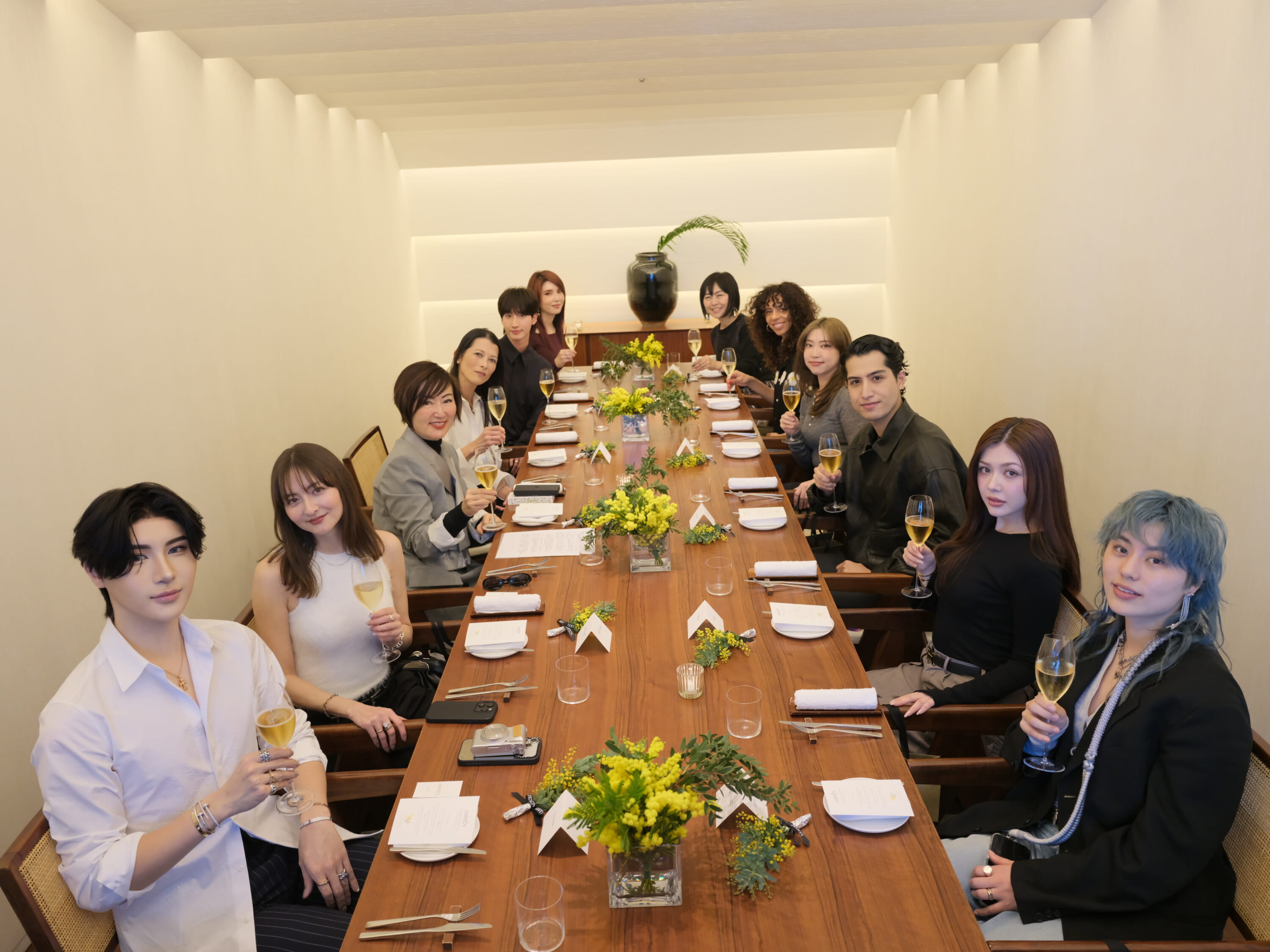
Guests at the talk session held at The Tokyo Edition, Toranomon
Tokyo Celebrates International Women’s Day
Japan observed International Women’s Day on Sunday, March 8, with several events highlighting women’s rights and gender equality. In Shibuya, activists held a march to protest discrimination, sexual violence, workplace inequality and the gender pay gap. Other celebrations included Happy Woman Festa Tokyo 2026 at the United Nations University and the Yellow Walk, which started near the Italian Embassy and ended at Tokyo Tower. Participants wore or carried yellow items to symbolize respect for women and the mimosa flower, an international symbol of the day.
A special talk session was held on Saturday at The Tokyo Edition, Toranomon, featuring several distinguished guests, including model Angela Reynolds and content creator Arisa Ueno. Under the theme of “Give to Gain,” they discussed various topics including how culture, gender, fashion and music are shaping social awareness. For the event, The Tokyo Edition, Toranomon partnered with JOICFP (Japan Organization for International Cooperation in Family Planning and Reproductive Health), a Tokyo-based international NGO established in 1968 that promotes sexual and reproductive rights and related initiatives.
Related Posts
- The Curious Case of the Shrine-Splashing Doctor
- Japan’s Demographic Crisis Deepens as Birth Rate Hits 126-Year Low
- Kaori Sakamoto Wins Silver in Women’s Figure Skating, Nakai Claims Bronze
Updated On March 13, 2026