This week’s news roundup is dominated by the Lower House election and the 2026 Winter Olympics.
Takaichi To Push for Constitutional Reform Following Landslide Election Victory
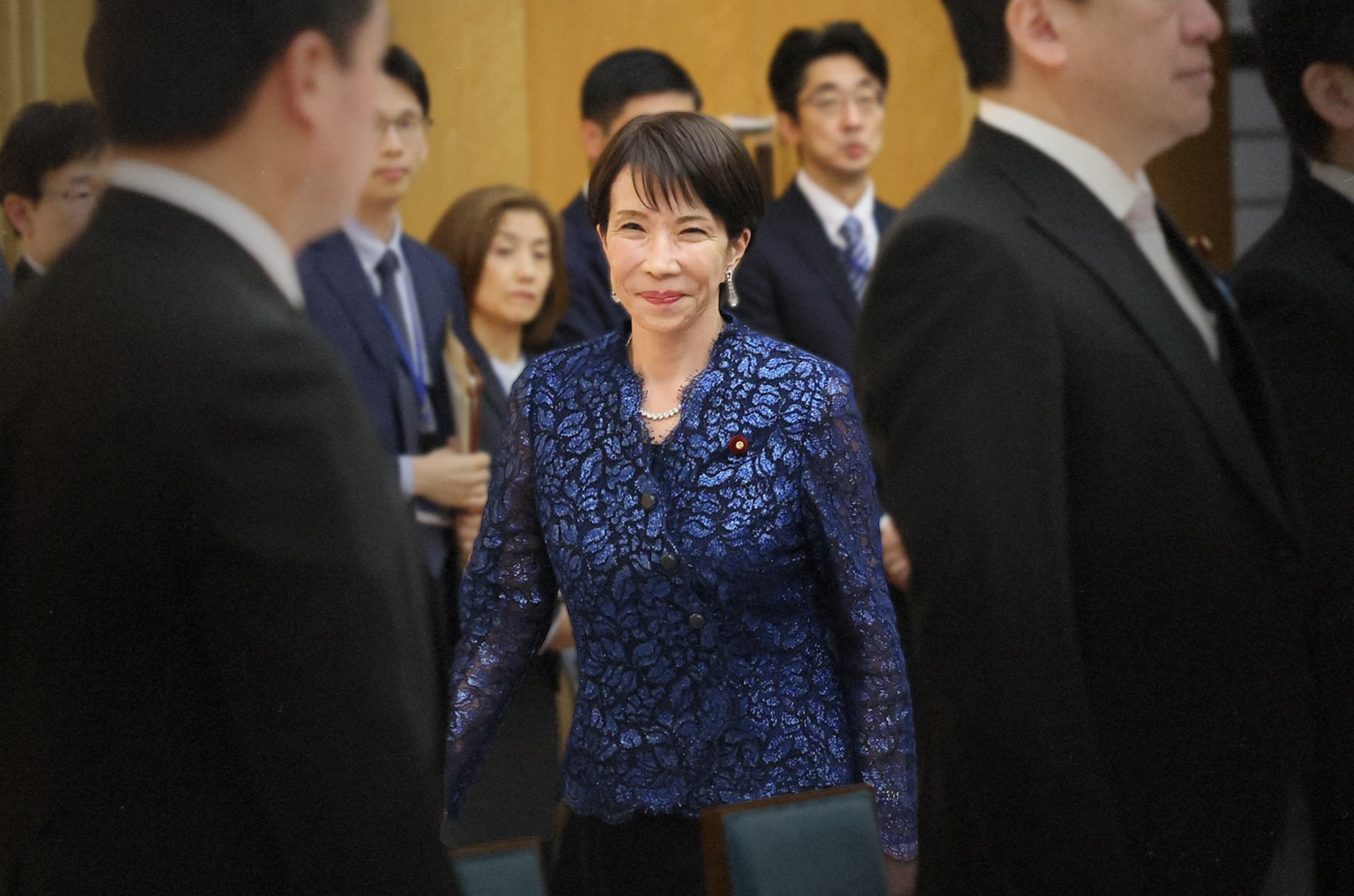
Japan’s ruling Liberal Democratic Party (LDP) won a two-thirds supermajority in the Lower House election on Sunday, significantly strengthening its grip on power. The party, led by Prime Minister Sanae Takaichi, secured 316 seats on its own, while its coalition partner, the Japan Innovation Party (JIP), added another 36. The two-thirds majority gives Takaichi significant leverage to initiate and push for constitutional reform. However, any amendment to the constitution requires approval by a two-thirds majority in both chambers — the LDP only holds 101 seats out of 248 in the Upper House — before going to a national referendum.
“The constitution expresses the ideal form of the nation,” Takaichi said at a press conference on Monday. “I’m determined to create an environment in which a national referendum on revising the constitution can be held as soon as possible.” To reach that stage, though, she will need to engage in political bargaining across party lines. If it were to pass through parliament, the next step would then be convincing the public that the charter needs changing. The prime minister believes Article 9 should be amended to eliminate ambiguities about the legal status of the Self-Defense Forces (SDF).
Congratulations Sanae Takaichi on your landmark victory in the elections to the House of Representatives!
Our Special Strategic and Global Partnership plays a vital role in enhancing…
— Narendra Modi (@narendramodi) February 8, 2026
World Leaders Congratulate Sanae Takaichi After LDP’s Supermajority Victory
US President Donald Trump posted on social media to congratulate Takaichi on the landslide election victory. He added, “She is a highly respected and very popular Leader. Sanae’s bold and wise decision to call for an Election paid off big time.” Indian Prime Minister Shri Narendra Modi also congratulated the Japanese prime minister. He added, “Our Special Strategic and Global Partnership plays a vital role in enhancing global peace, stability and prosperity. I am confident that, under your able leadership, we will continue to take the India-Japan friendship to greater heights.”
Italian Prime Minister Giorgia Meloni was one of the first world leaders to offer her congratulations. “I always carry in my eyes and in my heart the extraordinary welcome I received during my visit in January, which further strengthened the bond between our nations,” she posted on X. “Italy will continue with conviction to walk alongside Japan to jointly address global challenges, promote growth, security and stability, and make the relationship that unites us even deeper. Best wishes for good work to my dear friend Sanae and to the new Japanese Parliament.”
Images: Wikimedia
Significant Gains for Populist Party Sanseito
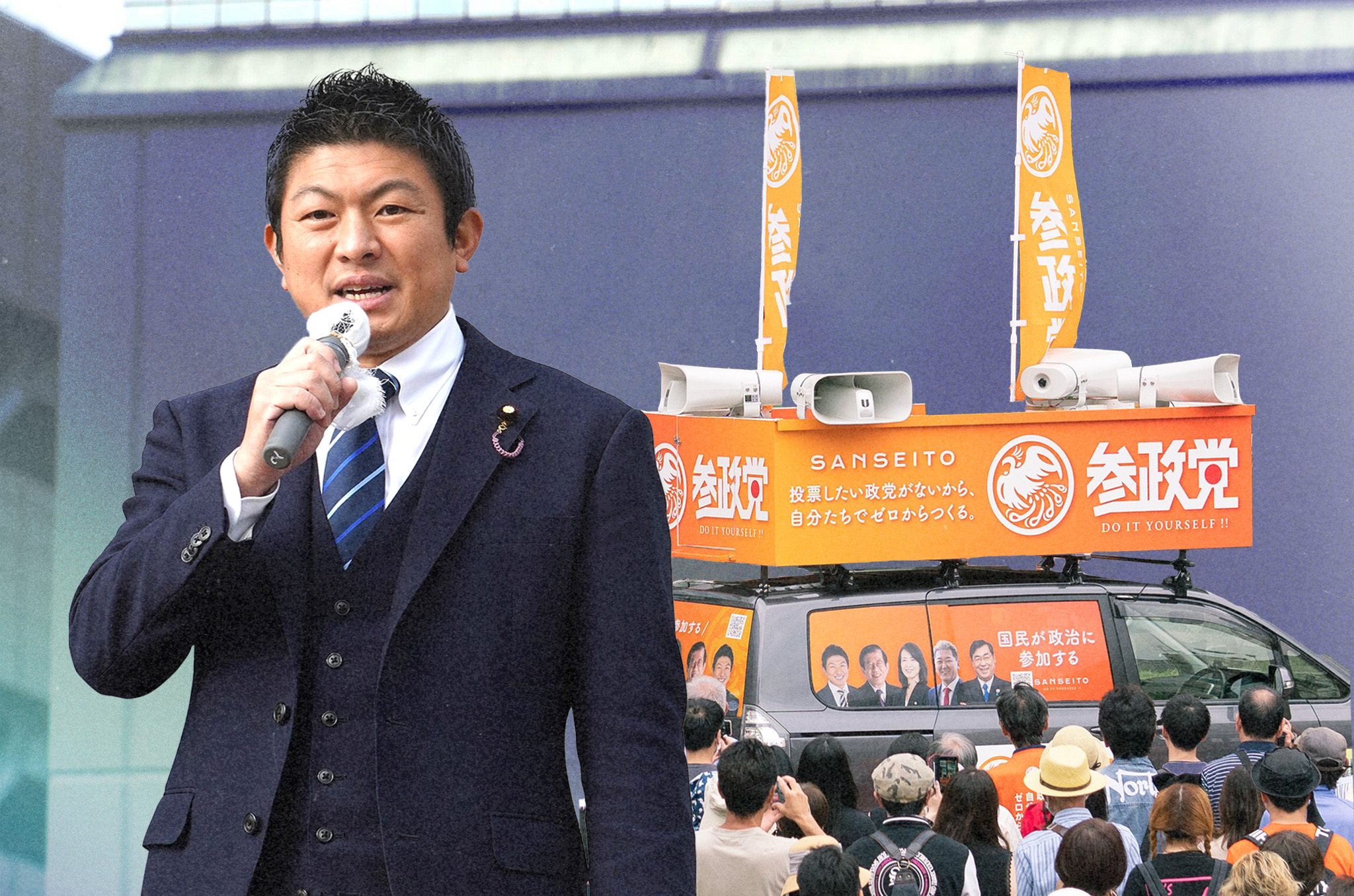
The right-wing populist party Sanseito increased its seat count from two to 15. Speaking on Sunday night, party leader Sohei Kamiya said, “We scored 75 (out of 100) points this election.” He went on to praise his party, stating, “Our organizational strength has significantly grown. We ran a good election.” Another leader who will be pleased with the election result is Takahiro Anno. An AI engineer and science fiction writer, he founded Team Mirai in May 2025. It won 11 seats. The party prioritizes lowering social security premiums over cutting the consumption tax rate.
It was a disappointing election for the opposition Central Reform Alliance (CRA), formed by the Constitutional Democratic Party of Japan (CDP) and Komeito in January. The party’s pre-election goal was to become the largest single party in the chamber. It secured just 49 seats. “This devastating defeat is a responsibility worthy of 10,000 deaths,” said co-leader Yoshihiko Noda. The former prime minister and fellow leader Tetsuo Saito are now stepping down. The party’s new head will be chosen on Friday. Contenders for the position include former Constitutional Democratic Party of Japan members Junya Ogawa and Takeshi Shina.

Image: Screengrab from Youtube via Olympics official account
Kira Kimura Wins Japan’s First Gold Medal at the 2026 Winter Olympics
Kira Kimura won Japan’s first gold medal at the 2026 Milan Cortina Winter Olympics on Saturday. He edged out compatriot and current world champion Ryoma Kimata to top the podium in the men’s big air snowboarding event. The 21-year-old Okayama Prefecture native stumbled on his second run, but delivered on his first and third, finishing with a total of 179.50, eight points ahead of Kimata. His switch backside 1980 spin on the third run was particularly impressive. Reigning Olympic champion Su Yiming from China had to settle for a bronze.
“This year I spent a huge amount of time focused on snowboarding… My family, my coach and everyone around me gave me such great support. I’m really happy that I was able to repay them with this kind of result,” said Kimura. Reflecting on his silver medal, Kimata said, “Having another Japanese rider beat me is frustrating, if I’m being honest. But at the same time, I don’t think I could have ridden any better than that. Kira was incredible.” Japan’s Taiga Hasegawa and Hiroto Ogiwara, finished 11th and 12th, respectively.

Image: Screengrab from Youtube via Olympics official account
Kokomo Murase Soars to Olympic Gold in Women’s Snowboard Big Air
Japan’s second gold of the Games was won by Kokomo Murase in the women’s snowboarding big air competition. The 21-year-old scored 179.00 points at Livigno Snow Park to top the podium ahead of New Zealand’s Zoi Sadowski-Synnott, who picked up her fourth Olympic medal. It was Murase’s second. She won a big air bronze in Beijing four years ago, becoming the youngest female medalist in Japan’s Winter Olympic history. Despite that achievement, she wasn’t satisfied. “The bronze medal made me happy at first, but frustration grew stronger as time passed,” she said.
In her first run, Murase executed a backside triple cork 1440 mute, scoring 89.75 to lead the field. South Korea’s Yu Seung-eun overtook her in the second round before Sadowski-Synnott landed a clean switch backside 1260 in the final round to top the leaderboard. In the competition’s penultimate run, Murase stomped a frontside triple cork 1440, scoring 89.25 to put her in the gold medal position. The victory was secured when Yu failed to land properly on her third run. Japan’s other finalists in the event were Momo Suzuki (6), Mari Fukada (9) and Reira Iwabuchi (11).
Bronze Medals for Horishima and Ono
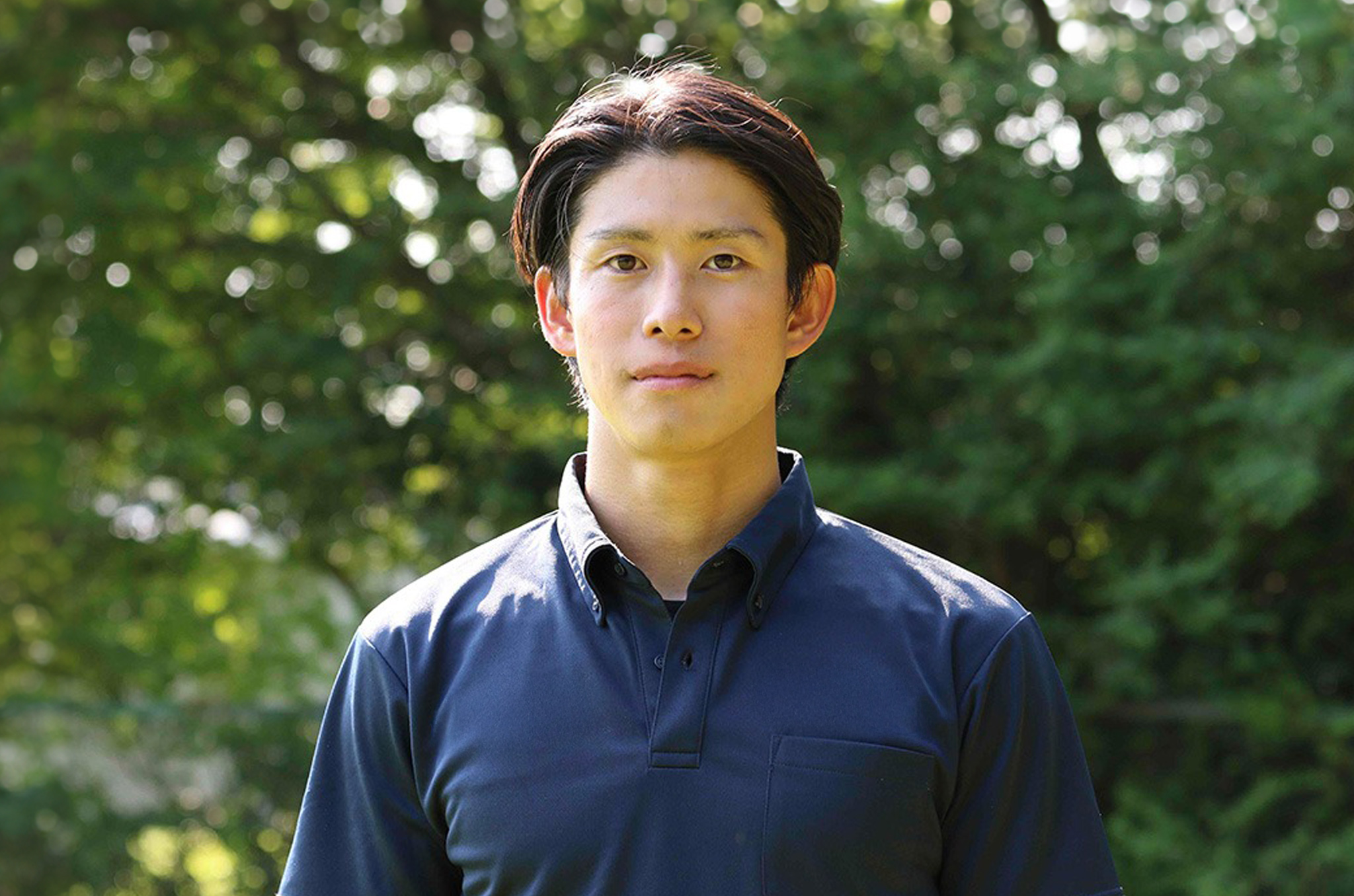
On Thursday, Ikuma Horishima won his second consecutive Olympic bronze medal in the men’s moguls competition. The 28-year-old reigning world champion finished behind Australia’s Cooper Woods and Canada’s Mikaël Kingsbury, who both logged scores of 83.71. The former took home the gold thanks to his better turns score. On the same day, Mitsuki Ono also secure a bronze for Japan in women’s snowboarding halfpipe, which was won by 17-year-old South Korean Choi Ga On ahead of Two-time Olympic champion Chloe Kim. Japan’s Sara Shimizu and Rise Kudo finished fourth and fifth respectively, while Sena Tomita placed ninth.
Japan’s first medal of the Games came in the ski jumping normal hill final on Saturday, with Nozomi Maruyama earning a bronze. Two days later, Ren Nikaido picked up the same medal in the men’s normal hill competition. The pair then helped Japan secure another bronze in the ski jumping mixed team event. In the figure skating team final, Japan had to once again settle for silver behind the US. Miho Takagi, meanwhile, claimed her eighth medal in four Games, picking up a bronze in the women’s 1,000 meters on Monday.
Related Posts
- Fujiyoshida Cherry Blossom Festival Canceled Due to Unruly Tourists
- World’s Largest Nuclear Power Plant Pauses Restart After Alarm Sounds
- Japan’s Biggest News Stories of 2025
Updated On February 13, 2026