Note: This article contains spoilers.
When Jujutsu Kaisen season 3 episode 4, “Perfect Preparation,” dropped on January 22, it immediately became one of the most talked-about anime episodes of the year — just not for the same reasons everywhere. Overseas, it was met with widespread praise, while in Japan, it ignited a wave of backlash that’s still smoldering days later.
It’s easy to see why the episode was so divisive. It deals directly with thorny topics like misogyny and abuse, and in the process delivers uncompromising catharsis, tearing down a powerful male character and placing a deeply traumatized woman at the heart of its action.
The episode was simultaneously a global hit and domestic controversy, revealing how adaptations are perceived in the ever-evolving world of modern anime.
A Ruthless Turning Point: What Happens in ‘Perfect Preparation’
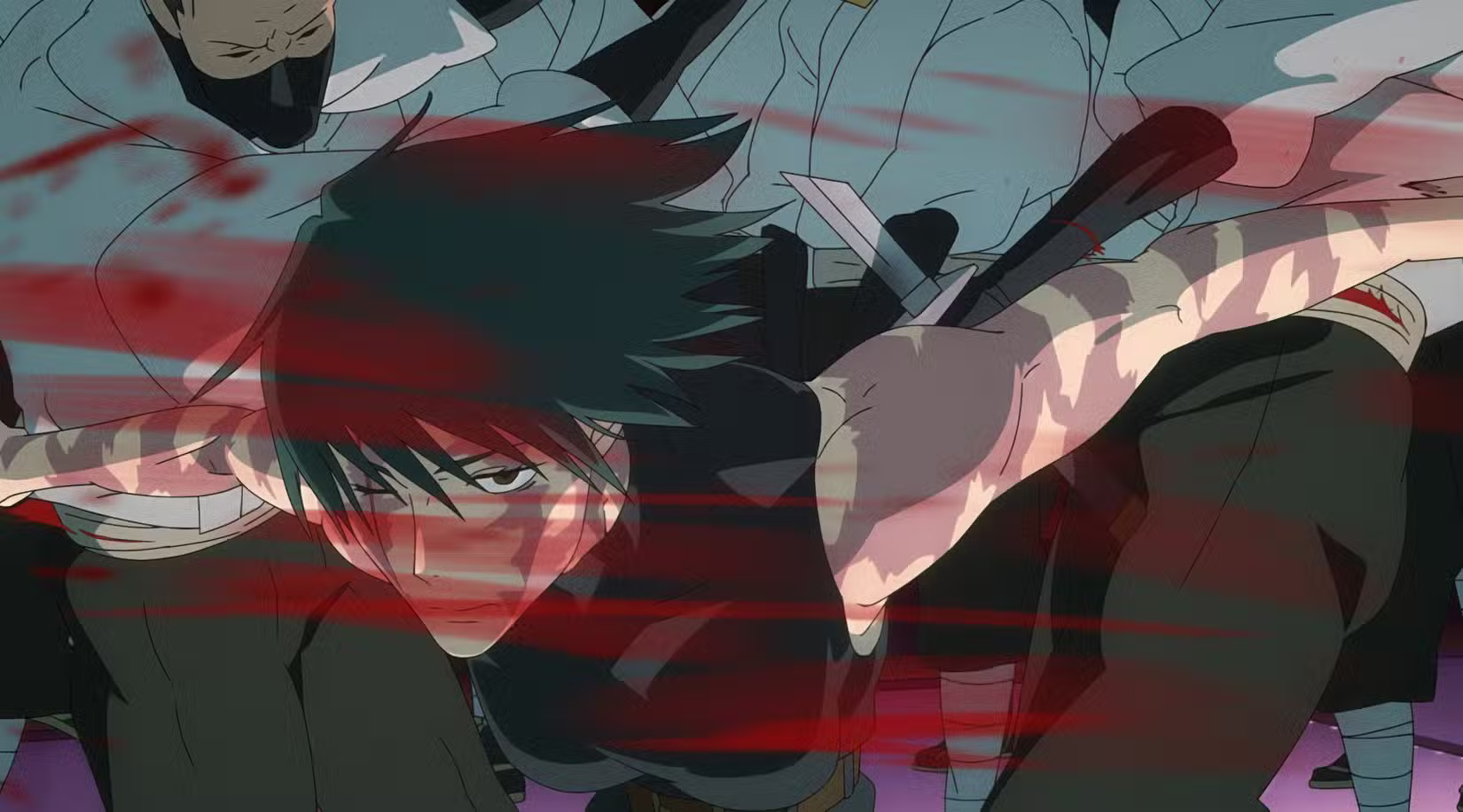
Episode 4 adapts the “Perfect Preparation” arc from chapters 148–153 of Gege Akutami’s manga, zeroing in on Maki Zenin’s long-brewing reckoning with her family, the Zenin clan. With the blessing of Megumi Fushiguro, who is now the clan’s head, Maki returns to the estate in which she was raised to retrieve cursed tools — and walks straight back into the abuse that defined her childhood.
The Zenin clan has always embodied the elitist, ugly side of the jujutsu world: rigid hierarchy, obsession with possessing cursed energy and an open contempt for women and the “defective.” Maki, born without cursed energy, has lived at the bottom of that system her entire life, alongside her twin sister Mai, who does possess cursed energy. Though the pair were close when they were young, Mai detests Maki for leaving the Zenin clan — this decision forced her to become a sorcerer, when she was happy to live a “normal” life as a woman.
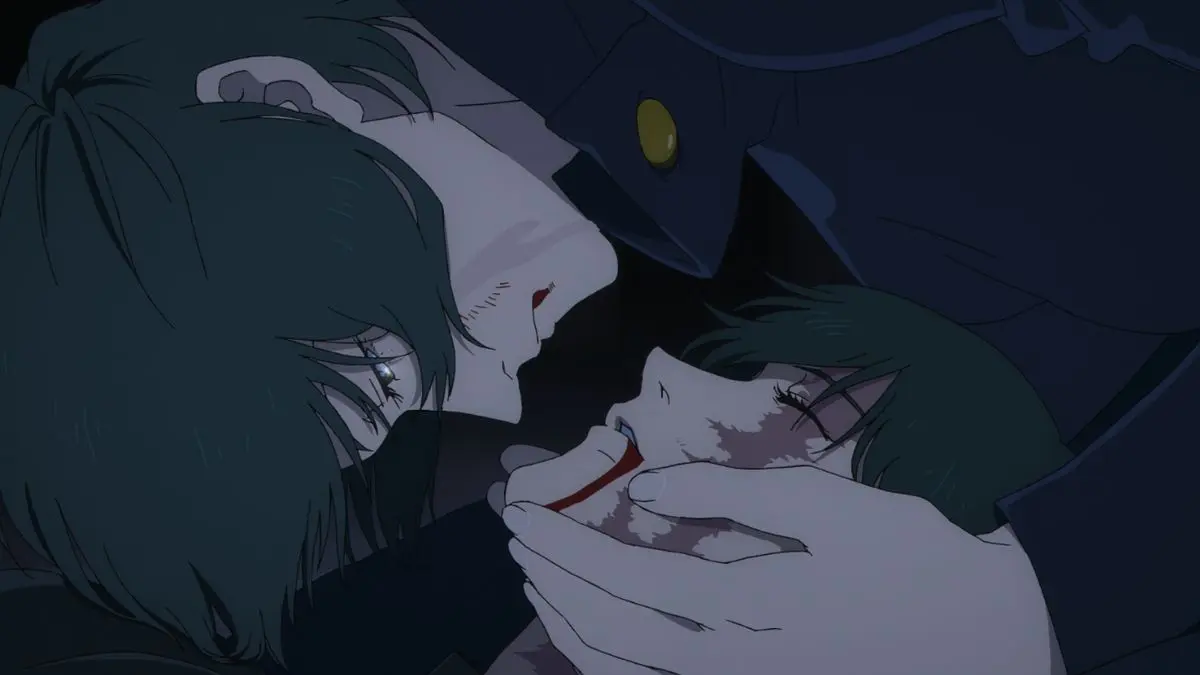
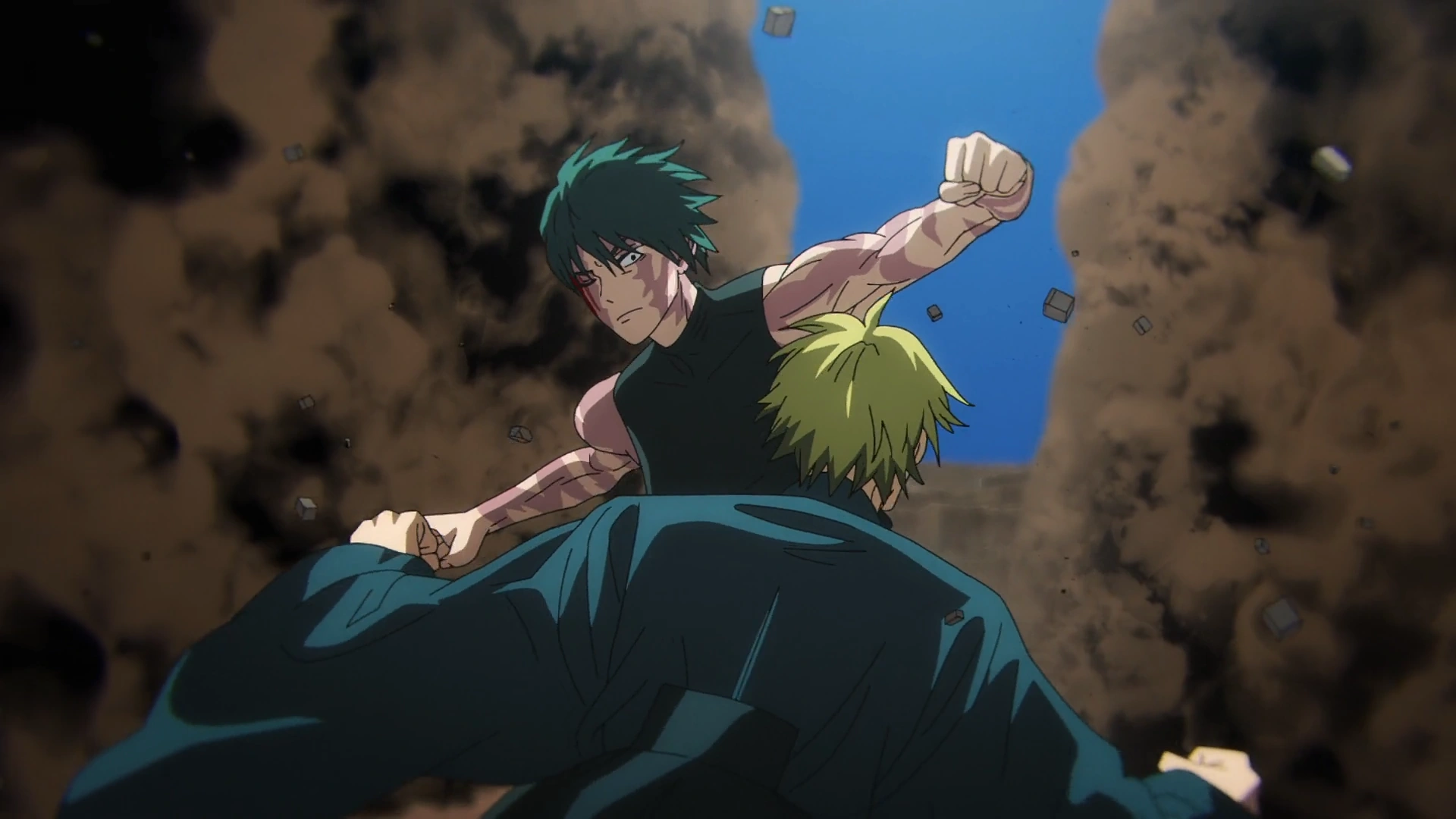
During the episode, the cursed sword that Maki retrieves doesn’t work as planned, and both she and her sister are ambushed, with their father waiting to kill them. Just as they’re both on the brink of death, Mai sacrifices herself, which unlocks the full extent of Maki’s powers. Promising Mai that she will “destroy everything,” Maki tears through the Zenin clan in a blood-soaked purge. The episode ends with Naoya Zenin — the notoriously arrogant soon-to-be head of the clan — getting his skull crushed into the ground and later stabbed in the back by Maki’s mother, bringing the clan’s cruelty to an abrupt and symbolic end at the hands of two women.
Overseas Viewers Hail It a Masterpiece
Internationally, the response was electric. According to Forbes, “Perfect Preparation” debuted with a staggering 9.8/10 rating on IMDb, making it the highest-rated episode in Jujutsu Kaisen’s history and tying it for the second-highest-rated anime episode of all time on the platform.
Critics praised animation studio MAPPA’s inventive visual language, extended runtime and willingness to embrace stylistic risks — including stark color shifts, long stretches of near-silent violence and overt cinematic homages. Polygon called it the series’ “most cathartic” episode to date, highlighting how the animation amplifies the emotional rupture already present in the manga.
For many overseas fans, the appeal was clear: a woman who has endured systemic abuse finally destroys the structure that sought to crush her, without being framed as monstrous for doing so. Maki isn’t redeemed or softened, but survives and ends the cycle.
So Why Did Japan Hate It?
In Japan, the conversation took a very different turn. On online forums like Yahoo! Chiebukuro and personal anime blogs, criticism poured in almost immediately. The most common refrain was familiar: the episode was “too different from the manga.”
Complaints zeroed in on directorial choices — experimental framing, stylized violence, altered pacing, conspicuous musical cues. Many fans argued that the anime overreached, prioritizing “artsy” flair over fidelity to the author’s vision. Others accused the director of self-indulgence, claiming the emotional weight of key scenes was diluted by excessive visual ambition.
But it’s hard to ignore what else sits beneath the outrage.
Naoya Zenin ranked fifth in the official Jujutsu Kaisen popularity poll published in Weekly Shonen Jump’s 39th 2024 issue, receiving 11,731 votes — far above Maki, who placed thirteenth with 1,625 votes. He was, by any metric, a fan favorite. And episode 4 doesn’t just defeat him; it humiliates him and discards him without reverence.
For a portion of the audience, that loss clearly stung.
Add to that the episode’s unflinching portrayal of misogyny and its refusal to aestheticize or excuse it. The Zenin clan’s cruelty toward women is foundational to the story, and the anime makes that impossible to look away from.
None of this is to say the criticism is illegitimate. Adaptation debates are as old as anime itself, and many Japanese fans genuinely value restraint and tonal consistency. But when an episode that centers female rage, trauma and autonomy is dismissed as “unpleasant,” “excessive,” or “ruined by direction,” it raises questions about what kinds of stories are allowed to feel satisfying — and for whom.
There’s also a broader industry context worth noting. Modern anime is no longer made solely with domestic audiences in mind. Global streaming platforms and international fanbases increasingly shape production decisions. Episode 4 feels keenly aware of that reality: It’s both confrontational and legible across cultural lines in its themes of abuse and power.
That awareness may thrill some viewers — and alienate others.
What “Perfect Preparation” ultimately reveals isn’t just the difference between manga and anime, or Japan and the rest of the world. It exposes a deeper tension over what Jujutsu Kaisen is willing to say, and how loudly it’s willing to say it.
And judging by the reaction, maybe not everyone was ready to hear it.
Related Posts
- The Real Ryomen Sukuna: The History Behind Jujutsu Kaisen’s King of Curses
- What It’s Like To Be a Foreign Manga Artist Working in Japan
- Demon Slayer Film Makes History With Golden Globe Nomination
Updated On January 27, 2026