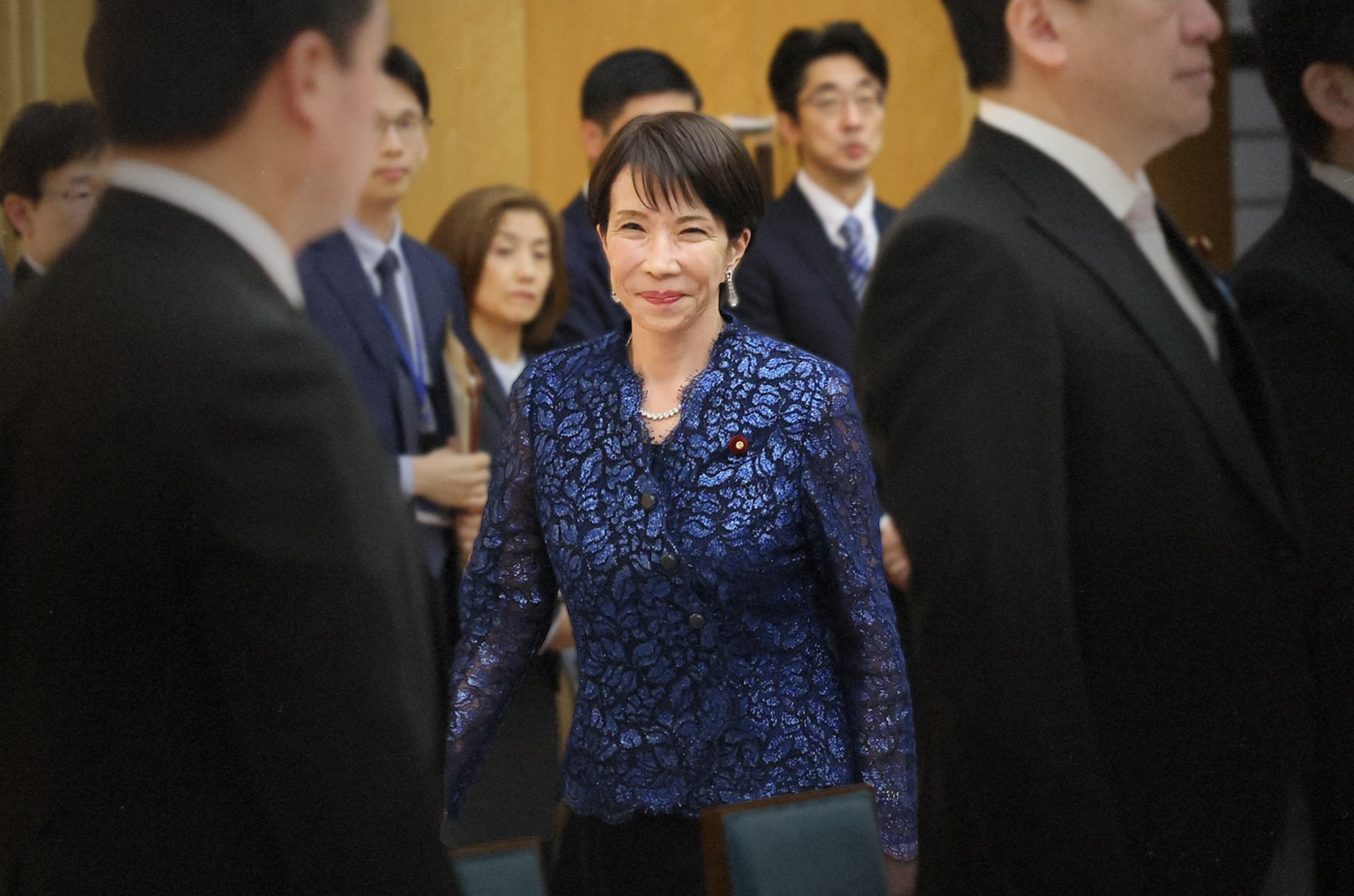
On Monday, the day before campaigning began for next month’s Lower House election, party leaders gathered for a debate at the Japan National Press Club in Tokyo. During the discussion, Prime Minister Sanae Takaichi repeated her vow to step down as leader if the ruling bloc suffers a defeat. Pressed on what she meant by “defeat,” Takaichi replied, “Well, if the Liberal Democratic Party and the Japan Innovation Party are unable to secure a majority, I’ll resign immediately. So, I’m going to grit my teeth and get to work.”
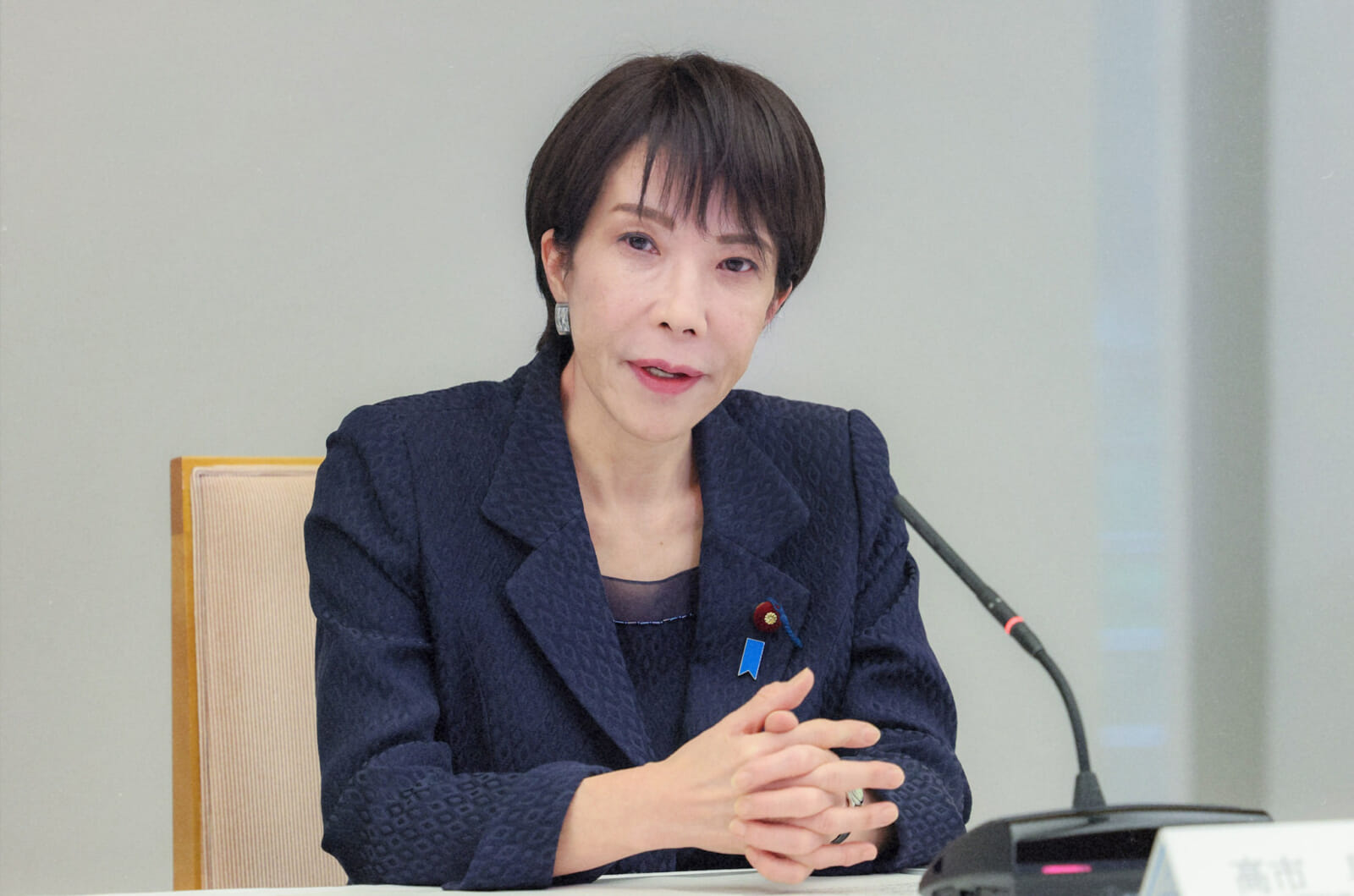
Image: Wikimedia
Approval Ratings for the Takaichi Cabinet Drop Ahead of Election
Takaichi, the nation’s first female leader, is hoping to capitalize on the high approval ratings she’s enjoyed since taking office. However, her sky-high numbers are starting to slip according to recent polls. On Monday, the Nikkei newspaper released the results of its latest survey, showing that support for her Cabinet was at 67%, an 8% drop from the previous month. In the Kyodo vote, it was down five points to 63%. The approval rating for Takaichi’s Cabinet in a Mainichi poll, meanwhile, fell below 60% for the first time.
Regarding Takaichi’s decision to call a snap election, 41% of respondents in the Mainichi survey said they “disapprove of” it. Just 27% of respondents answered that they approved of it, while 31% replied that they were “not sure.” During Monday’s debate, Centrist Reform Alliance (CRA) co-leader Yoshihiko Noda argued that the snap election will lead to delays in the implementation of anti-inflation measures. “This dissolution was decided after sufficient economic measures had been identified,” replied Takaichi. “The government is working very hard to implement them.”
The Food Consumption Tax Debate
One of the biggest issues ahead of the Lower House election regards consumption tax. Among the Liberal Democratic Party (LDP) pledges is a commitment to accelerate discussions on reducing the consumption tax rate from 8% to zero for food items for two years, which Takaichi describes as an “interim measure.” She did not, though, elaborate on how the lost revenue would be made up when the food tax is suspended. The CRA has vowed to do the same, but make the move permanent. To offset the lost revenue, it has proposed establishing a government-backed fund.
The only party leader opposed to reducing the consumption tax rate on food to zero is Yuichiro Tamaki of the Democratic Party for the People (DPP). He believes it’s not feasible, at least not starting in the next fiscal year. His party has pledged to reduce the rate to 5% until sustainable positive real wage growth is achieved. “Introducing a zero consumption tax on groceries would impose a significant burden on restaurants and farmers,” posted Tamaki on X. “It would likely lead to struggling businesses facing cash flow issues and a decline in restaurant customers.”
Related Posts
- LDP-Led Coalition Lose Upper House Majority, Ishiba Vows To Continue as Prime Minister
- Sanseito Explained: The Alarming Rise of Japan’s Far-Right Movement
- Why Japanese Leftists Are Using Melonpan to Mock Sanseito
Updated On January 27, 2026