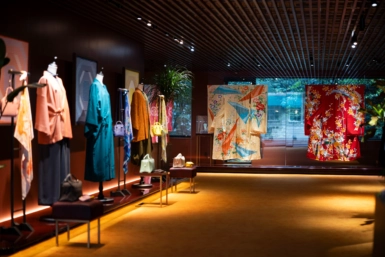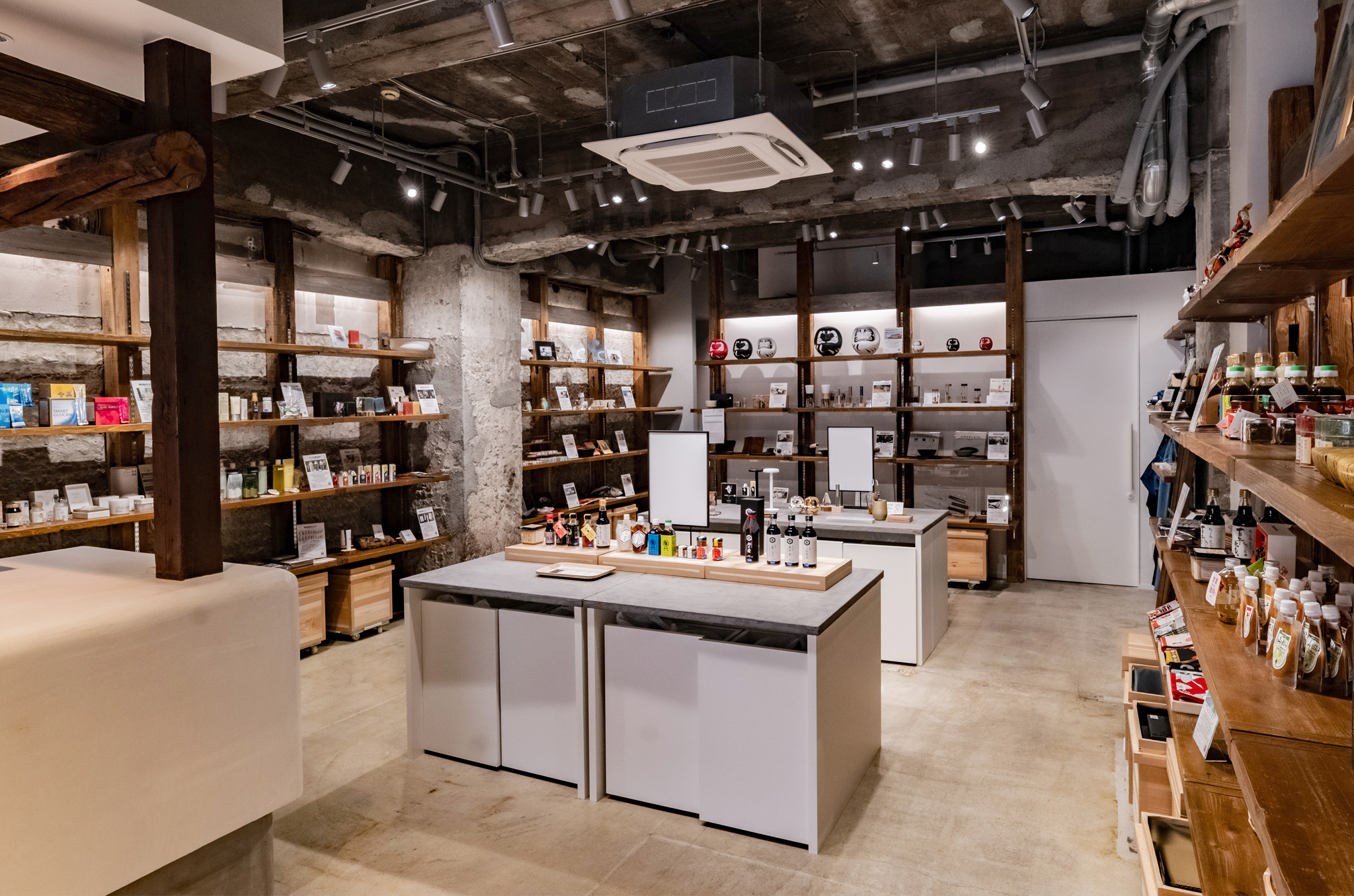
In Asakusa, Engawa Asakusa brings together some of the most beautiful things made in Japan today — the kind of design that feels timeless, tactile and quietly extraordinary. Curated in collaboration with Tokyo Weekender, the shop features over 400 products from across the country, from small-batch sweets and sake-infused skincare to hand-forged knives, Arita porcelain and Kyoto textiles. Every item here has a sense of intention — something you’ll want to touch, use and live with.
Here are some of the award-winning Japanese items you’ll find in-store.
Japanese Food and Confections
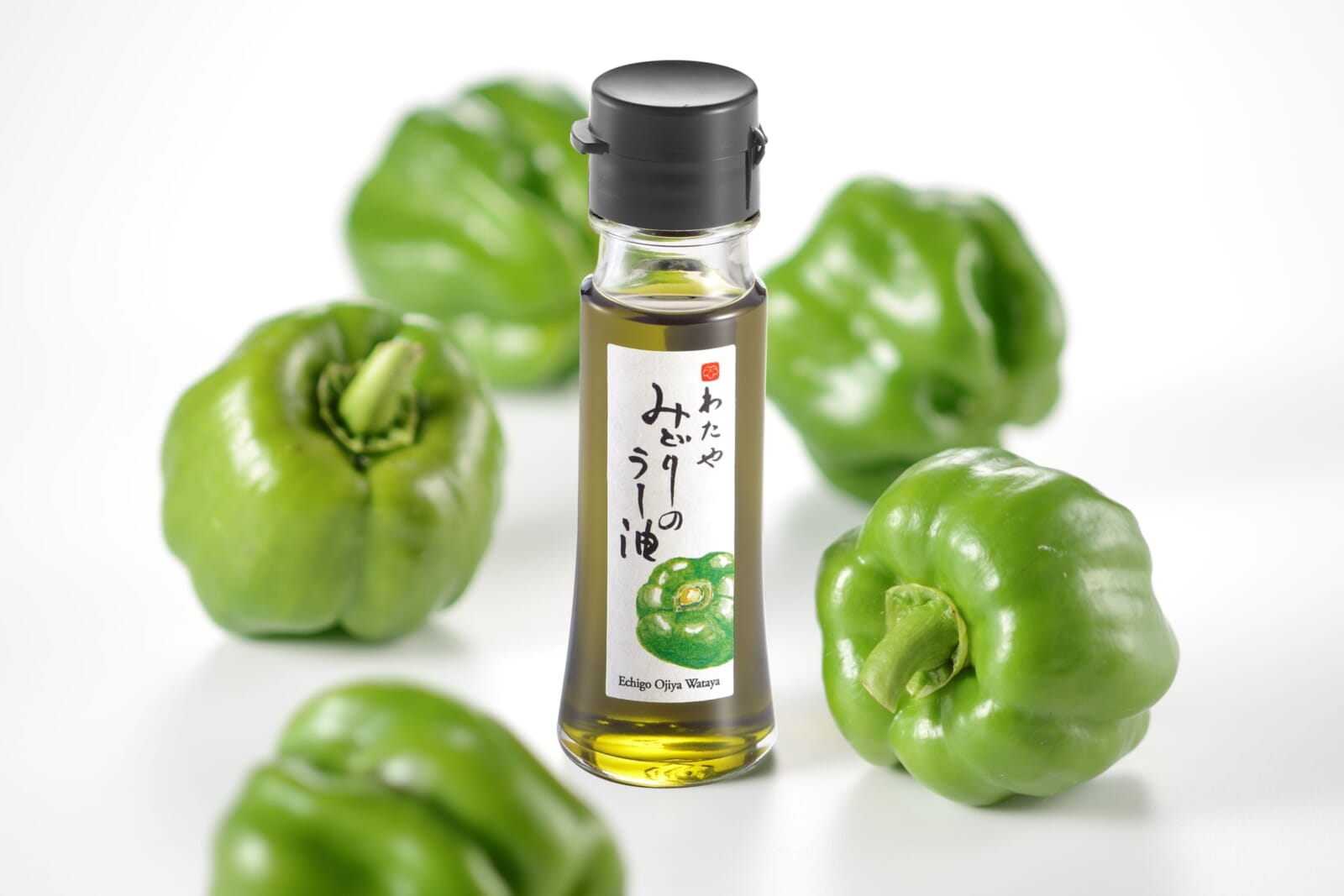
Green chili oil: A vibrant green chili oil made peppers from Niigata
This vibrant green chili oil is made with Kagura Namban, a large, distinctive green chili pepper grown in Ojiya, Niigata Prefecture. It has a fresh, slightly delayed heat that adds flavor without overpowering a dish, while its striking green color brings a splash of color to the plate. The spiciest part of the pepper is removed during production, making the oil mild enough for even those who are not used to spicy food.
Wataya developed the product as part of an effort to support Ojiya’s agricultural recovery following the 2004 Chuetsu Earthquake. The company worked with farmers in Shiodani, an area badly affected by the disaster, to source locally grown Kagura Namban and turn the pepper into a new regional specialty.
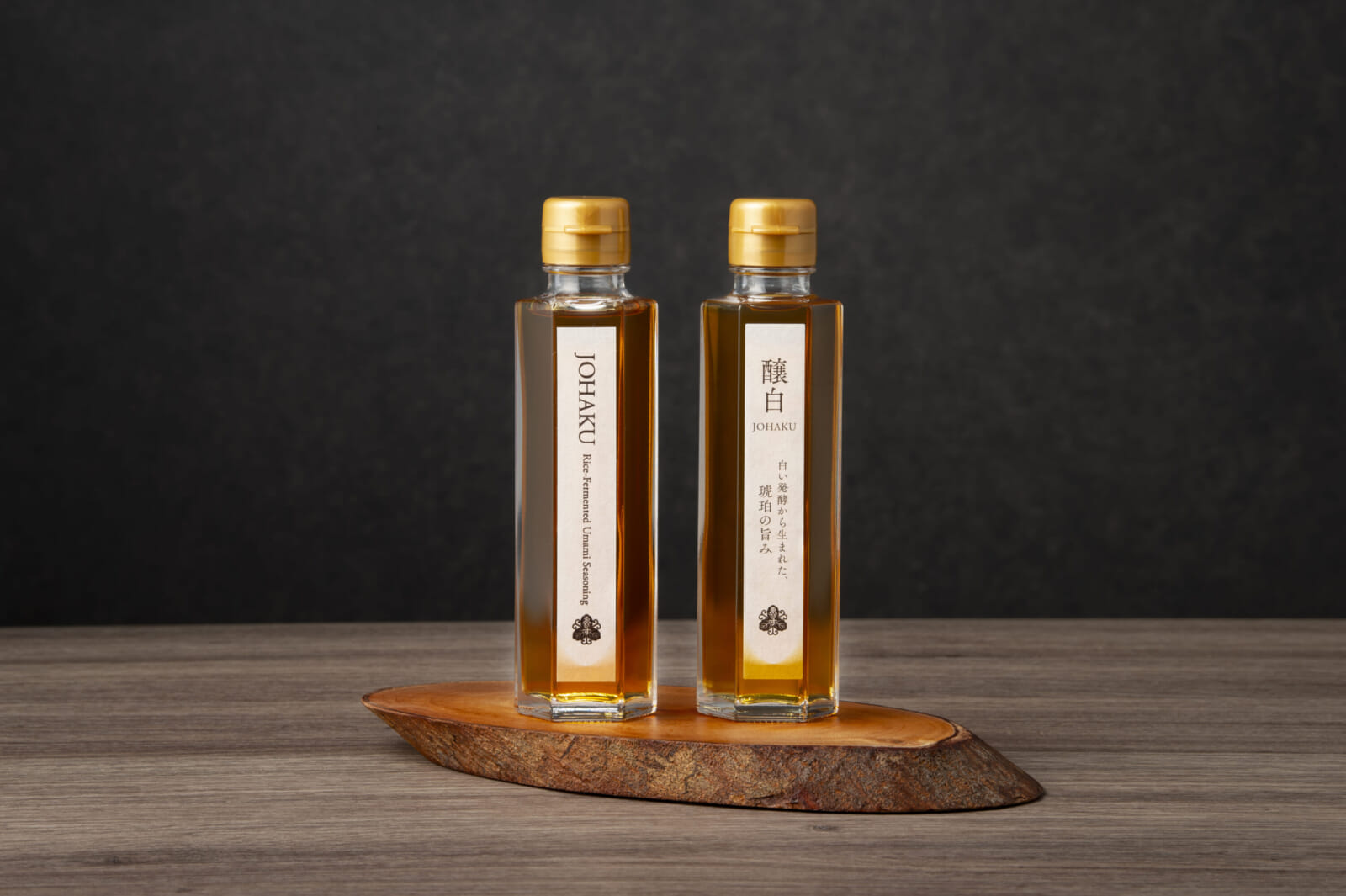
Johaku: A Japanese seasoning made from fermented sake lees and rice koji
Johaku is made by fermenting sake lees with rice koji, creating a versatile seasoning that can be used in several ways. Marinate meat for one to two hours before cooking to soften the texture and bring out its natural flavor, or use it to cure fish for sashimi with a deeper umami flavor. It can also replace vinegar in sushi rice, bringing out the rice’s natural sweetness and richness.
Made with just sake lees, rice koji, salt and water, Johaku contains no additives and is naturally gluten-free and vegan. The product was created through a collaboration between a historic sake brewery and soy sauce brewery in Fukuoka, giving new life to sake lees while showcasing the possibilities of Japanese fermentation.
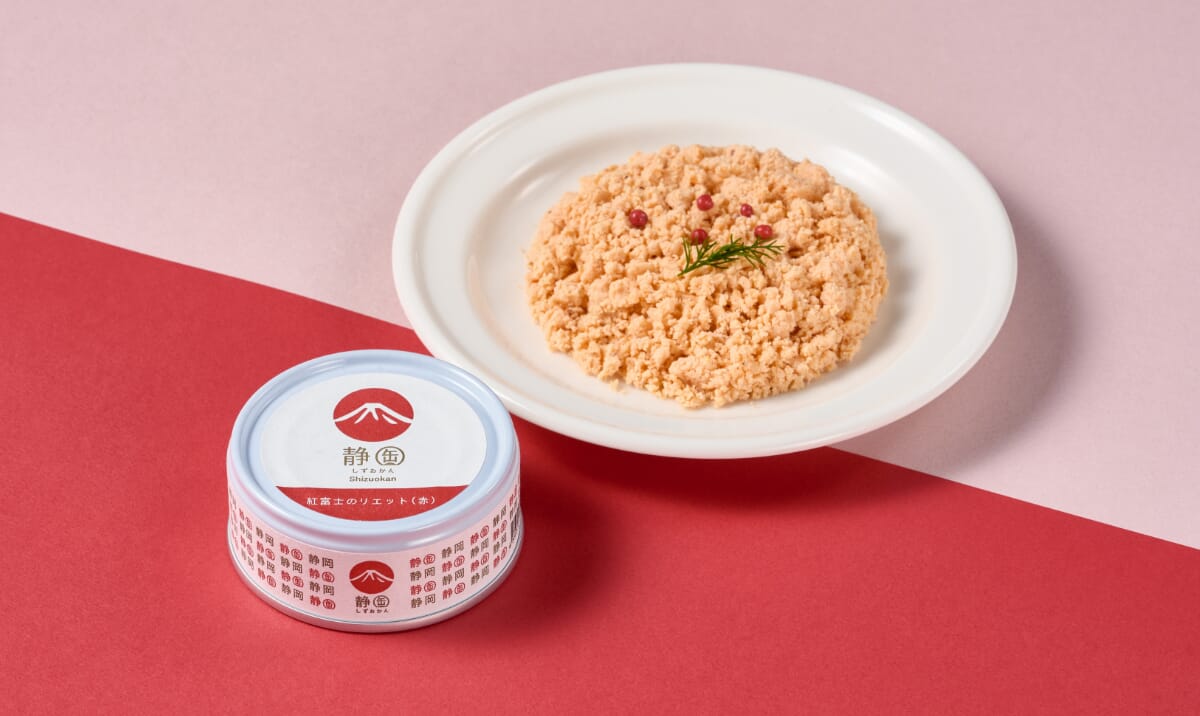
Benifuji rainbow trout rillettes: A rich, spreadable trout pâté made with premium Benifuji rainbow trout raised in the spring waters of Mount Fuji
This savory spread by the craft canned brand Shizuokan puts a Japanese twist on the classic French-style pâté. The delicate but rich flavor of Benifuji rainbow trout works beautifully on bread or crackers, making it an easy appetizer to serve with wine or other drinks.
Made by hand in a small facility in Kakegawa, Shizuoka, each can is designed to be enjoyed as a finished dish rather than simply stored as emergency food. It can be kept at room temperature, while Mount Fuji-themed packaging makes it a particularly appealing Japanese gift or souvenir.
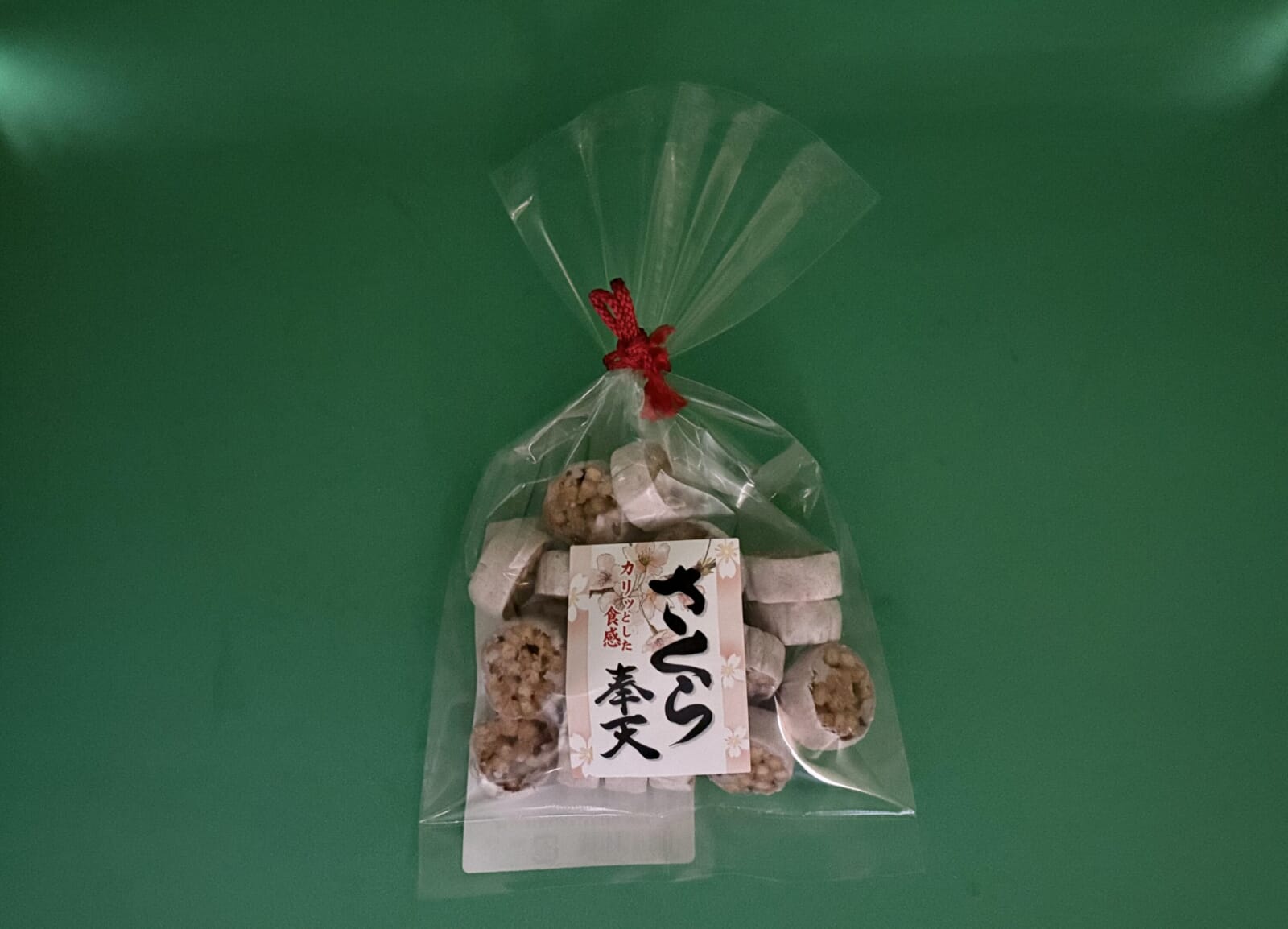
Sakura Houten: Traditional Japanese spring confections
Founded in 1955, the confectionery Maruei Seika is one of Japan’s last remaining specialists in houten — a traditional confection that few makers still produce. Their Sakura Houten captures the spirit of spring in a single bite: crisp on the outside, featherlight within, and delicately flavored with cherry blossom.
Its soft pink color is as charming as the taste, which is refined and gently sweet. It pairs equally well with matcha, sencha or coffee, and makes a beautiful, seasonally evocative souvenir.
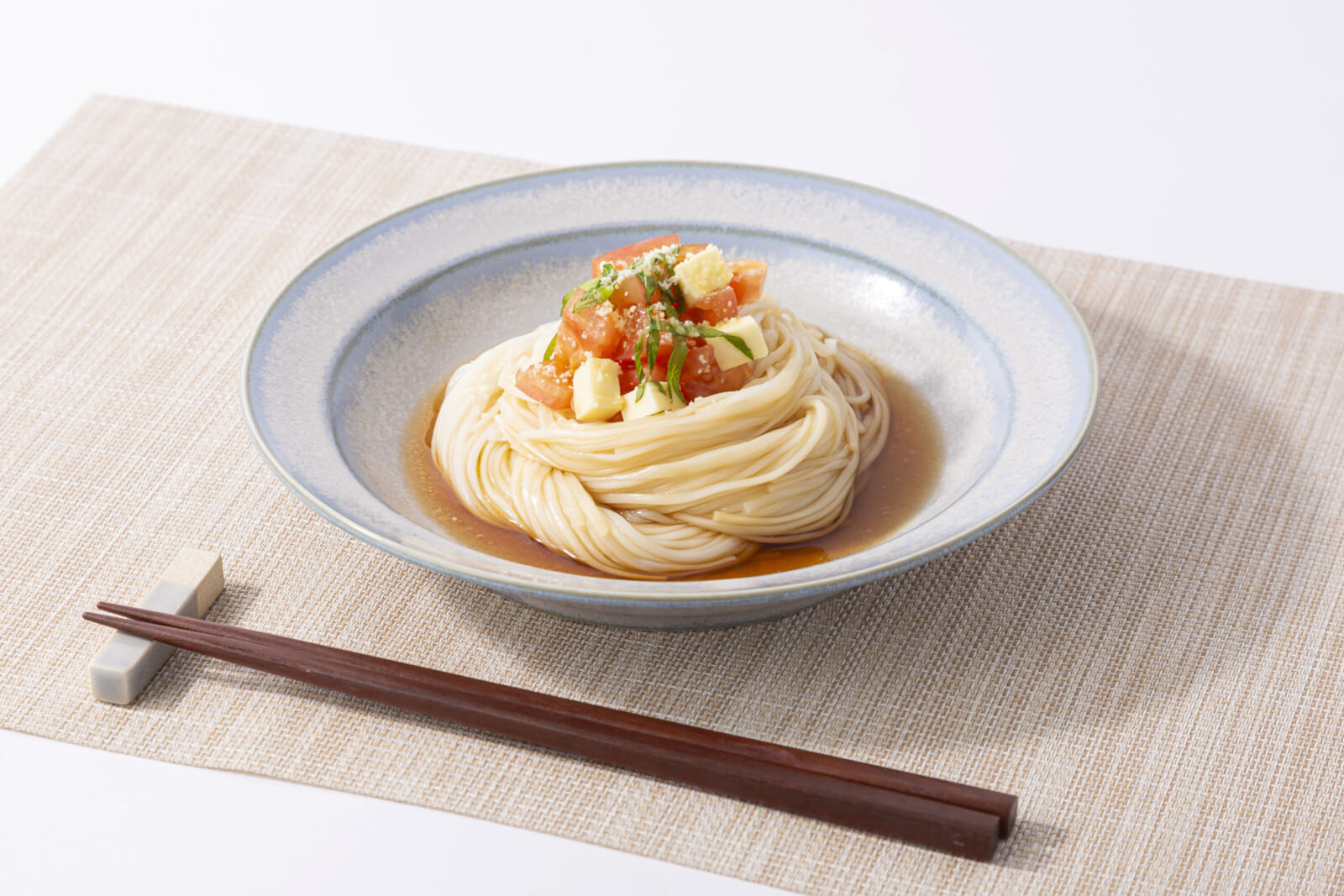
Tenobe Hannama Naga Soumen: Hand-stretched somen noodles from Aichi
Rooted in a tradition said to date back to the Edo-period Tenmei Famine, these hand-stretched somen noodles from Anjo city’s Tatsumimenten are a testament to the art of slow craft. Each strand is repeatedly rested and stretched to extraordinary lengths — over 200 meters before cutting — creating a complex gluten structure that machines simply cannot replicate.
The result is a noodle with exceptional firmness, elasticity and a silky, smooth surface that seems to dance in the mouth. Awarded a three-star rating by Europe’s most prestigious international taste institute, they make a beautifully packaged, genuinely extraordinary souvenir.
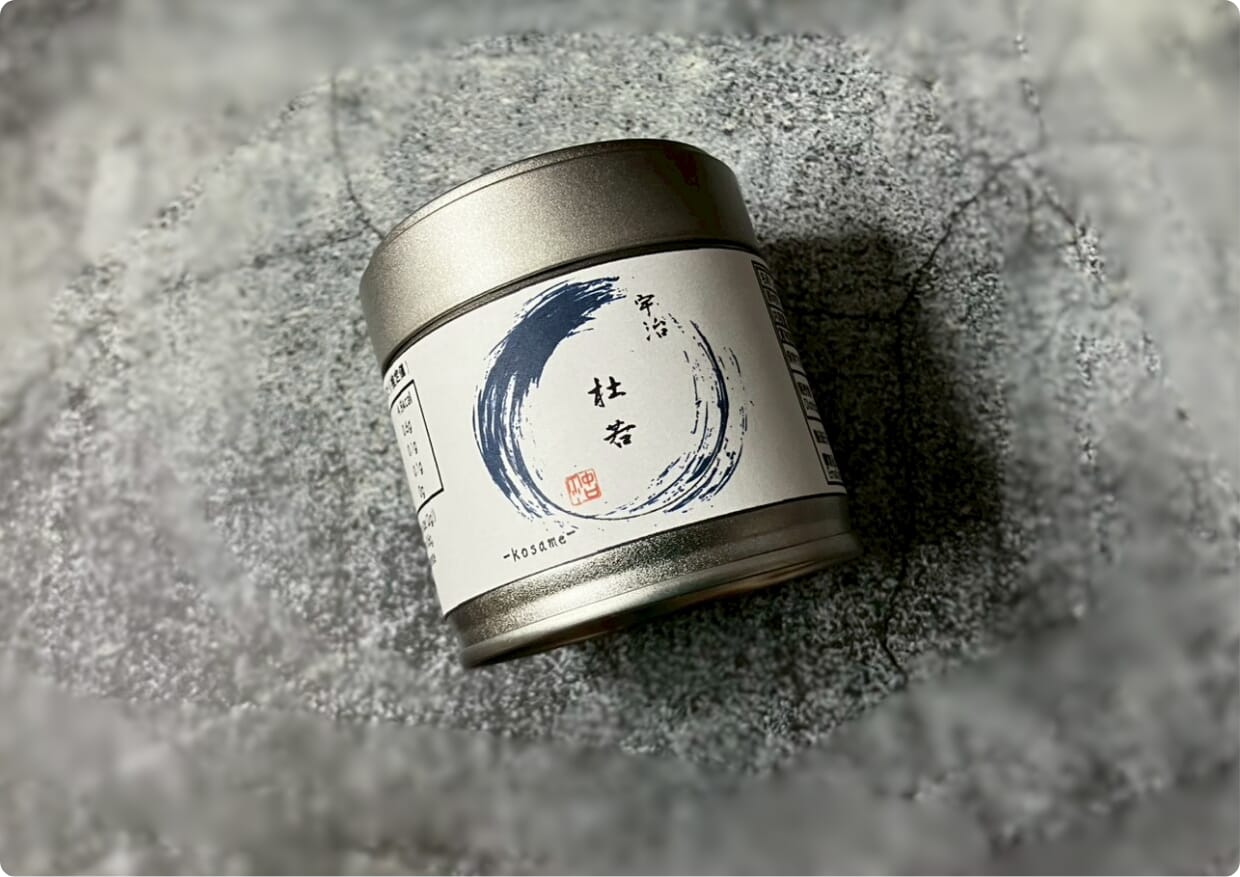
Kakitsubata: Stone-ground Kyoto matcha
Grown in Kyoto, Kakitsubata is Kosame’s signature matcha — vivid green, richly aromatic and balanced in umami with a clean finish. The brand was born from a simple idea: that matcha shouldn’t be reserved for ceremony, but woven into the rhythms of everyday life. A bowl in the morning, a quiet moment in the afternoon.
Equally suited to casual daily use or formal hospitality, it’s a beautifully considered gift for anyone who appreciates Japanese tea culture.
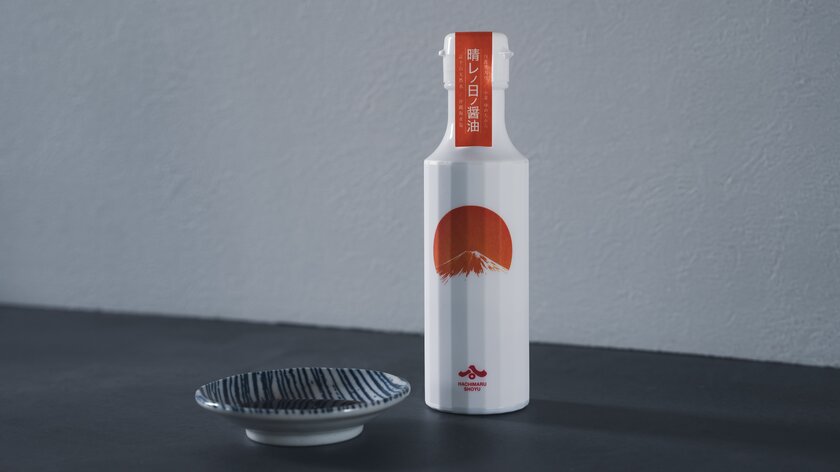
Hare no hi no Shoyu: Celebration Day soy sauce from Shizuoka
Hachimaru Co. was founded in 1828, but stopped brewing its own soy sauce in 1975, focusing instead on blending. Forty-five years later, it decided to revive the craft — and when a tornado struck the brewery shortly after trial batches began, a jar of 45-year-old yeast was miraculously found in the rubble. That same heritage yeast now ferments every bottle of Hare no hi no Shoyu.
Brewed in wooden vats for over a year, this soy sauce uses Tanba black soybeans from Hyogo, high-protein wheat from Hokkaido, sea salt from Okinawa and spring water from the foot of Mt. Fuji. The flavour is soft, mellow and deeply complex — a world away from supermarket soy sauce, and a genuinely extraordinary thing to bring home.
Beauty and Wellness
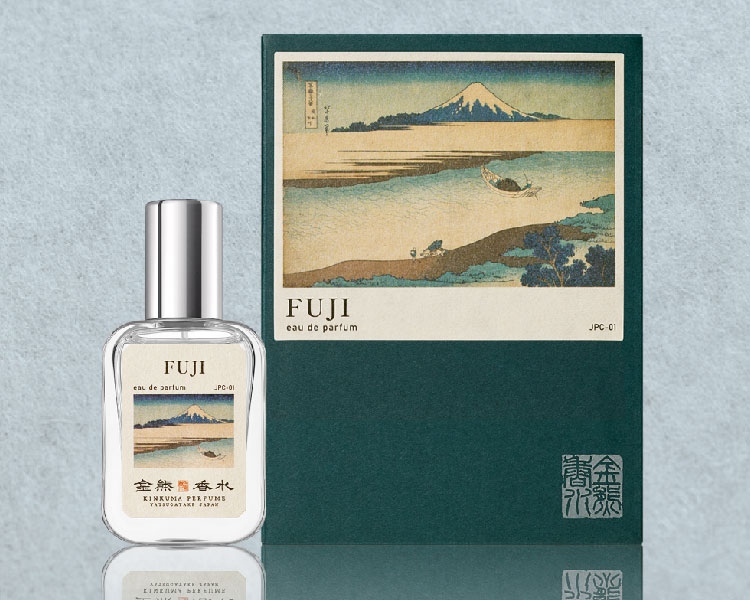
Kinkuma Perfume, Japan Collection 01 Fuji: Ukiyo-e inspired fragrance
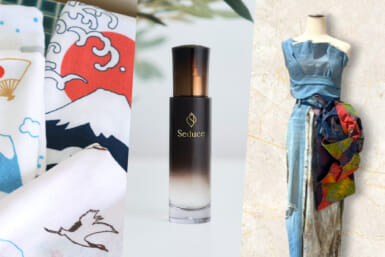
Ukiyo-e woodblock prints capture the beauty of a single, fleeting moment — and Kinkuma Perfume translates that same idea into scent. This fragrance, the first in a Japan-inspired collection, is devoted to Mount Fuji: sacred, blue-silhouetted and worshipped since ancient times as the Mountain of Rebirth.
Crafted at a small factory in Yamanashi, surrounded by the Yatsugatake Mountains, each bottle is designed to evoke the delicacy, gradation and quiet harmony with nature that define the ukiyo-e tradition. Wearable art, made in Japan.
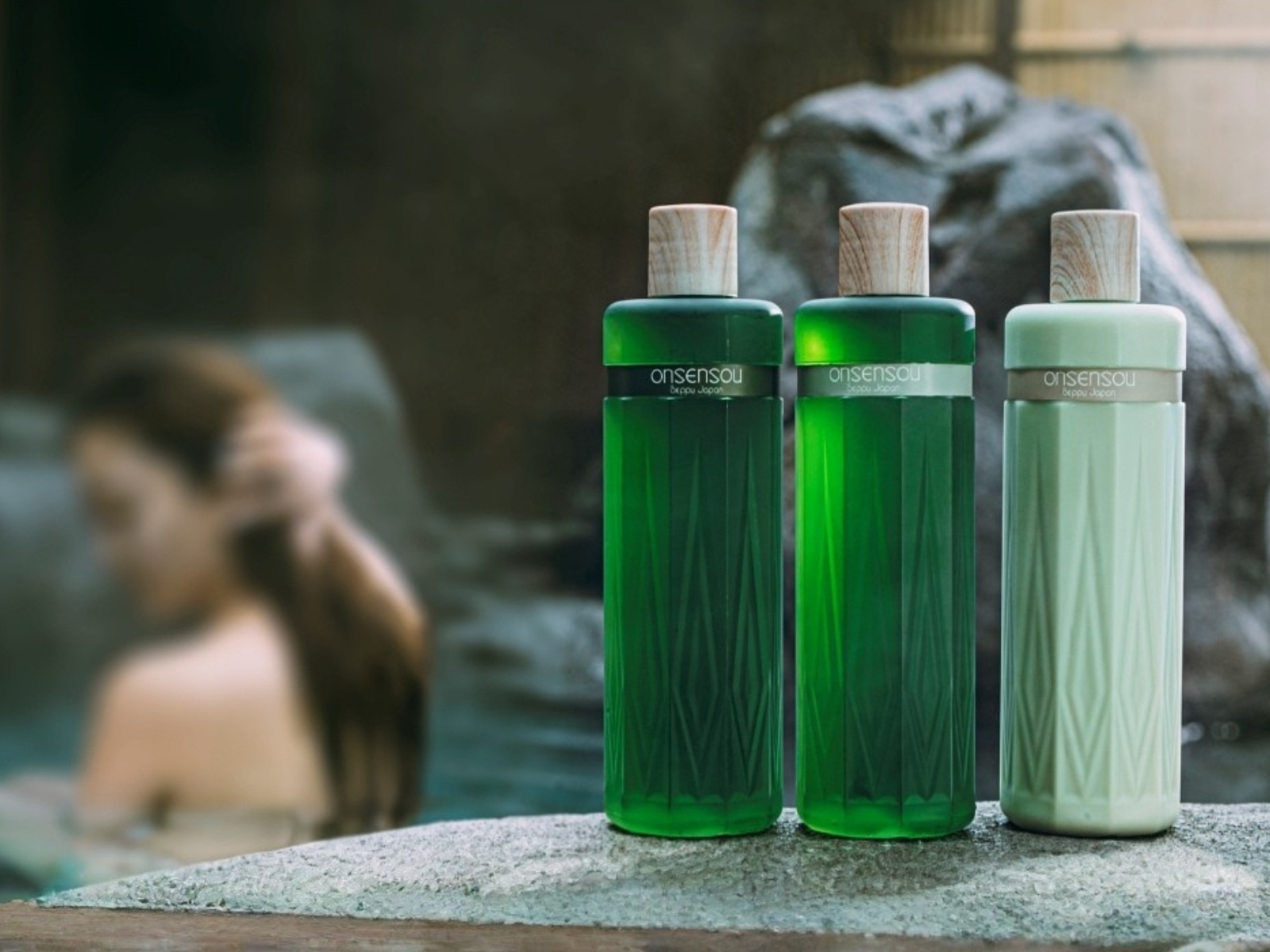
Velas Corporation Ltd.: Beppu-inspired skincare
Inspired by the healing waters of Beppu, Onsensou delivers scalp-first haircare powered by a patented hot spring algae extract that boosts scalp vitality and provides deep, lasting hydration. Each formula — from shampoos to masks and targeted scalp treatments — evokes the calm of a Japanese onsen, allowing you to experience that soothing, restorative feeling at home. Onsensou transforms everyday haircare into a nourishing ritual rooted in Japanese bathing culture.
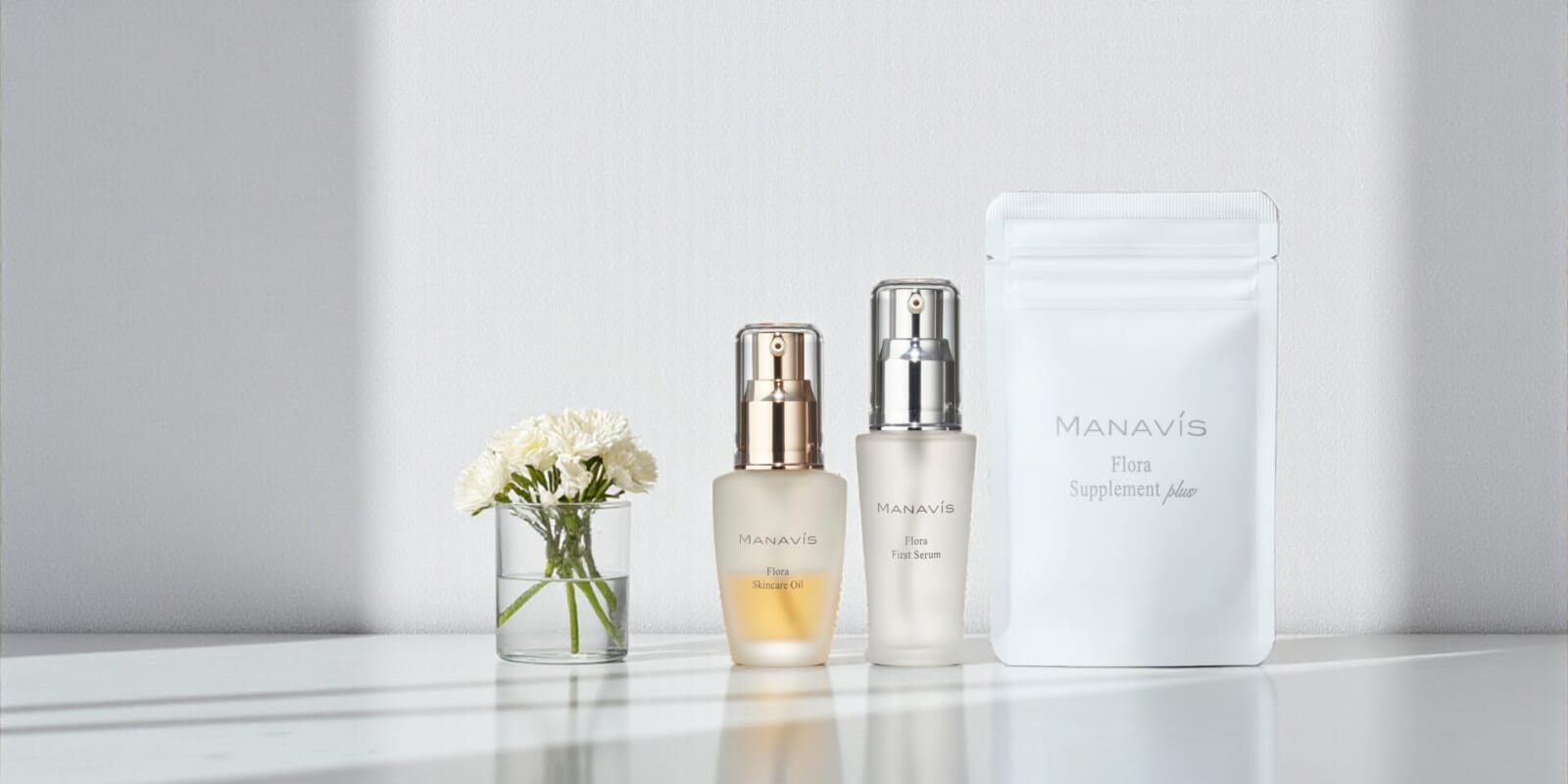
Manavis Cosmetics Inc.: Evidence-led Japanese skincare
Since its founding in 1987, Manavis has been dedicated to creating skincare rooted in simple, sustainable routines and the power of naturally derived ingredients.
The company believes the key to beautiful skin lies in creating a skin environment that is receptive to care. By gently removing impurities and unlocking your skin’s natural vitality, its products will guide you toward a healthy, clear, and radiant complexion.
Visitors can freely sample the company’s full lineup at Engawa Asakusa — including its Medicated Skin Wash, Medicated Skincare Mask, Flora First Serum, Flora Skincare Oil, Vitamin D Plus Premium and Cleansing Oil. Designed to be effortlessly incorporated into your daily routine, these products allow you to experience tangible improvements in your skin’s condition the longer you use them.
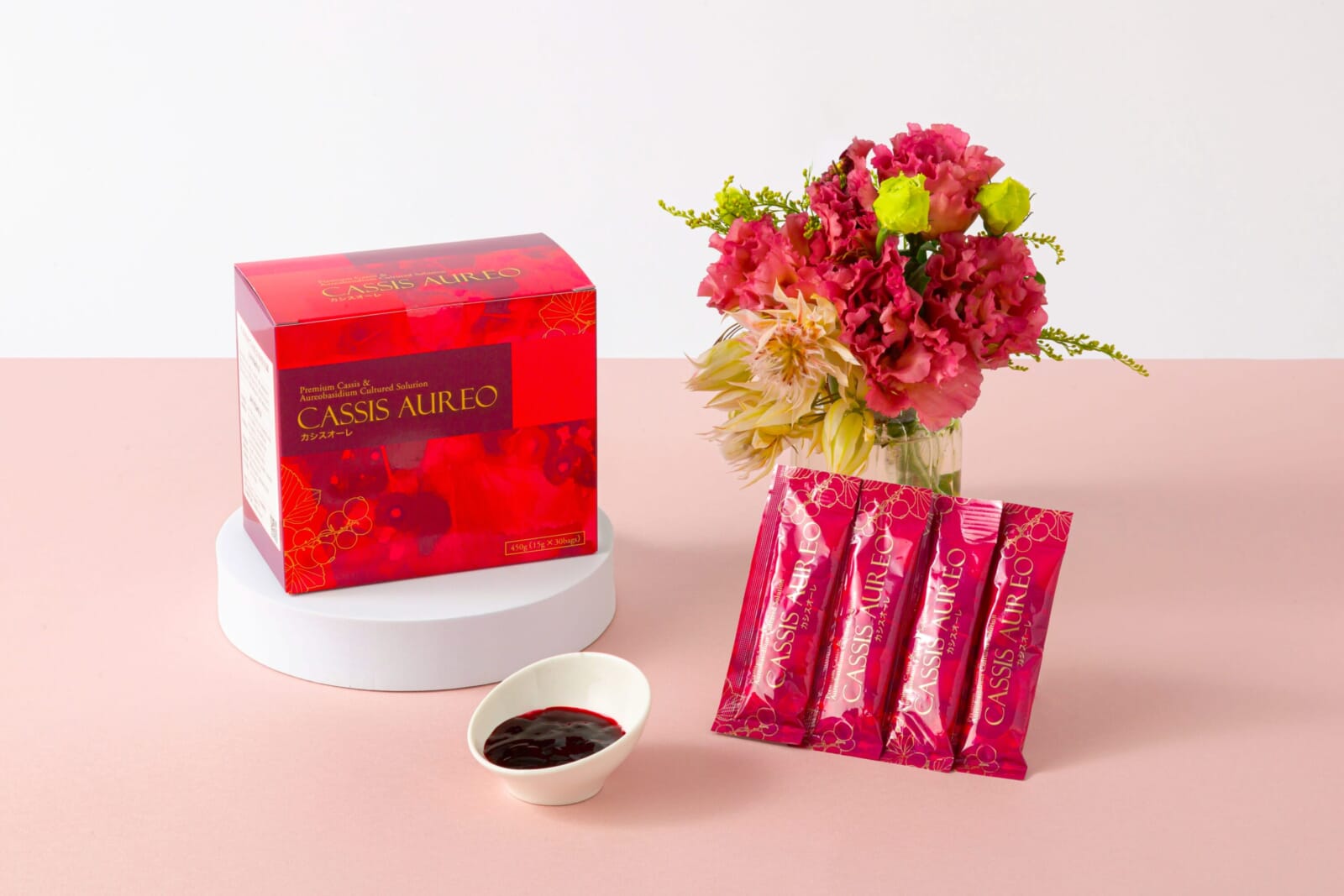
Aureo: Science-driven wellness supplements
For more than 26 years, Aureo has been committed to creating safe, high-quality products made with natural and naturally derived ingredients. Using its proprietary fermentation technology, Aureo produces Black Yeast β-Glucan, a water-soluble, fermentable, gel-like dietary fiber.
Known for its probiotic-supporting and gut-friendly properties, Black Yeast β-Glucan helps maintain a healthy intestinal environment and supports everyday wellness by serving as a nutrient for beneficial bacteria (such as butyric acid bacteria) that produce short-chain fatty acids. Free from chemical refining, Aureo’s products are designed to be gentle and suitable for people of all ages.
All products are manufactured in Japan at a Health Food GMP–certified facility that is also registered under the U.S. Bioterrorism Act and certified Halal in the UK. Aureo has acquired 52 patents. Through ongoing collaboration with research institutions and a strong commitment to environmental responsibility, Aureo continues to deliver globally trusted quality while working toward a more sustainable future.
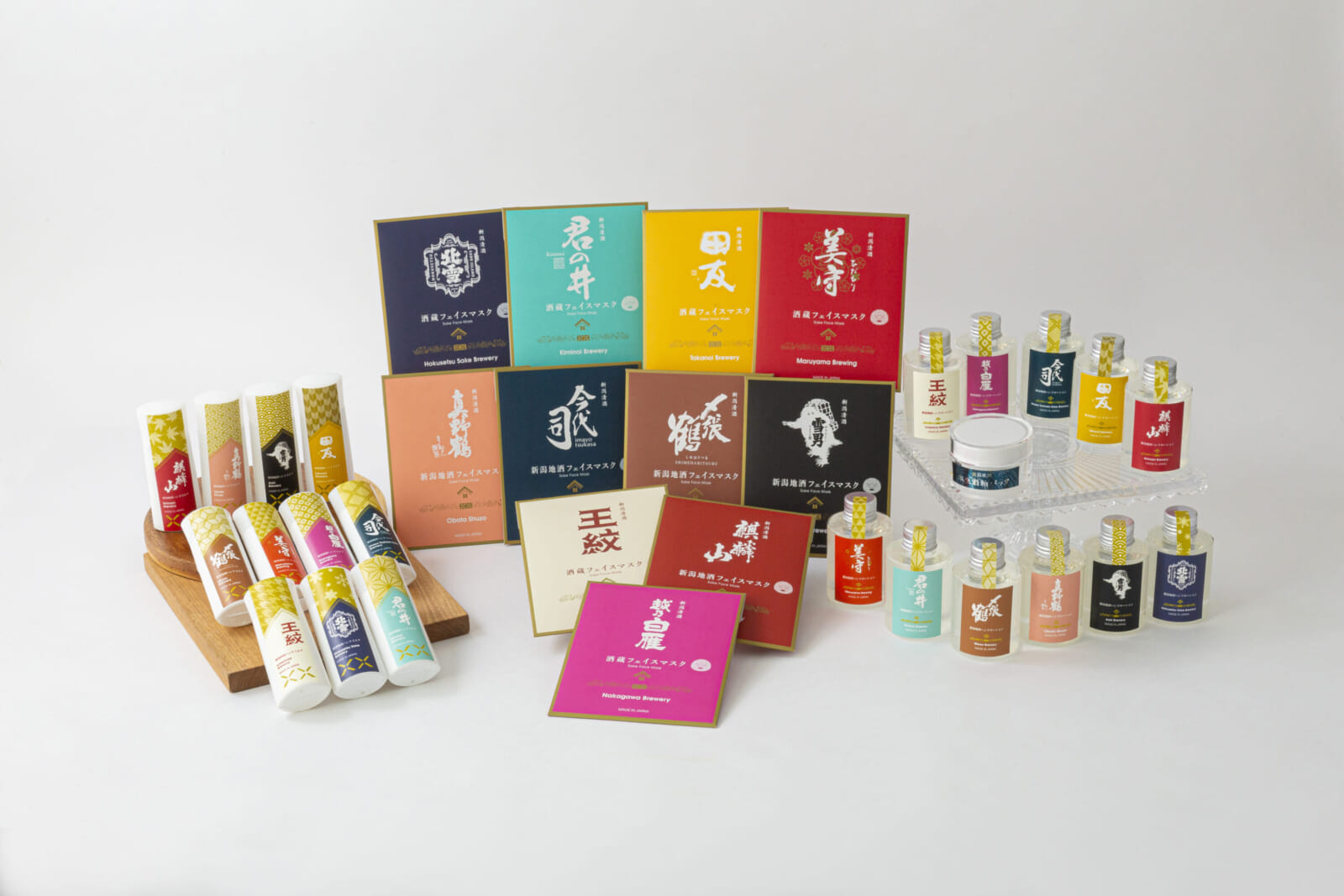
Tsutsuwabi: Sake-inspired skincare
Tsutsuwabi is a Japanese skincare brand that harnesses the ancient wisdom of sake brewing to create luxurious, fermented-based products. Using fermented rice, koji and sake lees — rich in amino acids, vitamins and enzymes — their products deeply hydrate and promote elasticity, giving skin a supple, radiant glow. Developed in collaboration with Japanese breweries, each item embodies the natural benefits of fermentation, transforming traditional wisdom into modern skincare rituals.

Deodorant One: A compact deodorizing and sanitizing device for shoes
Deodorant One is a compact device designed to deodorize and sanitize shoes without sprays or powders. Insert it into a pair of shoes, press a button and it works to reduce odor-causing bacteria, allergens and moisture buildup using the company’s proprietary radical sheet technology. Flexible tips allow it to fit everything from leather dress shoes and sneakers to heels and boots, while both quick and standard modes make it practical for daily use, travel or storing shoes between seasons.
Developed by the Japanese brand ataraina, the device reflects the company’s focus on solving small but persistent everyday frustrations through technology. The team designed Deodorant One to feel straightforward and low-maintenance rather than overly technical: battery-powered, portable and easy to use in cramped entryways, closets or suitcases.
Traditional Japanese Items and Souvenirs
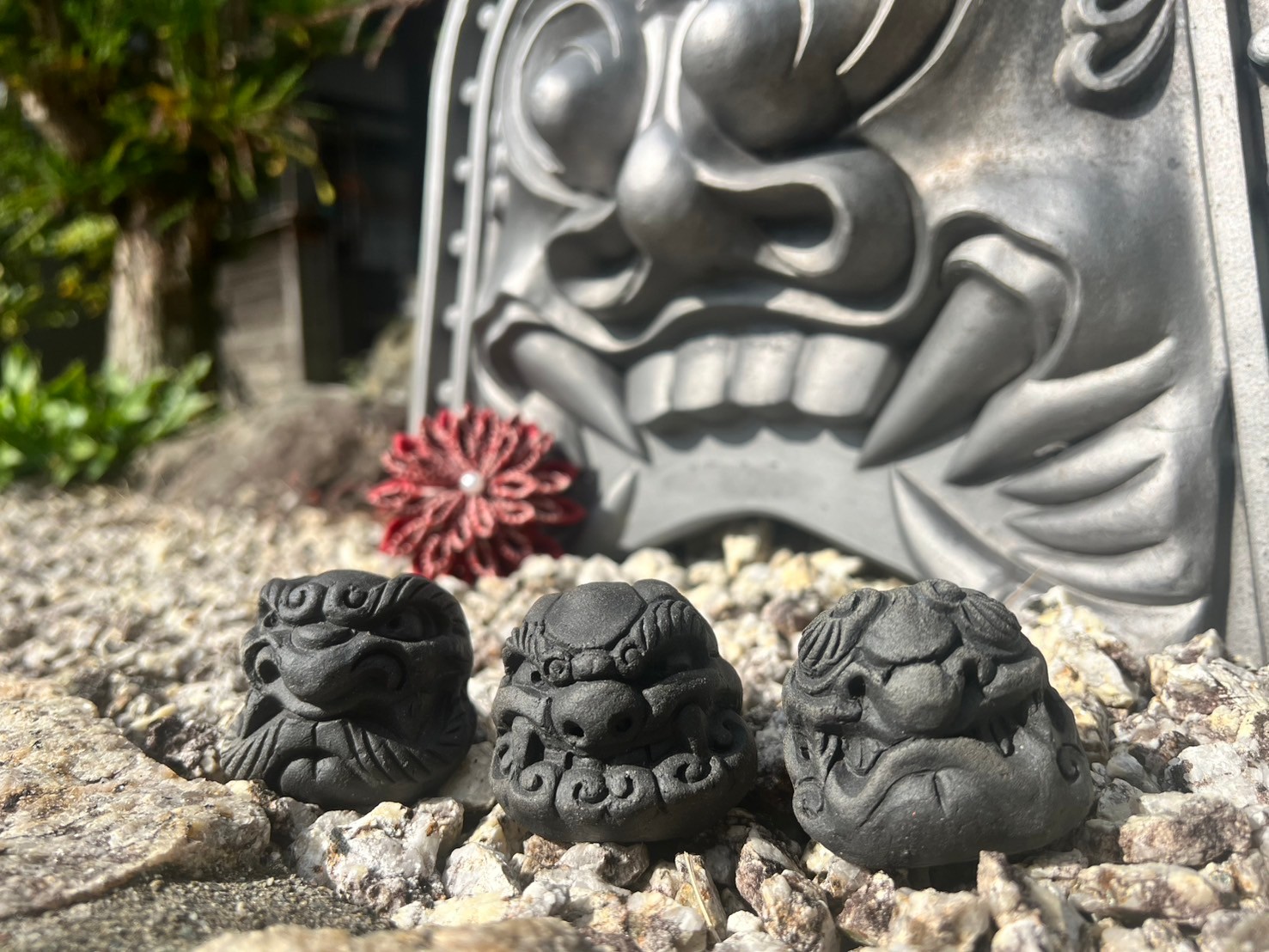
Ice Demon: A reusable ice cube made from traditional Japanese roof tile
Shaped like the fierce face of an onigawara — ogre-faced tiles traditionally found on Japanese rooftops in order to ward off evil — Ice Demon introduces a new approach to the 1,400-year-old Japanese craft of ibushi-kawara, or smoked roof tiles. Made from the same material as these tiles, these ice cubes add artistry and a distinctive Japanese touch to your drinks.
They also have a practical use: temperature retention. This product is new from Kawaraiki’s Suiga tableware series. As traditional Japanese tiled roofs become less common, the company developed Suiga as a way to incorporate kawara products back into everyday life. Ice Demon is one such result: a playful piece of Japanese craftsmanship that transforms a material associated with rooftops into something you can enjoy at home.

Frontia Silk Printed Notebooks
These A5 notebooks feature bold, colorful designs inspired by Japanese motifs including Mount Fuji, maiko and cherry blossoms, with metallic gold screen-printed accents adding a refined finish. The coated covers are designed to resist scratches, while the pages feature small illustrations and are made from paper sourced from responsibly managed forests.
Frontia’s Japan Series grew from the founder’s experience living in the UK and a desire to present Japanese culture in a way that feels fresh and accessible. Rather than directly reproducing ukiyo-e, the designs reinterpret the Japonisme aesthetic that became popular in Europe and America in the late 19th century. The series also includes stickers, goshuin books, cards and other paper goods.
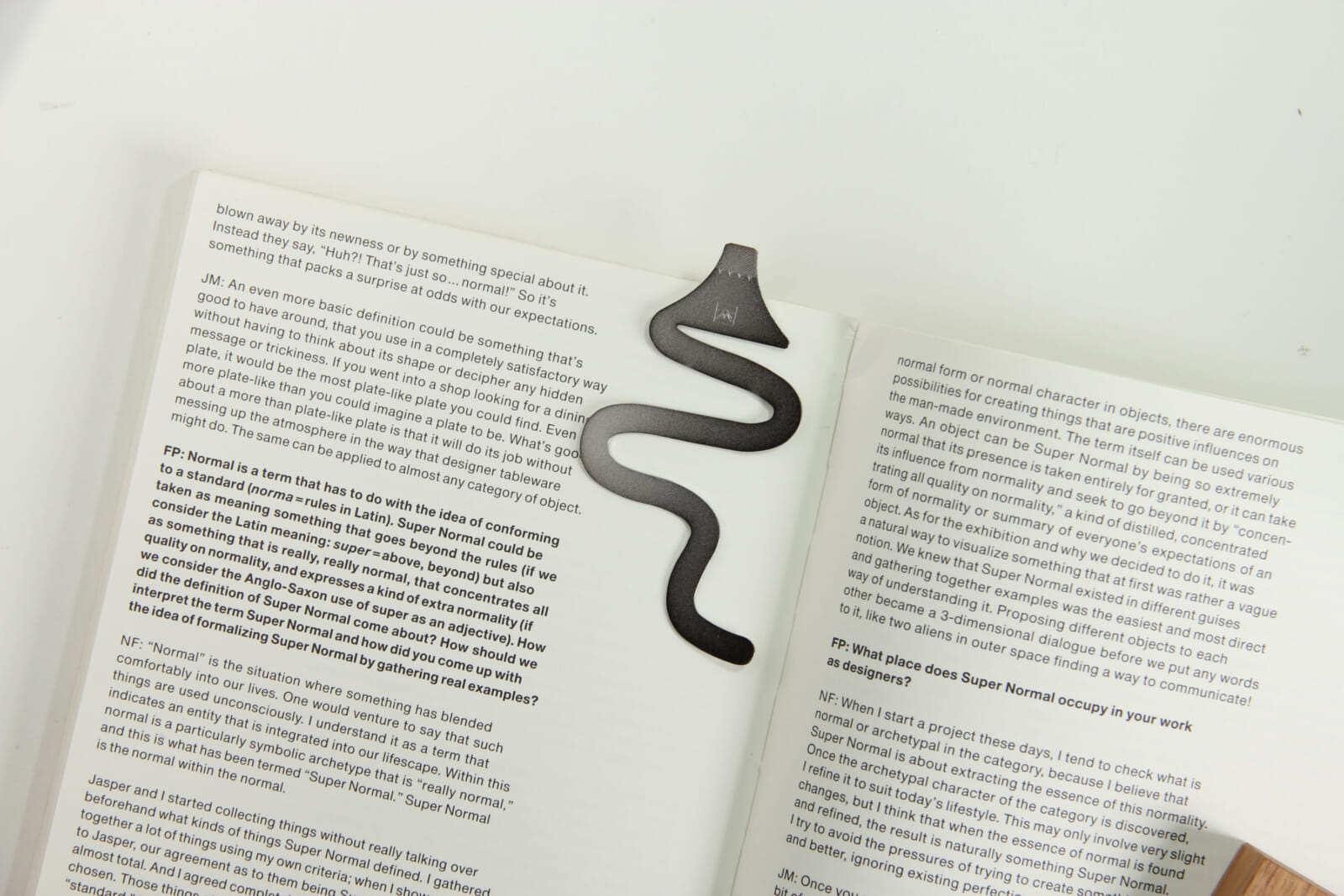
Climb Route Bookmark: A metal bookmark inspired by the four trails leading to the summit of Mount Fuji
This bookmark takes its designs from Mount Fuji’s four climbing routes: Fujinomiya, Subashiri, Gotemba and Yoshida. When placed between the pages, the bookmark traces the shape of the trail, and when the book is closed, Mount Fuji appears above the pages like a view from above the clouds. Each bookmark is made with antibacterial metal plating and crafted by two Shizuoka companies that share a connection to the mountain.
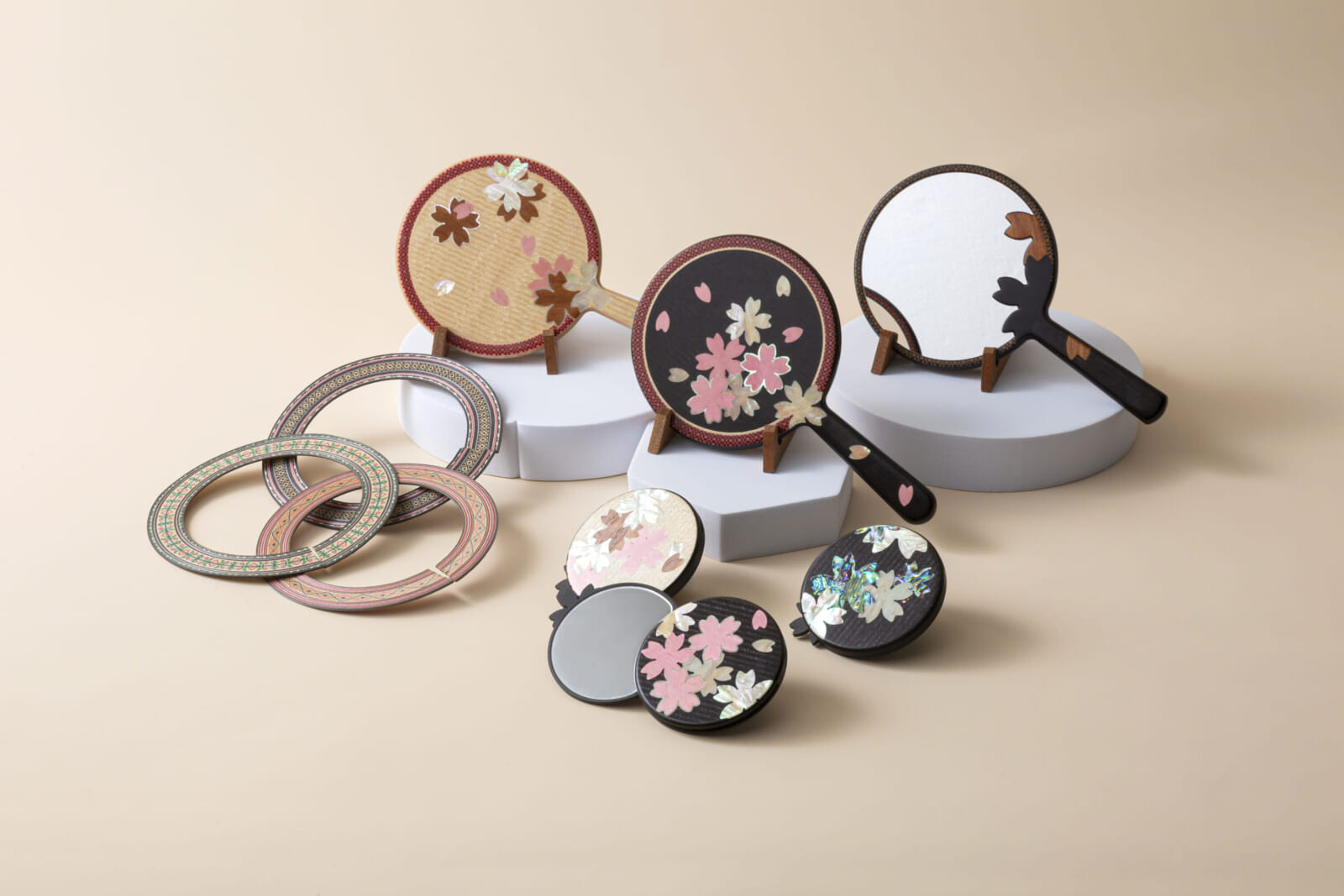
Nagoya inlay hand mirror
This hand mirror combines intricate woodwork and mother-of-pearl inlay in a design inspired by traditional Japanese craftsmanship. Its wooden base is covered with a finely patterned yosegi parquetry sheet, then decorated with cherry blossoms using raden techniques and white mother-of-pearl and abalone shell. Around the mirror is a guitar rosette, a detailed wooden mosaic traditionally used around the sound hole of a guitar.
The mirror was created by Daiwa Mark, a Nagoya manufacturer best known for producing precision guitar components used around the world. The company drew on its expertise in wood inlay, shell decoration and guitar rosette making to create an object that showcases these specialized techniques in an unexpected form.
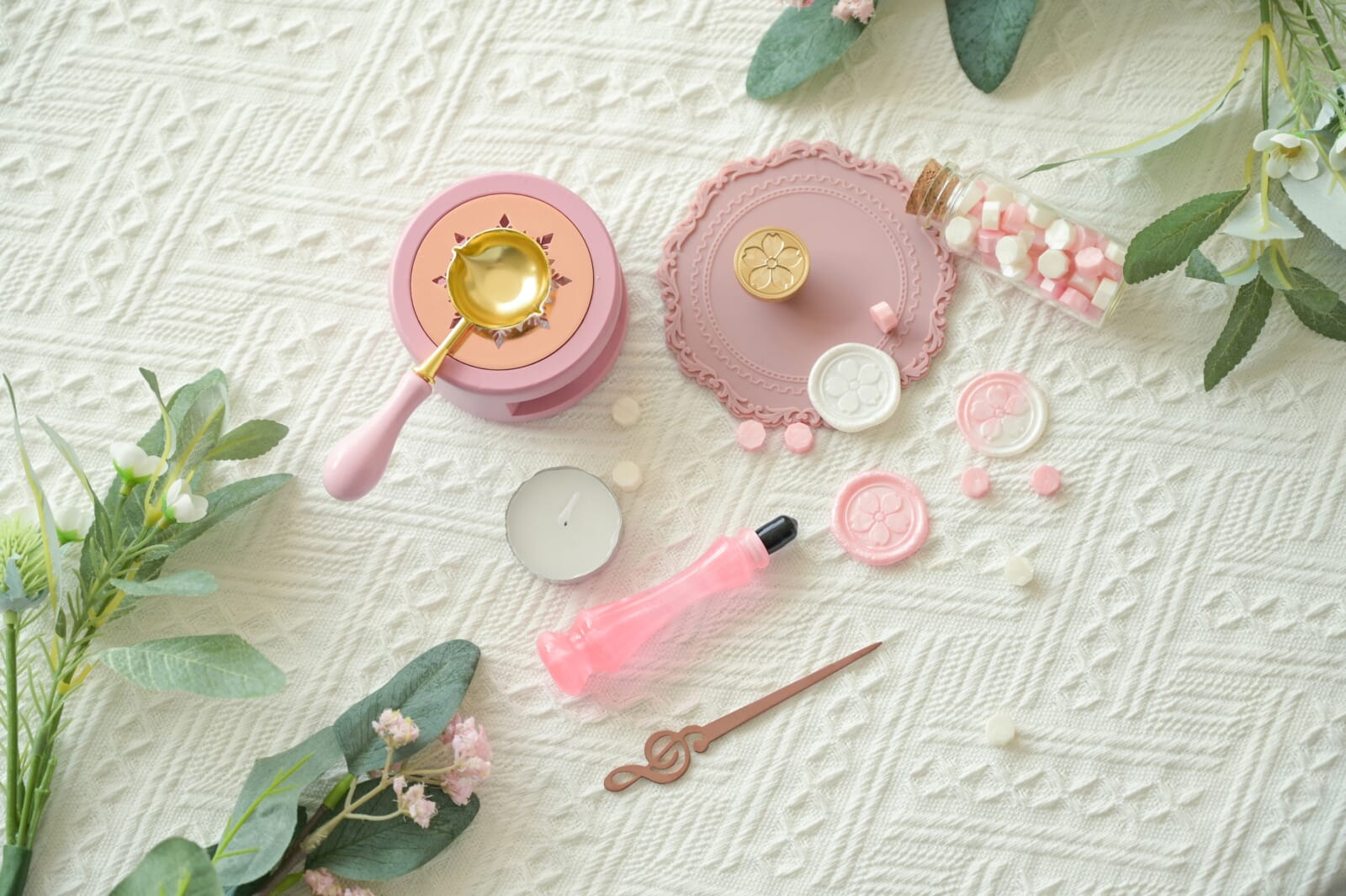
Sealing Stamp Full Set: Everything you need to start wax sealing
Wax sealing has made a quiet comeback — and this beautifully curated pink set from Woodpepe makes it easy to start straight out of the box. Everything is included: stamps, wax, and tools, all ready to use from the moment it arrives. The wax is made exclusively from natural beeswax and soybean oil, so it’s safe to handle and lovely to work with.
Use it to seal letters, dress up gift wrapping or add a personal touch to any occasion. A thoughtful gift for beginners and craft lovers alike.
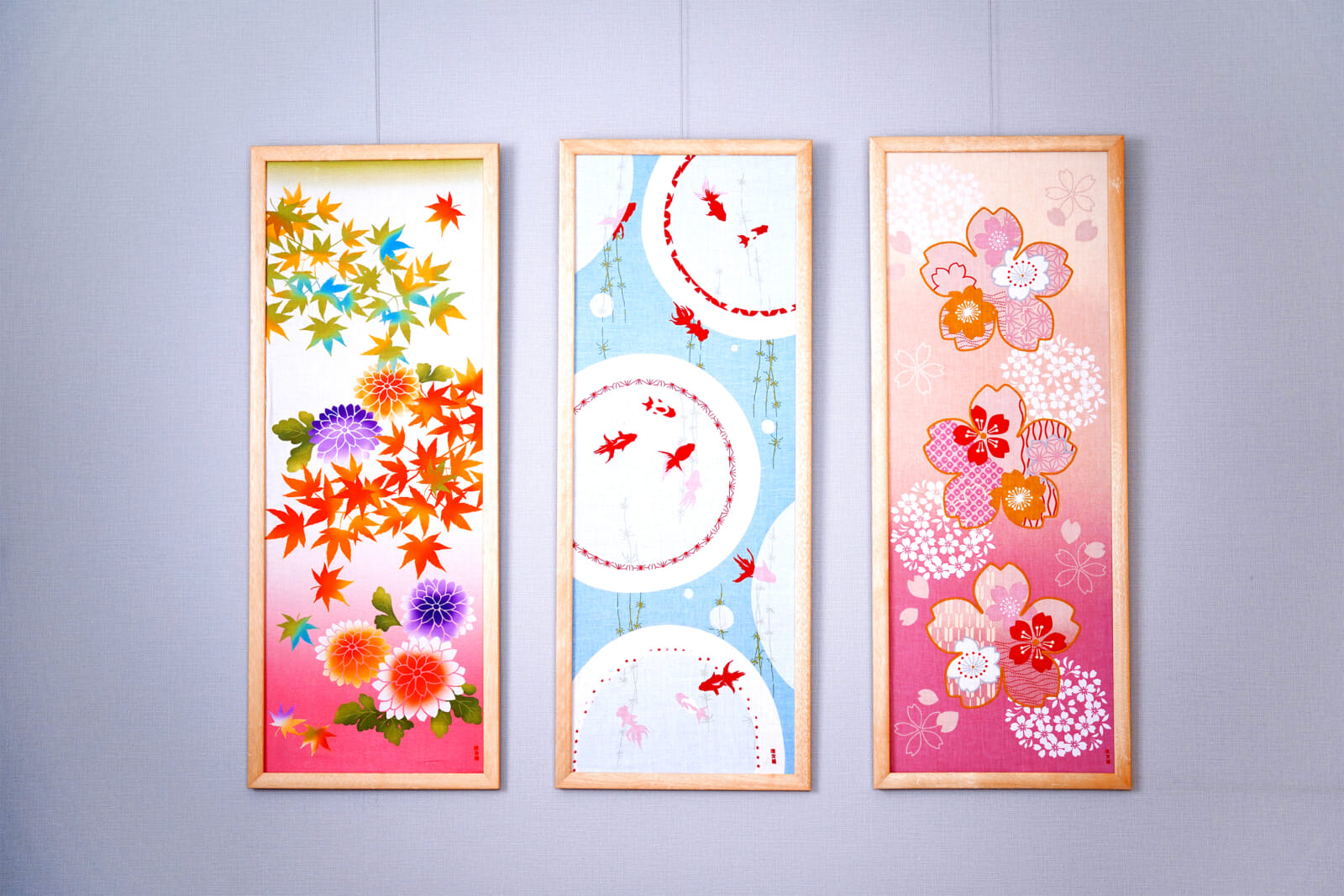
Case Corporation: Picture tenugui
Based in Yokohama, Hamamonyo reimagines the traditional tenugui hand towel with colorful, modern designs that bring joy to everyday life. Using the classic Yokohama Nassen dyeing technique, artisans create pre-packaged textiles in a range of sizes and uses—from small decorative cloths to larger wraps perfect for gifts or home display. Each piece blends tradition with playful artistry, transforming functional items into vibrant expressions of Japanese craftsmanship and contemporary design.
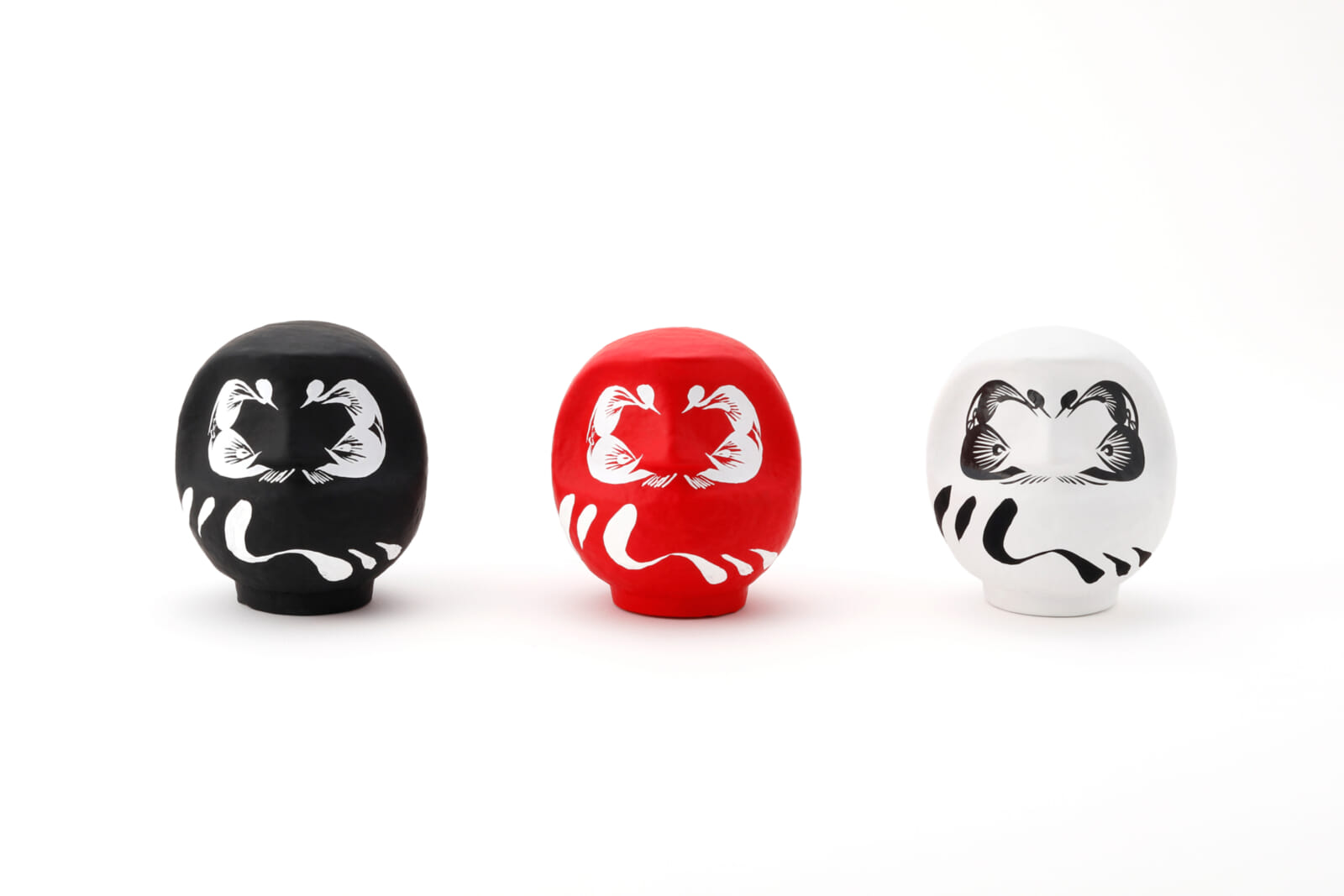
Imai Daruma Naya: Daruma charms
From Takasaki, Japan’s famed Daruma hub, Imai Daruma Naya combines nearly a century of traditional craftsmanship with contemporary design. Using recycled paper and natural clay, their dolls honor the symbolic role of Daruma as a charm for perseverance and luck, while offering a stylish, modern aesthetic that fits seamlessly into today’s interiors. Each piece is both a meaningful talisman and a decorative accent, making it ideal for gifting or personal inspiration.
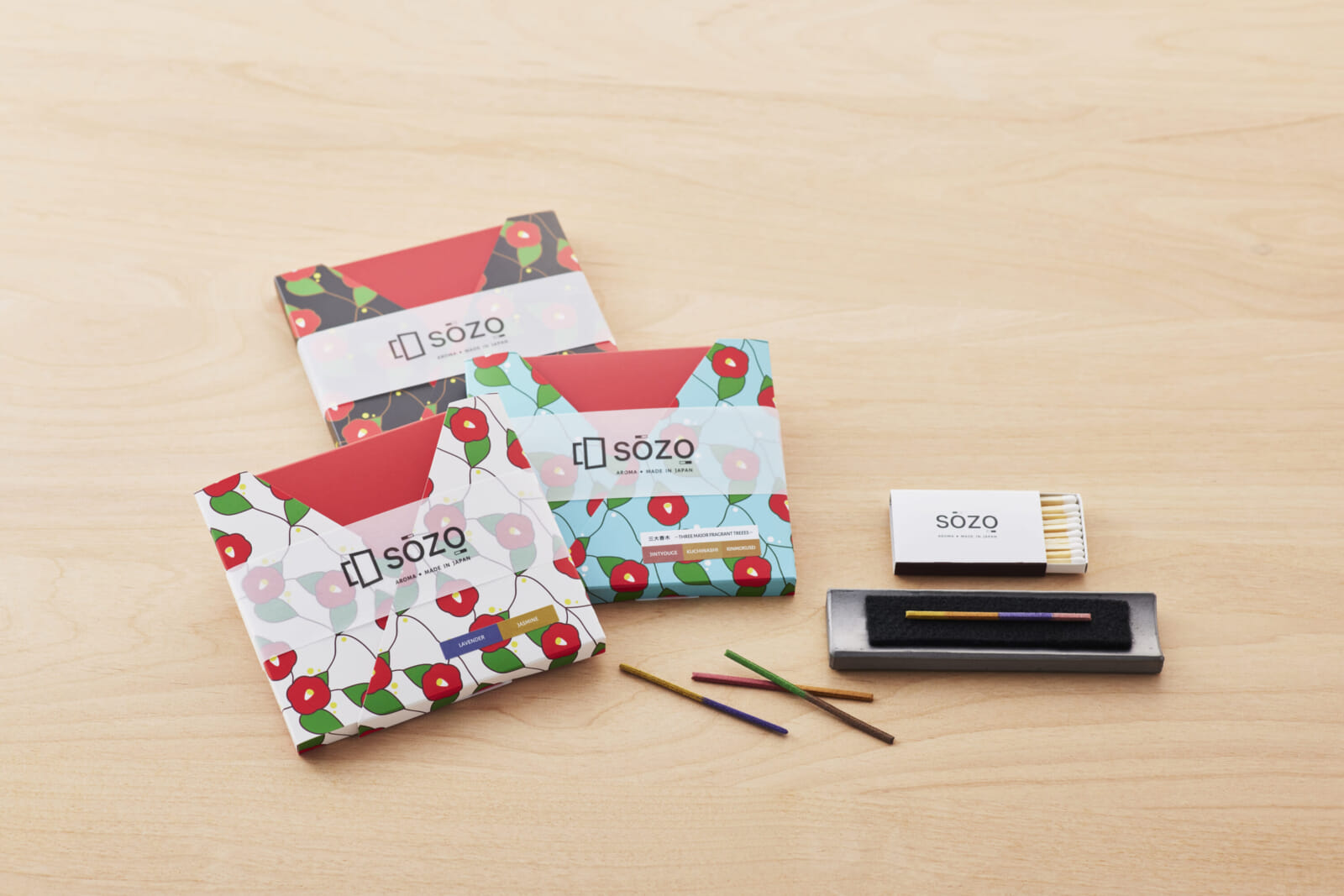
Sozo: Incense
A new form of Japanese incense, balancing tradition with modern design. Sozo crafts fragrances that evolve as they burn, offering a dynamic sensory experience that clears the mind and calms the space. Made with carefully selected domestic and international ingredients, each stick reflects over 35 years of craftsmanship, perfect for daily rituals or as a thoughtful gift.
Kitchenware

Mount Fuji Sunsun Sponge: A durable kitchen sponge inspired by Mount Fuji
The Mount Fuji Sunsun Sponge brings a little Japanese design to an everyday kitchen essential. Made from durable polyurethane, the sponge produces a rich lather quickly, rinses clean easily and drains well between uses. It can last for more than six months, helping reduce waste, while its compressed packaging is just 7mm thick for easy storage. The surface features the traditional shippo pattern, with four color variations inspired by Mount Fuji at different times of day, from dawn to night.
The sponge was developed by Dainichi Corporation, a family-run company that began in 1973 with a hand-friendly detergent created by its founder, a professional dry cleaner. The company developed the original Sunsun Sponge specifically to get the most out of its detergent, and it went on to become Dainichi’s signature product.
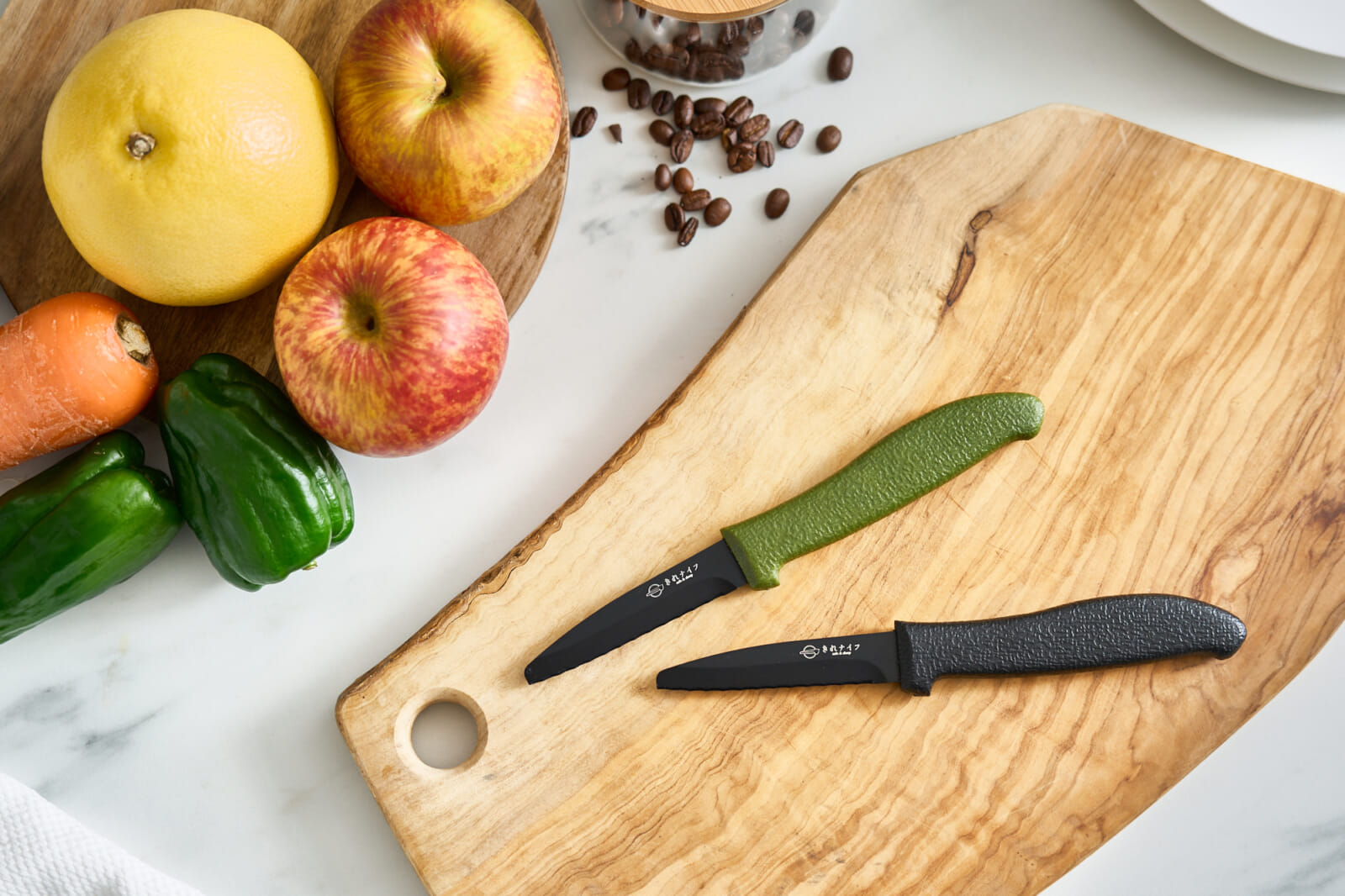
Kobayashi Hoon Kogyo Co., Ltd. (Kireknife): Japanese knives
Blending industrial engineering with culinary artistry, Kireknife creates blades designed for precision and effortless cutting. With friction-reducing coatings and a uniquely wavy edge, these knives allow users to cut not only soft foods but also dense ingredients cleanly, without applying unnecessary force. The blades are crafted to avoid becoming excessively sharp at the tip, making them easier to handle and safer for everyday use.
Minimalist and ergonomically refined, the design balances functionality with elegance, embodying Japan’s craftsmanship and innovation.
In-store, visitors will find the Kireknife, the Ultimate Wavy Blade Knife, and a three-piece set with blade covers — versatile tools suited for home cooking as well as a wide range of daily tasks. They also make an ideal gift for design and tool enthusiasts.
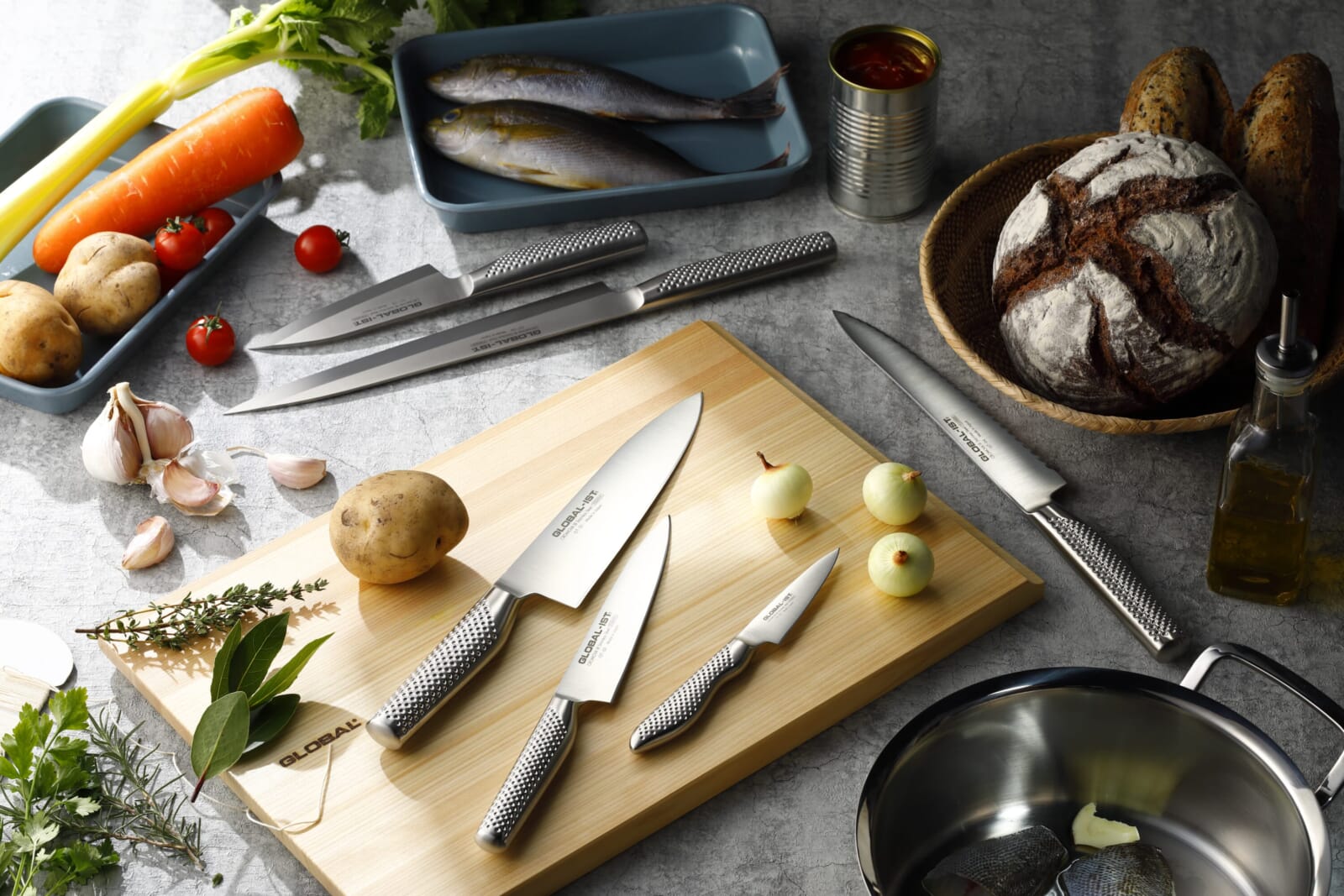
Yoshida Metal Industry (Yoshikin): Precision knives
Yoshikin crafts metal tools that combine professional performance with thoughtful domestic design. Their Global-ist series, designed specifically for Japanese home kitchens, features finely sharpened, straight-edged knives that glide through ingredients for clean, precise cuts. From small paring knives to larger utility and bread knives, each piece balances industrial reliability with understated elegance, making everyday cooking a precise and satisfying experience.
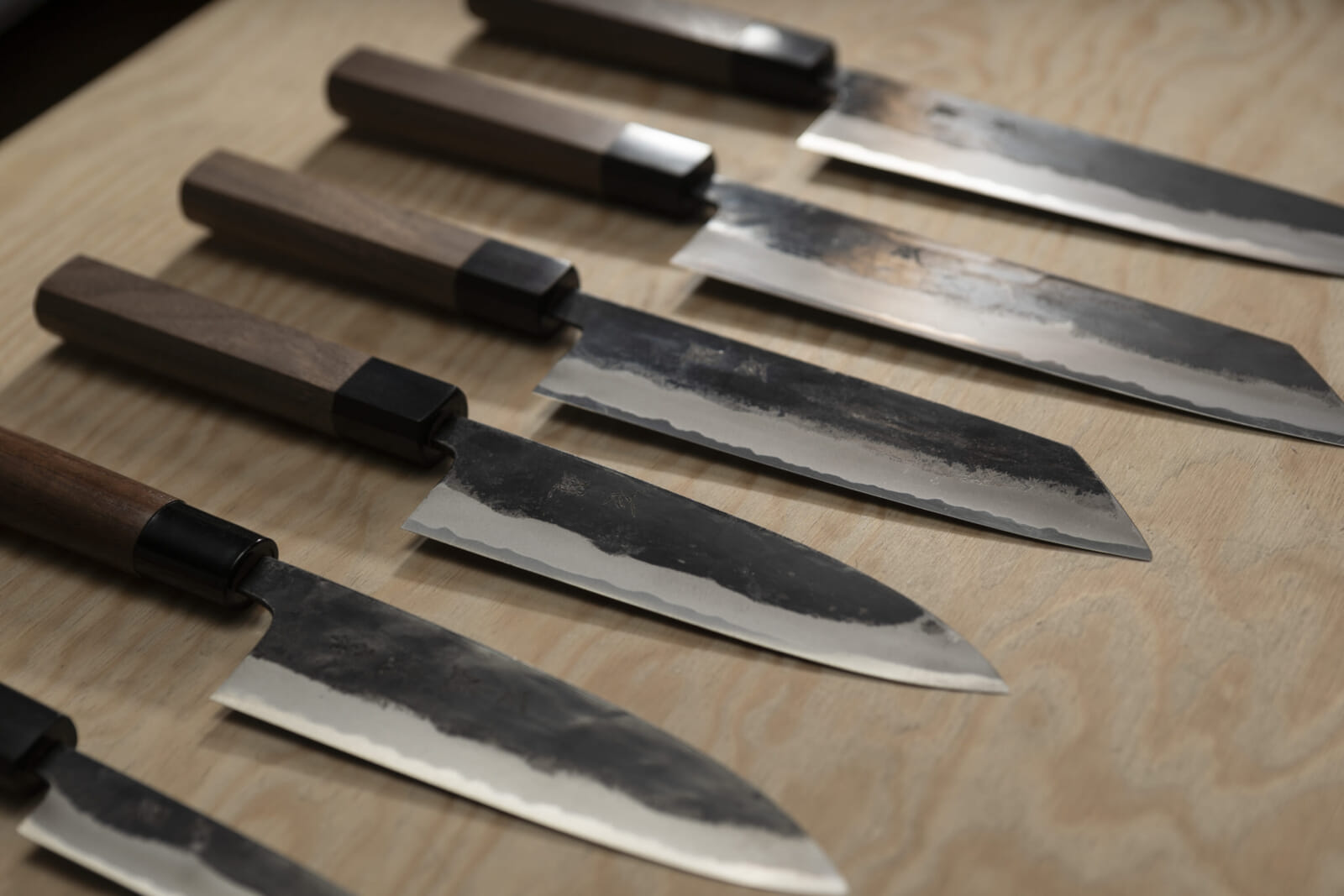
Astrex Co., Ltd., Yoshimune Knives: Knives forged by craftsmen
Yoshimune Knives in Kyoto carries on the traditions of Japanese swordsmithing and operates as the factory-direct store for Tosa forged knives from Kochi Prefecture — an art with more than 400 years of history.
Each knife is hand-forged by skilled artisans using the finest Japanese steels such as Aogami, achieving both rugged beauty and exceptional precision.
The signature kuro-uchi finish highlights deep tradition and individuality, while meticulous shaping ensures outstanding balance, sharpness and durability — qualities that once allowed a single knife to be passed down through three or four generations.
These knives are ideal for chefs and cooking enthusiasts who appreciate uncompromising craftsmanship in every detail.
Apparel and Accessories
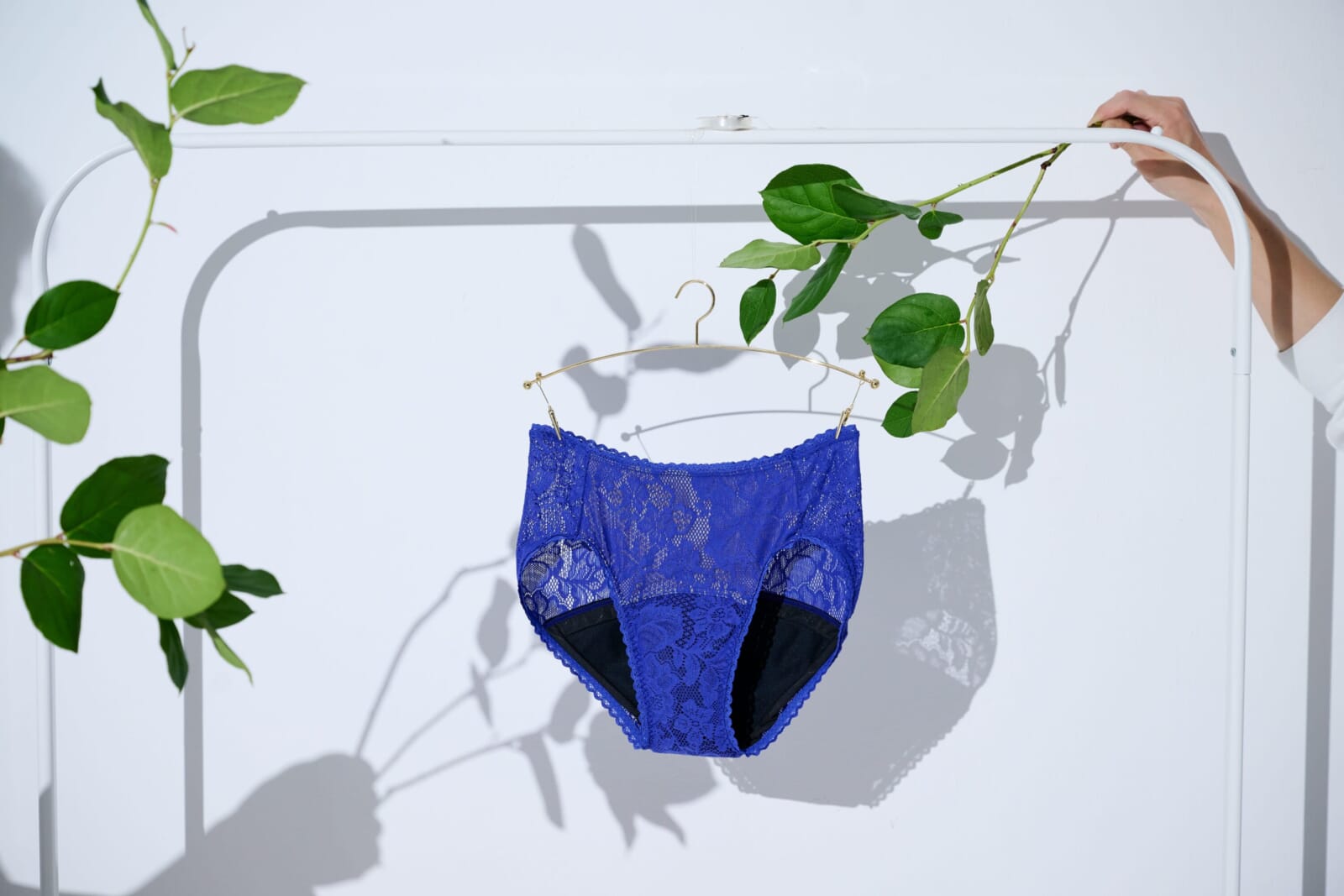
Kwom Absorbent Lace Underwear: Stylish period underwear
These Japanese-made absorbent underwear combine high-performance protection with a more polished look than typical period underwear. A four-layer absorbent core holds up to 50–70ml, while waterproof barriers help prevent leaks and a quick-drying, antibacterial surface keeps things feeling fresh. Finished in delicate lace, they can be worn on their own during periods, travel, sports or for light incontinence.
The underwear are made by Kwom, a femtech brand from Osaka-based Nawa. After hearing female employees complain that absorbent underwear tended to look like “retro gym bloomers,” the team drew on more than 70 years of sewing expertise to create something more refined. The result is a practical everyday essential that doesn’t ask you to compromise on style.
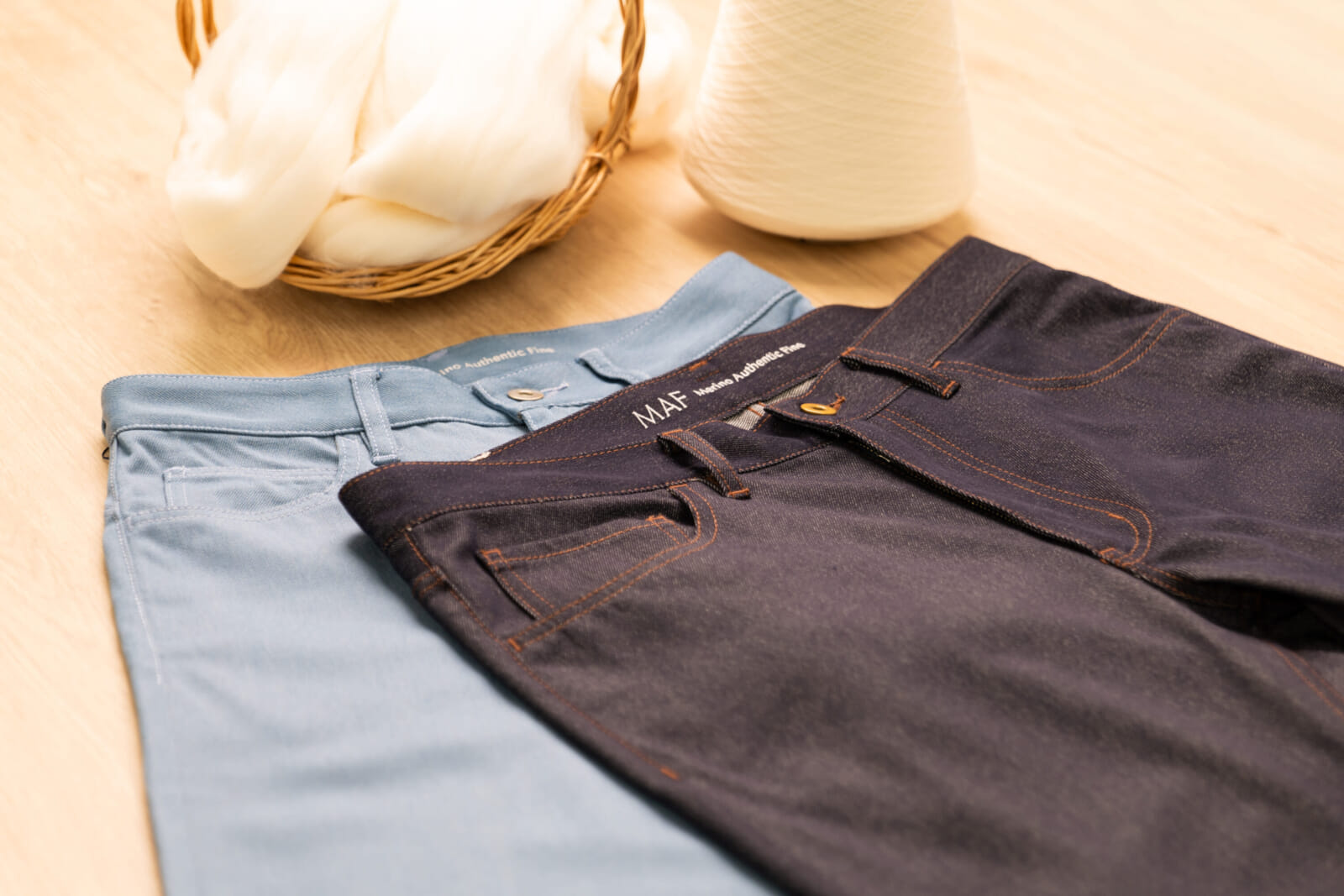
Nikke Textile Co., Ltd.: Japanese wool denim
With over 120 years of history, Nikke Textile specializes in wool materials, creating luxurious fabrics that combine the softness, warmth and breathability of wool with the elegance and structure of traditional denim. Crafted with generations of Japanese expertise, this fabric is perfect for both contemporary fashion and timeless pieces. In-store, customers can explore a variety of styles — including men’s straight, women’s straight and women’s relaxed wide cuts — allowing them to feel the refined texture and quality of this unique material firsthand.
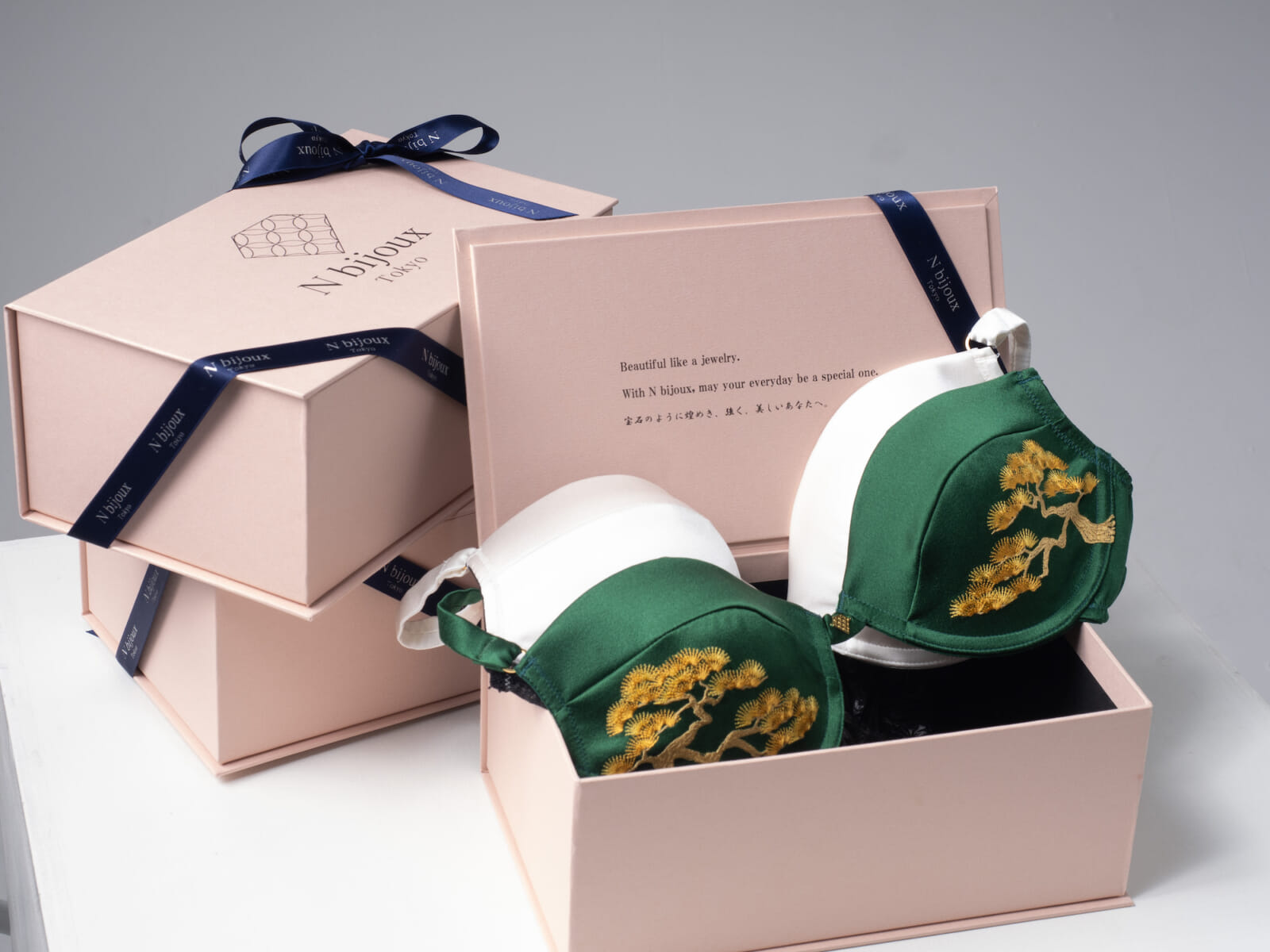
N Bijoux: “Wa-lingerie”
Jewelry for your skin: delicate, empowering and distinctly Japanese. N Bijoux crafts “Wa-lingerie” in Asakusa, blending traditional textiles like Tango silk and artisanal embroidery with contemporary design. Each piece is handcrafted in Japan with an emphasis on quality, durability and sustainability, celebrating the country’s rich fiber heritage while making women feel confident and celebrated.
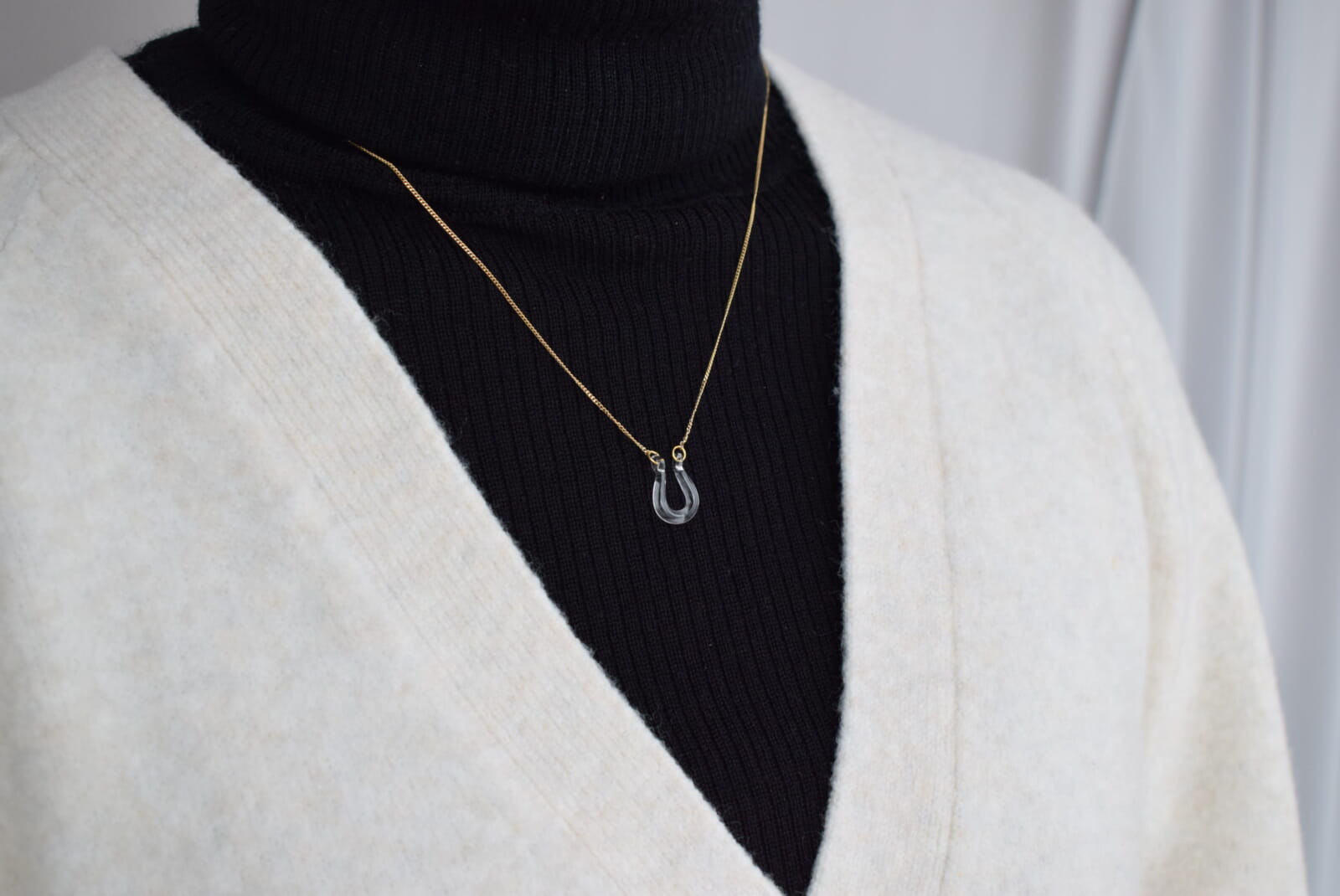
Teitetsu Necklace: A handcrafted glass necklace inspired by the shape of a horseshoe
This necklace reimagines the traditional horseshoe motif in transparent heat-resistant glass, giving it a softer and more understated feel than typical metal versions. Each piece is handmade by artisans, with subtle variations in shape and texture that highlight the delicacy of the material. Lightweight and easy to wear throughout the day, it’s designed to work naturally with a wide range of styles, from casual clothing to more dressed-up looks. In Europe, horseshoes have long been associated with luck and protection, making the necklace an especially thoughtful gift or keepsake.
The piece was created by iriser, a glass accessory brand based in Minamisoma, Fukushima — a region with a long history of horse culture and home to the Soma Nomaoi, a horseback riding festival that’s said to have a history of over 1,000 years. The Teitetsu series draws from that local connection, combining the strength traditionally associated with horseshoes with the softer, rounded quality of hand-shaped glass.
Ceramics and Home Decorations
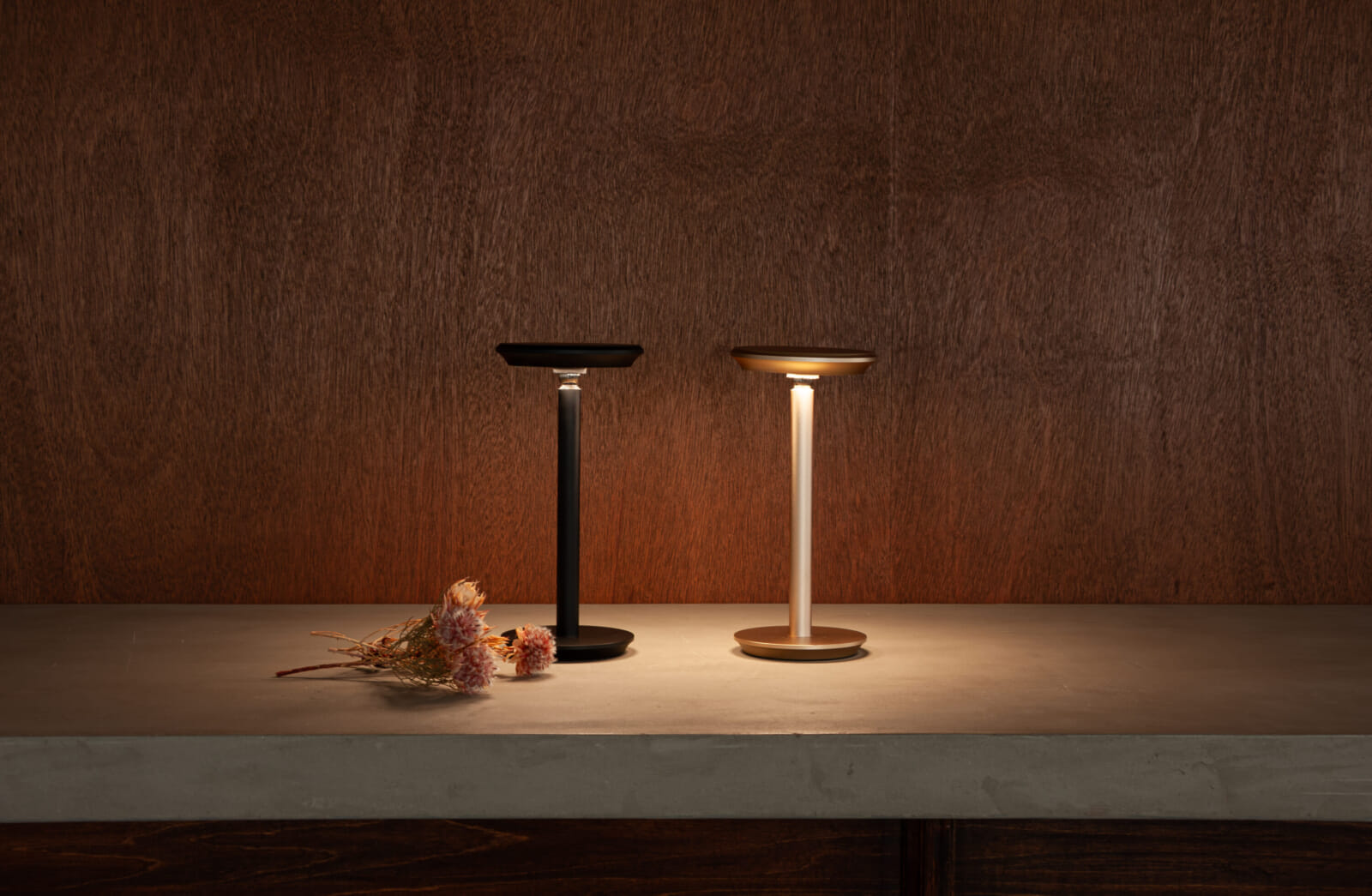
Solas: A cordless aluminum lamp that works as both ambient lighting and a focused task light.
Solas is designed to move easily between different kinds of lighting, with brightness and color temperature adjusting together from a warm 2500K to a cooler 4000K. Its magnetic light head can be angled 360 degrees and detached to use as a portable flashlight, while the telescopic stem adjusts from 22.5 to 50 centimeters.
Made from machined aluminum with a simple, understated finish, it looks at home on a desk or side table and can also provide light during a power outage.
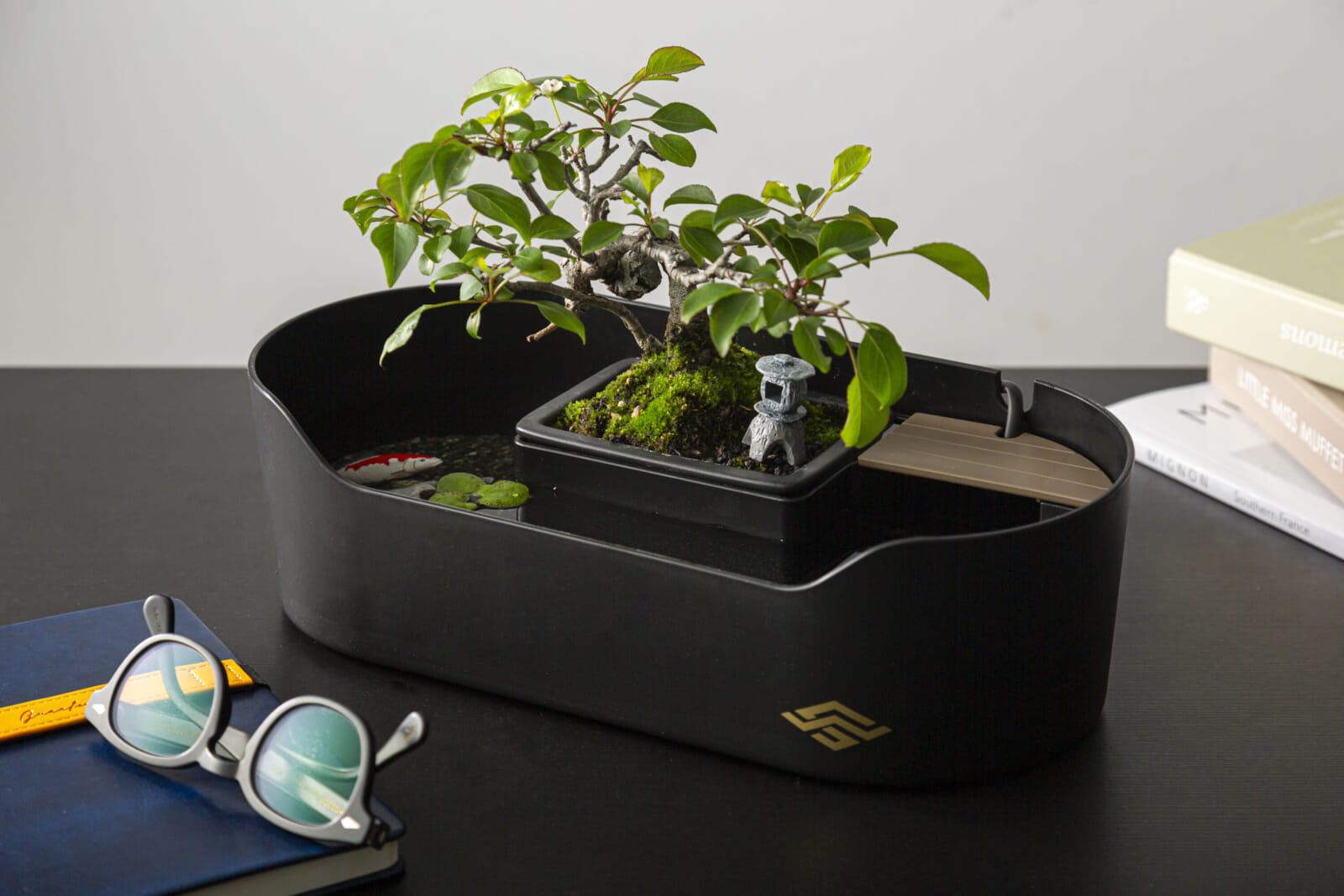
Wabisuke: A compact desktop landscape inspired by Japanese gardens and bonsai
Wabisuke brings together water, plants and ornamental fish in a small landscape that changes over time as it is cared for. Designed to be more approachable than a traditional aquarium or bonsai, it offers an easy way to enjoy the quiet pleasure of watching a miniature landscape develop. Its compact, lightweight design makes it suitable for a desk, entryway or reception area, while the simple setup allows users outside Japan to source their own plants, fish and other materials locally.
Created by YBB in Yamaguchi Prefecture, Wabisuke was developed in response to the declining interest in bonsai, ornamental koi and Japanese gardens in Japan, despite their growing popularity overseas. Rather than replacing these traditions, the company sees Wabisuke as an accessible introduction to the Japanese appreciation of nature — and a small way to bring that sensibility into everyday life.
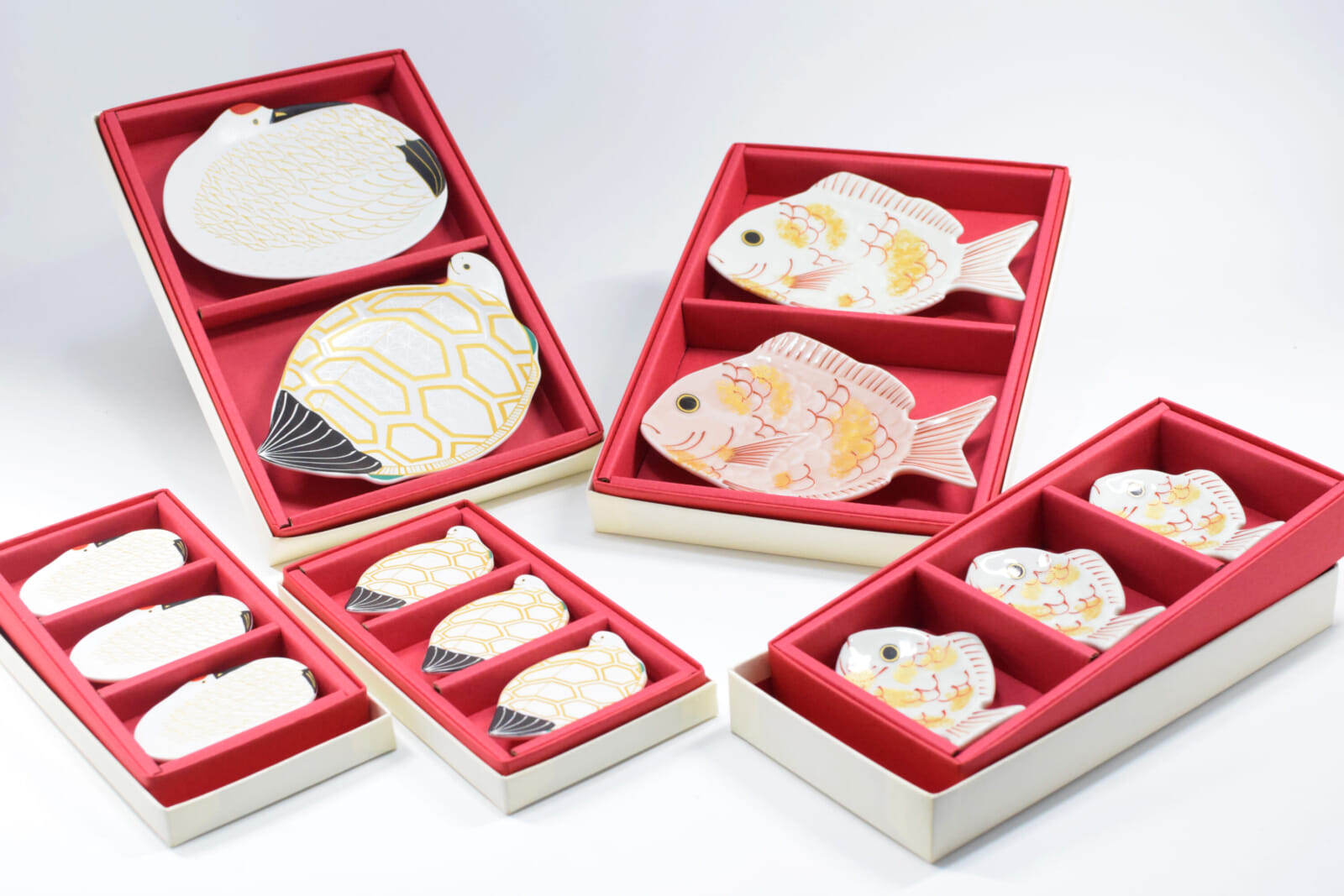
Kouraku Kiln (Tokunaga Ceramics): Arita porcelain
Founded in 1865 in Saga’s historic Arita region, Kouraku Kiln blends 400 years of porcelain tradition with contemporary design. Their hand-thrown Arita-yaki pieces celebrate the tactile beauty of clay and subtle imperfections that make each object unique. Perfect for slow meals and intimate gatherings, these ceramics bring a sense of joy and discovery to the table, turning everyday dining into a thoughtful, elevated experience.
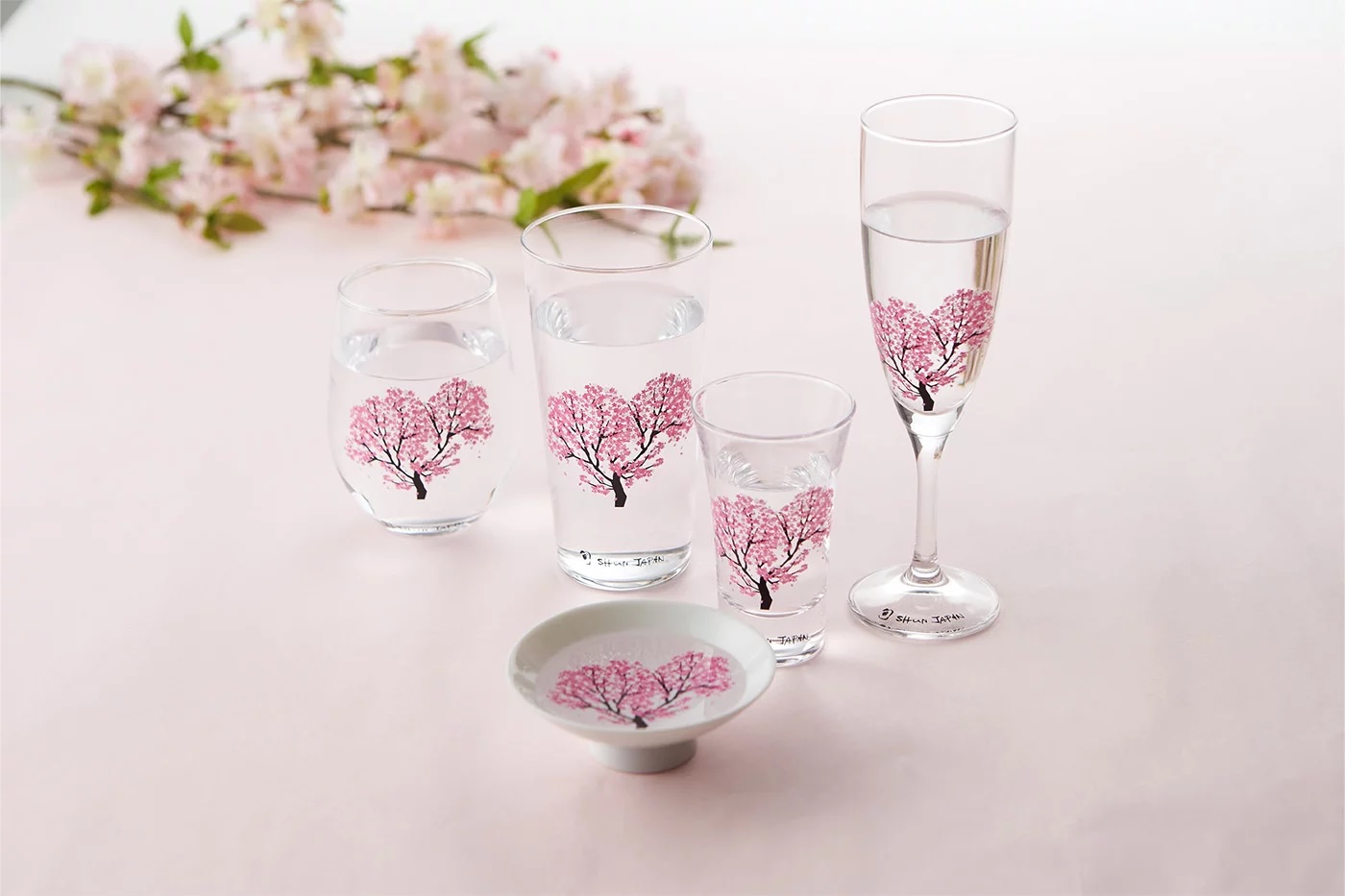
Marumo Takagi Ceramics: Modern Mino ware
Since 1887 in Tajimi, Gifu, Marumo Takagi has blended 1,300 years of Mino-yaki tradition with modern creativity. Their tableware transforms everyday meals into moments of delight — for example, cold drinks reveal hidden patterns, like blooming cherry blossoms, while mugs and plates combine practicality with subtle whimsy. Durable, elegant, and full of charm, their pieces are designed to make the table both functional and joyful.
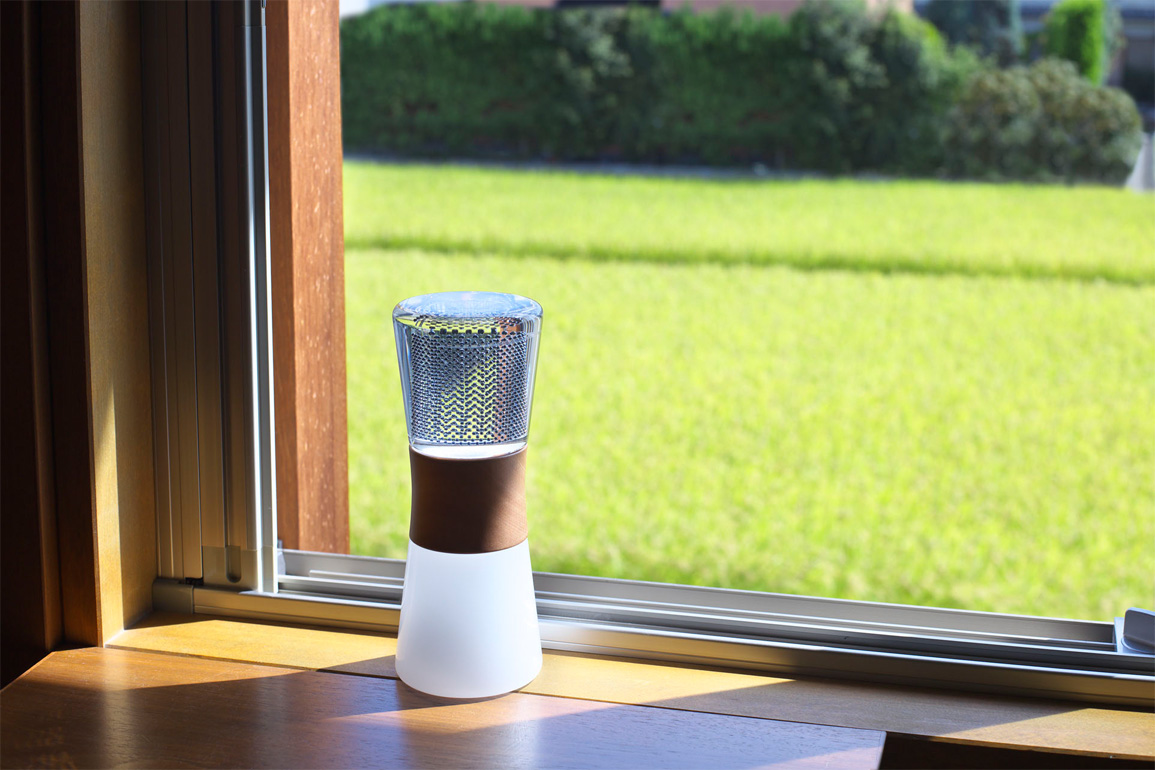
Sphelar Power Co., Ltd.: Spherical solar technology
Kyoto-based Sphelar Power transforms solar energy into elegant, human-scale designs using the world’s first spherical solar cell, Sphelar®. This technology captures light from all directions, powering innovative products such as lanterns, portable sticks, and small decorative cubes. Combining sustainability with refined design, Sphelar Power makes renewable energy both functional and visually striking for everyday life.
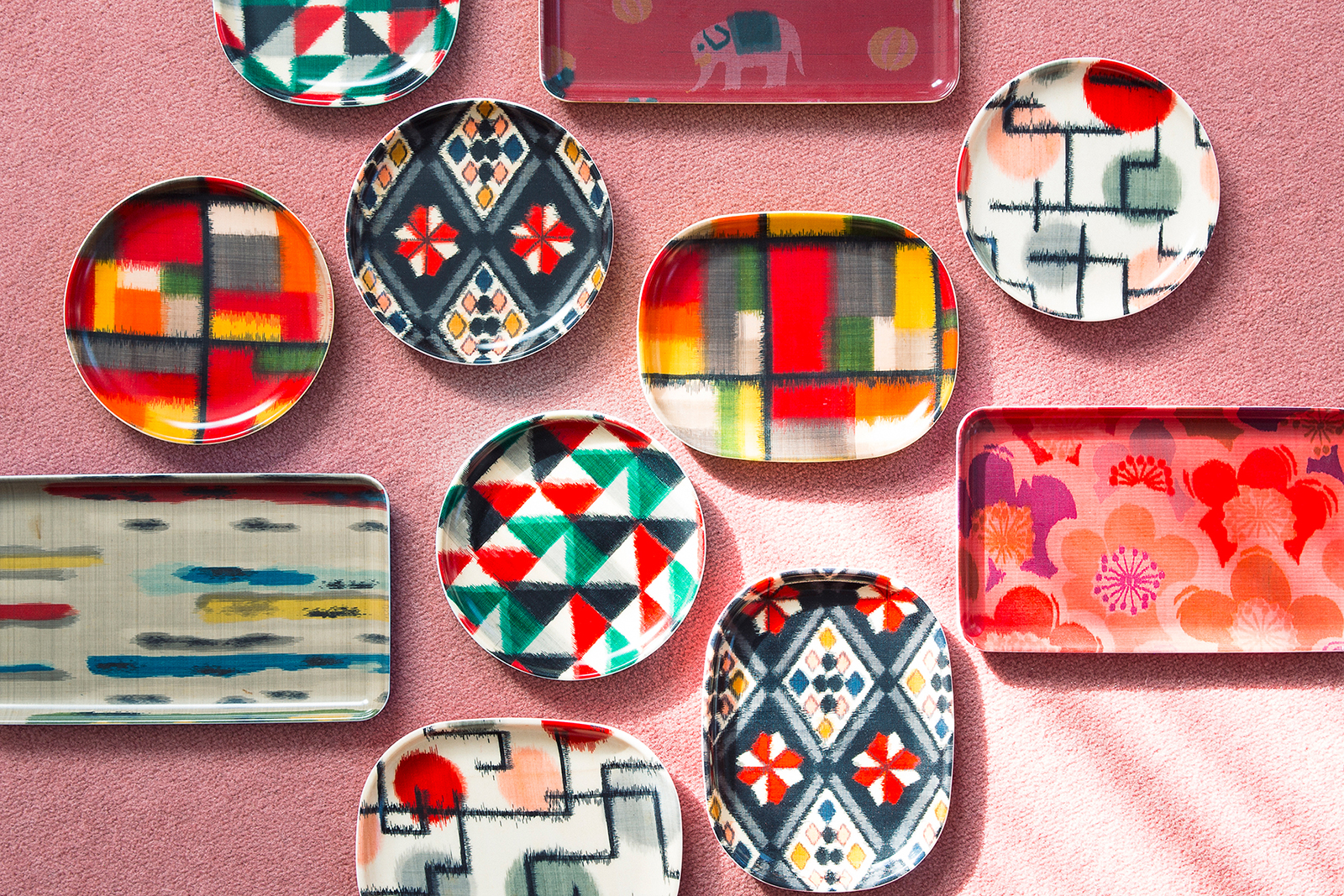
Kimono Tray by Sotansha Sadaemon Shoten: Unique tableware made from kimono fabric
Handcrafted from upcycled antique kimonos, the Kimono Tray turns traditional textiles into everyday art. Each piece is made using a special fabric-bonding method that pairs kimono cloth with durable resin, creating a tray that’s heat-resistant, washable, lightweight and shatter-resistant. The top surface preserves the texture of the original weave for a warm, refined feel, while the underside reveals vivid color combinations inspired by hakkake kimono lining.
Because every kimono is cut differently, each tray carries its own unique pattern — no two are the same. It’s an elegant way to bring Japanese craftsmanship into your home.
Updated On September 17, 2026