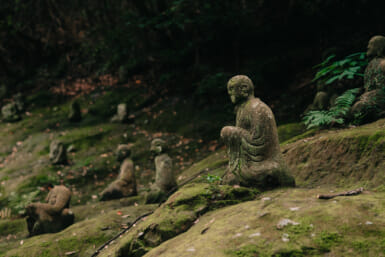
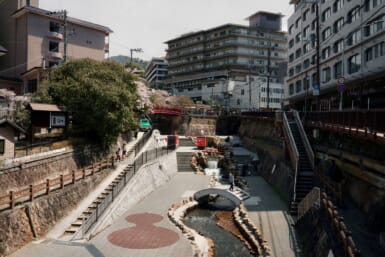
Hakone has long been one of Tokyo’s most beloved escapes, and for good reason. Steam wafts up from its mountains, Lake Ashi stretches calmly across its center and the surrounding onsen towns feel far removed from the density of the capital. Just 90 minutes from Shinjuku, this compact region brings together volcanic terrain, historic roads, lake cruises and hot springs.
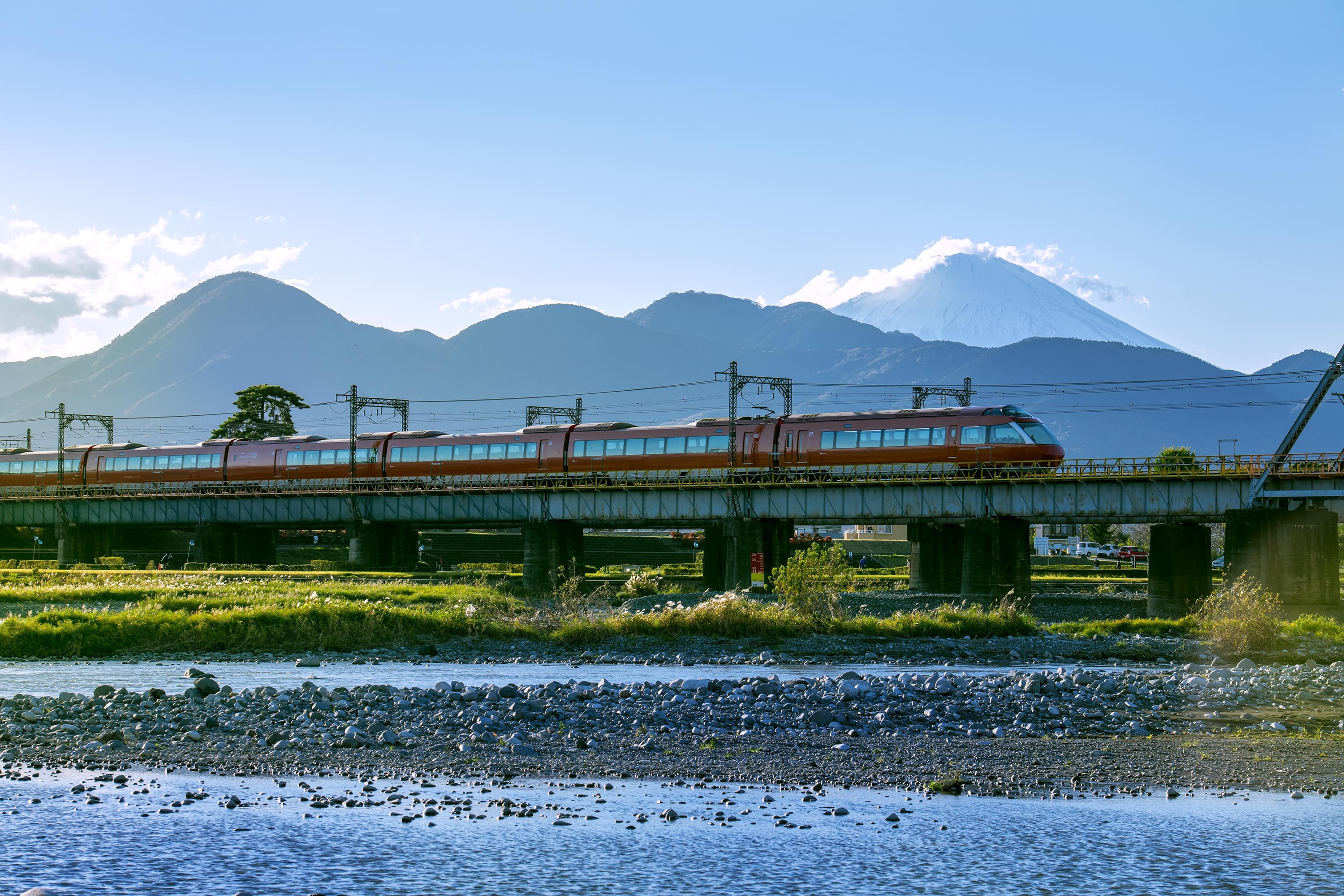
Stunning natural beauty aside, one of Hakone’s biggest draws is how easy it is to navigate. For seasoned Japan travelers, a Hakone trip is almost synonymous with two interconnected modes of travel: the Hakone Freepass and the Odakyu Romancecar. The Hakone Freepass is a single, all-in-one ticket that provides unlimited access to the area’s major transportation networks, available in both two- and three-day versions. The Romancecar, Odakyu’s limited express ser- vice, departs directly from Shinjuku and reaches Hakone-Yumoto in around 80 minutes with no transfers. Together, the two create a frictionless journey from central Tokyo into the mountains of Hakone, and both can be purchased easily online (see the “More Info” section for details).
Using the Freepass, many travelers explore Hakone via its well-known circular route, often referred to as the Hakone Loop — a course that links mountain railways, cable cars, ropeways, lake cruises and local buses, turning transportation itself into part of the sightseeing experience. Below is one way to follow that route over the course of a well-paced day.
Getting There: The Romancecar
From Shinjuku Station, the journey begins aboard the Odakyu Romancecar, which was designed with sightseeing in mind, with spacious, reserved seating and wide windows that showcase the shifting views along the way. It offers a relaxed and comfortable start to the trip as Tokyo’s dense cityscape gradually gives way to greener, more mountainous scenery.
The train arrives at Hakone-Yumoto Station almost before you realize it, where the air feels noticeably cooler due to the higher altitude. The station serves as an orderly gateway, ushering travelers onward into the heart of the mountains.
Into the Mountains by Cablecar and Ropeway
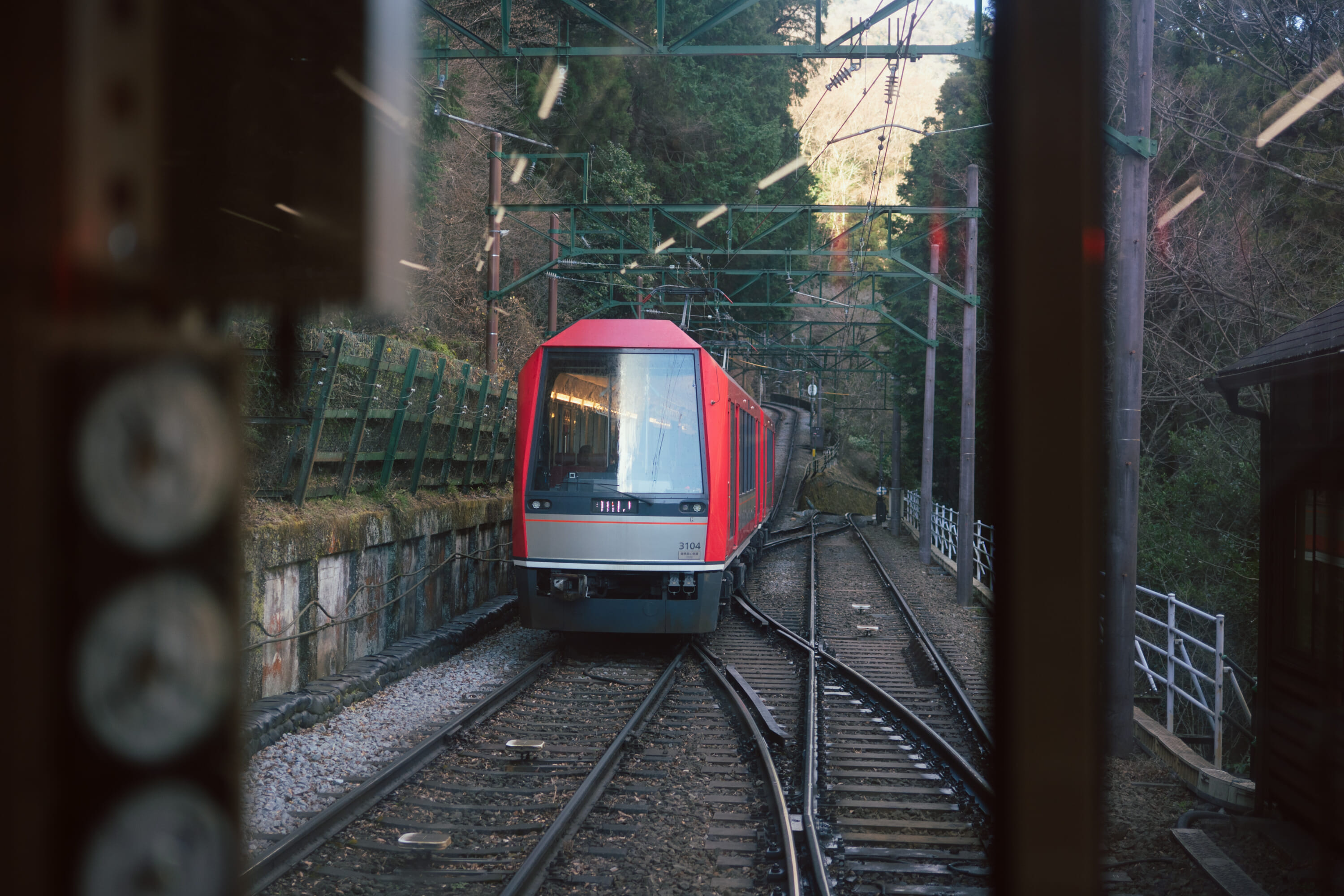
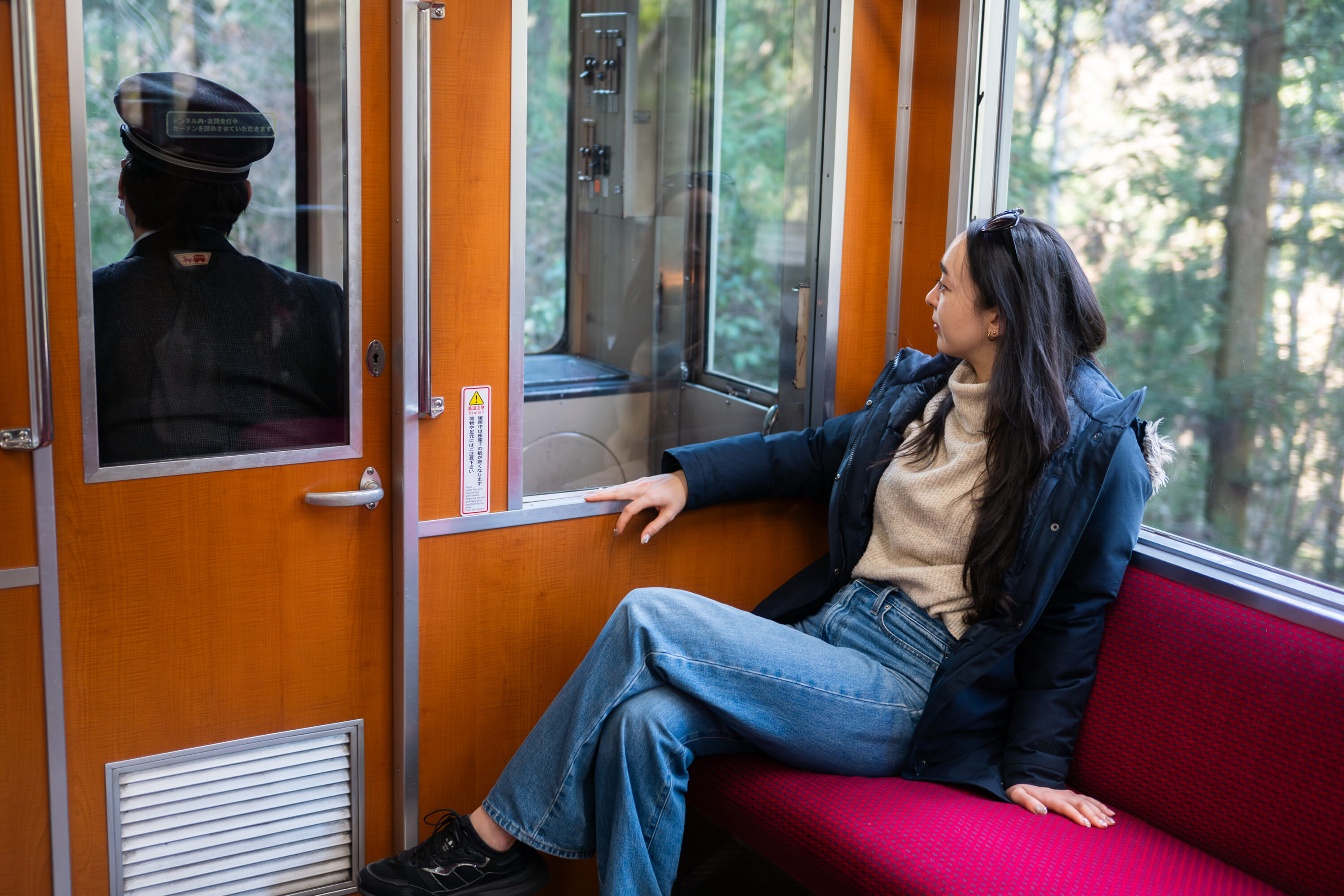
From Hakone-Yumoto Station, board the Hakone Tozan Railway for the climb into the mountains. To manage the steep terrain, the train uses a series of switchbacks, reversing direction three times as it makes its way up the forested slopes. Between turns, passengers can catch glimpses of mountain homes and, briefly, the Hakone Open-Air Museum.
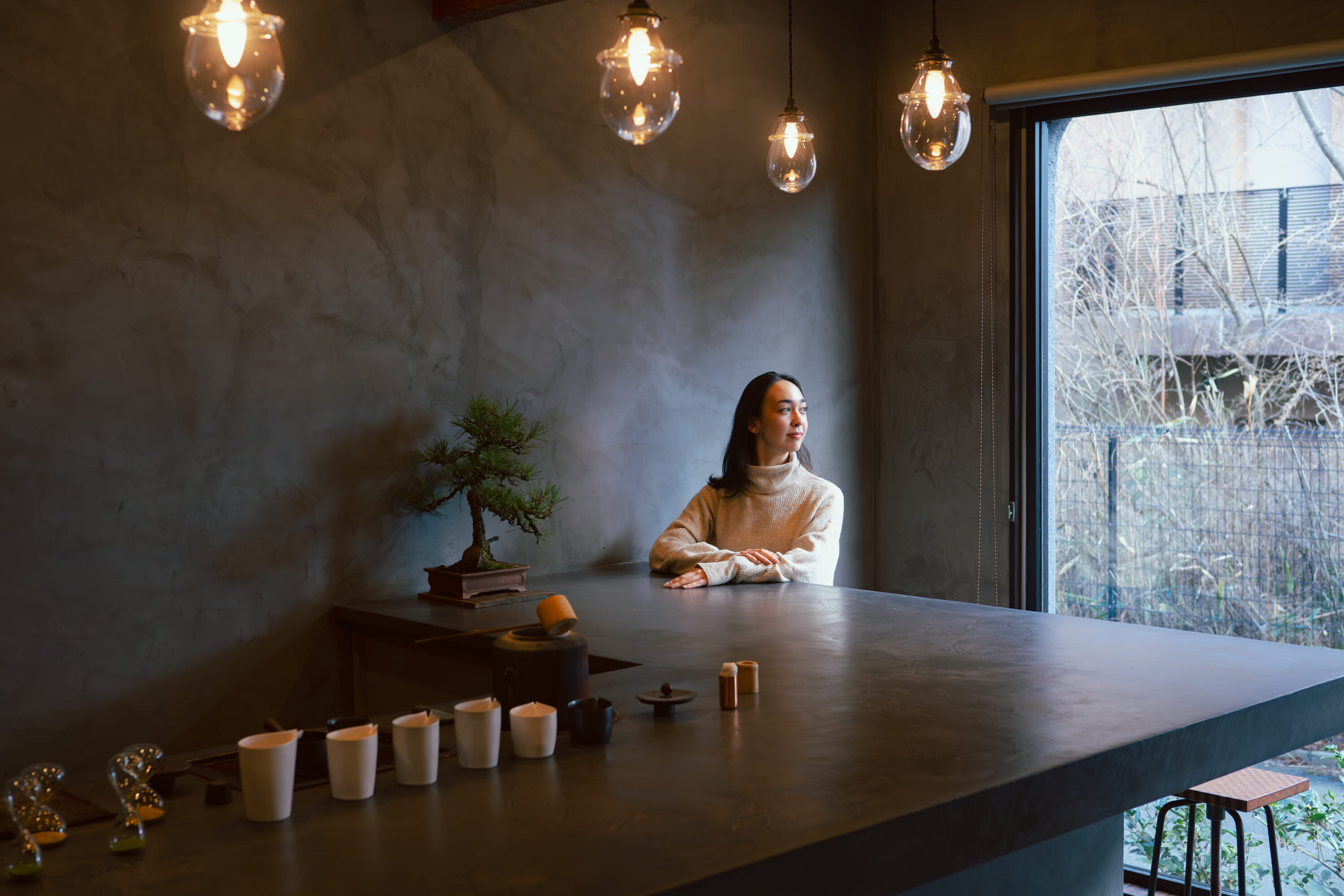
Disembark at Gora Station, where the atmosphere shifts again. The scent of hot springs lingers in the air, signaling the arrival into an onsen town. From the station, it’s a short walk to Chaseki, a contemporary teahouse tucked just off the main road. Inside, the space is minimal and elegant, with a stone counter, carefully arranged bonsai and the aroma of freshly roasted hojicha. Tea is brewed in front of guests and served with seasonal, Hakone-inspired sweets.
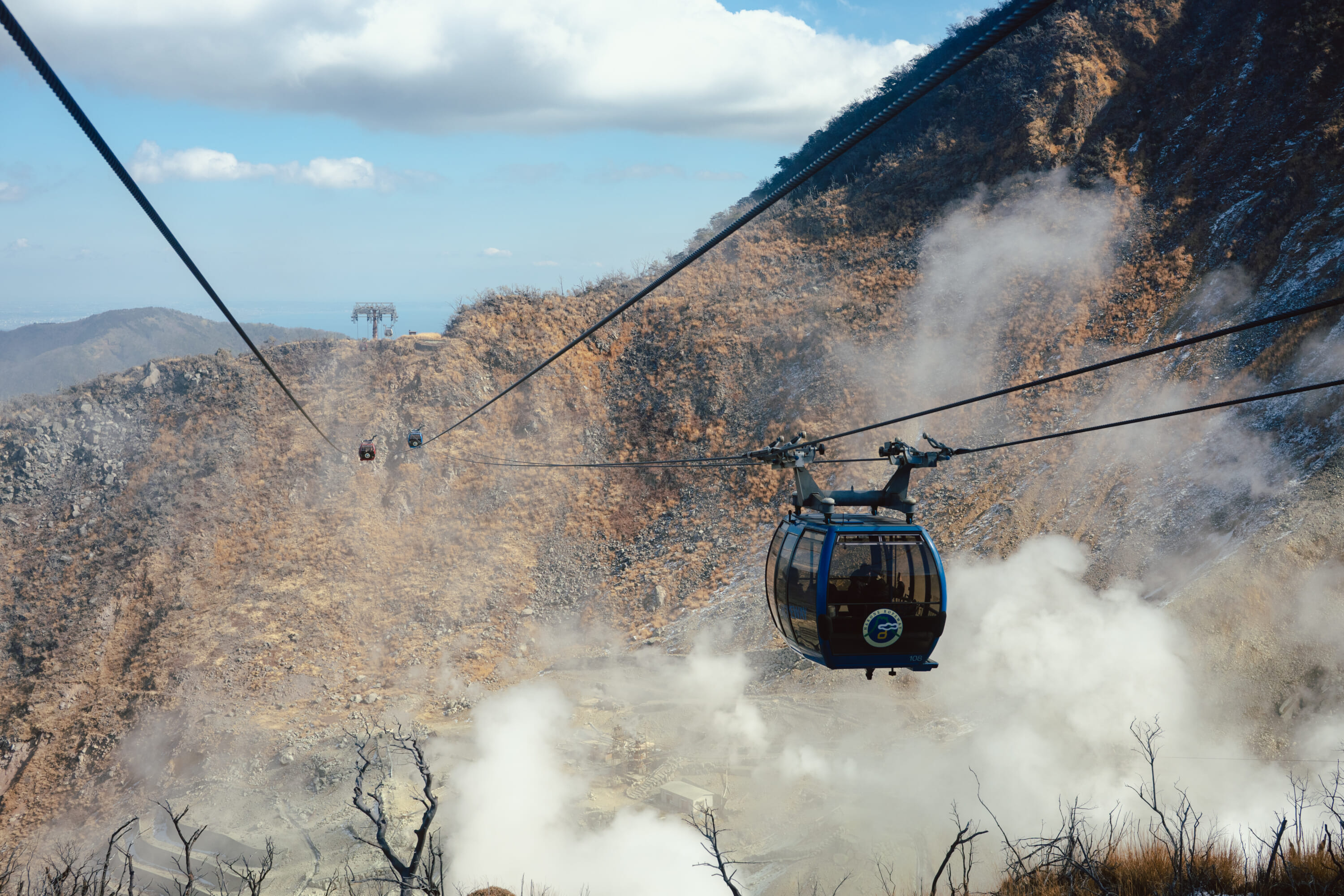
Afterward, return to Gora Station and continue upward by cable car to Sounzan Station, then transfer to the ropeway toward Owakudani. The landscape quickly turns dramatic as the ropeway passes over the valley, formed around the crater of Mount Hakone roughly 3,000 years ago and still active today. Steam vents release thick white plumes that drift across walkways and viewing platforms, set against a stark, rocky landscape.
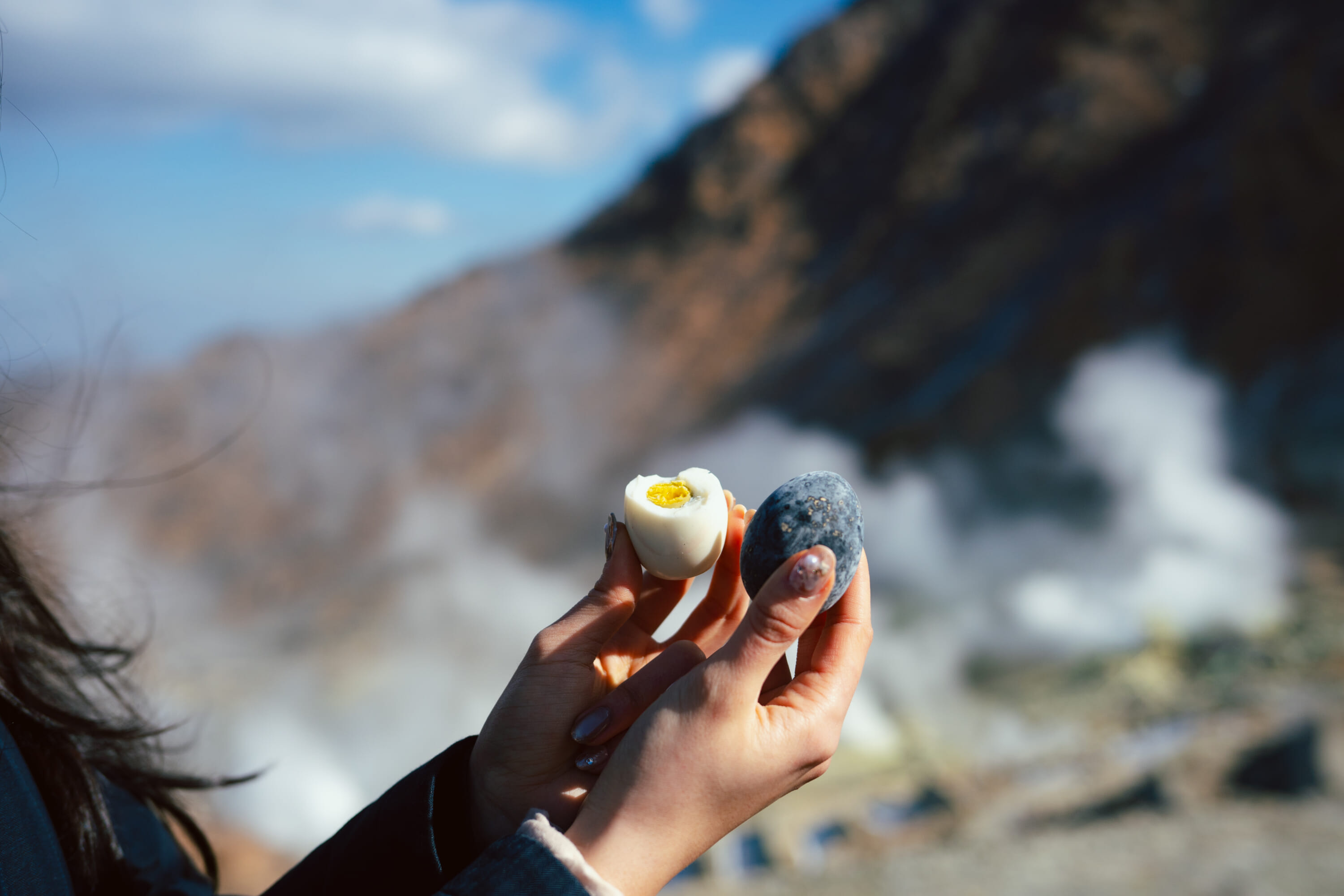
Near the observation areas, small shops sell kuro-tamago — eggs boiled in sulfur-rich spring water that turns their shells jet black. Said to add seven years to one’s life, they’re a popular local specialty and a fitting snack while taking in the otherworldly scenery.
Across the Water
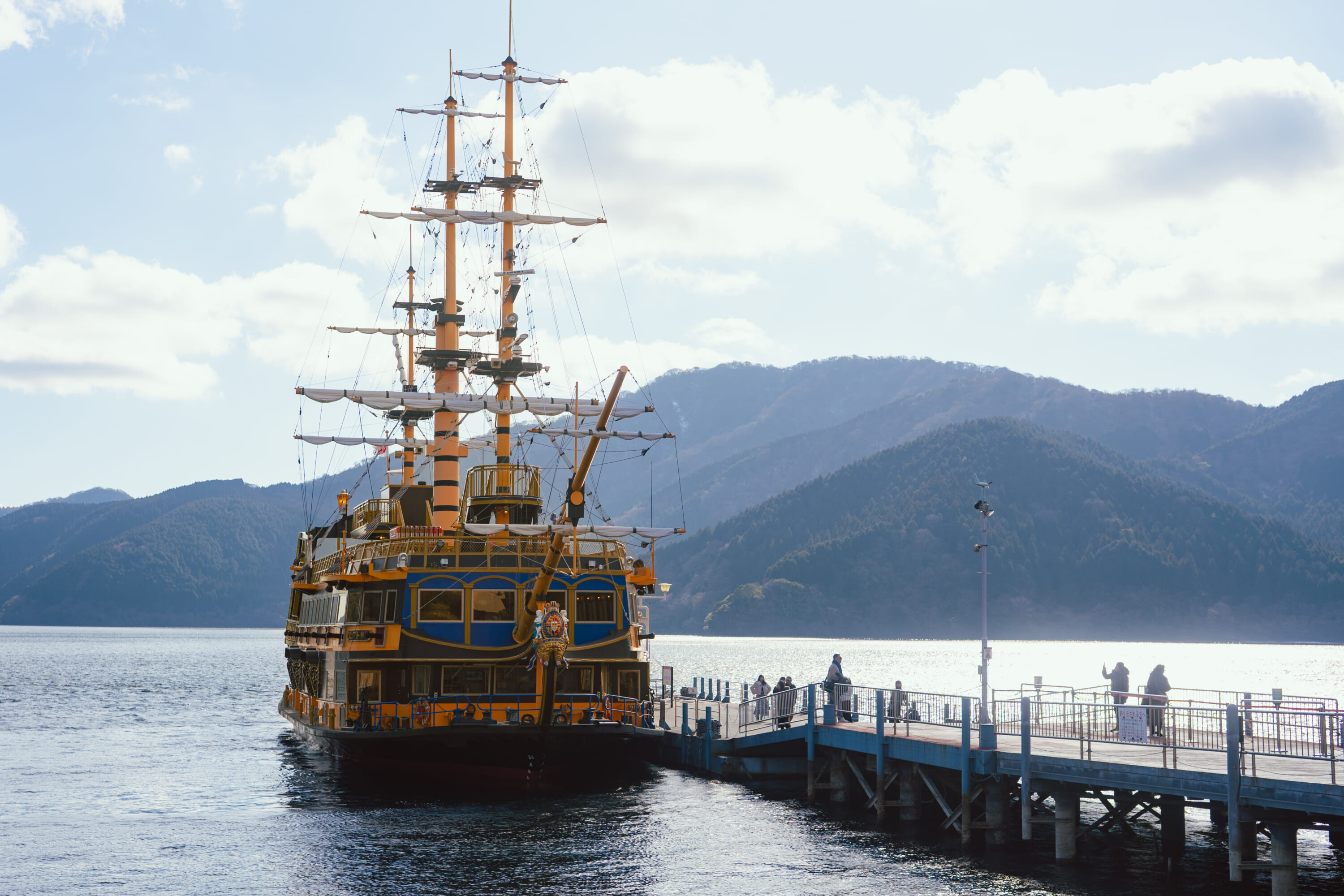
From Owakudani, take the ropeway to Togendai Station. This is where you’ll board the Hakone Sightseeing Cruise — instantly recognizable for its whimsical, pirate ship-inspired design — and set out across the lake.
The cruise sails toward Moto-Hakone, with open-air decks offering wide views of the surrounding hills. On clear days, Mount Fuji appears between passing clouds, and passengers can spot the torii gate of Hakone Shrine, standing partially submerged along the shoreline.
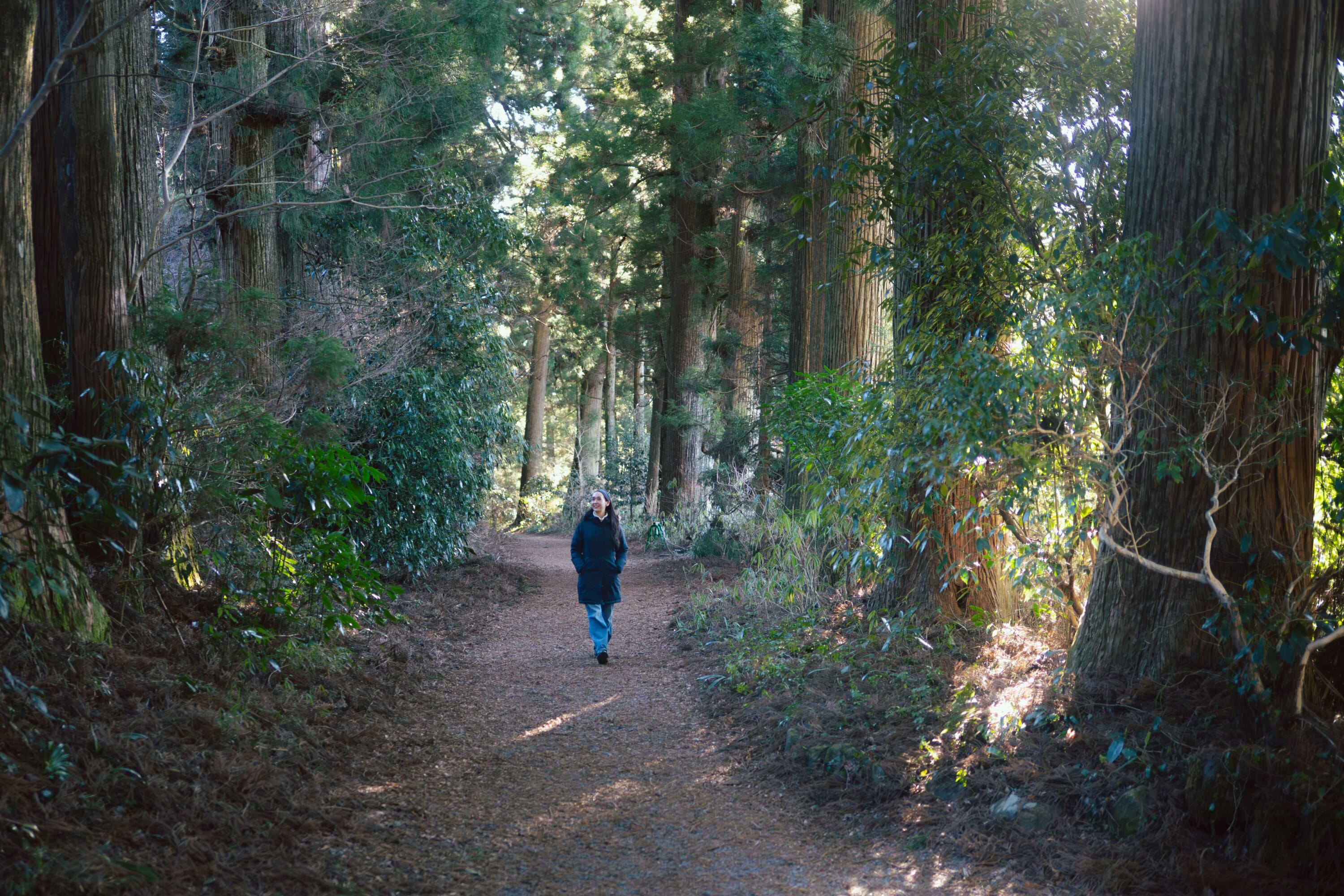
Disembark at Motohakone Port and take time to explore the lakeshore area, with its lakeside roads, historic inns and restaurants. From there, it’s a short walk to Old Tokaido Road Ancient Cedar Avenue, a lesser-known but atmospheric stretch of path lined with towering Japanese cedar trees. Once part of the main route connecting Edo and Kyoto, the road was traveled by feudal lords, merchants and pilgrims. Today, it runs quietly alongside Lake Ashi, shaded and offering a reflective walk through Hakone’s past.
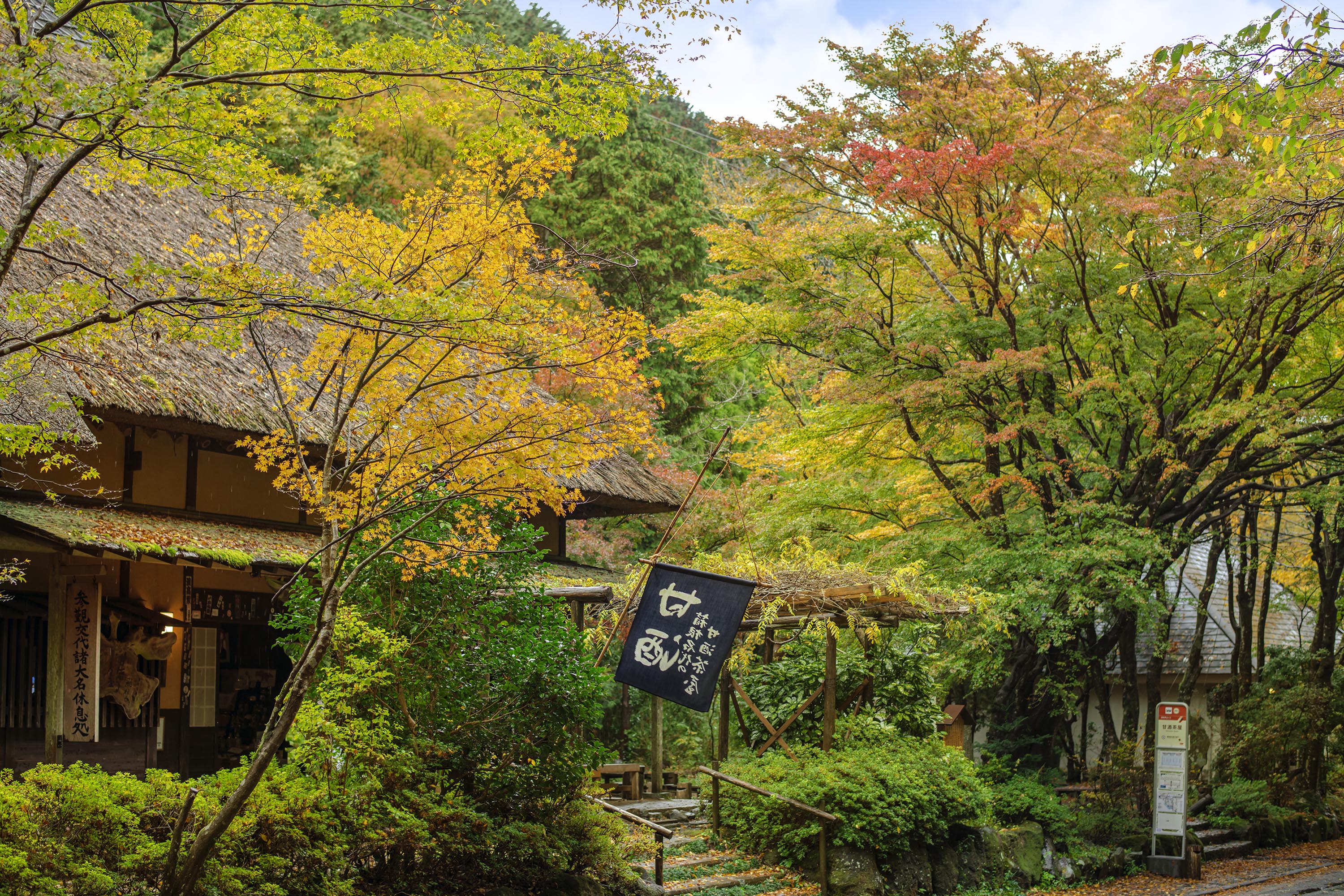
For a final stop, make your way to Hakone Amazake Tea House, a thatched-roof teahouse that has served travelers for 13 generations, for over 400 years. Inside, an irori hearth anchors the room, its gently crackling fire providing warmth against the mountain air. Visitors are served naturally sweet amazake and chewy chikara-mochi, a simple but satisfying end to a full day of exploration.
As evening approaches, return by bus to Hakone-Yumoto and onto the Romancecar. For those choosing to stay overnight, Hakone is also home to a wide range of renowned onsen ryokan, where the day can end with a soak in the region’s restorative hot springs.
More Info
Both the Hakone Freepass and Romancecar limited express tickets can be purchased in advance through EMot Online Tickets, Odakyu’s official digital ticket platform. The site allows travelers to book both tickets in one place, streamlining the planning process before departure.
Purchasing online not only guarantees reserved Romancecar seating but also enables seamless use of the Hakone Freepass throughout the region via a digital ticket on your smartphone.
For details and booking, visit the official Hakone Freepass page.