Japan is renowned for its efficient and innovative transportation systems. While sleeper trains have largely disappeared as high-speed services have become the norm, sightseeing trains continue to offer travelers a slower, more immersive way to experience the journey itself. For those seeking an adventure that begins the moment they step onto the platform, sightseeing trains offer a one-of-a-kind encounter.
JR East’s new Luna Azul train, set to debut in 2027, aims to revive the nostalgia and whimsy of sleeper trains with a travel experience that treats the journey itself as an attraction.
The Luna Azul will be the first major new sleeper train since the Sunrise Express’ launch in 1998, marking an exciting return to form that embraces slower travel that savors each step of a trip with intention.
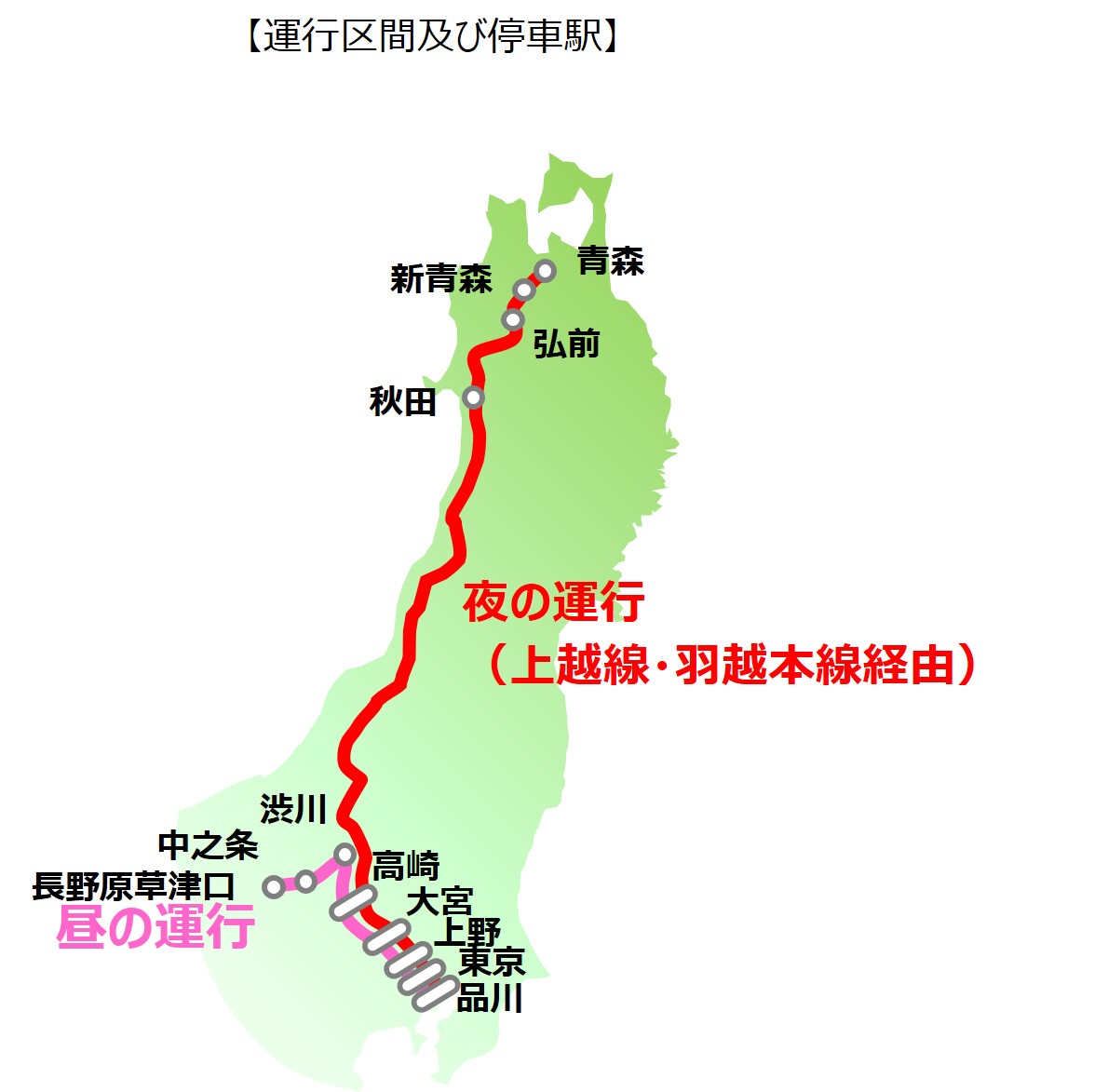
Luna Azul’s scheduled debut routes | Image courtesy of PR Times
The Overnight Route: Tokyo to Aomori (Spring to Autumn)
During the spring and autumn seasons, the Luna Azul will operate overnight services, running from Tokyo’s Shinagawa Station to Aomori Station in the Tohoku region via the Joetsu and Uetsu Main lines.
The train will operate two round trips per week, departing northbound from Shinagawa at around 4:00 p.m. and arriving at Aomori Station at around 7:00 a.m. the next day. Returning southbound, the train will depart Aomori Station around 9:00 p.m. and arrive back in Shinagawa at 9:30 a.m. the following day. The route offers a serene journey, stopping at Tokyo, Ueno, Omiya and Takasaki before continuing on to Akita, Hirosaki, Shin-Aomori and Aomori.
The journey will take around 12 to 15 hours. If speed is not a priority, the Luna Azul gives passengers the opportunity to wind down and appreciate the abundant natural scenery of Japan’s northern regions.
The Winter Daytime Route: Tokyo to Kusatsu Onsen
During the winter season, the train will also offer an daytime service to Naganohara-Kusatsuguchi Station in Gunma Prefecture, allowing passengers to enjoy snow-covered landscapes while traveling toward the famous hot spring town of Kusatsu.
The winter route will stop at Tokyo, Ueno, Omiya, Takasaki, Shibukawa, Nakanojo and Naganohara-Kusatsuguchi. The evening service will operate six round trips per week, departing southbound at 10:00 a.m. and arriving at 12:30 p.m. For the return trip, the train will depart northbound at 4:30 p.m. and arrive at 7:30 p.m.
JR East has stated that it plans to introduce more routes in the future, but will begin with these initial itineraries.
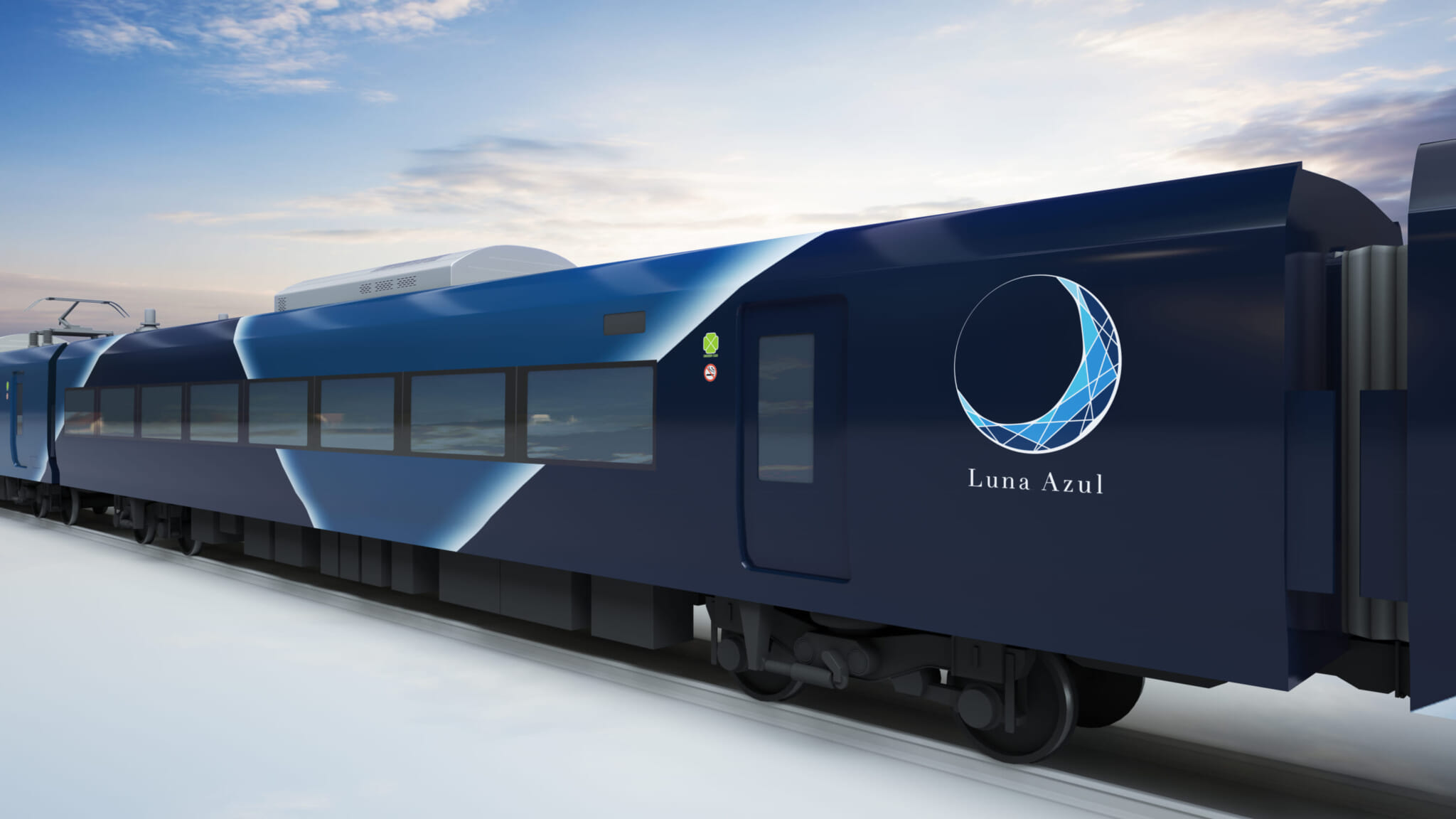
Image courtesy of PR Times
Connecting Aomori, Gunma and Tokyo in Luxury
The Luna Azul’s current destination offerings will connect travelers to some of the most sought-after attractions and sightseeing spots.
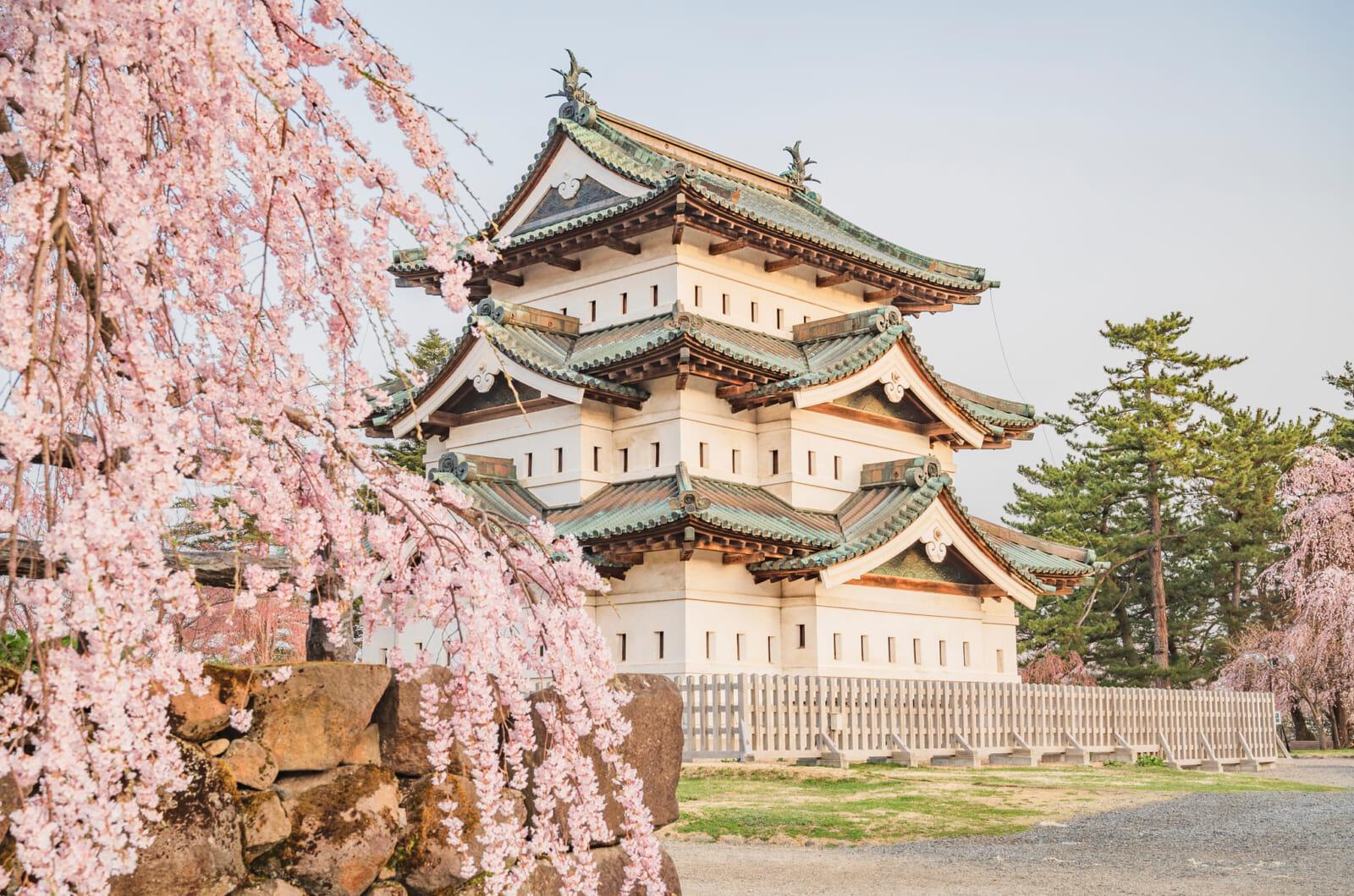
What To Do in Aomori
Aomori is home to several attractions and regional specialties. Aomori is synonymous with succulent apples that can be found in everything from juices to tarts, ice cream and more. Eating apples is simply non-negotiable. Aomori also has renowned landscapes such as Mount Hakkoda, Lake Towada and Hirosaki Castle — whose nearly 3,000 cherry blossom trees create a magical spectacle in the spring. The annual Aomori Nebuta Matsuri, one of Japan’s three great festivals, draws around 3 million visitors over the course of the festival and features enormous illuminated floats of various historical and mythological figures in a grand parade.
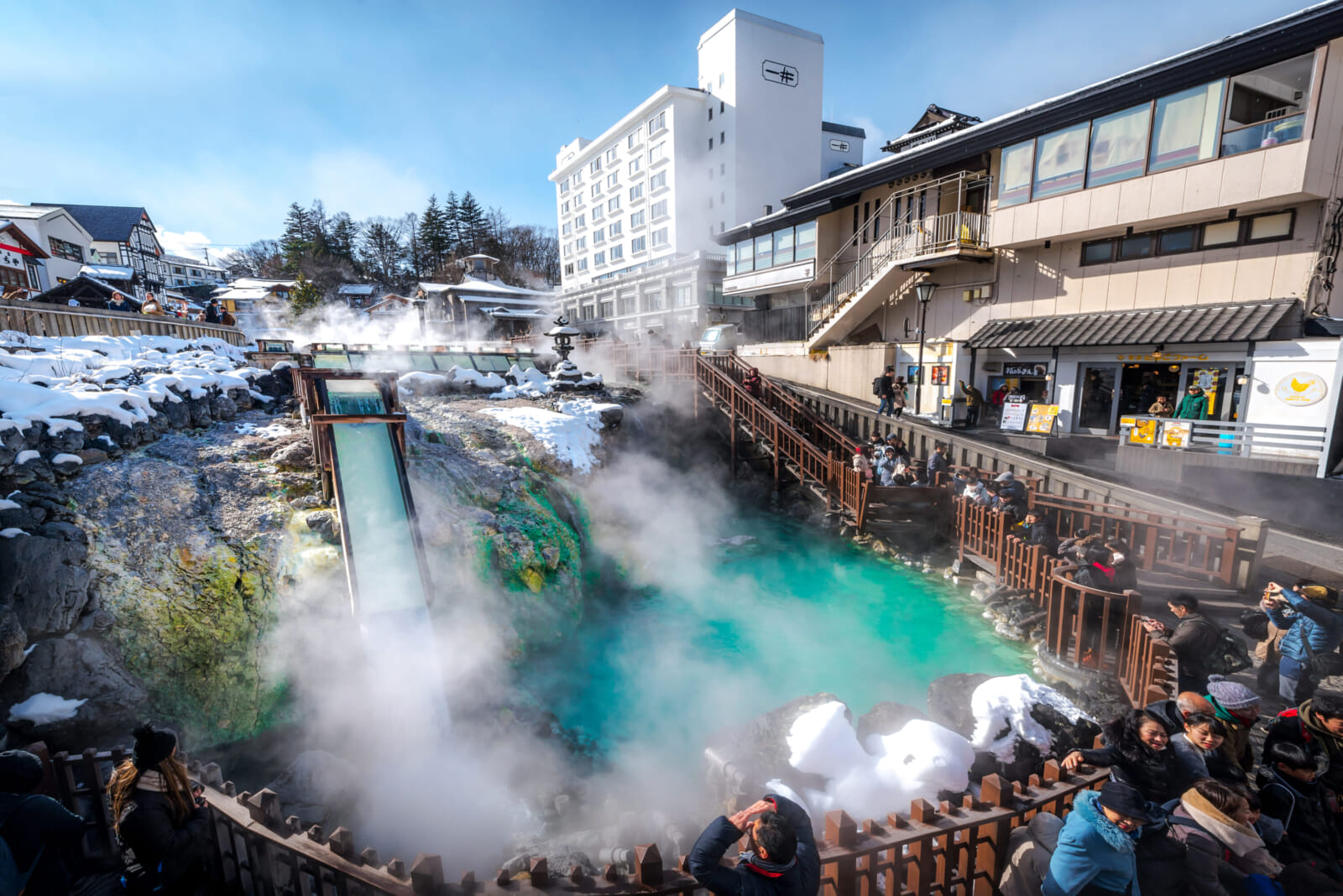
What To Do in Gunma
Gunma also has a lot to offer. The Luna Azul will take you straight to one of Japan’s most premier hot spring resorts, the famous Kusatsu Onsen. The yubatake, or hot water field, is the centerpiece of the town. It spews over 4,000 liters of mineral-rich spring water every minute at temperatures around 50-90°C.
Inside the Luna Azul: Cabins, Amenities, and Design
Reflecting its theme of a beautiful night adventure, the train’s name, Luna Azul, translates to “blue moon” in Spanish. The concept of Luna Azul revolves around comfort, quality and creating a memorable experience.
The 10-car train will have a total capacity of 125 passengers. All cars will be Green Car or Premium Green Car classes, offering spacious private seating and premium amenities designed to provide a more comfortable travel experience.
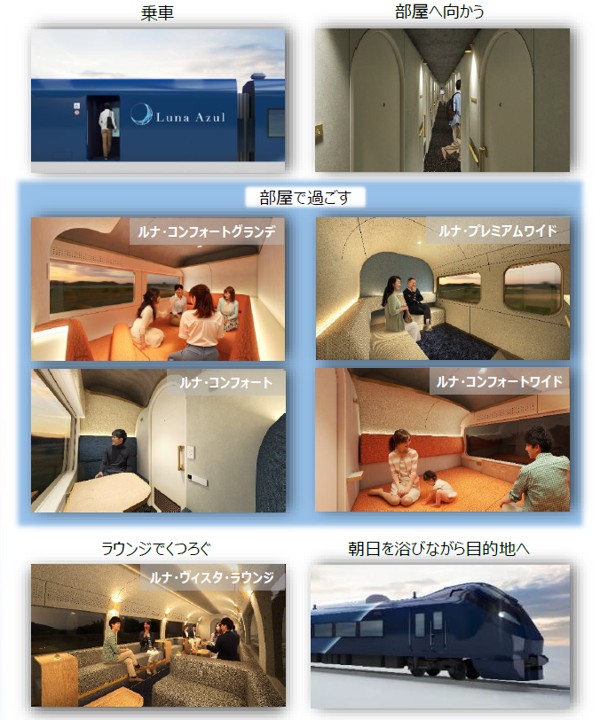
Image courtesy of PR Times
Seat compartments start at 90 x 195 centimeters, and go up to 325 x 195 centimeters — accommodating up to four people with room to relax, sleep and take in the passing views through the expansive windows.
Car 5 will also house the Luna Vista Lounge, which will serve drinks and snacks.
Booking the Luna Azul
Although exact pricing has not yet been released, JR East has indicated that the Luna Azul will be around the same price range as a Tohoku Shinkansen Green Car ticket, which is currently around ¥24,180 (about $150 USD) via the Tokyo-Shin-Aomori Hayabusa Green Car.
Instead of a regular ticket, the Luna Azul will offer travel packages that include special offers and exclusive experiences. Exact fares, detailed departure schedules and more information on on-board services will be announced at a later date.
Related Posts
- Japan’s Scenic Trains: Your Ticket to Stunning Views and Relaxing Travel
- Chasing Trains and Dreams with Hirokazu Fukushima
- Japan Travel Made Easy: A Comprehensive Guide to Shinkansen and Subway Trains
[newswletter]
Updated On June 22, 2026