Tsukimi, or moon viewing, has been a cherished autumnal tradition in Japan since the Heian period. While modern Tokyo might look a little different from the landscape back then, the city now has its own unique contrast: ancient moonlight against a futuristic skyline.
Although moon viewing can be done year-round, the harvest moon in September is a particularly significant time; historically, nobles would gather and recite poetry under the moonlight. Across the country, certain places are known for their superior lunar views — and actually, there’s an entire dedicated organization, the Japan’s 100 Moons project, which officially certifies exceptional locations where the moonlight harmonizes with scenic or architectural beauty.
While many of these locations can be in Japan’s countryside, six of these nationally recognized sites are in Tokyo, making for convenient tsukimi in the urban center. Eacher offers a unique perspective of the moon, whether it’s suspended over towering skyscrapers, historic gardens or iconic landmarks.
Hotel New Otani Tokyo
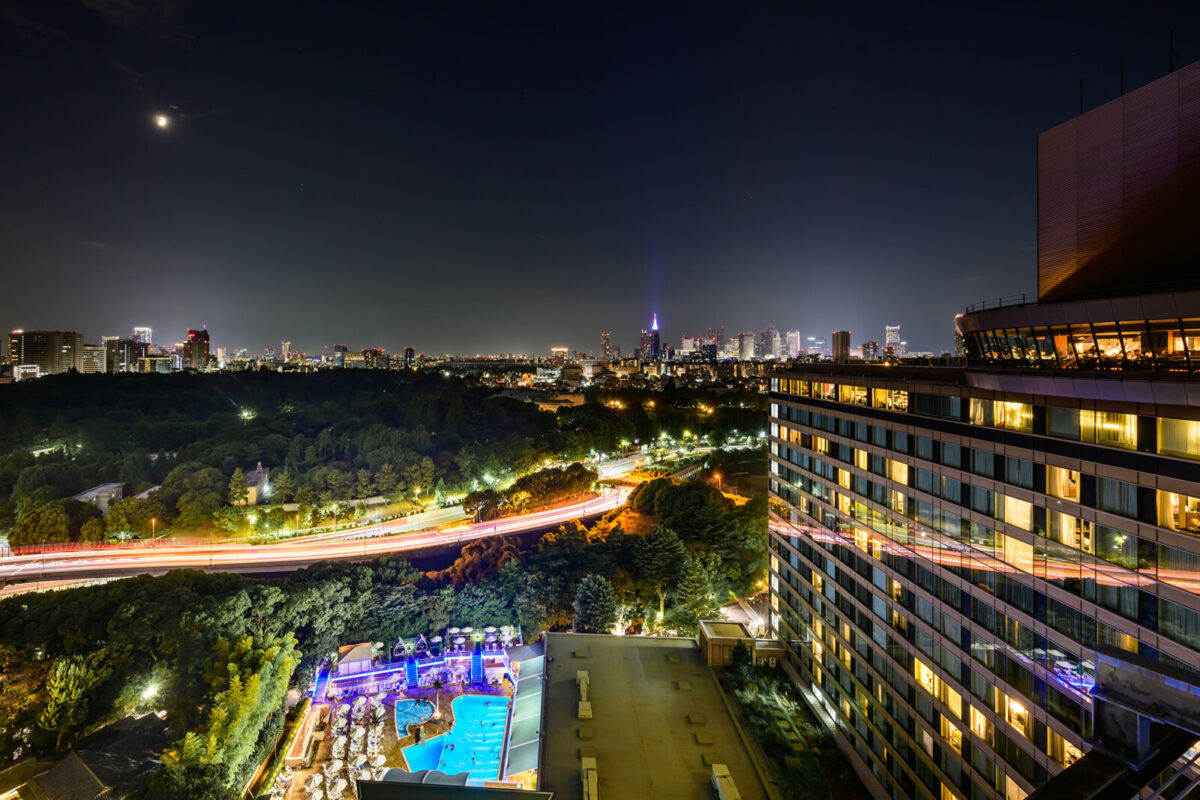
Opened in 1964, Hotel New Otani Tokyo is famous for its sprawling, historic Japanese garden. Guests can observe the moon from high-rise rooms or from the garden itself, the celestial body framed by landmarks like Tokyo Tower, Roppongi Hills and Tokyo Skytree. It’s also possible to take in the view from one of the hotel’s many bars and restaurants; its website conveniently has an entire section devoted to night views.
Tokyo Skytree
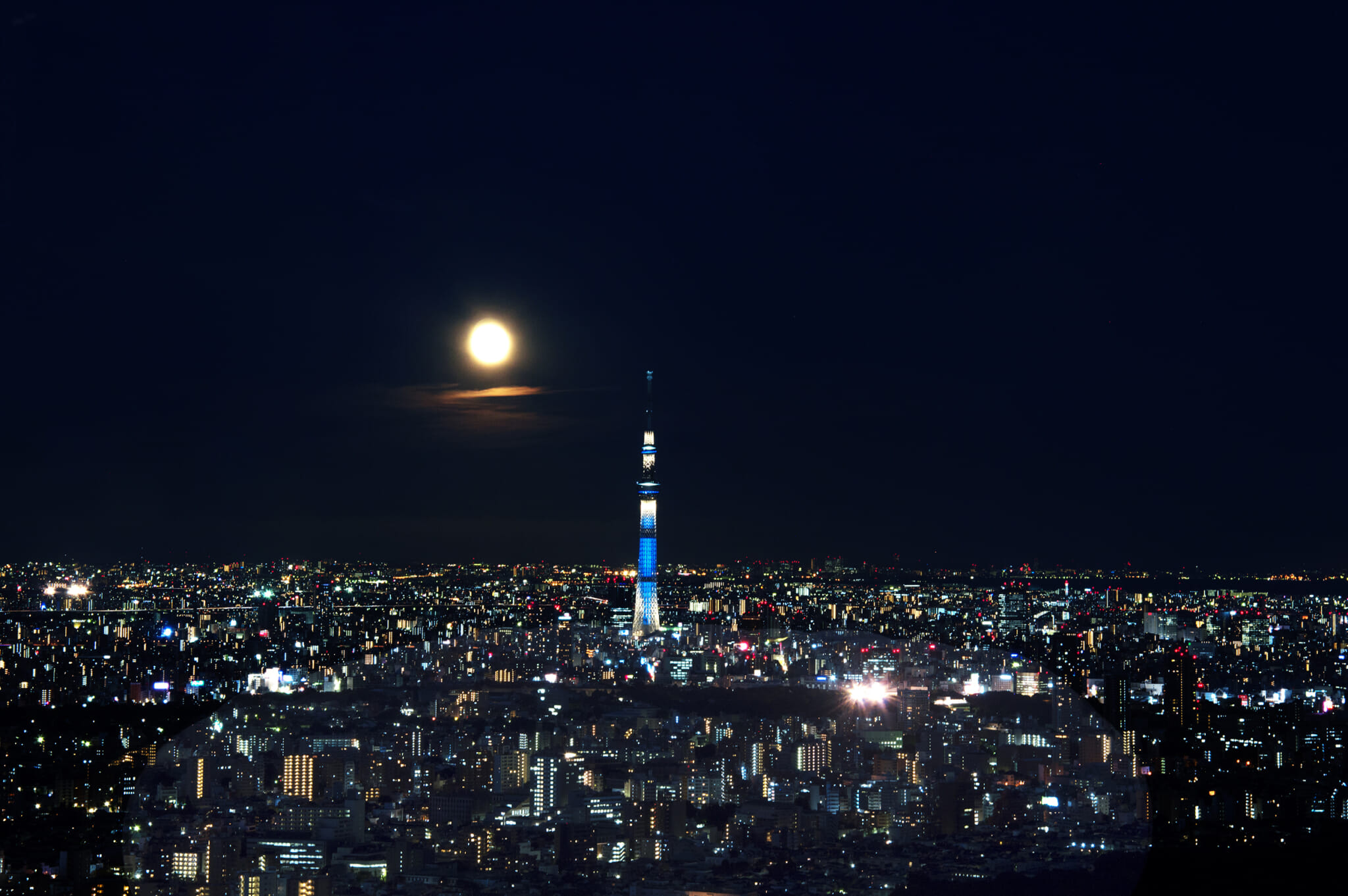
Tokyo Skytree has the honor of being Japan’s observation deck closest to the moon. It has two observation decks — the Tembo Deck at 350 meters and the Tembo Galleria at 450 meters — both offering a panoramic view, where the moon floats over the vast urban grid of Tokyo. Certified as both a Night View Heritage of Japan and a 100 Moons spot, Skytree also hosts special seasonal events around the autumn moon.
Tokyo Tower
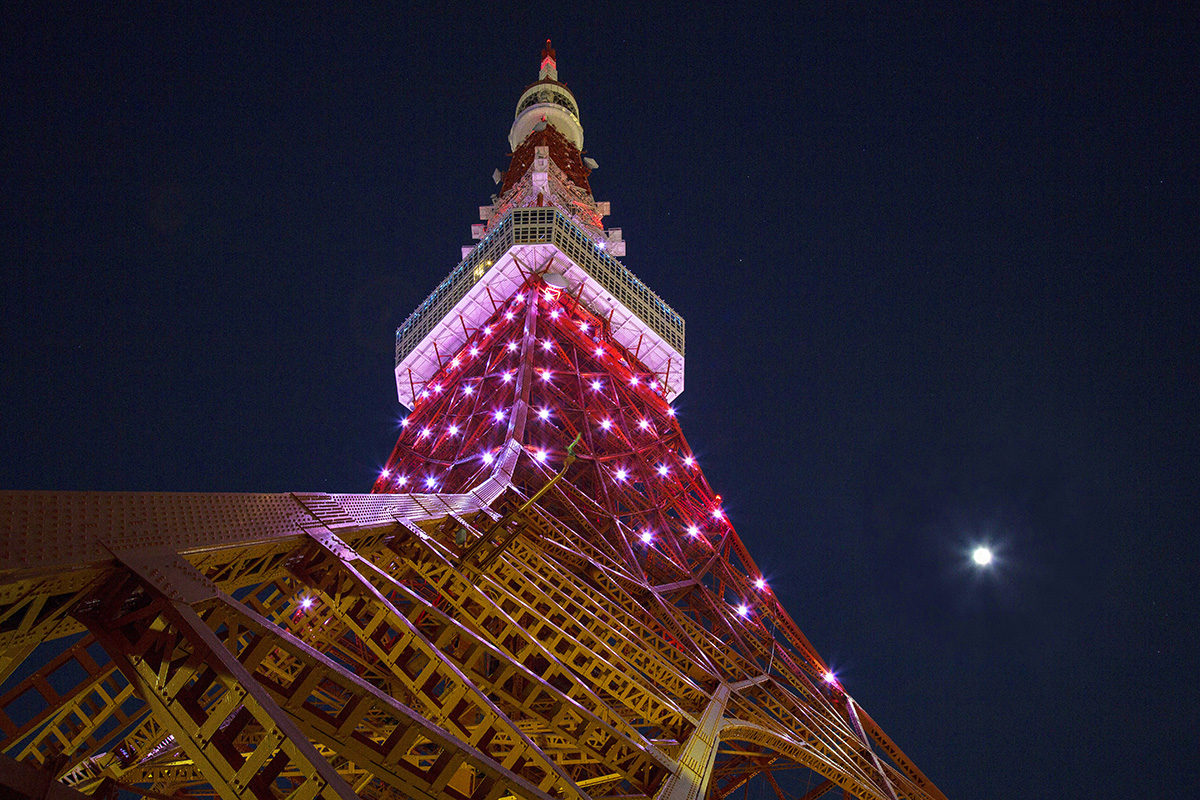
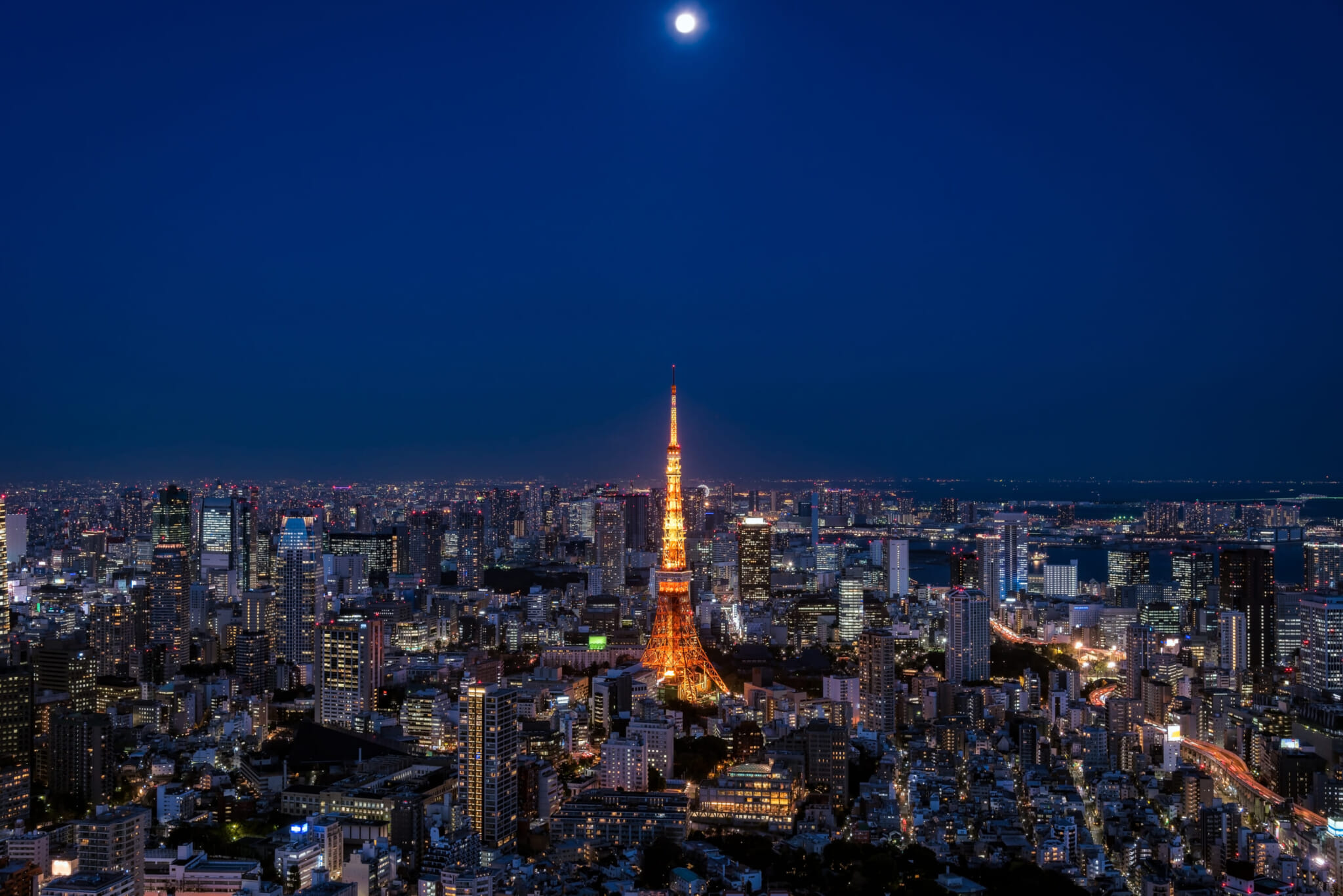
Tokyo Tower remains an iconic centerpiece of the city’s skyline. But unlike Skytree — which serves as a vantage point for appreciating the moon, per the 100 Moons guide — Tokyo Tower is best viewed alongside the celestial body. View it from surrounding vantage points like Shiba Park or Zojoji Temple to fully appreciate an evocative, classic Tokyo scene.
Adding to its allure as a tsukimi spot, Tokyo Tower turns the upper half of its light-up display off on full moon nights. This lighting setup highlights the glow of the full moon while keeping the lower structure gently illuminated, carefully working with nature to create a synthesis between architecture and the night sky behind it.
Keio Plaza Hotel
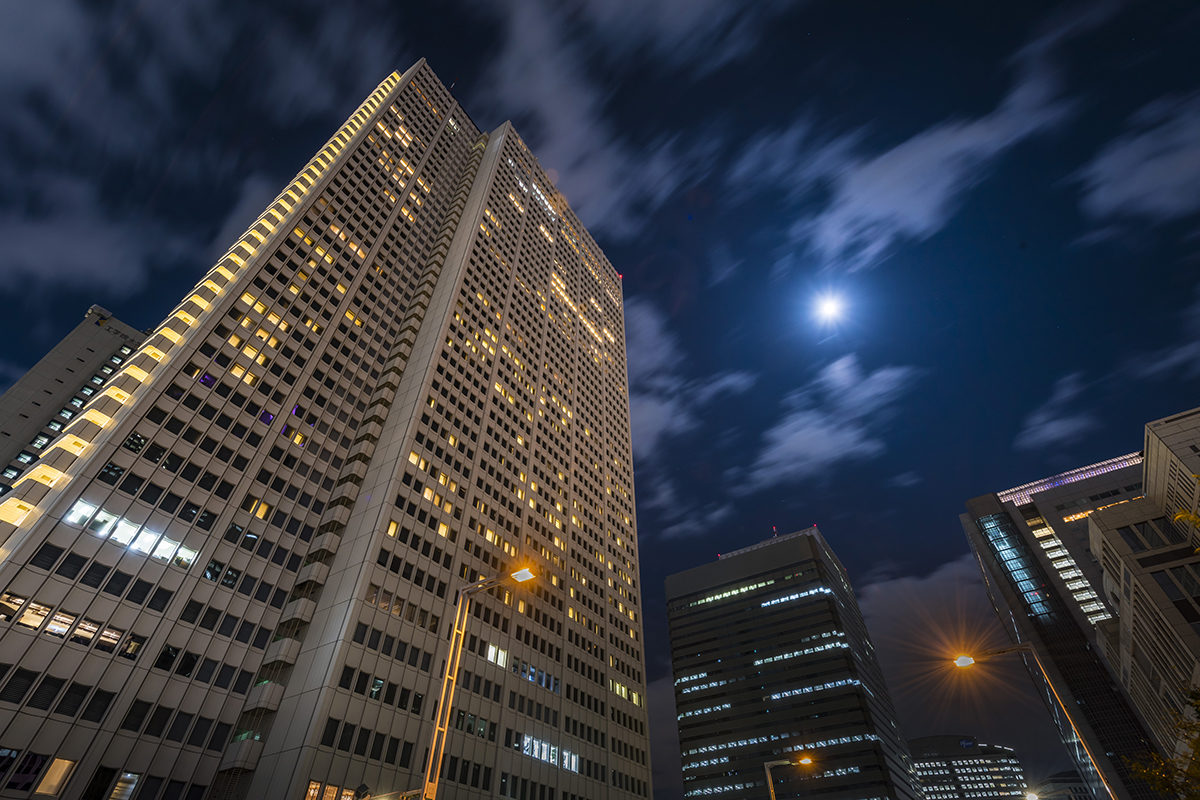
Located in West Shinjuku, Keio Plaza Hotel made history in 1971 as Japan’s first super high-rise hotel. It also broke ground as the first hotel location ever certified under the Japan’s 100 Moons project.
When built, the hotel’s guest rooms were specifically crafted with knee-high, wide windows designed to follow the path of the sun. Conveniently, this architectural foresight makes the rooms — and upper-floor restaurants — perfect for watching the moon as well. If you don’t want to book a room just for moon-viewing, you can opt for a drink at the hotel’s 45th-floor bar, Aurora, or book a private dining room on the 44th floor.
Sunshine 60 Observatory
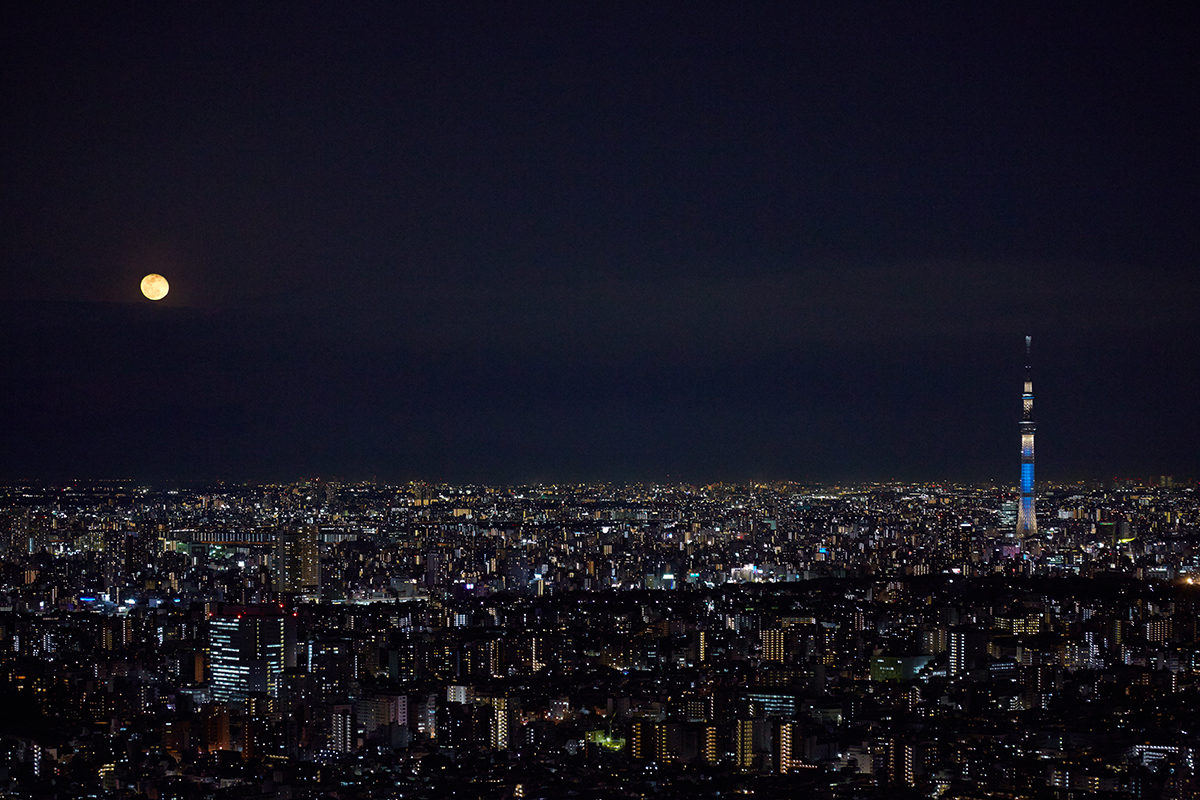
Reopened in 2023, Sunshine City’s Tenbou-Park observatory sits 251 meters above sea level in Ikebukuro. The 360-degree indoor facility offers sweeping vistas from Mount Fuji and the Tokyo city center to the northern reaches of Arakawa River and Saitama.
The observatory’s distinctive tall, vertical windows frame the night sky in a way that resembles a modern ukiyo-e (Japanese woodblock print). As the moon hovers above lit landmarks like Tokyo Tower and the Marunouchi district, visitors enjoy an open, park-like atmosphere complete with lush indoor green spaces.
Sunshine 60 Observatory hosts various “Astronomical events” throughout the year, like the “Mid-Autumn Moon” or the “Diamond Fuji,” as well as photography workshops. The observatory also has high-powered indoor telescopes for the entire family to engage with the night sky.
Roppongi Hills Tokyo City View
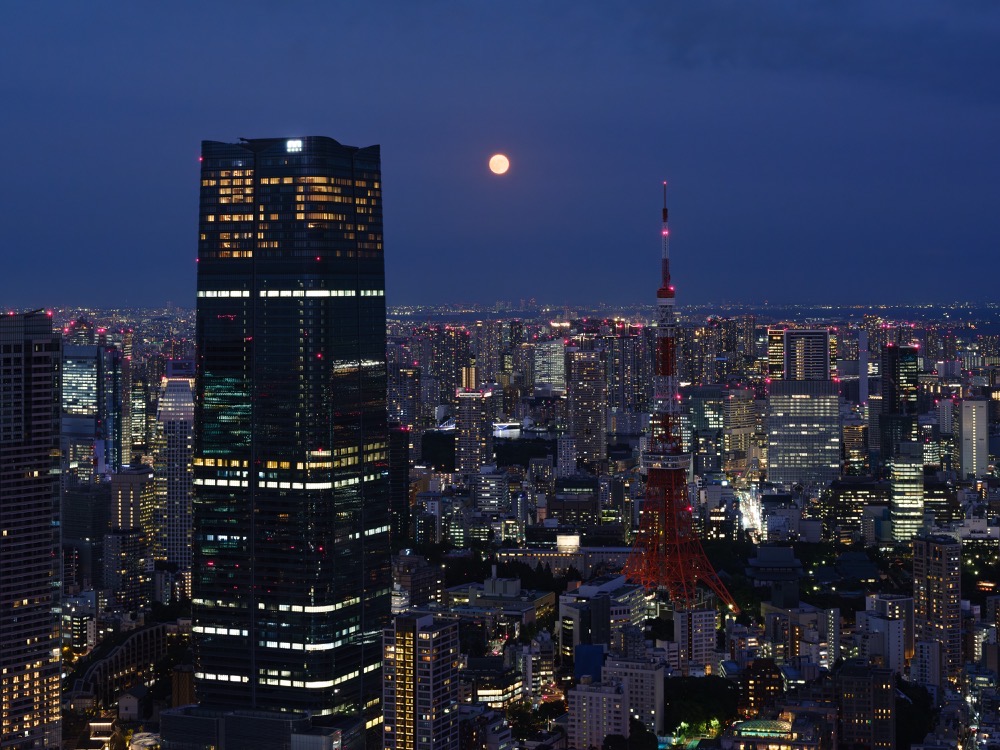
Perched on the 52nd floor of Mori Tower, Tokyo City View boasts 11-meter-high glass walls with an unobstructed front-row seat to the cosmos. Moon-gazers, photographers and romantic couples gather here to watch the moon rise beside Tokyo Tower or set toward Mount Fuji.
Beyond the views, the facility also houses The Sun and The Moon, a cafe and restaurant designed to resemble a forest in the sky, with floor-to-ceiling windows providing an expansive view. It’s known for its popular “AfterMoon Tea” and its evening “MoonLight High Tea,” served from 6:00 p.m. to 10:00 p.m. so that you can enjoy a light meal while moon-gazing.
About Japan’s 100 Moons
Inspired by Fukada Kyuya’s legendary 100 Famous Japanese Mountains, the Japan’s 100 Moons project turns the age-old art of tsukimi into a year-round experience. By uniting local municipalities, historic landmarks and luxury venues under one brand, the initiative aims to highlight the poetic charm of the Japanese moon while stimulating overnight tourism.
To earn an official spot on the list, candidate sites undergo rigorous evaluation. Each destination must provide safe nighttime enjoyment, a clearly identified operating entity, capacity for continuous maintenance, understanding of the brand’s value with ongoing promotion and the ability to install the official Japan’s 100 Moons plaque.
Certified spots fall into two main categories: Category A destinations, which host organized moonlit festivals and celestial cultural events, and Category B — vantage points celebrated for their iconic landscapes, rich heritage or dramatic skylines framed by the moon.
Whether you’re gazing from a centuries-old garden or a high-rise observatory above the clouds, these certified spots prove that Tokyo’s ever-changing night views are most beautiful when bathed in the light of the full moon.
Related Posts
- The Moon in Japanese Mythology and Culture
- The History of Tsukimi: Japan’s Timeless Tradition of Moon Viewing
- Tara: A Mystical Oceanside Town Where You Can Feel the Moon’s Power
Updated On September 16, 2026