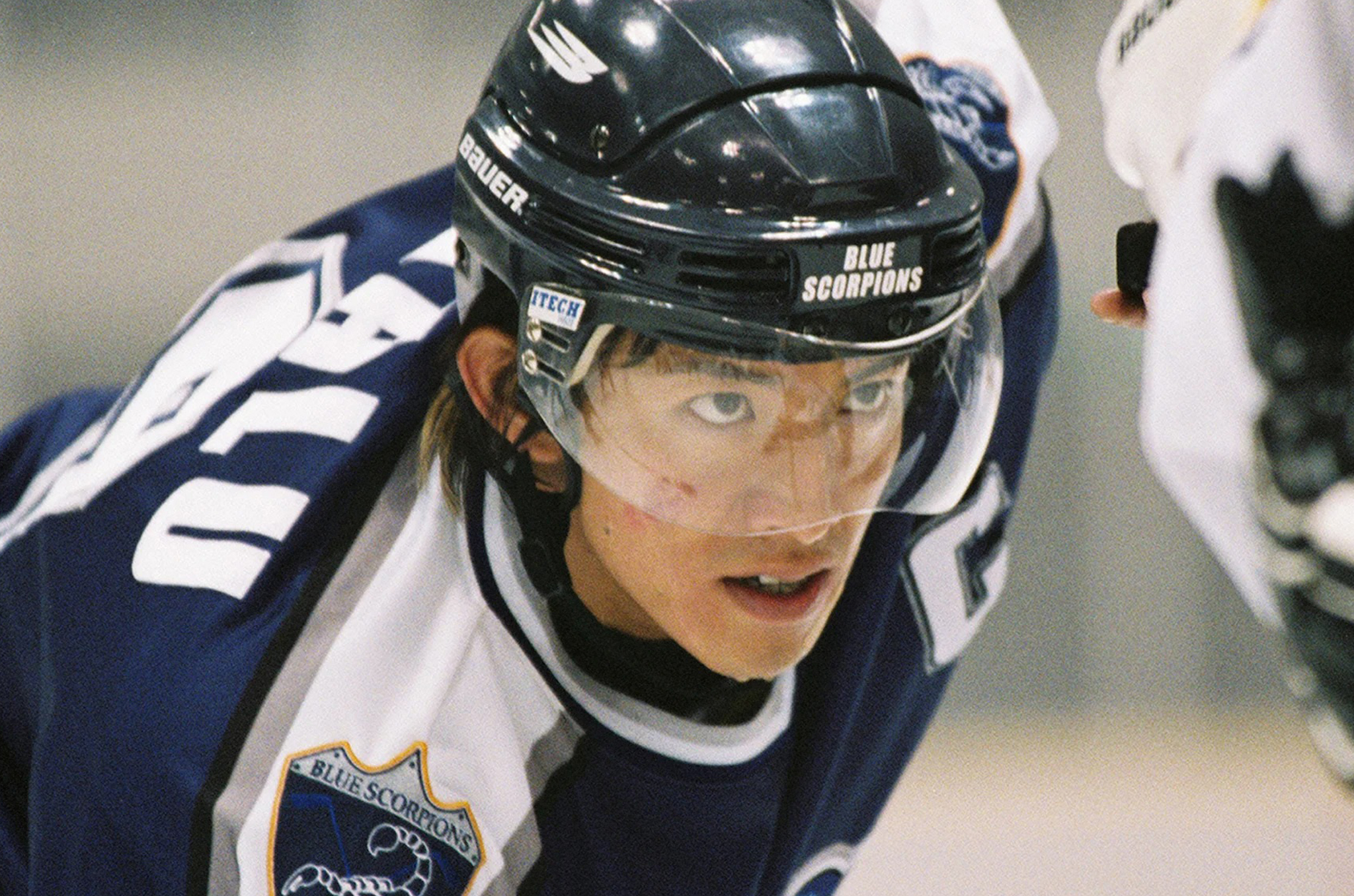
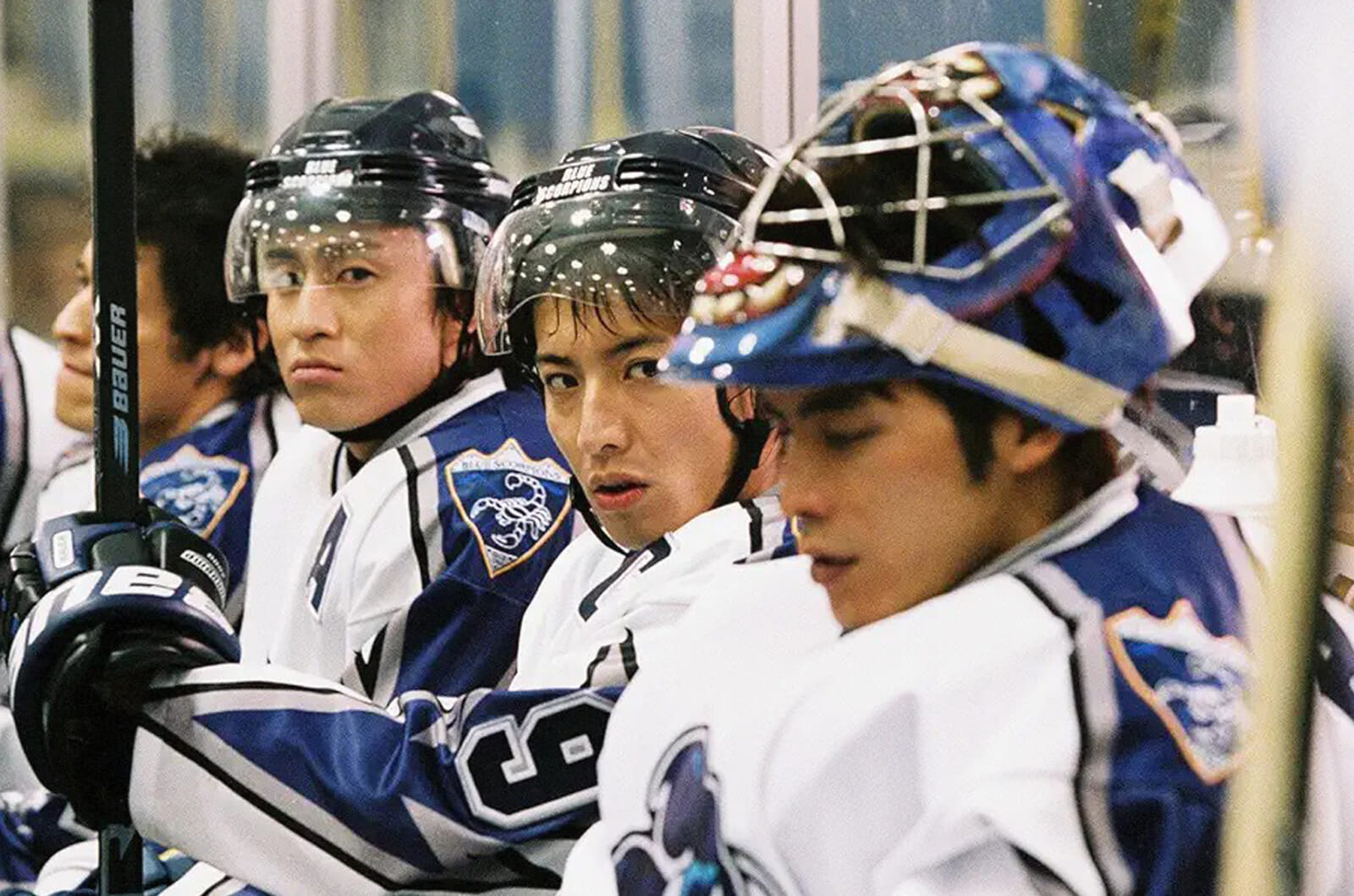
On December 12, Netflix will start streaming all 11 episodes of the 2004 Fuji TV drama Pride. Starring singer and actor Takuya Kimura as the captain of a corporate ice hockey team, the series was pretty well received during its original run — but was then almost immediately forgotten. Which is weird for one of the finest sports dramas Japan has ever produced. But, sometimes, it takes time for people to appreciate art, and once Pride becomes more widely available thanks to Netflix, maybe audiences will see it for the premier J-drama that it was. Here’s all that you can expect from the series, sans spoilers.
© Fuji TV c/o Netflix
A Celebration of Asian Masculinity
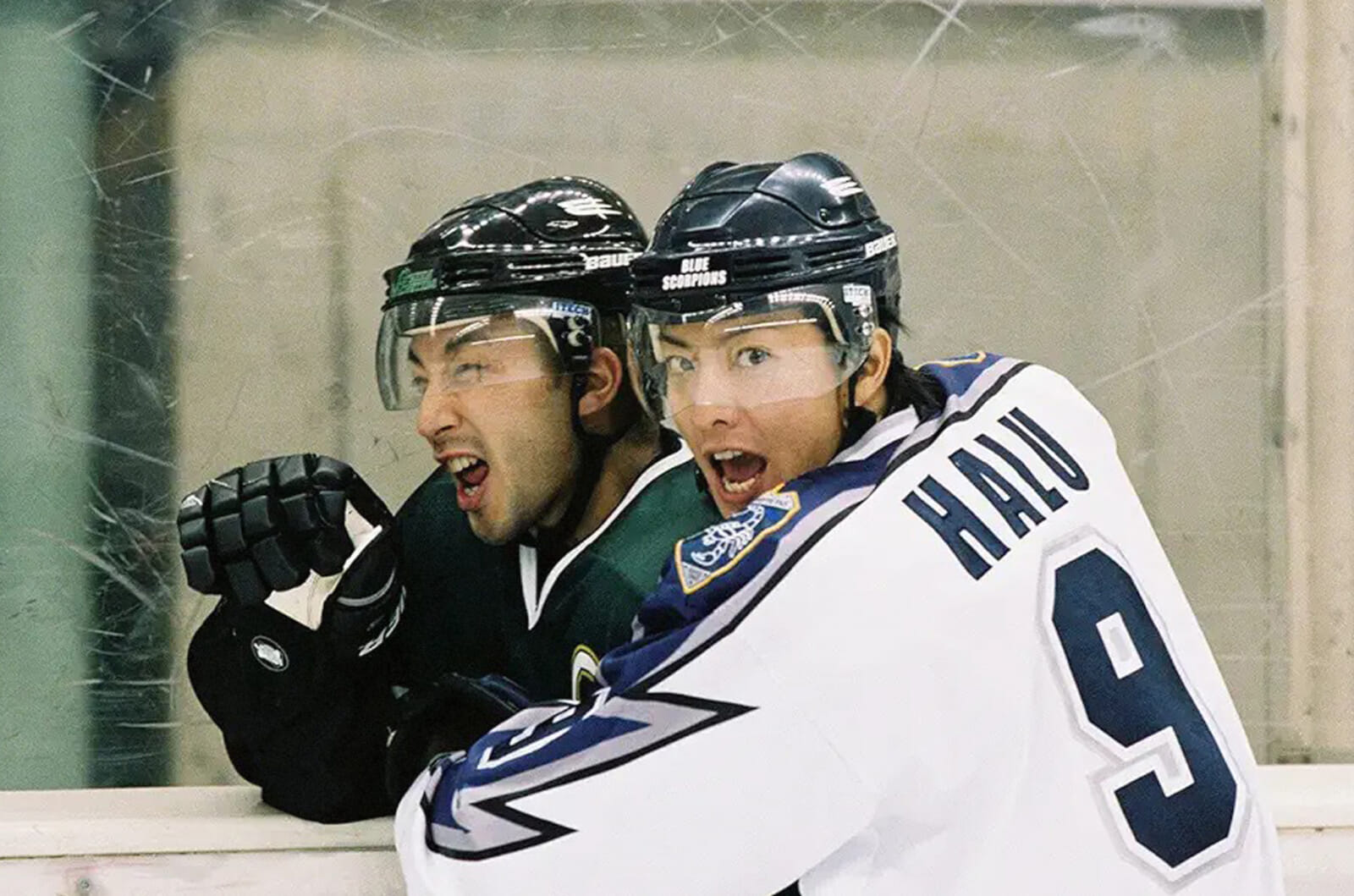
A lot of Japanese sports dramas tend to avoid themes of toughness and “manliness.” Even in a (particularly bloody) drama about sumo, a sport focused on strength, the ultimate message is that of discipline, respect and self-control. You will find all of that in Pride, but it will be accompanied by brawls on the ice, body checks and the portrayal of Asian characters as confident, physically powerful and dominating. You rarely see that on Japanese TV outside martial arts shows.
This may have something to do with the fact that the Japanese sports drama genre is absolutely inundated by kids and young adults. From Slam Dunk to Haikyu!!, fictional sports-focused stories on Japanese TV tend to feature middle to high school-aged characters and messages about the importance of teamwork, etc. Overtly physical characters on those shows tend to be the villains.
Pride does things differently. The show’s adult characters, primarily Kimura’s Haru Satonaka (spelled “Halu” on the show), are shown building muscle, pulling loose teeth out of their punched mouths and resolving many of their issues on the ice with violence. The best part is that the brutal hockey action is never condemned. It’s treated like an integral part of the game, allowing Pride to showcase male characters as bastions of classic ideas of masculinity.
Once you see it, it hits you how few Japanese shows do that. Doesn’t Japan deserve to celebrate manliness in a non-toxic fashion? All Pride does is show off Japanese guys as functioning adults who are also physically powerful, but that one tiny thing is something that has long been missing from the idea of Asian masculinity, a void many are actively working to rectify. As it so happens, Pride figured it out over 20 years ago.
© Fuji TV c/o Netflix
The Dynamism of Pride
A common critique of Japanese television is its approach to acting. Japanese film acting evolved from stage acting, which has a rich and long history in the country, but perhaps doesn’t always translate well to cinematography. Many Japanese actors have been accused of having wooden movements and static expressions. There’s maybe some truth to that, but it’s a longer, more complex talk for another day. Today, we are talking about how Pride has none of these issues.
There is movement all throughout the hockey show. The camera dances up and down, even when it’s just people sitting around and chatting. Everything is always on the move, like when two characters need to have a talk, so they jump into a car and go on an impromptu date. People gesticulate, fall over and are always doing something, like putting tape on their hockey sticks, and all of these small things accumulate into a frenzied deluge of motion, perfectly matching the tone of an ice hockey drama.
In Pride, the movement never ends, and that ups the intensity of every single scene, especially during the adrenaline-pumped on-ice action — though you have to wait a few episodes to get a bigger dose of that. Before that, there’s another thing that keeps viewers pumped and coming back for more:
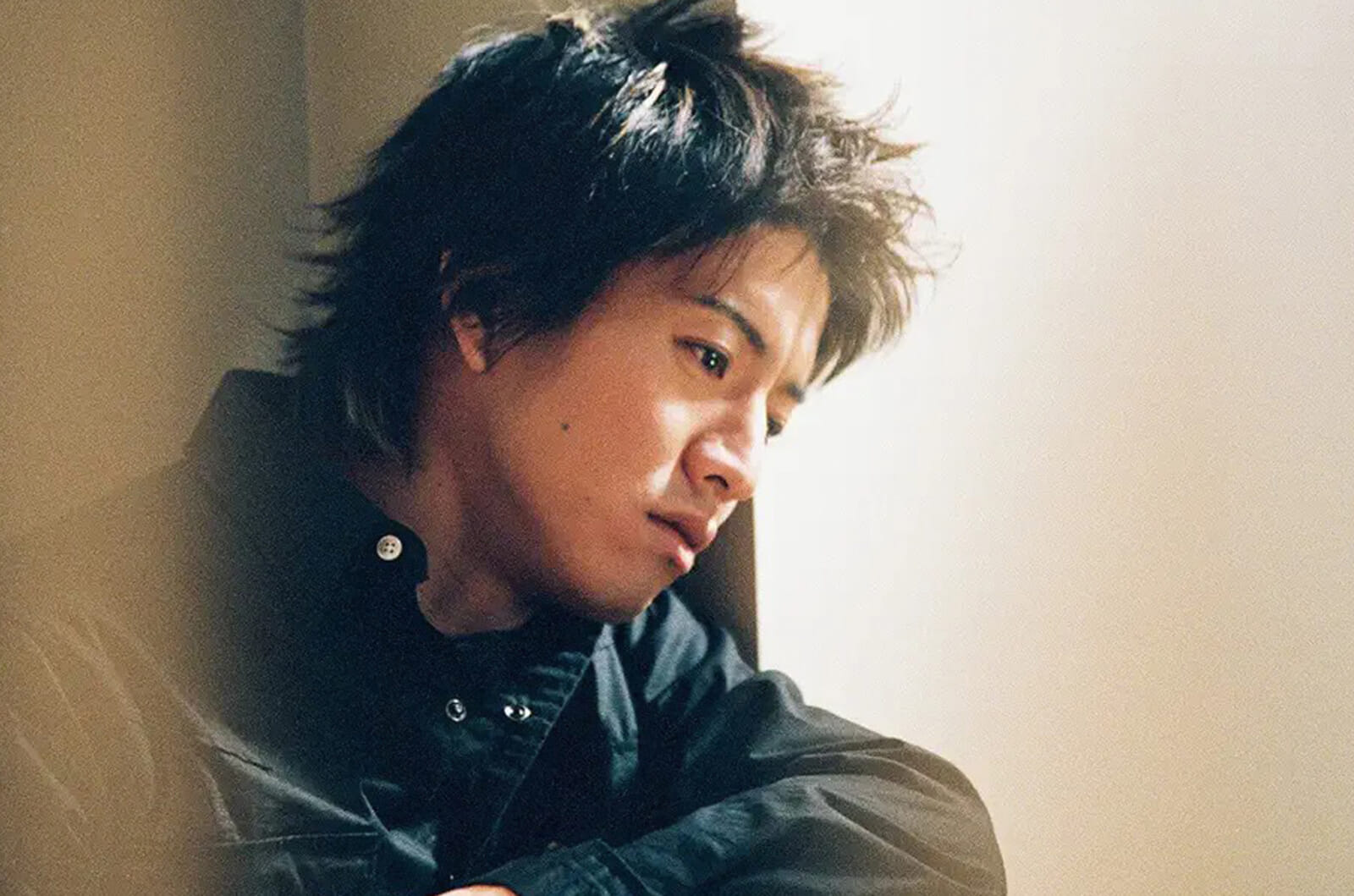
© Fuji TV c/o Netflix
A Royal Soundtrack
Pride has a soundtrack composed almost entirely of Queen songs. One day, we will have to talk about Japan’s convoluted music copyright world and figure out how a hockey drama got the rights to the catalog of one of the biggest rock bands on the planet. But for now, let’s just marvel at the fact that, to repeat, Pride’s soundtrack is almost entirely Queen songs, and it’s absolutely glorious.
The songs aren’t just there in the background to add a little oomph to the overcaffeinated camerawork. They are central, recurring and basically magic, taking already pretty intense scenes and overclocking them until the whole show becomes something of a musical experience running on nitro. There’s the “I Was Born To Love You” intro, Haru’s meet-cute accompanied by “Fat Bottomed Girls” and an early scene of Episode 1, setting the tone of the entire show perfectly, with a hockey arena crowd going nuts to “We Will Rock You.” Queen adds so much to the overall quality of Pride that its band members should be listed as the show’s executive producers.
Every scene in Pride with a Queen song is unskippable and a highlight of the series. Perhaps the show was a bit ahead of its time with its centering of classically masculine Asian characters, and a bit too excited with its cinematography. But few shows have ever made better decisions than incorporating Queen’s best songs into their scenes, and so the mystery of why Pride hasn’t been celebrated for the last 21 years continues. Perhaps this will get remedied once the series hits Netflix. Check it out. Even if you’re not an ice hockey fan, you may just end up loving it.
Related Posts
- Sanctuary is Netflix’s Imperfect Love Letter to Sumo
- 5 Essential Cary-Hiroyuki Tagawa Movies
- Last Samurai Standing Review: Like Squid Game, Only With Samurai
Updated On December 11, 2025