

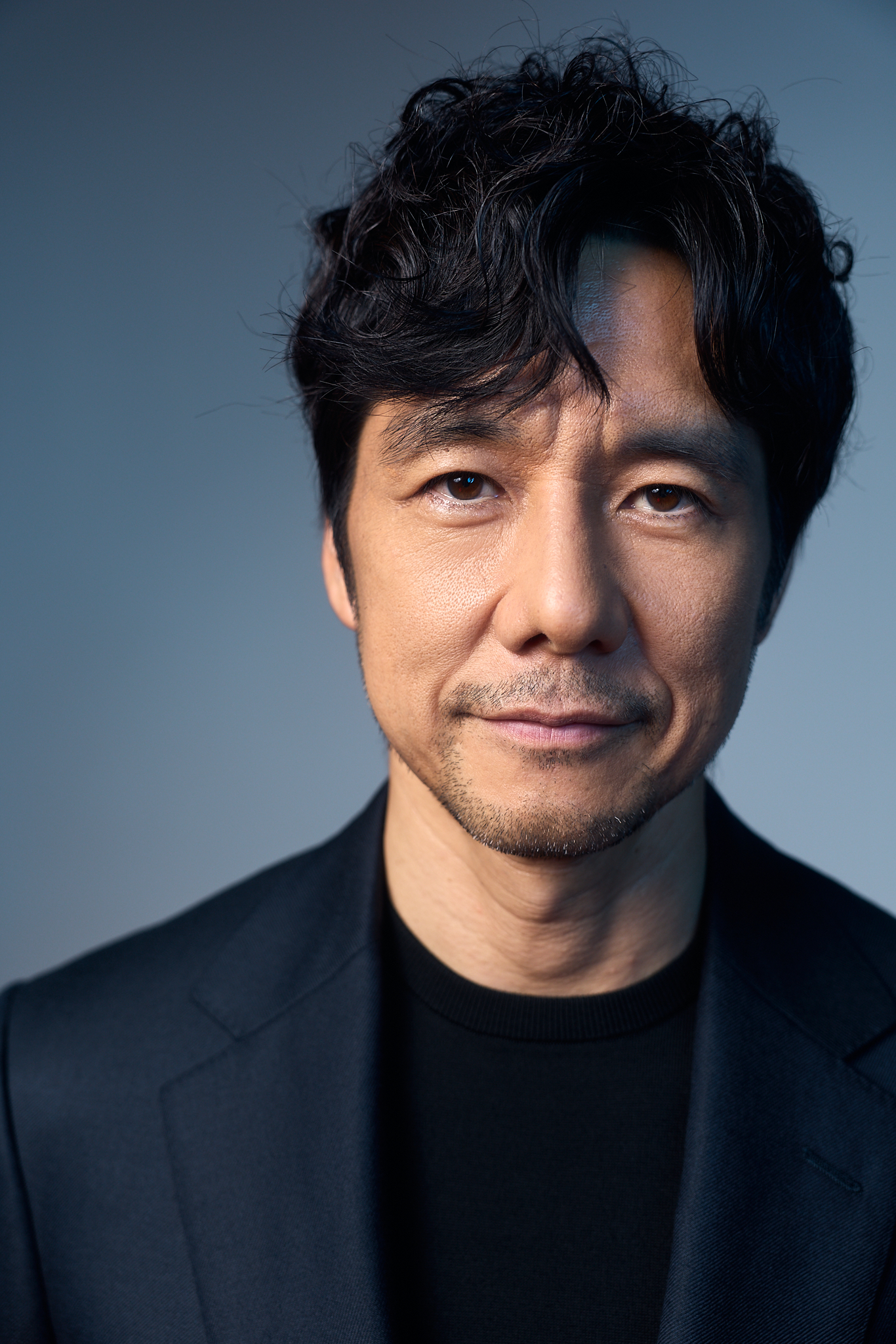
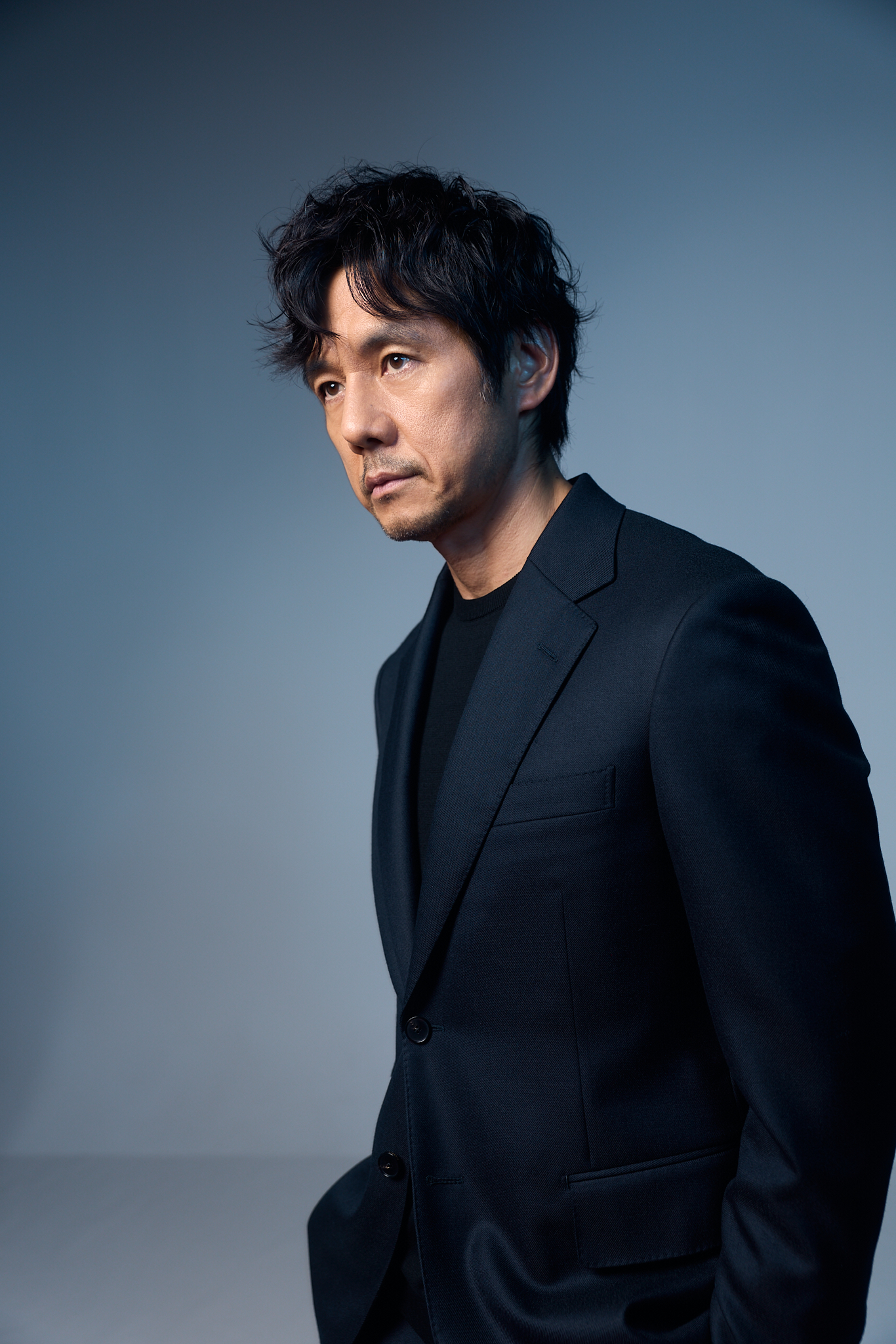
Few actors convey inner turmoil as gracefully as Hidetoshi Nishijima. Best known for his starring role in Ryusuke Hamaguchi’s Oscar-winning Drive My Car, the Tokyo native is one of Japan’s most sought-after leading men, known for bringing quiet intensity and emotional precision to every role. He often plays morally complex characters, and his latest part is no exception. In fact, it may be the most deeply layered performance he’s given to date.
Nishijima stars as Professor Shiro Sakaki in the upcoming Prime Video series Ningen Hyohon (Human Specimens), a mystery drama based on a novel of the same name by bestselling author Kanae Minato. The story begins with butterfly researcher Sakaki informing a police officer that he is the man responsible for turning six teenage boys, including his own son, into “human specimens” — which is just as gruesome as it sounds. As the narrative develops, however, we learn that not everything is how it seems.
‘A Deep and Intense Story’
In Japan, Minato is known as the “queen of iya-misu,” which roughly translates as “eww mystery” — a subgenre of mystery fiction that’s grisly, deliberately shocking and deals with the most sinister parts of human nature. The 52-year-old author has written about a number of disturbing topics over the course of her career, but Human Specimens stands out. She’s called it “a truly unpleasant story,” and says the theme of filicide is the “most difficult” one for her to imagine.
This level of darkness intrigued Nishijima. “I wanted to be part of this drama as soon as I heard about it because it is such a deep and intense story, and Sakaki is a complicated character,” he says. “He starts out with a sinister image, but as the script unfolds, you see him changing. It builds up to this truth that no one could have expected at the beginning. After finishing the drama, I would love viewers to go back to the start again to rewatch, knowing why he did what he did.”
Playing a character who kills his own son proved difficult from a psychological perspective for Nishijima. Despite knowing Sakaki’s motive from the start after reading the script, he says it was a role with many hurdles to overcome. It required a lot of intensity from him, as well as from the actor who plays his son, Itaru: the kabuki star Somegoro Ichikawa. The 20-year-old prodigy — whose poise and appearance have earned him the moniker the “Prince of Kabuki” — had never appeared in a contemporary drama before, but Nishijima had complete faith in him.
“I felt he coped very well with the situation,” Nishijima says. “There’s something special about him that I’ve not seen in other actors. He established his own approach to the role, with a methodology that was distinct from other young actors. We had some crazy shooting scenes where I thought it might be difficult to concentrate, but he remained calm throughout.” He notes that both embraced their roles intuitively, without having to overthink them: “We didn’t need to have any deep conversations about our relationship because he just got it.”
An Illustrious Career
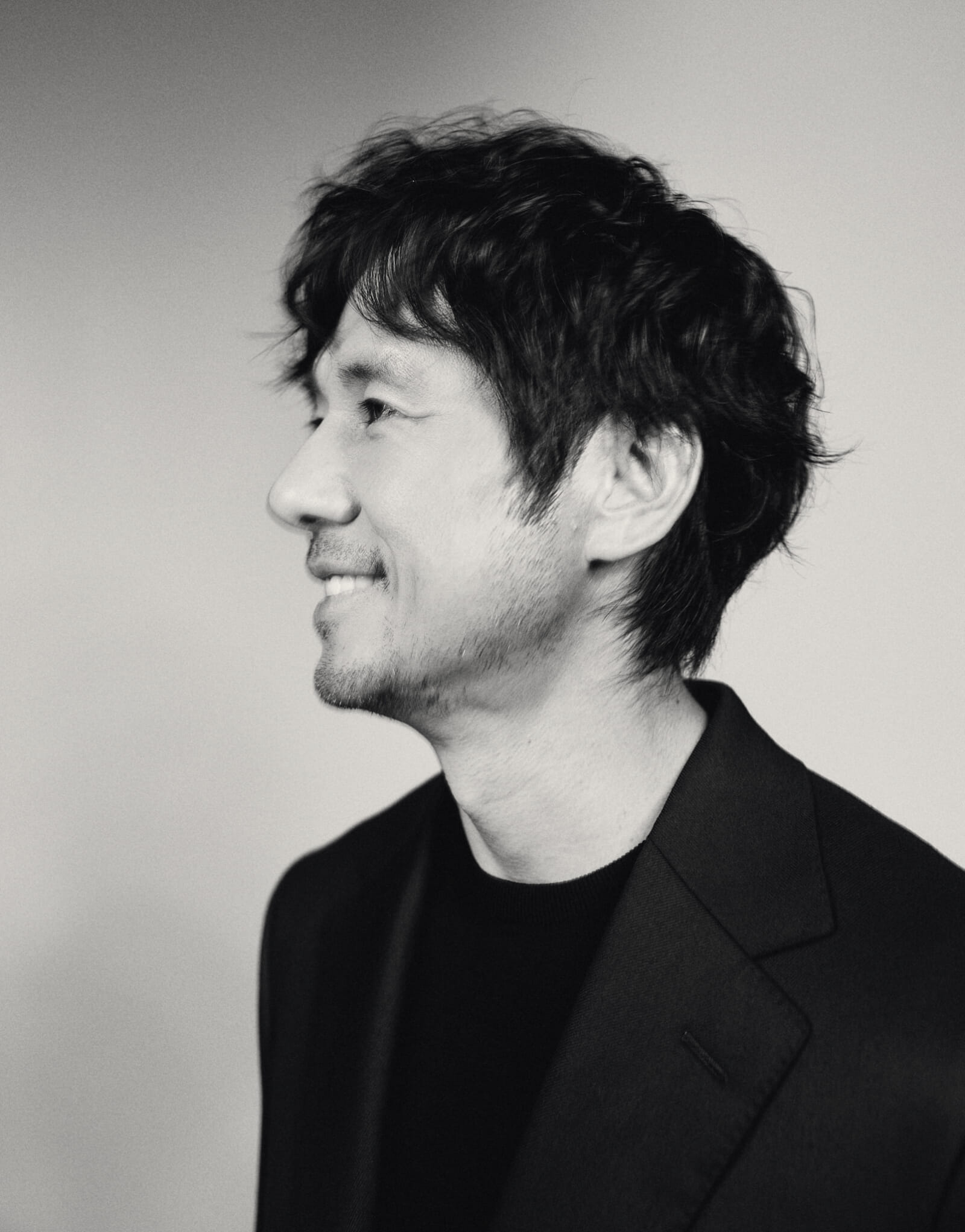
Nishijima’s nuanced performance as the emotionally fragile Yusuke Kafuku in Drive My Car earned him a spot on the New York Times’ list of “The Best Actors of 2021,” introducing him to many international viewers. Yet in Japan, Nishijima has been a fixture of film and television for more than three decades. His breakthrough came in 1993 with the coming-of-age television drama Asunaro Hakusho, in which he portrayed the openly gay Junichiro Matsuoka — a role that immediately distinguished him for his fearlessness and depth. Since then, Nishijima has built a career defined by versatility and precision, moving between film, television and stage, and consistently bringing layered humanity to his characters.
But his chief ambition has always been to work in film. “Movies were a big part of my childhood, so I always had that desire to work in film,” he says. “I remember as a youngster my father putting on tapes of classic films by people like Charlie Chaplin, Alfred Hitchcock and Buster Keaton. After I became an actor, I was influenced by directors such as John Cassavetes and Robert Bresson.”
In his 20s, Nishijima had the opportunity to work with rising directors like Kiyoshi Kurosawa on Ningen Gokaku (License to Live). Since then, he has collaborated with some of Japan’s most celebrated filmmakers, including Takeshi Kitano (Dolls, Kubi) and Hayao Miyazaki (The Wind Rises). Expanding his horizons internationally, Nishijima took on his first English-speaking role last year in the black comedy Apple TV+ series Sunny alongside Rashida Jones — an experience that has sparked his interest in pursuing more global projects in the future.
“Working with filmmakers from overseas can give me new insights,” he says. “By working abroad and bringing back what I personally experience, I believe I can help Japan’s film system move in an even better direction. This country has many wonderful directors and screenwriters with compelling stories, so I hope this leads to greater international recognition of Japanese cinema’s excellence. Human Specimens is a good example of that, and I just hope it appeals to people all over the world.”
More Info
Human Specimens will be streaming on Prime Video starting on December 18.