Growing up in the 1990s with a love for American martial arts and action movies, it was impossible not to notice Cary-Hiroyuki Tagawa. It’s said that great actors “make love” to the camera, but the Tokyo-born Tagawa instead looked into the camera with so much fury, it often felt like he was trying to telepathically explode your head from across the screen.
As far as Hollywood legacies go, it’s a pretty good one. But that’s not the whole picture. In honor of Tagawa, who sadly passed away on December 4, aged 75, here are five of his movies that paint a full picture of his iconic acting career.
Mortal Kombat (1995)
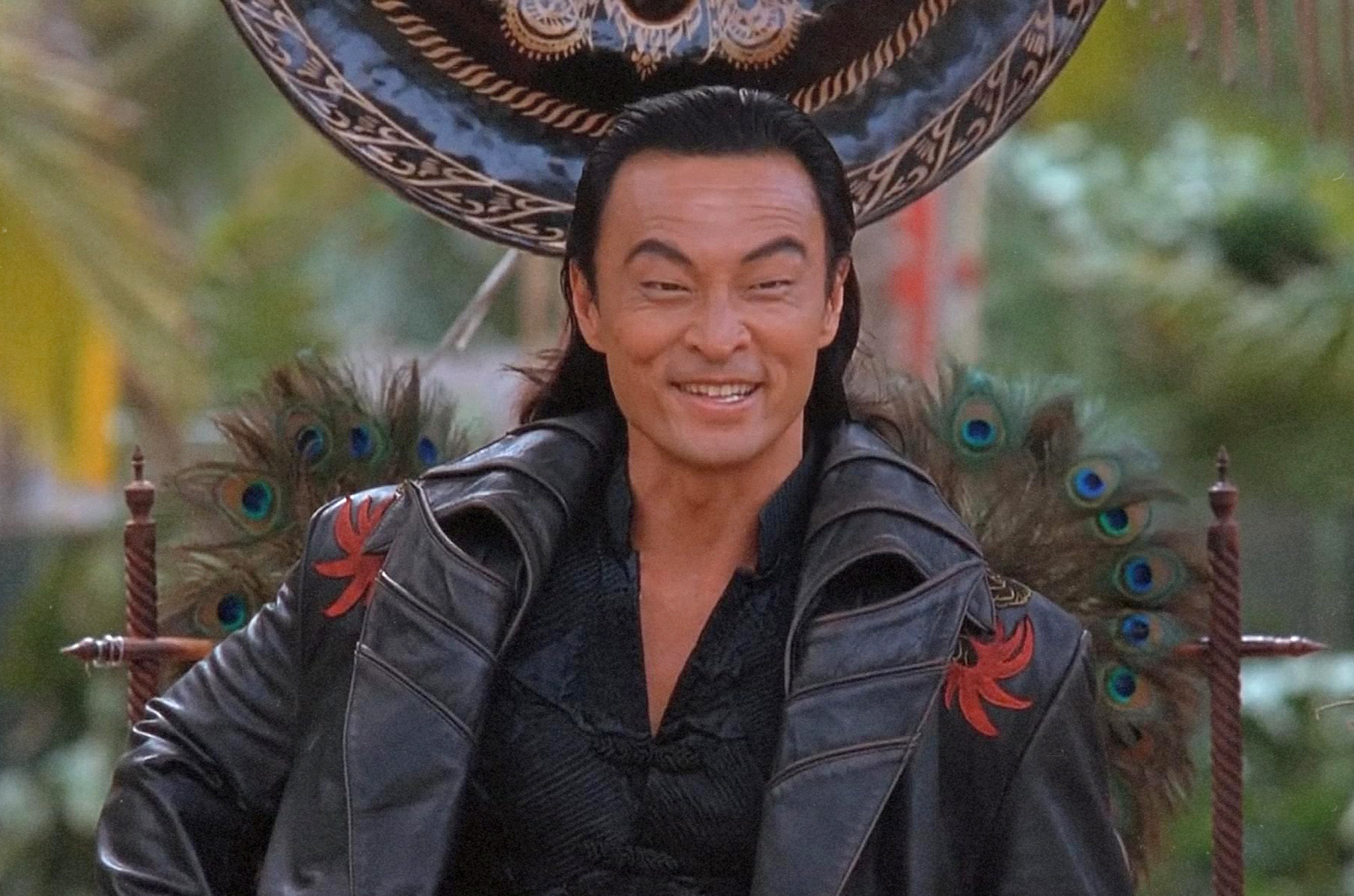
The 1995 adaptation of the bestselling fighting game is what first put Tagawa on the international geek map. Leveraging years of showing off his impressive martial arts skills on camera, Tagawa landed the role of the shapeshifting battle-sorcerer Shang Tsung, easily the best role in the movie. While the performance did pigeonhole him for a while in the roles of remorseless villains, his portrayal of Tsung brought joy to so many fans who, even after 30 years, will do an on-the-spot impression of Tagawa’s now-immortal line, “Your soul is mine.”
For years, there have been rumors that Tagawa’s Tsung was made younger for the film so that his intense facial acting wouldn’t be hidden under a layer of special-effects makeup, since the video game character is much older. True or not, the important thing is that, in the end, we got pure uncut Tagawa in the film, helping turn a pretty uneven production into a cult favorite.
The Last Emperor (1987)
Tagawa only started acting at the age of 36, and even though his first role was in John Carpenter’s Big Trouble in Little China (1986), it was sadly an uncredited appearance. Luckily for him, his breakout role came just a year later, after Bernardo Bertolucci spotted Tagawa teaching his own martial art style called Chu Shin. Impressed, the director immediately cast him in The Last Emperor, a biopic drama about the life of Puyi, the last ruler of China. Tagawa played his driver Chang.
Despite the small size of the role, Chang was a tricky character torn between powerful emotions that Tagawa had to properly convey during just his third time in front of the camera. Thankfully, it turned out that the guy behind the camera had a good eye for talent. The novice Tagawa clearly put everything he had into the performance, instantly establishing that he could do drama with the best of them.
Kubo and the Two Strings (2016)
Tagawa’s final role was in the 2023 Netflix animated action drama Blue Eye Samurai. Given that his face and real-life martial arts prowess were his signature assets, many are often surprised that he did voice acting. In fact, he has a very respectable portfolio, including Teenage Mutant Ninja Turtles, DuckTales and two Star Wars animated shows.
On the movie front, his most mainstream voice work was probably in the stop-motion fantasy film Kubo and the Two Strings, playing Hashi, a samurai-esque character who is the biggest fan of Kubo’s storytelling performances. It was a pretty minor role, but with the film’s original story, setting and animation, Kubo and the Two Strings serves as an excellent invitation to explore more of Tagawa’s voice work.
Johnny Tsunami (1999)
Following the 1992 Rodney King riots, Tagawa risked his Hollywood career by moving his entire family out to Hawaii for their safety. It was a dual success because not only did he continue to act, the move also helped him prepare for one of his most beloved, if a bit underrated, roles ever.
Johnny Tsunami is a Disney Channel Original Movie (DCOM) about a surfer kid from Hawaii who moves to Vermont and masters snowboarding. Tagawa plays his grandfather, a disarmingly charming and easy-going surfer legend who’s constantly bringing everyone’s spirits up with his good humor and infectious laugh. It’s a performance full of sincere warmth and laid-back coolness that has made Johnny Tsunami a nostalgic favorite for many 90s kids.
The Honored Priest: Confession of a Samurai (2015)
Also known as Priest-san, Yerei-san, or Ierey-san, this 2015 Russian movie by Egor Baranov is a great introduction to a side of Tagawa that very few people know about. His father learned Russian while in the service, and his uncle was a popular singer who performed in Moscow and would sing in front of his nephew in Russian. With time, Tagawa picked up a bit of the language himself.
This came in very handy in The Honored Priest: Confession of a Samurai, in which Tagawa plays Father Nikolay, a Japanese Orthodox priest and ex-gangster who moves to a small Russian village in order to escape a yakuza war, only to get involved in a different battle. The character’s Russian lines are spoken by Tagawa, who dedicated himself to improving his proficiency in the language prior to filming to add realism to the character. His studies ultimately inspired him to convert to the Orthodox faith. His baptism name was Panteleimon. In 2016, he took it further and became a citizen of Russia.
All these details add an extra dimension of authenticity to The Honored Priest: Confession of a Samurai, but, ultimately, the movie should be checked out because it’s just an excellent piece of cinema with great character studies and action.