Situated on the western coast of Kyushu, Nagasaki Prefecture has long served as Japan’s bridge to the outside world. During the Edo period, when Japan enforced a strict policy of national isolation, Nagasaki was the only place in the country where foreign trade was permitted — first with the Portuguese, then through the Dutch trading post on the man-made island of Dejima. This singular status shaped Nagasaki into one of Japan’s most cosmopolitan and culturally layered destinations.
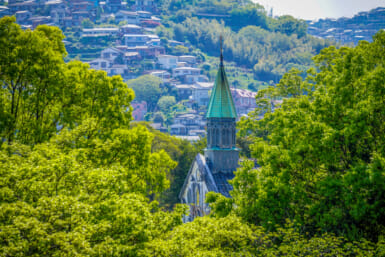
That legacy is visible everywhere: in the European-style homes of Glover Garden, in the intricate lattice of the Spectacle Bridge (Meganebashi), and in the fusion cuisine — chanpon noodles, Portuguese-inspired castella cake and the local shippoku style of communal dining — that reflects centuries of exchange with China, the Netherlands and Portugal.
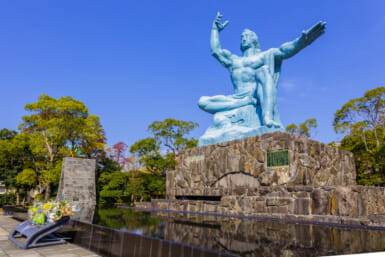
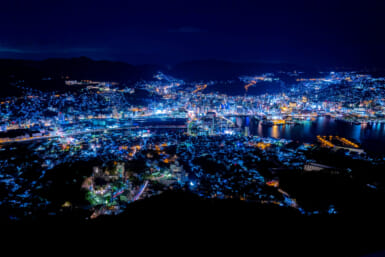
Nagasaki city, the prefectural capital, also carries the profound weight of August 9, 1945, when it became the second city destroyed by an atomic bomb. Nagasaki Peace Park and the Nagasaki Atomic Bomb Museum stand as powerful memorials to those lost, and to the city’s enduring commitment to nuclear disarmament.
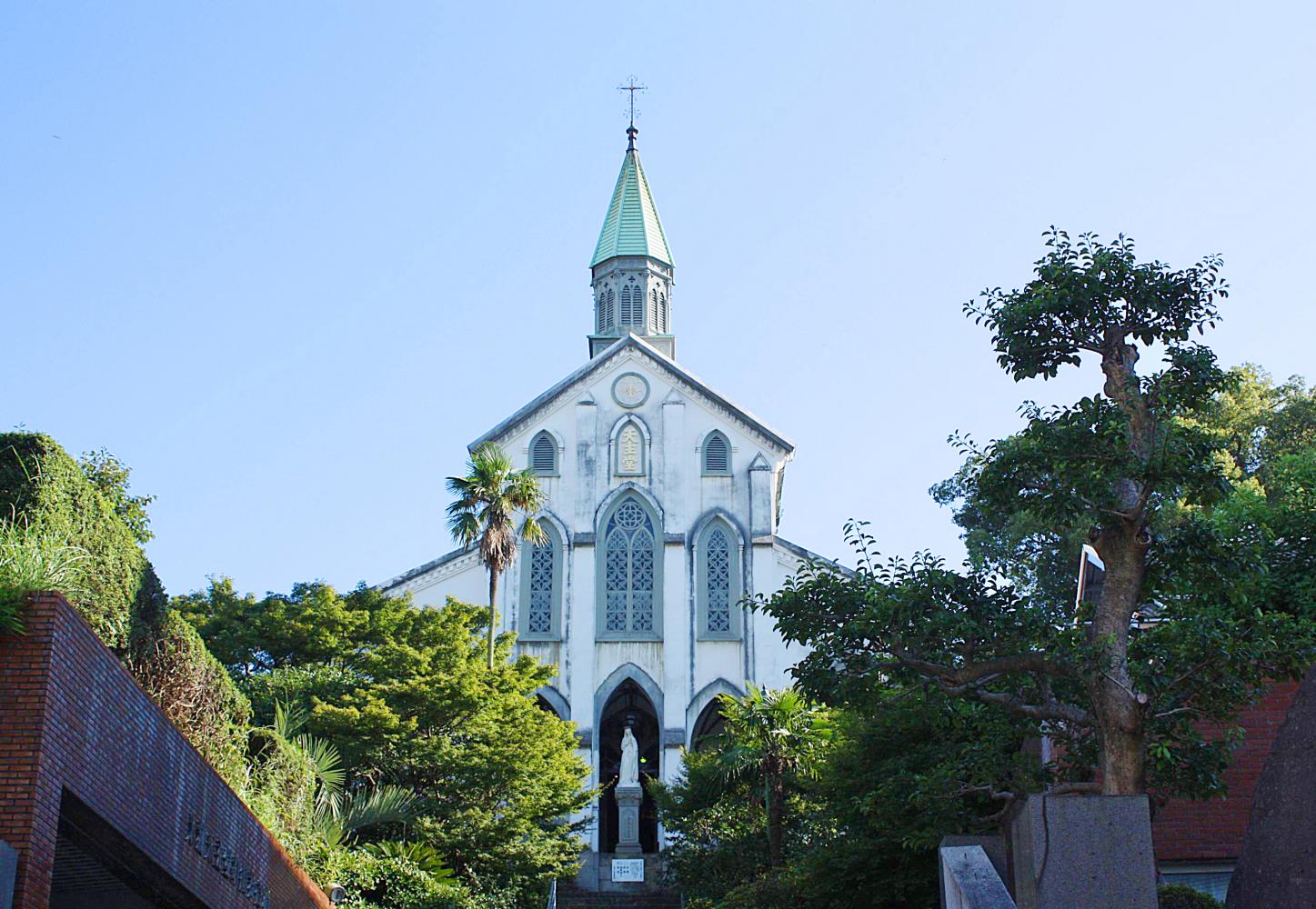
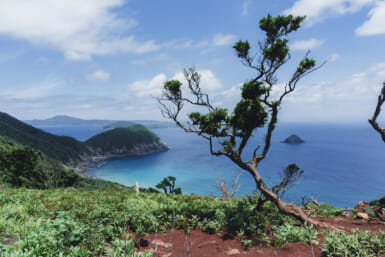
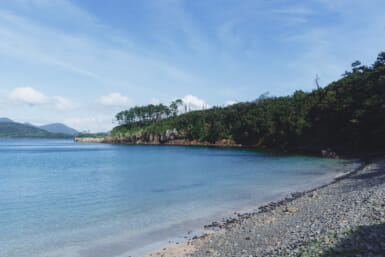
The prefecture stretches across a complex coastline and more islands than any other prefecture in Japan. The Goto Islands are home to UNESCO World Heritage hidden Christian sites, while Gunkanjima — an eerie, abandoned industrial island — became internationally known as the inspiration for the villain’s lair in the 2012 Bond film Skyfall. The Shimabara Peninsula, anchored by the active Mount Unzen, rounds out the prefecture’s diverse geography.