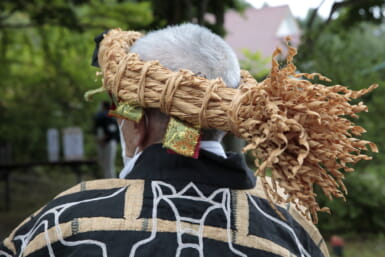
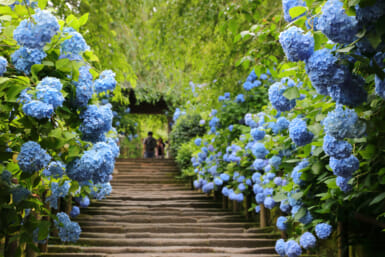
Occupying the northernmost tip of the Japanese archipelago, Hokkaido is Japan’s second-largest island and largest prefecture by area, covering approximately 83,000 square kilometers — roughly 22% of the country’s total land mass. Despite its size, it is home to just over 5 million people, making it one of Japan’s least densely populated regions. This combination of vast space, dramatic landscapes and a distinct cultural identity sets Hokkaido apart from every other prefecture in Japan.
The prefecture’s capital, Sapporo, is Japan’s fifth-largest city and the cultural and commercial hub of the island. It is home to the world-famous Sapporo Snow Festival, held each February, which draws around 2 million visitors annually. Beyond Sapporo, Hokkaido’s natural attractions are extraordinary in scale and variety. Shiretoko Peninsula, a UNESCO World Heritage Site, protects one of the world’s last remaining wilderness ecosystems, while Daisetsuzan National Park — Japan’s largest national park — offers some of the country’s most rewarding alpine hiking. Furano and Biei are celebrated for their rolling lavender fields in summer and picture-perfect snowscapes in winter.
Hokkaido’s food culture is a major draw in its own right. The island produces the majority of Japan’s dairy, and its milk, butter, cheese and soft-serve ice cream are renowned nationwide. Fresh seafood — including sea urchin, snow crab, salmon and scallops — harvested from the cold waters surrounding the island is considered among the finest in Japan.