Niigata Prefecture, situated along Japan’s northwestern coast facing the Sea of Japan, is renowned for its stunning landscapes and a reputation that looms large in Japanese culture. Known for its heavy snowfall during winter, with some areas receiving over 10 feet of snow annually, the region has earned the nickname yukiguni, or “snow country.”
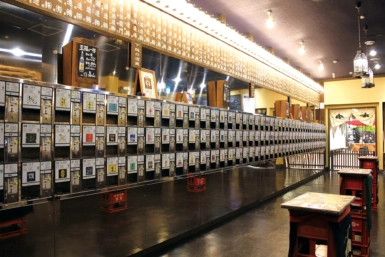
As rice cultivation emerged during the Yayoi period, the area began its transformation into a vital agricultural hub. Over the centuries, the location along the fertile Echigo Plain allowed the settlement to become one of Japan’s leading rice-producing regions, laying the foundation for Niigata’s enduring reputation as the “rice capital” of the country. Where there is exceptional rice, there is exceptional sake: Niigata ranks number one in the country with nearly 90 sake breweries.
Niigata is also one of the top hot springs and winter sports destinations; the popular Naeba Ski Resort doubles as the host of the Fuji Rock Festival — Japan’s largest outdoor music event — in late July. The Nagaoka Festival shortly after is one of the three biggest fireworks displays in Japan. On Sado Island, the historic Sado Gold Mines were formally inscribed on the UNESCO World Heritage List in July 2024, recognizing the island’s centuries-long legacy of gold and silver mining during the Tokugawa era.