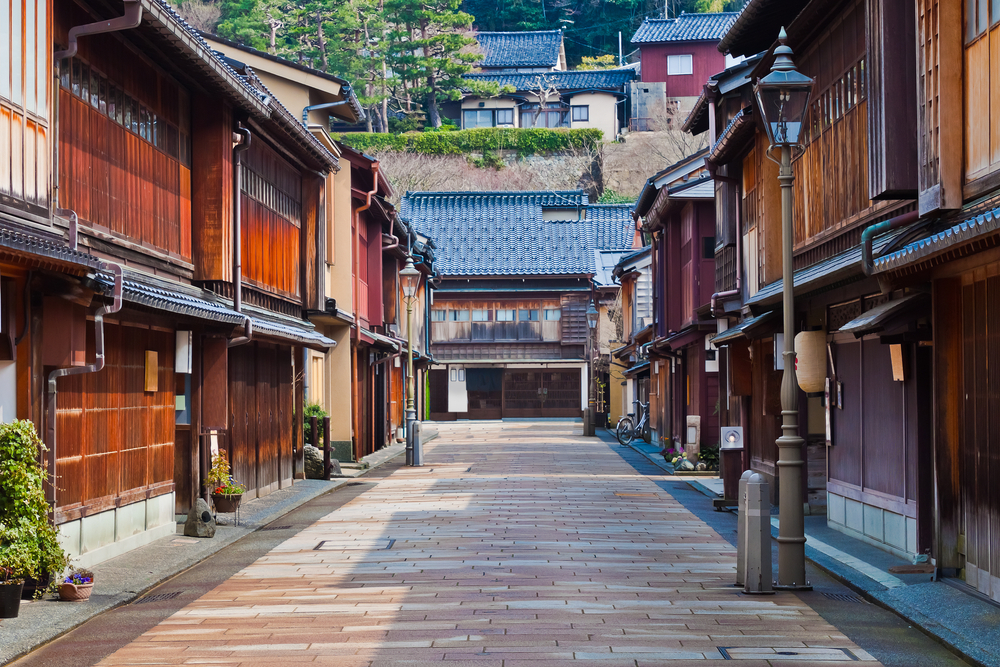
Ishikawa prefecture sits on the central Sea of Japan coast, occupying the narrow Noto Peninsula. Its capital, Kanazawa, is often called “little Kyoto” for its remarkably well-preserved samurai and geisha districts, its traditional arts heritage and its role as a castle town that escaped World War II bombing.
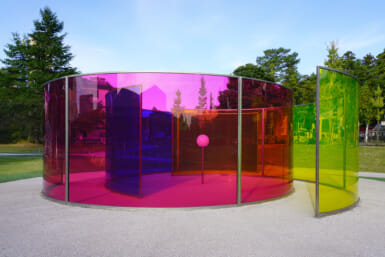
The region is synonymous with kogei, or traditional craft. Kenroku-en, one of Japan’s three great landscape gardens, anchors Kanazawa’s sightseeing scene, while Higashi Chaya — the city’s most famous chaya (teahouse) district — offers a glimpse of geisha culture that remains very much alive. Ishikawa is also home to Kutani porcelain, Wajima lacquerware from the Noto Peninsula and Kaga Yuzen silk dyeing, all of which carry a designation as traditional Japanese crafts. The 21st Century Museum of Contemporary Art, Kanazawa, draws art lovers from across the globe with its striking circular building and world-class collection.
The Noto Peninsula, the prefecture’s northern arm, captured international attention following the January 2024 earthquake. Recovery is ongoing, and visiting the region — particularly its coastal villages, morning markets and salt fields — is actively encouraged as a way to support local communities.