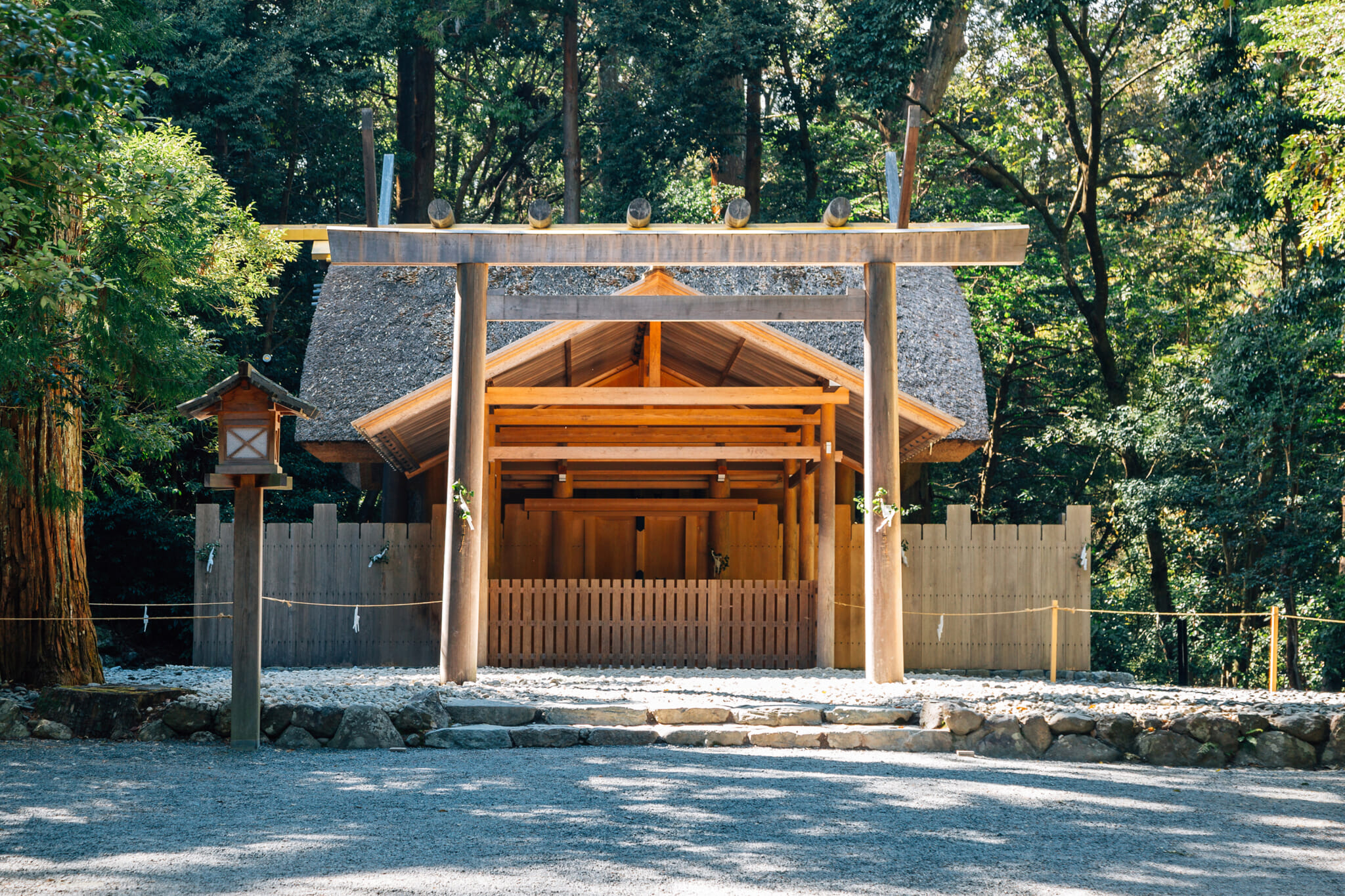
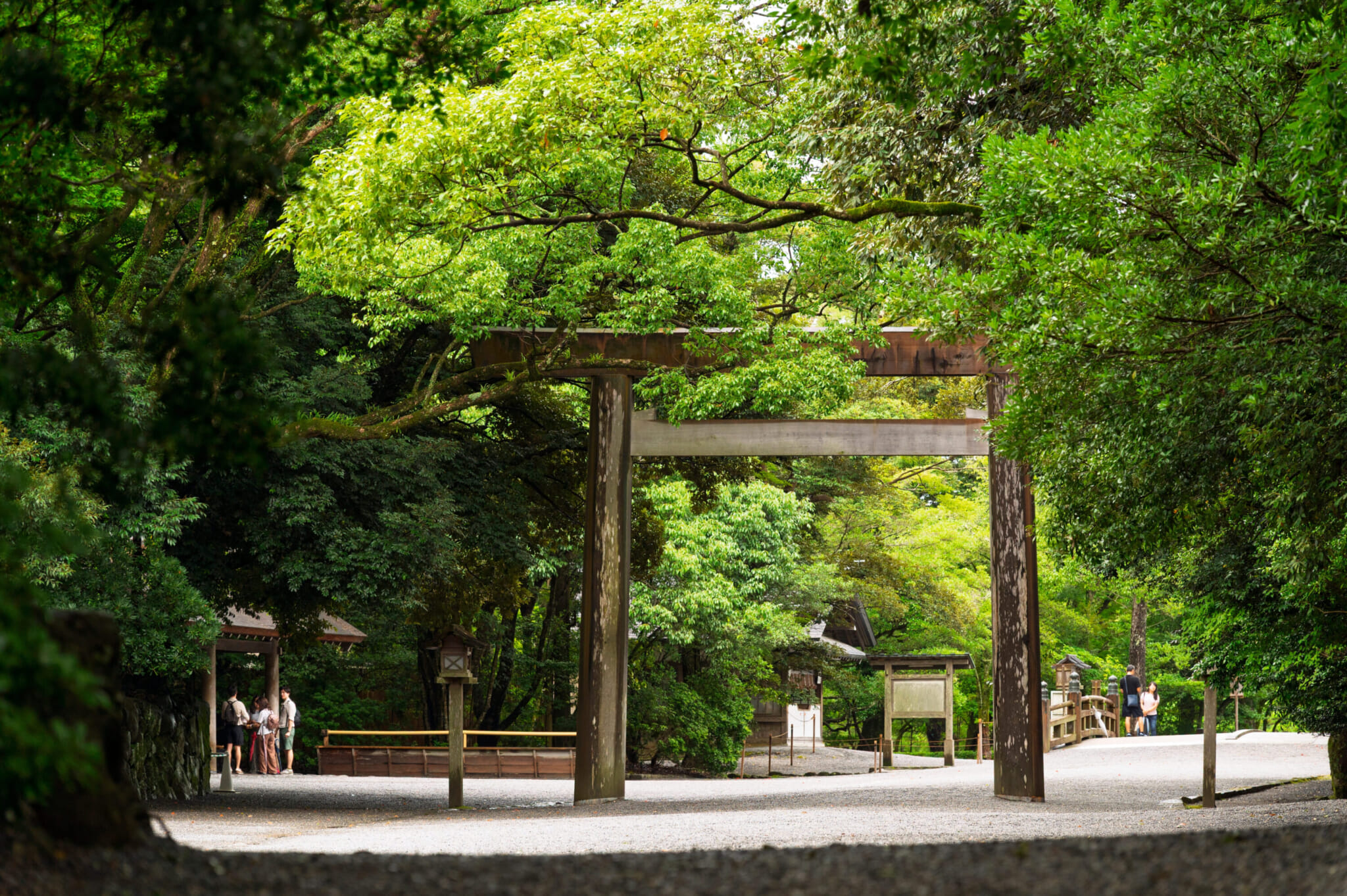
Within the ancient Japanese cedar forests of Mie Prefecture stands a shrine so revered, a common adage declares that each and every Japanese should visit at least once. This is Ise Jingu — considered by many the spiritual heart of Japan — a sprawling complex made up of 125 shrines honoring, above all others, Amaterasu, the sun goddess and central deity of Shinto.
Right now, Ise Jingu is undergoing Shikinen Sengu, a multiyear series of ceremonies and events culminating in the complete dismantling and rebuilding of the shrine complex’s many structures. For travelers, this process offers a rare opportunity to witness ancient Japanese culture in motion.
What Is Shikinen Sengu?
Dating to 690 CE, Shikinen Sengu is a monumental undertaking where the shrine buildings and onshozoku-shinpo — sacred apparel, furnishings and divine treasures — are completely remade from scratch every two decades.
It culminates in the Sengyo — the highly secretive, nocturnal transfer of the deities and the sacred bronze mirror, Yata no Kagami, from the old sanctuaries to the brand-new, identical structures built right beside them. Once the transfer is complete, the old structures are dismantled.
While the final transfer won’t happen until 2033, Shikinen Sengu is not a single event but rather a roughly eight-year journey comprising around 30 distinct rituals.
The Ultimate Spectacle: The Okihiki Festival
While the most sacred Shinto rites remain strictly hidden from public eyes behind wooden fences, the early stages of the cycle invite the local community and global travelers alike to witness the magic.
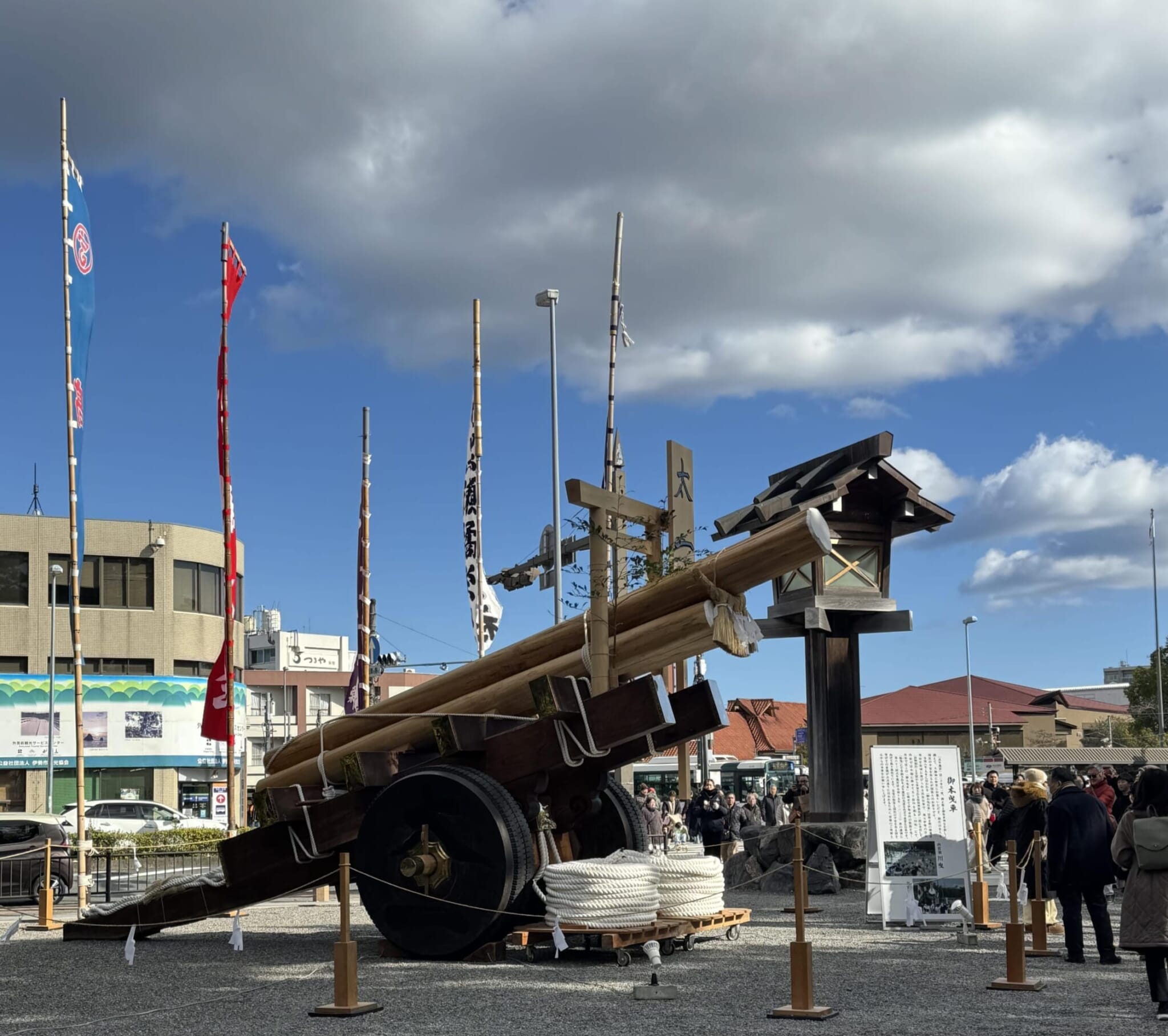
The liveliest chapter of the entire eight-year epic is the Okihiki Festival. This is the ceremonial transport to the shrine of sacred hinoki cypress logs destined to become the pillars of the new shrine buildings. Thousands of locals in traditional happi coats, alongside visitors from across the country, gather to haul these massive timbers.
The Okihiki festival primarily takes place over weekends during the early to mid-summer months of the cycle’s second year (which falls from May to July 2026).
If you are planning a trip, the festival offers two distinct spectacles:
Okabiki (Overland Hauling): Massive logs are loaded onto ceremonial wooden carts called hoeisha. Participants pull long, winding ropes to transport the lumber across several kilometers of city streets, chanting powerful kiyari (traditional work songs) and shouting rhythmic cries of “enya!” (“heave!”).
Kawabiki (River Hauling): Logs are floated and guided down the pristine waters of the Isuzu River, directly approaching the sanctuary grounds.
Tokowaka: The World’s Oldest Sustainability Model
To a modern observer, completely tearing down and rebuilding a massive complex of perfectly functional wooden buildings every 20 years might seem wasteful, but it is perhaps the world’s oldest and most thoughtful model of sustainability.
This practice embodies the Shinto ideology of tokowaka — the idea of maintaining youth and vitality through constant renewal. By “changing to remain unchanged,” Ise Jingu has stayed structurally pristine for over 1,300 years.
This renewal thrives on three eco-friendly pillars:
Forest Self-Sufficiency
The shrine relies on a long-term forestry plan. Trees harvested from carefully managed hinoki forests are systematically replaced with new saplings, ensuring a steady supply of timber for generations a century into the future.
Recycling Old Structures
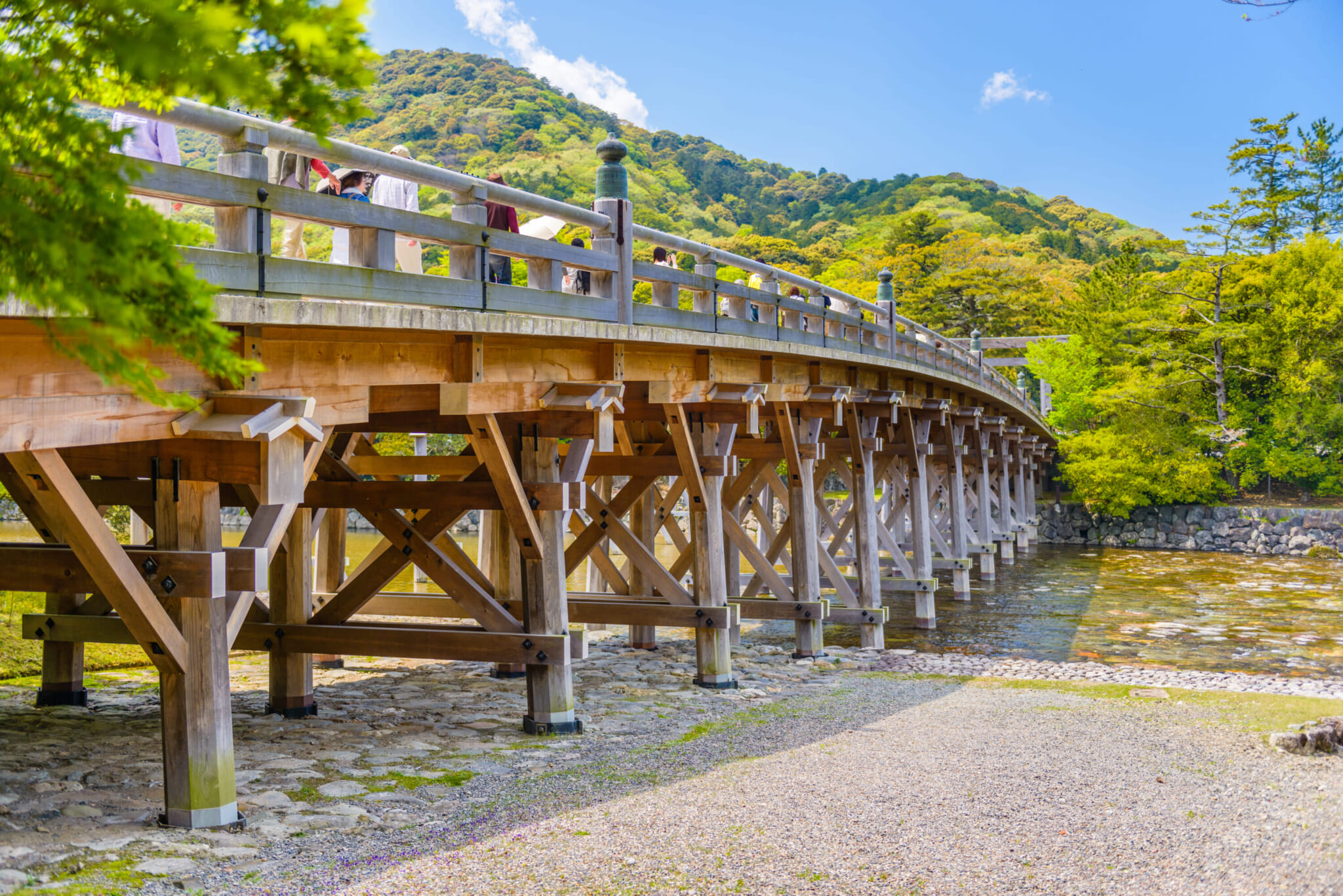
Nothing goes to waste. When the old structures are dismantled, the timber is repurposed. The largest pillars are recycled into torii gates, while other components are distributed to smaller shrines across Japan to rebuild their own sanctuaries.
Preserving Craftsmanship
Passing down knowledge is just as important as the rebuilding of the shrine. Because every architectural detail, piece of clothing and sacred artifact must be completely remade every 20 years, traditional techniques are never forgotten. More than 2,000 master artisans pass their highly specialized skills down to the next generation in a continuous, unbroken chain of living history.
How To Experience Ise Jingu Year-Round
If your travel dates don’t align with the public festivals, Ise Jingu is a rewarding destination at any time of year. You can connect with the spirit of the rebuilding cycle through these cultural touchpoints:
The Sengukan Museum: Located in the Geku (Outer Shrine) area, this exceptional museum features instructional videos on ancient carpentry, interactive exhibits detailing the sacred treasures and meticulously detailed models of the shrine architecture — including a partial replica of a shrine building constructed to an incredible 1-to-1 scale by shrine carpenters.
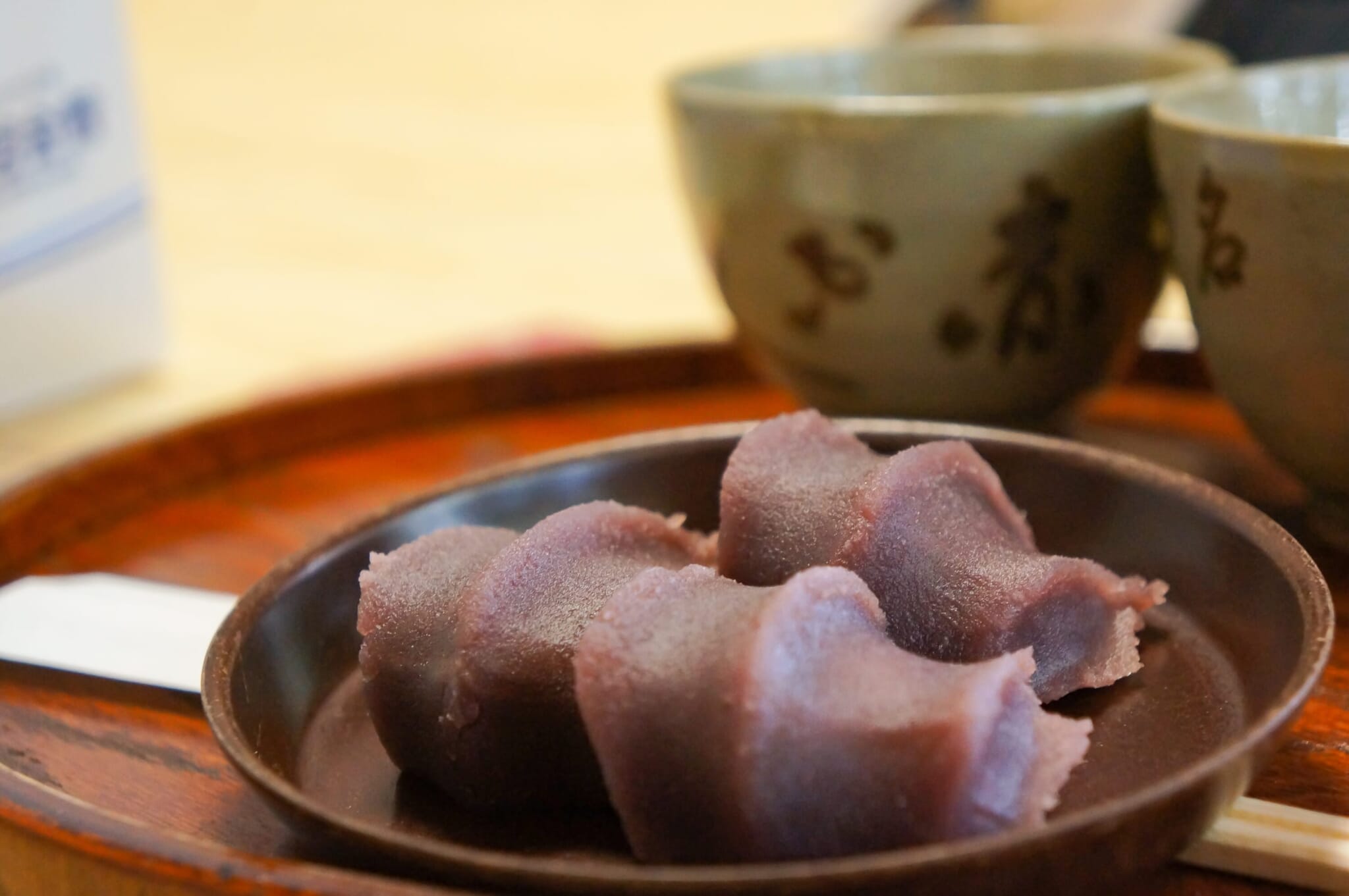
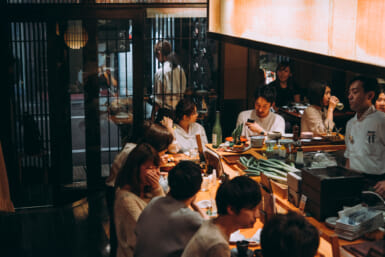
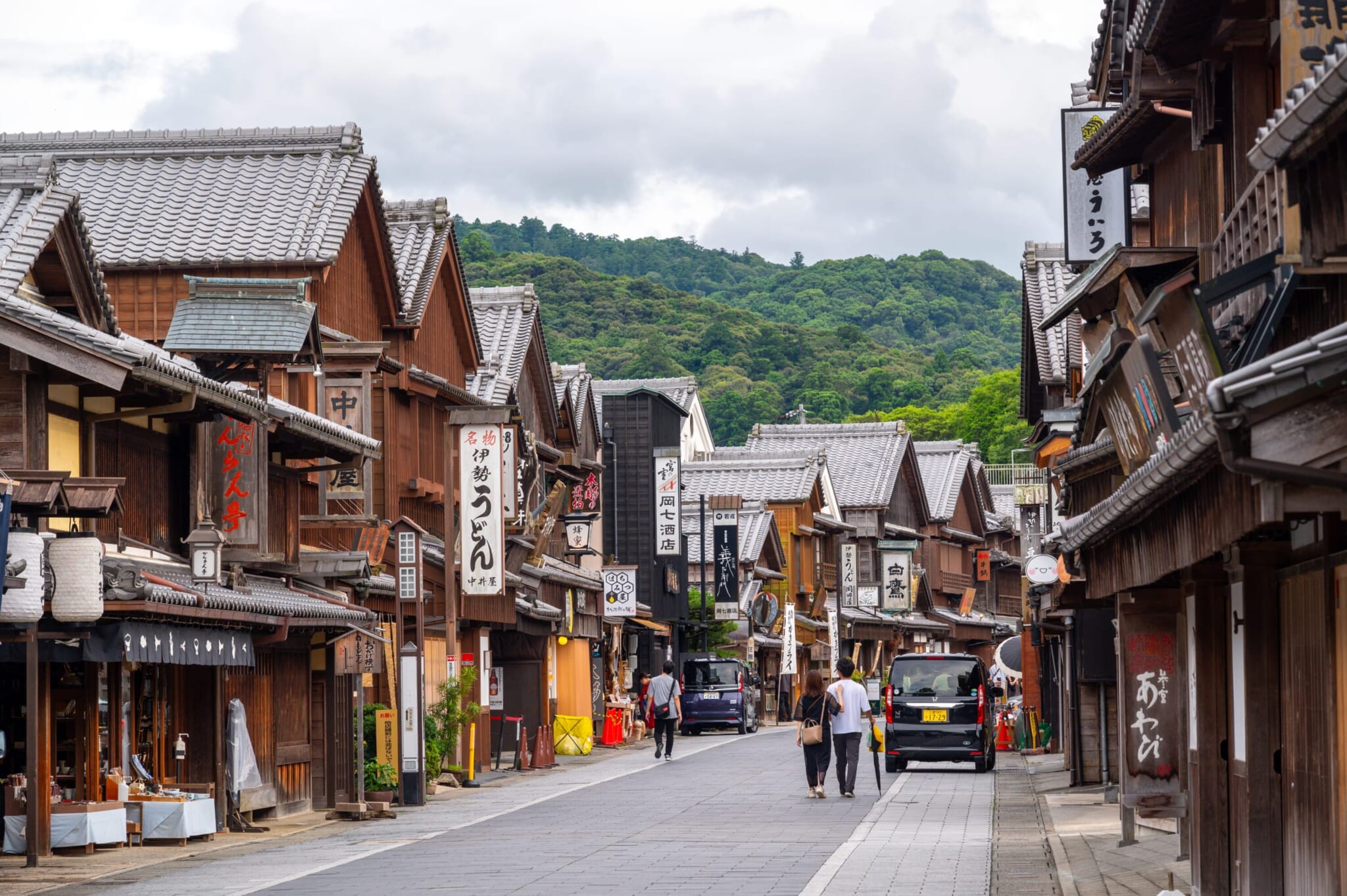
Oharaimachi and Okage Yokocho: Before or after your shrine visit, stroll down this bustling, cobblestone merchant street outside the Naiku area that vividly embraces its Edo-period roots. While exploring, take time to sample thick Ise udon noodles, sip local sake brewed from the waters of the Isuzu River and try akafuku — a famous mochi treat with sweet red bean paste that has sustained pilgrims for centuries.
Ise Jingu proves that true permanence is about fostering a community that cares enough to rebuild it for eternity. Whether you catch the thunderous energy of the log-hauling festivals or enjoy the quiet serenity of Ise’s ancient forests, visiting during the Shikinen Sengu cycle offers an unforgettable look into the sacred heart of Japan.
Related Posts
- Iseshima: The Soul of Japan
- Power Spots in Japan: Otherworldly Sites That Revitalize Your Mind and Body
- The Best Day Trips From Nagoya by Train
Updated On June 22, 2026