On this day in 1972, two fishermen, Jesus Mantanona Duenas and Manuel Tolentino De Gracia, were checking shrimp traps in Guam’s Talofofo River when they saw something moving at the bottom of a hill. A malnourished man suddenly appeared out of the long grass and attempted to grab one of their rifles. After grappling, the fishermen overpowered the stranger and tied his hands. Taken to Duenas’ home, the man explained that he was Sergeant Shoichi Yokoi, a Japanese soldier who had been hiding in the jungle since the end of World War II. He had been there for almost 28 years.
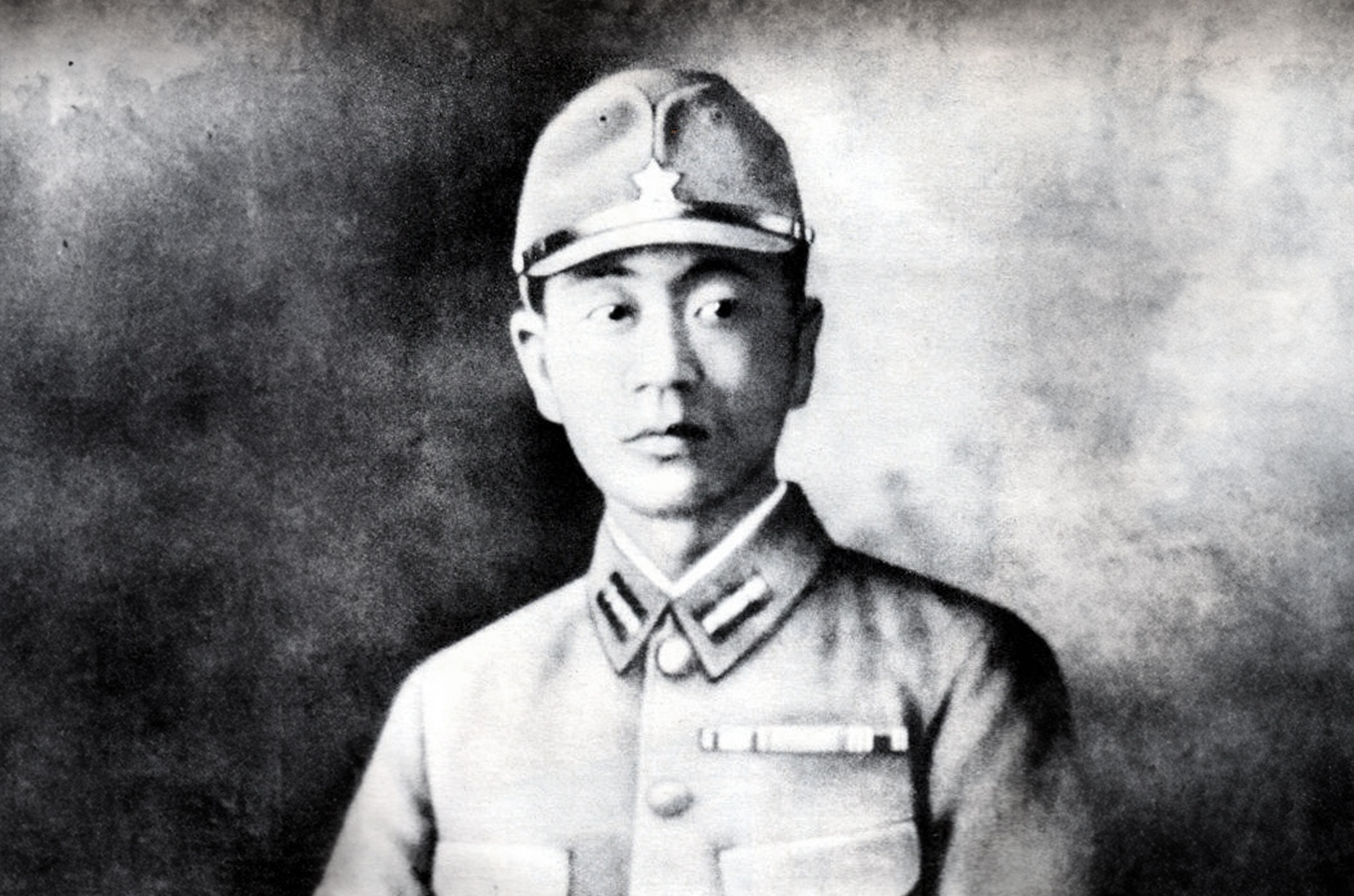
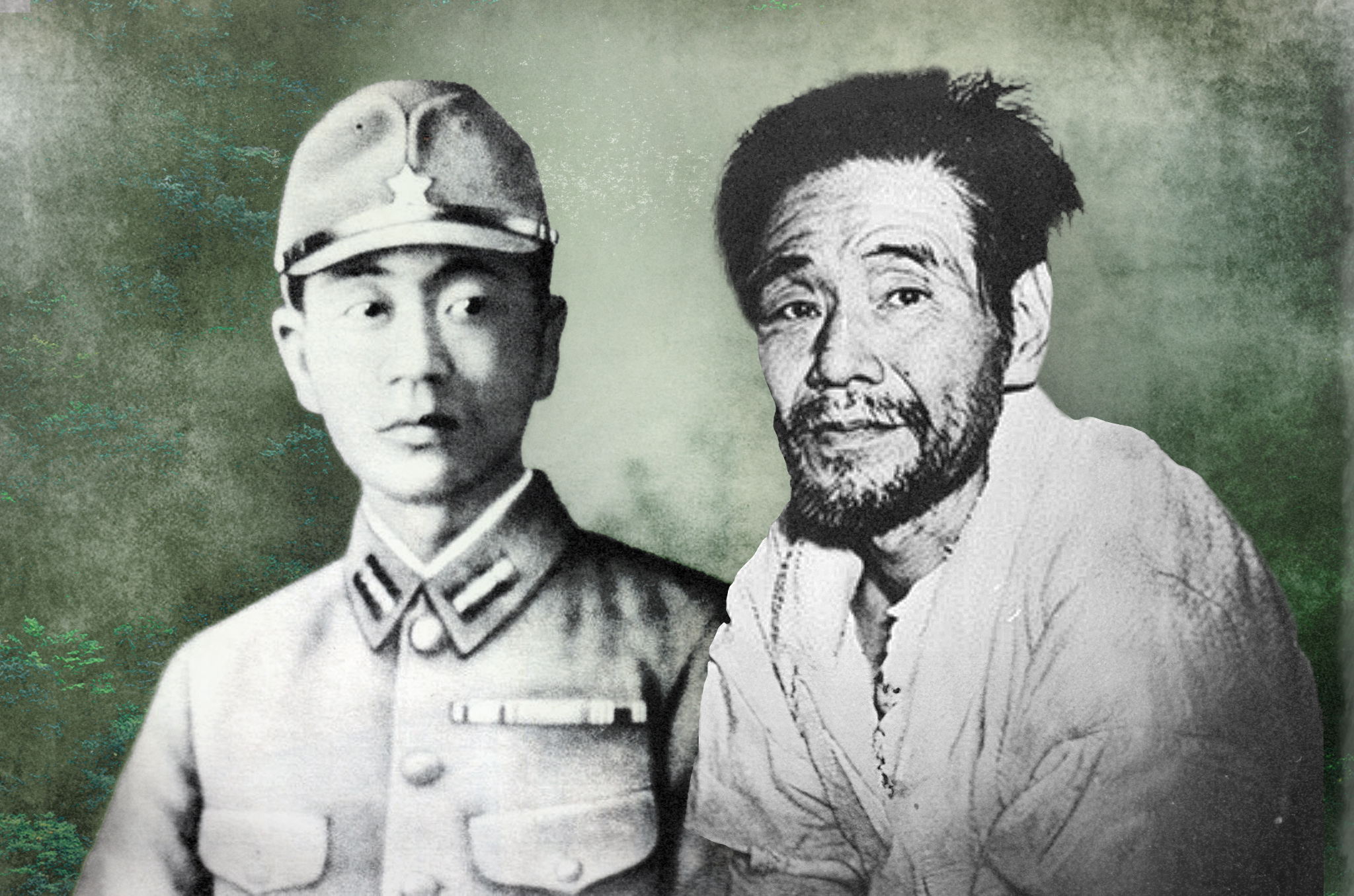
Yokoi photographed before leaving for Guam | Wikimedia
About Shoichi Yokoi
Born in Aichi Prefecture on March 31, 1915, Yokoi worked as an apprentice tailor before he was conscripted into the Imperial Japanese Army in his mid-20s. After serving in Manchukuo, he was transferred to Guam in February 1943, where he served as a sergeant in the 38th Regiment, which was specifically attached to the supply corps of the Japanese naval garrison. On July 8, 1944, the US Navy fleet began bombing the island in preparation for the amphibious landings two weeks later. According to Yokoi, “The firing was relentless.”
When American forces recaptured the island, Yokoi escaped with nine Japanese soldiers. Thousands of others refused to surrender. The majority were either captured or killed by Allied forces or died due to the harsh conditions of the jungle. By the end of the conflict, just over 100 remained. That number included Yokoi and two of the soldiers he escaped with: Mikio Shichi and Satoshi Nakahata.
In 1952, Yokoi found leaflets dropped by the Allied forces announcing the war’s end. Believing this was enemy propaganda, he dismissed them. He adhered to the Bushido code, which dictates that surrender is a profound shame worse than death. Yokoi and his two comrades subsequently continued to evade capture by moving from place to place before they eventually built an underground cave. “We dug a cave in a bamboo thicket, but after a few months our food ran out,” said Yokoi. “The others moved to a new hiding place where there was more food. We visited each other.”
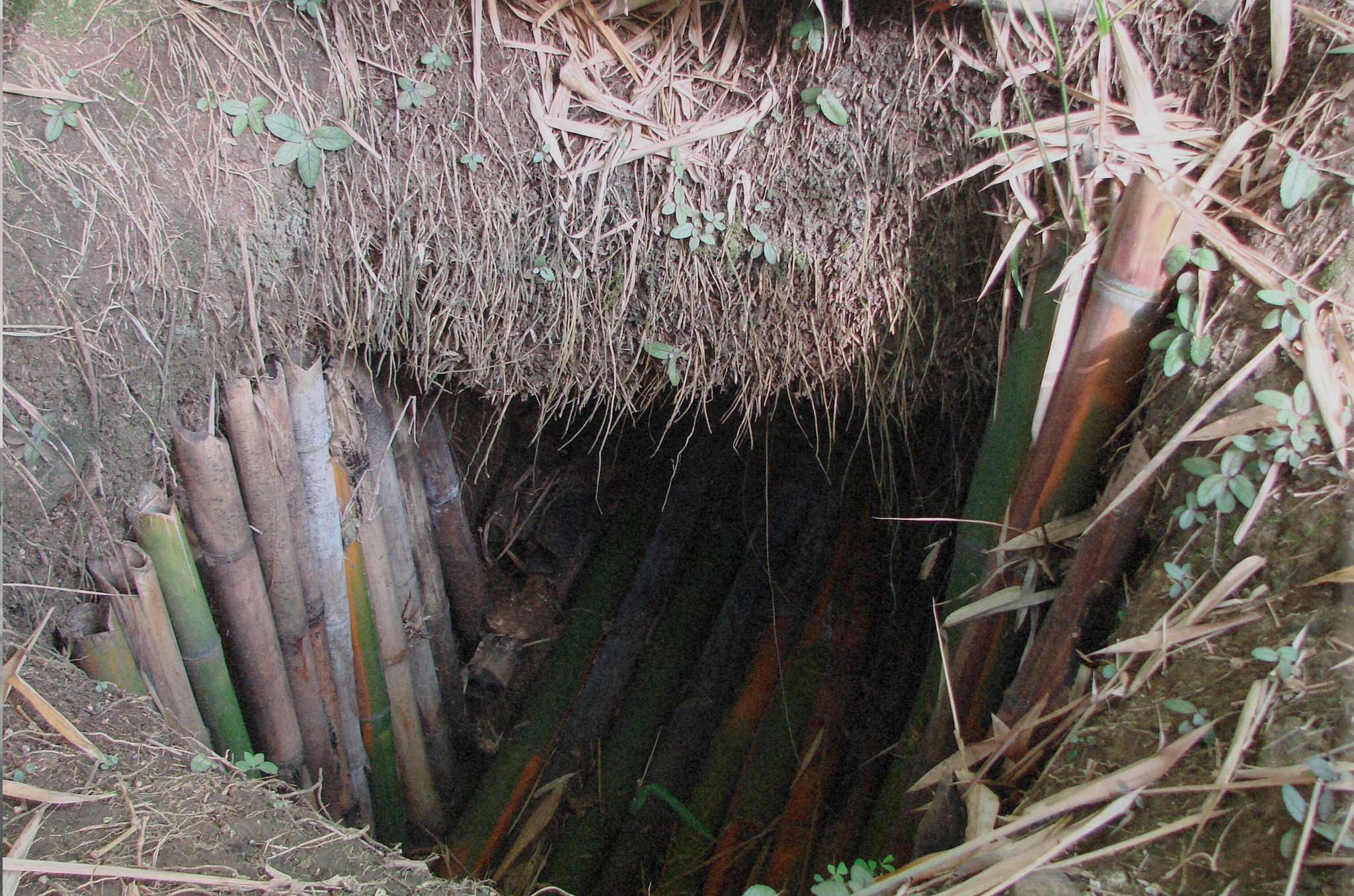
Entrance to the reproduction of Yokoi’s cave, which is now a site for visitors in Guam | Wikimedia
Going It Alone
Typhoon Karen, which hit Guam in 1962, led to severe food shortages in the area, making it difficult for holdouts to find sustenance or go hunting. Two years later, Yokoi found the dead bodies of Shichi and Nakahata, who were lying side by side in their cave. Their deaths hit Yokoi hard. In Private Yokoi’s War and Life on Guam, 1944–1972, Omi Hatashin, Yokoi’s nephew by marriage, recounts Yokoi’s anguish from the soldier’s perspective: “I felt lonely, being deprived of every warmth from inside my heart. … I was sitting without eating or sleeping, being overwhelmed by desperate loneliness.”
Despite his sadness and isolation, Yokoi wasn’t about to hand himself in. He stayed in a dugout shelter approximately 2 meters underground and only moved and foraged at night, erasing his footsteps as he went to minimize the possibility of being discovered. Drawing on his skills as an apprentice tailor, Yokoi made his own clothes using fibers from wild hibiscus plants and old burlap sacks. He survived on a diet of local wildlife and vegetation, such as shrimp, fish, river eels, toads, rats, frogs, snails, wild pigeons, mangoes, papayas, coconuts and breadfruit.
Yokoi tried to keep busy to distract himself from thoughts of home and his aging mother. “It was pointless to cause my heart pain by dwelling on such things,” he wrote in his memoir. All that mattered to the holdout was that he didn’t get caught. This was what he was thinking about even when he became desperately sick in the jungle. “No! I cannot die here. I cannot expose my corpse to the enemy,” wrote Yokoi. He added, “I must go back to my hole to die. I have so far managed to survive, but all is coming to nothing now.”
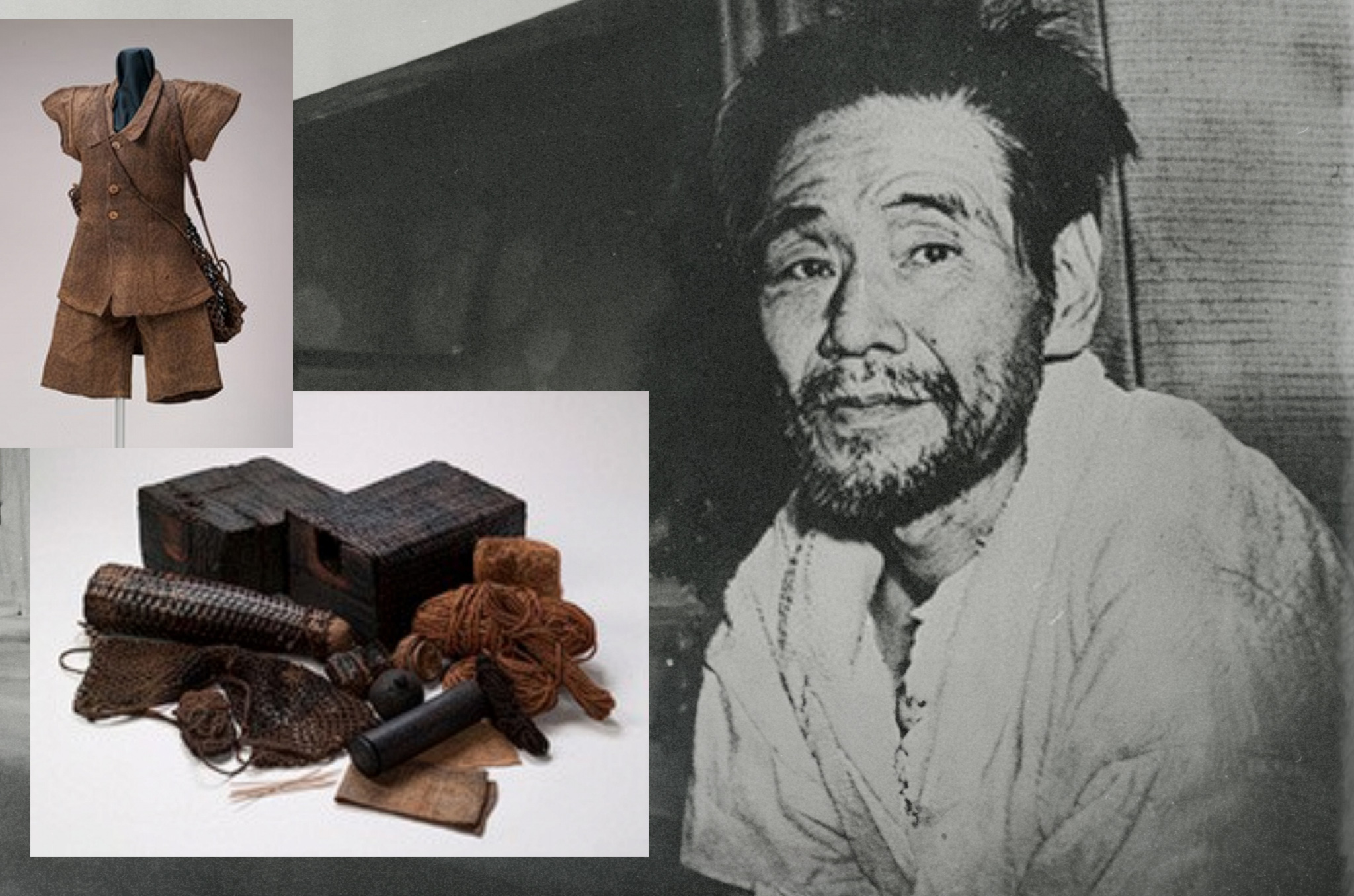
Photograph of Yokoi immediately after his discovery, with images of his clothing and objects of daily use. Handmade by Yokoi from natural fibres, they are now in the Nagoya City Museum collections
Back in Japan
Less than two weeks after he was discovered in the jungle by Duenas and De Gracia, Yokoi flew back to Japan on a chartered jet airplane. He received a hero’s welcome, but said, “It is with much embarrassment that I return,” reflecting the shame he felt for surviving when his comrades had died. Back in his hometown, Yokoi visited Akaboshi Shrine, where, three decades earlier, he’d gone to pray before heading off to war. At a nearby temple, he wept over his family’s gravestone. An inscription on it said he’d died in Guam in the summer of 1944.
Unsurprisingly, the press was fascinated by the real-life Rip Van Winkle story. Isolated from the world for 28 years, he had no knowledge of the major global events that occurred between 1944 and 1972, such as the atomic bombings of Hiroshima and Nagasaki, the moon landing and the assassination of US President John F. Kennedy. A man who’d never watched television or heard of jet planes, he was perplexed by technological advancements, and, according to Hatashin, struggled to settle back into life in modern Japan.
An advocate of simple living, Yokoi became a television personality. Two years after his return, two more holdouts emerged from dense jungles: Hiroo Onoda returned to Japan from the Philippines and Teruo Nakamura (born Attun Palalin), an Indigenous Amis man who served in the Imperial Japanese Army. The public’s fascination with Yokoi persisted, though, and, in 1977, Nagisa Oshima released a documentary about the soldier’s time in Guam. Twenty-nine years later, a memorial hall was opened in his honor in Nagoya. It closed in 2022, when the director, Yokoi’s wife, Mihoko, passed away. Yokoi died of a heart attack in 1997 at the age of 82.