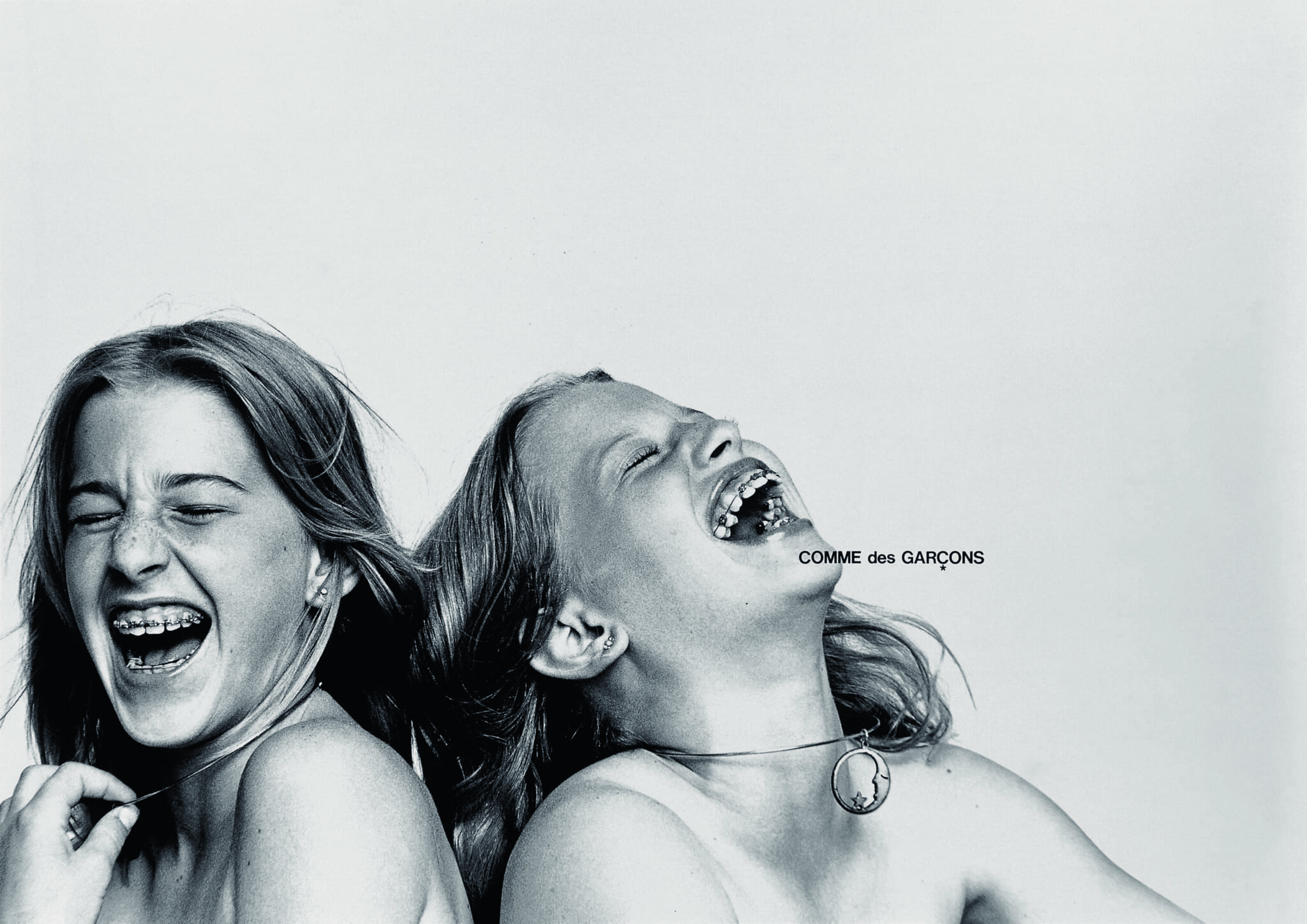
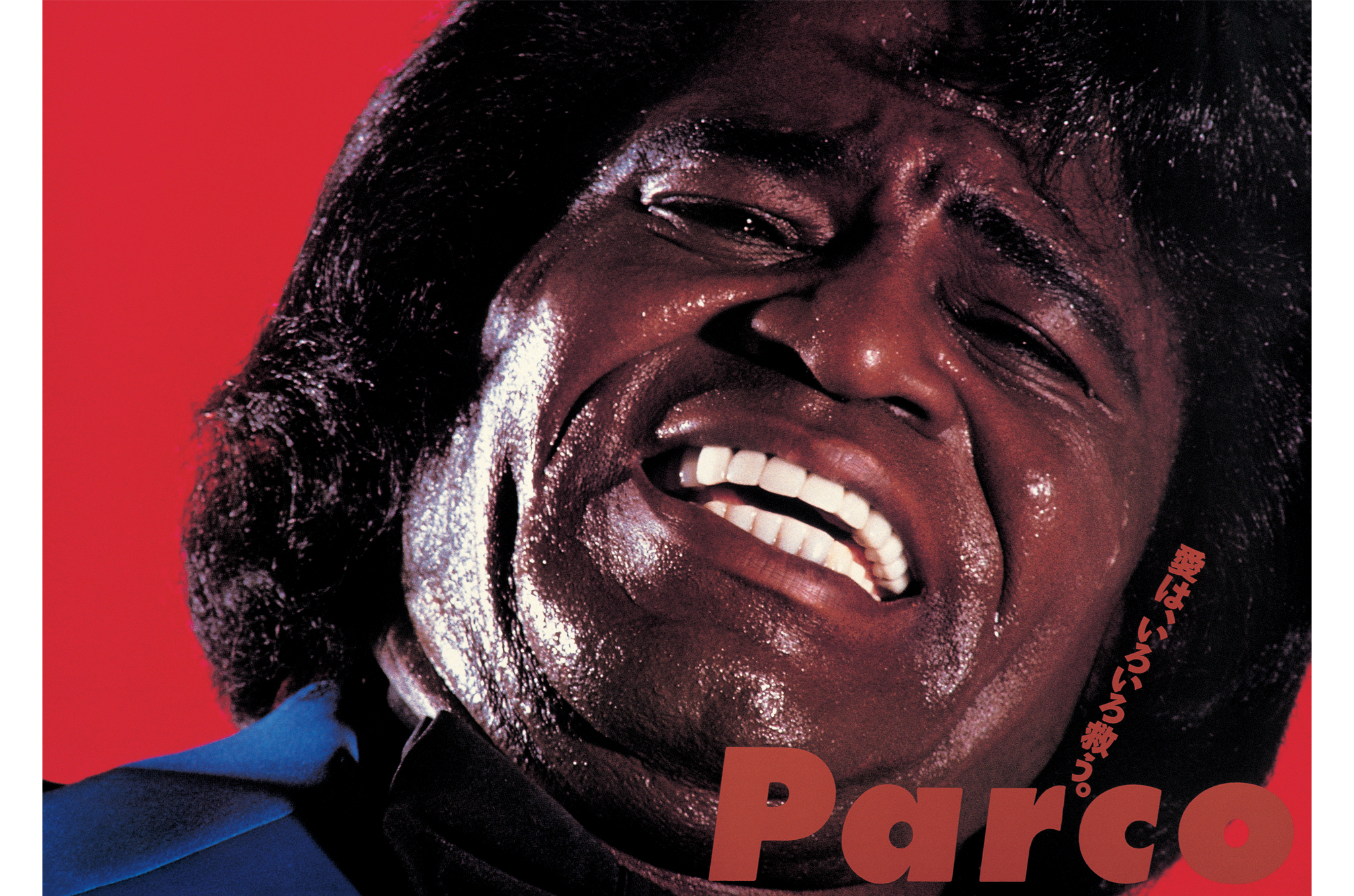
In the history of Japanese design, few figures possess the enigmatic brilliance of Tsuguya Inoue. Standing in dramatic contrast to classic design conventions of minimalism and universal clarity, his works feature a dynamic, often unsettling fusion of photography and typography — they’re loud, arresting, occasionally chaotic. From the stark visuals he created for Rei Kawakubo’s Comme des Garçons and Six magazine, to the strikingly kinetic posters he designed for the department store Parco, Inoue’s pieces communicate more than just slogans or stories — they build a distinct, cinematic world.
To say that the graphic designer and art director’s visual vocabulary defined the look of “Japanese cool” for an entire generation is an understatement. Inoue’s work elevated mass-market advertising to postmodern, conceptual art through the 80s and 90s, reinforcing Japan’s place at the forefront of global culture. His bridging of evocative, eye-catching aesthetics and brand identity remains the elusive goal for emerging labels today.
The Art of Intuition
Born in 1947, Inoue was drawn to a creative career not because of a specific medium, but rather a restless curiosity about the world around him. “My interest in the philosophies of art and literature, since childhood, has always been the catalyst that led me to creativity,” he says. His entrance into the industry arrived during an era of significant economic growth and cultural efflorescence in Japan, together creating the perfect storm — what most consider to be the creative peak of advertising in the country.
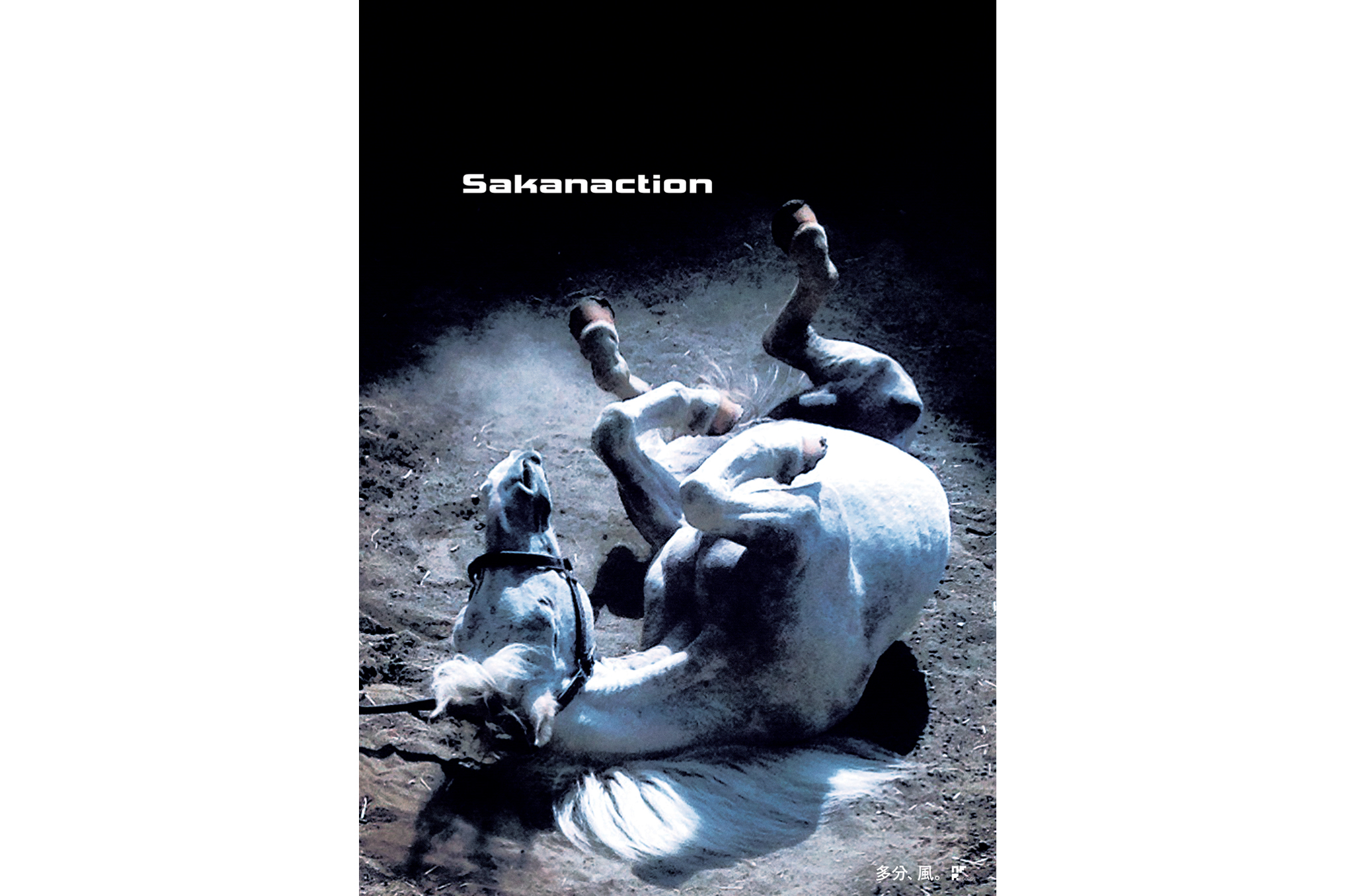
Upon establishing his own studio, Beans Co., Ltd., in 1978, Inoue began designing advertising campaigns, visuals for musicians and book projects that stood apart from those of established masters. In contrast to Yusaku Kamekura and Ikko Tanaka, whose technical perfection and clean geometry had built the graphic foundation of modern Japanese design, Inoue approached design from a more visceral standpoint, built on spontaneity and — as he puts it — “intuition and visual feeling on set.”
The artworks he designed for Ryuichi Sakamoto’s catalog, as well as for the late musician’s legendary electronic band Yellow Magic Orchestra (YMO), are great examples of this elusive “visual feeling.” Although the graphics don’t stick to one technique or style — ranging from distortion and deconstruction to dramatic noir portraits — they share an ambiguous, detached yet magnetic sensibility. They all have the same aura.
This indefinable aura has influenced numerous aesthetics and styles we take for granted even now; vaporwave owes a huge debt to Inoue. You can still feel his impact in today’s iconic music visuals. Frank Ocean’s Boys Don’t Cry magazine immediately comes to mind, with its asymmetrical, distorted text reminiscent of Inoue’s visuals for YMO’s 1983 tour.
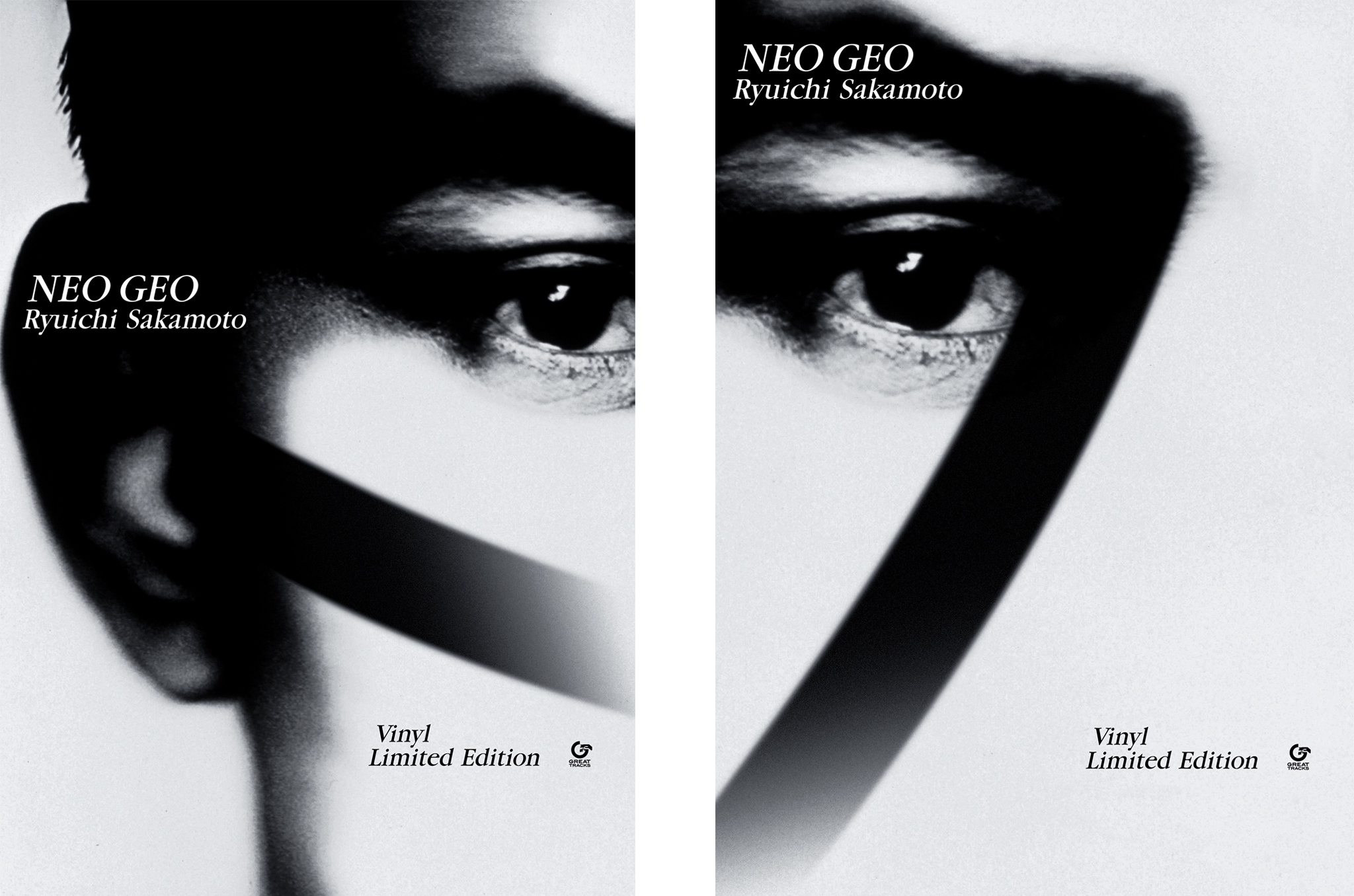
NEO GEO, Ryuichi Sakamoto, Vinyl Limited Edition, Poster 2024. Art Direction & Design: Tsuguya Inoue. Design: Jun Inagaki. Photography: Sachiko Kuru. Advertiser: Sony Music Labels Inc.
Matches Made in Heaven
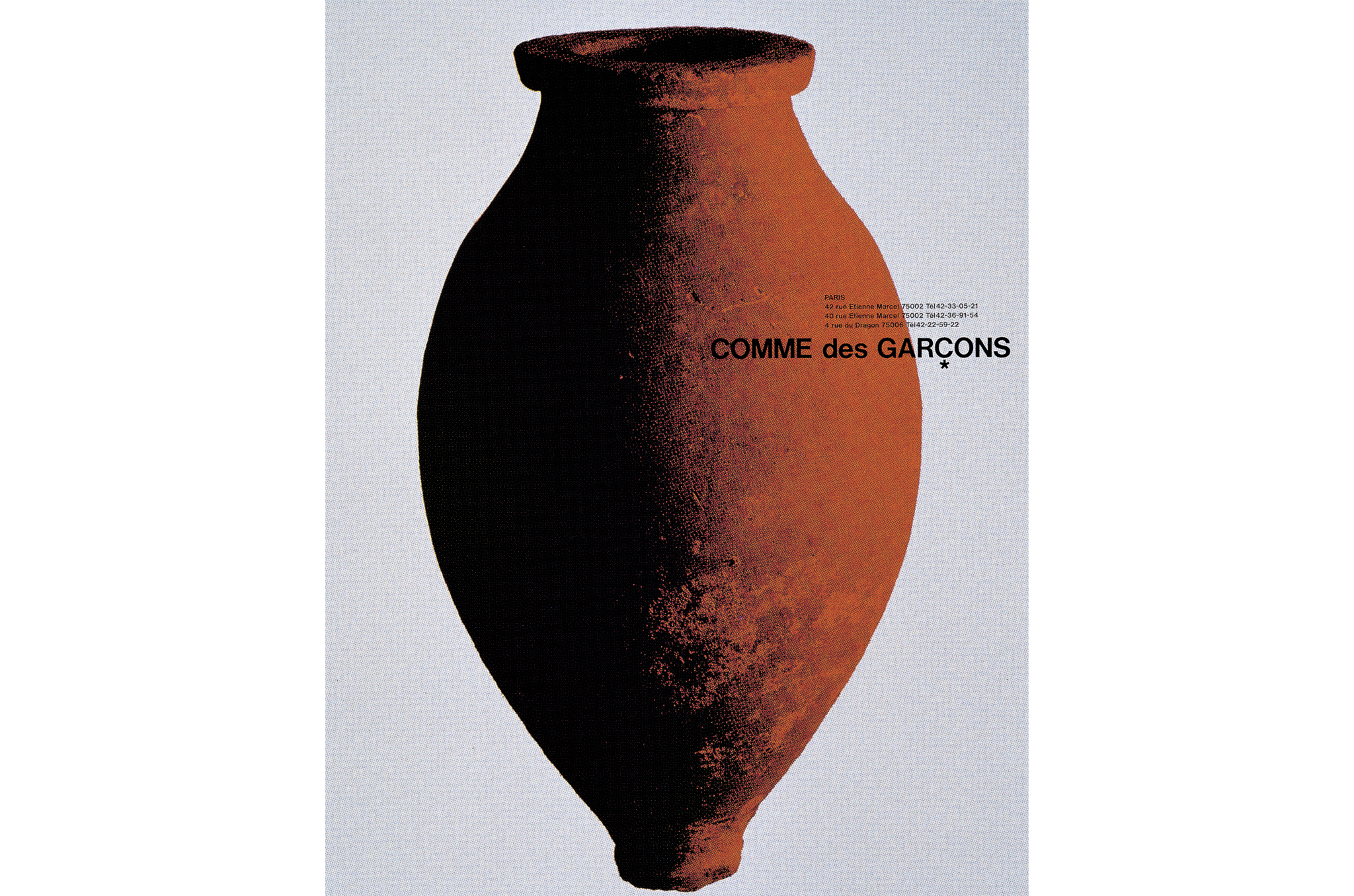
According to Inoue, the pivotal career moment that truly established his voice was the Comme des Garçons campaign in the early 1980s. Working with Rei Kawakubo, an anti-fashion icon known for her radical deconstruction and androgynous silhouettes, was the ideal match. “Kawakubo’s open mind, and her respect for my vision, has allowed me to create what feels like an infinity of Comme des Garçons campaigns, for almost five decades now,” Inoue says.
The long-standing relationship of mutual trust, most notably, gave birth to the experimental image magazine Six, directed by Inoue and edited by Atsuko Kozasu under Kawakubo. Released biannually by Comme des Garçons between 1988 and 1991, the publication — revolving around the theme of intuition as the “sixth sense” — was an exciting stage for Inoue’s visual experimentation.
“Six magazine is absolutely the most playful publication I have ever worked on as an art director, and I’m thrilled that it has become such an inspirational publication in the world of design and photography,” says Inoue. Indeed, physical copies of the beautifully curated volumes have become highly coveted treasures for collectors today, seen in rare book stores both on- and offline.
Among the pack of world-renowned photographers he worked alongside over the years — Peter Lindbergh, Jeannette Montgomery Barron and Alberto Callari, to name just a few — Inoue singles out Kishin Shinoyama as another collaborator who greatly inspired him. “Working with Shinoyama from the 80s to the early 2000s defined my experience of two golden decades in Japan,” he recalls. One of Japan’s most well-known photographers, Shinoyama photographed every notable figure from John Lennon and Yoko Ono to novelist Yukio Mishima.
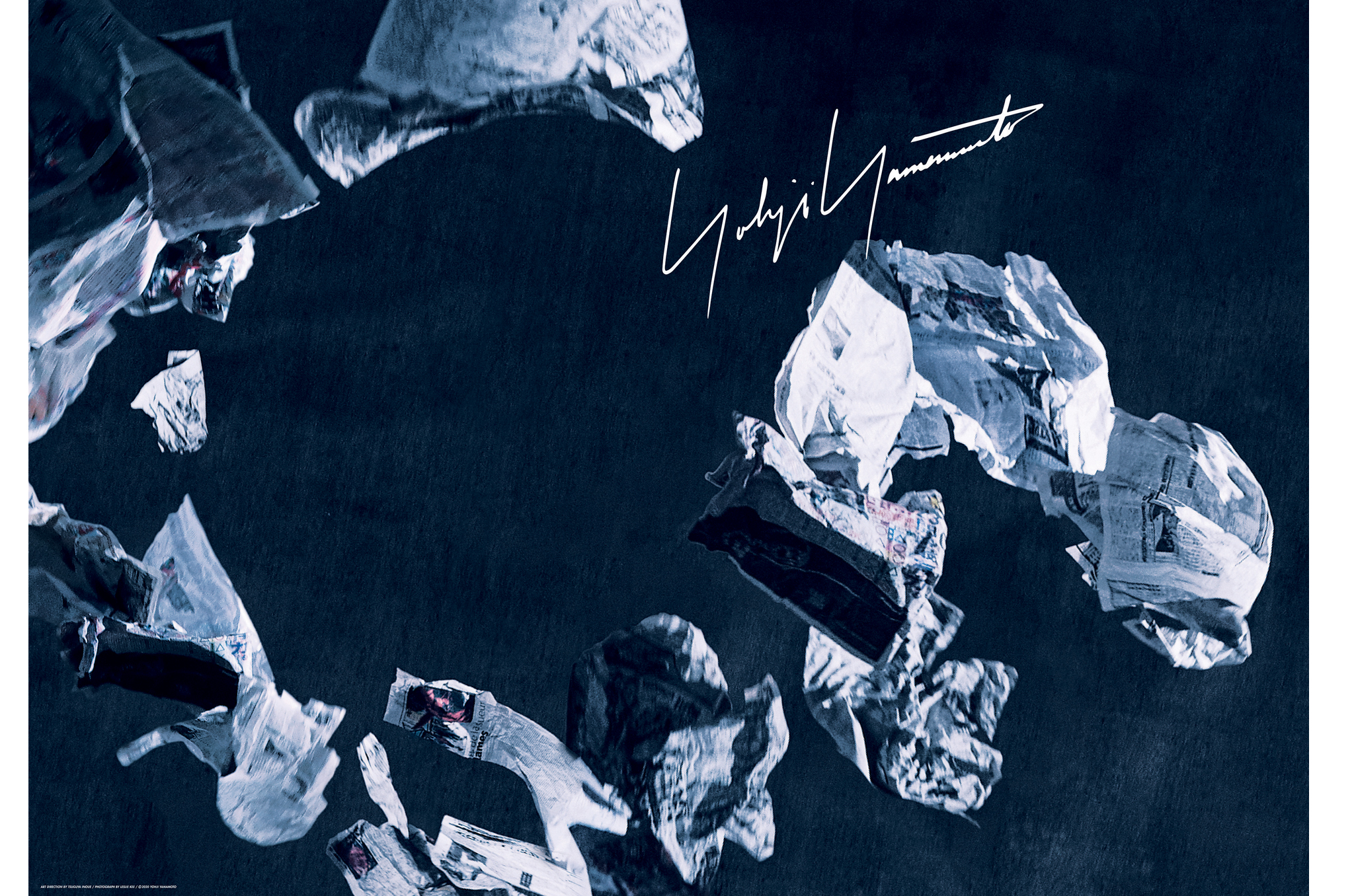
Inoue’s ongoing creative collaboration with Japan-based Singaporean photographer Leslie Kee followed from 2008 onward, “establishing a new generation of diversity in [his] artworks.” The duo have worked on various projects, including the photography exhibition “Bookish” and magazine feature “Beautiful Inspiration,” over the past 10 years.


Defining the Avant-Garde
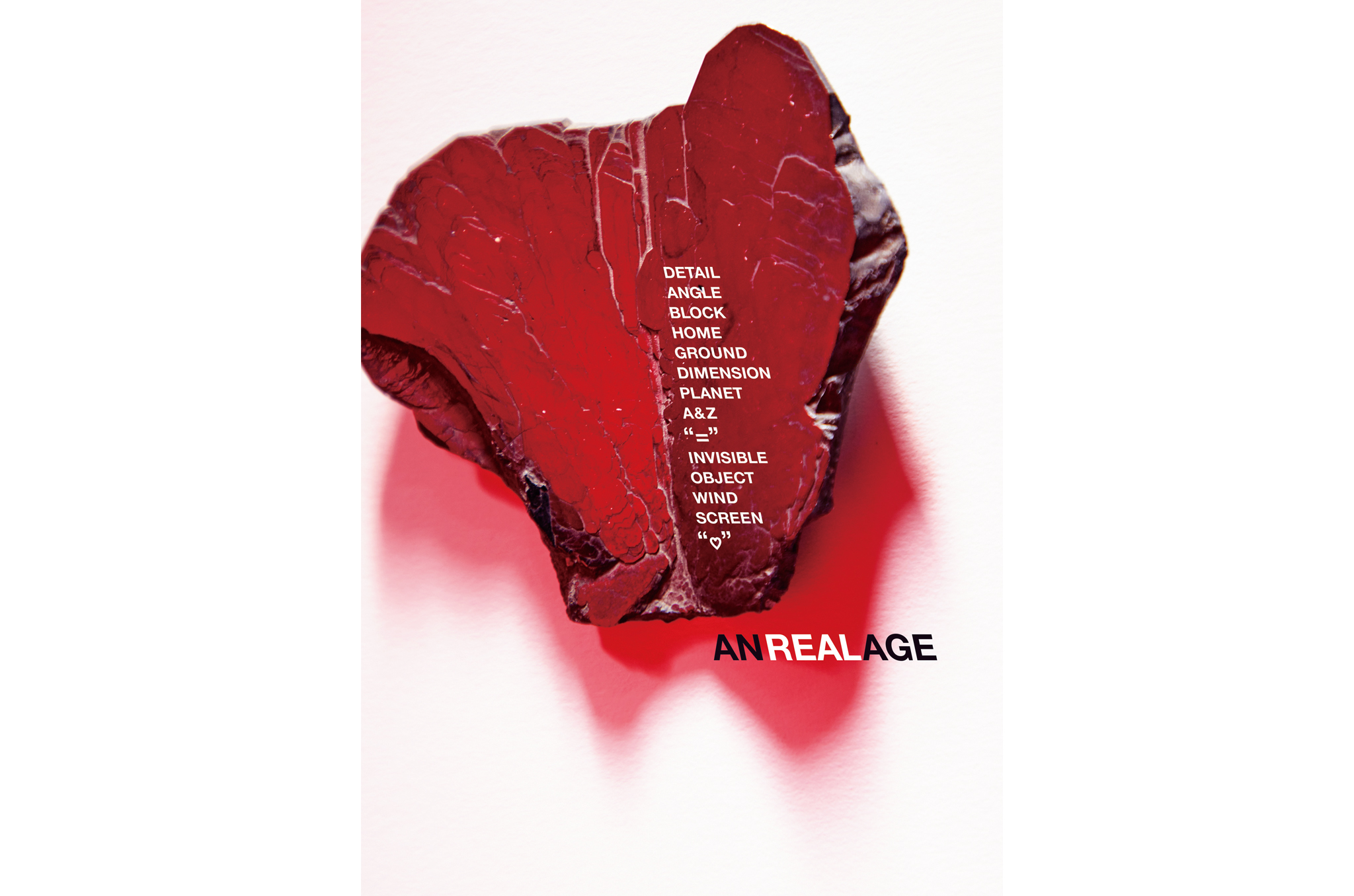
Although Inoue’s innovative combinations of photography and typography are often defined as “avant-garde,” he does not chase the title himself. “I never look at any of my artworks as ‘avant-garde’ or ‘classic normal,’” he states. “However, I naturally find myself directing photographers on set to be playful with lightings and angles, which usually results in a unique and interesting composition; perhaps that is what my audience considers ‘avant-garde.’”
This is a rather humble survey of his vast portfolio and hugely influential legacy, but Inoue’s goal as an artist is really that simple: to pursue originality and intrigue. This is perhaps the secret to his work’s lasting power. “I have never been interested in creating any trends,” he recounts. “My aim is always to present a timeless artwork to my clients, and more importantly, to communicate something we truly believe hasn’t been done before.”
There’s also something to be said for his commitment to hands-on technique. “I am not interested in digital creativity, and to this day, all my artwork is always human, with an analog base,” Inoue says. “I hope to see more young creators actively discovering new perspectives, enhancing their own identities.”
More Info
Tsuguya Inoue Graphics, a comprehensive survey of Inoue’s work featuring 503 pieces created from 1981 to 2024, is available from various online retailers and at select book stores.
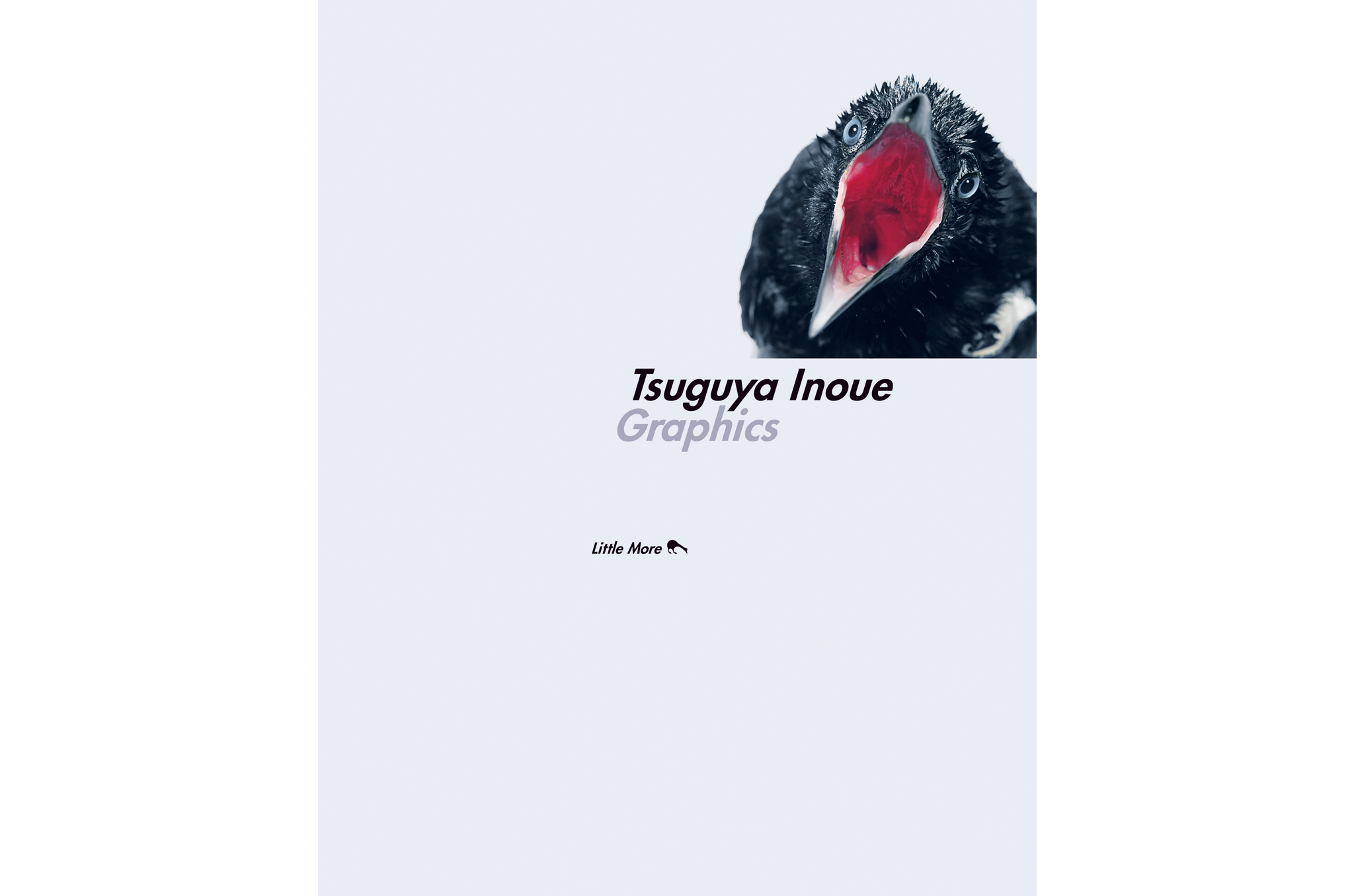
Tsuguya Inoue Graphics, Cover, 2025. Art Direction & Design: Tsuguya Inoue. Design: Jun Inagaki. Photographer: Tamaki Yoshida. Editor: Fumi Toma. Producer: Chiapang Sun. Publisher: Little More Co., Ltd.
Related Posts
- Happy Victims: Inside the Homes of Tokyo’s Fashion Obsessed
- Designer Kei Ninomiya on His Work at Comme Des Garçons
- How Japanese Construction Uniforms Went High Fashion
- That’s Punk: Vivienne Westwood and Japan
Updated On November 28, 2025