Long before wellness retreats and digital detoxes became a thing, travelers and locals in Japan sought renewal at Japan’s mystical power spots. These are specific geographical locations — ancient shrines, dramatic coastal stretches, mist-shrouded peaks — believed to radiate a palpable, rejuvenating energy.
Power spots exist across the archipelago — including some of Japan’s most famous destinations, like Mount Fuji and Meiji Shrine. But countless lesser-known sites are scattered through the country, too. Fukuoka Prefecture, on the subtropical island of Kyushu, is home to several notable power spots, many of which are tied to the region’s long history as a spiritual and cultural gateway to mainland Asia.
Fukuoka’s constant relationship with the sea meant its power spots served as safe harbors — for prosperity and safety on voyages across oceans and mountains. For visitors today, these destinations offer blessings tied to life’s major journeys and trials.
Munakata Taisha
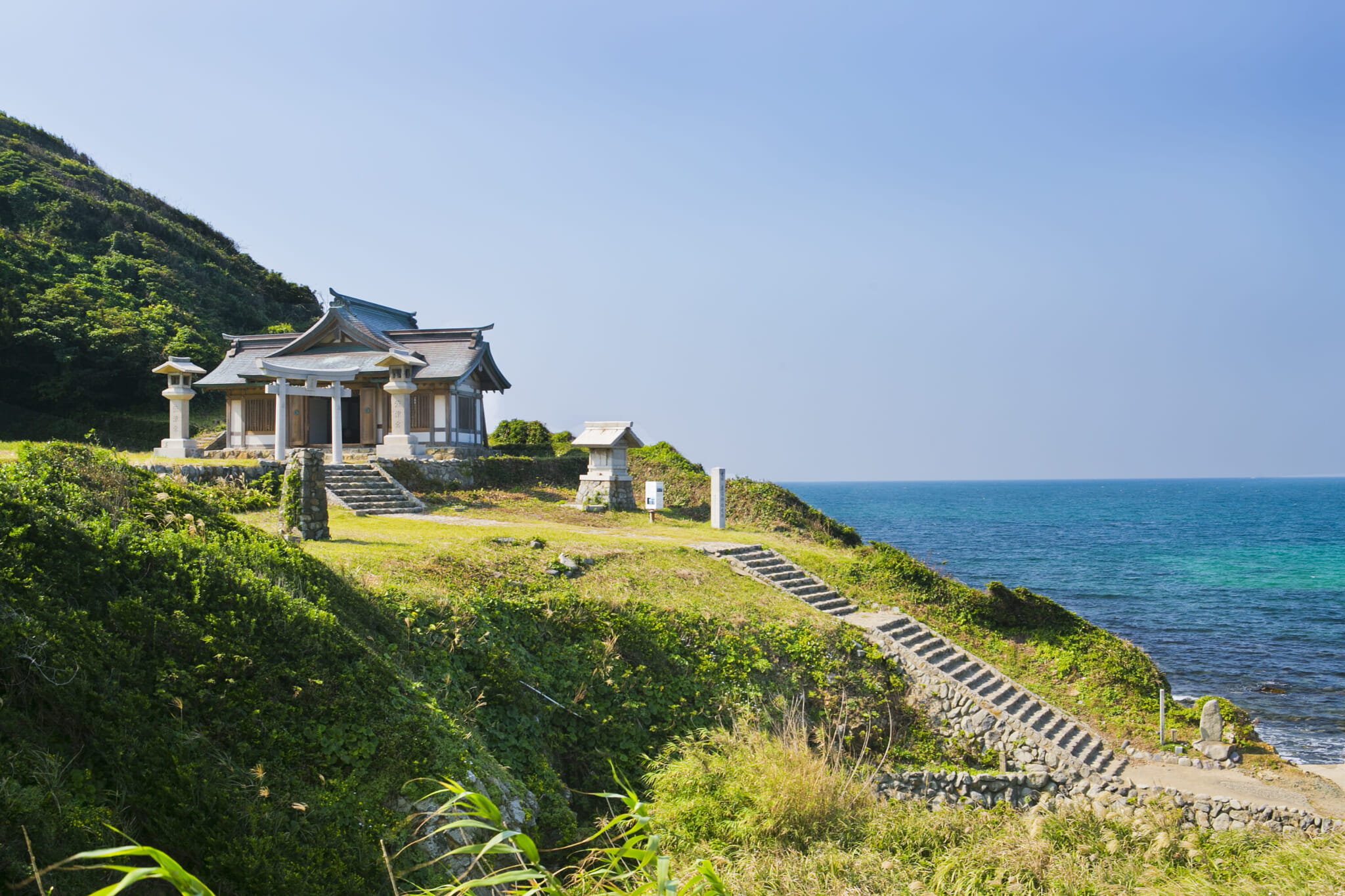
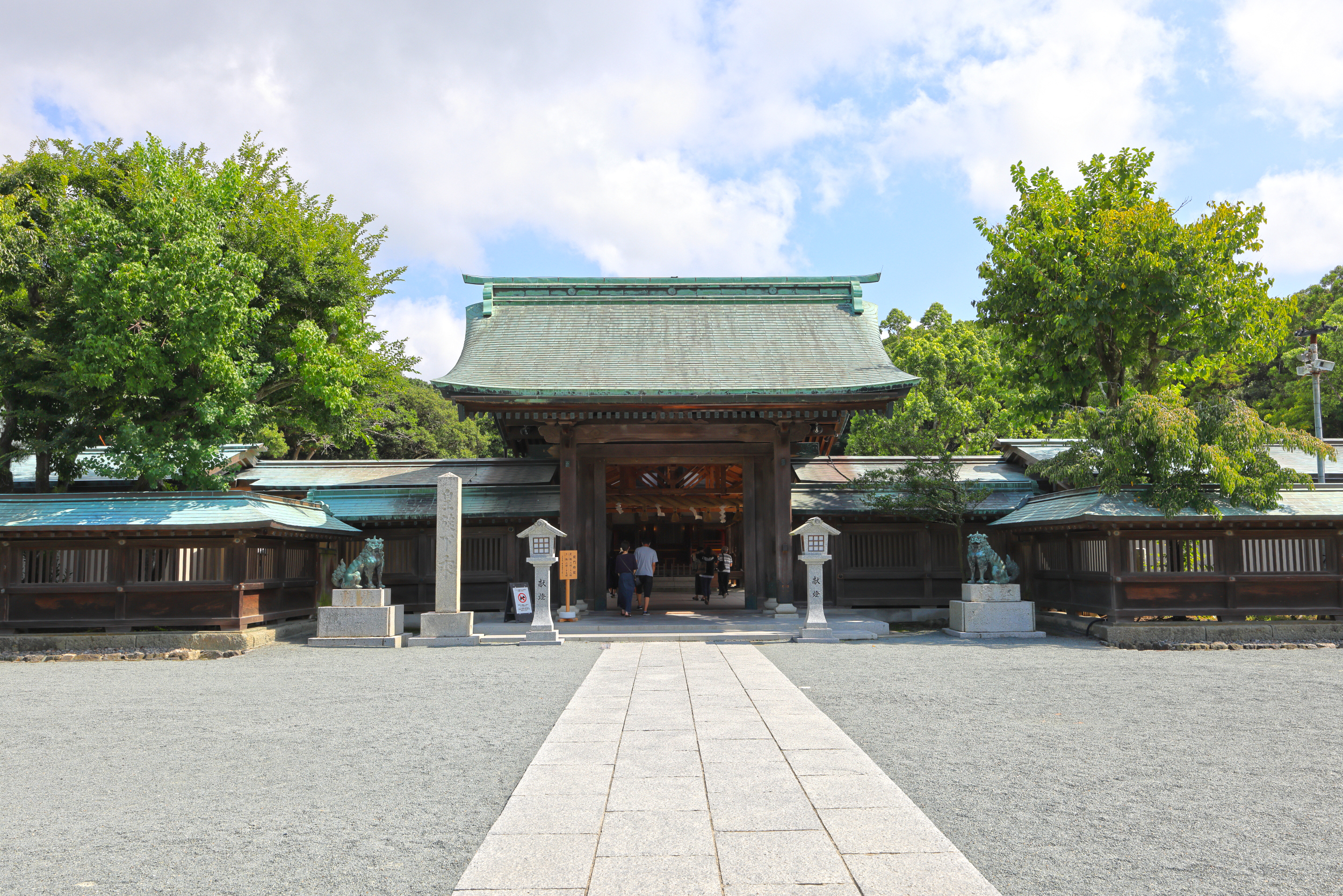
One of Fukuoka’s most venerated power spots is Munakata Taisha, a UNESCO World Heritage Site in the Munakata region that spans an area about 60 kilometers wide. It’s made up of three distinct worship sites, set on the mainland and two islands, and serves as the headquarters for thousands of shrines across Japan. The sites are dedicated to three sea goddesses from Japanese mythology; for centuries, they have been associated with ceremonies performed for safe voyages and national prosperity. Locals still come here to pray for protection when traveling.
Hetsu-miya, the mainland shrine, is considered a power spot. Its towering ancient trees shade the prayer halls, creating a sense of stillness and tranquility. Its treasure hall, Shinpo-kan, houses a breathtaking collection of 80,000 National Treasures unearthed on the sacred island of Okinoshima — gold rings, cut-glass goblets, bronze mirrors from across Asia. Each October, the shrine hosts the Miare Festival, where two ornately decorated medieval boats lead around 200 fishing boats — a spectacular ritual praying for good fortune, good fishing and farming.
Miyajidake Shrine
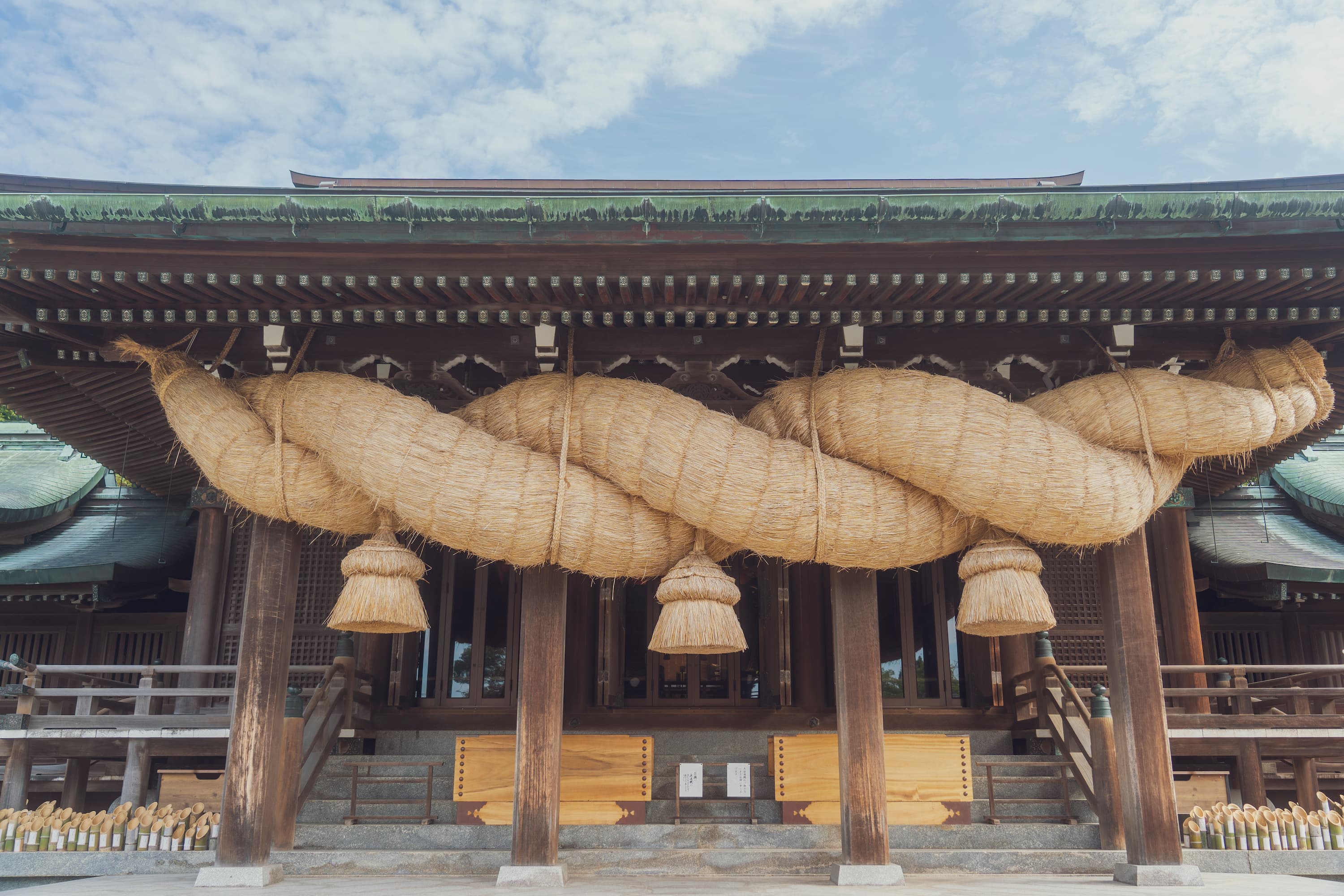
Further down the coast, Miyajidake Shrine is known as a major power spot for business success and general good luck. Dedicated to Empress Jingu, the shrine features three striking symbols of prosperity: an immense three-ton oshimenawa (woven straw rope) remade annually by some 1,500 volunteers, a giant brass bell and a massive taiko drum.
For those seeking luck in a specific area of their lives, the shrine grounds feature the Oku no Miya Hachisha — a circuit of eight inner shrines dedicated to blessings like health, wealth and love. It’s believed that praying at all eight can grant a great wish. The shrine is at its most beautiful in late February and late October, when sunsets align with its main stone staircase, casting a golden beam down the road leading straight into the ocean — a phenomenon known as the “Path of Light.”

The Sea of Mirrors
In Japanese spiritual tradition, power spots extend beyond man-made shrines to include places of immense natural beauty. One such sanctuary is situated along the Tsuyazaki Coast: Kagami no Umi, or “the Sea of Mirrors.” Stretching across Fukuma, Miyajihama and Tsuyazaki beaches, this remarkably flat stretch of sand completely transforms during low tide; as a thin veil of water coats the shore, the beach becomes a glassy expanse that reflects the drifting clouds and shifting light above. It’s a perfect spot to clear your mind and reset your focus.
Mount Hiko
Inland, the landscape rises dramatically into the deep green silhouette of Mount Hiko, a 1,199-meter-tall sacred peak that stands as one of Japan’s three major sacred sites for Shugendo, an ancient faith blending mountain worship, Shinto and esoteric Buddhism. Yamabushi — mountain ascetics — have long tested their endurance here, going on treks and practicing cold waterfall meditations.
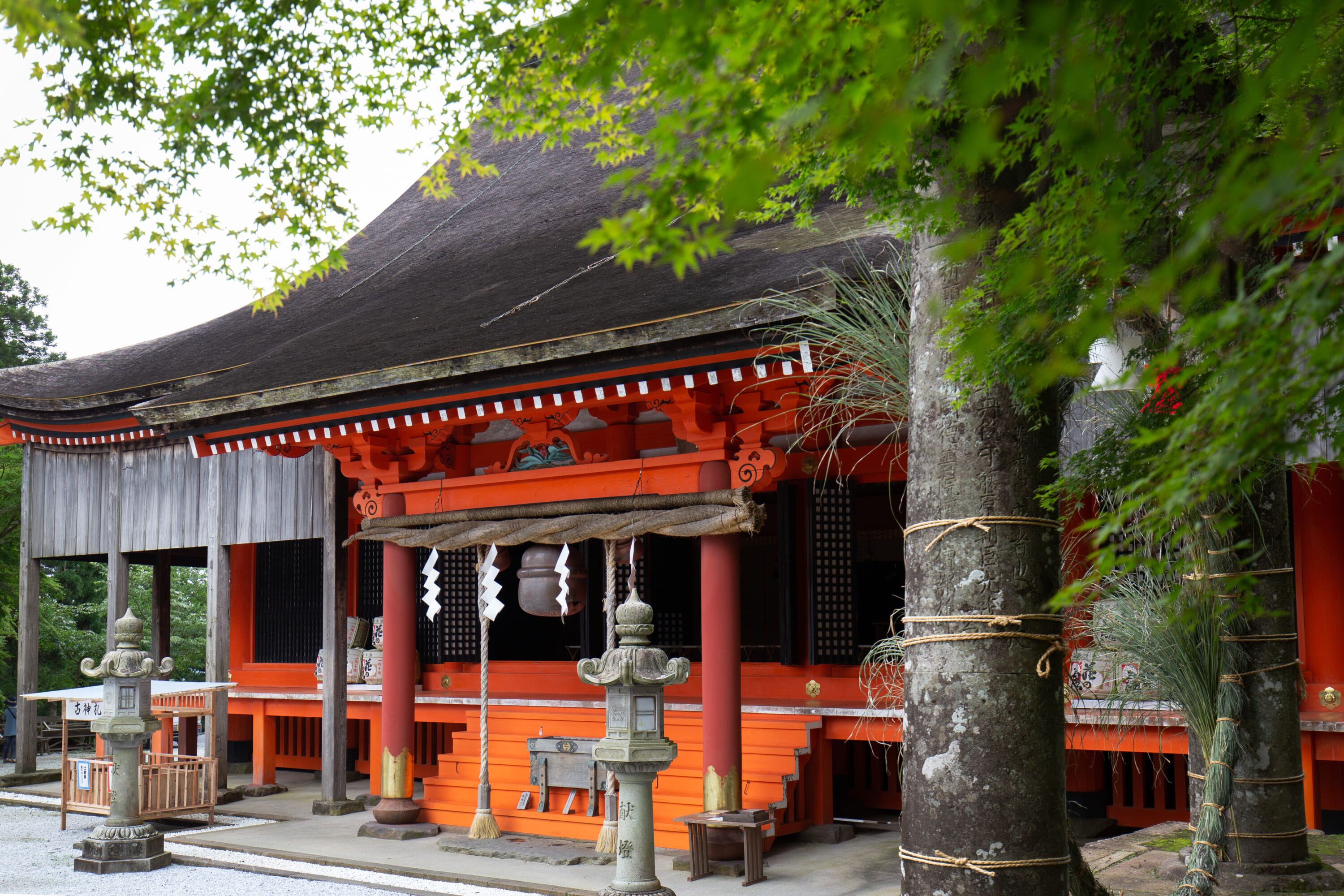
At the heart of the mountain sits Hikosan Jingu — the only shrine in Fukuoka Prefecture designated as a Jingu, a status only granted to the most distinguished shrines in Japan. Its largest and most majestic building, the vermillion Hoheiden, rests against a dense forest backdrop that filters the sunlight into soft, dappled beams.
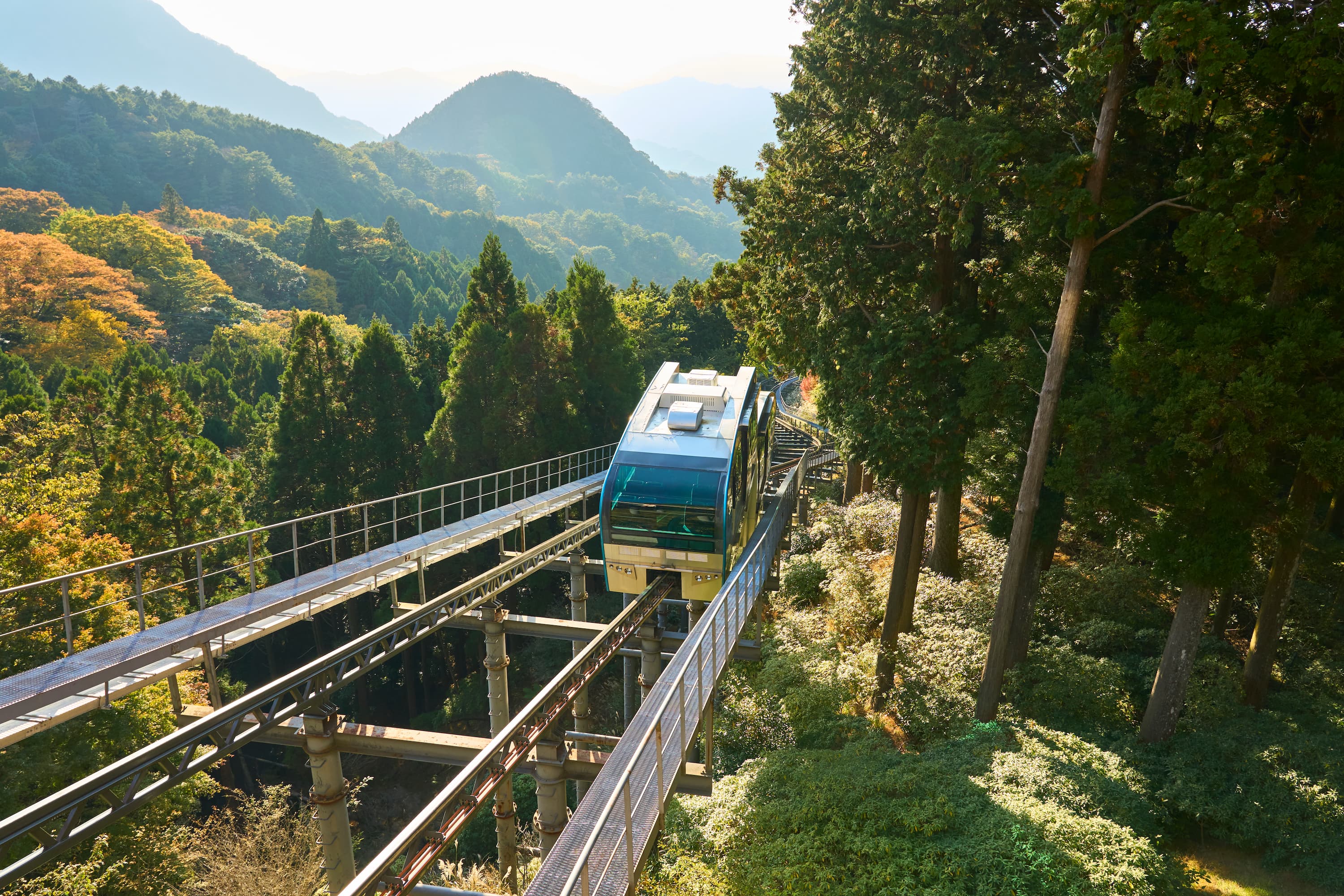
Starting at the copper Kane no Torii gate at the mountain’s base, visitors can ascend its stone steps past centuries-old shukubo (pilgrim lodges) or glide through the forest canopy aboard a cable car to reach the shrine.
A Taste of Fukuoka in Tokyo
To experience the essence of Fukuoka in the heart of Tokyo, head to Kojimachi Nadaman Fukuoka Bettei — a restaurant specializing in Fukuoka’s vibrant culture and flavors. Launched by the Fukuoka Prefectural Government and Nadaman, a heritage restaurant with more than 190 years of history, it specializes in refined kaiseki cuisine.
The menu interprets traditional kaiseki with seasonal ingredients sourced directly from Fukuoka Prefecture. In addition to multi-course meals, guests can savor exclusive regional specialties unavailable at other Nadaman locations, including Hakata Goboten Udon (burdock root tempura noodles) and Hakata Jidori Mizutaki (hot pot with premium free-range chicken).
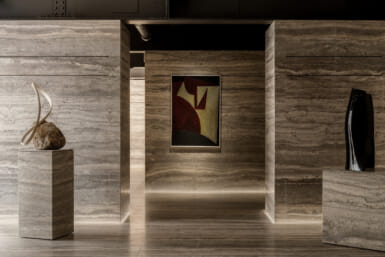
The venue itself is a treasure trove of regional art, featuring intricate woodwork and Hakata textiles. Guests can purchase regional delicacies and Nadaman gift items on their way out.
More Info
Kojimachi Nadaman Fukuoka Bettei
1F Sumitomo Fudosan Fukuoka Hanzomon Bldg.,
1-12-1 Kojimachi, Chiyoda-ku, Tokyo
T: 03-6380-8421
Access: A three-minute walk from Exit 3a or 4 of Hanzomon Station via the Tokyo Metro Hanzomon Line