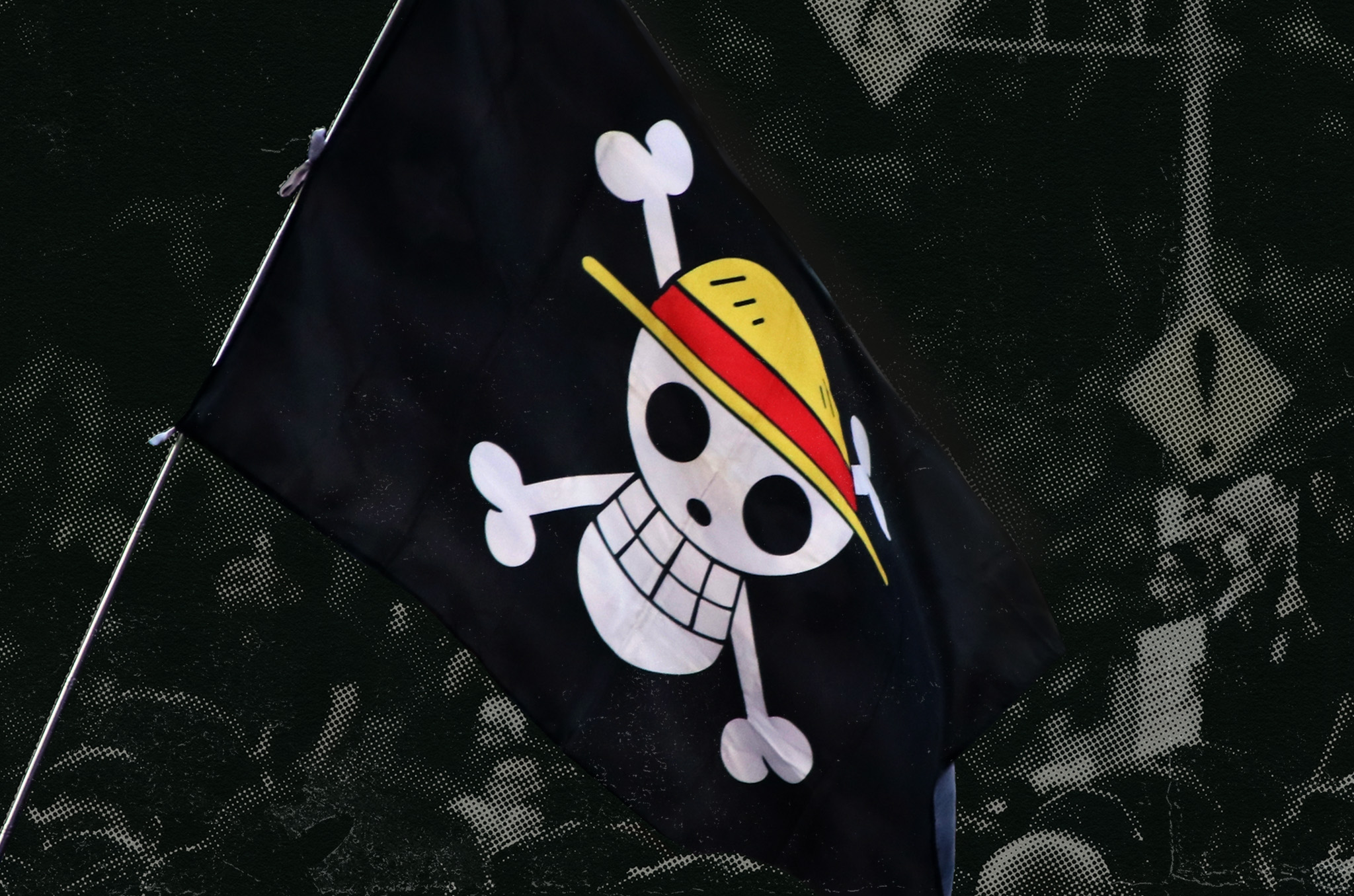
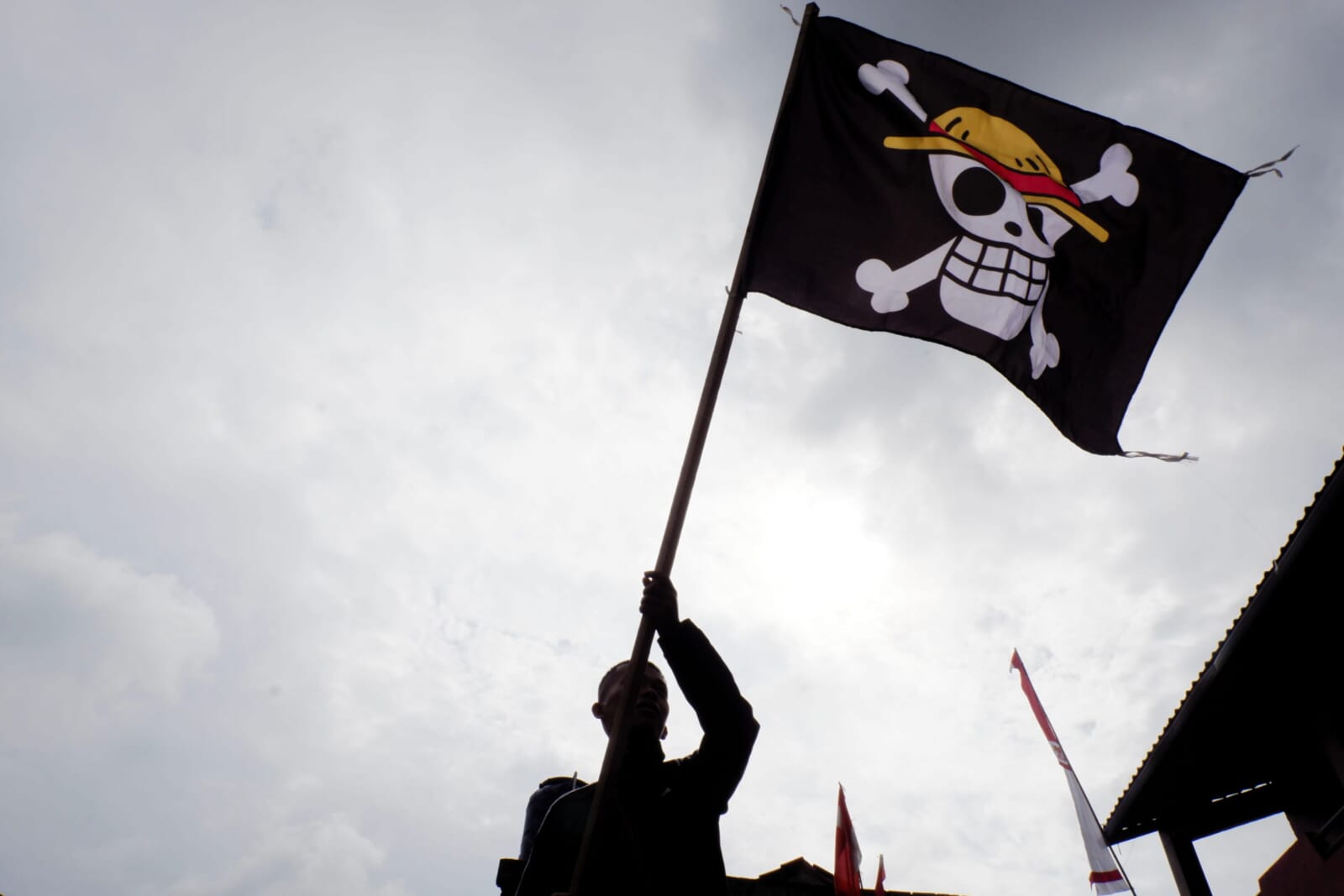
As hundreds of thousands of people took to the streets across France over rising living costs and deteriorating public services on October 17, a familiar pirate flag appeared among the banners — the Jolly Roger of the Straw Hat Pirates from One Piece, Eiichiro Oda’s wildly popular Japanese manga. It flew in Paris, Lyon and Montpellier, alongside other manga imagery, as students and other demonstrators marched against the government.
Elsewhere, the streets were just as full. In Brazil, students marched against the far-right candidate Flávio Bolsonaro. In Spain, the eviction of 87-year-old Maricarmen Abascal from her Madrid home after a 230 percent rent hike set off nationwide housing protests, and her death in hospital two weeks later set off more. In India, the Gen Z-led Cockroach Janta Party is demanding the election chief’s resignation after some 130 million people were struck from the voter rolls. Students are fighting police in Tirana, marching against education cuts in Santiago and clashing with riot police in Brussels in unrest partly inspired by France.
These movements have different grievances, and reducing them all to a single class struggle would obscure as much as it explains, but they do share a backdrop of deepening inequality. Billionaire wealth reached a record $18.3 trillion in 2025, according to Oxfam, while young people struggle to afford rent, let alone the homes their parents could buy. It is a world One Piece has been drawing since 1997, the year the oldest members of Gen Z were born: a privileged few living above everyone else. Nearly three decades on, a generation is asking who gets to have a future, and it has found its banner.
How the One Piece Flag Became a Protest Symbol
The flag first went viral in Indonesia in the summer of 2025, raised by truckers and then students against President Prabowo Subianto’s government, before spreading to Nepal, the Philippines, Madagascar and Peru. Indonesian officials warned that flying it could amount to treason.
For nearly three decades, Eiichiro Oda’s manga has followed Monkey D. Luffy, a cheerful, rubber-bodied pirate who overthrows corrupt rulers, liberates oppressed communities and repeatedly challenges a World Government that protects the Celestial Dragons, a hereditary elite who own slaves and live above the law.
“The anime perfectly depicts the reality that we are living right now: the poverty, the gap between the rich and the poor. We used this symbol to demonstrate that to the world, because it is easy to recognise,” a Malagasy medical student told France24. “The heroes are often teenagers who fight against an extremely corrupt ruling class – repressive governments rife with nepotism. That’s what inspired us.”
In France, the protests of October 17 also ended in fire. Around 1,500 businesses were damaged and some 1,800 people arrested as masked groups smashed luxury storefronts and government buildings, but also family-owned shops, bars and corner stores from Paris to Marseille, which, given that the protests are about the class divide, was a perverse choice of target.
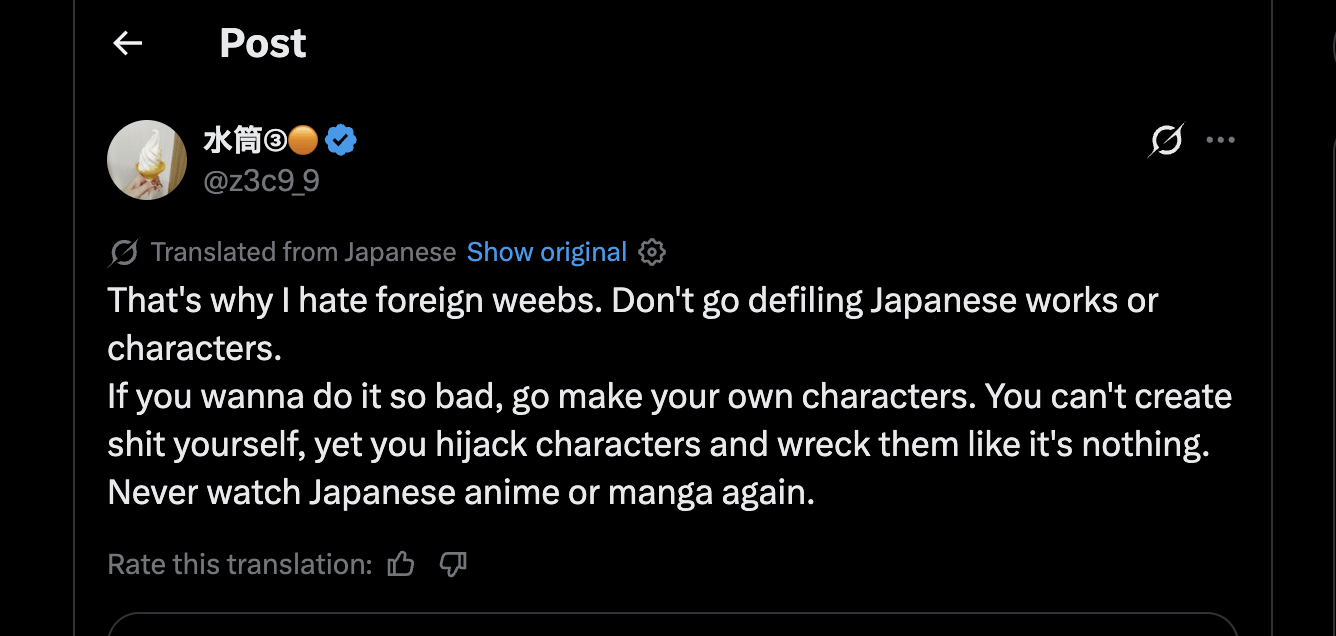
The violence has also complicated the reception of the flag in Japan, where some fans have objected to seeing a beloved manga associated with disorder and political confrontation. On X, Japanese fans pleaded with protesters not to turn the flag into a symbol of terrorism. “What’s so cultural about destruction and pillaging?”, one X user wrote. Anger at the looting is fair. Luffy topples tyrants; he does not rob the bakery. But why should a story about pirates who routinely overthrow governments be kept out of politics?
Three Generations of French Rebellion
In France especially, the answer has a long history. The country has loved Japanese animation for almost fifty years, and for much of that time the love was treated as a problem. The first generation met it in 1978, when Goldorak (UFO Robo Grendizer) arrived on French television. Their younger siblings got Club Dorothée, a children’s program launched in 1987 that broadcast Dragon Ball, Saint Seiya and Fist of the North Star. Adults were appalled. In 1989, Ségolène Royal, who would later run for president, published a book criticizing children’s television and singled out Japanese animation for its violence and supposedly harmful influence.
Enthusiasts defended their tastes against parents, politicians and cultural critics while circulating material through copied videotapes and, later, unofficial online translations. Much of this was copyright infringement, but it established overseas audiences long before Japanese publishers had developed the means to reach them. In 2008, the French Japanologist Julien Bouvard published an essay on what he called the rebellious nature of Japanese otaku culture in France, in the short-lived Japanese left-wing magazine Lost Generation (『ロスジェネ』). By then, Japan was beginning to recognize the commercial potential of a culture whose overseas following had grown largely outside its control.
Today, anime has become one of Japan’s most powerful instruments of soft power, celebrated by the government and increasingly lucrative for the industry. It’s a remarkable transformation for a culture whose international audience was built in part through the bootleg tapes, fan translations and unauthorized distribution that publishers now spend considerable resources trying to suppress.
Yet the political meanings readers find in these works remain considerably harder to regulate. The people waving Luffy’s flag in Paris may have little connection to the fans who traded bootleg tapes in the 1980s, and the protesters in Indonesia and Madagascar aren’t necessarily reading the manga in the same way. But One Piece now belongs, in a sense its publishers could never have intended, to the people who grew up reading it and have begun to question the world they inherited.
Related Posts
- Fans Begin the Search for the One Piece Sunken Treasure
- Protesters March in Saitama To Counter Anti-Kurdish Sentiment
- Beyond One Piece: True Stories of Japanese Pirate Kings
Updated On October 28, 2026