
Japanese photographer Masayoshi Sukita captured some of the defining images of the 1970s and 1980s, photographing artists like David Bowie, Iggy Pop, T. Rex and Yellow Magic Orchestra. His archive is filled with musicians who would go on to become cultural icons, but of all the photographs he’s taken, the one he holds closest is a portrait of his mother.
Sukita’s father died during World War II, leaving his mother to raise him and his siblings alone in the difficult years that followed. Money was scarce, but she nonetheless bought her son a camera — a gesture that would profoundly shape the course of his life. “If she hadn’t bought me that camera, I might not be a photographer today. That’s why it means so much to me,” he says.
Before the Rock Stars
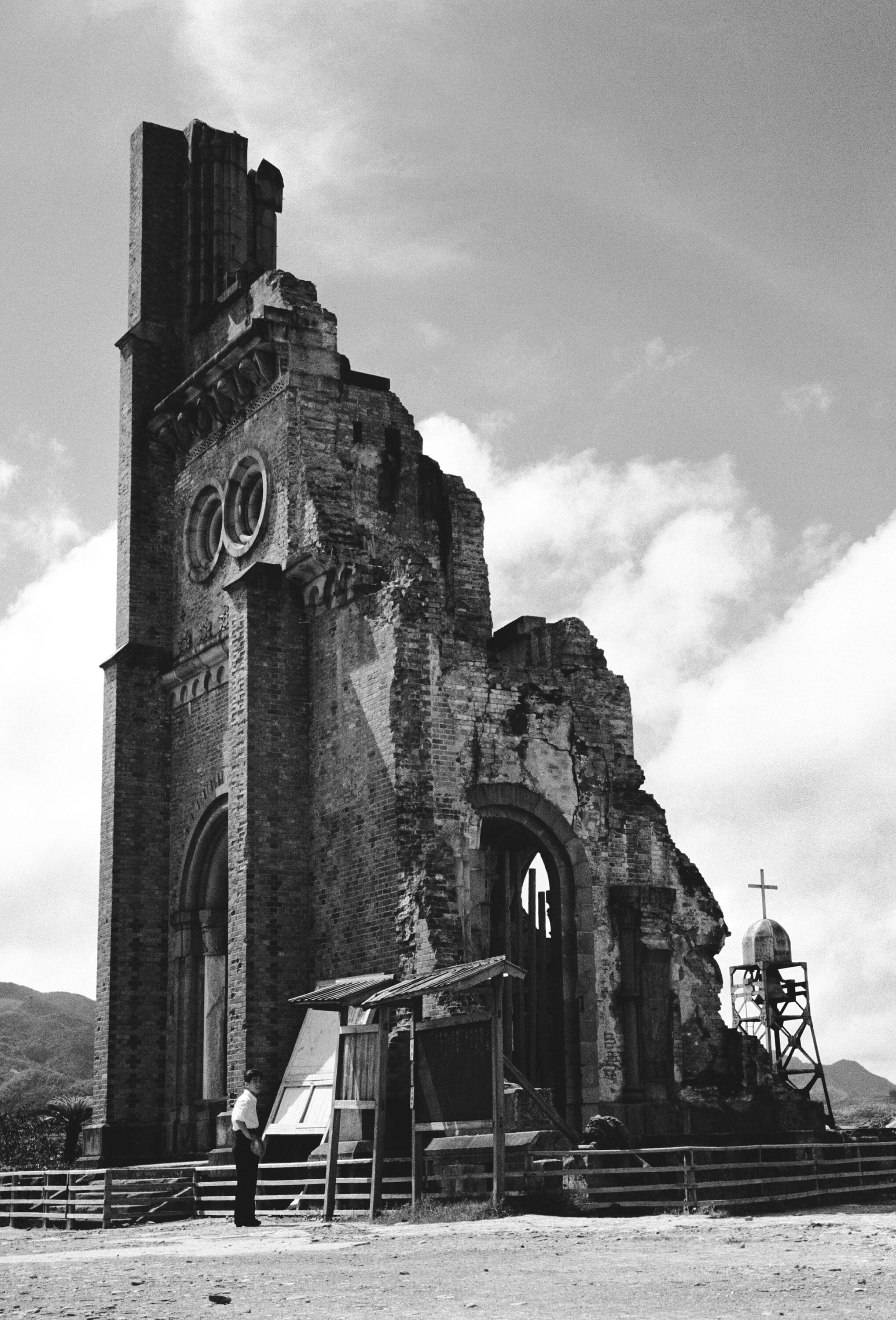
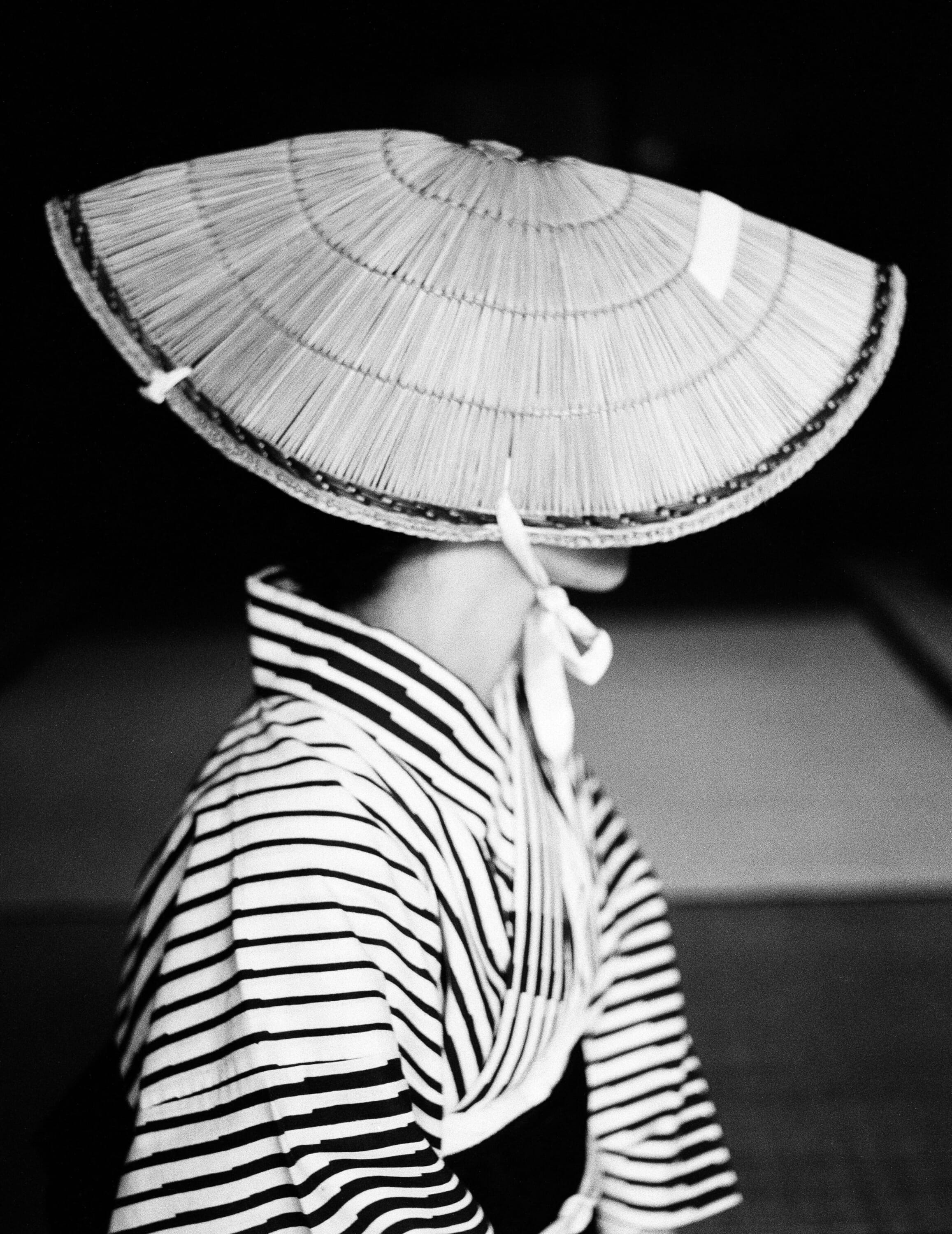
That camera would become the starting point of Sukita’s lifelong creative journey. His early work focused on the memories and landscapes of postwar Japan. After failing his university entrance exams, he spent about a year living with his brother in Nagasaki, where the scars of the atomic bombing remained visible.
In the early 60s, he returned to the city to document hibakusha (survivors of the atomic bomb) while also capturing postwar street scenes and social protests. His aim, he says, was “not to present something political but simply to show how things were.”
In 1970, he took his first trip overseas, traveling to New York. The journey would mark a turning point in Sukita’s life and work. “I couldn’t speak English at all, but after becoming fascinated by the American music scene through Woodstock the previous year, I decided to attend a festival at a New York stadium,” he recalls.
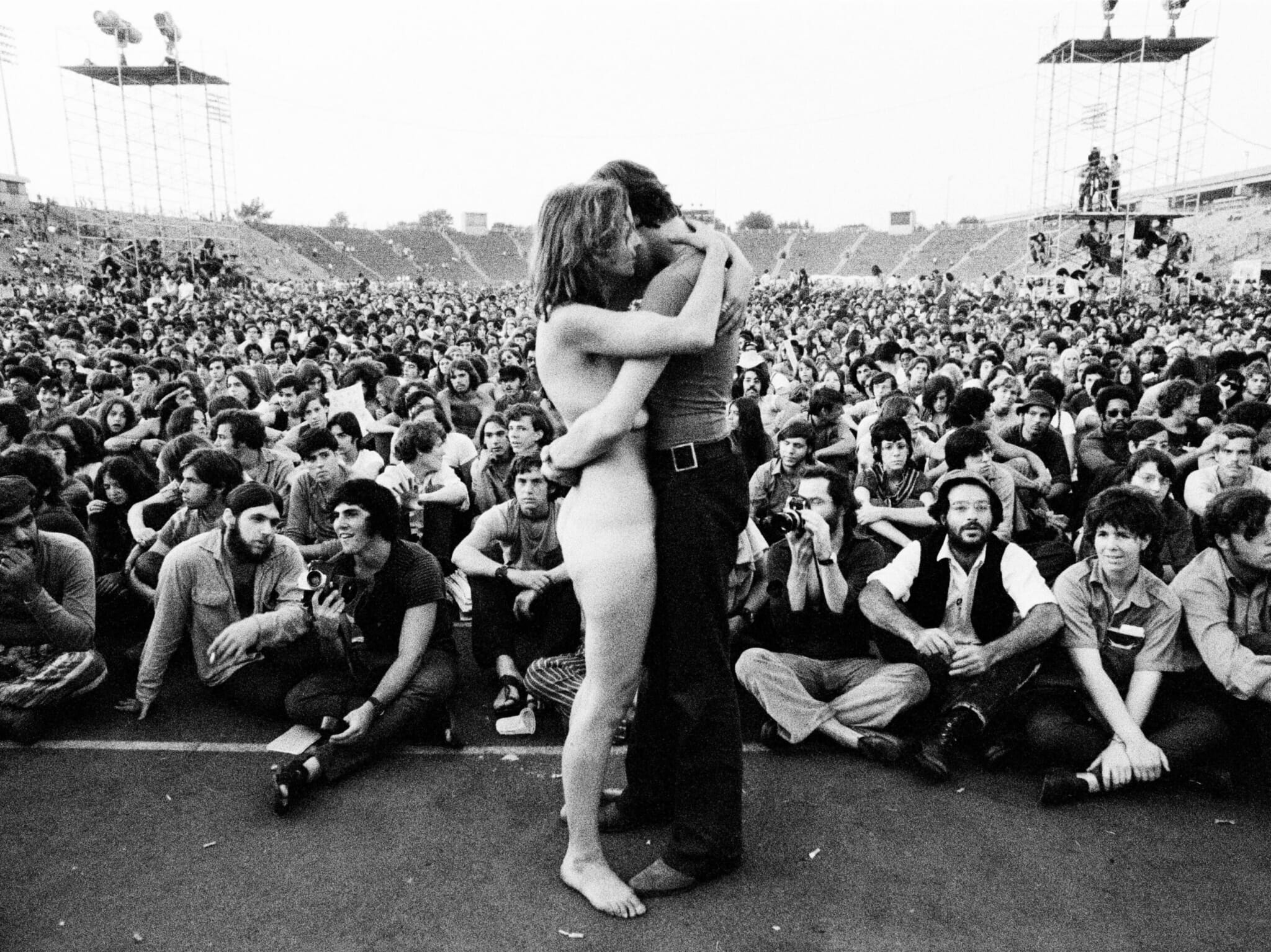
Jimi Hendrix was the headliner, and Sukita photographed him from the audience, capturing the legendary American musician just months before his untimely death at age 27. He still regrets not approaching him when he saw him while drinking tea in a cafe. “It was too sudden,” he says, “and my English wasn’t good, so I missed my chance to say hello.”
Sukita’s brief stay in New York — during which he also visited Andy Warhol’s Factory and saw the Velvet Underground perform at the iconic nightclub Max’s Kansas City — solidified his passion for rock culture. Looking to continue exploring the world of music photography, he next set his sights on the UK, where glam rock was beginning to take hold.
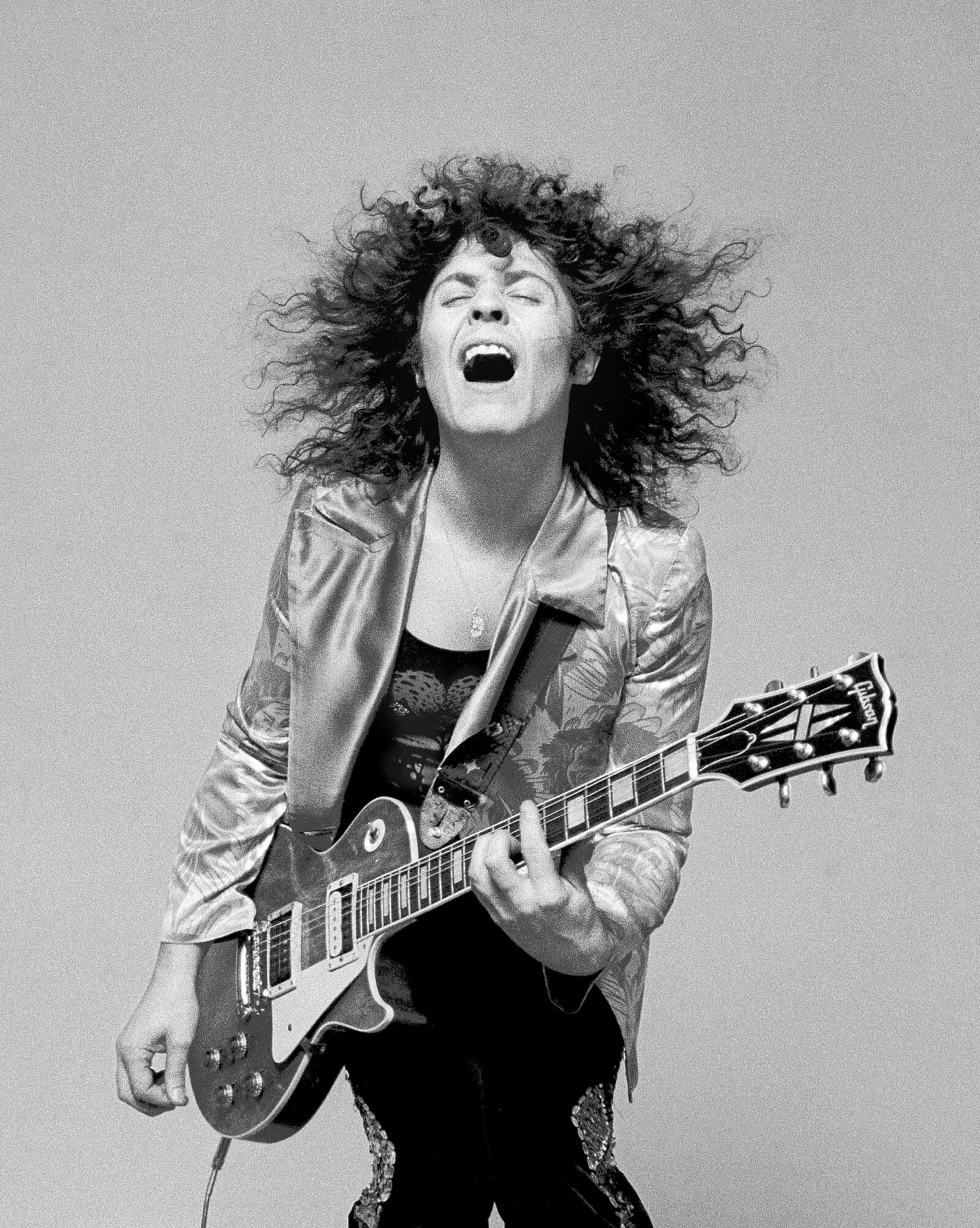
In 1972, Sukita traveled to London with one group in mind: T. Rex. “They were already popular in Japan, to the point of being called the next Beatles,” he says. “I didn’t have any particular connections, so I went directly to their management with my portfolio in hand and negotiated to get permission to shoot in their studio.”
The Bowie Years
The resulting set of pictures, which also included high-voltage live stage and candid backstage shots, captured the swagger and flamboyance of Marc Bolan and the band, cementing Sukita’s reputation as a rock photographer. It also opened the door to an encounter with David Bowie, the artist he would become most closely associated with.
After finishing his shoot with T. Rex, Sukita was walking down a London street when he saw a black-and-white poster promoting a Friends of the Earth charity concert. It showed a performer standing in a dramatic, ballet-like pose — a striking image that immediately caught his attention. Unsure who it was, Sukita asked a hotel employee.
He was informed that it was Bowie, “the hottest artist in town.” Sukita immediately bought a ticket to one of his concerts. In the crowd, he was awestruck. “His overwhelming presence made me think, ‘I have to photograph this man,’” he recalls. Masae Shimada, a fashion journalist based in London at the time, arranged a meeting with the singer’s manager, Tony Defries.
Blown away by Sukita’s images of Bolan, Defries immediately booked the Japanese photographer on Bowie’s behalf. It marked the beginning of a 44-year relationship, during which Sukita photographed Bowie through many of his artistic reinventions.
Reflecting on their decades-long connection in the 2012 photobook Speed of Life, which he coauthored with Sukita, Bowie wrote, “It’s very hard for me to accept that Sukita-san has been snapping away at me since 1972, but that really is the case. I suspect that it’s because whenever he’s asked me to do a session, I conjure up in my mind’s eye the sweet, creative and big-hearted man who has always made these potentially tedious affairs so relaxed and painless. May he click into eternity.”
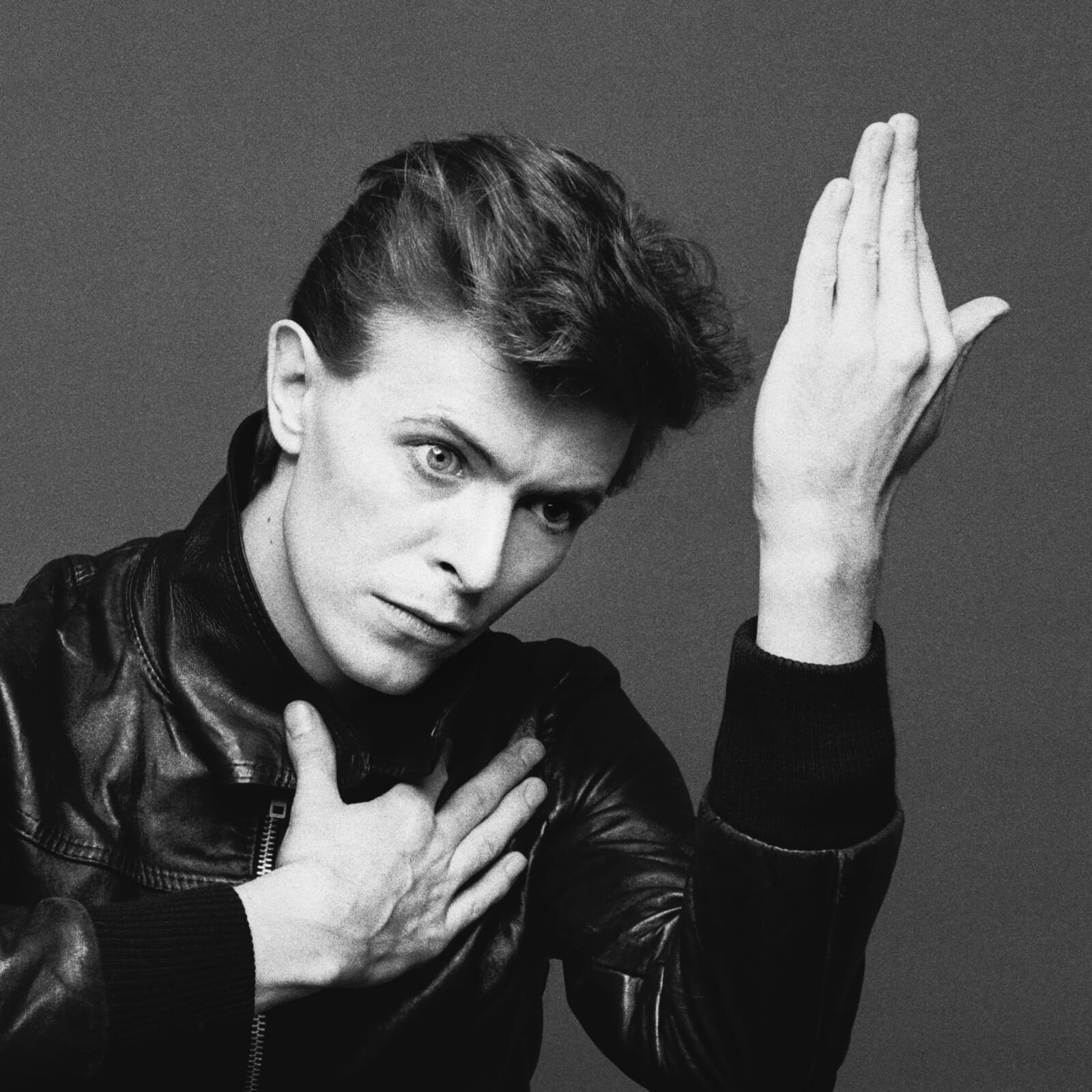
Among the most enduring images from the pair’s collaboration is the portrait that appeared on the cover of Heroes. The photograph was taken in 1977, when Bowie returned to Japan to promote Iggy Pop’s album The Idiot, which he’d produced. Sukita captured the pair during a relaxed session in which, he recalls, “they were joking around with each other.” (Iggy Pop also selected an image from that shoot for his 1981 album, Party.)
Sukita describes the Heroes cover as his “most meaningful” photograph because it “opened up a new world” for him. But his fondest memory of Bowie came three years later, during a trip to Kyoto. “He was there for a commercial shoot and suggested we explore the city together, so I followed him from morning until evening,” recalls the photographer.
Sukita began by photographing Bowie relaxing in his hotel room, then the pair deliberately visited places that weren’t tourist spots. “What surprised me was that he drove his own car, presumably a rental one, and that he knew the streets of Kyoto very well. I may be the only photographer in the world who has used him like a taxi driver. It was an unforgettable day.”
Beyond Bowie
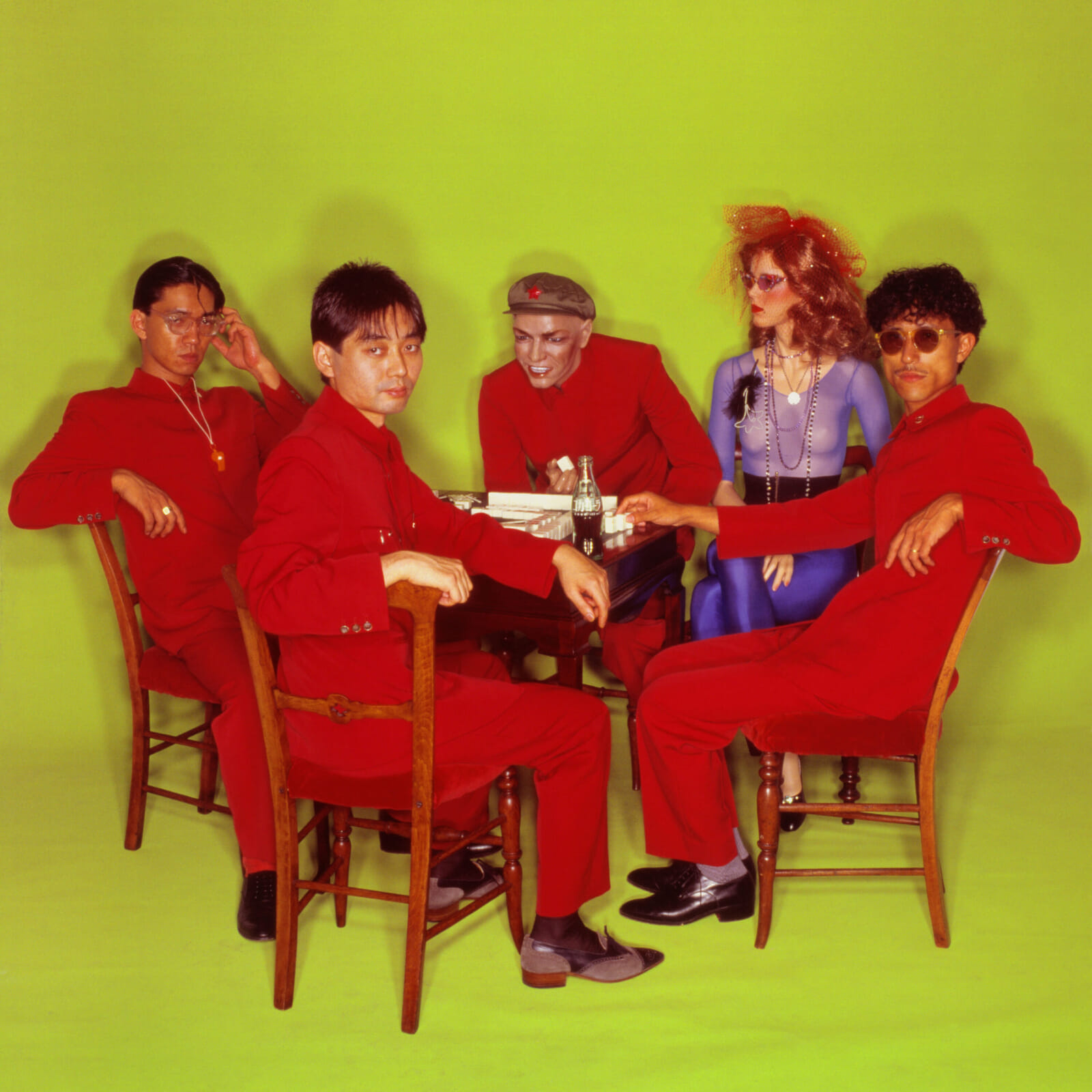
Sukita also photographed a number of other influential musicians from the era, including John Lydon of the Sex Pistols, David Byrne of Talking Heads and Joe Strummer of The Clash, who famously told him he had “the smell of rock.” Back in Japan, his most iconic subjects included Yellow Magic Orchestra (YMO), whose members — Haruomi Hosono, Ryuichi Sakamoto and Yukihiro Takahashi — all went on to become pioneers of electronic music.
“YMO was an interesting group because of the blend of the members’ personalities,” says Sukita. “I got along well with all of them, so when I photographed the group, I made sure not to favor anyone. I think it was a band that could only have been formed by those three.”
Sukita’s lens has never been confined to the world of music. He has photographed some of fashion and film’s most distinctive figures, including Vivienne Westwood, Kansai Yamamoto and Jim Jarmusch. Across decades and disciplines, his portraits share a fascination with the character behind the image — a quality that has come to define his photography. This year, that singular body of work was recognized with the Lifetime Achievement Award at the Abbey Road Music Photography Awards, one of the highest honors in the field.
For all the indelible images he has made — photographs that have shaped how we remember some of music, fashion and film’s most recognizable figures — Sukita speaks about the honor with striking humility. “I haven’t had much luck winning awards before, so I was thrilled to receive this,” he says. “The previous winner was David Bailey, who was one of my favorite photographers when I was younger. It’s incredibly moving to be able to stand alongside him. I feel very honored to have made my mark on the history of photography with this award.”
More Info
Follow Masayoshi Sukita on Instagram: @masayoshi_sukita_official.