Japan is a country where you can step from one era into another without leaving the present day. In Tokyo, a Meiji-era building reveals the moment Japan began reshaping its cities through Western architectural ideas. In Kyushu, Edo-period porcelain tells a story of craftsmanship and global trade. On Sado Island, traditions brought to the island centuries ago are still performed today. And through Ogasawara-ryu, practices developed for samurai continue to be taught in the modern era.
Visiting Japan offers a chance to immerse yourself in the country’s incredibly deep history of art and culture — not as something to be studied from a distance or admired from behind the glass of a museum display, but as something that can be felt firsthand. Given the country’s wealth of museums, historic sites and living traditions, it’s possible to take a physical journey through the evolution of Japanese art and culture, moving between places and periods to see how the past continues to shape the present. All you need to know is where to look.
Enter Bloomberg Connects. Developed by Bloomberg Philanthropies, the free platform brings together more than 1,500 museums, cultural organizations and historic sites around the world, serving as a thoughtful digital companion for visits. In Japan, the guides on Bloomberg Connects include everything from landmark architecture and historic collections to regional craft and living cultural traditions — allowing visitors to move between places, periods and forms of culture while uncovering the stories that connect them.
From Tokyo to Kyushu, Sado Island and beyond, these are some of the places where you can follow Japan’s cultural story across centuries, with Bloomberg Connects as your guide.
© MITSUBISHI ICHIGOKAN MUSEUM, TOKYO
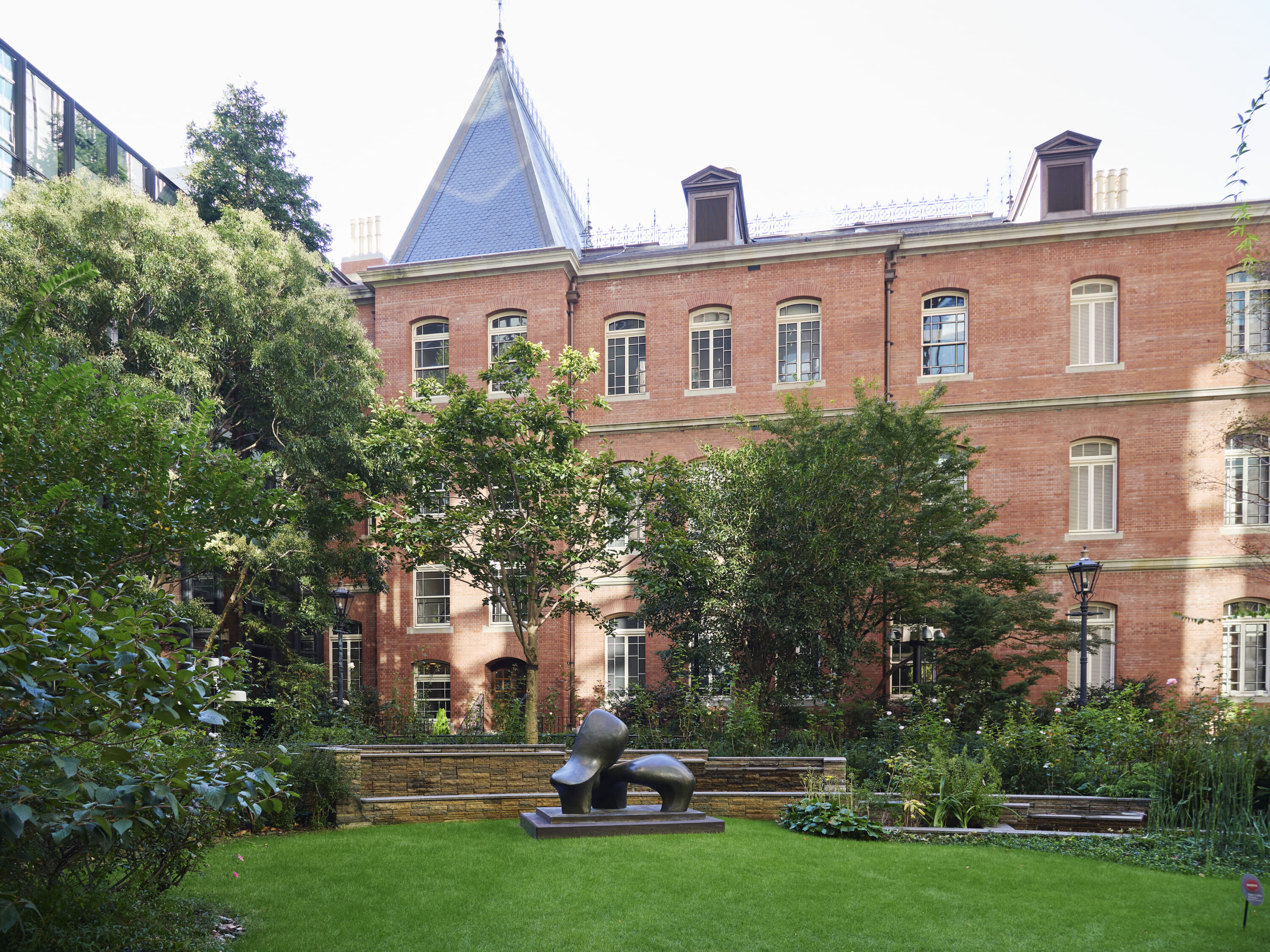
Mitsubishi Ichigokan Museum, Tokyo: A Red-Brick Relic in a City of Glass
Few structures capture Western influence on Japanese architecture as vividly as this museum near Tokyo Station. When Mitsubishi Ichigokan was completed in 1894, it represented the cutting edge of a rapidly modernizing Japan. Designed by British architect Josiah Conder in the Queen Anne style, the red-brick building was Marunouchi’s first Western-style office building, at a time when the district was being transformed from an Edo-period military compound into a center of commerce.
Today, the building occupies a very different place in the city. Reconstructed as faithfully as possible on its original site after the original was demolished in 1968, it stands preserved amid the towers and corporate headquarters of modern Marunouchi — a physical reminder of just how dramatically Tokyo has changed.
In addition to exhibition information, the Mitsubishi Ichigokan Museum, Tokyo guide on Bloomberg Connects features an Architecture Tour that follows that transformation, putting the museum and its surrounding neighborhood into a larger context. It traces Marunouchi from its Edo-period origins through the Meiji era and into the sophisticated business district it is today.
COURTESY OF THE EDO-TOKYO MUSEUM
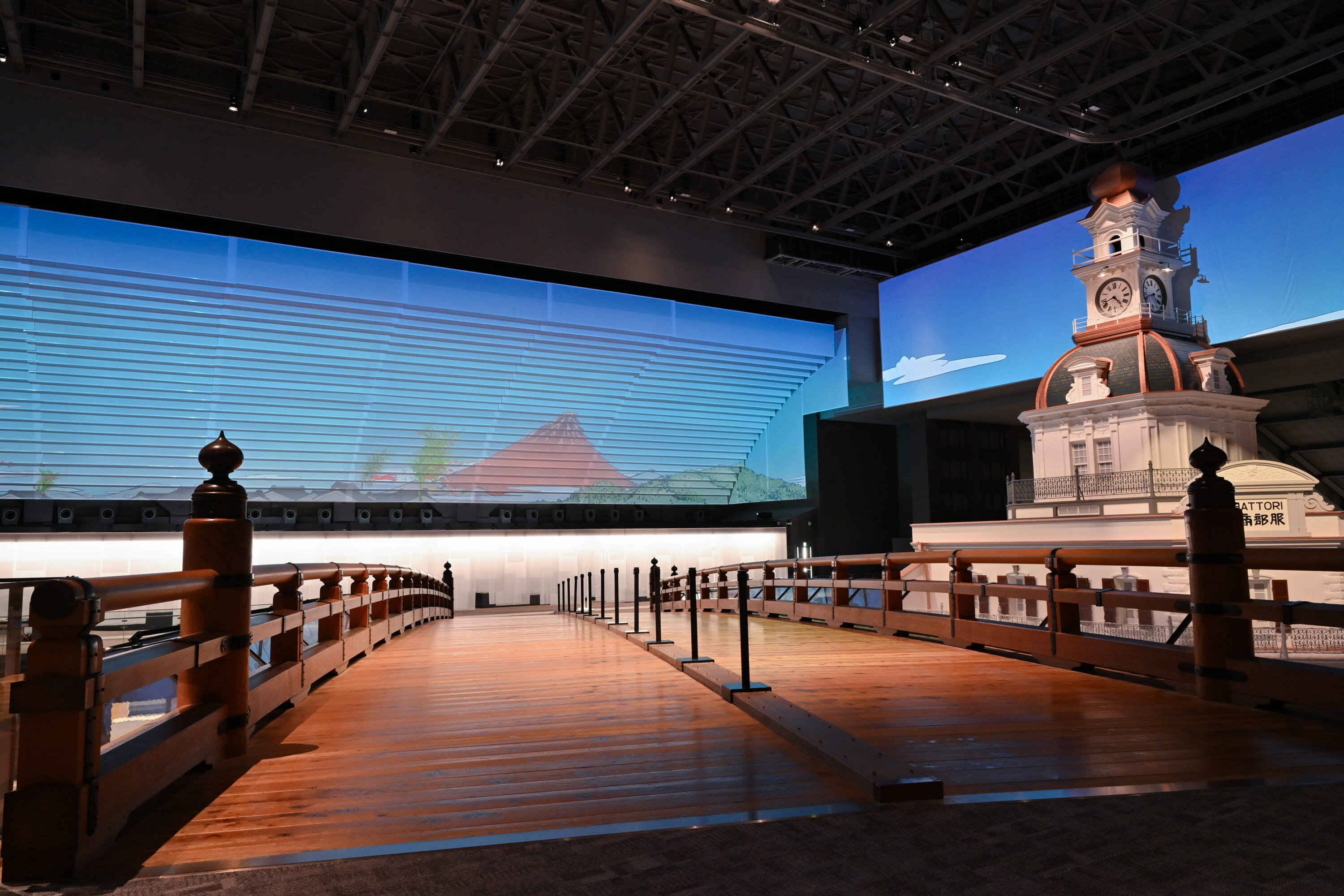
Tokyo Metropolitan Edo-Tokyo Museum: From Edo to Tokyo
Tokyo wasn’t always Tokyo. Until 1868, the city was known as Edo — a sprawling metropolis of samurai, merchants, artisans and entertainers that had developed around the seat of the shogunate. The Tokyo Metropolitan Edo-Tokyo Museum brings that world vividly to life, tracing the city’s history from the 1600s to the present through architecture, objects, models and stories of everyday life.
After closing for four years for its first major renovation since opening in 1993, the museum reopened in March 2026 with refreshed galleries and new digital elements.
Through Bloomberg Connects, visitors can delve deeper into the museum’s architecture, the history of the building and its renovation, with an audio guide by the museum’s architecture researcher and a dedicated session on the museum’s renovation featuring commentary from the museum director.
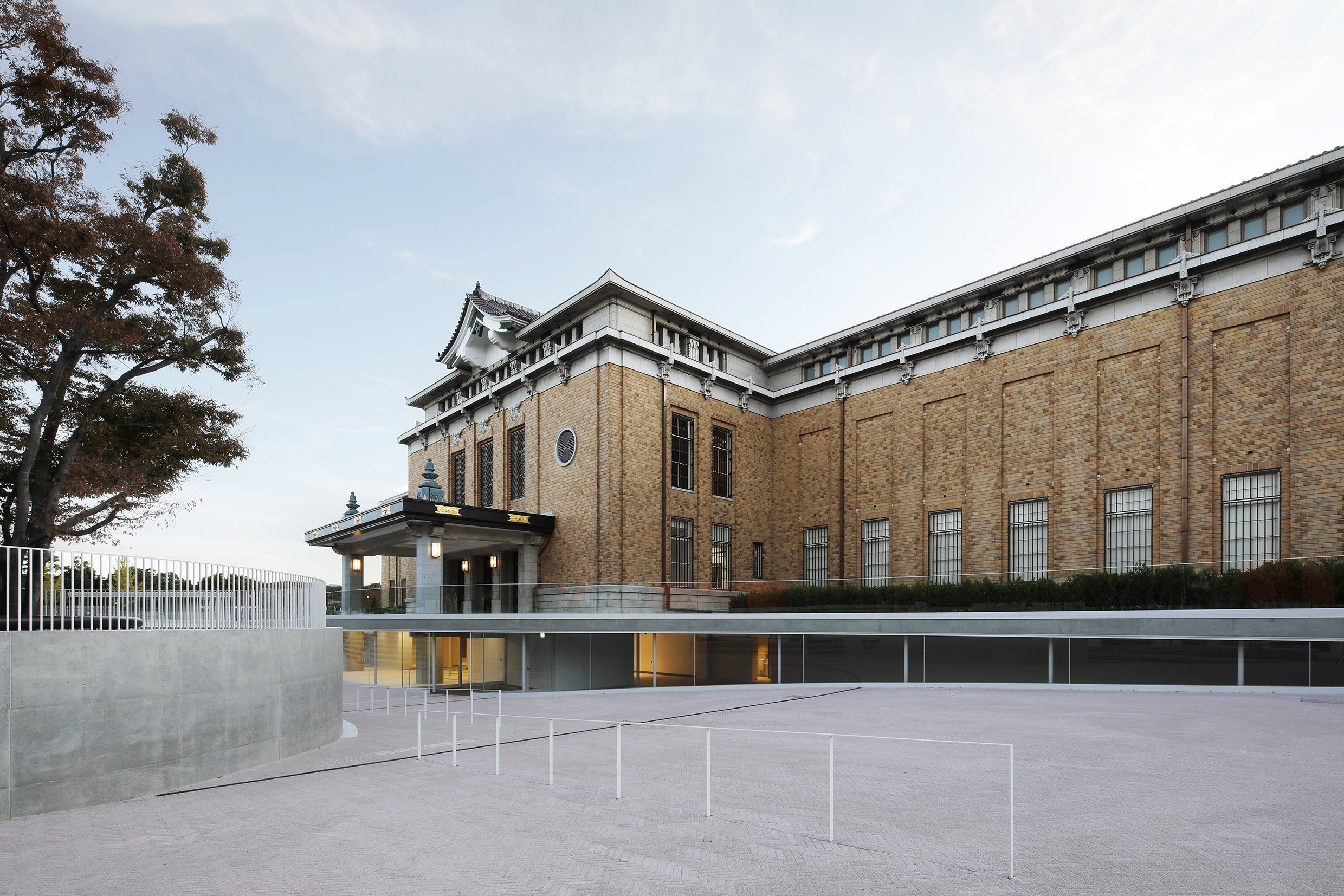
PHOTO BY KORODA TAKERU
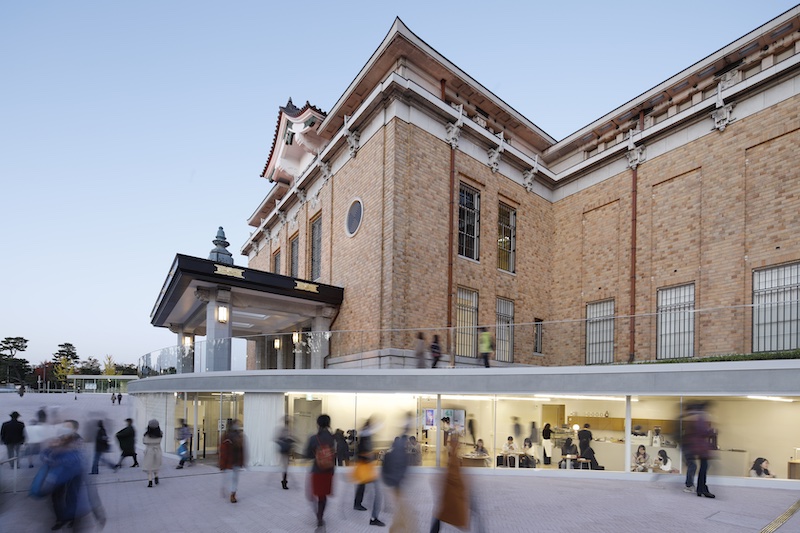
Kyoto City Kyocera Museum of Art: Where Old and New Meet in Kyoto
In Kyoto’s historic Okazaki district, the Kyoto City Kyocera Museum of Art offers a particularly striking lesson in how the past can be carried into the present. Completed in 1933, its main building is the oldest existing public art museum architecture in Japan. The building itself is a masterpiece of Imperial Crown style, blending a Western-style neoclassical tiled frame with a traditional Japanese-style roof. Inside, the vast collection bridges Kyoto’s rich artistic traditions with modern masterworks and world-renowned special exhibitions.
But the building didn’t remain frozen in 1933. When it underwent a major renewal in 2020, architects Jun Aoki and Tezzo Nishizawa preserved the historic structure while introducing contemporary spaces, including the glass facade “Glass Ribbon” and the Higashiyama Cube, a new exhibition space geared to the display of contemporary art. The result is a museum where the original architecture and new additions exist side by side.
It makes the museum itself part of the story: a place where changing ideas about art, architecture and public space can be experienced in a single visit. Through Bloomberg Connects, visitors can hear audio commentary from the museum’s curators, giving more insight into the museum’s permanent collection and current exhibitions.

EXHIBITION ROOM 2 (MR. AND MRS. SHIBATA COLLECTION)
Kyushu Ceramic Museum: Tracing the Global Impact of Japanese Ceramics
Arita is a small town in Saga Prefecture with an outsized place in the history of Japanese ceramics. Since porcelain production began here in the early 17th century, its distinctive wares have traveled far beyond Kyushu — eventually finding their way into the collections of European royalty and inspiring local imitations.
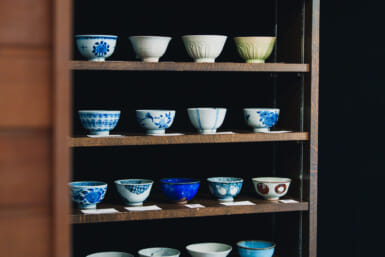
The Kyushu Ceramic Museum traces that remarkable journey through some 30,000 objects. Its centerpiece is the Mr. and Mrs. Shibata Collection — more than 10,000 pieces of Edo-period Arita ware assembled so painstakingly that it became the first collection of its kind registered as a Tangible Cultural Property in the fine arts and crafts category. Nearby, the Kanbara Collection tells another side of the story, bringing together Japanese porcelain exported to Europe alongside European ceramics influenced by Japanese designs.
This is where a collection of beautiful objects becomes something bigger: a record of the moment Japanese craftsmanship entered an international conversation, and of the cultural exchange that followed. The museum’s Bloomberg Connects’ digital guide offers another way into that history, highlighting the evolution of historic producing centers, the trade networks that carried these pieces across the globe and the precise forming and hand-painting techniques used by local artisans.
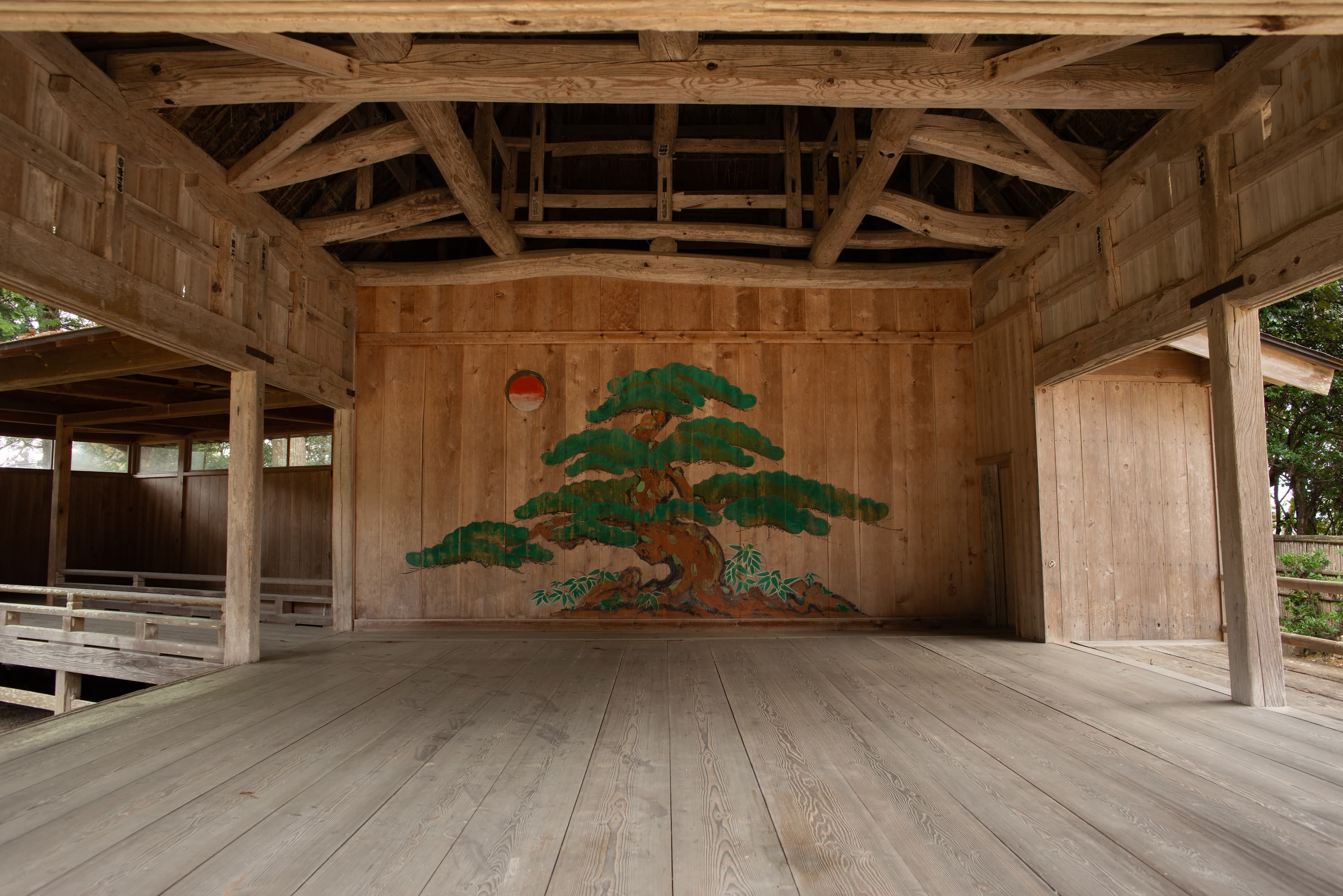
© CHARLES MUNKA
Sado Island: An Island of Exile and the Arts
For centuries, Sado Island was a place of exile for political dissidents — nonviolent aristocrats, radical monks and cultural figures like Emperor Juntoku, Nichiren and Noh master Zeami. In exile, these figures brought an infusion of Kyoto’s refined arts to Sado’s shores.
Noh in particular took deep root here. Roughly a third of all remaining Noh stages in Japan exist here, and performances are held outdoors from spring through autumn. This rich cultural life was fueled further in 1601 when gold was discovered near Aikawa, sparking Japan’s own gold rush and funding a level of regional arts rare for a remote island.
Today, much of that history can still be encountered across the island — not only in its museums and historic sites, but in traditions that continue to be practiced and passed from one generation to the next. The Sado Island guide on Bloomberg Connects offers a deeper look at the people, places and cultural traditions that make Sado so distinctive, with a special 1-to-2-hour walking tour. (A full-day driving tour is also currently in development.) Both provide an in-depth introduction to the island as a whole, including its history, landscapes, culture and local heritage.
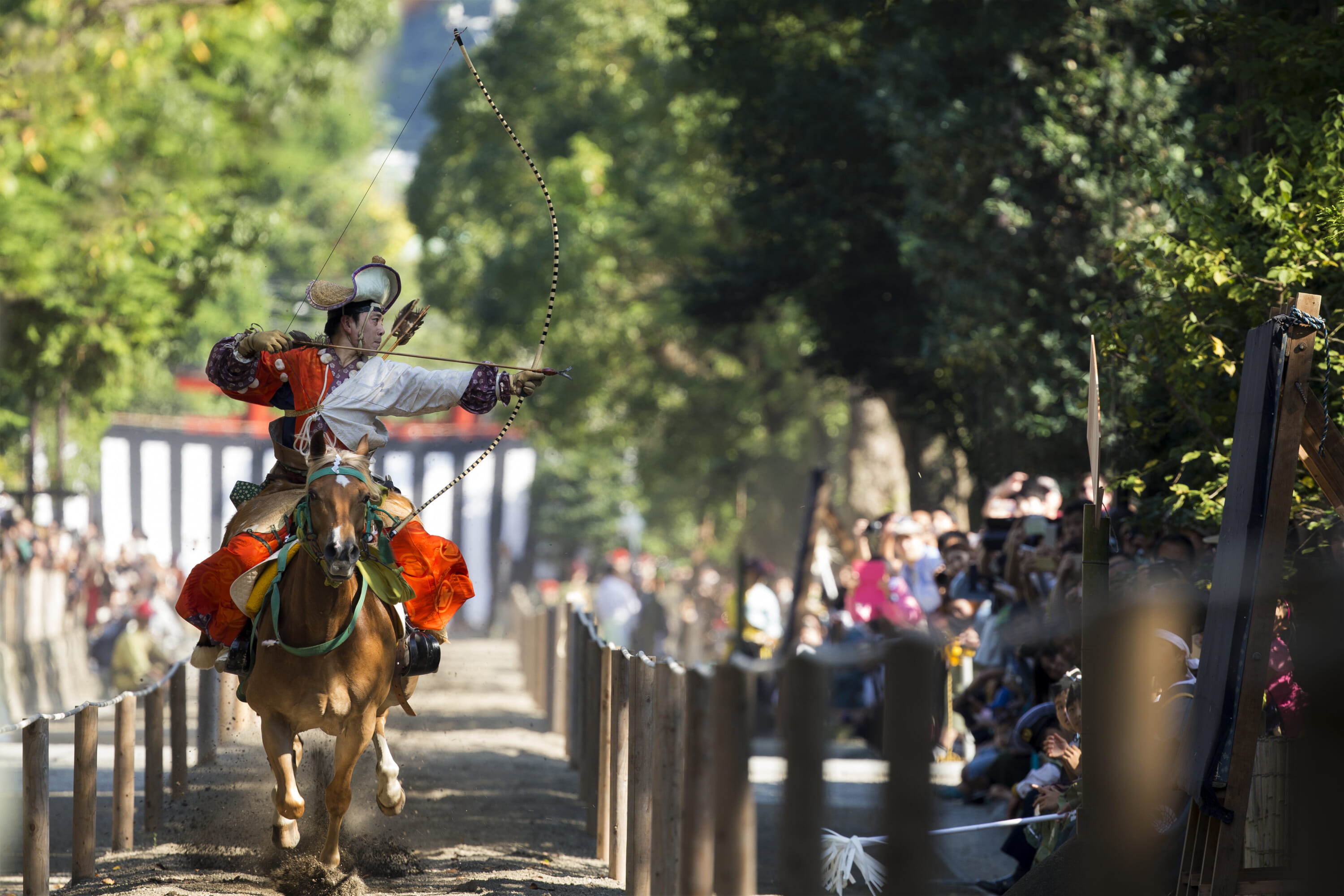
KIYOMOTO OGASAWARA — YABUSAME AT TSURUGAOKA HACHIMANGU SHRINE. PHOTO BY MASATOMO MORIYAMA / COURTESY OF OGASAWARA-RYU.
Ogasawara-ryu: An 830-Year-Old Tradition Still in Practice
As enlightening as museums can be, cultural heritage in Japan is often felt most directly through living tradition. Ogasawara-ryu, a school of archery, mounted archery and etiquette, has been passed down for more than 830 years, since it was founded by Ogasawara Nagakiyo in the Kamakura period.
The school’s teachings extend well beyond the spectacle of mounted archery. Its reiho — a formal system of etiquette governing everything from sitting and standing to walking and bowing — was developed for the samurai and taught to generations of shoguns. Over time, these principles became a broader philosophy of movement, discipline and respect.
What makes Ogasawara-ryu particularly fascinating today is its continuity. Rather than being preserved solely as a historical practice, its techniques and principles are still taught and practiced, offering a direct connection to a world that might otherwise feel impossibly distant.
Through Bloomberg Connects, visitors can explore the history and philosophy behind Ogasawara-ryu through audio, interviews and other digital content. It offers a rare opportunity to look beyond the formal movements and understand the centuries of knowledge, discipline and cultural memory behind them. Ogasawara-ryu events are held at shrines across Japan throughout the year, and an event schedule is available on the official website. During live events, the Bloomberg Connects audio tour is particularly useful, as it provides step-by-step explanations of each stage.
More Info
Although individual guides can be explored through mobile browsers, the free Bloomberg Connects app, available on iOS and Android, gives you behind-the-scenes access to every cultural space using the platform, offering audio and video tours, expert insights, artist interviews and multilingual support – from anywhere.
Download the app before your next museum visit to unlock deeper experiences on-site.
Learn more at bloombergconnects.org.