Fukui city, the prefectural capital and busiest of the Hokuriku Shinkansen’s four Fukui stops, is often where travelers get off when visiting Japan’s land of dinosaurs. But stay on until the end of the line and you’ll reach Tsuruga — the shinkansen’s westernmost stop and the gateway to Wakasa, a quiet stretch of Fukui’s southern coast that holds some of the prefecture’s best beaches, alongside tranquil shrines and sprawling nature.
When the hustle and bustle of urban life begins to take its toll, this region offers a perfect remedy to calm the mind and detox the soul. Below, some standout things to do in Wakasa, Fukui’s wellness capital.
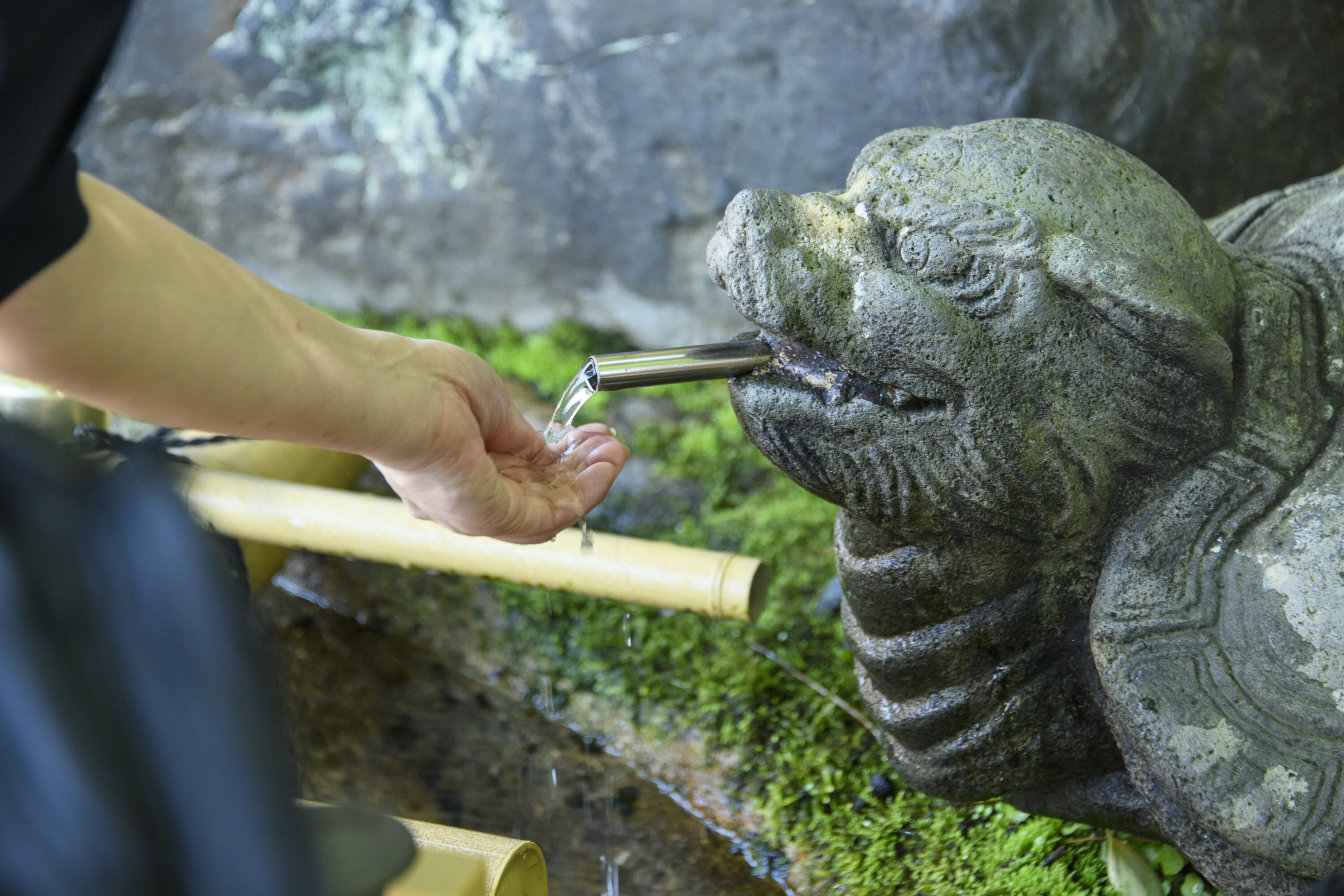
Drink to a Longer Life at Kehi Jingu Shrine
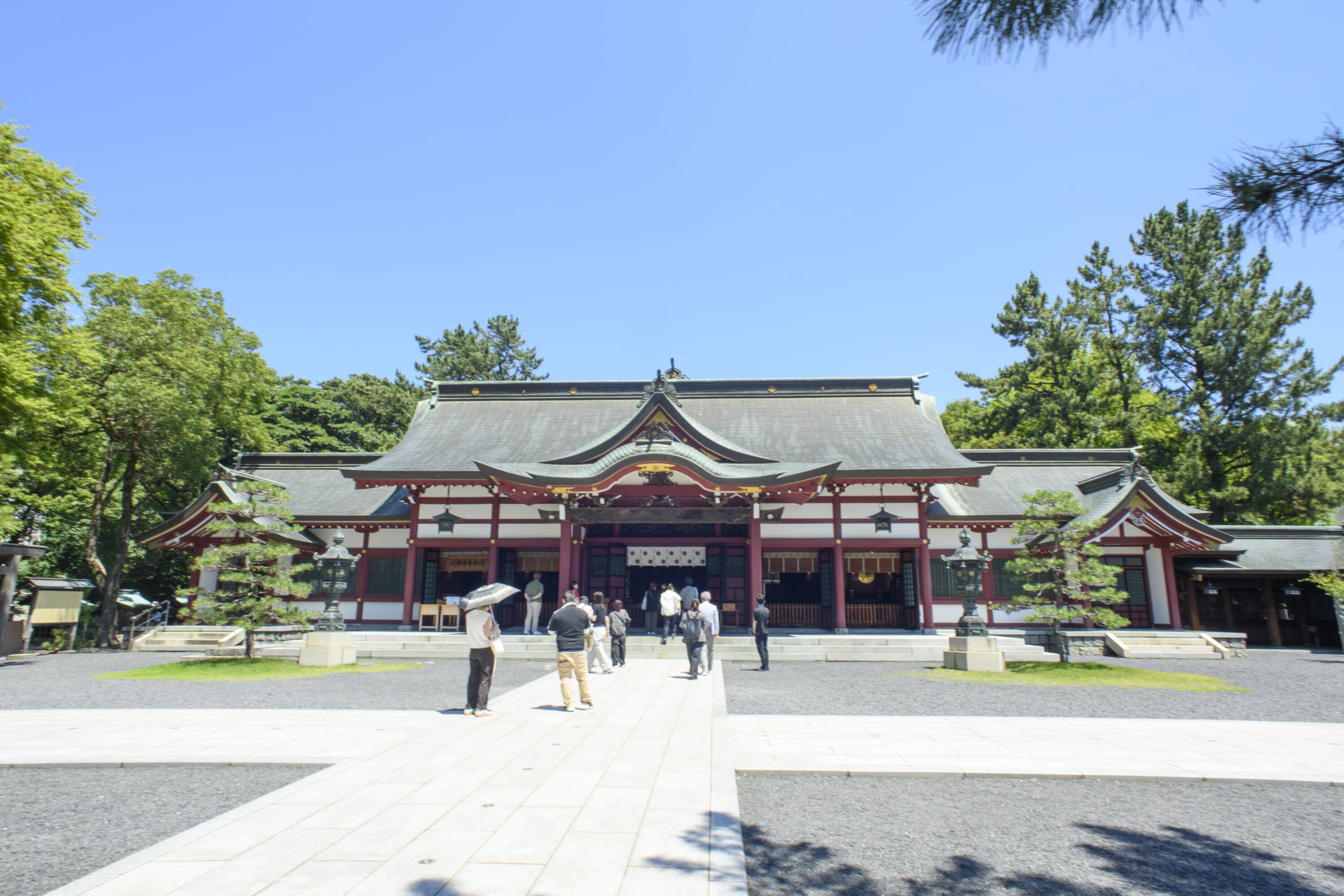
A few minutes’ walk from Tsuruga Station stands the 11-meter-tall vermilion torii gate of Kehi Jingu. Designated as an Important Cultural Property, it’s one of Japan’s three great wooden torii. (The others are Kasuga Taisha’s in Nara and Itsukushima’s in Hiroshima.) The current gate was built in 1645, and it survived the 1945 air raid that burned almost everything else on the shrine grounds.
The shrine itself dates to 702, and locals refer to it simply as Kei-san. Stepping through its gate, you’ll find a stone turtle with water spilling from its mouth. This is chomeisui, known as “water of long life,” said to have miraculously sprung from the earth during the shrine’s construction. One drink from this stone turtle’s water is said to add 10 years to one’s life, according to a local guide.
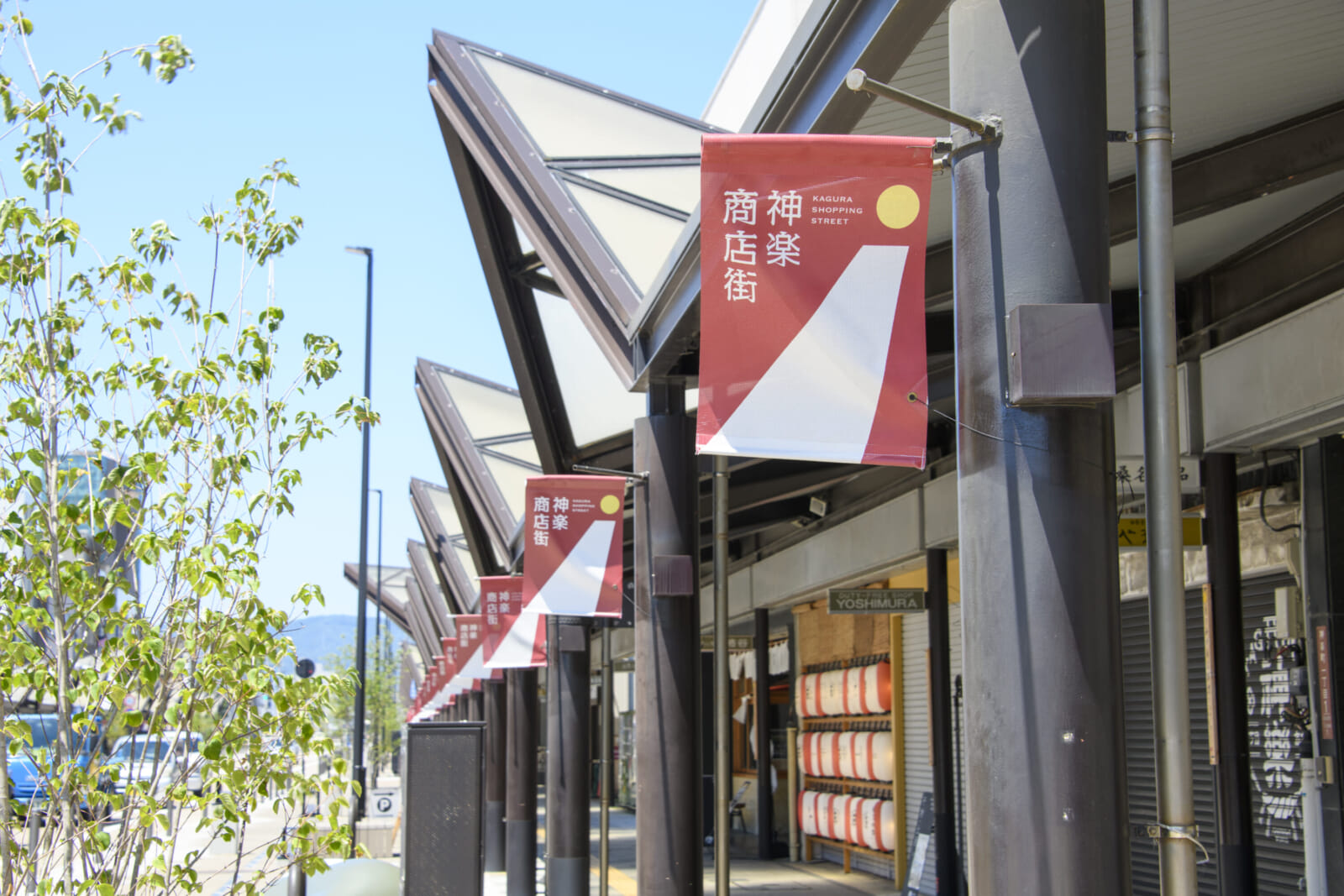
Release Your Built-Up Frustrations at Kagura Shotengai
Directly across from the shrine, Kagura Shopping Street contains more than 25 shops, several of which have over 100 years of history. This shopping area is known less for its architecture and more for its shopkeepers, who are especially friendly and happy to chat with visitors about their store’s history or the region’s specialties.
Duck one street back from the main road and you’ll find Nemuri no Salon Blue Moon, tucked behind a small courtyard that muffles all the outside noise from the street. Owner Yuka Aoki opened it in 2022 to offer her services as a sleep counselor, and has since sat with more than 300 people.
Aoki offers head spa treatments and massages to help those with sleeping issues, but the service that defines the place is simpler. “We don’t give advice,” she says. “This is simply time for listening to what you have to say.” Sleeplessness, as she sees it, is often tied to the things people want to say and can’t. It is, in other words, a room off a shopping arcade where a stranger will listen to you complain about your life and then help you nap. There are worse cures for burnout.
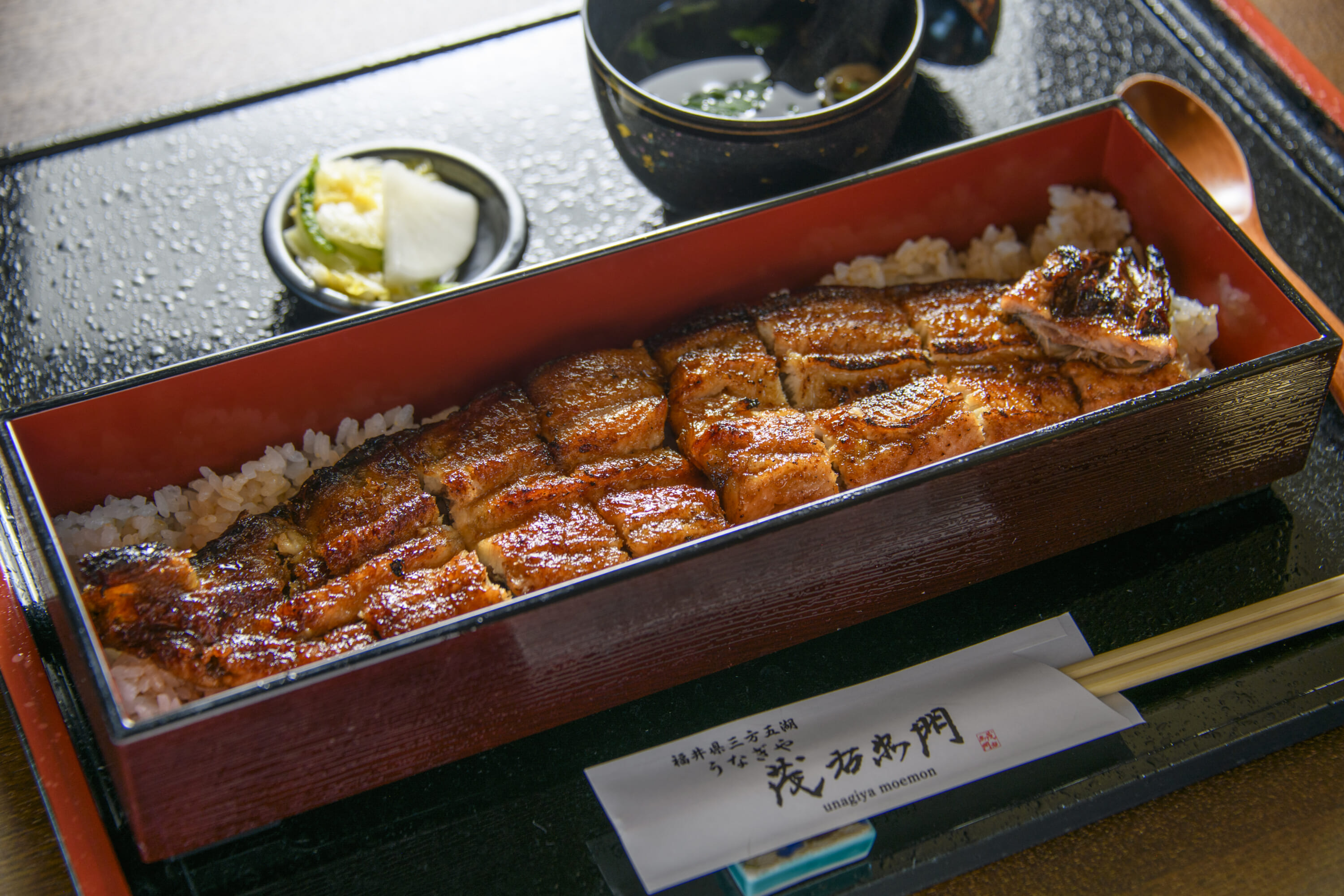
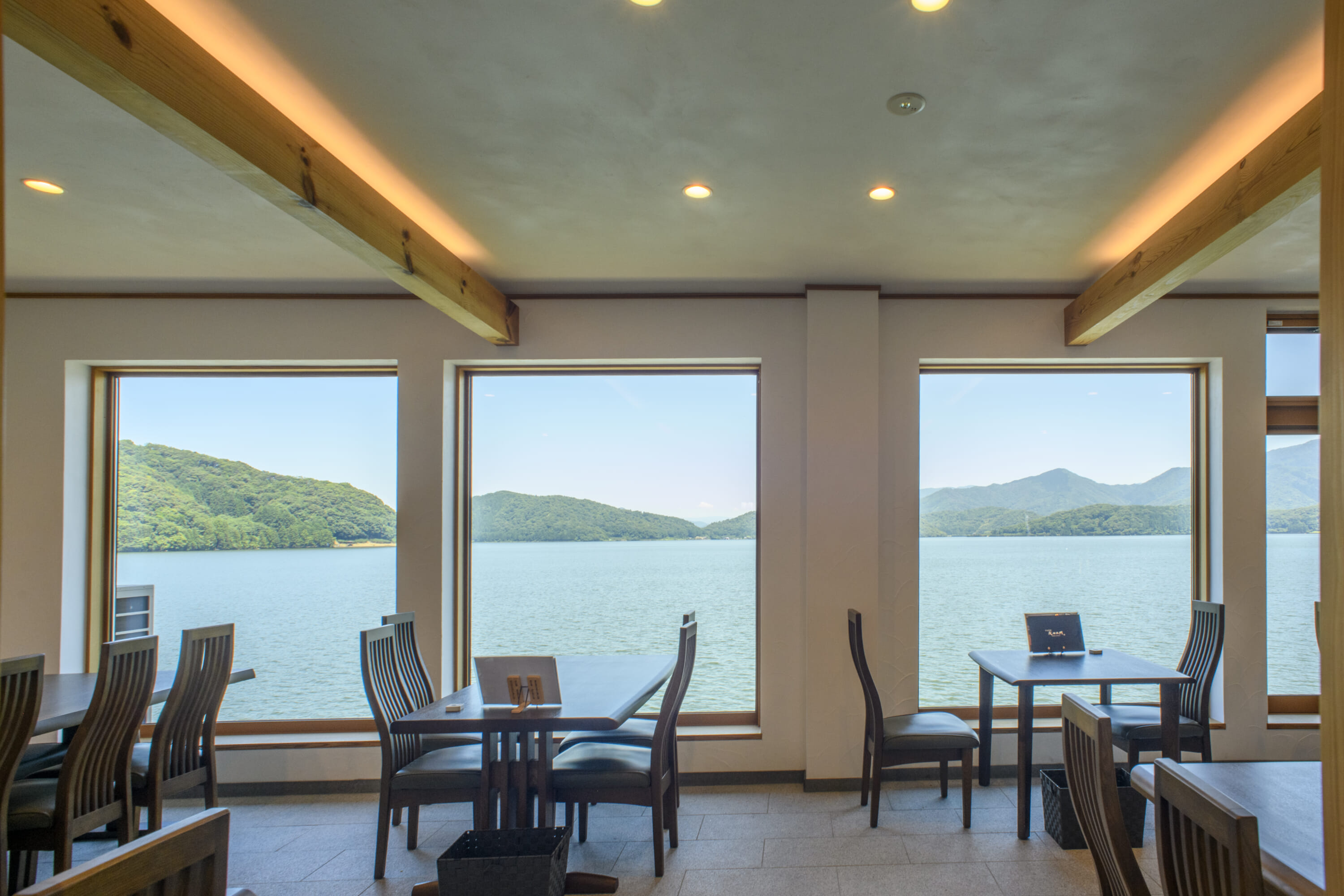
Eat Wild Eel on the Water at Unagiya Moemon
Half an hour west, on the shore of Lake Suigetsu, sits Unagiya Moemon. Owner Hiroyuki Tanabe spent his career as a local firefighter and retired at 50, then retrained — both as a fisherman and a cook — after watching the region’s wild eel fishery slide toward collapse as its fishermen aged out.
He catches his own eels on Lake Mikata, the most inland of the Mikata Five Lakes. Though far from the coast, the lake is connected to the sea, allowing the eels to migrate freely. The result is a richer diet — and a noticeably deeper flavor. There’s none of the muddiness lake eel is often accused of. The skin crisps, the flesh underneath stays soft and the flavor lands somewhere between sweet, salty and pure umami. The season runs May through December, Tanabe says, and the eel are at their fattest in the final weeks before winter. Expect to pay roughly a fifth of Tokyo prices for this high-quality, wild-caught eel.
The second floor of the facility is available to rent for ¥88,000, and sleeps up to four, with a barrel sauna, cold plunge, outdoor deck and barbecue space. Eel, incidentally, has been Japan’s summer stamina food for well over a thousand years — making this a perfect place to stay on a hot summer’s day.
Blend Your Own Medicine at Aobayama Herbal Village
Mount Aoba is a near-perfect cone, seated on the Fukui-Kyoto border. Due to its distinctive shape, it’s sometimes referred to as the Fuji of Wakasa, and the sunset behind it is rated among Japan’s 100 finest. Some 500 species of useful and medicinal plants also grow wild on its slopes.
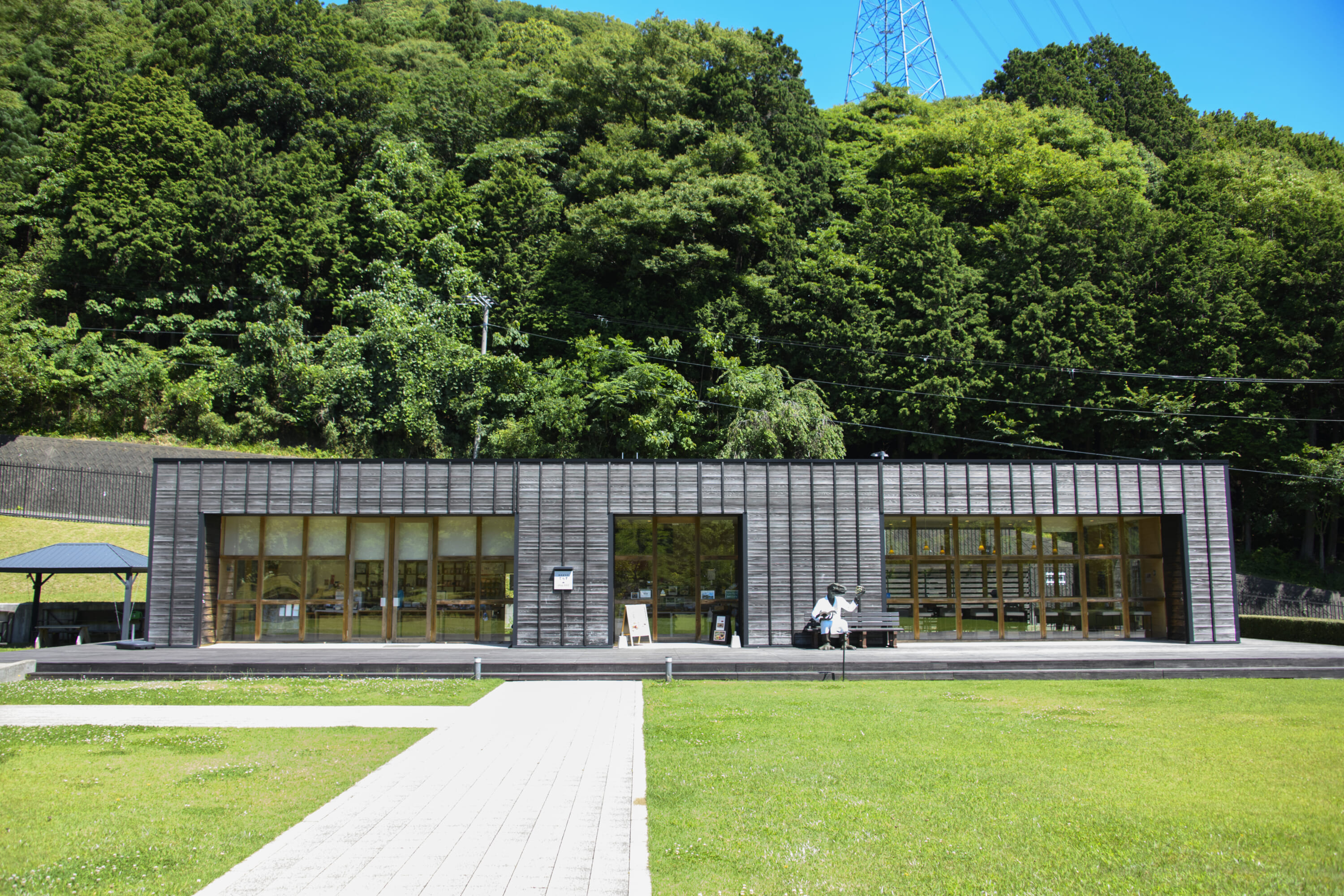
At its foot sits Aobayama Herbal Village, a stretch of open lawn ringed by gardens, with a cafe and shop looking out over the grass. From its deck, you can see out to the sea.
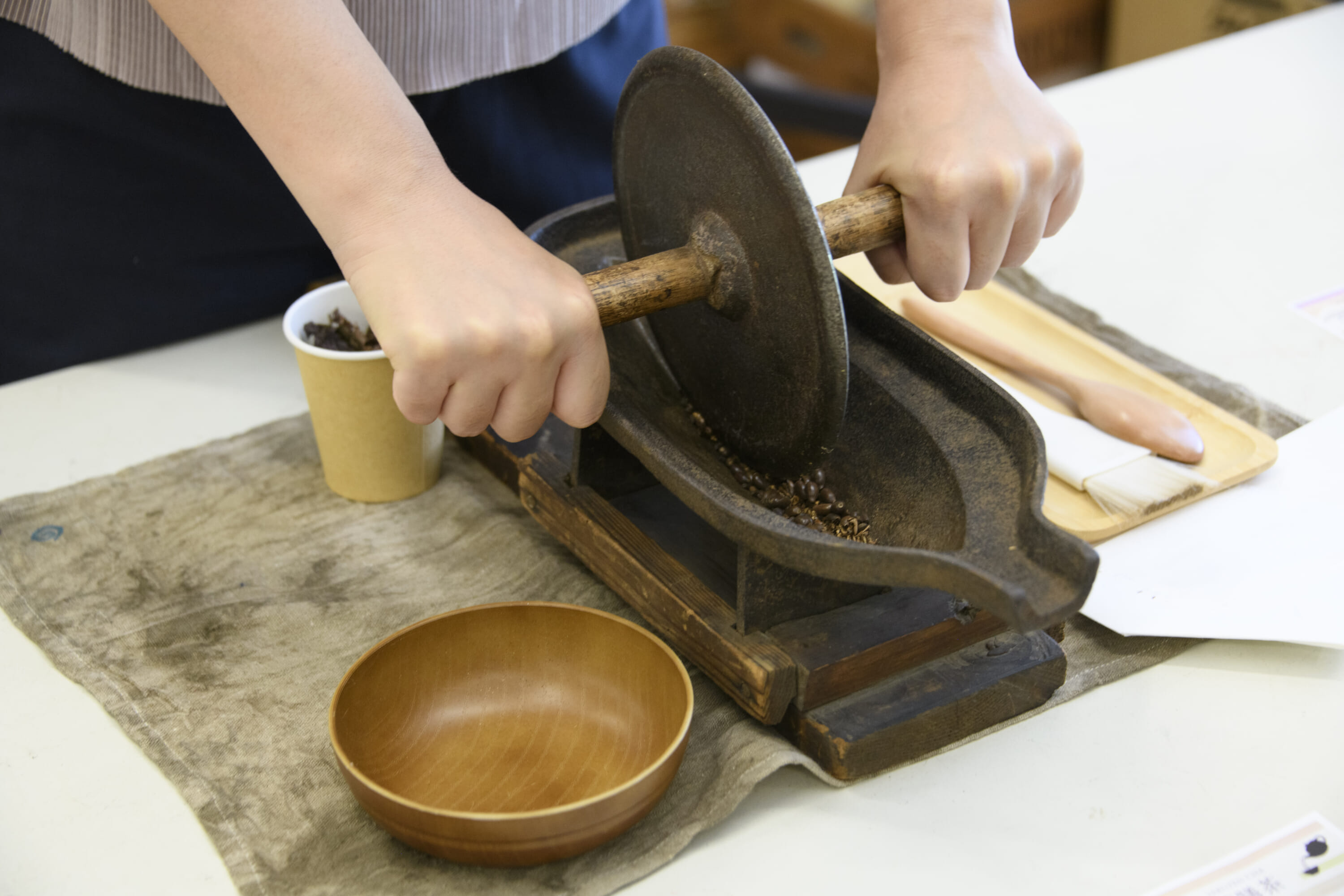
One of the shop’s most popular offerings is a spice-blending session. You can choose to create either herb salt or shichimi (Japan’s traditional seven-spice blend), choosing from an array of 22 herbs and spices and tasting and adjusting the heat as you go. The staff will give you a rough ratio to start from and then leave the rest up to you. Your finished blend is yours to take home.
Sleep Beside the Sea at Wakasa Surf Hotel Il Mare
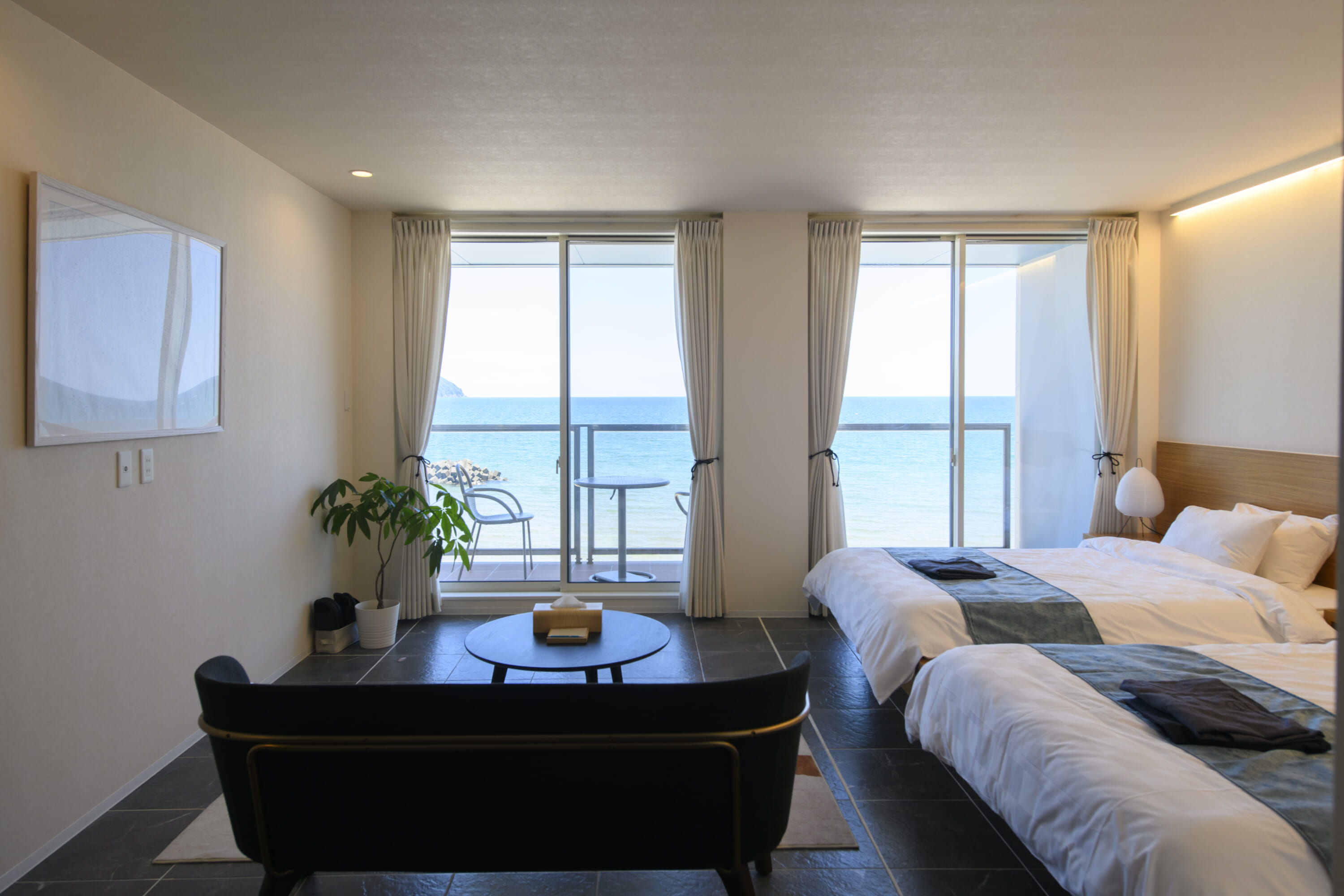
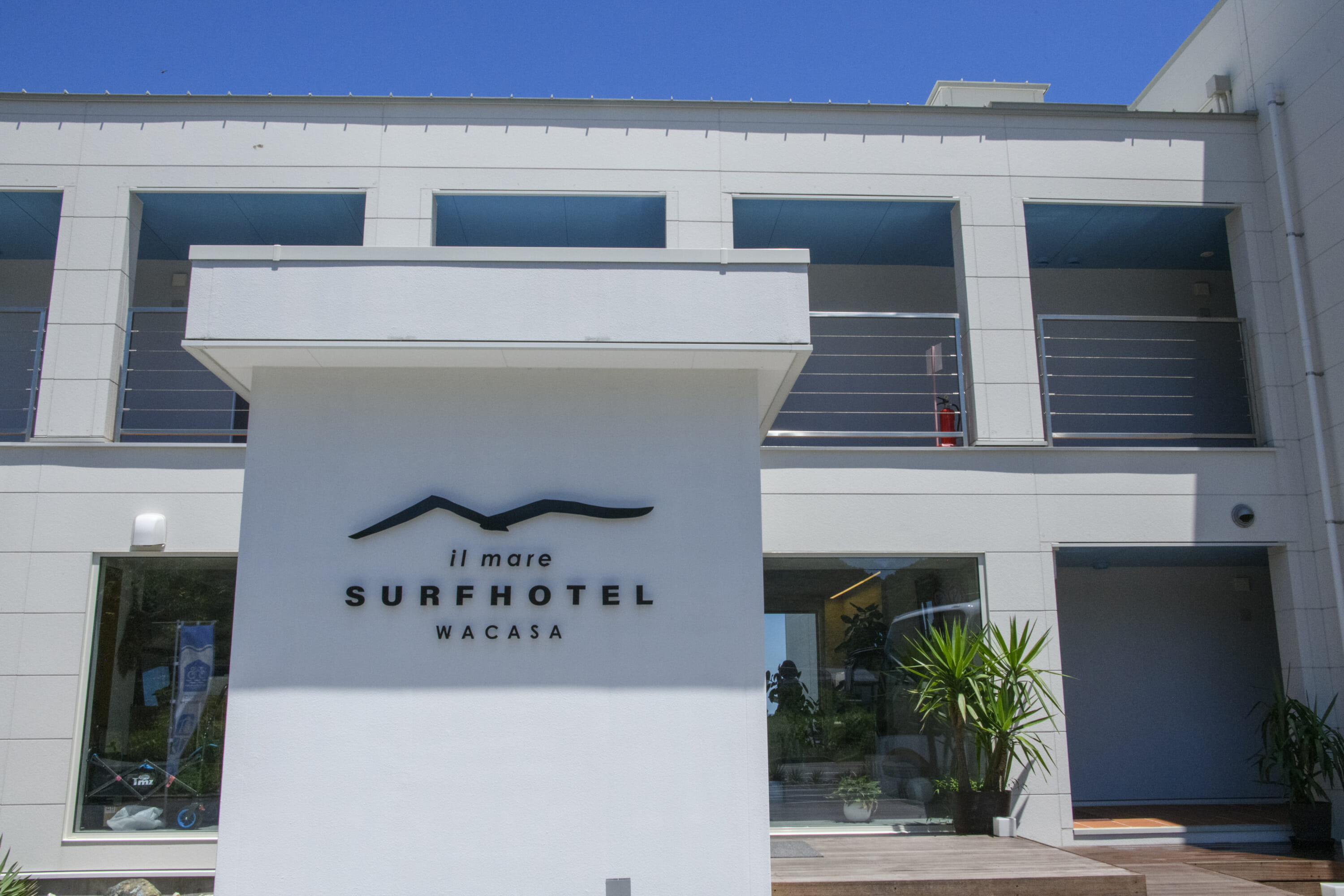
The rooms at Wakasa Surf Hotel Il Mare have no televisions, which is the point; windows face the beach, allowing guests to take in the scenery and crashing wave sounds without the distraction of a screen. The interiors are elegant and minimalistic, pared back to just the essentials. Rooms run from around ¥50,000 to ¥130,000, with dinner and breakfast plans included. There’s also a barrel sauna on the roof for guests to use.
More Info: How To Get to Wakasa
Tsuruga is the western terminus of the Hokuriku Shinkansen, roughly three hours direct from Tokyo. From there, the JR Obama Line runs west along the coast, though traveling by car makes visiting the Mikata lakes and Takahama considerably easier.