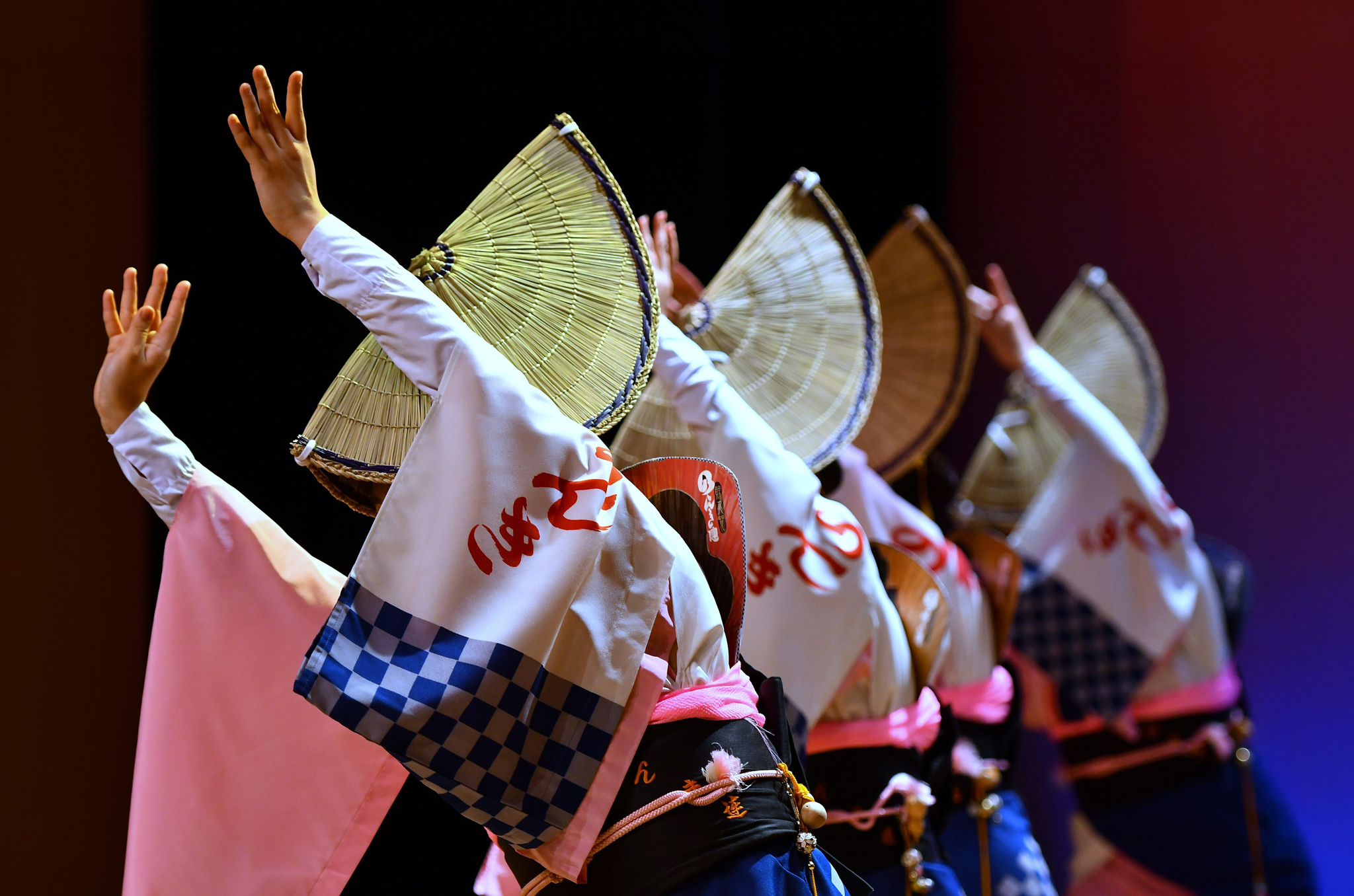
At the Tokyo Koenji Awa Odori, held August 29–30, thousands of dancers performed for crowds lining the streets, many with phones and cameras pointed toward them. For one female dancer, being photographed is part of the appeal — she wants people to see the dancing, and social media has become important for attracting new members to Awa Odori groups, she told Shueisha Online.
But she also recalled an acquaintance being secretly photographed while waiting to perform, with the camera trained on her chest.
The incident is part of a growing problem facing female performers at festivals across Japan: images and videos of their bodies being isolated, sexualized and circulated online, sometimes reaching millions of viewers.
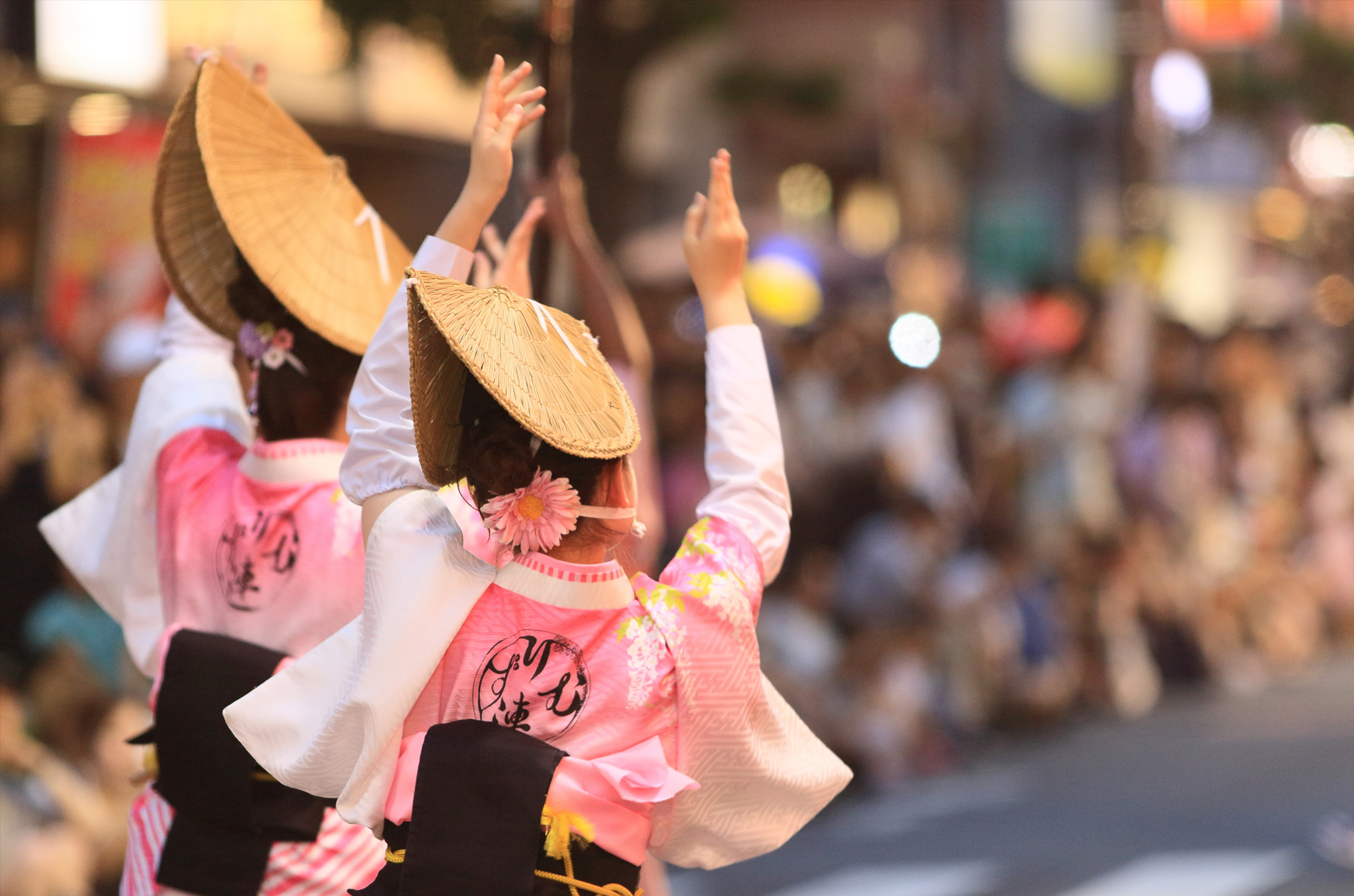
Dance groups (ren) are often community-based, and include children and women of all ages | Image: Pixta
A Growing Problem at Awa Odori
The issue drew widespread attention during last month’s Awa Odori in Tokushima, after a woman rehearsing at a public facility was filmed without her knowledge. The resulting TikTok video emphasized the outline of her underwear through her practice clothes and surpassed 1 million views, attracting comments about her body rather than her dancing.
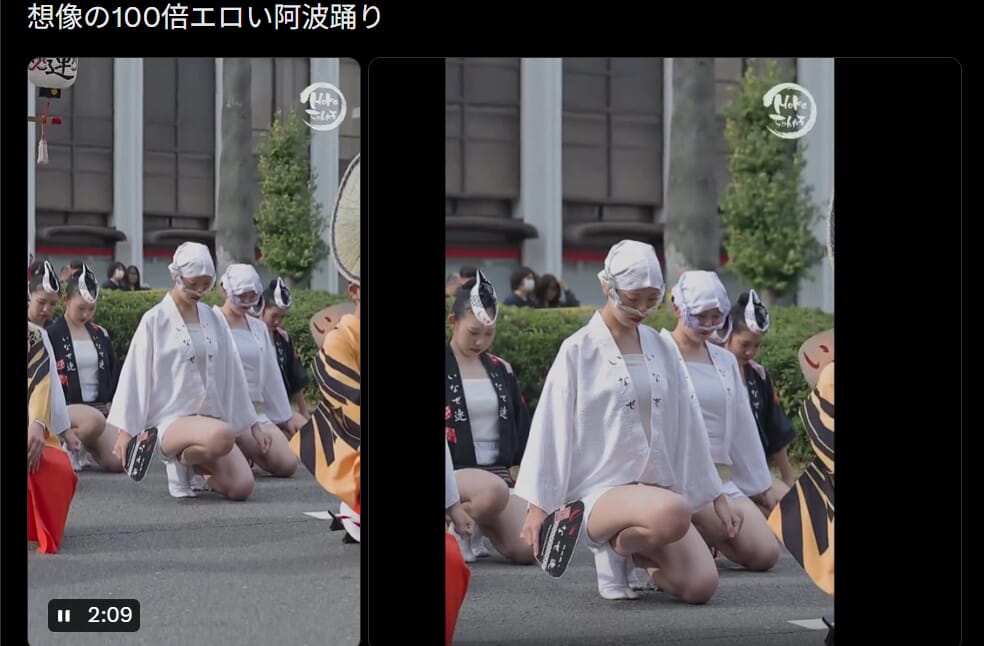
But the sexualization extends beyond individual videos. Months earlier, one X user shared Awa Odori footage under the caption, “Awa Odori is 100 times more sexual than you’d imagine.”
And when news outlets began reporting on the problem, the coverage itself sometimes became another route to the content.
“I didn’t know there were videos this lewd, so I’m going to look them up on TikTok now,” one user wrote above a Yahoo! News story about the controversy. “Yahoo is basically advertising the fact that there are lewd Awa Odori videos.”
Machi Tachikawa, head of the Awa Odori Promotion Association and leader of the prominent Aho-ren troupe, told Shueisha Online that body-focused filming began appearing in Tokushima around four or five years ago, after first becoming noticeable at Awa Odori events around Kanto. Some accounts repeatedly zoom in on dancers’ chests, waists and legs in apparent pursuit of views.
The consequences increasingly extend beyond the screen. Minors have appeared in body-focused footage; dancers have had personal social media accounts identified and made them private; others now layer clothing during rehearsals despite the summer heat.
And Awa Odori is not alone. Asakusa Samba Carnival dancer Satomari has spoken publicly about learning to recognize when cameras are aimed at her body rather than her performance. Tokyo University of Foreign Studies’ belly dance club, meanwhile, restricts outside photography and asks that images posted online not be redistributed.
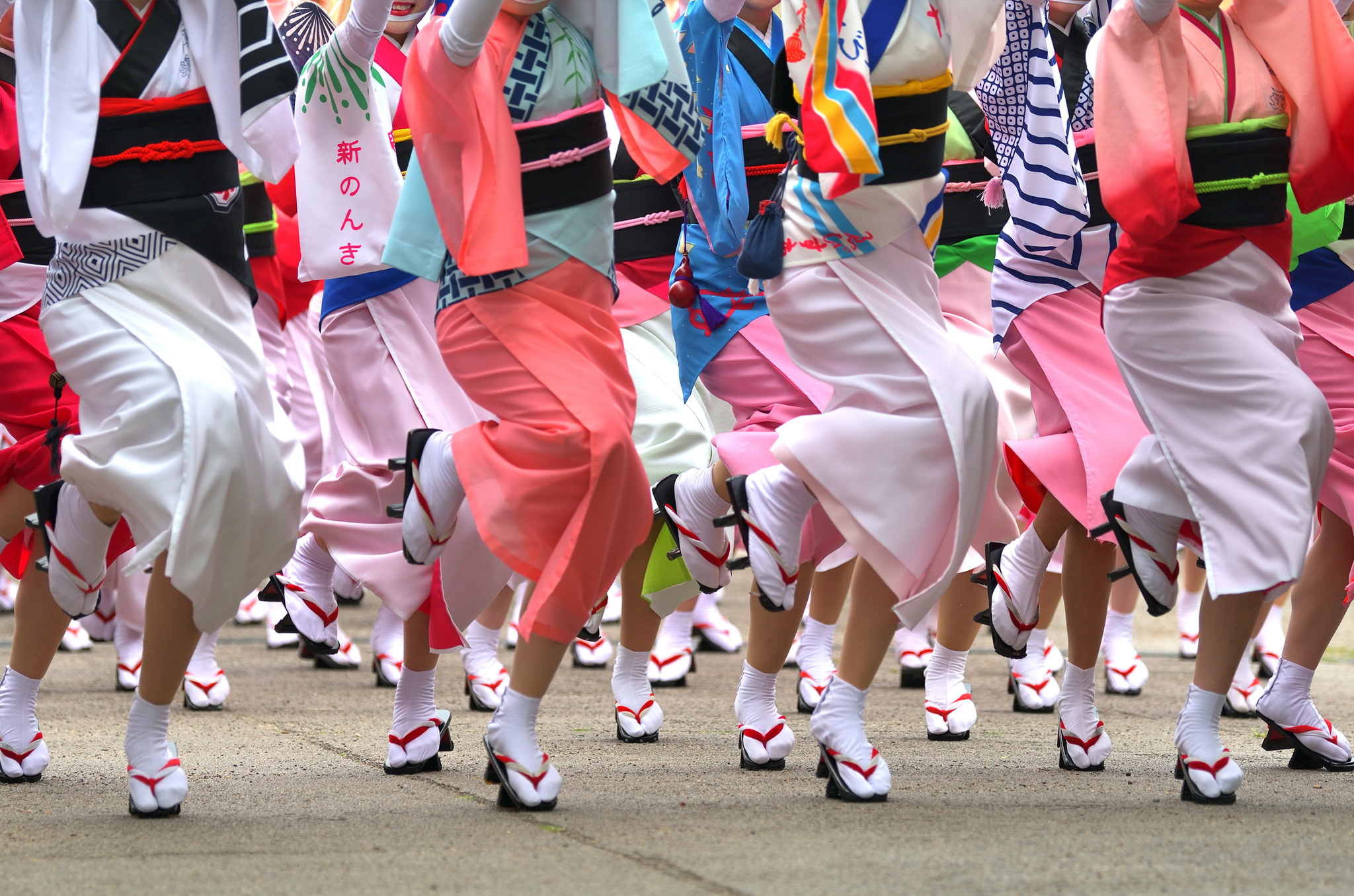
Image: Pixta
The Legal Zone
Organizers face an uncomfortable contradiction: photography helps document and promote these performances, and many dancers actively want to be seen. Tokushima’s Awa Odori organizing committee has warned against inappropriate filming and posting and said serious cases could be referred to police, but preventing sexualized filming without restricting legitimate photography is considerably harder.
The law draws an equally imperfect line. Attorney Ayaka Sakaguchi told Abema Times that photographing someone over their clothing is not automatically illegal in the way upskirt filming can be, although sexually motivated filming may violate prefectural nuisance-prevention ordinances depending on the circumstances. Attorney Kyosuke Nishiwaki has argued that performers may also have grounds for civil claims over portrait rights: agreeing to perform publicly is not the same as consenting to be singled out for sexualized images.
Online, even that distinction begins to collapse. Some offending footage is clearly invasive, shot from low angles or deliberately trained on individual body parts. But an ordinary recording can become something else entirely once it is cropped and delivered by an algorithm to an audience that has come not to watch the dance, but the dancer’s body. For performers, that leaves an increasingly difficult distinction to defend: wanting to be seen is not the same as consenting to every way of being looked at.
Updated On September 4, 2026