On this day in 1979, Masataka Taketsuru died from complications of pneumonia at the age of 85. The man known as the “Father of Japanese Whisky” was buried alongside his beloved Scottish-born wife, Rita, in Yoichi. This small coastal town in Hokkaido was where he established his first distillery in 1934, laying the foundation for Nikka Whisky, one of the top two Japanese whisky makers in the world.
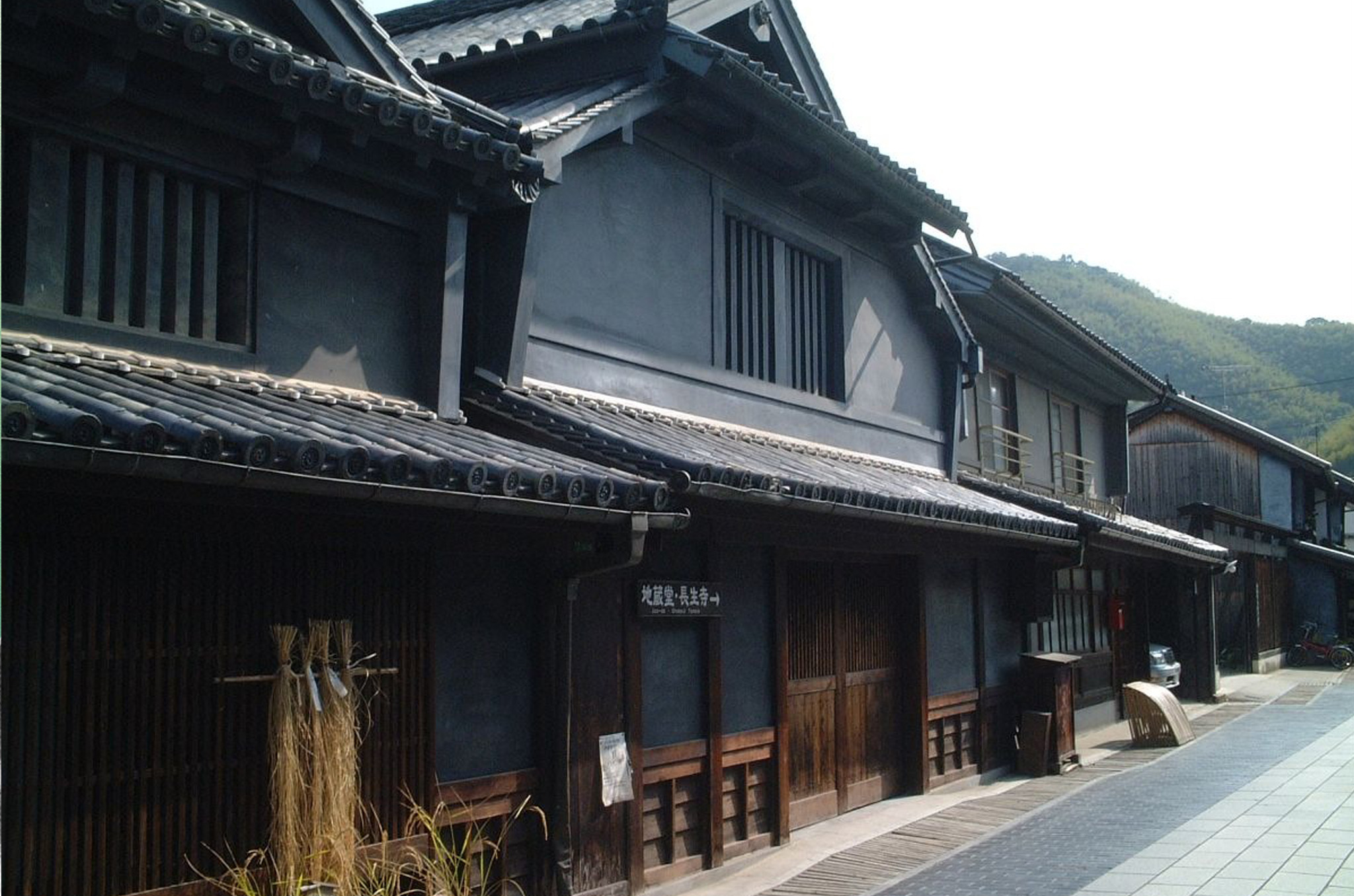
The birthplace of Masataka Taketsuru in Takehara City, Kozasaya (Taketsuru Sake Brewery) | Wikimedia
Masataka Taketsuru: The Early Years
The foundations of Taketsuru’s whisky legacy were laid earlier, in his childhood home of Takehara in Hiroshima Prefecture. Born into a family of sake brewers, he grew up surrounded by the sights, smells and processes of fermentation, learning its science from a young age. His ancestors had brewed sake since 1733, giving him a deep-rooted connection to Japanese brewing traditions that would later shape his approach to whisky.
Known as an energetic and rowdy young boy, Taketsuru suffered a severe fall down a flight of stairs at the age of 8, leaving him with a permanently damaged and enlarged nose. In his autobiography Whisky and Me, he claimed that he “became able to sense smells that other people couldn’t,” and later became able to distinguish the aromas of alcoholic beverages better than anyone else.
His natural curiosity about fermentation eventually led him to study brewing at Osaka Technical College, setting him on a path that would take him far beyond his family’s sake tradition. In 1916, he joined Settsu Shuzo, where he worked as a highly skilled technical leader producing imitation Western liquors. The company, though, wanted to become the first in Japan to brew “real” whisky.
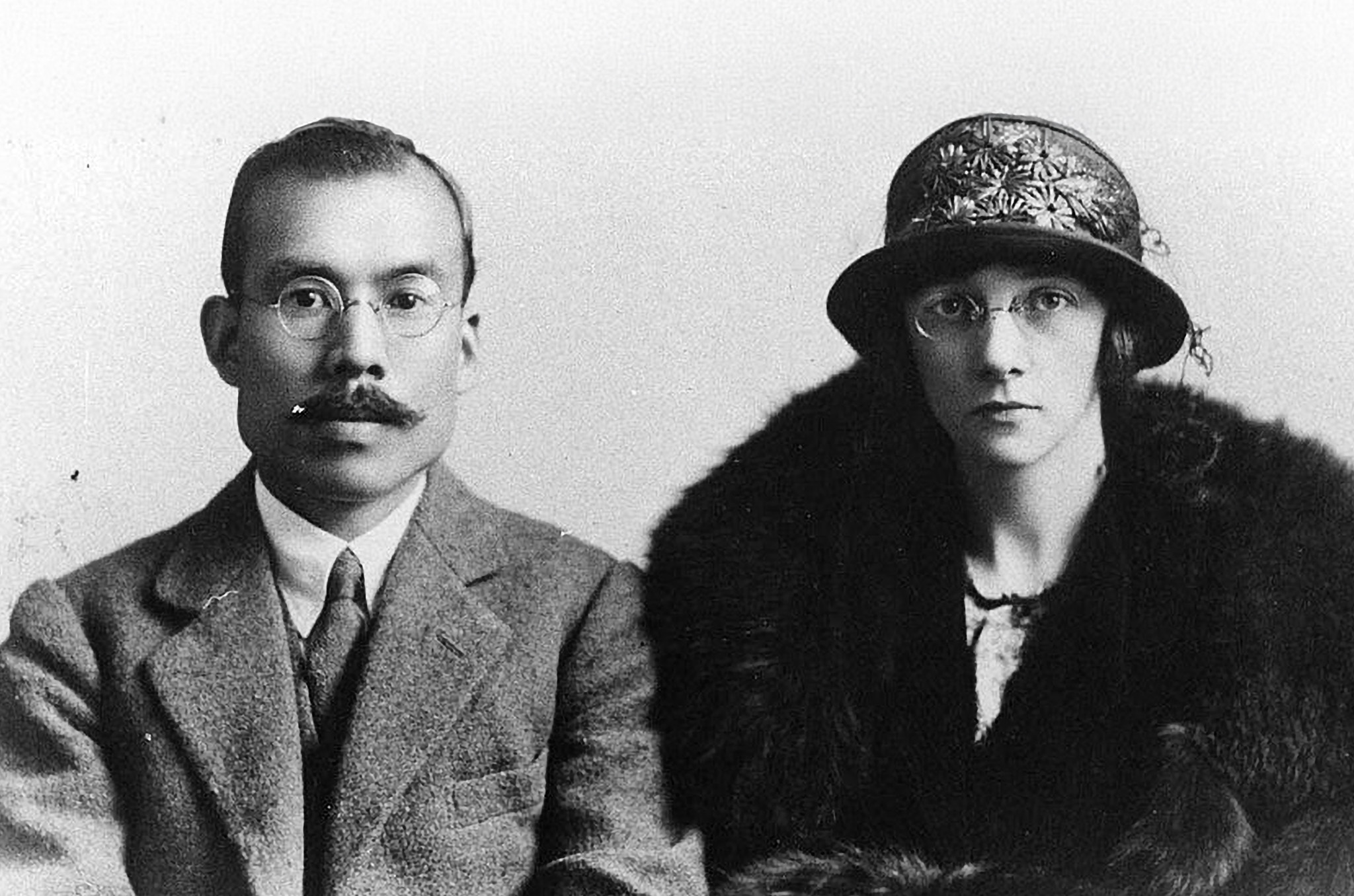
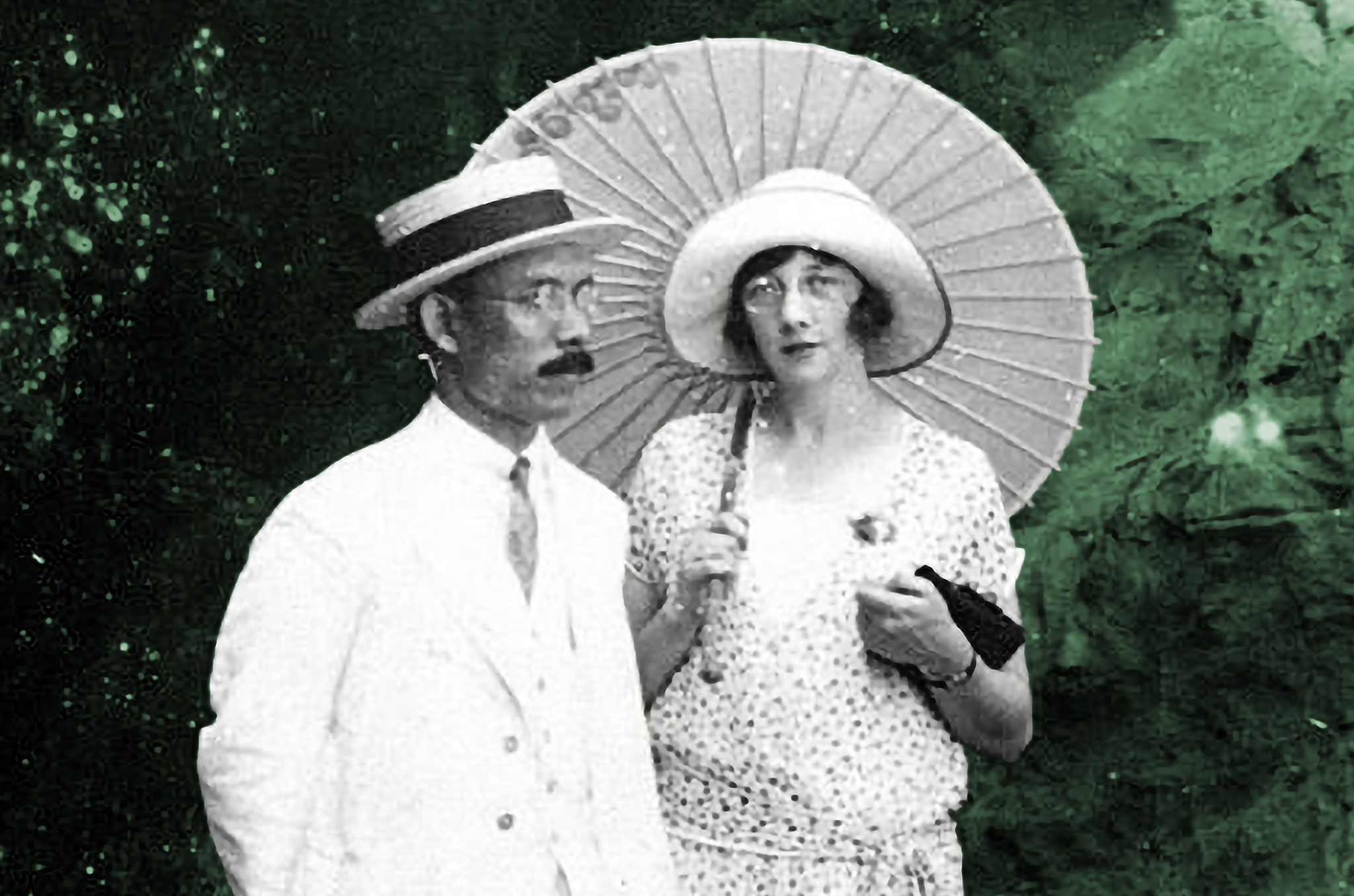
Portrait of Taketsuru and wife Rita taken circa 1920s | Image: Wikimedia
Scotland and Rita
At 22, just two years after joining Settsu Shuzo, Taketsuru set sail for Scotland to learn the trade secrets of Scotch at its source. He enrolled at the University of Glasgow before pausing his studies for hands-on apprenticeships at the Longmorn, Bo’ness and Hazelburn distilleries. There, he learned the techniques he would bring back to Japan and use to lay the foundations of the country’s whisky industry.
During his time in Scotland, Taketsuru met the woman who would become his lifelong partner. Jessie Roberta “Rita” Cowan, from Kirkintilloch near Glasgow, was introduced to him by her sister, who invited Taketsuru to their family home to teach judo to their brother. The pair quickly bonded over their shared interests in literature and music and, despite opposition from both sides, tied the knot in 1920.
They returned to Japan later that year. Taketsuru’s family, however, refused to accept Rita into their home. She also initially couldn’t speak Japanese and struggled with food and customs, but gradually learned the language and found work teaching English. As Rita later recalled, “I was often lonely, but I was determined to support Masataka and make a home here. Every day was a challenge, but it was ours together.”
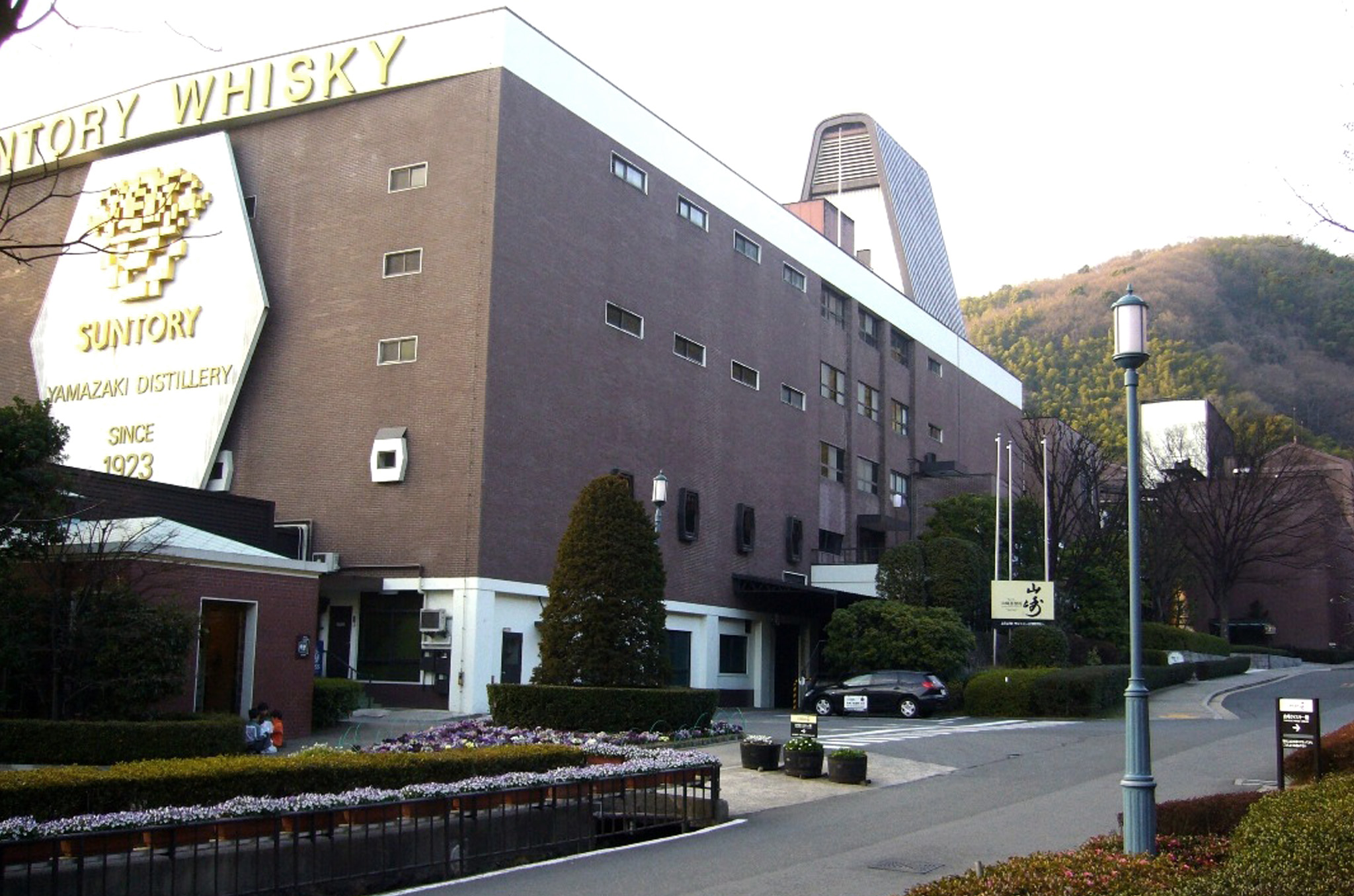
The Suntory Yamazaki Distillery, in Yamazaki, Osaka Prefecture | Wikimedia
Yamazaki and the Road to Nikka
Arriving in Japan, Taketsuru brought more than just his new wife home with him. He also carried the knowledge and ambition to make whisky using the methods he had learned in Scotland, documented in his “Taketsuru Notes.” Unfortunately, by that point, Settsu Shuzo had abandoned plans to build Japan’s first authentic Scotch-style whisky distillery due to the severe post-World War I economic downturn.
Taketsuru subsequently quit the company in 1922 and briefly worked as a high school chemistry teacher. Shinjiro Torii — the ambitious founder of Kotobukiya (later Suntory) — then hired him to build Yamazaki, Japan’s inaugural commercial whisky distillery. In 1929, Kotobukiya released Suntory Shirofuda (“White Label”), Japan’s first authentic domestic whisky, produced under Taketsuru’s direction. However, it sold poorly, as many consumers found the robust flavor too harsh.
The disappointing reaction to Shirofuda revealed a fundamental challenge: the style Taketsuru had learned to produce in Scotland was not necessarily what Japanese consumers wanted to drink. Torii began moving toward a lighter, more approachable character, while Taketsuru remained committed to producing whisky in the Scottish tradition. Their differing approaches eventually led Taketsuru to leave Kotobukiya in 1934 and pursue his own vision in Hokkaido.
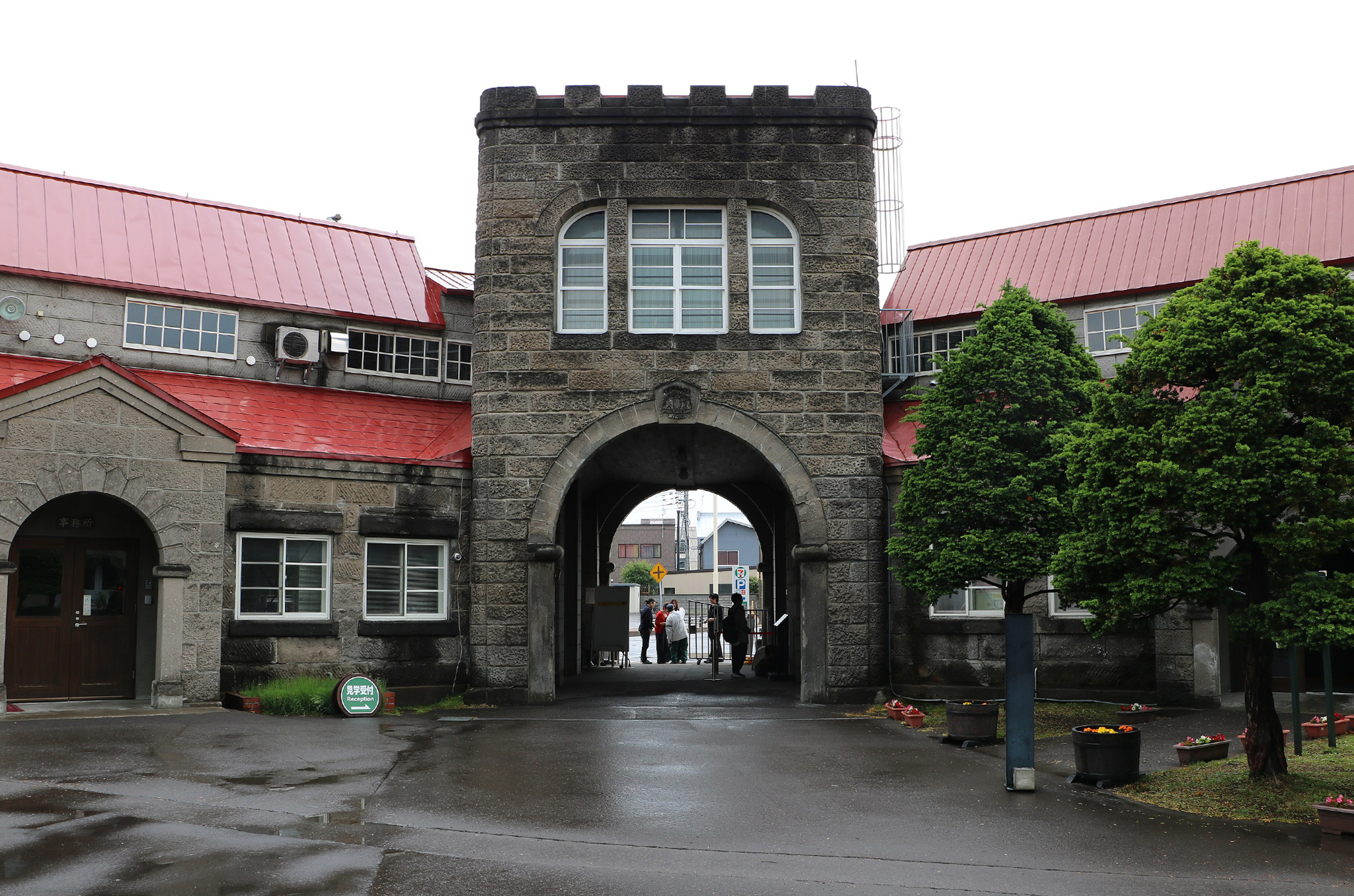
Main gate of the Nikka Whisky Yoichi Distillery | Wikimedia
Yoichi and the Birth of Nikka
Taketsuru chose Japan’s northernmost prefecture for its cool climate, clean water and landscape that reminded him of Scotland. With financial backing from a group of investors, he established Dai Nippon Kaju in 1934 and built his distillery in the remote town of Yoichi. The company later became known as Nikka Whisky, and Taketsuru finally had the freedom to make whisky according to the principles he had learned in Scotland.
Whisky, though, takes years of aging before it can be sold. In the meantime, the company marketed apple-based products, most notably juice, to stay solvent. Made from high-quality Yoichi apples, the products were too expensive for the average consumer. The juice also suffered from an unappealing cloudiness caused by pectin coagulation during slow transport and struggled to compete with popular drinks like ramune and cider.
The company remained in the red but managed to stay in business, beginning to distill whisky in 1936. The first Nikka bottle, decorated with a distinctive diamond pattern, was launched in June 1940. Just two months later, it officially secured a prestigious “Grade 1” designation under the government’s newly introduced liquor grading system, becoming one of only three brands in the country to earn the elite ranking.
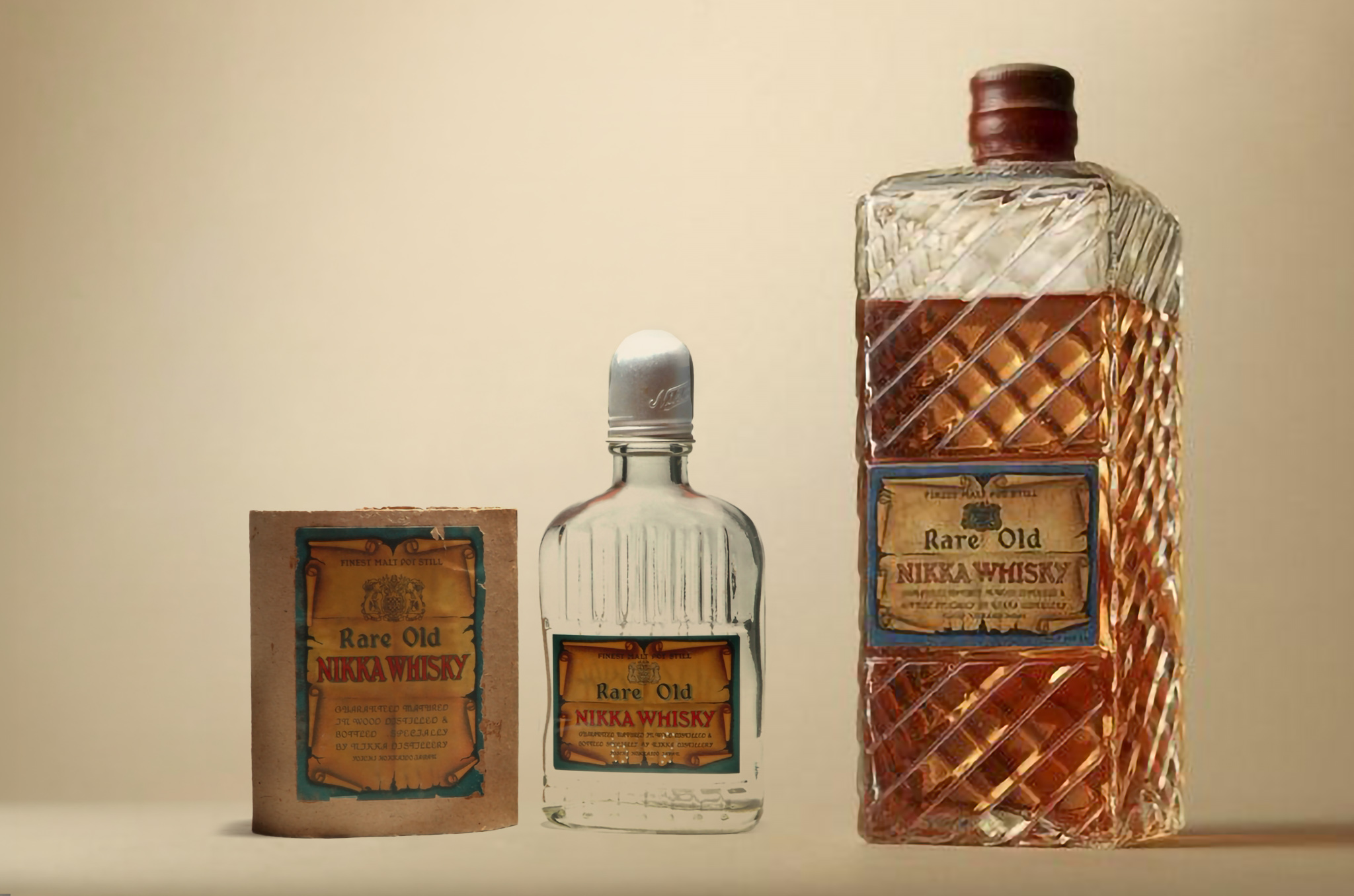
Bottles of Nikka’s “Rare Old” Whisky (c. 1950)
War, Austerity and Survival
Nikka’s early success came at a pivotal moment for Japan’s whisky industry. As war disrupted imports, access to Scotch whisky became increasingly difficult, giving Japanese producers a growing share of the market. The Yoichi Distillery was designated a factory of the Imperial Japanese Navy, allowing Nikka to continue producing whisky throughout the war and capitalize on the growing demand for domestic spirits.
The end of the war brought a new challenge as Japan’s devastated economy left consumers with little money to spend. Demand for whisky, however, remained strong and cheap imitation whiskies flooded the market. Taketsuru responded by selling small percentages of his authentic malt whisky to rival makers to upgrade their products. Nikka also launched its own Grade 3 blend, using the legal limit of 5% genuine whisky.
“Creating third-grade whisky went against my conscience as a blender, but I had no other choice,” said Taketsuru. He took little pride in the resulting Special Blend Whisky Kakubin, but it was authentic enough to distinguish itself from the imitations circulating at that time. Its affordability, meanwhile, made it popular with cash-strapped consumers and helped keep the company afloat during the difficult postwar years.
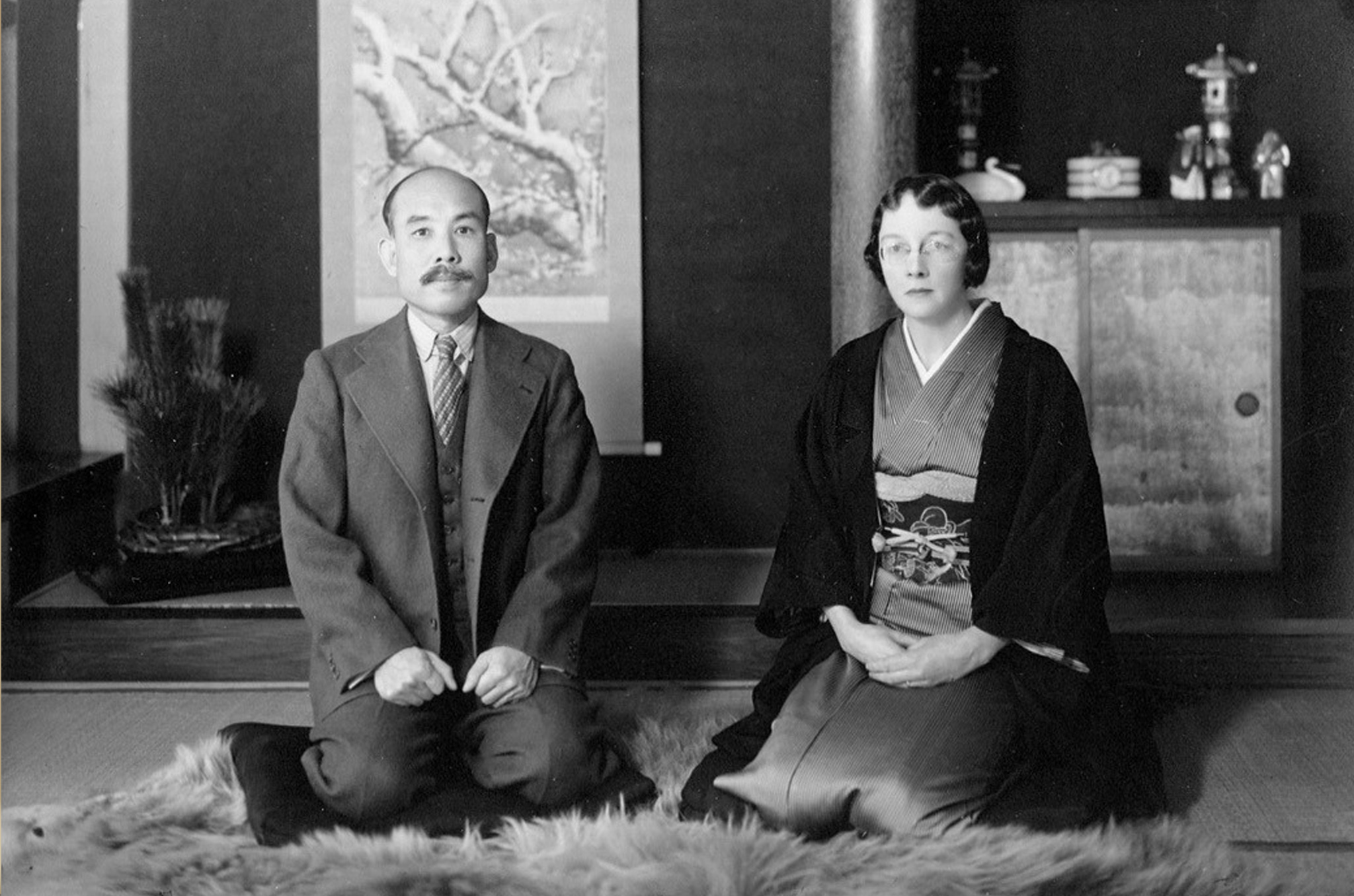
Masataka and Rita | Image: EDLC Archives & Local Studies (c.1935)
A Legacy Built Together
Nikka’s survival, though, was never a one-man effort. Rita stood beside Taketsuru through the company’s most challenging years, supporting his vision of building a whisky industry in Japan. “She provided not only moral support but also financial support when they had a difficult time,” said Nikka Whisky international sales manager Emiko Kaji. “She made every effort to adapt to Japanese culture and stay with him, even during the world war.”
Rita Cowan Taketsuru died in 1961, aged 64, following a long battle with liver disease and tuberculosis. Her death devastated Taketsuru. He locked himself in his room for two days and was reportedly too distraught to attend her cremation ceremony. Honoring her memory, he poured his grief into perfecting a new blend, launching the iconic Super Nikka whisky in 1962 as a tribute to Rita.
Super Nikka marked the beginning of a new chapter for the company, helping elevate Japanese whisky from an everyday domestic drink to a luxury product. As its reputation grew, so too did the company. Under Taketsuru’s leadership, it flourished into one of Japan’s leading whisky producers. His influence lives on in Japanese whisky today — as does Rita’s, whose unwavering support helped make his dream possible.