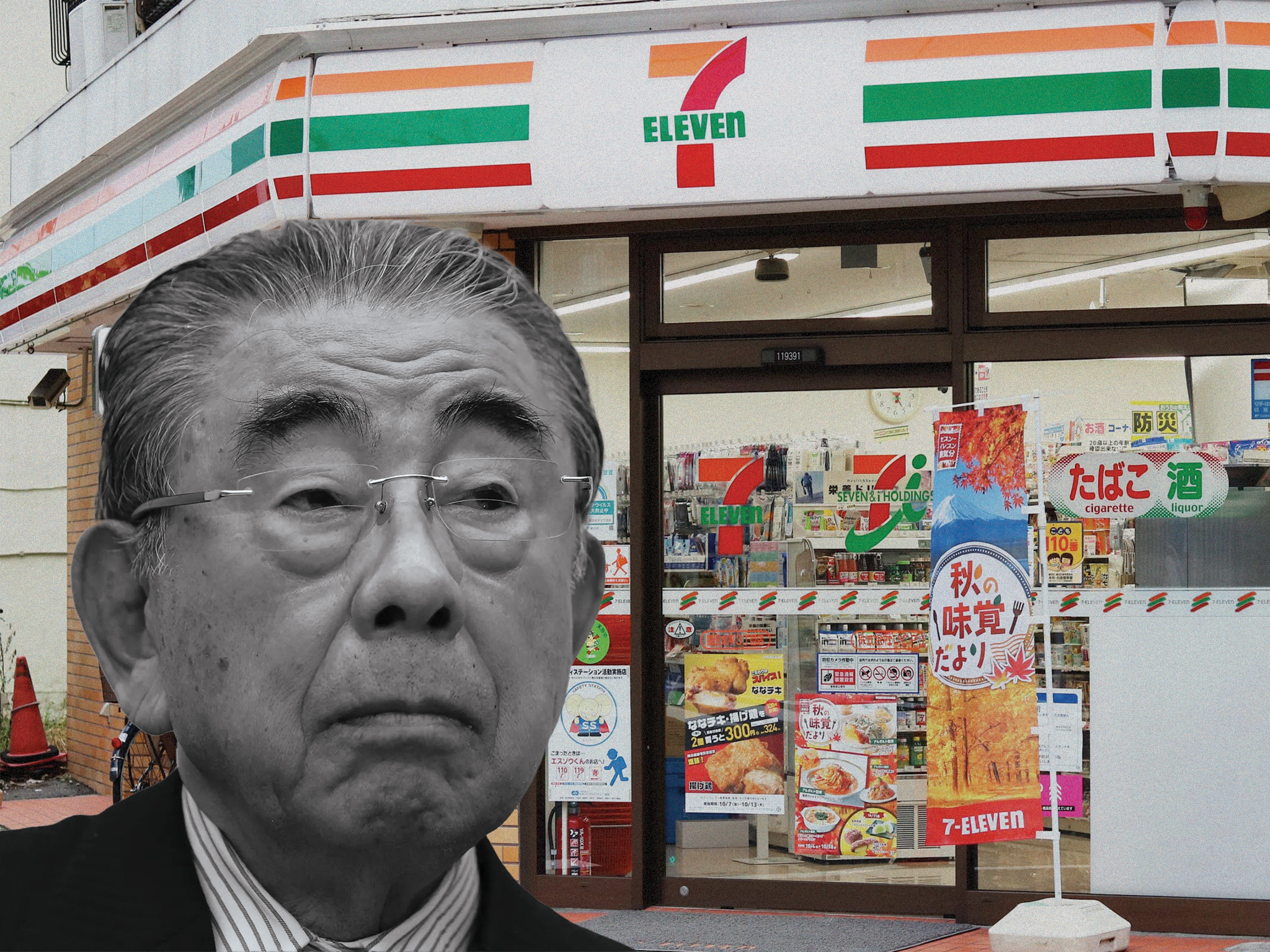
Toshifumi Suzuki, who secured the rights to bring 7-Eleven from the United States to Japan and is widely regarded as the father of the country’s convenience store industry, has died. Seven & i Holdings announced on Monday that he succumbed to heart failure on May 18. He was 93. According to the company, “the funeral services were held privately with close family members in attendance.”
How Toshifumi Suzuki Changed Japan’s Convenience Stores
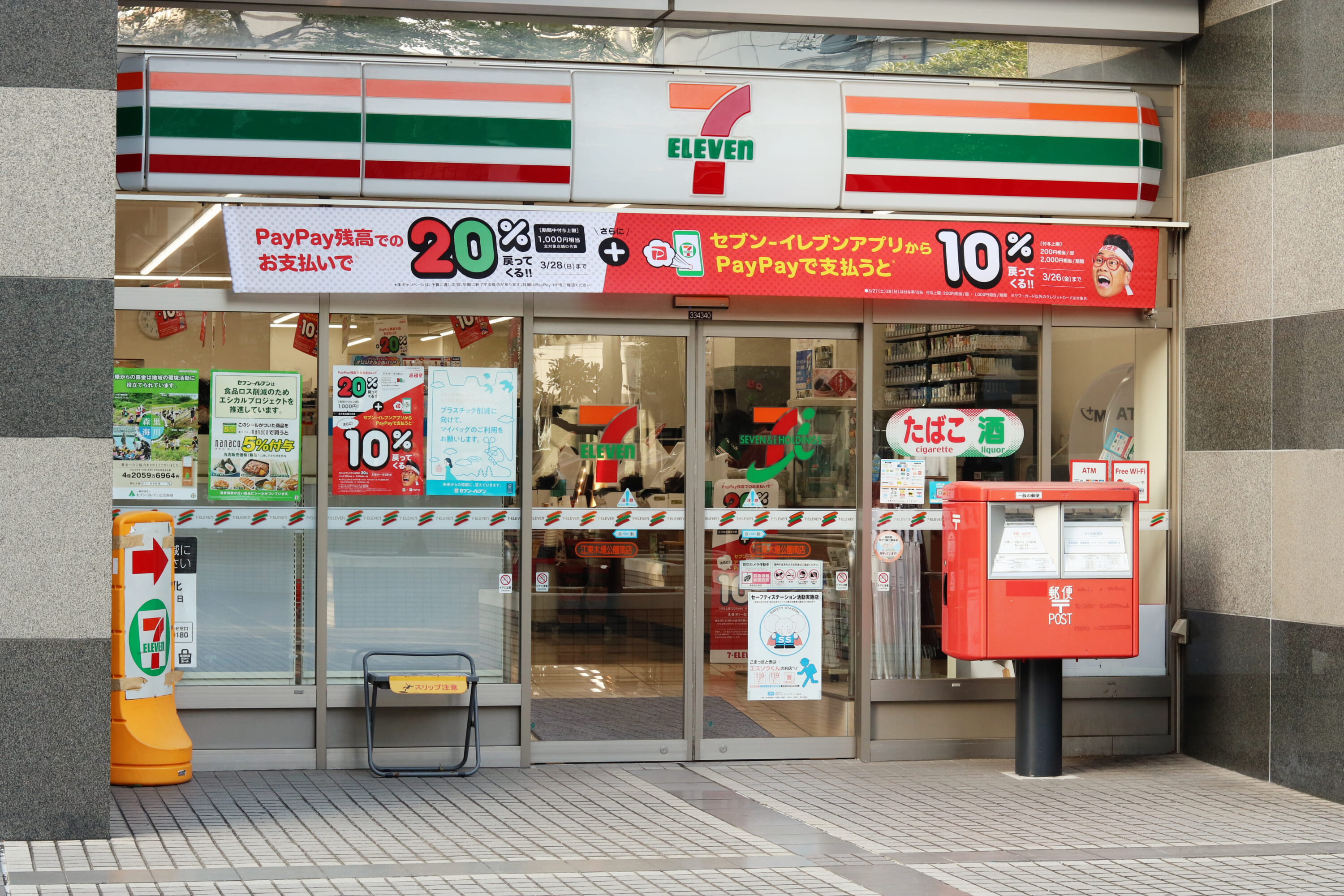
Suzuki, who was born in Nagano in 1932, started out as a book wholesaler before joining the retailer Ito-Yokado in 1963. A decade later, he partnered with Southland Corp., the US operator of 7-Eleven, to launch the convenience store chain in Japan. In 1974, the nation’s first 7-Eleven opened in Tokyo’s eastern Toyosu neighborhood. It proved an immediate hit, and within two years, the chain had expanded to 100 stores.
Suzuki introduced 24-hour operations and built a business model centered on ready-to-eat meals and rapid inventory turnover. He also put in place a wide range of services, such as ATMs and utility bill payments. In an interview with the Asahi Shimbun, the entrepreneur said he personally came up with the idea of selling onigiri (rice balls) in stores. Today, more than 2 billion of the snacks are sold in 7-Eleven stores annually.
Corporate Expansion and Succession Struggles
When Southland Corp. entered bankruptcy proceedings in the early 1990s, Suzuki stepped in to lead restructuring efforts. Ito-Yokado and Seven-Eleven Japan acquired a 70% stake in the company following a cash infusion of $430 million. In September 2005, Suzuki established the retail conglomerate Seven & i Holdings, integrating Seven-Eleven Japan, Ito-Yokado, and Denny’s Japan Co. He resigned as chairman in 2016 after a failed attempt to oust President Ryuichi Isaka and pave the way for his son to succeed him.