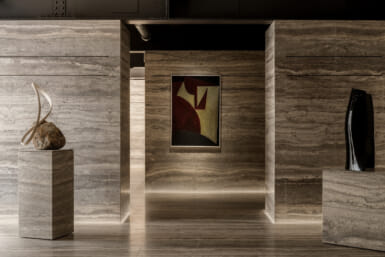
Park Hyatt Tokyo is more than just a hotel. It’s a symbol of a certain kind of Tokyo: cool, cerebral, cinematic. Glittering above the city in a tower designed by Kenzo Tange, with views that extend all the way to Mount Fuji, it embodies a certain vision of the city — hypermodern, otherworldly and impeccably composed. With Lost in Translation, the space took on a nearly mythical feeling, its moody lighting and endless city views imprinted into the global imagination as the definitive image of Tokyo at night.
When it was announced that the hotel would close for 19 months for a comprehensive renewal, the news stirred curiosity, and possibly even some trepidation. After all, how do you update an icon? How do you polish something so deeply etched into the collective imagination without dimming its mystique?
The renowned design firm Jouin Manku was chosen to lead the project. It was a natural fit; Jouin Manku is known for revitalizing historic and emblematic properties, and the firm’s philosophy centers on making precise, necessary interventions — preserving a space’s essence while integrating contemporary elements. The team uses the French word juste to describe this attitude: changing exactly what is needed, and nothing more.
Both Patrick Jouin, founder and lead designer, and Sanjit Manku, co-founder and architect, instinctively understood the magnitude of the undertaking. “There is a great joy in working on such an icon, but also a real fear,” they tell TW over email. “You know expectations are immense. You can do something very just, very respectful and still risk disappointing someone because their relationship to the hotel is so personal.”
They conceived of their work as a natural evolution rather than an overhaul; they sought to honor the past without neglecting the future. The main challenge, they say, was “to understand how to evolve a modern icon without freezing it in nostalgia, and without breaking its balance.” The refinement project focused on three areas — the guest rooms and suites, the hotel’s signature Peak Lounge and Girandole, its French restaurant — subtly introducing softer forms and warmer materials throughout.
“In a way, the hardest part is to make everything change while making sure nothing feels like it has changed,” they say.
Listening to the Space
When Park Hyatt Tokyo first opened in 1994, it almost instantly became a Tokyo landmark. It was sleek, luxurious yet restrained, an ultra-modern oasis ensconced at the glistening peak of a skyscraper — like nothing Tokyo had ever seen before. The interiors, crafted by John Morford, softened its dramatic architecture. Morford layered honey-toned woods, plush carpets and low, enveloping sofas beneath the building’s soaring glass walls, using ambient lighting and carefully placed contemporary artworks to create the feeling of a refined private residence rather than a conventional hotel. He envisioned it as an elevated urban home, hand-selecting books on art, travel and culture to display in the suites and the hotel’s private library.
Before reimagining a property, Jouin and Manku explain, they take time to fully immerse themselves in its history, its architecture and how it’s used on a day-to-day basis. They call this “listening to a space.” At Park Hyatt Tokyo, this meant staying for a week in the guest rooms, “observing how the place is used, how people move, where they pause, what they feel.” While doing so, they reflected on the hotel’s past and its future — on one hand, its storied legacy; on the other, the ways in which the travelers’ needs and expectations have changed in the three decades since it opened.
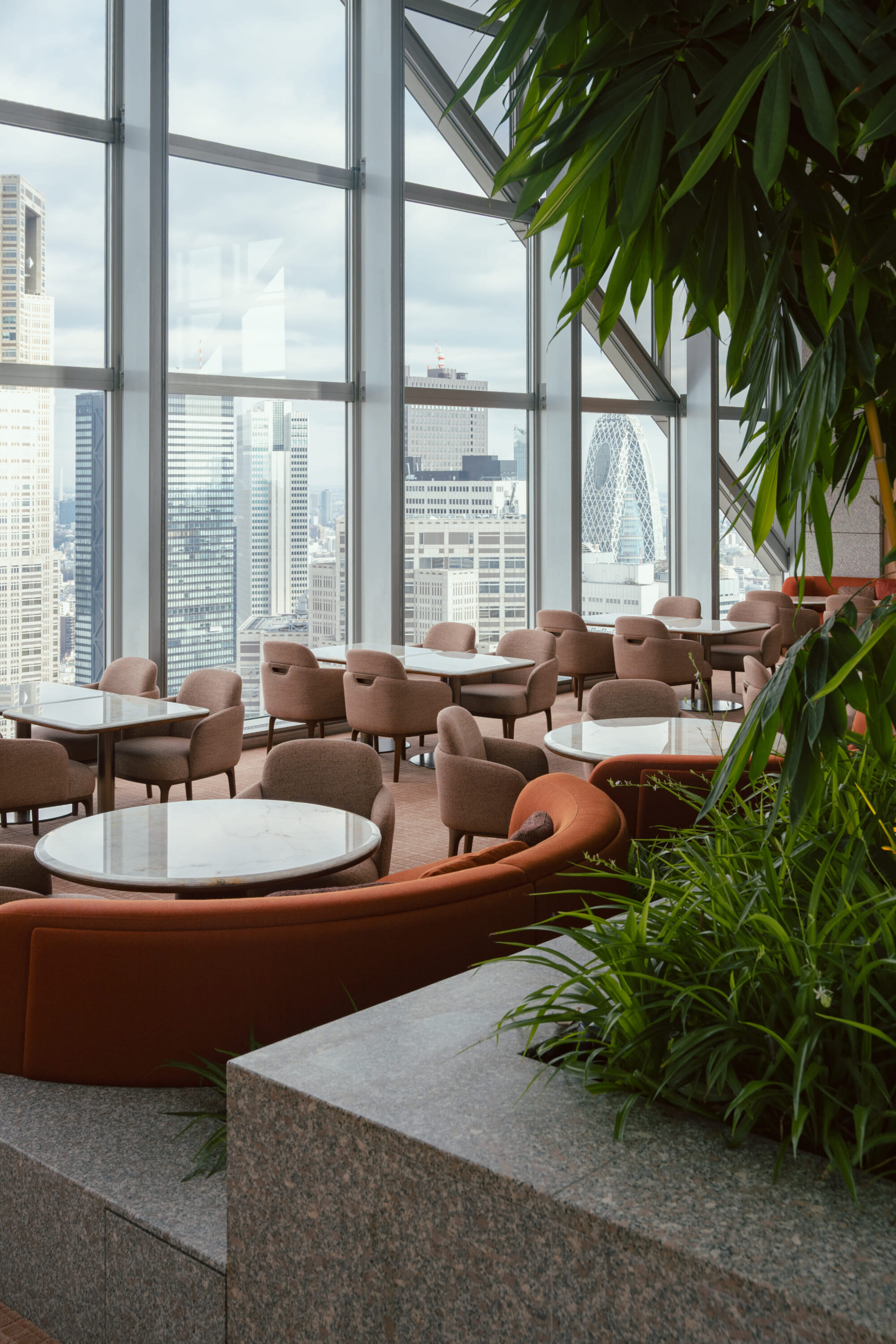
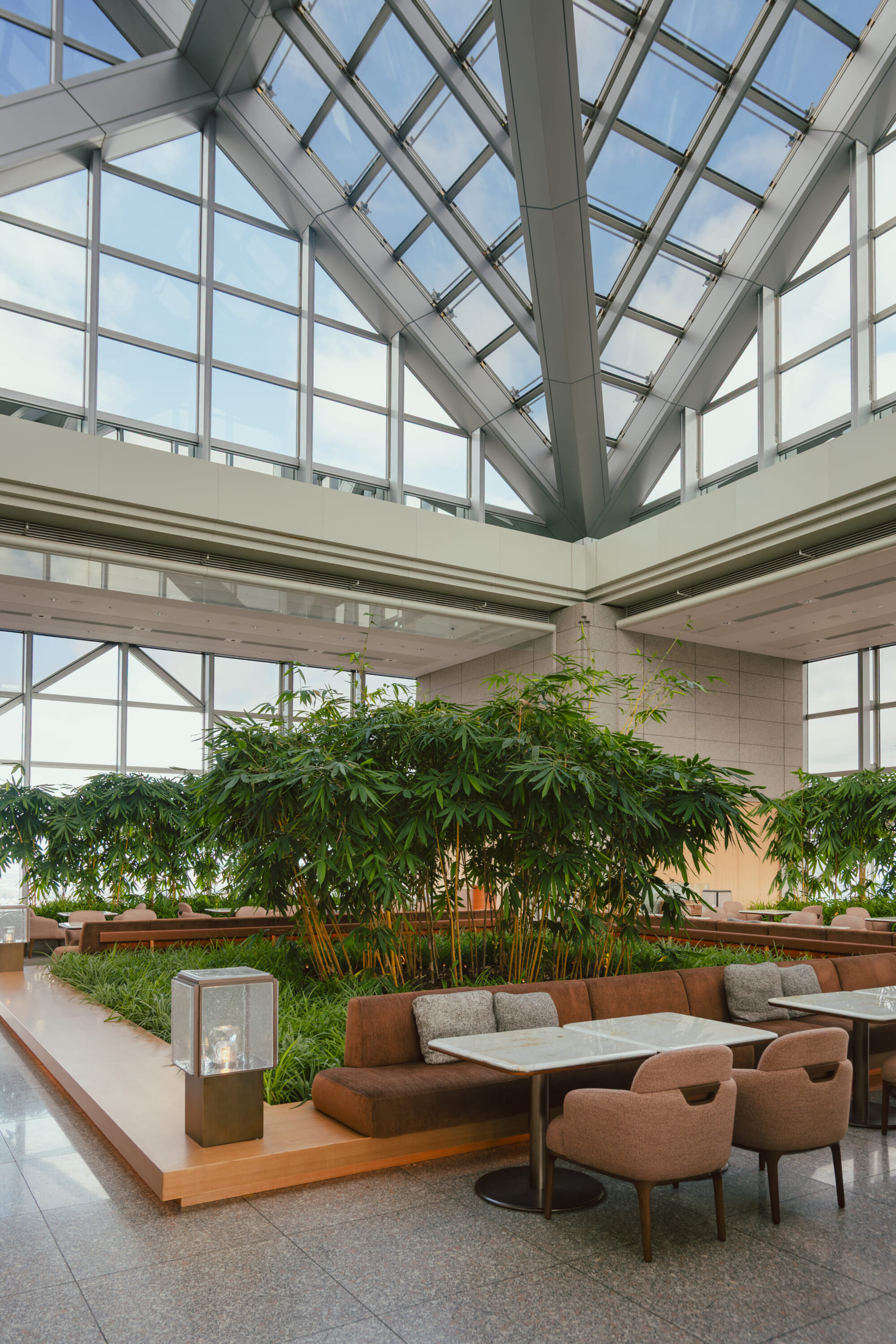
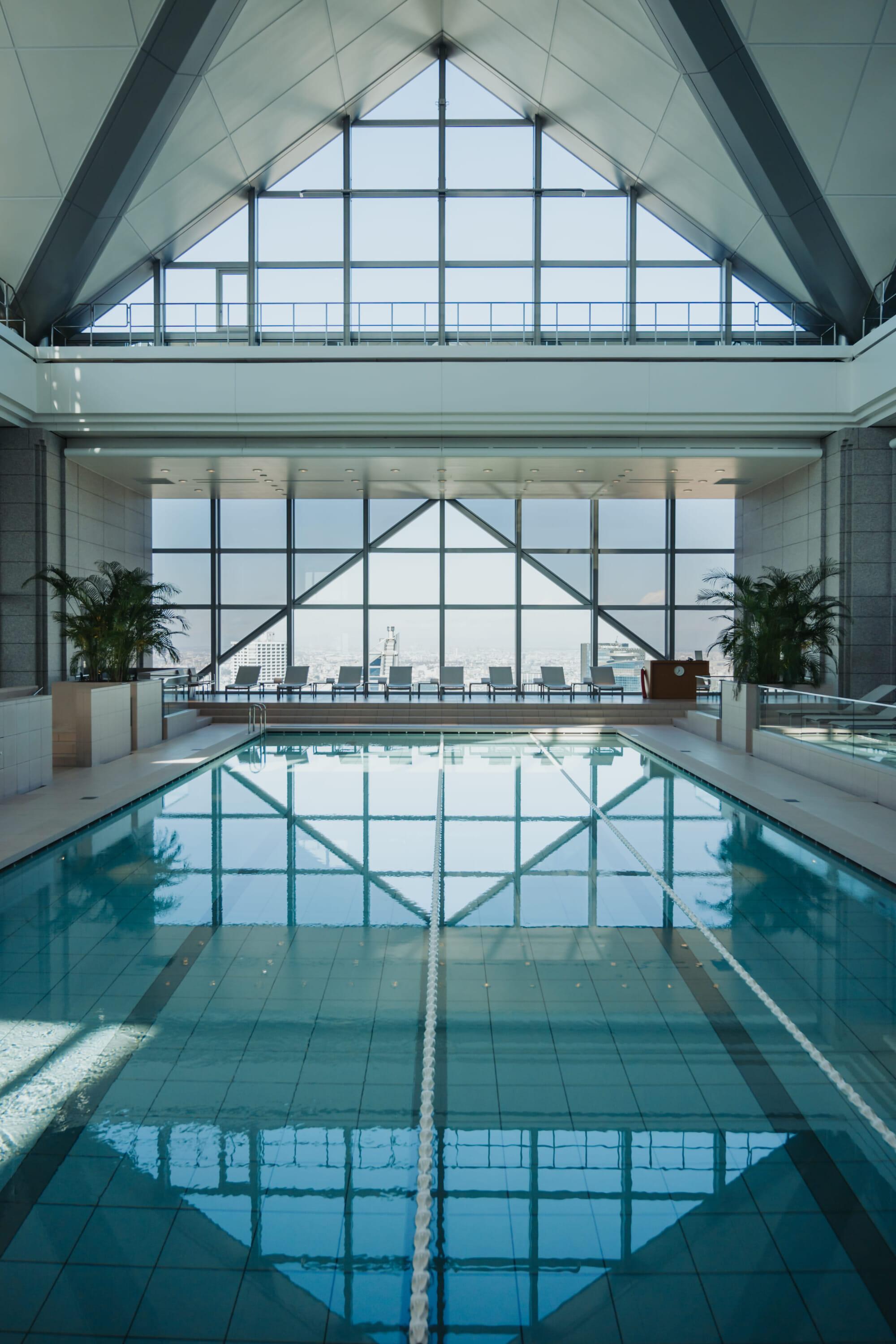
In the 41st-floor Peak Lounge, which is encased in a two-story glass pyramid that offers panoramic views of the skyline, they quietly observed as a day passed — the relaxed conversations of the afternoon giving way to a deeper and more intimate vibe at night. How, they wondered, could they better facilitate these shifting moods? What would be the best way to “make the lounge feel more convivial, more welcoming, more inhabited, without changing its nature?”
Restraint was crucial to the team. “When you work on a place like Park Hyatt Tokyo, you cannot come with the desire to make a statement,” they emphasize. “The question is always: What is essential, what must remain untouched, and what truly needs to evolve?”
A Graceful Evolution
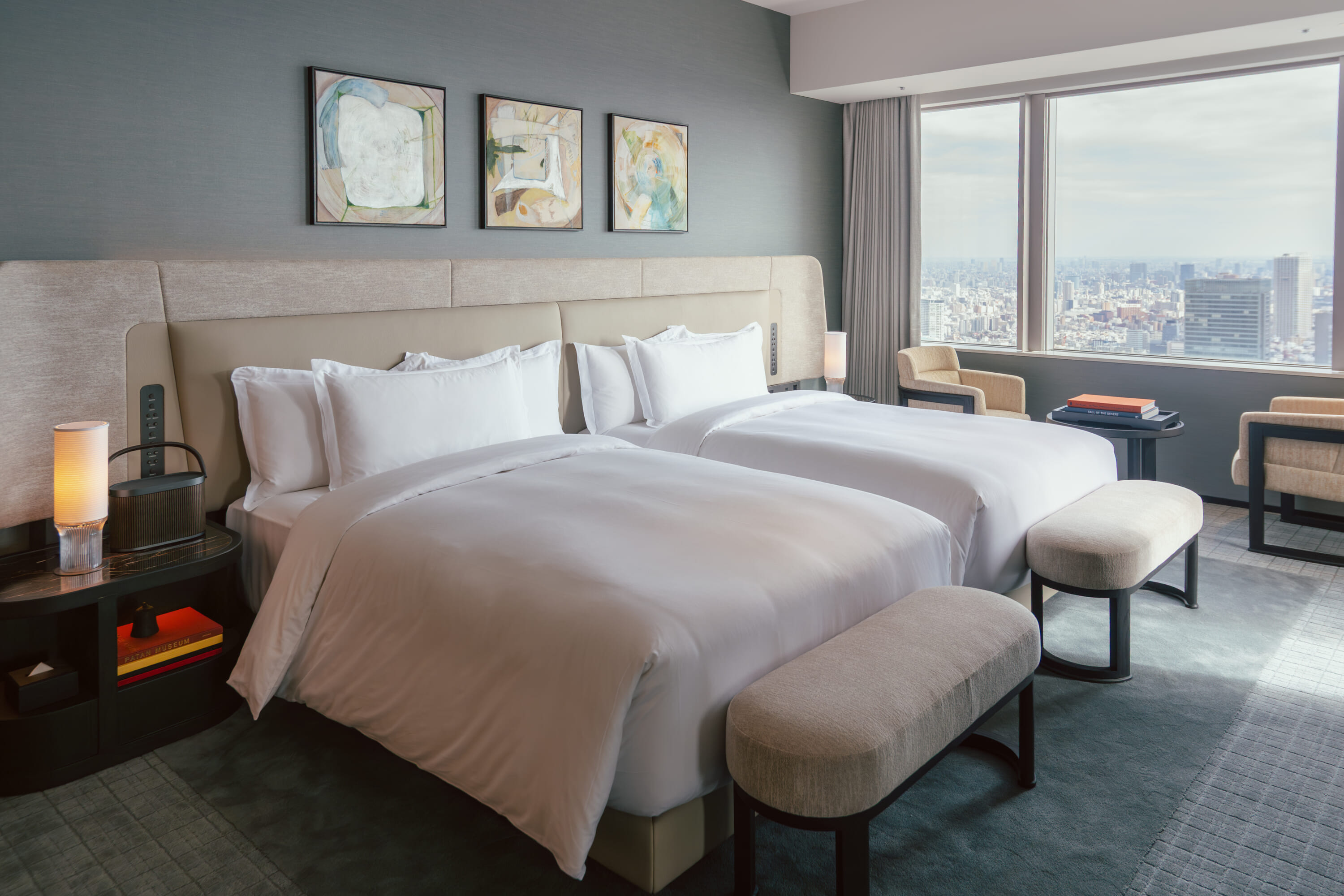
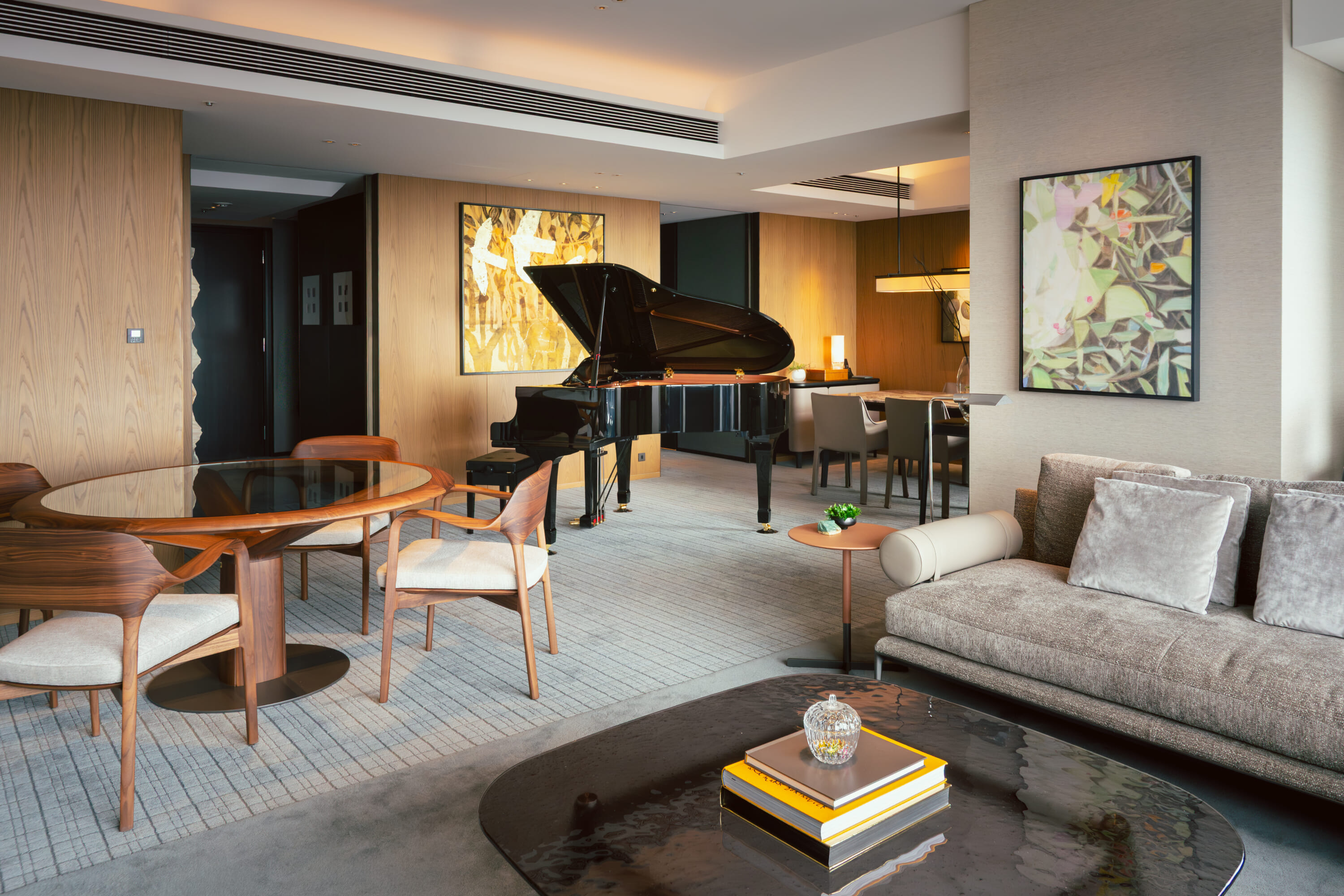
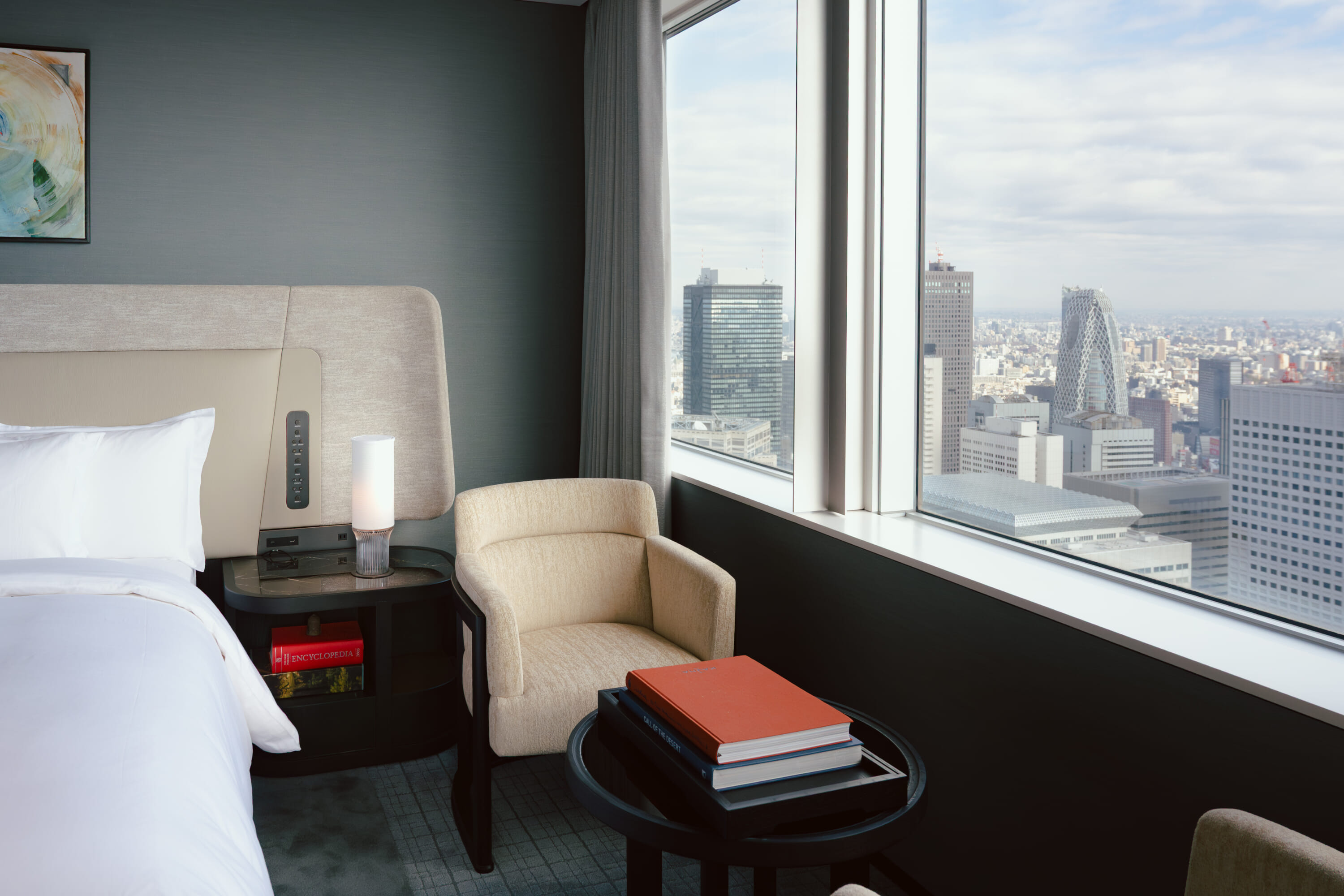
The hotel’s evolution is “probably most tangible” in the hotel’s 171 rooms, of which 29 are suites, Jouin and Manku say. The basic spatial layouts were left intact, but the design firm strove to make the rooms feel more fluid, incorporating custom-made furniture, making subtle modifications to the lighting and introducing a softer color palette.
The rooms have always featured a central cabinet, which is somewhat of a signature piece. The previous iteration was sleek, dark and angular; the new version is more slender and precise, with rounded edges, and feels more integrated into its surroundings. The bathrooms underwent a more dramatic transformation — now, each one features a typical Japanese-style wet room, where the shower and bathtub share a combined space, something that Jouin and Manku say was inspired by onsen culture.
The hotel has introduced a new type of suite, the Park Suite, with sweeping views across Harajuku and Shibuya. The premium 220-square-meter Tokyo Suite has been restored to its original design, while the Diplomat, Governor’s and Presidential Suites have all been redesigned. Materiality plays an essential role here, from intricate wood detailing to the type of marble used in each bathroom. Jouin and Manku were especially particular about the latter, traveling to Italy themselves to hand-select the slabs.
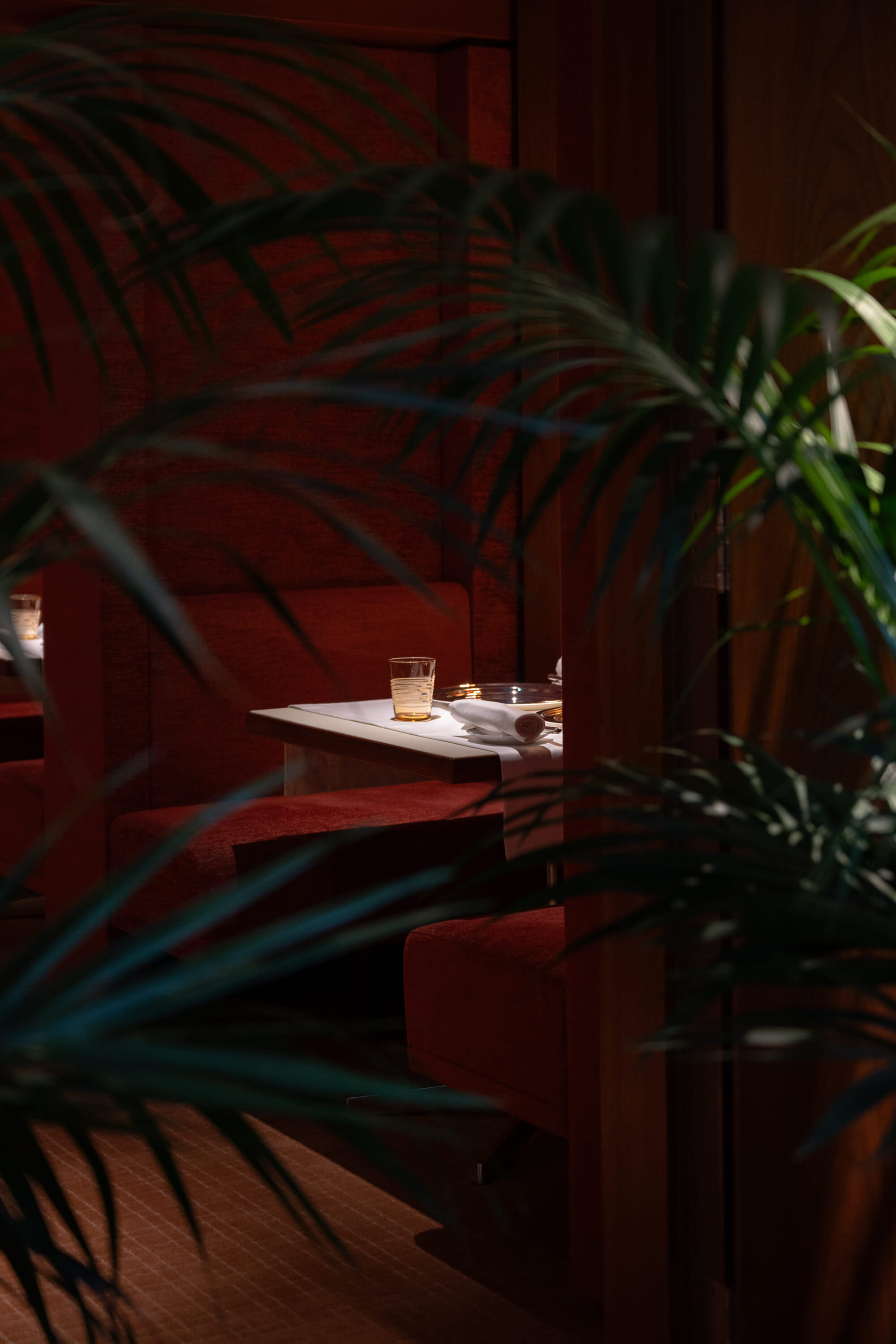
In the public spaces, the design team employed a lighter touch. Parts of The Peak Lounge have remained mostly unchanged — most notably, the lush bamboo grove that sits at its center. This was meticulously preserved; the plants were sent to Miyazaki on a prolonged vacation while construction was underway, then carefully rehomed in the diminutive indoor forest. Jouin Manku changed the area’s seating, adding rounded banquettes and customizing new furniture in lighter and warmer shades. A long bar of Chelsea Gray marble was also added. Finally, Girandole by Alain Ducasse, now under direction of the legendary chef, was outfitted with deeper tones and plush velvet to enhance the Parisian-inspired ambience.
Juste Right
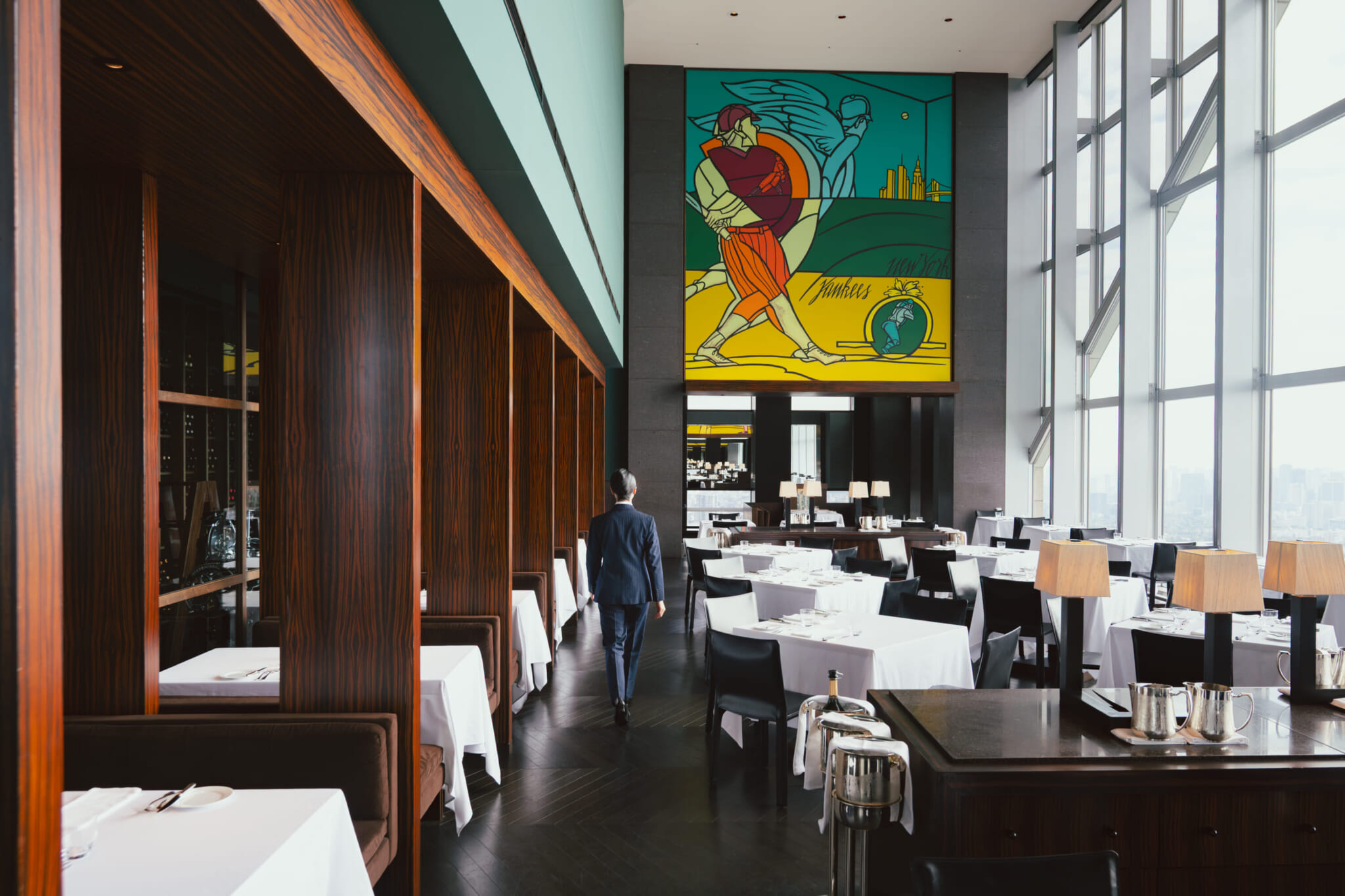
Jouin and Manku liken the design project to walking a tightrope — a delicate balance they had to maintain as they went. “Sometimes the most respectful decision is simply not to change something,” they note. The New York Grill, for instance, was left untouched. With its double-height ceilings, subdued lighting and sweeping city views, it provided the backdrop for some of Lost in Translation’s most recognizable scenes. It’s an immediately striking space, one with strong emotional resonance for fans of the film. Sometimes, no intervention is
necessary.
“The renovation was never about making Park Hyatt Tokyo new,” the pair emphasizes. They wanted to preserve the sense and feeling at the heart of the space, but updated for a new world. Our idea of what looks modern has changed with time, and the hotel’s interior has now shifted — in ways that are at times nearly imperceptible — to mirror that. Jouin Manku prioritized a feeling of warmth over cold minimalism, introducing a subtle feeling of lightness. The result, Jouin and Manku say, is that “the hotel breathes with a new gentleness without ever losing its clarity or its inner strength.”
In a space with so many stories, designed with such vision, precision and care, there’s a risk of it accruing a museum-like atmosphere over the years — something you admire from a slight distance, always mindful not to disturb anything. The hotel’s softer elements, its considered use of natural materials, work to counteract that feeling. This is, after all, a place to stay. It’s designed to be touched, felt, slept in — a place that envelops you and welcomes you in.
“We hope that returning guests immediately feel that sensation of coming back home,” say Jouin and Manku. “And for guests discovering the hotel for the first time, the ambition was simply to create something immediately welcoming: a place that feels warm, social, joyful.”
More Info
To learn more about Park Hyatt Tokyo, click here.