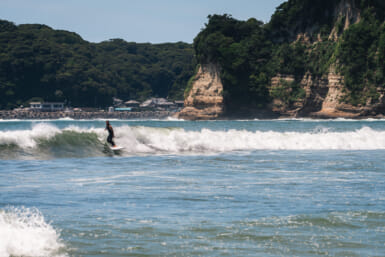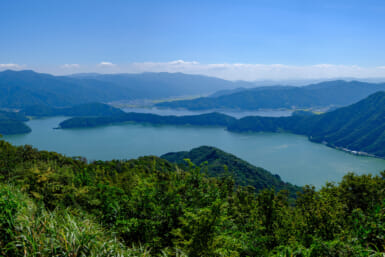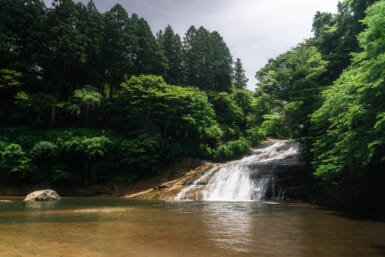
Along Japan’s Sea of Japan coast, a landscape of striking beauty stretches for 75 kilometers. Rugged rock formations rise abruptly from the water, shaped by wind and waves into forms that feel almost surreal. Between them lie long sweeps of pale sand and stretches of sea so clear they seem to glow.
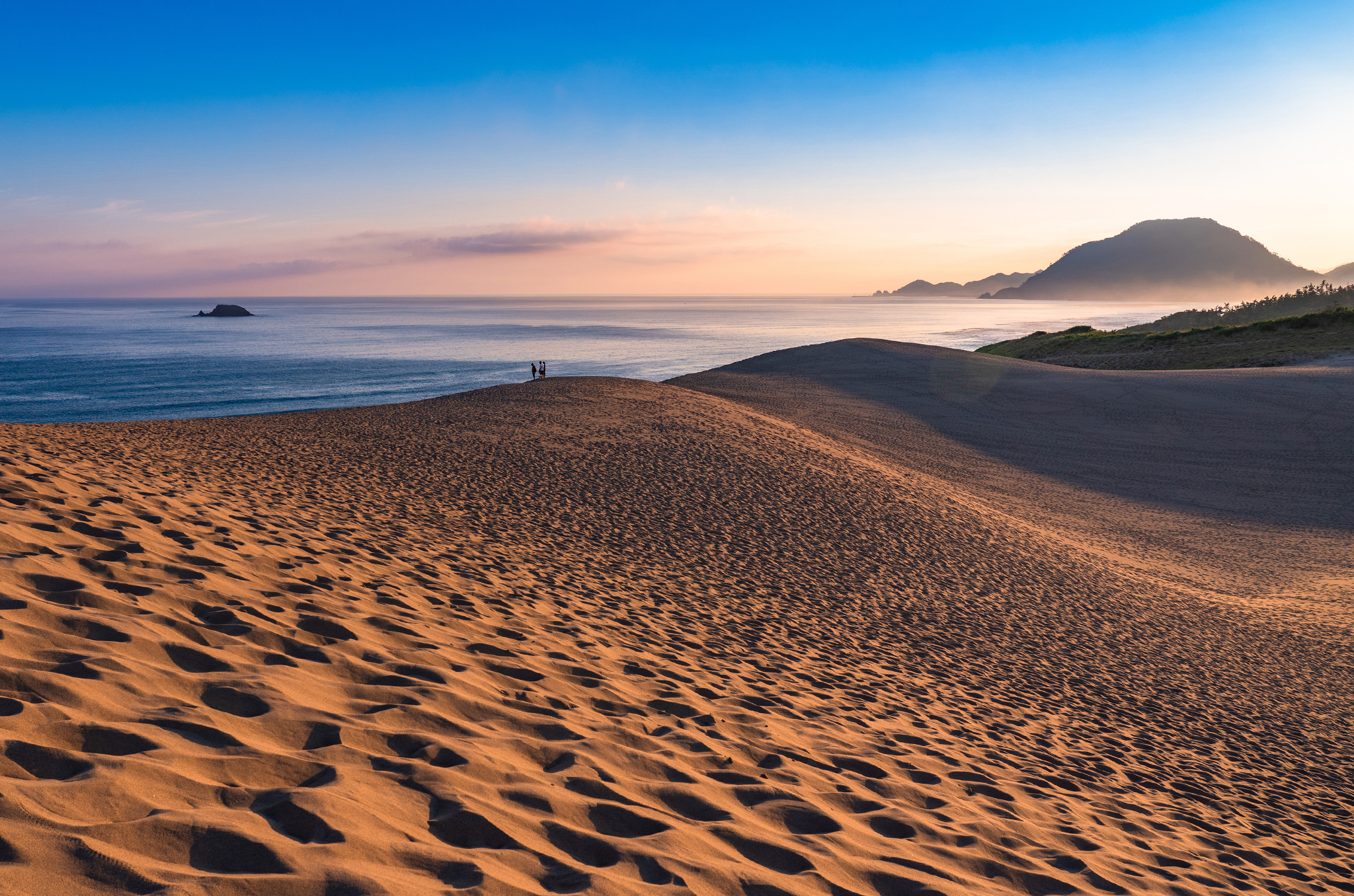
Move inland and the scenery shifts again. Vast sand dunes roll gently toward the horizon, their contours constantly redrawn by the wind — coastal, yet desert-like, and unlike anything many travelers associate with Japan. This is San’inkaigan National Park, which extends from Kyotango in Kyoto Prefecture to Tottori city, tracing a dramatic edge where land and sea meet.
Designated a UNESCO Global Geopark, the region is known for landscapes shaped over millions of years, as well as for the communities and traditions that have developed in close dialogue with this environment. Despite its scale and significance, San’inkaigan remains largely outside the spotlight, offering a rare sense of openness and discovery for travelers.
To introduce this remarkable stretch of coastline, the Ministry of the Environment has created a concise and approachable Story Collection that brings together the park’s nature, history, industry and culture. Organized into six areas across 22 pages, the booklet (which you can download here) offers carefully chosen stories and perspectives in a way that’s compelling and easy to read — a perfect jumping-off point for planning your trip.
Below, some highlights from the booklet:
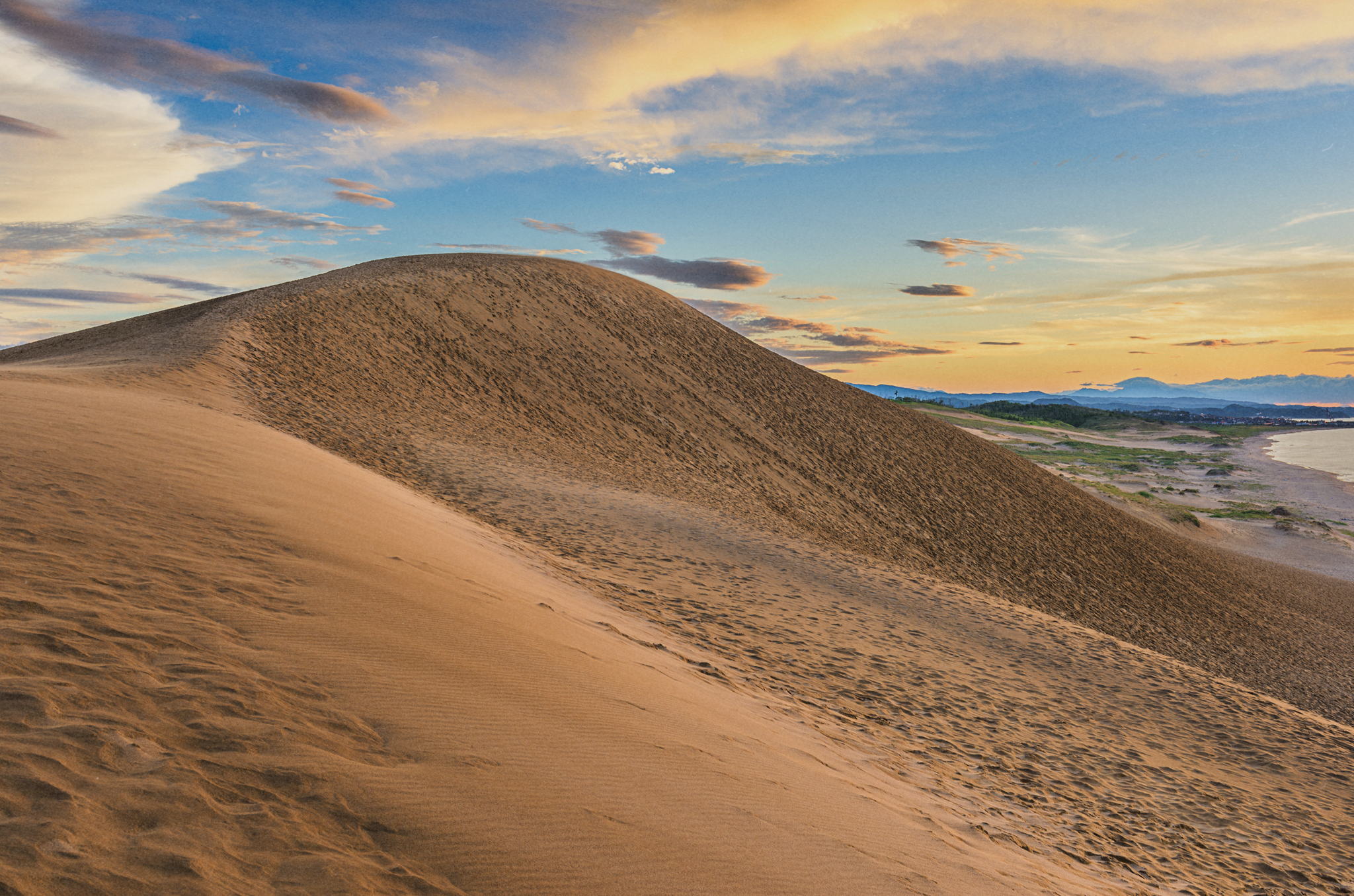
The Tottori Sand Dunes
The Stark Beauty of the Tottori Sand Dunes and the Uradome Coast
The Tottori Sand Dunes (p. 19-20) are one of the region’s most iconic sights. Reminiscent of an otherworldly Dune landscape or a René Magritte painting, this surreal spectacle blends wind-swept golds with sapphire-blue waters. When the wind is right, the sand forms delicate, shifting ripple patterns that transform the landscape into a golden, undulating canvas.
To the dunes’ east lies the Uradome Coast (p. 17-18), which is a completely different environment, but equally beautiful. Characterized by a rocky granite coastline, this area features the famous “Iwami Blue” — water so clear it reveals an underwater museum of seaweed beds and marine life. Landmarks like Sengan Matsushima Island, with its distinctive shape, offer a stark, majestic beauty that can’t be seen anywhere else.
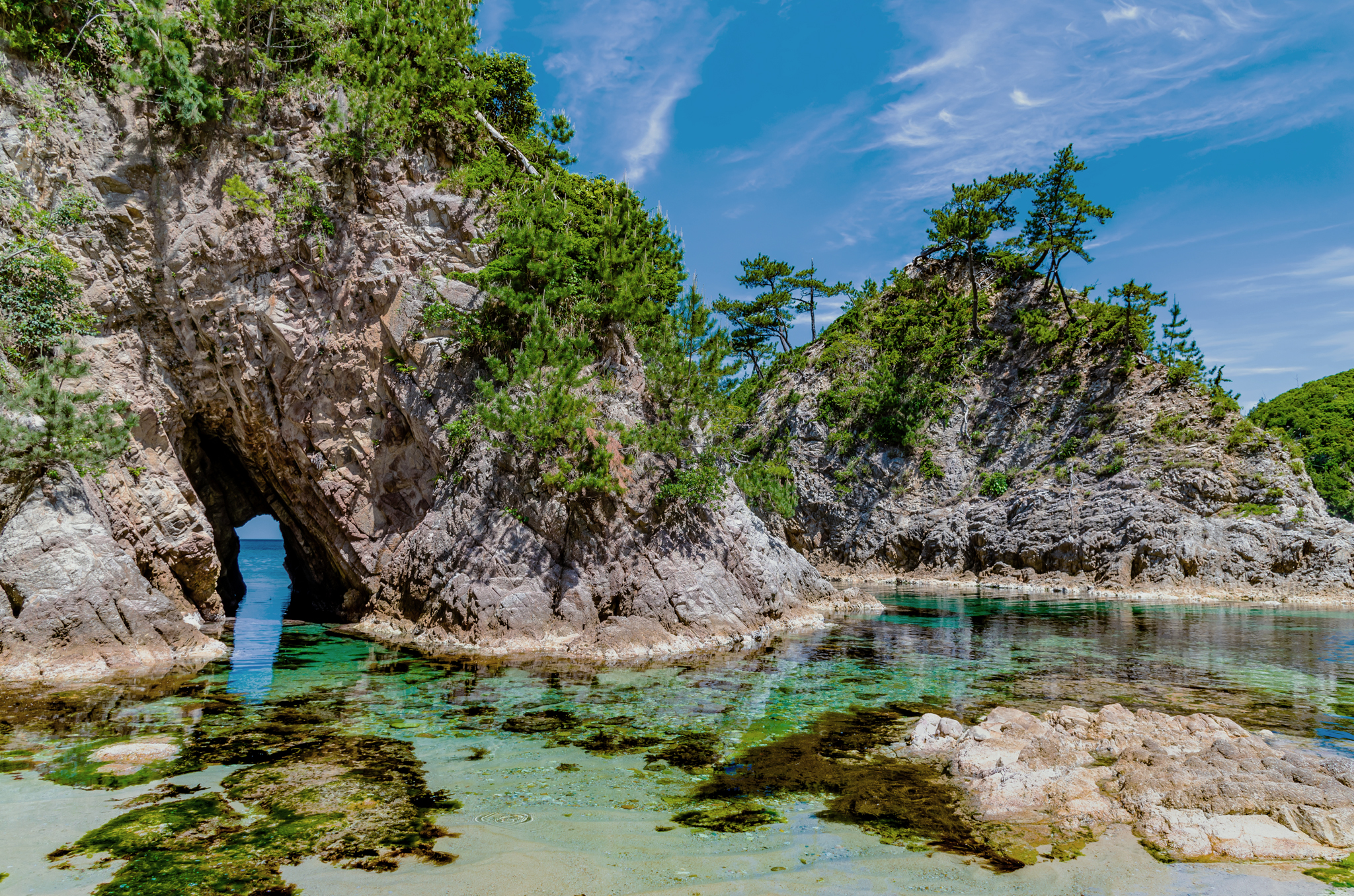
The Uradome Coast
The Geologist’s Perspective: Earth in Conversation
In the Story Collection, the park is also seen through the eyes of Dr. Matsubara (p. 5), a geologist who describes San’inkaigan as a place where the Earth’s history feels unusually close to the surface. Rather than abstract theory, the region offers tangible evidence of the forces that shaped it. Take, for instance, Genbudo Cave, where the theory of geomagnetic reversal — the idea that Earth’s magnetic poles have swapped places in the past — was first proposed.
Dr. Matsubara also highlights unique facets of local culture and gastronomy, from deep-sea fishing for crabs in the oxygen-rich water (p. 16) to the cultivation of melons and sweet potatoes in the well-drained sands of the Tango Dunes (p. 10).
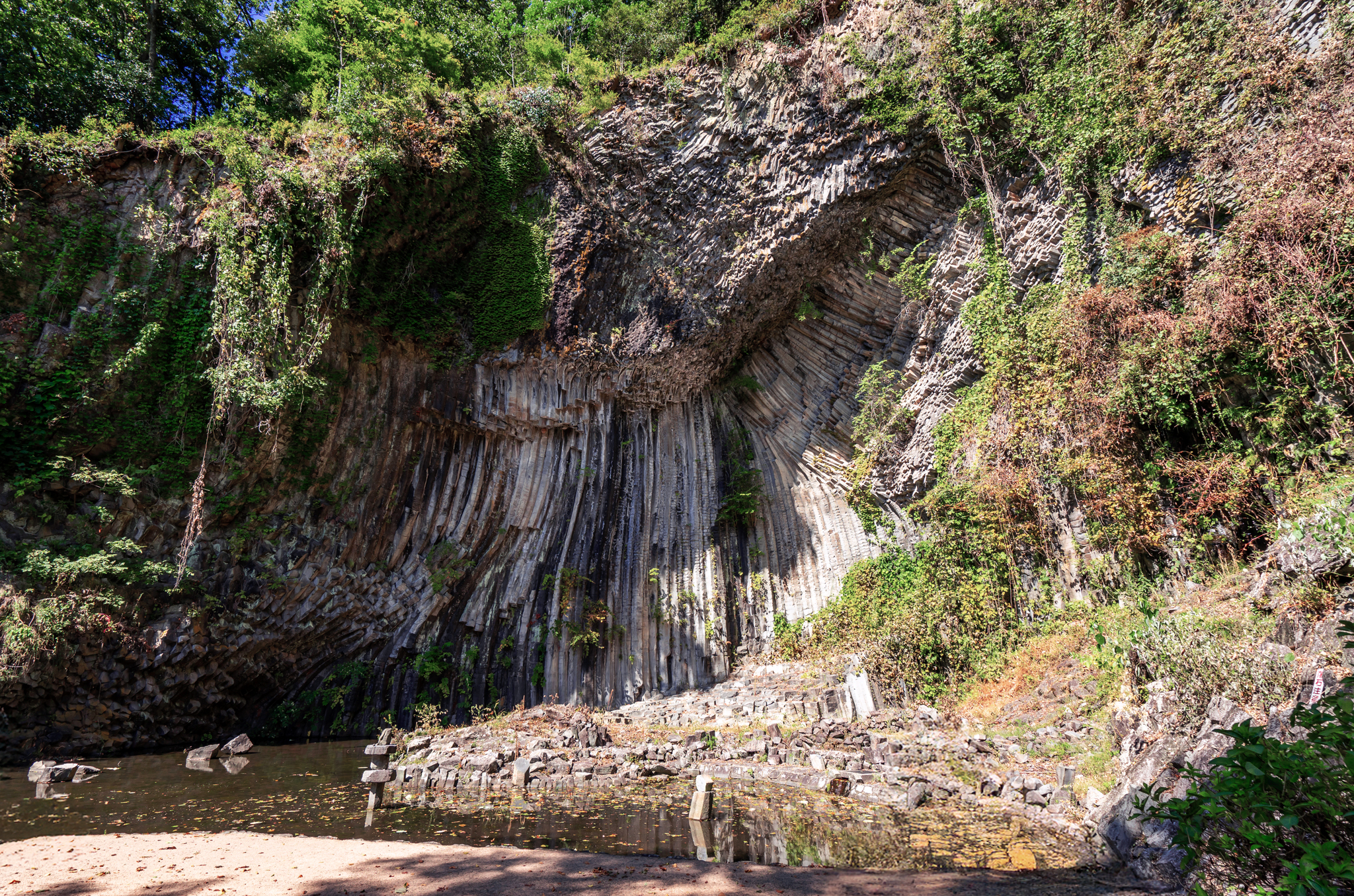
Genbudo Cave
Tajima Coast Area: A Gallery of Sea-Eroded Art
Continuing east, the Tajima Coast (p. 13-14) offers some of the most dramatic sights from the park: a series of natural sea arches and sheer cliffs jutting from the ocean. Notable sights include the Yoroinosode Cliff, a magnificent 65-meter-high sheer rock face, and the Megane Sea Arch, a stunning formation resembling a pair of glasses.
The natural charms of the area extend to its uniquely compelling local life. Visitors can walk through charming fishing villages like Mio (p. 15), with enchanting streetscapes lined with houses clad in traditional charred cedar siding, designed to withstand strong sea breezes and the blowing sand of the Sea of Japan. Here, fishing boats not only serve the local industry but act as sea taxis, allowing visitors to get up close to the area’s distinctive formations.
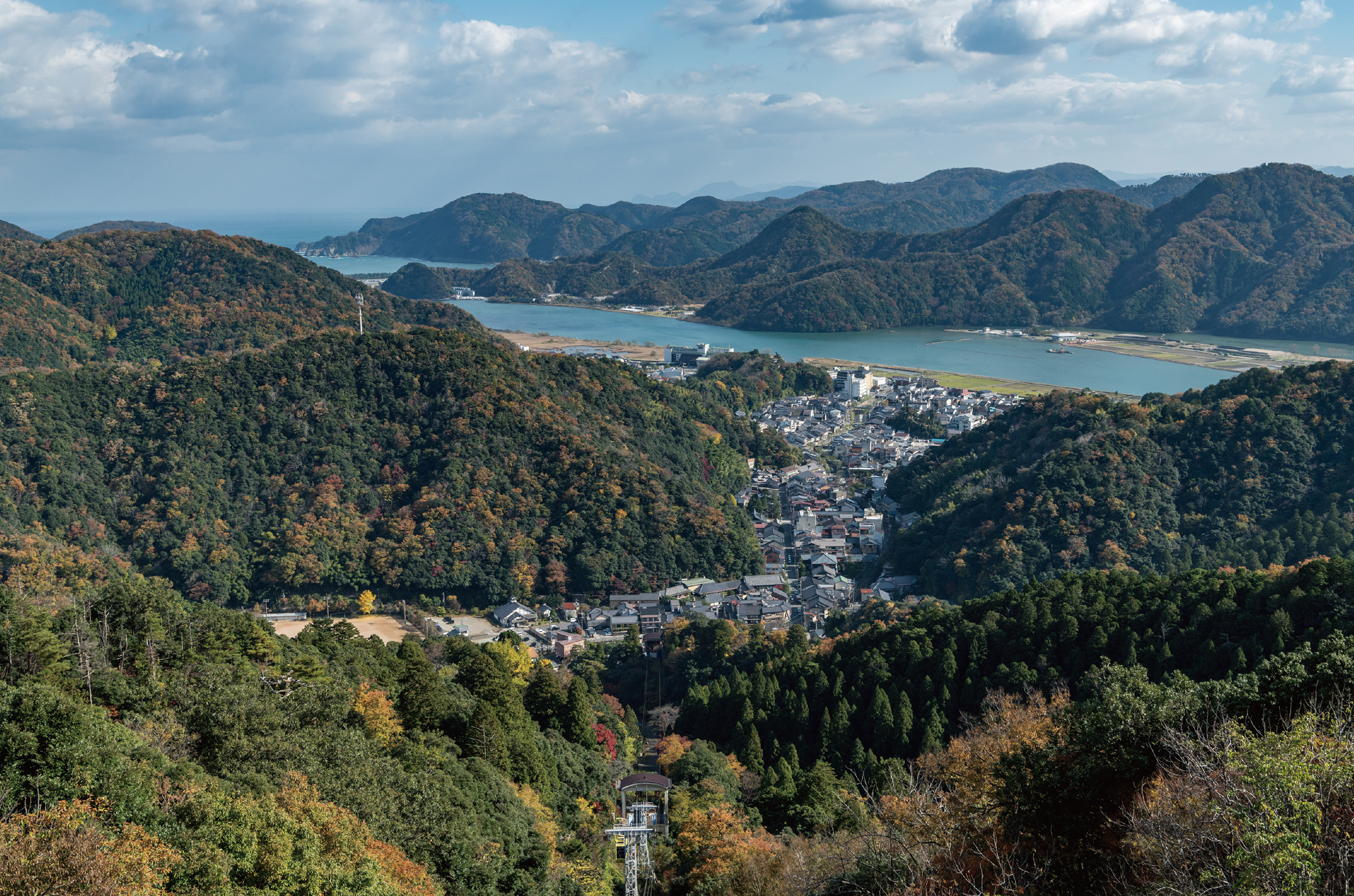
Townscape of Kinosaki Onsen
Discover the Wonder of the San’inkaigan National Park
Taken together, the San’inkaigan National Park reveals a coastline shaped not only by geological forces, but by long-standing relationships between people and place. From fresh, flavorful seafood to panoramic vistas, every element of the region maintains deep ties to nature.
As a long-time resident of Japan, I found myself surprised and intrigued by the sheer complexity and visual wonder of this coastline. For those looking for a journey that offers both cultural depth and breathtaking scenery, this National Park is a great option off the beaten path.
Before planning your trip, make sure to check out the Ministry of the Environment’s 22-page Story Collection as a starting point.
More Information
Download the Story Collection here. For more information, contact the Takeno Ranger Office at [email protected].