Tokyo is globally commended for its cleanliness, but the city has a dirty little secret: Beneath its unsullied facade lies a mountain of plastic waste born from its convenience-driven lifestyle. From single-use bags at konbini counters to bottled drinks on sale at every corner, Tokyo generates a staggering amount of plastic waste, with many residents long accustomed to the shocking quantity of plastic use.
In 2023, Japan produced about 7.69 million metric tons of plastic waste, with many reports claiming the average Japanese person uses an alarming 450 plastic bags per year, especially before Japan started charging for plastic bags in 2020. Although Japan has an impressive recycling program with an effective utilization rate of 89% (2023), the reality is that thermal recycling (basically burning plastic to generate energy, which prevents landfill but still produces CO2 and other emissions) accounts for the majority of recycling at 64%, while the less environmentally taxing material recycling and chemical recycling account for just around 25%.
No matter how you spin it, the fundamental lowering of plastic use in Japan is vital in this high-waste era. The good news is that you don’t have to sacrifice your quality of life to make a difference; it is entirely possible to live well in Tokyo while drastically reducing your plastic footprint in ways that are practical, modern and suited to life in a megacity.
Why Reducing Plastic Matters Now
Plastic’s convenience comes at a cost. Most plastics are derived from fossil fuels and release greenhouse gases throughout their lifecycle, from production to disposal. As materials that can take hundreds of years to break down, they burden landfills, complicate recycling systems and contribute to global environmental issues. Tokyo’s wards, and Japan in general, are now expanding separate plastic collection programs to divert waste from incineration and improve recycling, indicating just how urgent the issue has become.
At the same time, Tokyo has committed to ambitious circular economy strategies that aim to reduce waste, reuse materials and recycle effectively as part of broader emissions-reduction goals. These initiatives will, hopefully, reflect real shifts in how goods are packaged and sold throughout Japan.
Along with government policy, changes in individual choices are pivotal in alleviating Japan’s pressing plastic problem. Being mindful of what we buy, how we shop and how we dispose of products determines how much plastic ends up in the city’s waste stream.
Practical Tips To Cut Plastic Use in Tokyo
Carry Reusables Everywhere
- Eco bag: Tokyo’s supermarkets and convenience stores now charge for plastic bags — and many locals carry nylon or canvas bags folded in their pockets, purses or packs. This small habit reduces countless single-use plastics.
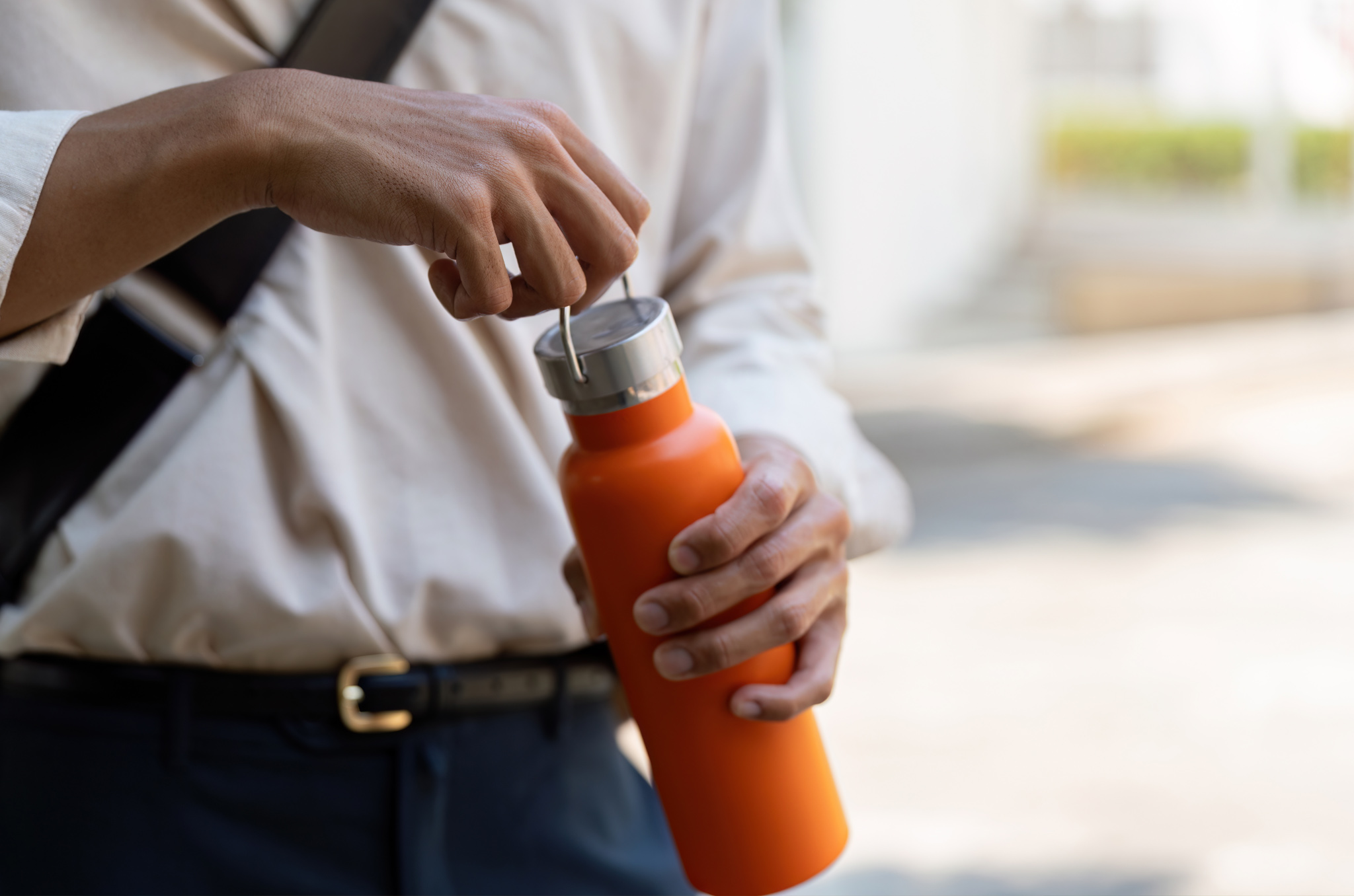
- Water bottle: With water coolers and refill stations increasingly available across cafes, gyms and community spaces, it’s never been easier to refill your mai botoru — Japanese shorthand for a reusable bottle brought from home — instead of buying plastic bottles.
- Travel utensils: For lunches and takeout, carrying a cutlery set and reusable container lets you say “no, thanks” to plastic forks and trays.
Shop Smart in Tokyo’s Markets and Stores
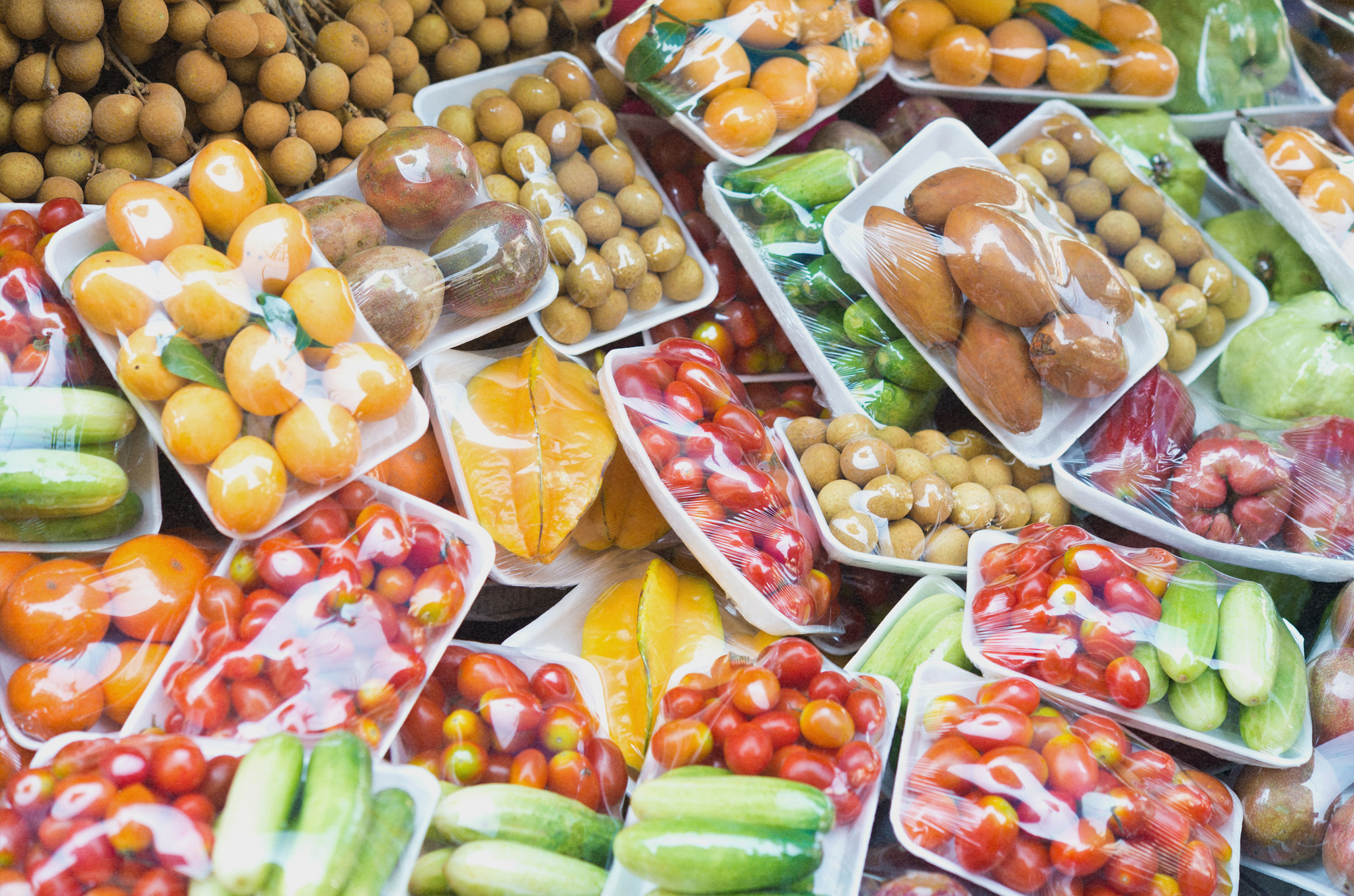
- Choose bulk and loose: Visit farmers markets or specialty shops, where produce isn’t wrapped in plastic. Ask vendors to skip the bag or wrap.
- Select minimal packaging: When options exist, choose products with paper, glass or compostable packaging.
- Support sustainable brands: Tokyo’s eco-conscious boutiques and cooperatives offer goods packaged with low-impact materials. Over time, your purchases help shift the market.
Mindful Cafe and Convenience Store Choices
- Reject plastic straws and utensils if possible.
- Bring a travel mug when grabbing coffee. Major coffee shops and convenience stores are increasingly accepting reusable cups, with some stores even offering discounts.
- Choose ceramic and metal cutlery instead of disposables if eating in.
- Decline additional packaging like plastic wraps or bags for simple purchases.
How To Recycle in Tokyo
The gold standard is to avoid plastics, but making proper recycling a habit is equally important, as dealing with at least some plastic waste is inevitable. Unfortunately, recycling in Tokyo isn’t always straightforward — but with a bit of local know-how, you can ensure your waste works for the system.
Understand Local Rules
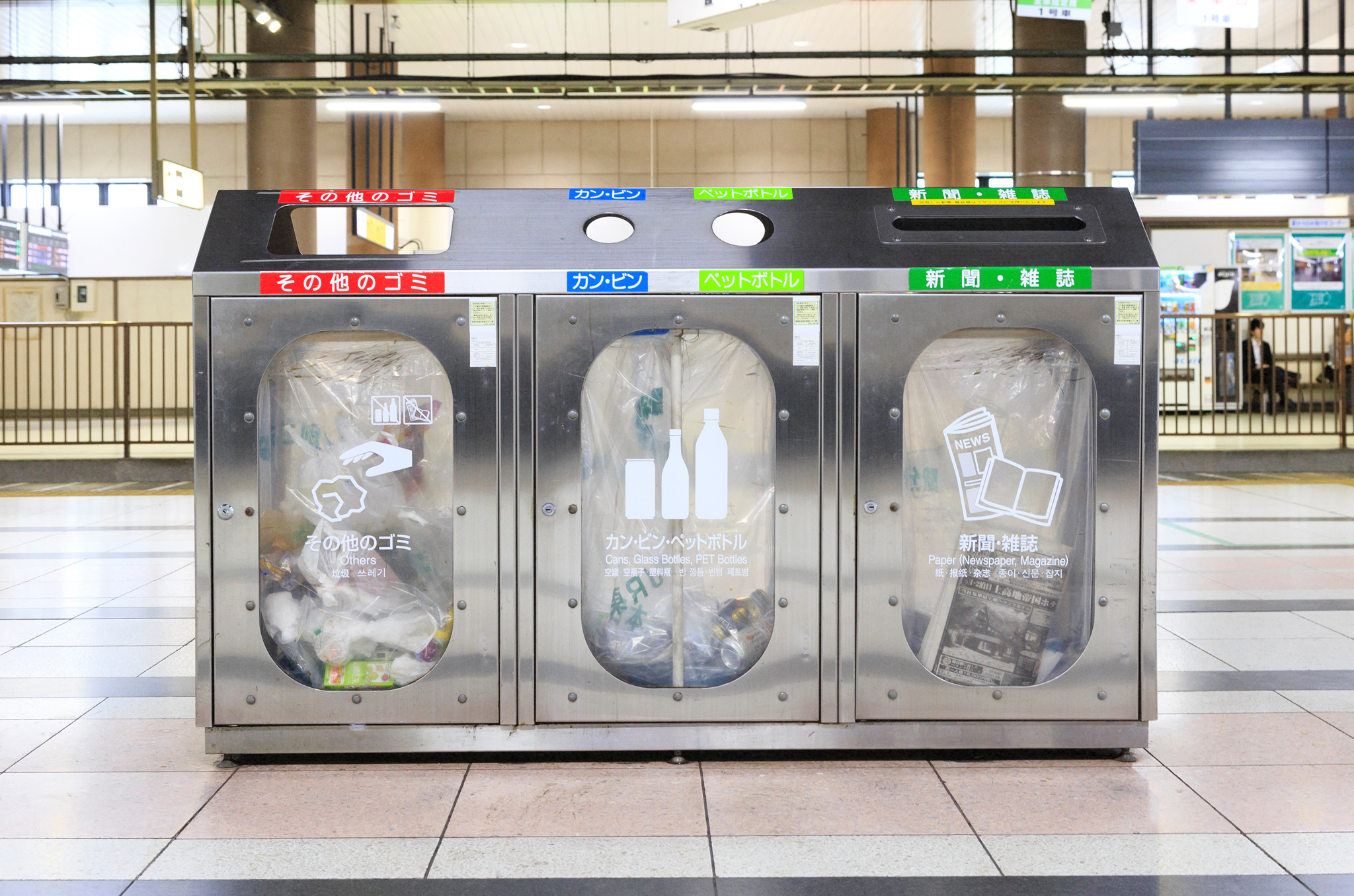
- Garbage and recycling guidelines vary by ward and city within Tokyo, so make sure to check your own neighborhood’s schedule and rules. Some wards, like Minato, have thorough English-language explanations.
- Bottles, trays and plastic wrapping must be separated before disposal, as containers and packaging are often subject to Japan’s container packaging recycling framework.
Clean and Separate Properly Before Disposal
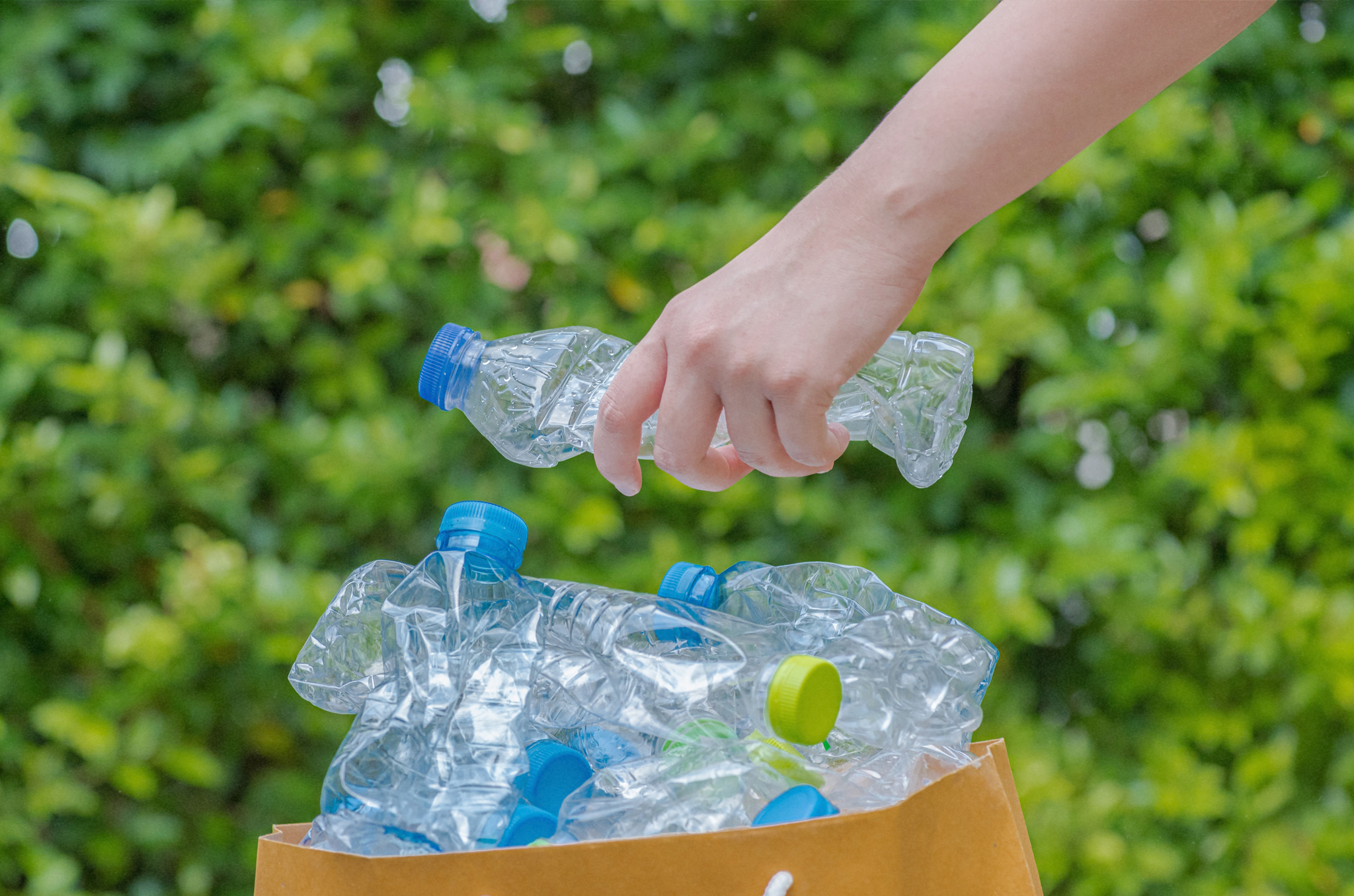
- Rinse food and drink containers so they’re free of residue.
- Remove and separately dispose of labels and caps where required.
- Flatten or break down bulky items to save space.
Correct preparation avoids contamination, which can render whole batches of recyclables unusable.
Use Community Resources
- Recycling centers: Some districts have resource recovery centers for hard-to-recycle items.
- Community events: Swap meets and waste reduction workshops offer opportunities to reuse and upcycle items that might otherwise become trash.
Small Shifts for a Lighter Footprint
Minimizing plastic in Tokyo is about recalibrating routines and staying mindful of choices we make every day. From carrying a reusable tote to learning the local recycling rules, each step helps reduce waste and contributes to a cleaner, more resilient city. With intention and awareness, Tokyo can lead by example in living lighter on our shared planet.