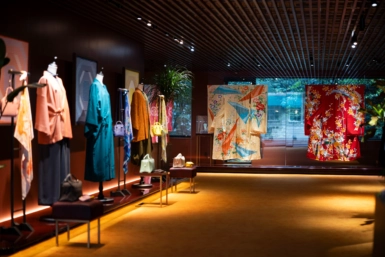
It’s said that trends are destined to make a comeback every 20 years or so, with tastes resurfacing as trendsetters get nostalgic for their childhoods and times past. This cyclical nature is ever apparent in the busy streets of Tokyo, now twinkling with the colorful kitsch of “Heisei Retro.” Similar to international Y2K trends of the 90s and early 2000s, Heisei Retro encapsulates the exciting styles of Heisei-era Japan. Gyaru fashion, bonbon drop stickers, camcorders, CD players, gachapon — relics from the turn of the new millenium are coming back into circulation.
“What was once a fascination with the Showa Era (1926-89) glitz of kissaten cafes and city pop has evolved into something glossier, more colorful and, interestingly, more recent — the Heisei Retro boom,” explains The Japan Times.
Perhaps due to our early emotional attachment to our digital pets, Tamagotchi has become one of the main headliners of the Heisei Retro comeback. Since its debut in 1996, the little keychain-sized toy has evolved into a global cultural phenomenon. Tamagotchi has sold over 100 million units (as of July 2025) with innovative models and hundreds of collaboration designs including Disney, Pac-Man, Sanrio and Pokemon. The brand has made countless easter-egg appearances in popular media including in The Big Bang Theory and Disney/Pixar’s Turning Red. Its latest model — Tamagotchi Paradise — dropped just this past summer and is still continually selling out, showing that the Tamagotchi craze is back and bigger than ever.
Celebrating its 30th anniversary in the upcoming new year, here is a look back at Tamagotchi’s evolution from pocket pixel pet to worldwide domination and beyond.
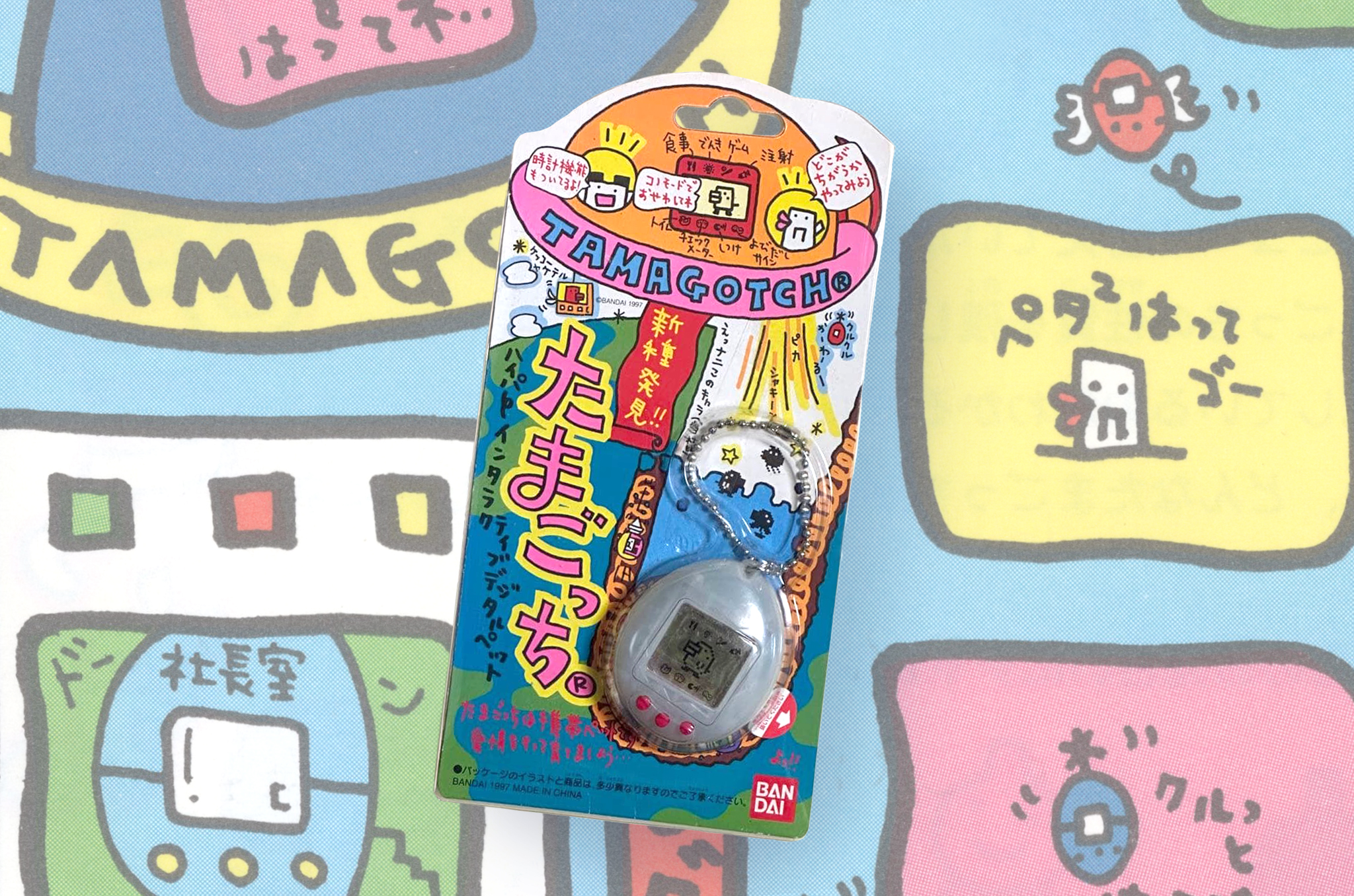
The original 1996 Tamagotchi model, with artwork from 1997 | Source: Internet Archive / Image: Victoria Bennett
The Birth of Tamagotchi
“Tamagotchi” is a portmanteau of tamago (egg) and wotchi (watch). With a cute handheld egg-shaped console, non-backlit LCD screen and minimalistic three-button design, Tamagotchi had a very low threshold for players to join in on the fun.
The concept was created by Aki Maita, a then 30-year-old employee at Bandai. Legend has it that Maita got the idea for Tamagotchi after watching a television program about a boy who insisted on bringing his pet turtle to kindergarten class. Within its first year on the market, about 20 million units were sold in Japan alone and another 20 million in other markets around the world. Tamagotchi fever quickly spread to over 50 countries. Bandai couldn’t produce units fast enough to match demand. The toy inspired endless bootleg copycats and led the way to other digital pets in the toy space.
Part of both the intrigue and stress of the game, Tamagotchi provided a sense of simulated responsibility. Forgot to feed your little guy? Or left its poop out for too long? Like a real living being, a Tamagotchi’s life could not be simply paused. Failing as a Tamagotchi parent came with real consequences and seeing a pixel graveyard pop up was a canon event that trauma-bonded a whole generation of children around the world. Still, we continued to crave for more.
© BANDAI / Bandai Namco Entertainment Inc.
Evolution of the Digital Pet
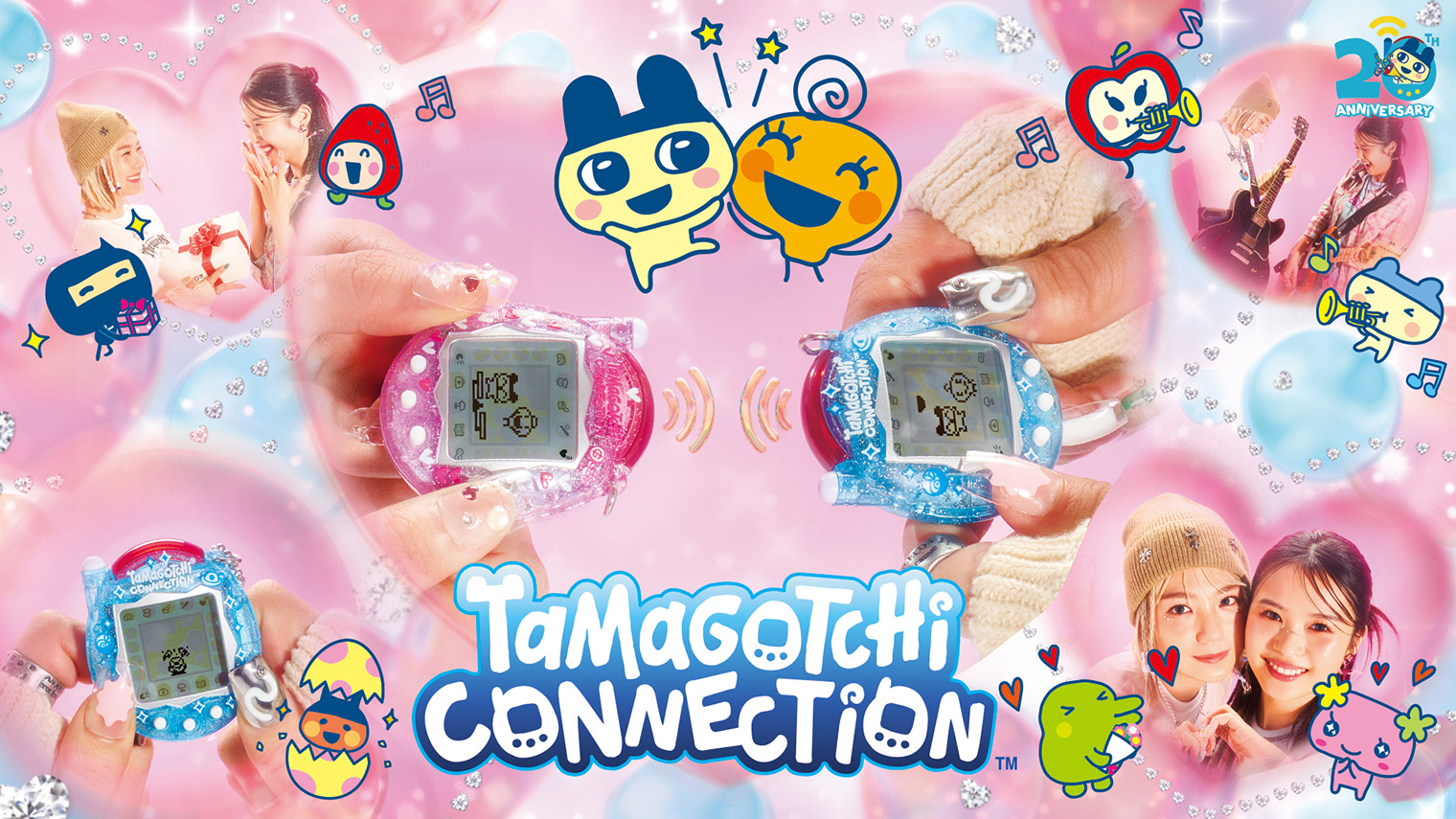
While the base caretaking concept has remained unchanged, Tamagotchi technology has greatly evolved from the days of the classic models. Tamagotchi Connection, released in 2004, introduced infrared communication, allowing players to connect with other Tamagotchi consoles to make friends, exchange gifts and play together.
The “smart age” of Tamagotchi fully kicked off in 2008, when Tamagotchi Plus Color brought the much-anticipated advancement to color LCD gameplay. Tamagotchi ID in 2009 gave players the ability to download accessories, wallpapers and other in-game items from the official website for the first time. The Tamagotchi On model, introduced in 2019, could connect via both Bluetooth and infrared technology to communicate with other players and a smartphone app. Tamagotchi Pix (2021) featured a built-in camera, touch-sensitive buttons and even its own mini social media-like platform for friends to send “likes.”


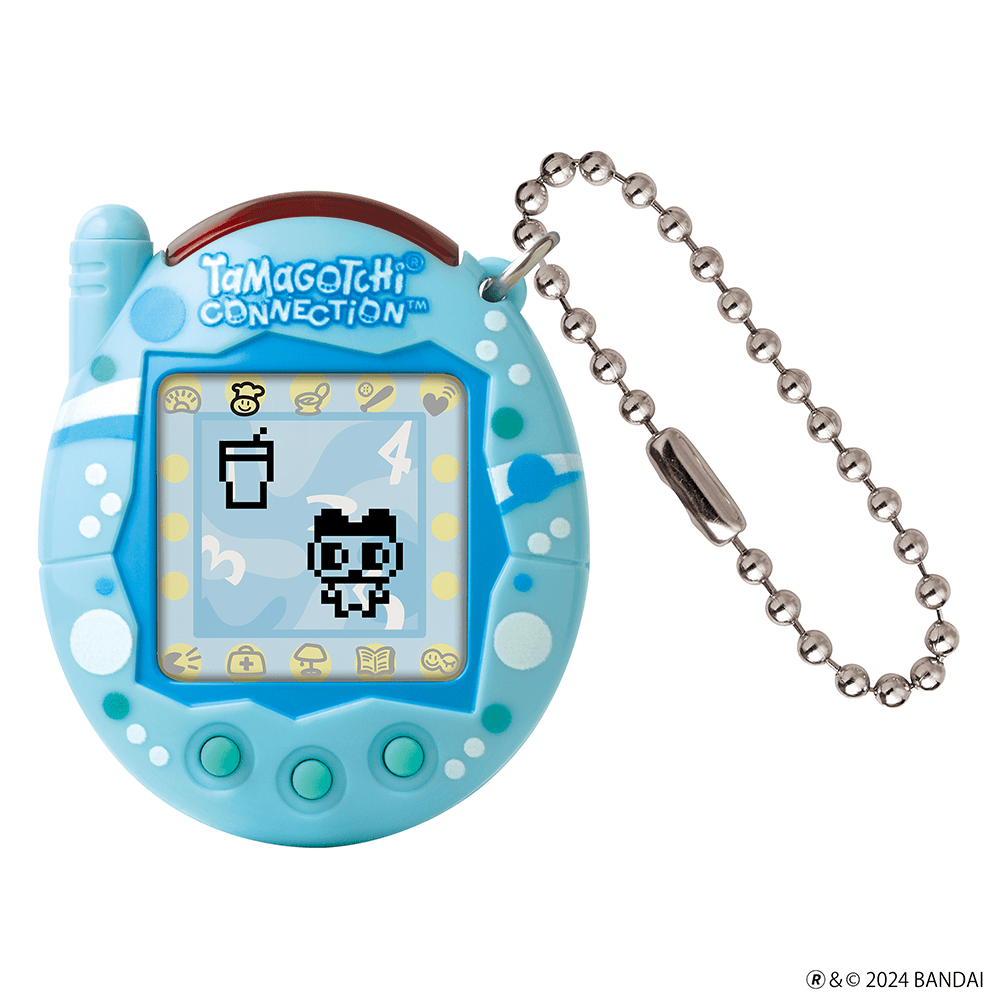
Tamagotchi Uni (2023) brought Wi-fi support and “Tamaverse tickets” that could take players through different portals. And finally, Tamagotchi’s latest release, Tamagotchi Paradise, debuted with a dial that could zoom into the characters’ world from a cellular to a cosmic level for even deeper exploration. The Tamagotchi world is now bigger than ever before — the new model contains over 50,000 different possible creatures that the egg can sprout.
Outside of the keychain console, Tamagotchi has also expanded into other media universes. Some avid fans may have grown up with the Nintendo DS game “Tamagotchi Connection: Corner Shop,” a simulator where players went around town completing tasks such as decorating cakes, fixing cavities and hosting the perfect onsen experience. The “Corner Shop” game now lives on through a new iteration, “Tamagotchi Plaza,” for the Nintendo Switch 2 which was released this summer.
A Tamagotchi anime began airing in Japan in 2009 and broadcast 143 episodes, introducing deeper character personalities and lore. Fans can now even get a credit card with Tamagotchi designs thanks to the Epos Card, a true transition over to adulthood from the days of taking care of our digital pets to now growing up and taking care of ourselves.
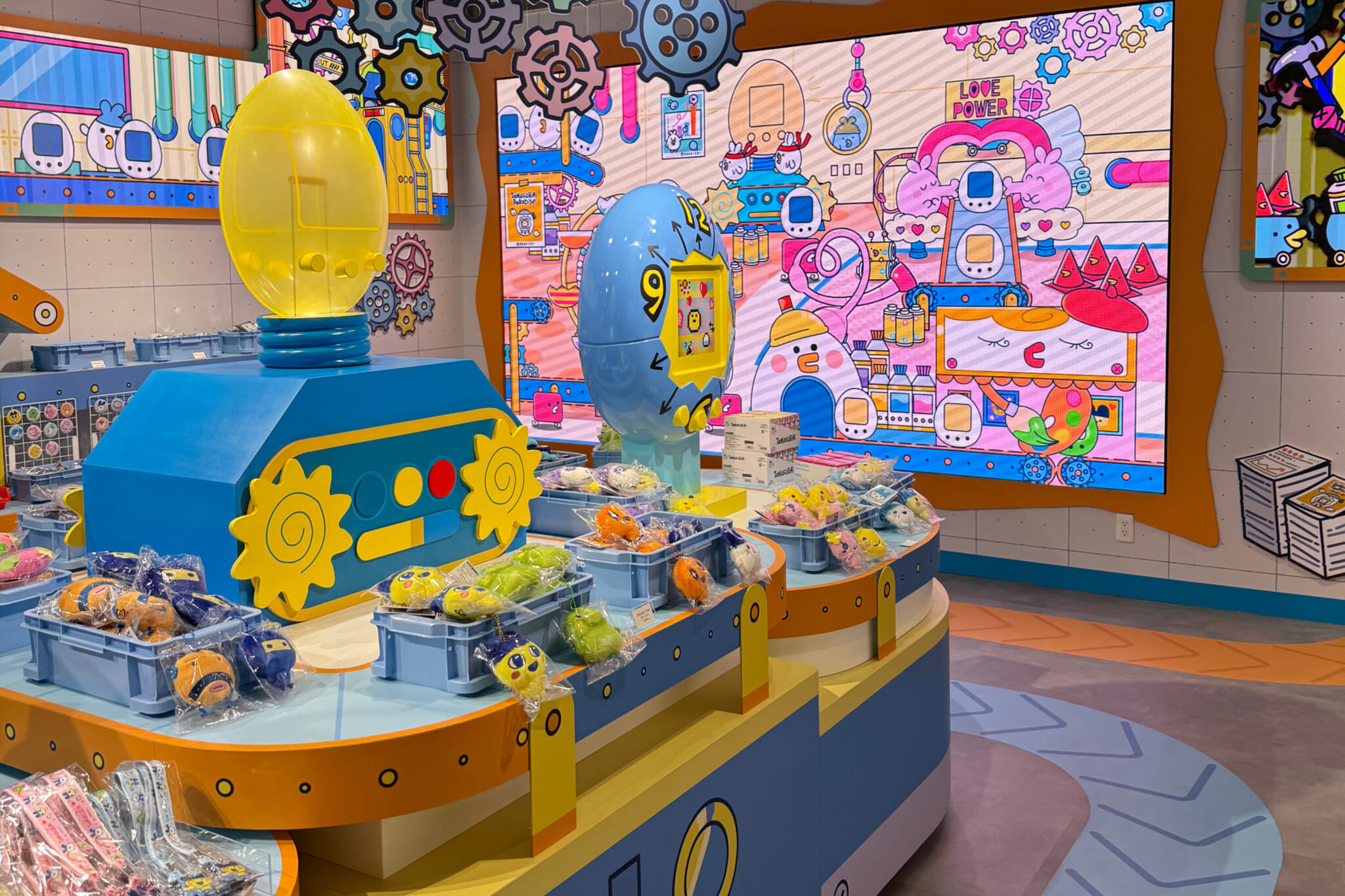
Tamagotchi Factory Harajuku | Photo by Annie Ziesmann
Where To Buy Tamagotchi in Tokyo
Bandai Namco Cross Stores
Bandai Namco Cross stores are retail shops that can be found throughout Japan. Along with anime collectibles, gachapon and other pop culture goodies, Cross Stores offer a variety of Tamagotchi toys and merchandise.
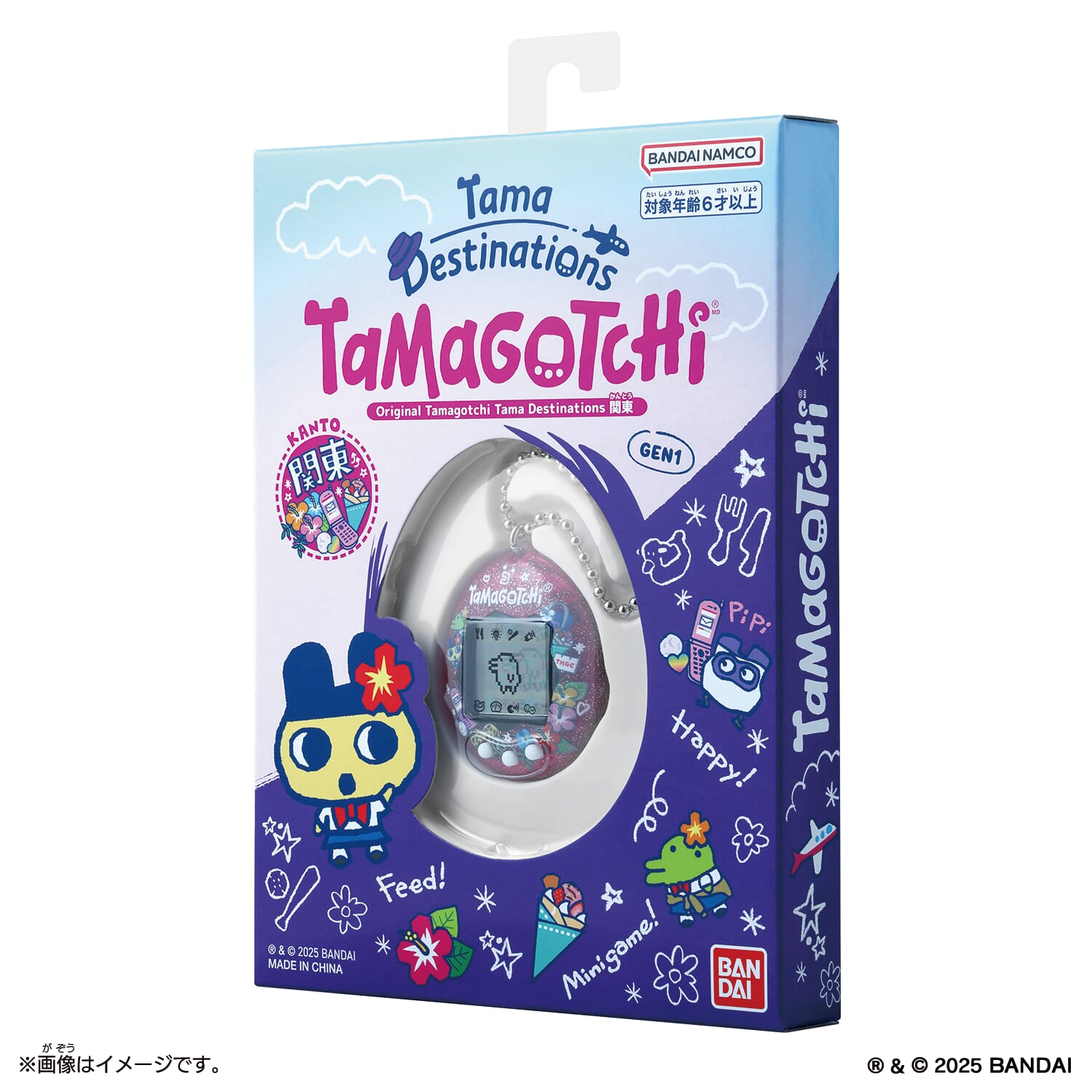
© BANDAI / Bandai Namco Entertainment Inc.
Bandai has also released limited-edition regional “Tama Destinations” consoles, which are available at Cross stores. The Kanto region model, reflecting the wave of Heisei Retro, is inspired by gyaru style. The sparkly pink console design features the characters Mametchi and Kuchipatchi wearing school uniforms, and surrounded by cheetah print, hibiscus flowers and flip phones.
Tamagotchi Factory Harajuku
The Tamagotchi Factory Harajuku is a fresh, newly-opened storefront at Tokyu Plaza Harakado with a whimsical toy factory concept. Equipped with conveyor belts and assembly lines, guests can create customized accessories and miniature figurines. The factory also stocks the exclusive Tamagotchi Connection Mezzo Piano collaboration model featuring characters in bunny-eared hoodies.
Toy & Tech Stores
With the ever increasing popularity of Tamagotchi, you can find both the toys and merchandise at different shops across Japan. Toy and variety shops like Village Vanguard, Surugaya and Mandarake often have a big selection. Don’t skip out on electronics retailers such as Bic Camera and Yodobashi Camera as well, which have entire sections dedicated to the popular franchise.
© BANDAI / Bandai Namco Entertainment Inc.
Other Fun Activities in Tokyo for Tamagotchi Fans
Capcom Cafe Collaboration Event
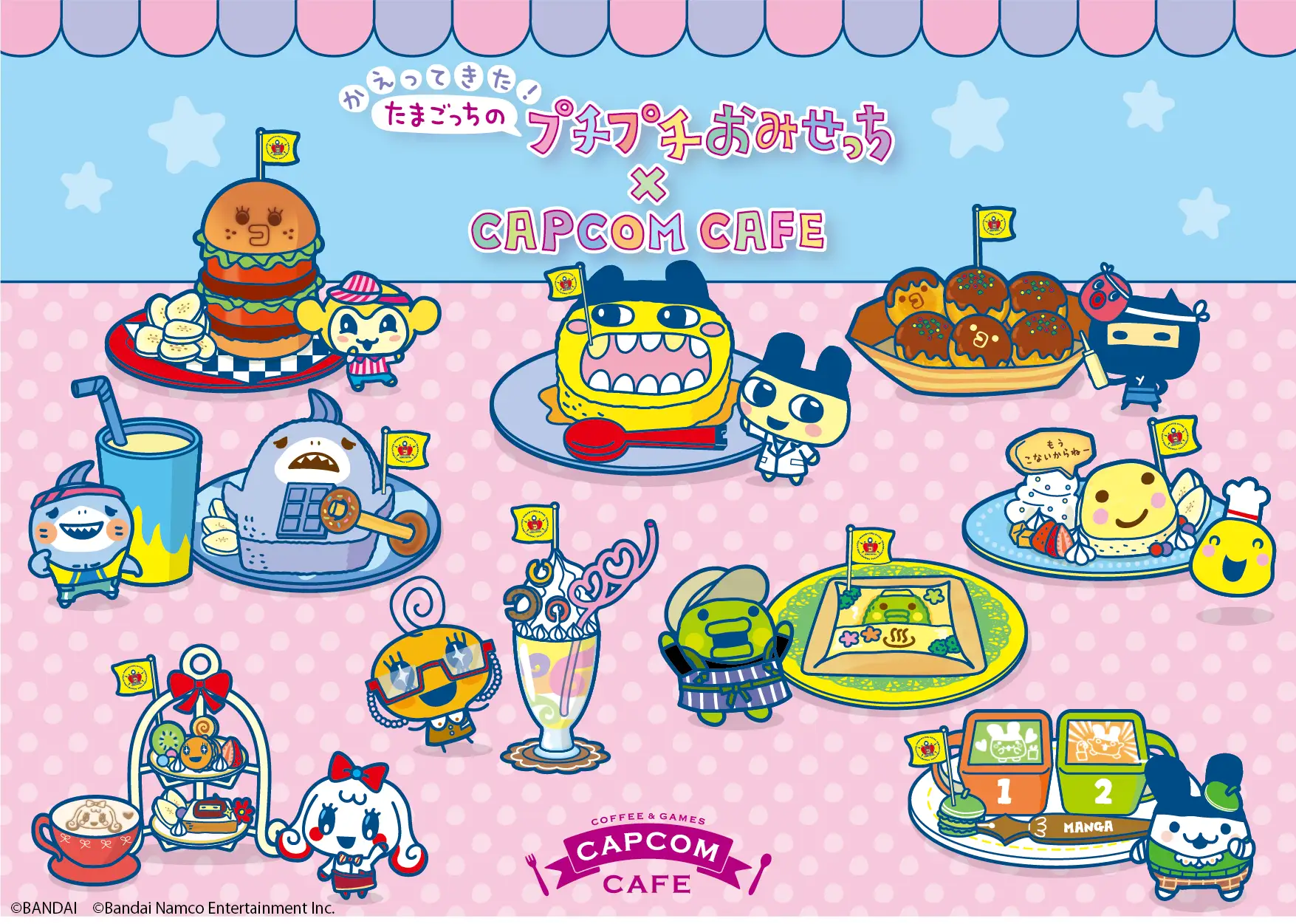
The Capcom Cafe in Ikebukuro and Umeda will be hosting a special Tamagotchi collaboration cafe event until January 15, 2026. The cafe will feature a variety of Tamagotchi-themed food and drinks, such as Kuchipatchi’s hamburger galette, Mirukutchi’s gentle milk tea and Marutchi’s “make-it-yourself” pancakes. Customers can book online to reserve a seat in advance.
Tamagotchi 30th Anniversary Exhibition
The upcoming Dai Tamagotchi exhibition at Roppongi Museum will celebrate 30 years of Tamagotchi history. The exhibit looks back at the toy’s development process and showcases various artists’ interpretations of the iconic characters. The Dai Tamagotchi Exhibition will be touring across the country with Tokyo as the first stop from January 7 to February 2, 2026.
Bandai Head Office Museum
As the manufacturer of some of the most beloved toys ever produced, the Bandai Head Office in Asakusa has a free exhibit covering the company’s history, from Showa-era toys to recent releases. Right at the front of the office, you will find Tamagotchi’s mascot Mametchi welcoming visitors. You’ll also find plenty of displays and photo spots to relive your childhood.