Tokyo is an incredible city for viewing art in public spaces. In parks, state-of-the-art office buildings and street galleries, Japan’s capital is teeming with public works that seamlessly incorporate art to the quotidian lives of Tokyoites. From feudal heroes immortalized in bronze to surreal installations by contemporary masters, here are some of the works worth visiting in Tokyo and the stories behind them.
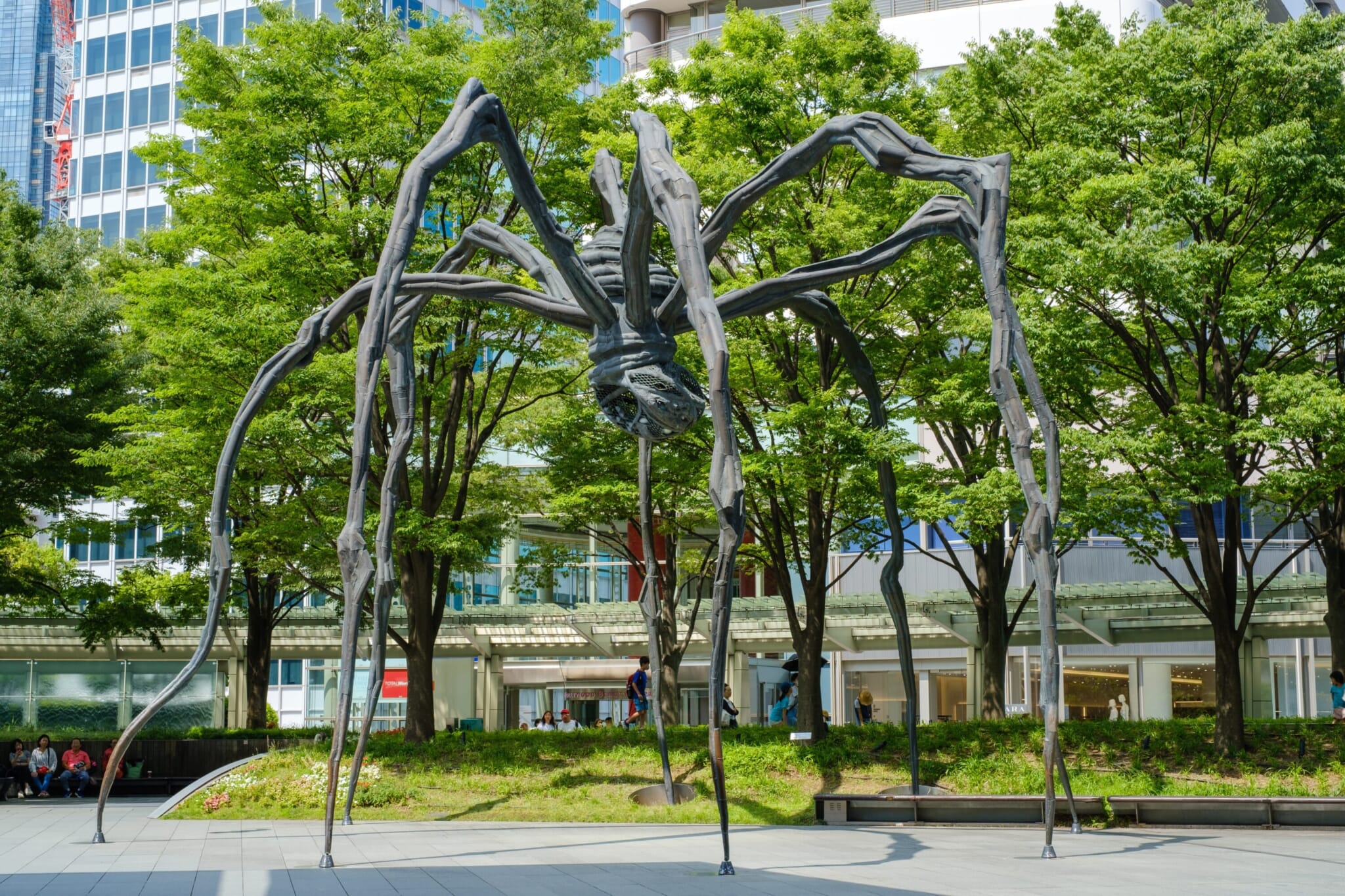
Maman by Louise Bourgeois (Roppongi Hills)
At the foot of Roppongi’s Mori Tower, Louise Bourgeois’ “Maman” (1999) stands 9 meters tall and 10 meters wide, with its spindly legs arching protectively over passersby. One of six monumental spiders around the world, “Maman” honors Bourgeois’ mother, who was a weaver, and explores the themes of creation, vulnerability and maternal strength. Installed in 2003 with the opening of the Mori Art Museum, it has become a sentinel of Roppongi Hills’ global art identity. Luckily for us, the Tokyo Weekender team gets to admire this powerful sculpture every time we go to the office.
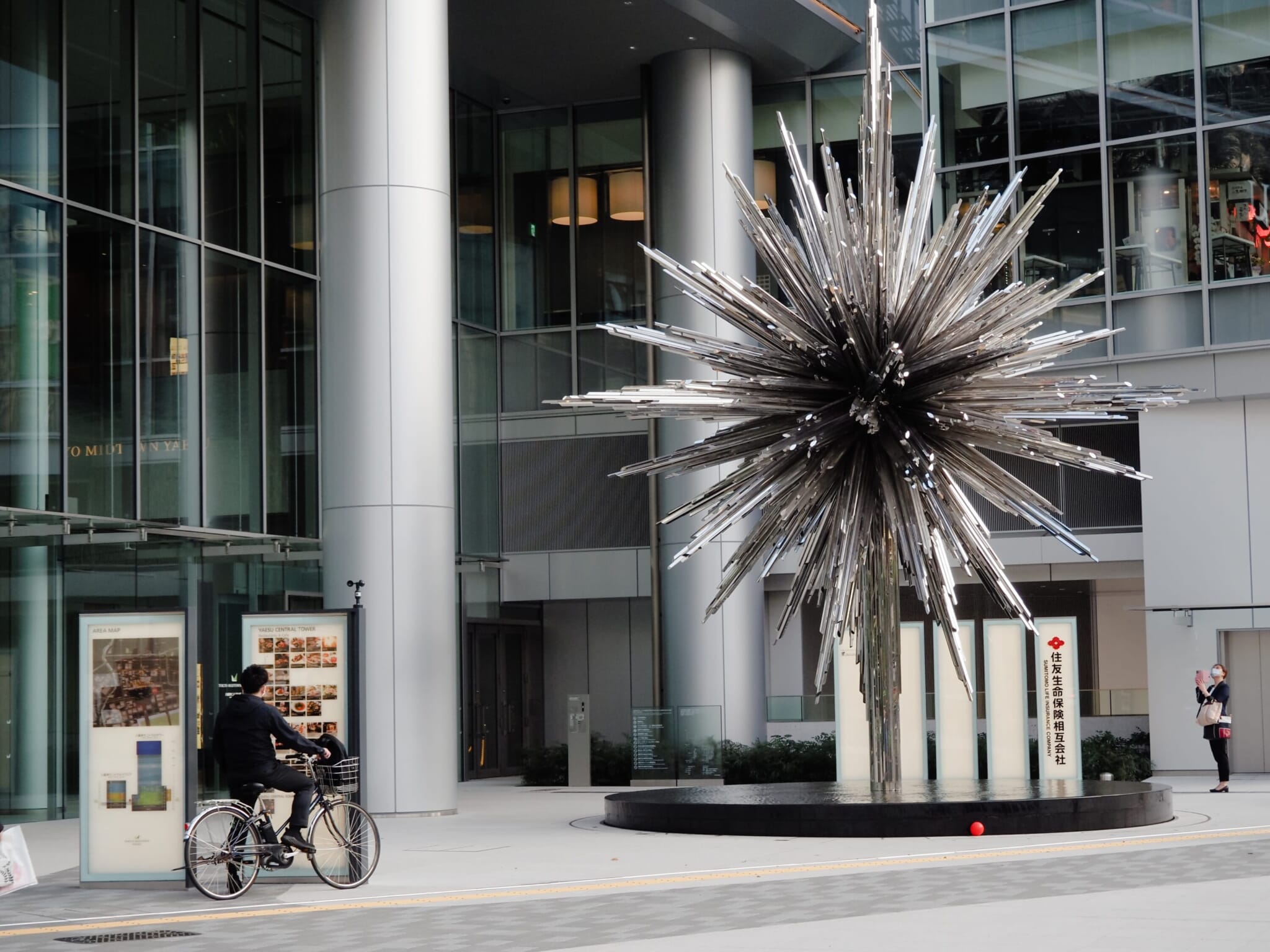
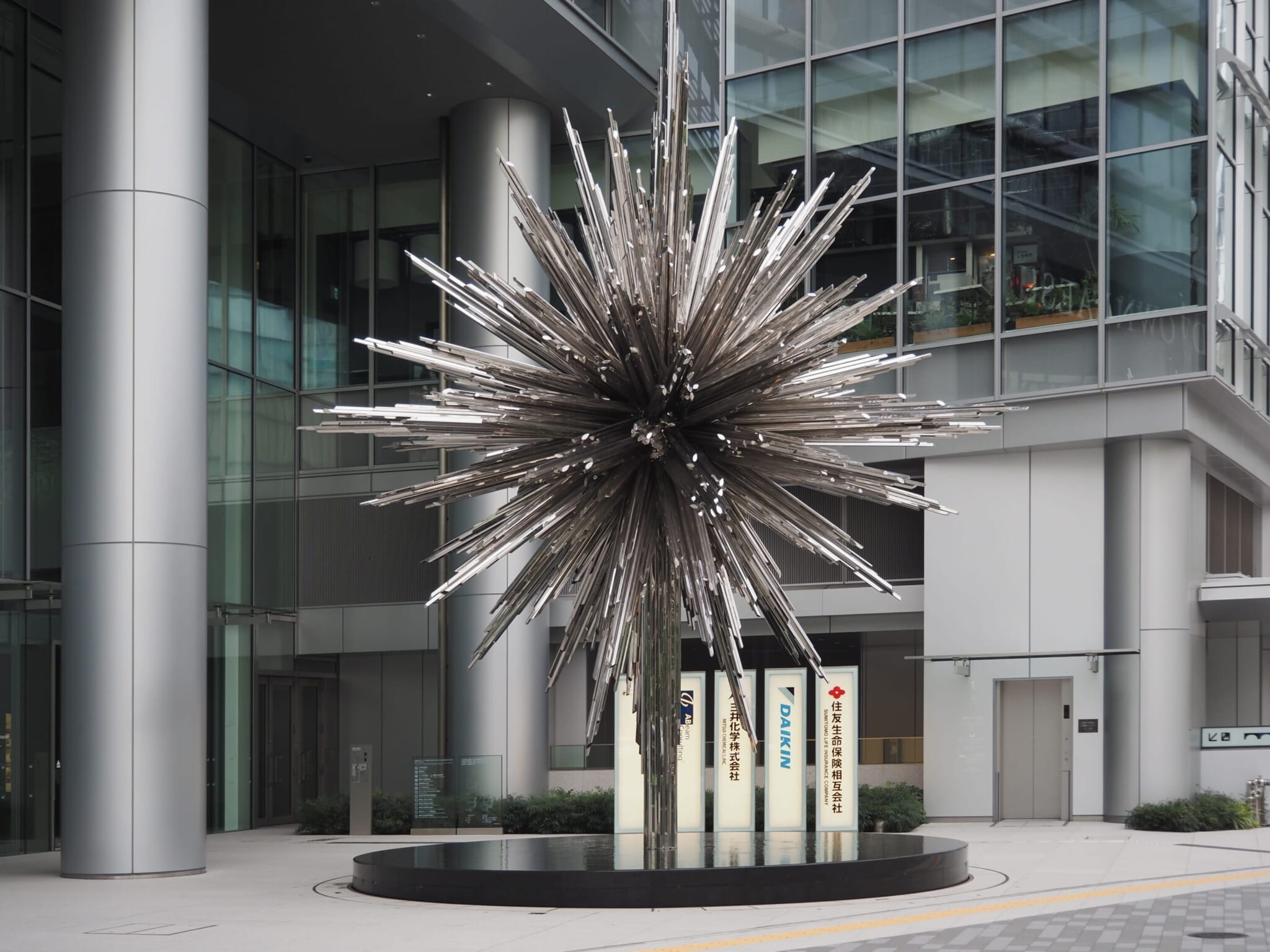
Star by Tokujin Yoshioka (Tokyo Midtown Yaesu)
Designer Tokujin Yoshioka’s “Star,” unveiled in 2023, gleams at the Yaesu entrance of Tokyo Midtown. Composed of more than 2,000 mirrored stainless steel, the geometric sculpture refracts light throughout the day, creating a shifting constellation that changes with each hour. Yoshioka, known for works that merge light, transparency and emotion, conceived “Star” as a symbol of peace, in hopes for the world to be united under our shared awe of the universe.
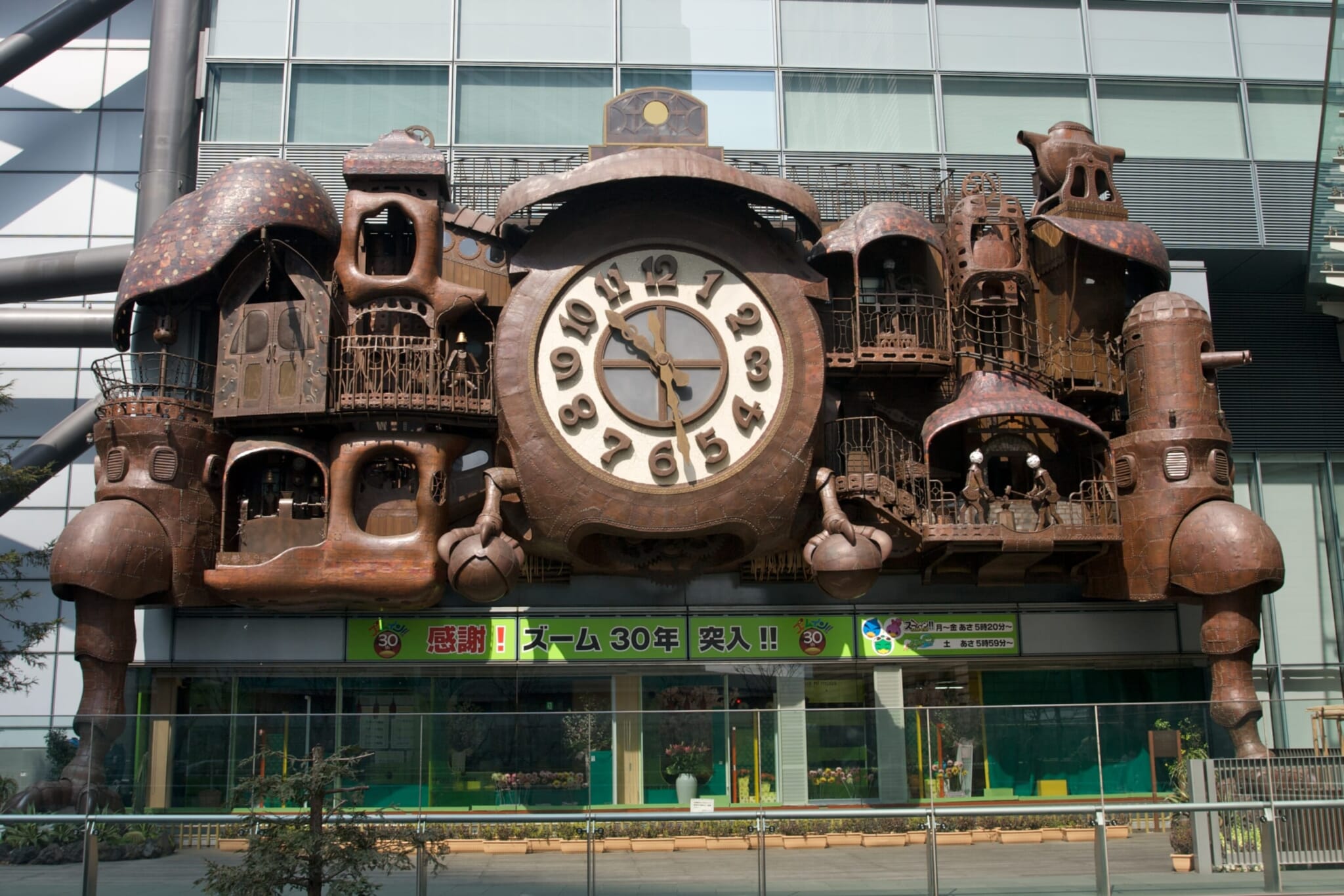
Ni-Tele Really Big Clock by Hayao Miyazaki (Shiodome)
Every Ghibli fan should visit the Nippon Television headquarters in Shiodome at least once. Conceived by Hayao Miyazaki and constructed by longtime collaborator Shachimaru Kunio, the Ni-Tele Really Big Clock, completed in 2006, whirs to life several times a day (noon, 1 p.m., 3 p.m, 6 p.m. and 8 p.m. on weekdays and an extra 10 a.m. show on weekends) as its gears spin and whimsical robotic figures rotate around the clock. The steampunk timepiece looks like something straight out of the world of Howl’s Moving Castle, and a fun imprint of Miyazaki’s vision amidst Tokyo.
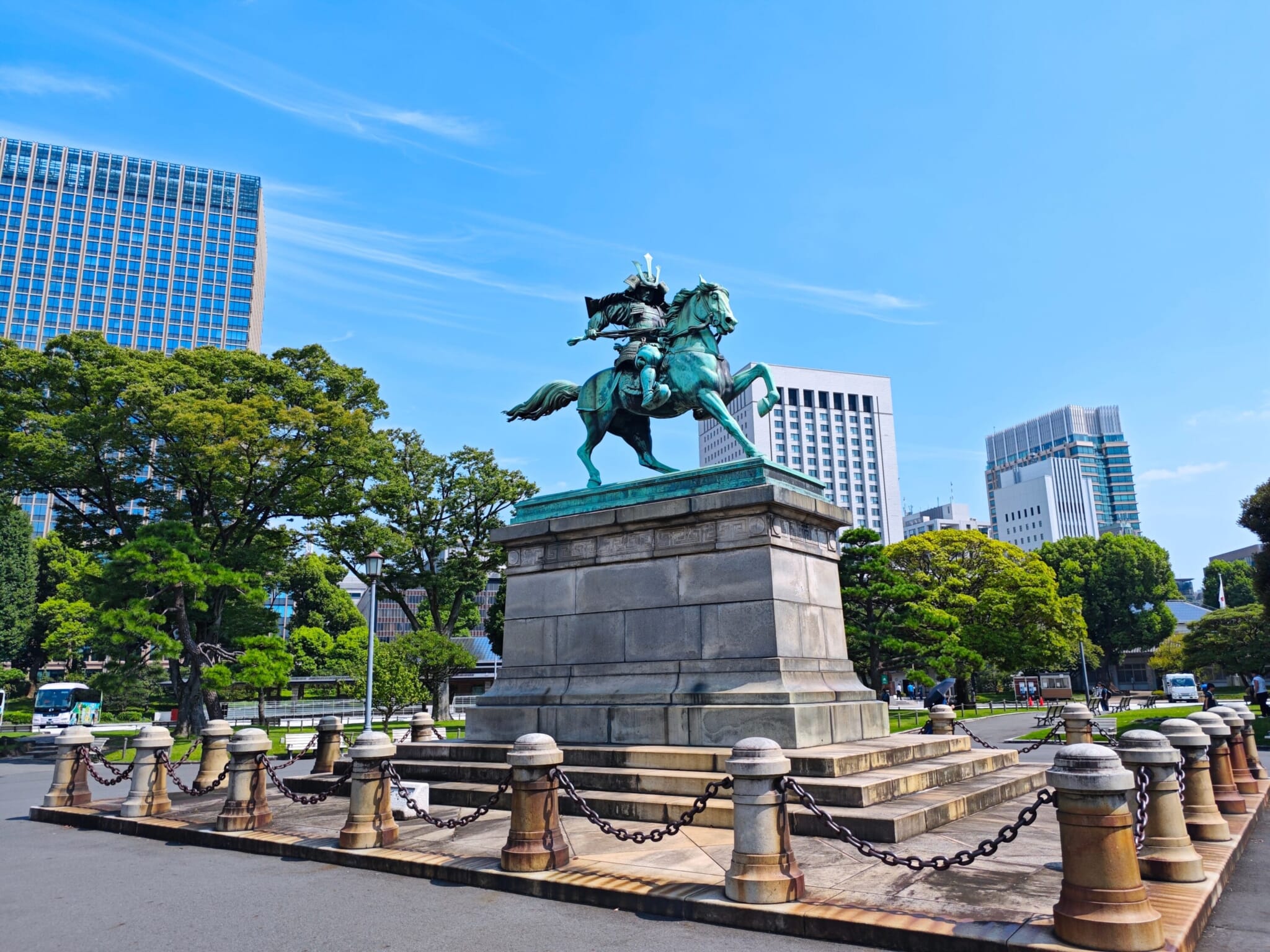
Statue of Kusunoki Masashige (Imperial Palace Outer Gardens)
Standing watch over the Imperial Palace’s outer gardens since 1897, the equestrian bronze of Kusunoki Masashige is among Japan’s most famous statues. The samurai, who was prominent in the early 14th century, is celebrated for fighting for Emperor Go-Daigo in the Genko War to restore power to Japan’s Imperial Court, becoming a Meiji-era emblem of loyalty and patriotism. Sculpted in Western academic style, the statue symbolized Japan’s modernization while honoring traditional values — a fusion of form and philosophy still resonant today.
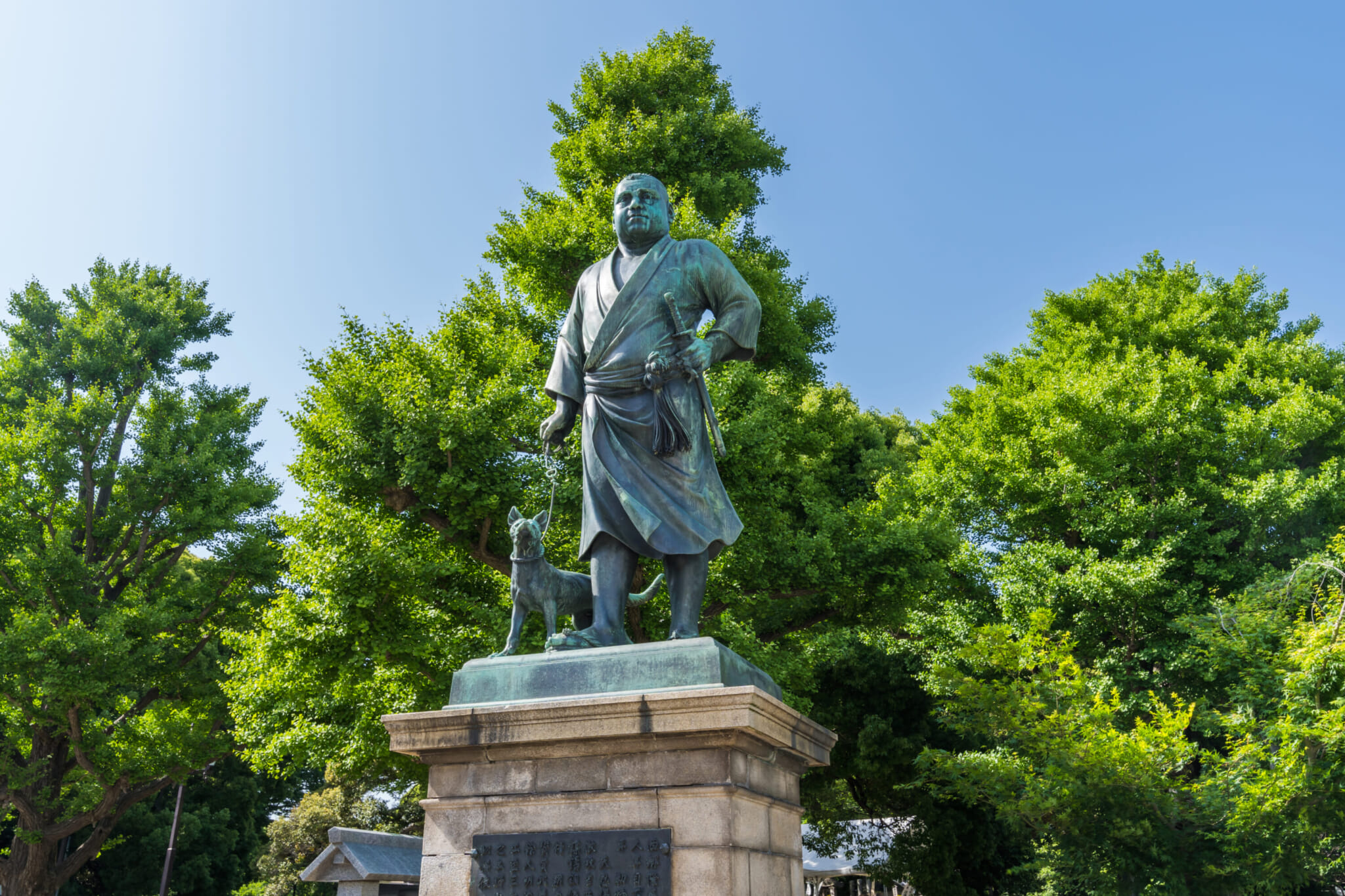
Statue of Saigo Takamori (Ueno Park)
Another Meiji monument, the Statue of Saigo Takamori (1898) by Takamura Koun depicts the “last true samurai” — yes, the one that inspired the Hollywood blockbuster — in simple yukata and sandals, walking his loyal dog Tsun. Unlike grand military portrayals of the era, this humble image softened Saigo’s complex legacy, portraying him as a man of principle rather than power. Among the cherry trees of Ueno Park, it remains one of Tokyo’s most beloved historic figures in bronze.
Atlas Obscura
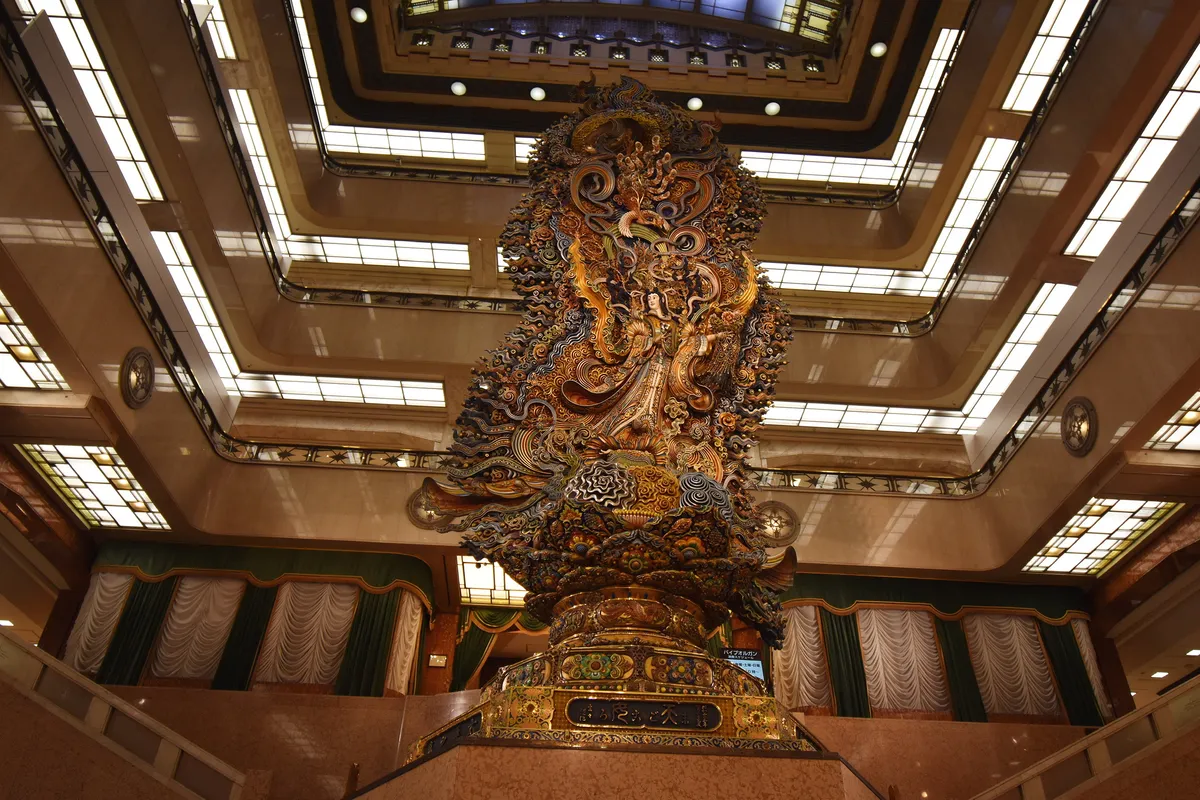
Magokoro Tennyo by Gengen Sato (Mitsukoshi Nihonbashi Main Store)
Inside Mitsukoshi Nihonbashi, the Magokoro Tennyo (“Heavenly Maiden of Sincerity”) rises from the department store’s central hall — a gleaming wooden goddess created in 1960 by sculptor Gengen Sato. Carved from 500-year-old hinoki cypress and adorned with over 100,000 jewels, the statuesque goddess weighs nearly seven tons, and embodies Mitsukoshi’s founding ideal of sincerity and grace. Blending religious iconography with modern commercial artistry, she stands as a symbol of Japan’s postwar optimism and aesthetic craftsmanship.
Art@Site
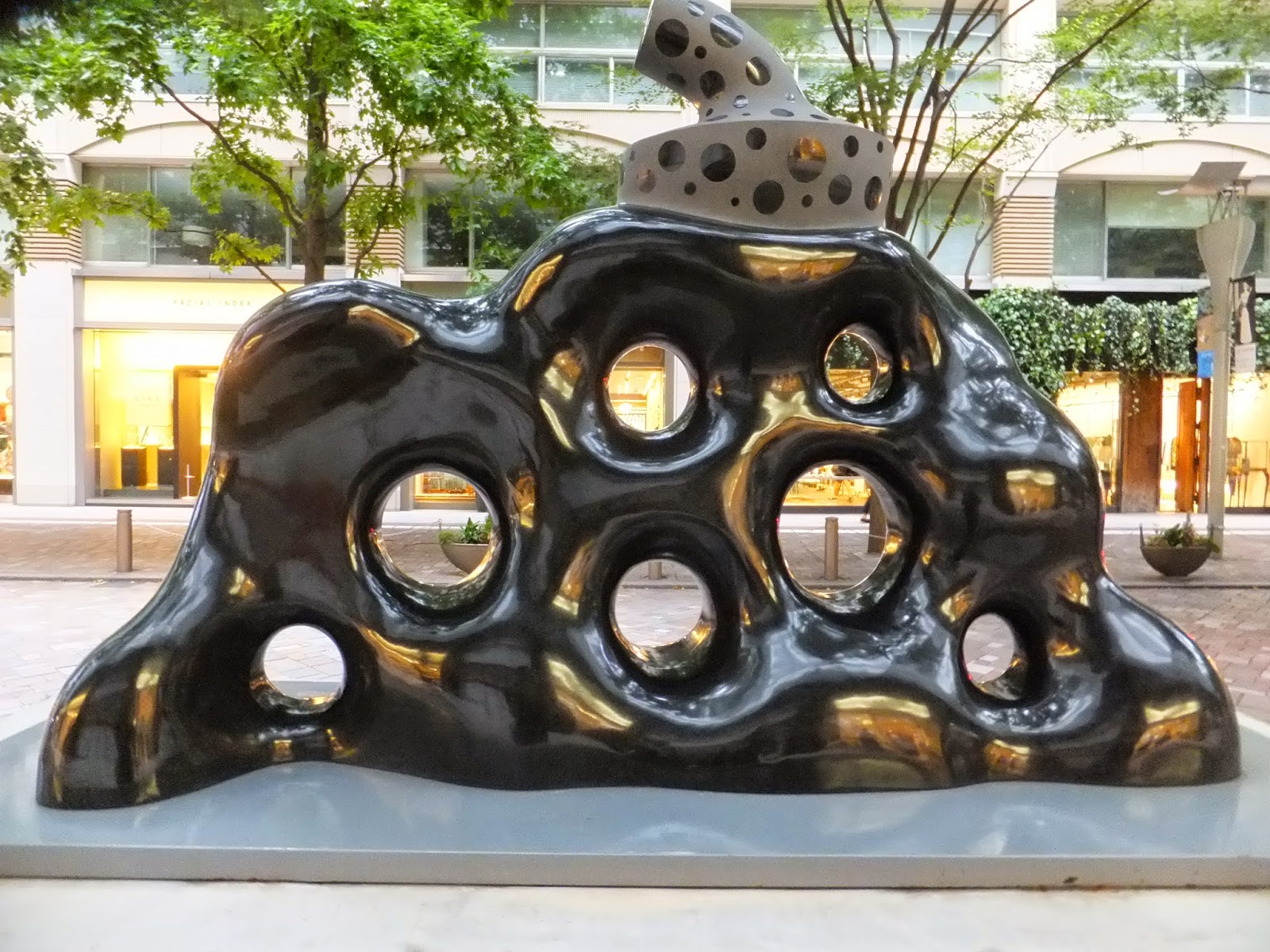
I am a Pumpkin by Yayoi Kusama (Marunouchi Street Gallery)
The Marunouchi Street Gallery is well worth a visit, with 19 prominent works on the open-air sculpture route. One of the notable sculptures there is Yayoi Kusama’s “I am a Pumpkin,” gleaming with Kusama’s signature polka dots rendered in metallic form. The pumpkin, a recurring motif in her six-decade career, represents both self-portrait and cosmic continuity — a meditation on repetition and infinity. The Marunouchi Street Gallery, established in 1972, transforms this business corridor into a living exhibition, and Kusama’s work invites a moment of quiet reflection in its mirrored surface.
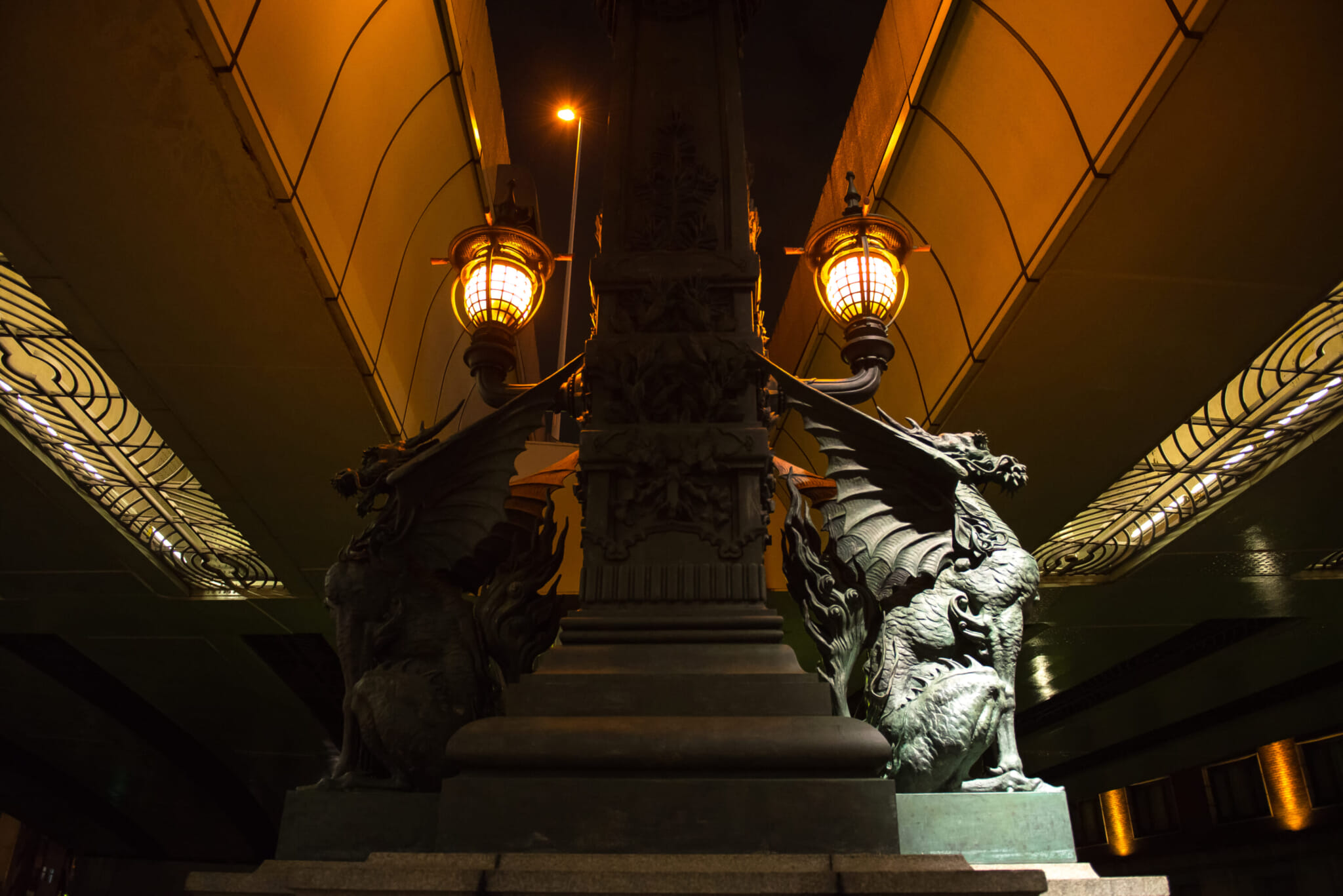
Nihonbashi Kirin Statues (Nihonbashi Bridge)
The original wooden Nihonbashi Bridge was built in 1603 and was the busiest point in the Edo period. Since then, it had burnt down and was rebuilt 10 times, with the current bridge constructed in 1911, with twin bronze Kirin statues standing guard. The statues are a perfect example of wayo-setchu art, combining Eastern mythology with Western neoclassical design. The bridge itself, once considered the center of Japan — remains a nexus of travel and commerce, while its winged mythic sentinels encourage Japan’s soaring success.
The Tokyo Files
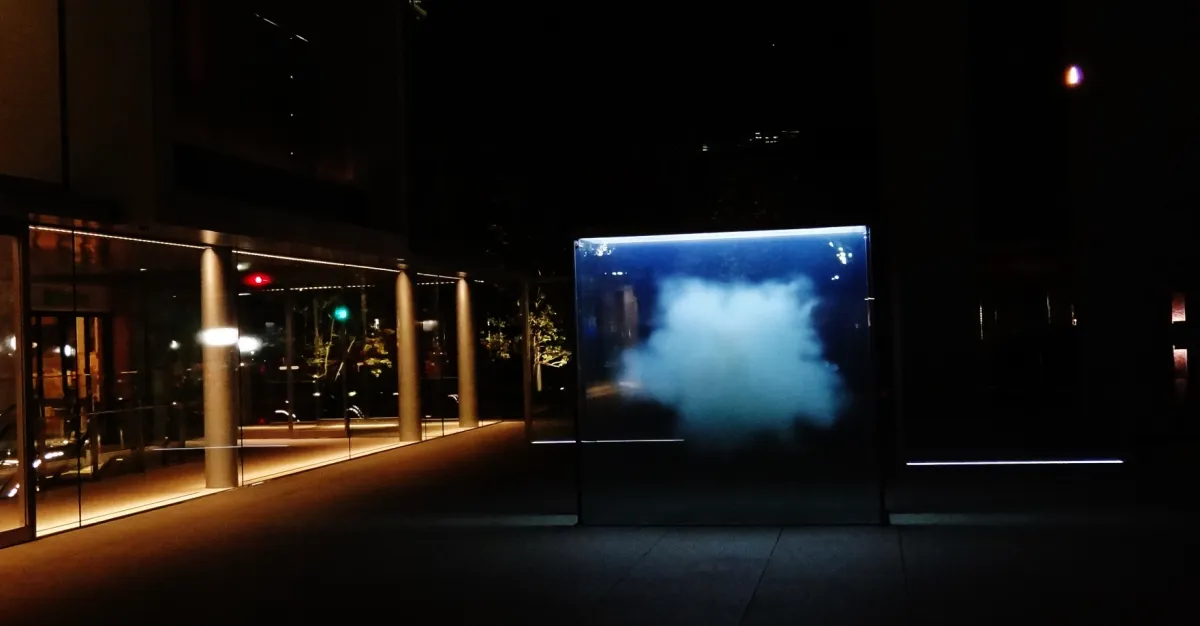
Cloud by Leandro Erlich (Kasumigaseki, Chiyoda City)
At the Iino Building plaza in Kasumigaseki, Argentine artist Leandro Erlich captures a surreal sight: a cloud suspended within glass. Created in 2019, the cube holds a mist that appears to hover in midair, achieved through a delicate balance of temperature and light. Erlich, known for works that distort perception, turns the ephemeral into the tangible. Amid the corporate building’s steel and order, “Cloud” offers a whimsical escape.
Scai the Bathhouse
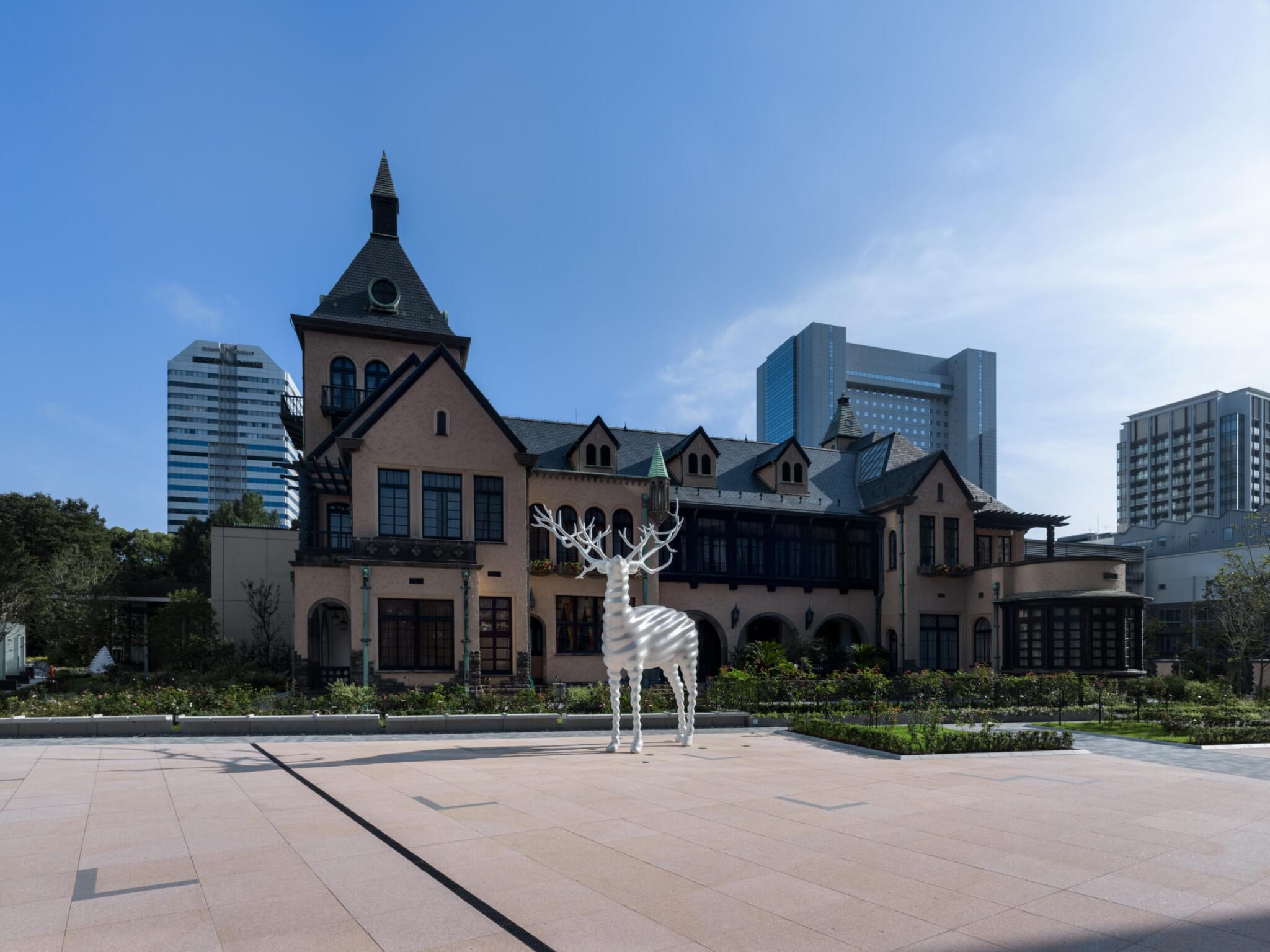
White Deer (Oshika) by Kohei Nawa (Garden Terrace Kioicho)
Kohei Nawa’s “White Deer” (Oshika) stands stately at Garden Terrace Kioicho, a picturesque residential and commercial complex. Inspired by Shinto mythology, where deer are seen as messengers of the gods, the sculpture is created from cast aluminum with a stunning white enamel finish. The piece originated from the Reborn-Art Festival in Ishinomaki, a coastal city recovering from the 2011 disaster, and Nawa’s masterpiece can be seen in Tokyo, where it retains its ethereal purity.
Related Posts
- How Oita Became a Public Art Oasis
- 7 Must-See Giant Buddha Statues in Japan
- Awaji Island: Where Stunning Nature Meets World-Class Architecture
Updated On November 18, 2025